

Lingyi Zhihui: Empowering Grassroots Healthcare with AI after the Pinggu Model
The Mafang Community Health Service Center in Pinggu District has recently “gone online” with AI. Although located in Beijing, the health center lies beyond the Sixth Ring Road, and is even 60 kilometers away from the nearby Beijing Capital International Airport.
“Mafang is located in a border area, with Pinggu on one side and Shunyi on the other; further south, beyond the roundabout, lies Sanhe City. For many patients, such as those from Zhangzhen and Wuqiong Temple, going to Shunyi District Hospital is quite far, and Pinggu District Hospital is not close either—large hospitals in the city center are even less of an option, so they have no choice but to come here.” When discussing the “grassroots advantages” of the health center, the doctors here spoke with smiles, yet there was a hint of concern. “Mafang is developing rapidly now, with the population increasing by five to six thousand people each year. The outpatient volume is definitely growing day by day.”
As a community hospital, it lacks high-end imaging equipment and sophisticated laboratory testing devices. Adapting to local conditions, Lingyi Zhihui has introduced an AI-powered general practice Clinical Decision Support System (CDSS) to Mafang, designed to assist community physicians in their daily diagnostic work.
During the consultation, the physician will ask the patient questions based on the prompts provided by the system and select the corresponding answers within the interface. Upon completion of the question-and-answer session, the Clinical Decision Support System (CDSS) will generate diagnostic recommendations. The physician will then integrate these suggestions with their own clinical judgment to arrive at a final diagnosis. This standardized questioning process ensures that physicians neither overlook nor omit any critical information, thereby achieving full standardization of the diagnostic workflow.
With a patient’s consent, VCBeat observed the clinical consultation of a patient in an internal medicine outpatient clinic.
Patient: I caught a cold a few days ago. My throat was extremely sore yesterday, and it remains quite painful today. I do not have a fever, but I am concerned that I may develop one in the next couple of days.
Doctor: How long has your sore throat lasted?
Patient: It might have been two or three days.
Doctor: How would you describe the pain?
Patient: It hurts especially when I swallow, and my throat feels very dry normally.
Doctor: Is it dry and itchy?
Patient: Yes.
Doctor: Do you think your sore throat is caused by a cold?
Patient: Yes, because the temperature suddenly dropped in the past two days, I feel a bit unwell.
Doctor: Has your sore throat worsened or improved over the past two days?
Patient: Drinking water makes it feel slightly better. It doesn't seem to be getting worse, but it still hurts quite a bit. I'm worried about developing a fever.
Doctor: Does it hurt more when you swallow something?
Patient: Yes.
Doctor: Does the pain radiate to other areas?
Patient: No.
Doctor: Do you feel that the pain in your throat is severe or mild?
Patient: It’s particularly severe; when I open my mouth, my throat appears very red.
Doctor: Is this pain continuous or intermittent?
Patient: It comes in waves.
Doctor: After we finish asking about your symptoms of sore throat, we will proceed to the next step. Do you have a sensation of a foreign body in your throat? Do you experience symptoms such as acid reflux or belching?
Patient: No.
Doctor: Do you feel fatigued?
Patient: Fatigue.
Doctor: Do you have abdominal pain?
Patient: No pain.
Doctor: Do you have both nausea and vomiting?
Patient: No.
Doctor: How is your appetite?
Patient: Loss of appetite.
Doctor: No fever, right?
Patient: No.
Doctor: Is it accompanied by a cough?
Patient: No.
Doctor: Have you undergone any treatment?
Patient: No.
Doctor: Since you first noticed discomfort, have your diet, sleep, and bowel and bladder habits remained normal?
Patient: Poor sleep, average appetite, otherwise normal.
After the consultation, the system provided a result of "upper respiratory tract infection," which was largely consistent with the diagnosis the physician had anticipated. However, in terms of workflow, there were some differences compared to routine clinical visits without a Clinical Decision Support System (CDSS).
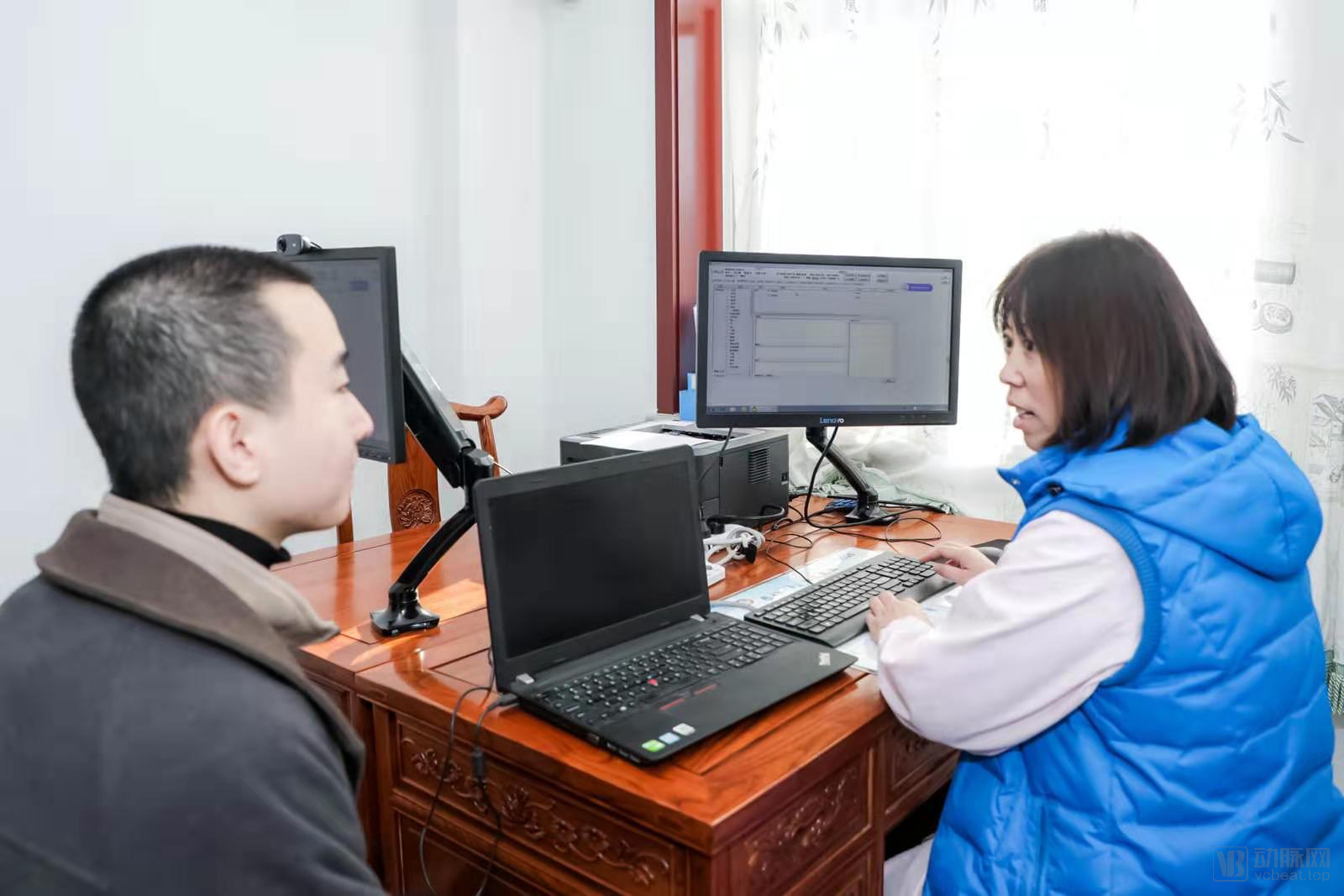
From an efficiency perspective, the preliminary consultation takes approximately 3 minutes; including the generation and printing of medical records, the entire process takes roughly 5 minutes. Compared with routine clinical visits, consultations supported by a Clinical Decision Support System (CDSS) are more detailed and time-consuming per se; however, when considering the end-to-end workflow, the total time spent per patient is significantly reduced.
"The time saved comes from automated medical record documentation. A physician at Mafang told VCBeat, 'Most of the re-employed doctors are elderly and many still use the "one-finger typing" method. If a patient’s condition is particularly complex, documenting the history of present illness usually takes a long time. However, with this system, clinicians simply click to check off symptoms, and the history of present illness can be generated with a single click.'"
The post-consultation workflow also varies. The physician stated, “Once we establish a diagnostic conclusion, the system automatically provides medication recommendations, and we generally prescribe for patients in accordance with these suggestions.”
The diagnostic system recommends certain cold medications and Chinese patent medicines with antipyretic and analgesic properties. In general practice, which medications should be prescribed for specific conditions? Which drugs have contraindications and should not be co-administered? Human memory is fallible compared to computers, especially regarding less frequently used medications, making it difficult to recall all details comprehensively. This system incorporates quality control measures; it will issue alerts if drug interactions are detected or if inappropriate prescriptions are generated.
“The dosage of certain medications needs to be adjusted based on liver and kidney function as well as age. For example, ceftazidime for injection is metabolized by the kidneys. Since renal function declines to varying degrees in older adults, the dosage for patients aged 65 and above should be reduced to two-thirds to one-half of the standard dose, with a maximum daily dose not exceeding 3 grams. In the past, such decisions relied on physicians’ clinical experience; now, this system can make these determinations.”
Time compression has led to an increase in the number of outpatient visits completed. The Mafang Community Health Service Center, staffed by three general practitioners specializing in internal medicine, now serves more than 200 patients per day. Furthermore, young physicians with limited clinical experience are rapidly acquiring medical knowledge through the system’s built-in knowledge base, correcting misconceptions and ambiguities from their previous practice. In this sense, it is not merely a tool but rather akin to a silent mentor.
The aforementioned AI-powered Clinical Decision Support System (CDSS) available for general practice is one of the products developed by Lingyi Zhihui, a subsidiary of Baidu. Baidu first publicly mentioned “Lingyi” at the Baidu World Conference in 2018. Although its name has undergone several changes, Lingyi’s development strategy has remained consistent: empowering healthcare with AI and leveraging technology to simplify complex medical processes.
“The term ‘Lingyi’ not only connotes spirituality and intelligence but also serves as a homophone for ‘0’ and ‘1.’ As a technology-driven company, Baidu aims to leverage the binary digits ‘0’ and ‘1’ to create artificial intelligence that benefits the general public, making healthcare accessible to all through the simplest of characters.” Huang Yan, General Manager of Baidu Smart Healthcare, spoke with great anticipation when explaining the meaning behind “Lingyi Zhihui” (Smart Lingyi). In her view, the original intention of Lingyi Zhihui is straightforward: to ensure that everyone can enjoy equitable access to medical treatment.
Lingyi Zhihui has been quietly honing its craft in the field of smart healthcare for nearly two years. Recently, this name has been frequently mentioned in the media, seemingly validating that Baidu’s increasingly mature AI technology has grown to a remarkable level.
However, Lingyi Zhihui is fully aware of the current limitations of AI. Taking the AI-powered general practice Clinical Decision Support System (CDSS) as an example, it focuses on primary care settings. For young physicians, the system primarily assists with diagnosis and education; while senior physicians may not require cumbersome consultation workflows, they can still leverage the one-click medical record documentation feature to rapidly generate records through simple checkbox selections.
Within the framework of tiered diagnosis and treatment, Lingyi Zhihui aims to provide standardized, efficient, and accurate diagnostic tools for primary healthcare. By assisting physicians in determining whether patient referrals are necessary, the company seeks to replicate this model to ensure equitable access to high-quality medical resources across all grassroots regions.
“Today’s artificial intelligence can grow like physicians by continuously learning from more patient data on symptoms, diseases, treatments, and prognoses. This essentially cultivates medical capabilities from a completely new perspective, using a data-driven approach to enable AI to continually acquire expert-level competencies. These capabilities are then integrated through productization and engineering to help physicians provide better diagnosis and treatment for patients, thereby addressing current challenges in China’s healthcare system, such as insufficient medical resources and uneven distribution.”
In recent years, the AI healthcare sector has seen a surge of activity, with hundreds of startups entering the market under the “AI” banner, while tech giants such as Tencent, Alibaba, and Ping An have simultaneously pursued in-house research and acquisitions to vigorously build their medical AI ecosystems. Several years on, this once high-profile industry has become a red ocean, marked by severe product homogenization. To stand out in such a competitive landscape, Baidu must establish its own strategic vision.
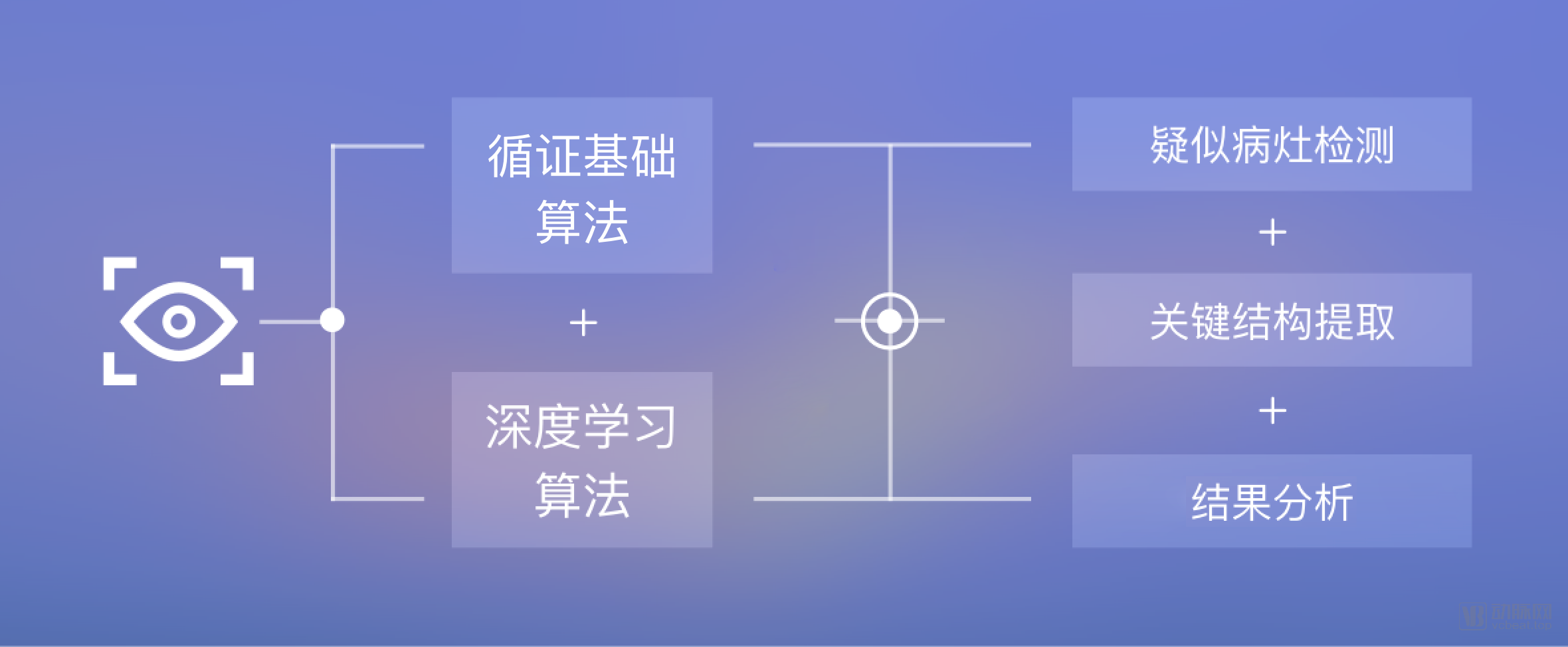
Taking a holistic view, Baidu’s “AI to B” strategy has created more than just a natural language processing product. Leveraging evidence-based algorithms and deep learning, Lingyi Zhihui is building an ecosystem with big data and informatization enterprises to develop AI solutions that span the entire patient journey—pre-diagnosis, during diagnosis, and post-diagnosis—gradually transitioning from primary care to smart healthcare that extends from within hospitals to outside settings.
It is widely acknowledged that AI is a data-driven science. At its inception, Lingyi Zhihui partnered with the Zhongshan Ophthalmic Center of Sun Yat-sen University to jointly develop a fundus image analysis system. This system helps patients detect major blinding diseases—such as diabetic retinopathy, glaucoma, and macular lesions—at an early stage, thereby mitigating the risk of blindness. Within Lingyi’s current product portfolio, this remains the sole AI-powered product focused on medical imaging.
Ophthalmic diseases constitute a major public health burden in China. In March 2017, the General Office of the National Health and Family Planning Commission issued the Technical Plan for Tiered Diagnosis and Treatment Services for Diabetic Retinopathy, aiming to achieve early detection and early intervention for diabetic retinopathy through the implementation of a tiered diagnosis and treatment system, thereby reducing the disease burden on the population. Implicitly, this signifies the government’s intention to prioritize screening and prevention of diabetic retinopathy at the primary care level.
Therefore, in China, where ophthalmologists are scarce, Lingyi Zhihui’s strategy is to use AI to address this shortfall, enabling primary healthcare institutions to assume responsibility for the screening and prevention of diabetic retinopathy as well as early screening for other major eye diseases, thereby promoting the development of tiered diagnosis and treatment.
For a long time thereafter, Lingyi Zhihui remained deeply engaged at the grassroots level, until the situation subtly shifted with the arrival of the New Year in 2019.
On February 28, VCBeat discovered that Baidu had quietly taken a controlling stake in Kangfuzi, a company specializing in smart hospital services. Subsequently, Baidu began to collaborate with listed companies in the fields of health informatics and big data. While maintaining its focus on primary care as the core, Lingyi Zhihui gradually sought development within the broader smart healthcare ecosystem.
On May 31, 2019, Baidu and Neusoft Group signed a strategic cooperation agreement in Beijing. The two parties will jointly promote the implementation of artificial intelligence in key areas such as healthcare and smart cities, as well as innovate business models. Specifically in the healthcare sector, the two sides reached agreements on four aspects.
1. Lingyi Zhihui AI has been fully integrated into the HIS (Hospital Information System) product suite, actively exploring hospital intelligence and promoting the in-depth application of medical big data in the pharmaceutical and insurance industries;
2. Both parties will jointly establish a “CDSS (Clinical Decision Support System) Special Task Force” based on artificial intelligence technology, working together to promote the exploratory application of AI-assisted decision support systems across the entire workflow in top-tier hospitals and primary healthcare institutions;
3. The two parties have jointly developed a smart hospital solution, encompassing products such as the Clinical Decision Support System (CDSS), Rational Drug Use System, Medical Record Quality Control System, and Chronic Disease Management Platform. This solution empowers hospitals in a comprehensive, end-to-end manner across three dimensions: smart medical care, smart management, and smart services.
4. In the realm of smart clinical care, the two parties jointly developed a rational drug use system; in the area of smart management, Lingyi Zhihui and Neusoft Group launched a medical record quality control system.
In September of the same year, Baidu invested RMB 1.443 billion in Neusoft Holding, with Baidu CTO Wang Haifeng appointed as a director on Neusoft Holding’s board, marking the transition of both parties into strategic partners. Subsequently, in November, Baidu signed a strategic cooperation agreement with Inspur. The two companies will jointly build an open technology and application service platform for healthcare AI, promoting the implementation of innovative medical projects—such as Clinical Decision Support Systems (CDSS), intelligent fundus screening, and intelligent family doctor management platforms—at the grassroots level.
In January this year, Baidu announced the upgrade of its smart healthcare business segment to the Smart Healthcare Business Unit.
Through frequent operational moves, Lingyi Zhihui’s product strategy has become increasingly clear. First, it leverages Clinical Decision Support Systems (CDSS) as its core to deliver inclusive medical services to primary care institutions. Second, it is penetrating the smart healthcare industry ecosystem by focusing on intelligent healthcare, intelligent management, and intelligent patient services.
In less than two years, Lingyi Zhihui has achieved remarkable results at the primary care level. A summary of Lingyi Zhihui’s work in figures: Its general practice version of the Clinical Decision Support System (CDSS) covers 27 departments and over 4,000 common diseases, with a 95% accuracy rate in recommending treatments for the top three most prevalent and frequently occurring diseases in primary care. By the end of 2019, it had been deployed in more than 1,000 medical institutions across 18 provinces and municipalities, serving tens of thousands of physicians. Its fundus image analysis system has been adopted by hundreds of medical institutions, screening nearly 3,000 individuals daily, with both sensitivity and specificity reaching 94%.
As Huang Yan stated, “The nation has spent a decade accumulating data, and we are fortunate to be in the golden age of medical big data development.”
Electronic medical record (EMR) grading promotes the standardization of medical record data; standardized data enables Diagnosis-Related Groups (DRG), Artificial Intelligence (AI), and Clinical Decision Support Systems (CDSS) to fulfill their true potential; and AI and CDSS drive the equitable development of primary healthcare. Within this data-mediated transmission mechanism, institutions, enterprises, hospitals, and governments collaborate closely. Today, we possess more standardized medical data than at any other period in history, and this trend is set to continue.
Amidst the tide, what resources should be chosen? How should these resources be utilized? What kind of ecosystem should be built? The understanding of these three questions determines the depth of an AI company's development.
Setting policy aside, Huang Yan distills the answer to the question into three key points.
First is knowledge. The publication of medical industry knowledge exhibits characteristics akin to a monopoly, and knowledge serves as the foundation of NLP;
Second, technology: evidence-based medicine requires interpretable AI algorithm technologies as support;
Third, integrate into the ecosystem. Rather than disrupting, overturning, or rebuilding the existing healthcare ecosystem, AI should embed itself within this healthcare ecosystem—comprising hospitals, physicians, government entities, medical publishers, data operators, and other stakeholders—and forge extensive partnerships with collaborators.
While every enterprise can seek breakthroughs in these three areas, achieving significant growth requires reliance on “hard power.” For Lingyi Zhihui, its AI capabilities and internal ecosystem support serve as the key differentiators for breaking through market barriers.
Let’s begin with AI capabilities. Under Baidu Brain 5.0, Baidu not only possesses the PaddlePaddle deep learning framework but has also achieved first-class AI perception and cognitive abilities through its explorations in search, autonomous driving, and smart living. Furthermore, Baidu has partnered with People's Medical Publishing House to access a vast repository of authoritative medical knowledge—including textbooks, academic monographs, clinical practice guidelines, expert consensus statements, and clinical case records—as foundational knowledge support. Although healthcare is a specialized domain, it is not entirely non-transferable. Supported by this comprehensive AI ecosystem, Lingyi Zhihui can break through technical constraints and accelerate product development.
Revisiting Internal Ecosystem Support. According to VCBeat, Baidu Venture and Baidu Capital closely monitor medical industry developments, while the SLG (Smart Life Group) business unit collaborates with Lingyi Zhihui in the area of chronic disease management. More importantly, Baidu possesses unique internet entry points and operational capabilities, meaning that Lingyi Zhihui’s achievements can be rapidly deployed to end users—a competitive strategy that is difficult to replicate.
From a macro perspective, Lingyi Zhihui also possesses a rare capital advantage. While many speak of a "capital winter," noting that the development path of AI startups will inevitably be constrained by cash flow, Lingyi Zhihui, backed by strong financial resources, is less susceptible to environmental disruptions and can plan for the long term with greater foresight.
Based on the current situation, Lingyi Zhihui’s goal is simple and clear, which can be summarized in eight Chinese characters as “Rooted in grassroots healthcare, strengthening grassroots services.” In practice, primary care institutions and the patients they serve have indeed benefited from Lingyi Zhihui’s technological capabilities.
So, where is Lingyi Zhihui headed in 2020? Huang Yan summarized the development trajectory for the coming year as “deepening engagement with the B-side market while integrating into the C-side market.”
“Regarding AI in healthcare, our overall strategic plan has remained largely unchanged. In 2019, we achieved remarkable results, laying a solid foundation for development in 2020. Moving forward, we will continue to strengthen primary healthcare and promote equitable access to medical services, deepening our presence and consolidating our position in the B2B sector. On the consumer side, we will provide smart patient services through chronic disease management and other approaches, aiming to establish a scalable model within a year.”
Reflecting on the aggressive advancements in medical AI over the past few years, Lingyi Zhihui’s modest roadmap is refreshingly prudent. The deeper one’s understanding of both medicine and AI, the clearer the development trajectory of medical AI becomes. In this measured approach, Baidu’s “AI + Healthcare” initiative may well deliver pleasant surprises.