Zhejiang Health Navigator Releases '2019 Zhejiang Residents' Healthcare Behavior Report' Unveiling Six Key Trends
Currently, the convenience of enjoying a better life “at your fingertips” has permeated every aspect of daily life for Zhejiang residents, yielding tangible benefits particularly in the field of “Internet + Healthcare.”
So, what were the distinct manifestations of health and medical behaviors among Zhejiang residents in 2019? What health issues plagued them during that year, and how did they address these problems? To answer these questions, the Zhejiang Health Navigation Platform compiled and released the “Report on Medical and Health Behaviors of Zhejiang Residents in 2019,” summarizing six key themes.
“Zhejiang Health Navigation” is the official mobile application released by the Zhejiang Provincial Health Commission. By installing this single app, residents can access internet-based medical services from major hospitals across the province, enjoying one-stop services that include pre-consultation appointment scheduling, in-consultation waiting management, and post-consultation report retrieval with just a few taps.
2019 Report on the Medical and Health Behaviors of Zhejiang Residents: Data Based on the Healthcare Activities of 12.23 Million Users on the Zhejiang Health Navigation Platform Over the Past Year, Including Appointment Scheduling, Online Consultations, Physical Examinations, and Medication Purchases.
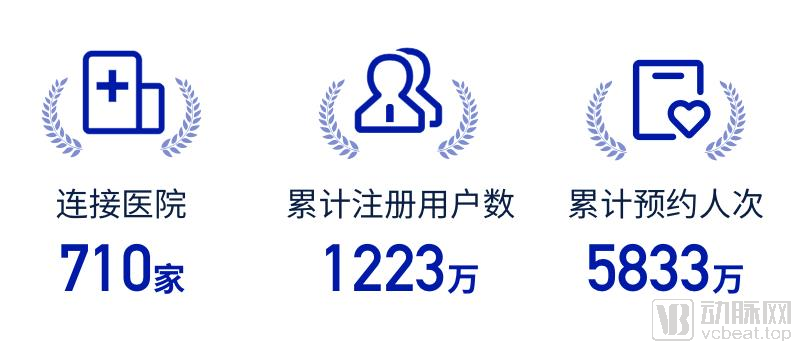
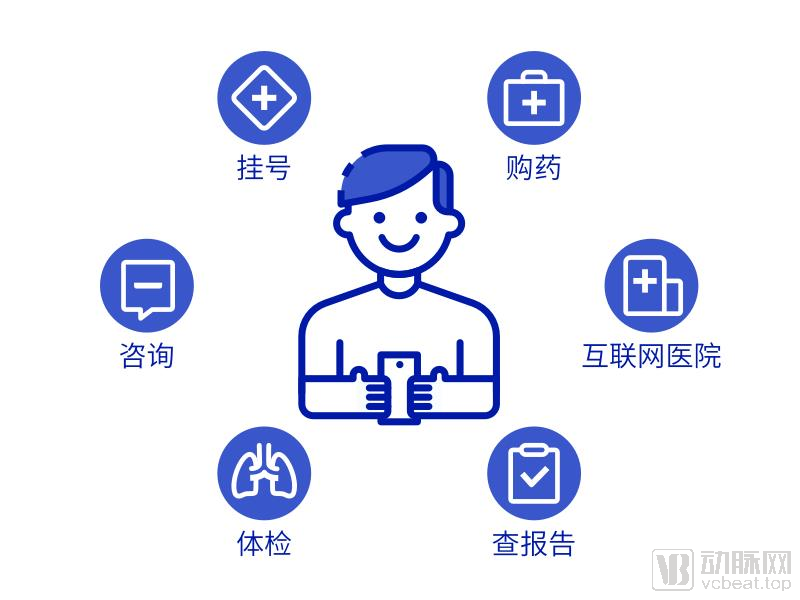
Zhejiang residents use the unified platform, Zhejiang Health Navigation, to make appointment registrations, schedule health checkups, consult professionals, and purchase medications, thereby addressing diverse medical and healthcare needs with just a few taps. Currently, the platform has connected 710 hospitals, accumulated 12.23 million registered users, and facilitated 58.33 million appointments.
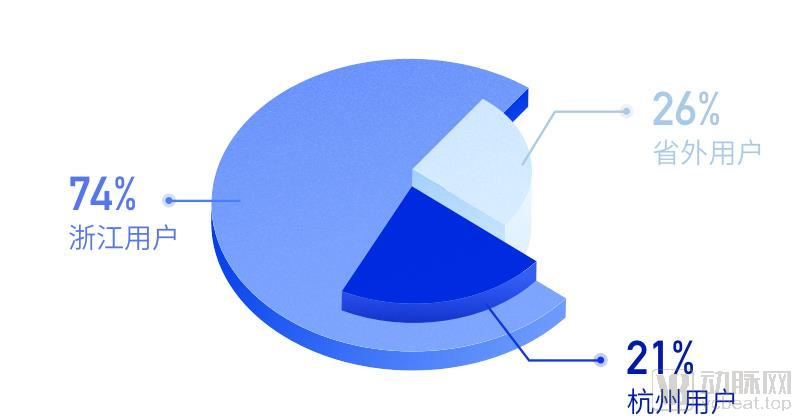
1. On average, one in five Zhejiang residents uses the “Zhejiang Health Navigation” platform;
In 2019, tertiary hospitals in Zhejiang Province achieved full coverage of connectivity; the number of secondary and higher-level hospitals connected reached 370, with a connectivity rate exceeding 96%; primary healthcare institutions in seven regions achieved integration with the platform.
2. On average, one appointment registration is completed on the platform every 2.9 seconds, with each user registering an average of 4.16 times;
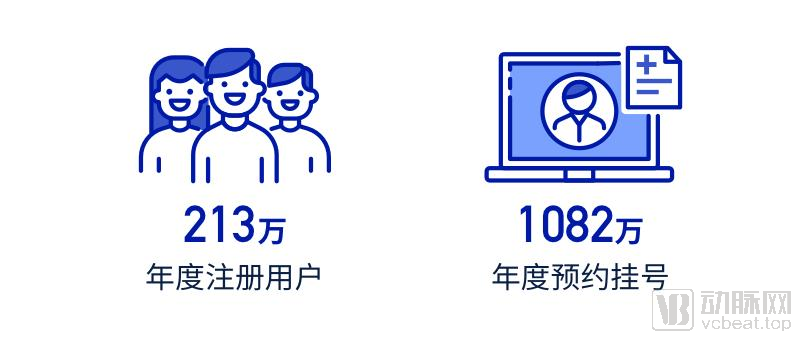
In 2019, the platform gained 2.13 million new registered users and facilitated 10.82 million annual appointment registrations. While traditional window-based registration took an average of 15 minutes, registration via the platform required only 3 minutes. That year, the platform saved users a total of 2,004,294 hours, equivalent to the runtime of 586 episodes of "Empresses in the Palace." On average, each user saved 46 minutes; if spent jogging, this time would burn approximately 500 kilocalories, equivalent to the caloric content of one meal for women.
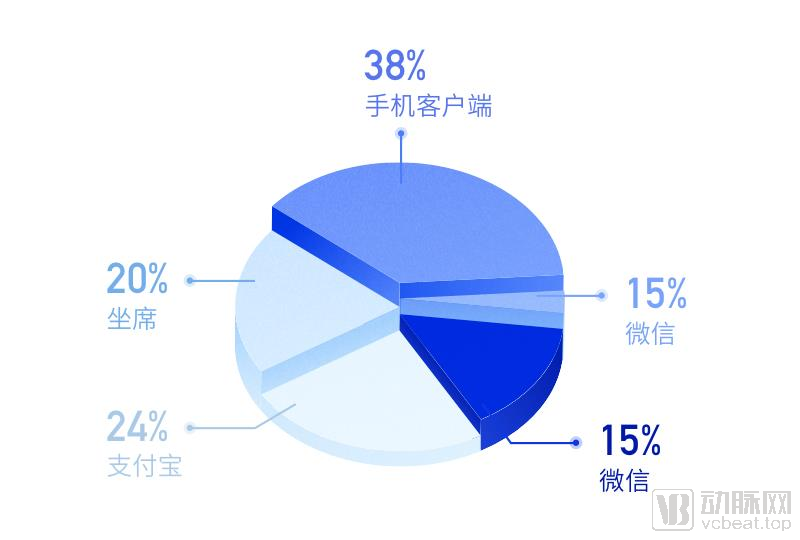
3. Mobile appointment registration has become the mainstream, favored by users for its convenience and efficiency; services such as scheduled appointments, physician consultations, health checkup bookings, and online medication purchases are increasingly integrating smart healthcare into the daily lives of people in Zhejiang.
Compared with 2018, the volume of appointments made via mobile client and Alipay registration channels has increased significantly this year; the proportion of traditional telephone and website appointment channels has declined markedly. This indicates that mobile appointment registration is more convenient and efficient, and has gradually gained acceptance among users of all age groups.
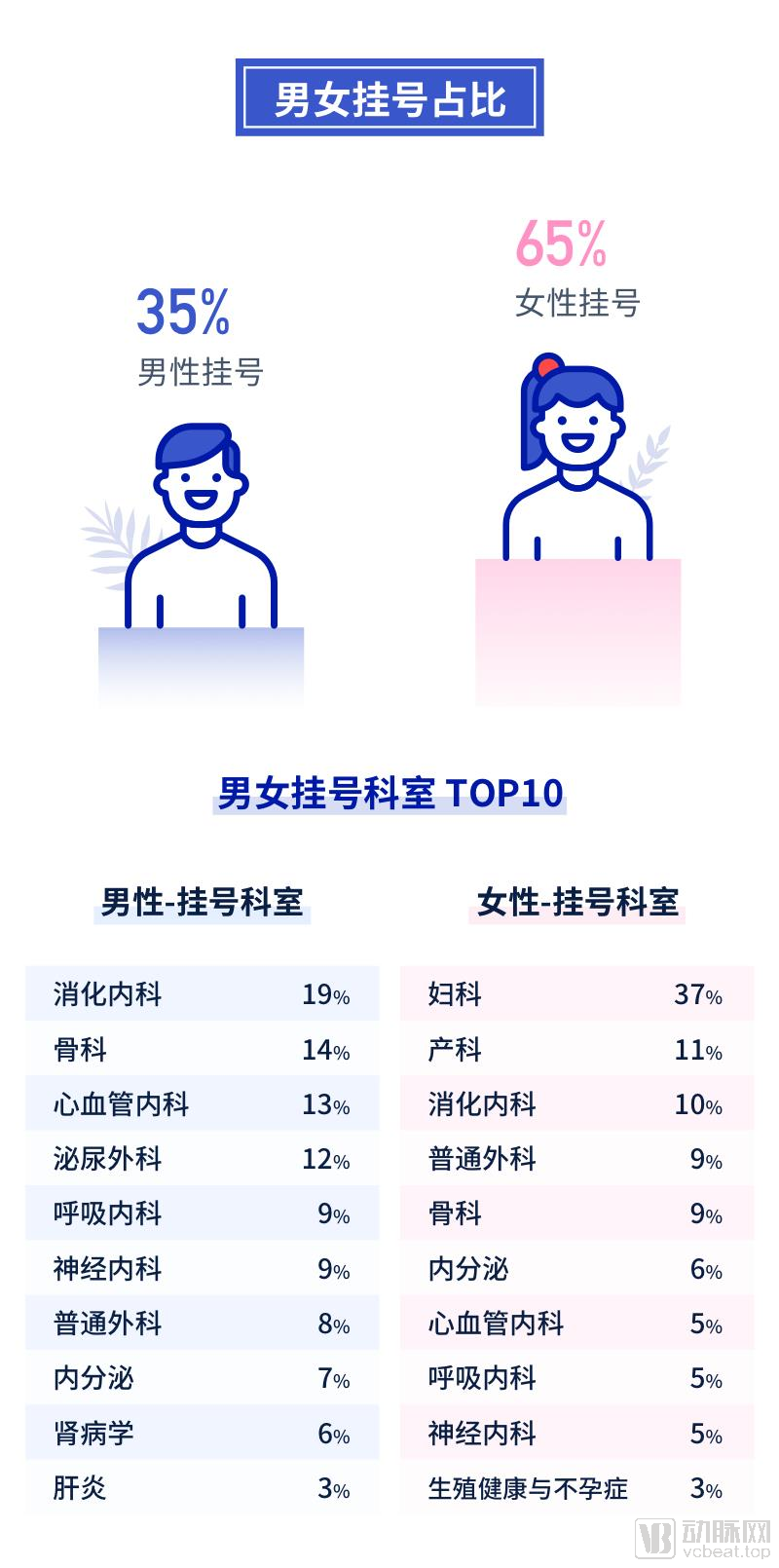
1. The health challenges faced by men and women among Zhejiang residents differ significantly;
Men’s concerns: cardiovascular and urological issues; women’s concerns: gynecological diseases; as for gastrointestinal and skeletal problems, both men and women are affected.
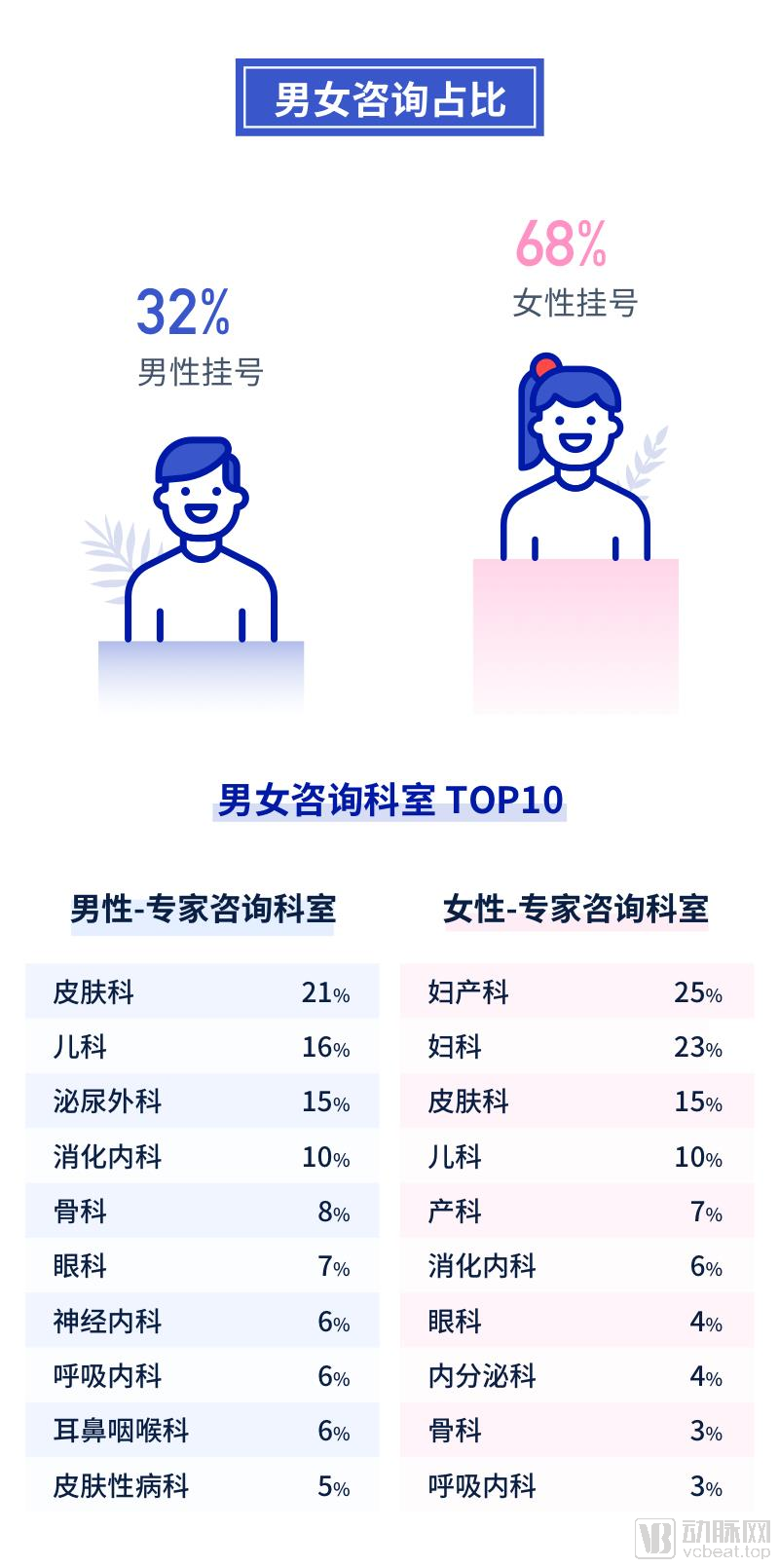
2. For pediatric and dermatological issues, as well as other sensitive conditions, people tend to prefer online consultations;
When a beloved child at home suffers from a mild cold or shows abnormal physical symptoms, the entire family becomes anxious and stressed. With questions in mind but finding hospital visits exhausting, young parents make the “smart” choice to use online consultations, allowing them to consult pediatric experts at any time to resolve their concerns. Online consultations also focus heavily on facial skin issues, urological problems that male patients may feel embarrassed to discuss, and recurrent gynecological inflammations affecting female patients.
1. Three generations under one roof, each with their own hidden health concerns;
Children and adolescents are in a critical period of growth and development, during which physical developmental issues are prominent, while mental health concerns are also emerging, warranting special attention from parents. Middle-aged individuals, who serve as the backbone of both society and their families, bear multiple stressors and frequently suffer from gastrointestinal and cardiovascular diseases. Meanwhile, the elderly population entering retirement faces an increasing burden of chronic diseases.
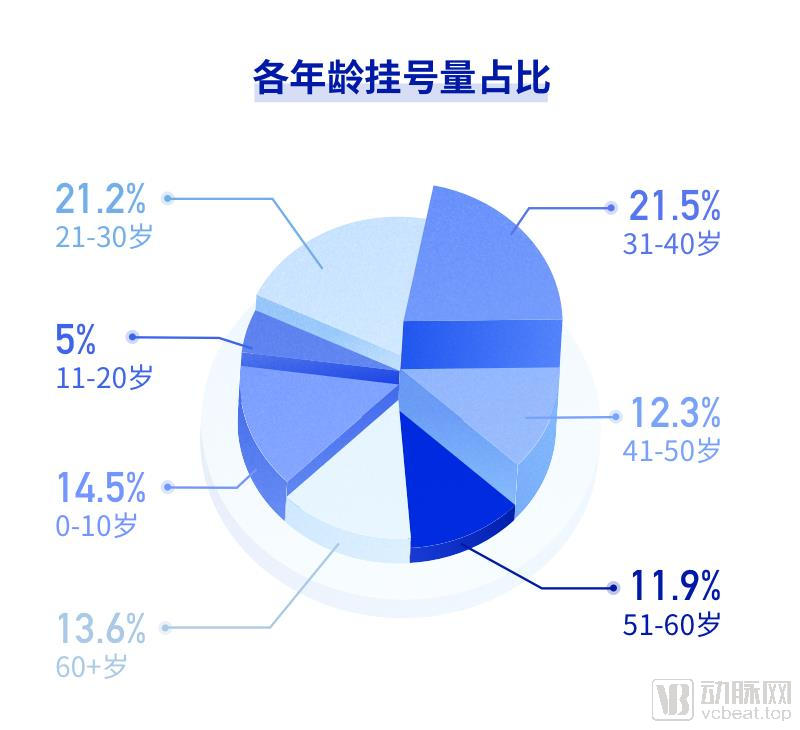
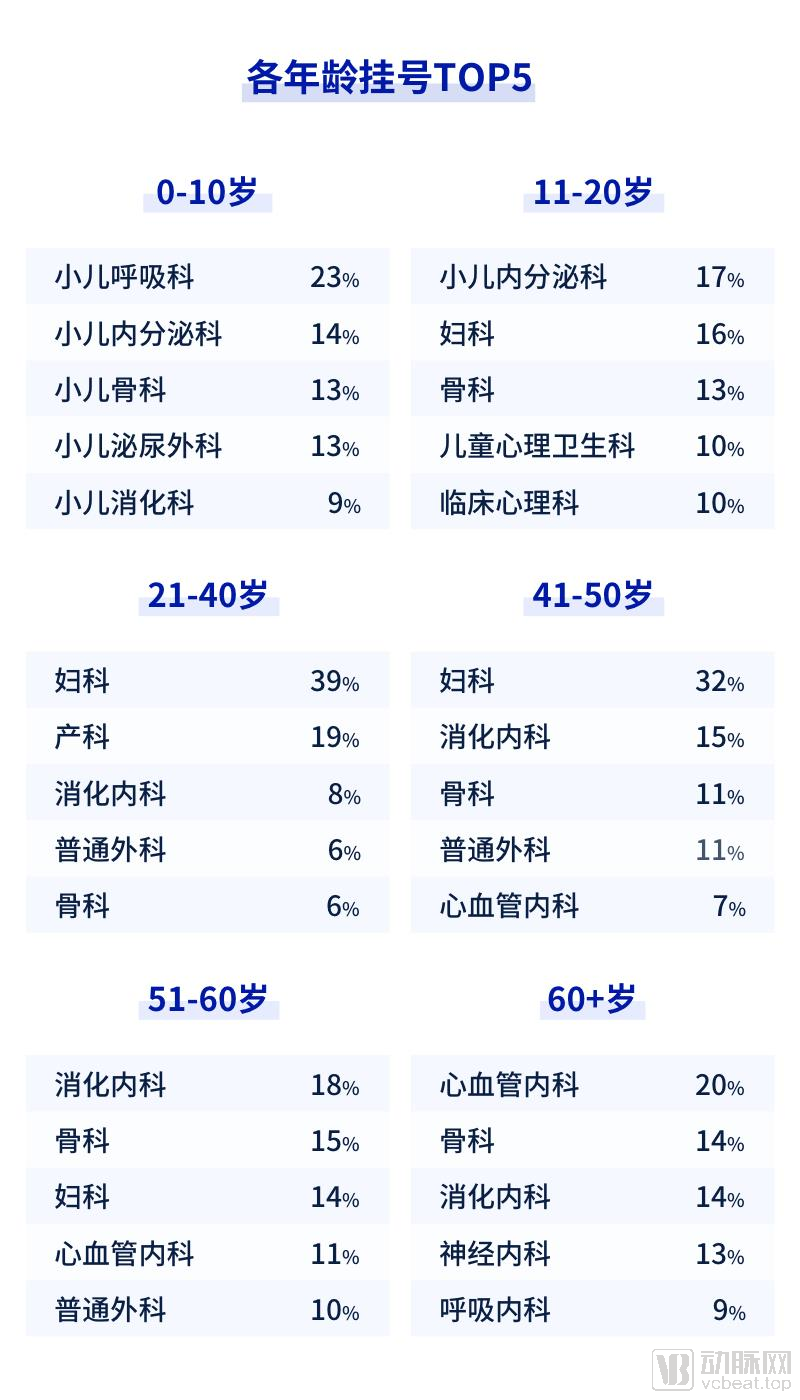
2. Specific health concerns across different age groups;
Children: Respiratory issues are the most prevalent, with colds and coughs being common ailments among children. It is essential for children to engage in more outdoor activities, ensuring at least two hours of outdoor exercise daily; enhancing physical fitness remains a top priority.
Adolescents: Endocrine disorders are most prevalent, along with myopia and dermatological issues such as acne and comedones. During this stage, it is crucial to avoid the temptations of tobacco and alcohol and to address obesity. Furthermore, growing pains and academic pressure have brought adolescent depression into the public spotlight in recent years. This highlights that adolescents face no fewer challenges and temptations than adults, underscoring the need for special attention to mental health.
Post-80s and Post-90s Generations: Gynecological/Obstetric and Gastroenterological Issues Are the Two Major Health Concerns for This Cohort. The Once-Rebellious Generation Has Matured into the Backbone of Contemporary Society. Now, They Stay Up Late Drinking Beer While Steeping Goji Berries in Their Thermoses. The Growing Emphasis on Wellness Among the Post-80s and Post-90s Generations Underscores That Young Adults Are Enduring Dual Pressures from Their Careers and Personal Lives.
Middle-aged adults: As energy levels decline, the ability to stay up late diminishes, and early signs of aging such as insomnia emerge. Conditions like the "three highs" (hypertension, hyperglycemia, and hyperlipidemia) and cardiovascular diseases become increasingly prominent. The midlife crisis is not merely about a receding hairline; more critically, it involves an elevated risk of sudden cardiac death. Be vigilant about warning signals from your body. Do not ignore symptoms such as chest pain, chest tightness, syncope, palpitations, or flu-like manifestations.
At Age 60: Gastrointestinal Issues Take Center Stage. The health of your digestive system directly impacts longevity. In addition to regular exercise, it is equally important to adopt the healthy dietary habits of long-lived seniors—low in salt, sugar, and pickled foods, eating until 70% full, and consuming a diverse variety of foods.
The Very Elderly: Cardiovascular diseases and urinary system issues are prominent. Since older adults tend to endure pain in silence, it is crucial for their children to provide more companionship and care, with timely detection of problems being key.
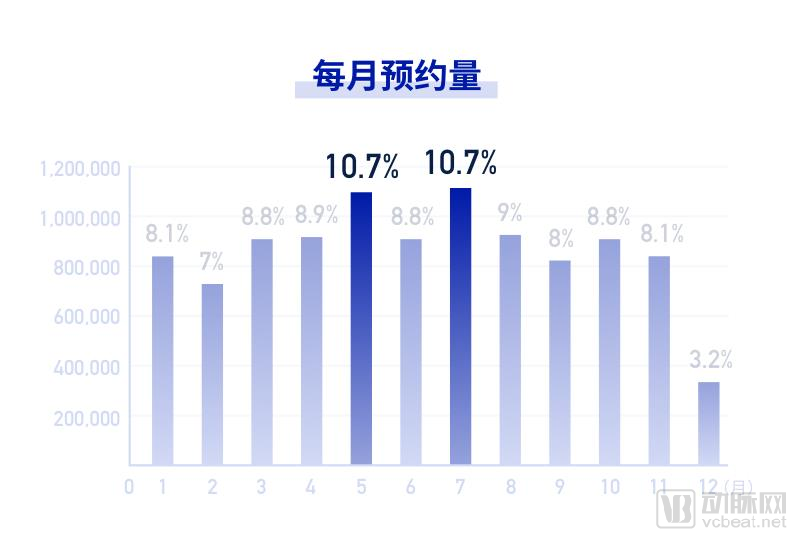
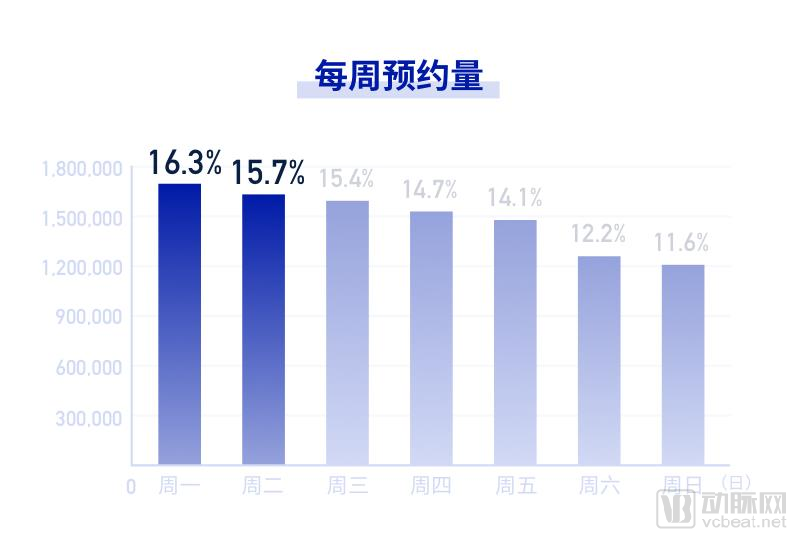
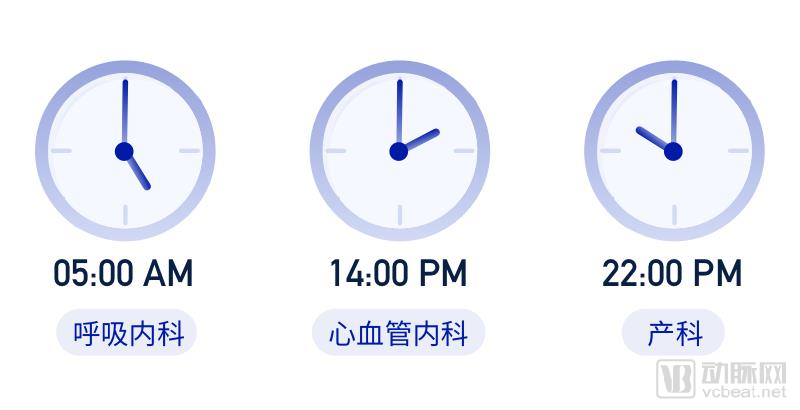
Every year in May and July, Mondays and Tuesdays are peak periods for medical consultations. Dermatology, Gynecology, and Gastroenterology consistently rank among the top three specialties in appointment volume across all time slots, making them the most popular departments. Additionally, appointment demand is most concentrated for Respiratory Medicine at 5:00 AM, Cardiovascular Medicine at 2:00 PM, and Obstetrics at 10:00 PM.
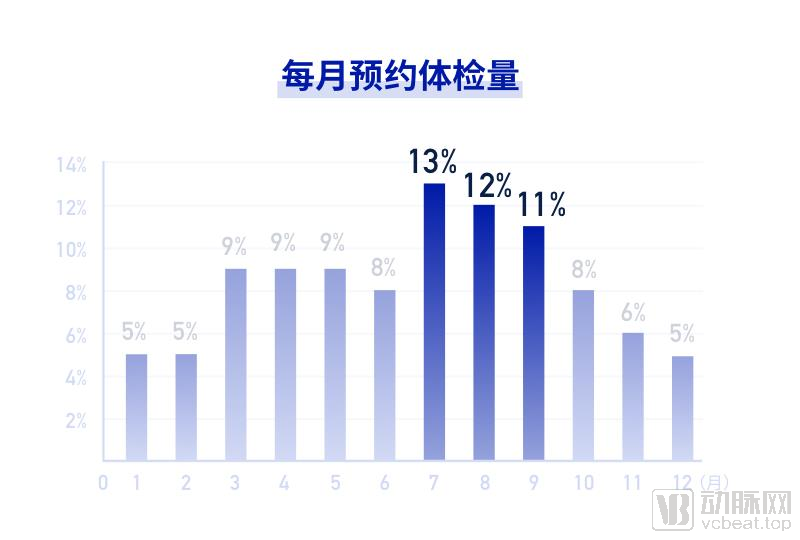
Summer is the peak season for health checkups, with the highest appointment volumes occurring in July, August, and September. Among these, pre-employment health checkup packages account for 65%. The most notable change this year is that cancer screening checkups have entered the top 10, indicating that people are no longer satisfied with standardized health checkup packages for disease prevention. Instead, they are increasingly focusing on the prevention of major diseases, reflecting a growing awareness of cancer prevention.
Health Tips: For healthy young and middle-aged adults, an annual health checkup is sufficient; for seniors aged 60 and above, a checkup every six months is advisable; for individuals with chronic conditions such as hypertension, diabetes, or coronary heart disease, regular checkups every three to four months are recommended.
1. External body care: Health supplements such as Ejiao are the main drivers of consumption;
The most stockpiled medication this year is Huoxiang Zhengqi Shui, truly living up to its reputation as the “national household staple,” with immense influence.
The health products they are most willing to purchase are Pien Tze Huang and Ejiao (donkey-hide gelatin). In addition to external conditioning of muscles and bones, they also focus on internal nourishment of essence and blood; people in Zhejiang Province place greater emphasis on a holistic approach that combines both internal and external wellness.

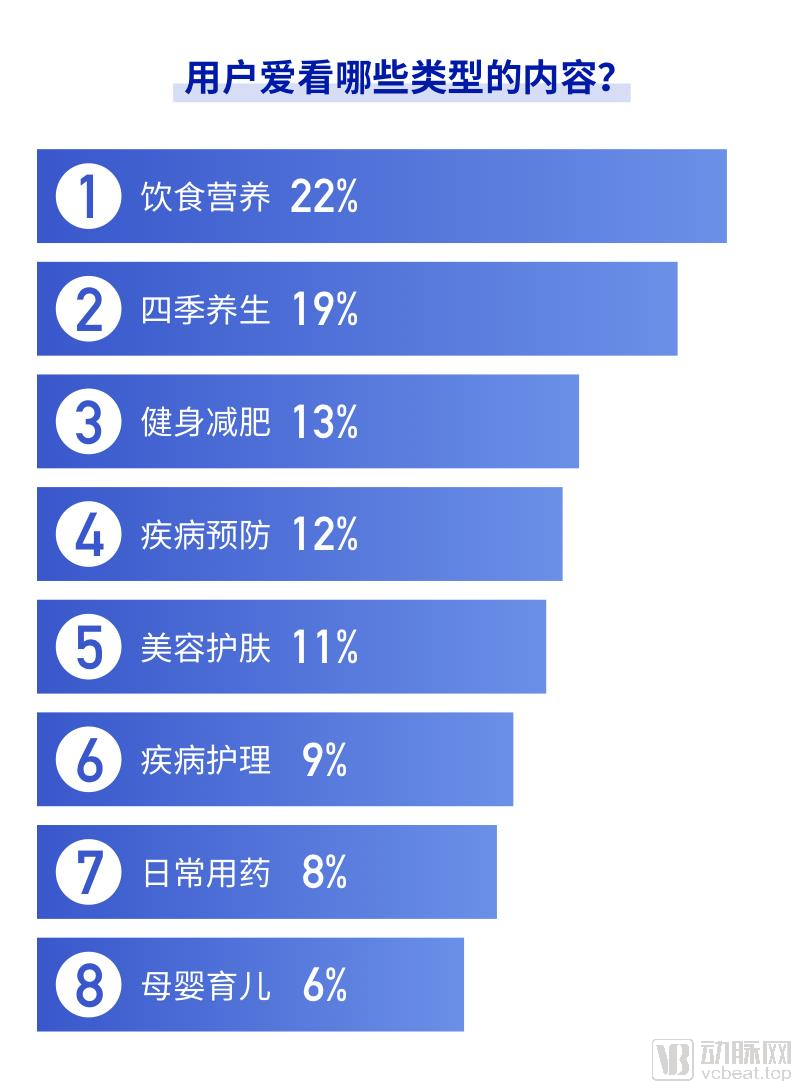
2. Internal Cultivation: Strong Demand for Health Science Popularization;
People in Zhejiang adhere to the principle of seasonal health preservation, paying close attention to seasonal wellness knowledge, dietary regulation methods, and disease prevention. They keep the principle of “preventing disease before it occurs” firmly in mind, approaching health and wellness with greater rationality.