

How the Warmest Medical Professionals Are Made: 24/7 Care Powered by Internet Healthcare

Weimai
Digital Health Service Platform Provider
“Internet + Healthcare” applications and implementation in hospitals have, on one hand, alleviated issues such as repetitive queuing for patients, and on the other, become a valuable tool for physicians in clinical practice. To a certain extent, the ongoing practice of Internet-plus healthcare services is continuously accelerating the establishment of “trust relationships” between doctors and patients.
A nurse carries her care kit, shuttling between patients’ homes and the hospital late into the night; a pediatrician sets aside his boxed meal to patiently respond to a mother’s inquiry... These touching scenes are unfolding among the four outstanding doctors and nurses we interviewed, who stood out in the 2019 selection of Weimai’s “Reputed Doctors” and “Pioneers in Home-Based Medical Care.” The heartwarming stories surrounding them serve as microcosms of the construction of harmonious doctor-patient relationships.
On July 16, 2019, Shaoxing People’s Hospital launched its “Internet + Nursing” service. Leveraging the Weimai internet platform, the first batch of 14 nurses signed on as “on-demand nurses,” extending services to a 10-kilometer radius around the hospital.
Ms. Liu was the second patient to receive home-based stoma care services. She had previously been treated at a hospital in Shaoxing, where she initially presented with abdominal pain. A colonoscopy performed by her physician revealed an intestinal tumor. Although the primary lesion was located in the uterus, it was diagnosed at a late stage, and the tumor had already metastasized. After undergoing radiotherapy and chemotherapy, she subsequently traveled to another city to undergo surgical resection of both her uterus and intestines.
Due to persistent fever, Ms. Liu learned that Shaoxing People’s Hospital offers professional home-based nursing services and subsequently contacted Zhang Lihua, Director of the Wound Care Center. Her temperature was 38.7°C in the morning and rose to 39.3°C in the afternoon. Zhang Lihua advised Ms. Liu to call 120 for emergency ambulance transport to the hospital. However, as Ms. Liu had an ostomy pouch attached and experienced limited mobility, she insisted on receiving home-based ostomy and wound care services.
Zhang Lihua discovered that Ms. Liu was a strong-willed woman plagued by profound loneliness: her husband had passed away, her son lived far away in the United States, and she was cared for only by a live-in nanny. Unwilling to go out, she exhibited signs of social withdrawal. Upon visiting her home, Zhang Lihua recognized that the persistent fever might be related to poor wound healing. She patiently treated the infected wound and provided ostomy care. Given the presence of multiple complications, including pelvic effusion and intestinal obstruction, Zhang Lihua ultimately persuaded Ms. Liu to seek hospital treatment. Ms. Liu has since been discharged, and her condition has stabilized.
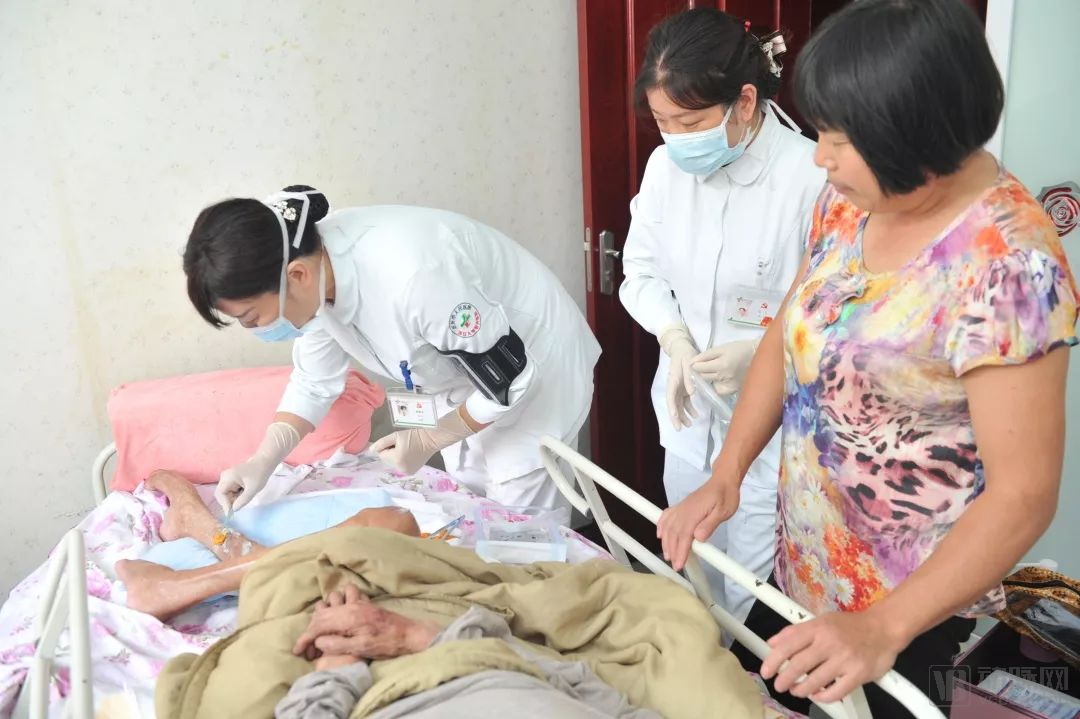
Zhang Lihua, Director of the Wound Care Center at Shaoxing People's Hospital, is on the far left.
Zhang Lihua stated that in October 2019, she completed a total of 14 home nursing visits, often not returning home until after 11:00 PM. She provided these home nursing services during her spare time, assuming significant personal risk. Nevertheless, this integrated medical-nursing model of continuous home-based stoma care has genuinely earned heartfelt acclaim from both patients and their families.
Zhang Lihua has been engaged in clinical nursing for 30 years, specialized in ostomy and wound care for 10 years, and served as a head nurse for nearly 15 years. In the current healthcare environment, nurses often find themselves positioned between doctors and patients, serving as coordinators, listeners, and emotional supporters—a reality she deeply understands. Furthermore, establishing an outpatient clinic presents numerous significant challenges.
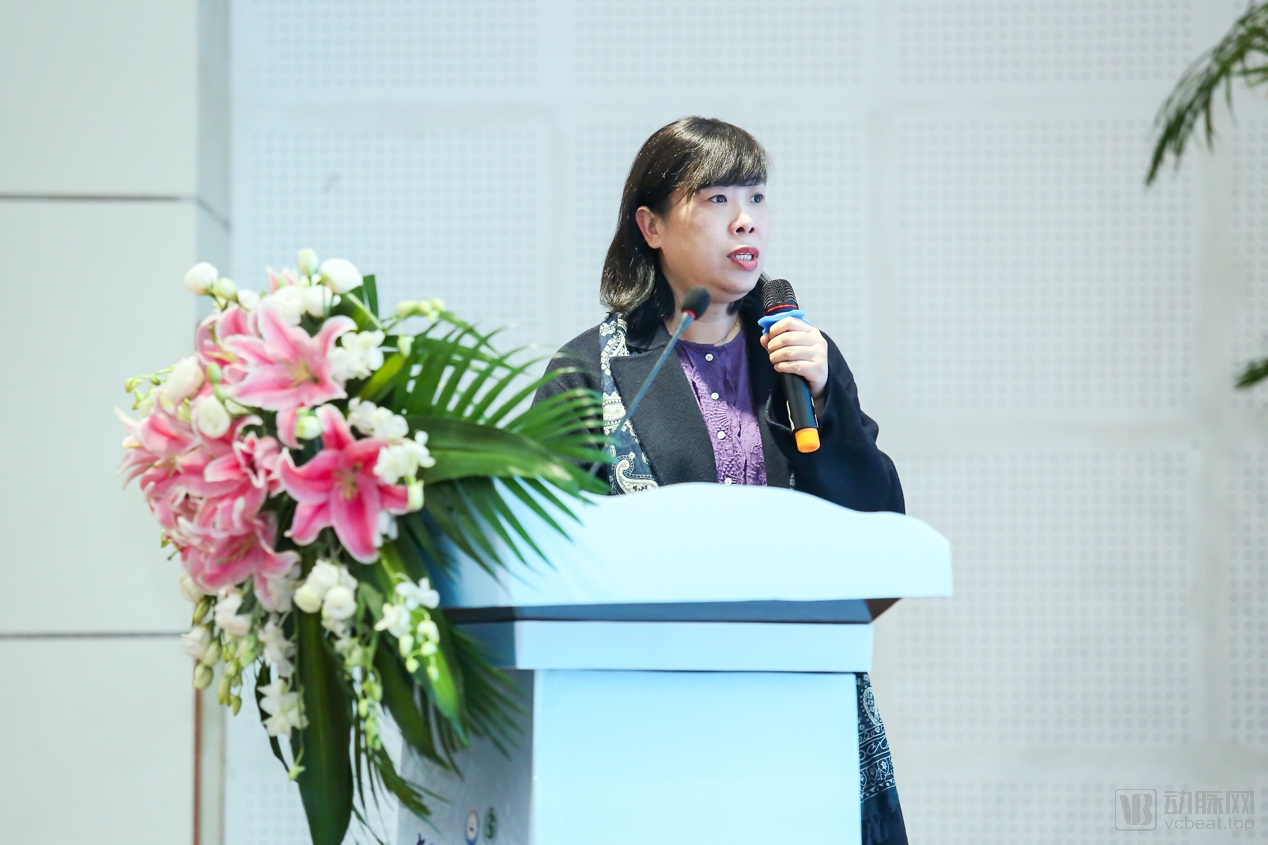
Zhang Lihua Introduces the Home-Based Medical and Nursing Care Project at the International Smart + Nursing Informatics Forum
In March 2011, Zhang Lihua, an International Ostomy Care Nurse, spearheaded the establishment of a specialized outpatient clinic for complex ostomy and wound care. Currently, the clinic handles approximately 1,500 patient visits annually. Since launching internet-based home nursing services in mid-July 2019, Zhang has completed 55 home visits, accounting for two-thirds of the extended ostomy/wound care services provided by Shaoxing People’s Hospital. Zhang is not driven by utilitarian motives but by a sense of duty, believing that certain tasks must be undertaken. “If each of us performs our respective duties with integrity and conscience, society as a whole will become better.”
Stoma care is dirty and exhausting, often requiring the timely removal of feces from patients’ abdomens. While family members may find the odor unbearable, nurses have overcome their psychological barriers. Zhang Lihua often tells her nursing team, “Although we are tired, gaining patients’ recognition brings a corresponding sense of professional fulfillment. Stoma and wound care is a specialized skill that earns us the same respect as physicians.”
To alleviate the pressure on hospitals, Zhang Lihua suggests that patients who have visited outpatient clinics can receive follow-up treatment in their communities. Currently, the hospital organizes an annual "Training Course on Promoting Wound, Ostomy, and Continence Nursing Rehabilitation in Primary Care Institutions" to train community health nursing staff, enabling patients to receive standardized ostomy and wound care within their communities. She believes that providing continuous, high-quality home-based nursing models will become a key direction for the future development of nursing services.
As early as the initial stages of internet healthcare development, Zhang Xianhua, Director of the Emergency Comprehensive Department at the Children’s Medical Center of Hunan Provincial People’s Hospital, attended an Internet Healthcare Conference as a representative from Hunan Province. Since joining Weimai earlier this year, he has become a Gold Physician on the platform, maintaining a 100% satisfaction rate and a 100% response rate.
As a pediatric specialist, Zhang Xianhua frequently observes in outpatient and emergency settings that at least two adults, and sometimes even more, accompany a child for medical consultation. Anxious parents often need to wait several hours before seeing a doctor, particularly during flu season or periods of heightened public health emergencies.
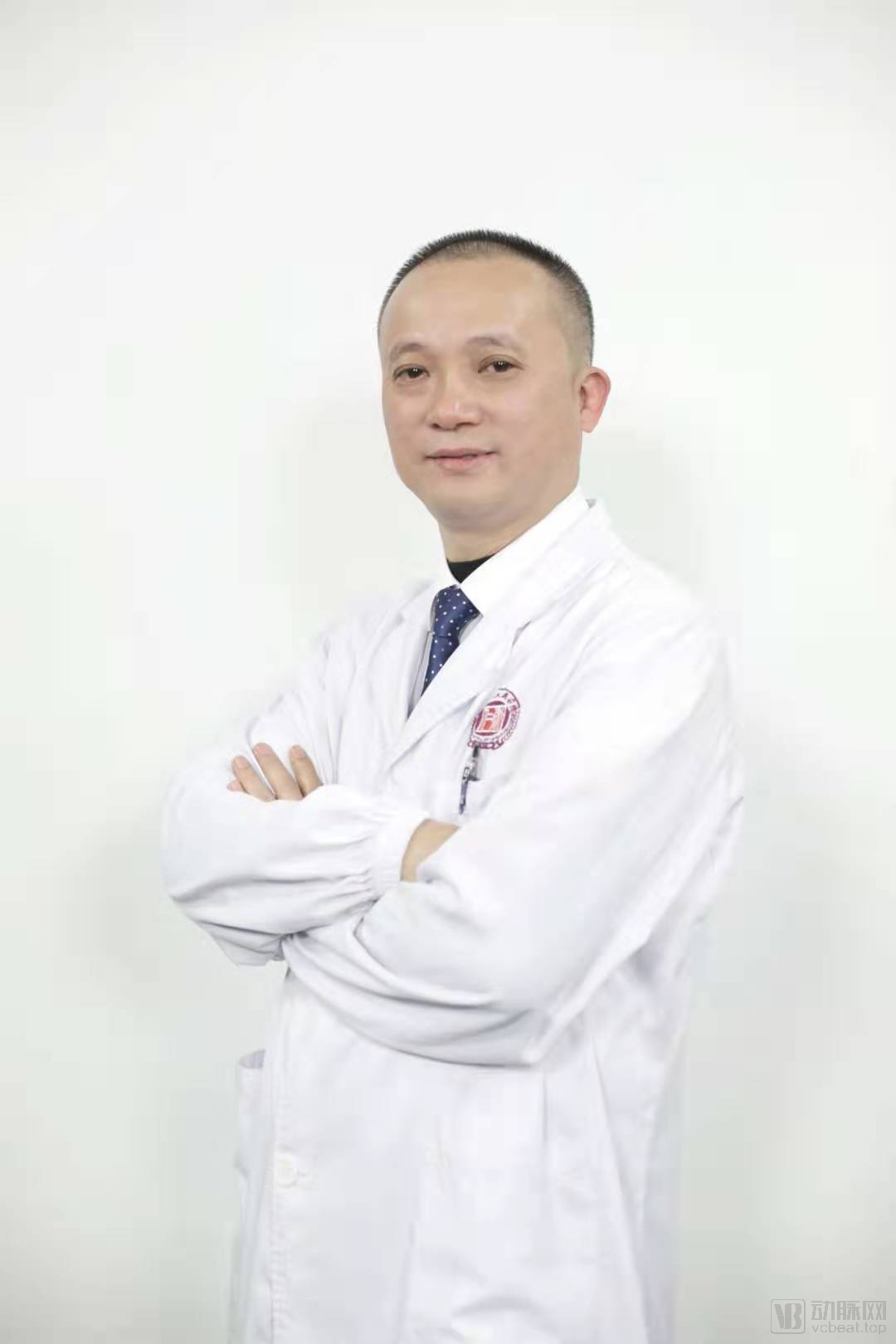
Zhang Xianhua, Director of the Department of Emergency Comprehensive Care, Children's Medical Center, Hunan Provincial People's Hospital
How to Address the Challenges Facing Pediatric Outpatient and Emergency Services? Zhang Xianhua stated that for parents to secure medical consultations for their children, they must learn how to schedule appointments in advance. Zhang introduced that in the past, when internet-based healthcare services were not as developed as they are today, the telephone appointment rate was only around 10%. Currently, 80% of outpatient visits are booked online, with the remaining 20% of appointment slots reserved for parents who are unfamiliar with the online scheduling process. “Appointment-based scheduling allows patients to roughly estimate their consultation times, reduces waiting periods, and naturally leads to higher patient satisfaction.”
Secondly, before visiting the hospital, parents must fully understand their child’s specific condition. One designated person should present the medical history to the physician and clarify the diagnostic and treatment workflow as well as pre-examination requirements, thereby avoiding excessive time consumption and ensuring effective consultation and proper completion of necessary tests.
Finally, it is also crucial for physicians to optimize patient management. Zhang Xianhua acknowledged that establishing a connection between doctors and patients is essential, as relying solely on the five-minute in-person consultation is insufficient. The development of internet healthcare has provided valuable supplementation and support.
A significant cause of current doctor-patient conflicts is that patients often perceive medical services as purely market-driven transactions, a view that Zhang Xianhua considers highly erroneous. In reality, medical procedures carry substantial risks and require prior communication to inform patients of these risks; they are not akin to buying clothes in a store. Furthermore, inadequate technical capabilities and community service levels in primary healthcare institutions increase the diagnostic and treatment burden on large hospitals, indirectly exacerbating doctor-patient tensions. Zhang Xianhua believes that if minor ailments or common colds were managed at the community level, they would not consume the time reserved for critically ill or complex cases at major hospitals. This would allow physicians more time to communicate with patients, thereby alleviating doctor-patient conflicts.
As a manager, he frequently communicates with subordinates to implement preventive measures before disputes arise or show early signs, ensuring timely identification of issues and effective communication with patients and their families to resolve concerns. Furthermore, healthcare professionals should adopt the patients’ perspective, proactively explain the patients’ conditions, and clearly inform them of treatment plans and associated risks.
In addition, healthcare professionals should provide patients with comprehensive medical services, including dietary and sleep management, and even inform them of convenient online consultation channels such as Weimai for post-discharge care, thereby ensuring end-to-end medical service delivery. Zhang Xianhua stated that internet-based telemedicine platforms can serve as real-time communication tools between doctors and patients. Patients can fully communicate with their physicians online regarding post-diagnosis recovery and follow-up visits. This approach not only alleviates pressure on hospitals but also reduces the burden of travel for patients, thereby enhancing patient satisfaction.
In 2008, Xie Bojian, Deputy Director of the Department of Breast and Thyroid Surgery at Taizhou Hospital, encountered a patient—a divorced woman in her late 30s who had been diagnosed with breast cancer.
At that time, the patient’s condition did not meet the criteria for breast-conserving surgery, necessitating a total mastectomy. However, driven by the universal desire for aesthetic preservation, she hoped to one day have her breast “restored.”
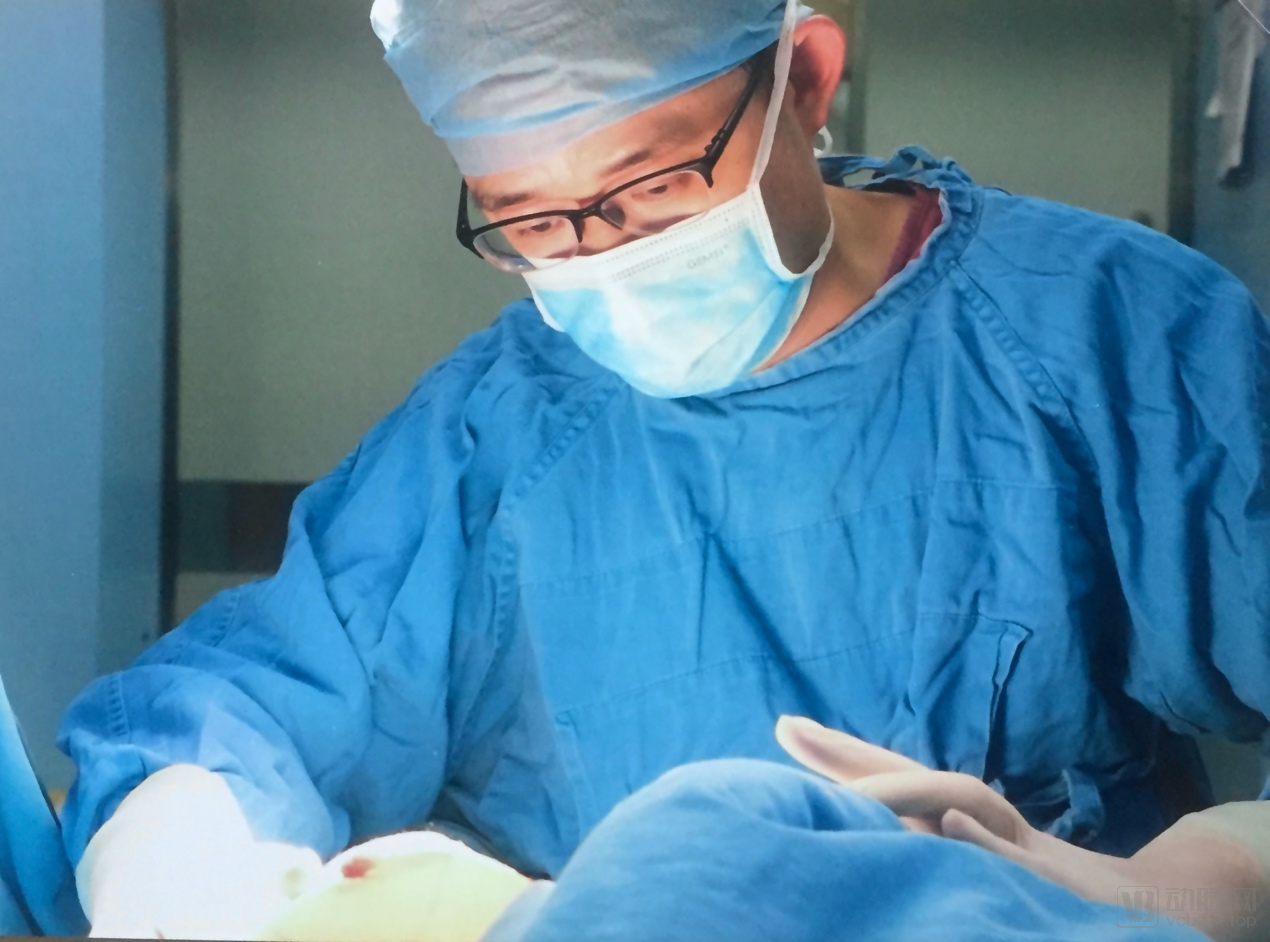
Xie Bojian, Deputy Director of the Department of Breast and Thyroid Surgery, Taizhou Hospital
Xie Bojian was well aware that the breast is not merely an organ; it also plays a role in enhancing bodily aesthetics. However, at that time, the hospital lacked the capability to perform such procedures. He said, “Once this technology becomes available, I will go out and learn it, then ‘restore’ them for you.”
In 2014, Xie Bojian went to Fudan University Shanghai Cancer Center to study breast reconstruction and repair techniques. At that time, many patients believed that the more breast tissue removed during cancer surgery, the more thorough the treatment would be, resulting in an extremely low rate of breast reconstruction surgeries across China. In 2016, the same patient returned to see Dr. Xie, saying that although the surgery had saved her life, the loss of her breast made her reluctant to go out during summer. “You might not feel it in daily life, but outsiders can hardly understand the discomfort of dressing in summer.” The patient clearly spoke from deep personal experience.
The patient ultimately underwent delayed breast reconstruction using a tissue expander followed by implant placement after mastectomy, achieving excellent postoperative outcomes and high patient satisfaction. “We feel that our work is truly meaningful, as it not only enables her to live well but also to live with greater confidence in her appearance,” said Xie Bojian, noting that this represents one of the important directions for the advancement of breast surgery.
What Does an Ideal Doctor Look Like to You? A survey conducted by Xie Bojian’s team revealed that the top quality patients seek is not technical expertise, but patience. Every day, Dr. Xie sees a large number of patients with breast and thyroid tumors, many of whom come to him filled with anxiety and despair. He believes that empathy is indispensable for an oncologist. Physicians should provide answers and comfort from both professional and humanistic perspectives, making patients feel that their doctors are comrades-in-arms fighting in the same trenches. While effective communication methods are important for fostering better doctor-patient relationships, Dr. Xie often reflects that conscience matters more than technique, because it is conscience that truly underpins and validates medical skills.
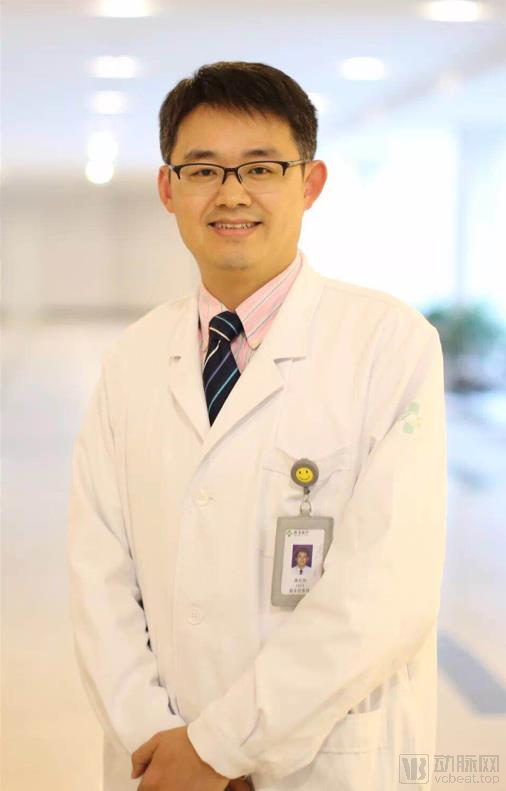
Xie Bojian also serves as Deputy Director of the Internet Medical Center at Taizhou Hospital.
Meanwhile, Xie Bojian, who has been actively involved in the development of Taizhou Hospital’s internet-based medical services, holds another title alongside his role as an oncology expert: Deputy Director of the Internet Medical Center at Taizhou Hospital. With Zhejiang Province’s Taizhou City characterized by its numerous mountains, coastal areas, and remote forested regions, the Internet Medical Center of Taizhou Hospital has adopted the slogan, “Bridging Heaven and Earth for Patients, Bringing Health to Mountains and Seas.” The center connects upward with higher-level hospitals and even top-tier international institutions to provide online remote consultation services, while also linking downward with health centers in mountainous areas. This enables residents on offshore islands and in remote mountain communities to access diagnostic and treatment services from Taizhou Hospital—the largest tertiary Grade A hospital in the region—right at their doorstep.
Xie Bojian believes that the internet, as a tool, can simplify the process of seeking medical care for patients, reduce the need for them to travel, and help improve doctor-patient relationships. He predicts that the advent of the 5G era will make doctor-patient communication more convenient and efficient, leading to an increasingly better patient experience.
“Patient” and “provides detailed explanations”—these are the comments many patients on the Weimai platform have left for Zhu Yiyang, Deputy Director of the Reproductive Medicine Center at Taizhou Hospital in Zhejiang Province.
Zhu Yiyang serves as both the Director of the Embryology Laboratory and the Clinical Head of the Prenatal Diagnosis Center at Taizhou Hospital in Zhejiang Province. He frequently encountered “special” patients, such as one individual who consulted three different doctors in a single day by registering for three separate appointments. The patient explained that he simply felt uneasy and wanted to seek medical advice multiple times. However, such instances have become rare since Weimai officially entered the Taizhou region in 2016 and began launching various “Internet+” healthcare innovation services starting in 2017.
Zhu Yiyang believes that to build a strong doctor-patient relationship, it is essential to prioritize patients’ concerns and view matters from their perspective. The value of internet-based healthcare lies in its ability to increase communication time between doctors and patients, enabling patients to reach their physicians whenever needed.
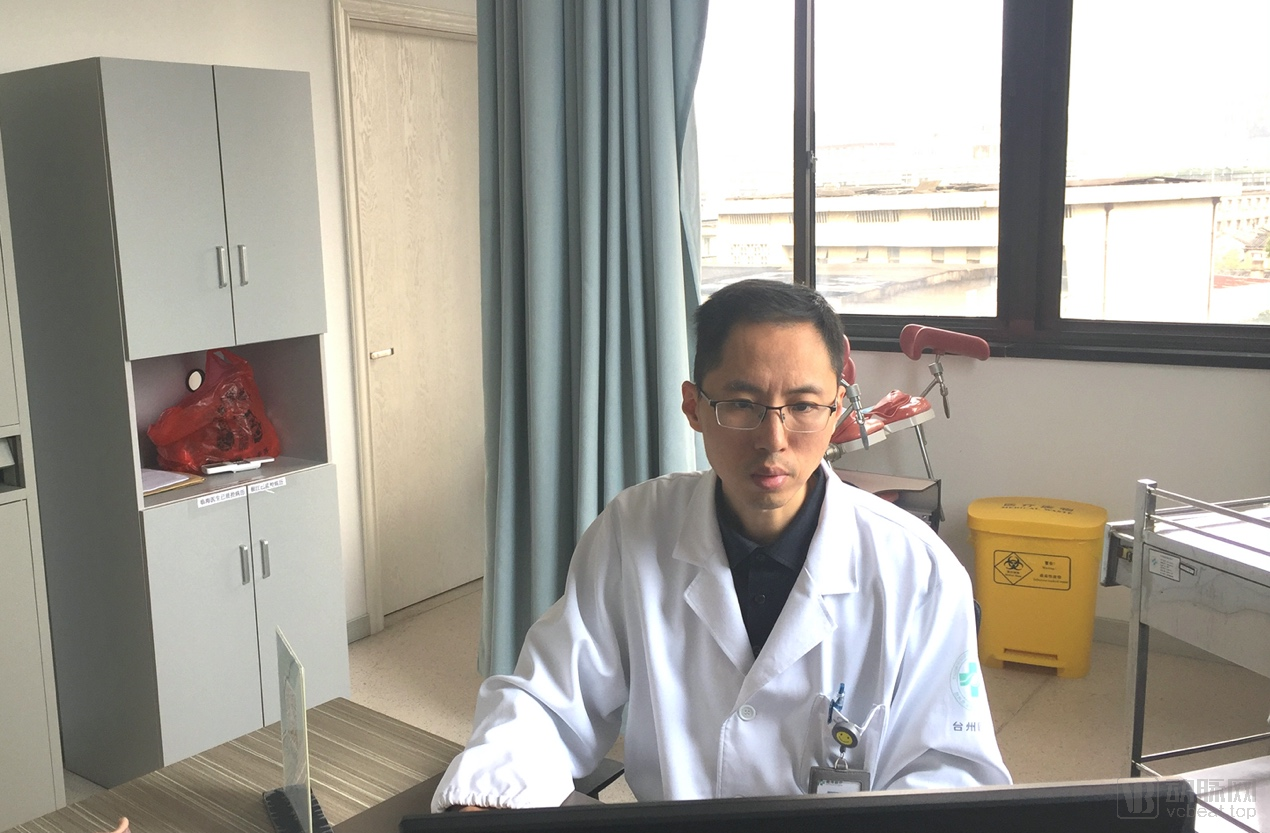
Zhu Yiyang, Deputy Director of the Reproductive Medicine Center at Taizhou Hospital, Zhejiang Province
Nowadays, although the outpatient volume at Taizhou Hospital has decreased by one-third, the total number of patient visits has not declined when calculated by individual encounters. This is attributable to the significant changes brought about by deep collaboration with third-party internet healthcare service platforms. Over the two years of joint progress between Weimai and Taizhou Enze Medical Group, many heartwarming stories have continuously emerged, documenting Weimai’s contribution to advancing the smart healthcare transformation in the Taizhou region. One such example is the “Prenatal Diagnostic Consultation Service – Amniocentesis” project jointly launched by Weimai and Taizhou Enze Medical Group.
Xiao Wei, an expectant mother from Wenling, was advised by her obstetrician during a routine prenatal check-up at a local hospital to undergo amniocentesis based on her test results. Due to the specialized nature of this procedure, she needed to travel over 30 kilometers to Taizhou Hospital for the screening. Previously, Xiao Wei had to make three separate trips to Taizhou Hospital—to register, undergo the procedure, and collect the report—completing the entire amniocentesis process. These multiple round trips between the two locations undoubtedly posed significant risks for her as a pregnant woman. However, with Weimai’s launch of its “Prenatal Diagnostic Consultation Service – Amniocentesis,” the time required for hospital appointments and report interpretation has been significantly reduced. Now, Xiao Wei can complete the entire amniocentesis process in just one visit.
This amniocentesis service, which enables expectant mothers to complete their care with “at most one visit,” is an internet-based convenient healthcare project spearheaded and operated by Zhu Yiyang. By connecting with lower-tier medical institutions, the project helps elderly and high-risk pregnant women in townships avoid multiple long-distance trips to municipal hospitals. They can communicate with physicians for prenatal diagnosis via the Weimai APP, schedule appointments on their mobile phones, and skip waiting for test results after their hospital visit. Instead, they can go directly home and consult the same doctor through the APP for result interpretation. This closed-loop service, integrating online and offline as well as in-hospital and out-of-hospital care, has significantly improved patient efficiency and doctor-patient engagement. (All patient names mentioned in the article are pseudonyms.)