

China's Rapid Response to the Pandemic: 17 Rapid Diagnostic Kits Launched Within 9 Days and Innovations in Payment Solutions
I. Process of Outbreak Detection and Evolution
On December 30, 2019, cases of pneumonia of unknown etiology emerged in Wuhan, drawing widespread attention from all sectors of society.At 21:00 on January 7, 2020,The Expert Group for Preliminary Assessment of Pathogen Test Results revealed that,A novel coronavirus was detected in the laboratory, and its full genomic sequence was obtained. A total of 15 positive cases for the novel coronavirus were identified through nucleic acid testing. The virus was isolated from samples of one positive patient, and electron microscopy revealed typical coronavirus morphology. The expert panel concluded that the pathogen responsible for the current cases of unexplained viral pneumonia was preliminarily identified asIdentified as the novel coronavirus.
Coronaviruses constitute a large family of viruses that are widespread in nature. Previously, six types of coronaviruses were known: four are relatively common in humans, exhibit low pathogenicity, and typically cause respiratory symptoms similar to those of the common cold; the other two are the well-known MERS virus (Middle East Respiratory Syndrome) and SARS virus (Severe Acute Respiratory Syndrome). Coronaviruses infect only vertebrates and are associated with various diseases in both humans and animals, causing respiratory, gastrointestinal, and neurological disorders.
Novel coronavirus (nCoV) is a new virus that had never been previously identified in humans; the novel virus detected in Wuhan was named 2019-nCoV. Including this newly identified novel coronavirus, there are currently seven known types of coronaviruses that can infect humans.
On January 12, 2020, the National Health Commission shared the genetic sequence information of the newly discovered coronavirus with the World Health Organization. As of 24:00 on January 21, 2020, there were 319 confirmed cases, 158 suspected cases, 25 recoveries, and 6 deaths due to the novel coronavirus.
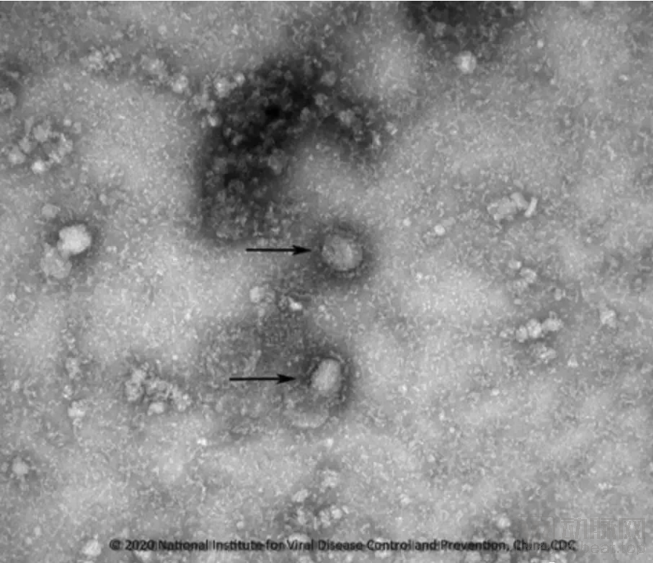
GISAID Homepage: Electron Microscopy Images of the 2019 Novel Coronavirus (GenBank Website)
II. Rapid Advancement of IVD Testing Kits
Confirming the association between a novel pathogen and a disease requires considerable time, including obtaining evidence of viral infection, isolating the virus, and analyzing its genomic sequence. Furthermore, serological results are needed to demonstrate that the disease is caused by this specific infection. In practice, the slow replication rate of this virus and the low viral load in samples pose significant technical challenges for virus identification.
Diagnostic reagents required for clinical use and disease surveillance can only be developed after the pathogen has been identified. Currently, several companies have already produced nucleic acid-based testing reagents, while reagents for antibody monitoring and serological testing are under development.
During outbreaks of infectious diseases, in vitro diagnostics (IVD) play a significant role in prevention and control efforts within fever clinics, infectious disease wards, and isolation units. By enabling simple and rapid point-of-care testing, IVD facilitates the prompt acquisition of test results. During the SARS epidemic, IVD demonstrated its substantial value.
It took a total of 10 days from the detection of the outbreak to the identification of the pathogen. On January 12, after the viral genomic data was uploaded, Jiangsu Shuoshi Biotechnology Co., Ltd. announced within just one day that it had immediately initiated the development of a nucleic acid testing kit for the novel coronavirus upon obtaining the viral genome sequence, and launched a testing kit based on dual-fluorescence PCR. On January 15, BGI Genomics also announcedThe subsidiary Shenzhen BGI Genomics Co., Ltd. has successfully developed a novel coronavirus nucleic acid detection kit.According to a report by Jiemian News, the National Health Commission had previously designated three testing companies as suppliers of nucleic acid test kits for the novel coronavirus pneumonia virus, and these kits have been recognized and used by multiple centers for disease control and prevention.The three companies are Shanghai Huirui Biotechnology Co., Ltd. (Huirui Bio), Shanghai Jienuo Biotechnology Co., Ltd. (Jienuo Bio), and Shanghai Bojie Medical Technology Co., Ltd. (Bojie Medical).
Over the past 20-plus days,As the pandemic has evolved, multiple companies—including Bioperfectus, Sansure Biotech, Ustar Biotechnologies, Kayou Diagnostics, Wondfo, KeyGene, and Ruiai Medical—have announced that they have either completed the development of nucleic acid test kits for the novel coronavirus or updated the databases of their existing high-throughput sequencing products, enabling the detection of the novel coronavirus as well as other coronaviruses.The rapid response of IVD companies demonstrates the significant progress made in China’s in vitro diagnostics sector in recent years.
The outbreak of the novel coronavirus (SARS-CoV-2) in Wuhan posed a major test for all stakeholders across the in vitro diagnostics (IVD) industry chain. From the initial identification of a SARS-like pathogen using the novel metagenomic next-generation sequencing (mNGS) technology, to the independent confirmation of the pathogen and the rapid development of nucleic acid testing reagents, advanced technologies played a crucial role in containing the epidemic.
2020/1/13 Shuoshi Bio
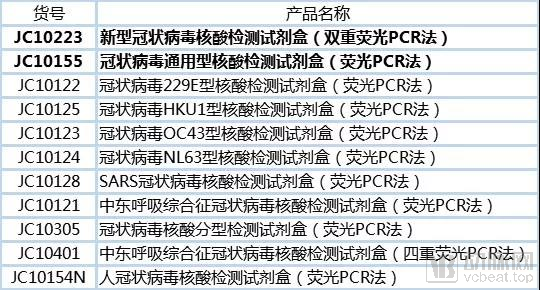
Jiangsu Shuoshi Biotechnology Co., Ltd. announced that it immediately initiated the development of a Novel Coronavirus Nucleic Acid Detection Kit (Dual Fluorescence PCR Method) (Catalog No.: JC10223) upon obtaining the viral sequence. Meanwhile, Shuoshi Biotechnology has also newly developed a Universal Coronavirus Nucleic Acid Detection Kit, enabling simultaneous detection of multiple coronaviruses, including OC43, NL63, HKU1, 229E, SARS, MERS, and the Novel Coronavirus.
2020/1/15 BGI Genomics
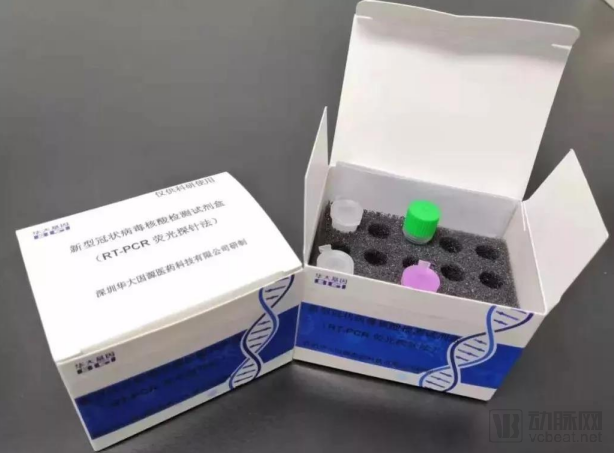
BGI’s subsidiary, Shenzhen Huada Yinyuan Medical Technology Co., Ltd. (formerly the Infection Prevention and Control Division), urgently mobilized its R&D and production resources and successfully developed a novel coronavirus nucleic acid detection kit at the earliest opportunity, ensuring effective supply to disease control and prevention agencies and medical institutions at all levels for testing purposes.
2020/1/16 ZJ Bio
Rapidly developed a fluorescent PCR kit for the novel coronavirus. The newly developed kit employs multiplex fluorescent PCR technology to simultaneously detect two independent genes of the novel coronavirus in a single tube, thereby eliminating the risk of false negatives due to viral mutations. Furthermore, it excludes non-specific interference from the SARS-2003 strain and bat SARS-like virus strains, precisely identifying the 2019-nCoV virus.
2020/1/16 Yanwei Medicine
To actively support national epidemic prevention and control requirements, the R&D team at Weiyuan Medicine rapidly completed work in two key areas. First, building on its existing capability to detect over 20,000 types of pathogenic microorganisms, the company quickly upgraded its metagenomic sequencing product, PIseq™, enabling accurate detection of the novel coronavirus (2019-nCoV). Second, leveraging RT-qPCR technology, it urgently developed a rapid nucleic acid test kit for the novel coronavirus (For Research Use Only, RUO), which facilitates rapid pathogen identification and strengthens viral containment efforts.
1/19/2020 Ustar Biotechnologies
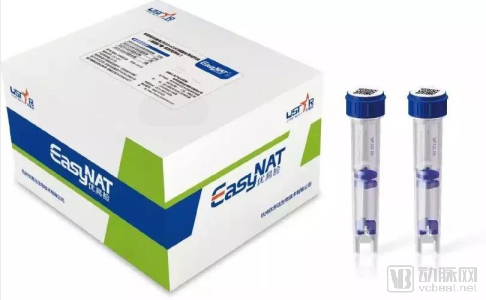
As soon as the genome sequence of the novel coronavirus (2019-nCoV) became available, Ustar’s R&D team conducted analysis and primer design. Leveraging its proprietary, secure, and reliable patented technologies—Cross-Priming Amplification (CPA) and reagent vitrification—Ustar was the first to develop the EasyNAT Novel Coronavirus (2019-nCoV) Nucleic Acid Detection Kit (Isothermal Amplification–Real-Time Fluorescence Method). When used with the Fully Automatic Nucleic Acid Amplification and Detection Analyzer (NMPA Registration No. 20193221026), the system enables rapid identification and accurate detection of SARS-CoV-2 in early-stage infected individuals using samples such as mouthwash gargles and throat swabs.
1/19/2020 Beijing Tiancheng Biotechnology
Successfully developed antibodies capable of recognizing the nucleocapsid (N) protein of SARS-CoV-2, providing critical technical support for responding to major outbreaks of emerging infectious diseases.
1/20/2020 Sansure Biotech
Sansure Biotech announced that it had successfully developed a nucleic acid test kit for the novel coronavirus (2019-nCoV) in just 72 hours, with results available in as little as 30 minutes. This solution enables hospitals, centers for disease control and prevention, and entry-exit inspection and quarantine agencies to accurately, rapidly, and conveniently detect whether patients are infected with the novel coronavirus, identify early-stage cases, and provide a systematic approach to epidemic prevention and control.
2020/1/20 Daan Gene
Two nucleic acid test kits for the novel coronavirus have been developed, supplementing the existing coronavirus nucleic acid detection kits.
2020/1/20 Edan Instruments
The Company’s currently marketed M16 Magnetoresistive Immunoassay Analyzer and SP-1200 Specific Protein Analyzer are both capable of performing non-specific viral detection.
2020/1/20 Kehua Bio-Engineering
In response to the recent emergence of the novel coronavirus, Tianlong Technology, a controlling subsidiary of the company, urgently conducted research and development and began production of nCoV detection kits, which have currently been supplied to Centers for Disease Control and Prevention (CDCs) in multiple provinces and municipalities across China.
2020/1/20 Cayd Biotech
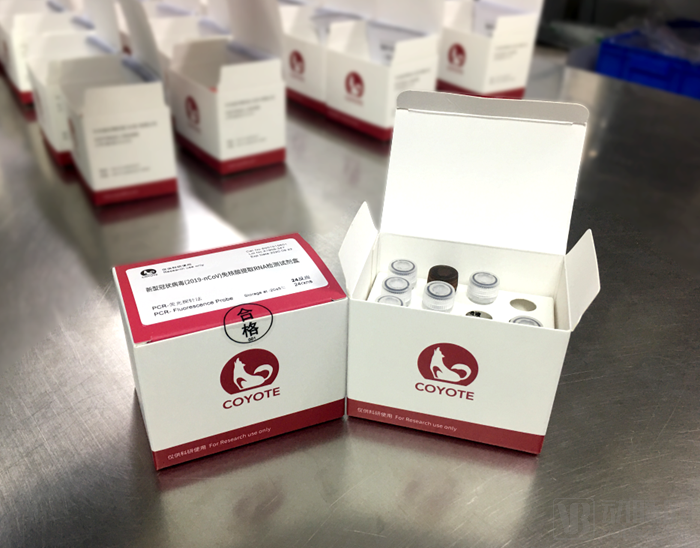
Caydy Biotech has successfully developed a novel coronavirus (2019-nCoV) RNA detection kit that eliminates the need for nucleic acid extraction, and this product has been validated by authoritative institutions. As the current epidemic is managed under the same protocols as Class A infectious diseases, biosafety requirements are extremely stringent. Strict controls apply to both patients testing positive for the novel coronavirus and the management and containment of positive samples. Caydy’s solution enables a fully closed workflow at frontline fever clinics: after healthcare workers implement appropriate protective measures, non-invasive sample collection (via throat swabs) can be performed on-site, followed by rapid one-step loading (within 1 minute), with results available in as little as 30 minutes. The biosafety level for sampling and sample loading is consistent, meaning that biological waste from sampling consumables and loading consumables is handled in the same manner.
2020/1/20 Jinshi Medical
The 2019-nCoV novel coronavirus nucleic acid detection kit has been successfully developed. This kit employs classic nested PCR technology, which offers reliable technical principles and high reproducibility. Combined with highly specific fluorescent probes, the detection sensitivity can be as low as 1 viral copy. The target region is located in a highly specific area of the 2019-nCoV coronavirus, excluding interference from common coronaviruses. The kit is compatible with high-speed PCR instruments, with a single-cycle time as short as 20 seconds, reducing the nested detection time to under one hour.
2020/1/20 Wondfo Biotech
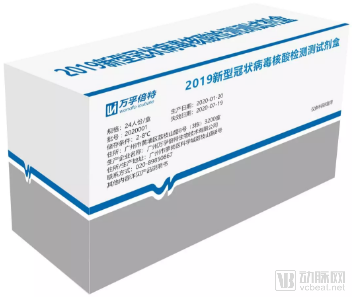
On January 20, Wondfo Biotech’s subsidiary, Wondfo Better, announced the successful development of a multiplex nucleic acid testing cassette for SARS-CoV-2 and other respiratory pathogens. The cassette covers SARS-CoV-2 along with other respiratory pathogens requiring differential diagnosis. Integrated with Wondfo Better’s proprietary BoxArray fully automated multiplex nucleic acid testing platform, it establishes a fully automated, closed-system multiplex nucleic acid testing solution for SARS-CoV-2 and respiratory pathogens.
2020/1/21 Xilong Scientific
Xilong Scientific stated on the investor interaction platform that the molecular diagnostic test kits for novel coronavirus detection, produced by its controlling subsidiary Aikewei Biology, have been submitted to relevant government laboratories for validation.
1/21/2020 Rayee Medical
RayBiotech Medical promptly incorporated the data into the RealPathogen™ database for high-throughput sequencing detection of pathogenic microorganisms, further enriching the NGS pathogen detection database and ensuring accurate identification of the 2019-nCoV coronavirus nucleic acid sequences.
2020/1/21 GenScript
Based on the sequence information of the novel coronavirus published by the WHO, GenScript has synthesized detection probes and primers for real-time PCR, offering free trials to customers developing viral detection products, with delivery in as fast as 24 hours. This initiative supports researchers on the front lines of novel coronavirus scientific research, facilitating studies on viral pathogenesis, viral evolution, diagnosis, treatment, and prevention.
January 21, 2020 Puhui Lihua, Yugo Biotech
Jointly developed by Pushi Jun’an, a subsidiary of Universal Li Hua, and Yuguo Biotechnology (Beijing) Co., Ltd., the Instant On-Site Detection Kit for the 2019 Novel Coronavirus (CRISPR Cleavage Method) has been successfully launched and its performance validation completed. This kit does not require a quantitative PCR instrument, is easy to operate, and can be more widely applied in various scenarios.
According to the aforementioned statistics, a total of 21 companies launched 17 types of rapid diagnostic kits for the novel coronavirus (SARS-CoV-2), three NGS pathogenic microorganism databases were updated, and research-grade antibodies, probes, and primers were also included. Following the release of these corresponding products by the relevant companies, their stock prices surged. On the 21st, Shuoshi Biotechnology rose by 19.59%; Daan Gene and Kehua Bio-engineering hit their daily price limits; and Wondfo Biotech increased by 7.16%.
Relevant listed companies have issued announcements stating that the aforementioned testing products are intended solely for the detection of the novel coronavirus and other coronaviruses, and are not for therapeutic use. Furthermore, the aforementioned productsNot having obtained a product registration certificate, it is for research use only.It will not have any impact on the company’s current revenue and profit, nor does it constitute a new business or a change in its core business.The BGI Genomics test kits also bear a clear label stating “For Research Use Only.” While novel coronavirus detection products may have limited profit-generating capacity for listed companies, this has not prevented their stock prices from surging.
III. In addition to government safety nets for medical expenses, these commercial insurance companies are also involved
The current outbreak has presented everyone with a very practical question: Where should patients with suspected or confirmed novel coronavirus pneumonia receive treatment, and how should medical expenses be covered?
First, it is necessary to clarify the classification of the novel pneumonia outbreak in Wuhan. On January 20, the National Health Commission issued Announcement No. 1, classifying pneumonia caused by the novel coronavirus as a Class B infectious disease under the Law of the People’s Republic of China on the Prevention and Treatment of Infectious Diseases, while implementing prevention and control measures applicable to Class A infectious diseases; furthermore, it placed pneumonia caused by the novel coronavirus under quarantine management for quarantinable infectious diseases as stipulated in the Frontier Health and Quarantine Law of the People’s Republic of China.
Pneumonia caused by novel coronavirus infection has been included in the statutory management of infectious diseases. People's governments at all levels, health administrative departments, other government departments, and medical and health institutions may, in accordance with the law, adopt a series of prevention and control measures, such as isolation treatment for patients and isolated medical observation for close contacts, to jointly prevent and control the spread of the pneumonia epidemic caused by novel coronavirus infection.
The National Healthcare Security Administration conducted a special study on ensuring medical treatment and support for patients with novel coronavirus pneumonia, requiring the nationwide healthcare security system to implement the “Two Guarantees” policy: ensuring that patients receive timely treatment without being hindered by cost concerns, and ensuring that designated medical institutions are not constrained in providing care due to regulations on global budget management under medical insurance.
In light of the characteristics of this outbreak, the National Healthcare Security Administration has decided to implement special reimbursement policies for patients diagnosed with “Novel Coronavirus Pneumonia” and other related conditions.
First, all drugs and medical service items covered by the National Health Commission’s “Diagnosis and Treatment Protocol for Novel Coronavirus Pneumonia” are temporarily included in the scope of reimbursement by the basic medical insurance fund.
Second, ensure timely payment of patients’ medical expenses, particularly by leveraging the safety-net role of medical assistance funds to alleviate patients’ concerns about seeking care. For patients receiving cross-regional medical treatment, provide treatment first and settle payments later; discontinue the practice of reducing reimbursement rates for out-of-area referrals, thereby reducing infection risks associated with patient mobility.
Third, for hospitals designated for centralized treatment, the medical insurance authorities will provide advance payments to alleviate the financial burden of upfront costs borne by the hospitals, and patients’ medical expenses will no longer be included in the hospitals’ global budget control targets.
According to People's Daily, on the afternoon of January 21, the Wuhan Municipal Novel Coronavirus Pneumonia Epidemic Prevention and Control Command held a press conference.
Addressing online claims that suspected cases are struggling to secure hospital admission, Peng Houpeng, Deputy Director of the Wuhan Municipal Health Commission, stated that Wuhan is currently facing a unique situation characterized by concurrent high incidence rates of influenza and novel coronavirus infection, which has posed significant challenges for hospitals in admitting patients. Fortunately, Wuhan boasts abundant medical resources. In accordance with the treatment protocol jointly formulated by national, provincial, and municipal authorities, the city has implemented a strategy of concentrating patients, resources, experts, and treatment efforts. Three designated hospitals in Wuhan have allocated 800 beds for patient admission. Additionally, other directly affiliated medical institutions will soon free up 1,200 beds to support patient care, ensuring timely admission and treatment for all patients.
Peng Houpen also introduced that under the previous policy, for all confirmed patients, apart from medical insurance reimbursement, the government covered all remaining medical expenses. To strengthen epidemic prevention and control efforts, further regulations have now been implemented stipulating that the government will also cover outpatient fees for all patients under observation at fever clinics. As a result, patients essentially incur zero out-of-pocket costs for both outpatient and inpatient care.
Guangdong Province ranked second in the number of confirmed cases, following Hubei Province. On the 21st, the Guangdong Provincial Government held a press conference to brief on the status of the novel coronavirus pneumonia outbreak and response measures, implementing seven key strategies to prevent further spread of the epidemic.
In terms of isolation treatment and case management, Guangdong Province is establishing and improving medical treatment operational mechanisms. It has designated 30 provincial-level hospitals across the province as specialized facilities for treating novel coronavirus pneumonia, covering all 21 cities in the province. Among these, Guangzhou has 8 hospitals, Shantou and Zhanjiang each have 2, and the remaining cities each have 1.
Guangdong will strictly implement the “four concentrations” principle—concentrating patients, experts, resources, and treatment—to ensure that confirmed cases are treated at designated hospitals, thereby making every effort to reduce the case fatality rate and minimize the incidence of severe cases. Cities currently free of outbreaks have also deployed comprehensive emergency prevention and control preparedness measures.
Meanwhile, other provinces and regions rapidly established special task forces or expert panels for the prevention and control of pneumonia caused by novel coronavirus infection, designated designated hospitals, and carried out monitoring, screening, diagnosis, treatment, and case management.
In addition to the government’s “safety net,” multiple insurance companies have simultaneously activated emergency response plans for novel coronavirus pneumonia to proactively address the epidemic.
Ping An of China
Ping An Insurance (Group) Company of China, Ltd.’s subsidiaries in life insurance, property and casualty insurance, pension, and health care promptly activated their emergency response plans for major public health incidents.
First, launch 24/7 online services, enabling customers to complete claim reporting and applications online via the Ping An Life Jin Guan Jia APP and the WeChat “An E Pei” mini-program;
Second, provide dedicated claims assistance and guidance. For customers with suspected or confirmed diagnoses, Ping An Life Insurance will assign a dedicated representative to offer end-to-end guidance on the claims process upon receiving the relevant information.
Third, we will open a green channel for claims settlement. In accordance with the relevant coverage under medical insurance and critical illness insurance policies, the Company will expedite processing through this green channel to complete claim payments at the earliest opportunity.
Fourth, launch the special-case advance payment service. For customers in urgent need of funds, the company will provide advance claim payments through a dedicated channel to alleviate their financial burden during medical treatment.
Ping An Property & Casualty Insurance has established a special task force, removed restrictions on designated hospitals, opened a green channel for online claims settlement, proactively provided advance payments for confirmed partial losses, and conducted regular proactive follow-up visits.
Taikang Life
Establish an emergency leadership group. In accordance with the coverage and exclusions of Taikang Life’s medical insurance, pneumonia caused by the novel coronavirus falls within the scope of compensation under Taikang Life’s medical insurance.
In response to the novel coronavirus pneumonia (COVID-19) outbreak, Taikang Life Insurance has implemented the following measures: The head office has activated its emergency response plan, and special task forces have been established in Hubei, Shenzhen, Beijing, and Guangdong to coordinate customer claims processing; a green channel for reporting COVID-19 cases has been opened; proactive outreach has been conducted to medical insurance authorities, hospitals, and agents to identify insured customers from patient lists and provide proactive claims services; a policy-free claims service has been introduced, waiving the requirement to present an insurance policy for all claimants; claims procedures have been simplified for customers experiencing death, disability, or critical illness due to the disease by reducing required documentation; restrictions on hospital tiers specified in policy terms have been removed; and a 24-hour customer reporting hotline (95522) has been made available.
China Pacific Insurance
China Pacific Insurance (CPIC) has established emergency response task forces in the relevant regions, maintaining close coordination with partner institutions such as hospitals. The company is proactively obtaining lists of affected patients through multiple channels. Customers who have purchased CPIC’s medical insurance products and incur covered losses will receive comprehensive and convenient claims services. For medical expenses incurred by customers due to these diseases, CPIC will proactively advance or promptly pay claim benefits once the expense amounts are confirmed, in accordance with policy terms. In special emergency situations, cash payments may be made to meet customer needs.
PICC Life Insurance
PICC Life Insurance has established a special task force for claims handling and assigned dedicated personnel in key regions to manage claims services for such patients. A green channel for expedited claims processing has been opened for policyholders with medical insurance who are confirmed or suspected cases.
Huaxia Insurance
Huaxia Life Insurance stated that for suspected or confirmed cases, the company will expedite processing through a green channel, assign dedicated personnel to provide end-to-end guidance on claims, and settle payments at the earliest opportunity.
Xintai Insurance
Xintai Insurance’s currently available medical products, including the “Xintai Ruyi Bao Medical Insurance,” “Xintai Additional Anxiang Wuyou Hospitalization Expense Compensation Medical Insurance,” and “Xintai Additional Anxiang Wuyou Hospitalization Allowance Medical Insurance,” provide coverage for liabilities related to novel coronavirus pneumonia (COVID-19). Furthermore, for deaths listed in official announcements issued by authoritative government departments, death benefits may be paid in advance, with supplementary documentation to be submitted subsequently.
ZhongAn Insurance
As a representative of internet-based insurance companies, ZhongAn Insurance has actively responded to the novel coronavirus pneumonia outbreak. ZhongAn has established an emergency task force to provide customers with simple, fast, warm, and convenient services:
First, a 24-hour customer claims reporting and consultation hotline has been established. Customers can report claims and seek consultations through various channels, including ZhongAn Insurance’s national unified customer service hotline at 1010-9955, the official ZhongAn Insurance website (https://www.zhongan.com), and the “ZhongAn Insurance” WeChat official account.
Second, launch an emergency medical advance payment service to proactively disburse claim payments for applications falling within the scope of insurance coverage, thereby meeting treatment needs.
Third, streamline the claims process, establish a green channel, and complete claim settlements within 3 hours.
Fourth, remove medication restrictions to prioritize treatment efficacy, with 100% reimbursement of related medical expenses.
WeSure
To proactively respond to the COVID-19 pandemic, WeSure promptly established an emergency response task force. Currently, all medical insurance products offered by WeSure cover insurance liabilities for COVID-19 (Weiyibao·Million Medical Insurance, Weiyibao·Long-term Medical Insurance, Weiyibao·Outpatient Medical Insurance, and Quanminbao·Inclusive Hospitalization Medical Insurance).
To provide insurance coverage and services to insured individuals diagnosed with novel coronavirus pneumonia at the earliest opportunity, WeSure, in collaboration with its partner insurance companies, has developed an emergency response plan that offers customers the “WeSteward” Green Channel service:
First, claims consultation services are available. You may report a claim and seek claims-related advice by calling the WeSure customer service hotline at 400-931-9966, contacting online customer service via the WeSure mini-program, or reaching out to your dedicated WeSure account manager.
Second, launch a green channel for claims processing. For customers with suspected or confirmed diagnoses, WeSure will expedite handling through this green channel, assign dedicated specialists to provide end-to-end guidance on the claims process, and facilitate prompt settlement of benefits.
Third, remove restrictions on designated hospitals. Claims will be reimbursed as long as the customer receives treatment at a nationally recognized accredited hospital and the expenses fall within the scope of insurance coverage, without being limited to the designated hospitals specified in the insurance contract.
Fourth, the claims waiting period is waived. If customers are diagnosed with novel coronavirus pneumonia (COVID-19) after purchasing WeSure’s medical insurance products (WeMed Million Medical Insurance, WeMed Long-term Medical Insurance, WeMed Outpatient Medical Insurance, and Quanminbao Inclusive Hospitalization Medical Insurance), the 30-day waiting period will be waived, and claims will be processed directly.

Extraordinary Epidemic, Extraordinary Response. Real-time updates on the progress of epidemic prevention efforts, lists of designated hospitals, and dynamic solutions to the outbreak are now available in VCBeat’s Special Pro section. Scan the QR code to view.
VCBeat / Yang Xue, Jiao Yanli, Gao Daolong, Liu Zongyu