

Smart Hospital 2.0 Era: Pathways and Domain Composition of Next-Generation Intelligent Healthcare Infrastructure
The Momentum Is Unstoppable: Now Is the Right Time to Build Smart Hospitals.
Historical leaps in productivity have invariably resulted from the transformation, innovation, and development of production tools. With the emergence of technologies such as artificial intelligence, informatization, big data, cloud computing, and the Internet of Things (IoT), a new wave of change has already begun in the healthcare sector, driving a surge in the development of smart hospitals.
In August 2014, the National Development and Reform Commission (NDRC), jointly with the Ministry of Industry and Information Technology (MIIT) and six other ministries, issued the “Guiding Opinions on Promoting the Healthy Development of Smart Cities,” which proposed advancing the construction of smart hospitals. This marked the first official mention of “smart hospital” development. Subsequently, a series of policies issued by both central and local governments propelled the construction of smart hospitals into a period of rapid growth. From an economic perspective, rising income levels have led to higher public expectations for the quality of medical services. From a social development standpoint, the accelerating aging of the population and changes in disease patterns have driven rapid growth in health insurance fund expenditures. From the hospital perspective, pressure to control costs and the need to ensure medical safety constitute the most direct drivers for the intelligent transformation of hospitals.
The new generation of national leaders has elevated the digital economy to a position of strategic importance, proposing the deep integration of digital technologies—such as the internet, big data, and artificial intelligence—with the real economy, so as to develop the digital economy and build a Digital China. Consequently, digital innovation will become a new growth point and driver for China’s economic development. Digital innovation refers to the application of new technologies, including the internet, big data, artificial intelligence, and the Internet of Things (IoT), to various stages such as research and development, production, distribution, and sales. This empowers existing industrial operational mechanisms and models, reduces costs, improves efficiency, and promotes faster and better industrial development.
Is the development of smart hospitals driven by policy or by demand? How should smart hospitals be built, and what is the optimal implementation process? Beyond technological support, what soft infrastructure elements need to be cultivated? VCBeat Research has analyzed over 200 technology companies to deconstruct the pathway for building smart hospitals and define a Smart Hospital Construction Handbook. Through our in-depth and comprehensive research and analysis, we aim to provide highly valuable references for all stakeholders involved in the development of smart hospitals.
Whether it is information technology development or the procurement of medical equipment, hospital upgrades and iterations always rely on external incentive mechanisms; the same applies to the construction of smart hospitals.
A review of policies over the past decade reveals that a total of 39 policy documents have mentioned the construction of smart hospitals. Furthermore, domestic and international experience demonstrates that building smart hospitals is imperative to establish a comprehensive healthcare system capable of supporting a population of 1.4 billion.
Policy Background: Three Dimensions Driving Smart Construction
First Dimension – “Demand” Pull. The implementation of the new healthcare reform, centered on patients, has posed challenges to hospital operations, service quality, and regional interconnectivity. Reforms in medical insurance payment methods, such as diagnosis-related group (DRG) based pricing, controlling the growth of expenses in public hospitals, and eliminating drug markups, have created a “demand” for hospital cost control.
The Second Dimension – “Standards”-Driven Promotion. From 2016 to 2018, policies were primarily guidance-oriented, aimed at promoting the development of health information systems; during this period, hospitals lacked the foundational capabilities for formal grading. In 2015, the former National Health and Family Planning Commission formulated the Comprehensive Evaluation Indicators for Smart Hospitals (2015 Edition), which introduced the first evaluation indicator system for smart hospitals. Although this version of the evaluation framework was not implemented, it undoubtedly provided clear direction for the development of smart hospitals.
In 2016, the former National Health and Family Planning Commission issued the Guidelines for Application Functions of Hospital Information Platforms, clarifying the promotion and standardization of informatization construction in hospitals at Level II and above. Subsequently, the state successively released the Technical Guidelines for Hospital Informatization Construction (2017 Edition) and the Standards and Specifications for National Hospital Informatization Construction (Trial) (2018). These documents served as policy guidance to encourage hospitals at Level II and above to carry out informatization construction, without imposing mandatory assessment measures. In 2017, the Assessment of Standardization Maturity for Hospital Information Interconnectivity was implemented in public hospitals at Level II and above. This assessment serves as a platform for hospital performance evaluation and forms the foundation for hospitals’ access to the National Health Information Platform. Starting from late 2018 to 2019, hospital grading evaluations were initiated, which have had an impact on performance assessments.
The 2018 release of the “Graded Evaluation Standards for the Application Level of Electronic Medical Record Systems (Trial)” stipulated that “by 2019, all tertiary hospitals shall achieve a rating of Level 3 or above; by 2020, all tertiary hospitals shall reach Level 4 or above, and secondary hospitals shall attain Level 3 or above.” It further emphasized that the graded evaluation cycle is one year, and medical institutions that have not participated in the evaluation for more than two years must first reacquire their original level before applying for a higher-level evaluation.
The National Health Commission (NHC) will also release annual notifications on the graded evaluation of electronic medical record (EMR) application levels, and the performance assessment of public hospitals includes an evaluation of EMR implementation outcomes. In 2019, the NHC consecutively issued the Graded Evaluation Standard System for Hospital Smart Services (Trial) and the Letter on Carrying Out the 2019 Graded Evaluation of Hospital Smart Services. The NHC decided to conduct graded evaluations of hospital smart services in secondary-level hospitals and above that utilize information systems to provide smart services. The Graded Evaluation Standard System for Hospital Smart Services (Trial) states that hospitals should be guided to build and improve smart service information systems along the lines of practical functionality, information sharing, and intelligent services, making them effective tools for enhancing patients’ healthcare experiences and implementing full-lifecycle health management. This signals the government’s encouragement of smart hospital development, with corresponding assessment measures incorporated into the performance evaluation of public hospitals.
The Third Dimension—“Funding” Initiatives. In 2016, the Health and Family Planning Commission of Hainan Province took the lead in issuing the Implementation Plan for the Construction of Smart Hospitals in Hainan Province, which clearly outlined the scope and safeguard measures for smart hospital development in the province. Subsequently, more than ten provinces, including Shanxi, Chongqing, Shandong, Guangdong, and Sichuan, successively released policies related to smart hospital construction. These policies established corresponding standards covering the scope, objectives, content, and safeguard measures for smart hospital development. All implemented policies encourage relevant departments to ensure funding support. For instance, the Notice on Launching the Demonstration Construction of “Smart Hospitals” in Chongqing explicitly requires that “medical institutions shall innovate their development mechanisms, actively raise funds, and ensure the construction of ‘smart hospitals.’ Health and family planning administrative departments at all levels shall actively coordinate with local development and reform as well as finance departments to secure project approvals and fiscal support at the corresponding governmental level.”
Economic Background: Urgent Need for Upgrading Healthcare Service Institutions
With consumption upgrading, there is a growing call for higher-quality medical services. As healthcare expenditures among urban and rural residents increase, the demand for premium medical services has risen, leading to greater expectations for patient-oriented “smart services.” Currently, many hospitals offer all-in-one kiosks and self-service terminals, and promote mobile payment, online appointment registration, scheduled consultations, information notifications, and a range of derivative services. These initiatives constitute patient-oriented “smart services,” and “smart hospitals” bring considerable convenience to patients seeking medical care.Increased investment in healthcare infrastructure is driving the upgrade and transformation of healthcare institutions themselves. With the rapid expansion in the number of healthcare service providers, the importance of hospital-oriented “smart management” has become increasingly prominent. By leveraging information systems for internal operations, hospitals effectively equip themselves with a “smart steward,” facilitating refined management and enhancing overall operational efficiency.
Social Background — Healthcare Service Providers Face Significant Challenges
Imbalanced Structure of Health Resources. Currently, significant progress has been made in building China’s primary healthcare service system, establishing a relatively comprehensive urban-rural network for primary medical and health services. However, constrained by factors such as the level of economic development, the construction of this system still falls short of public expectations. “Smart Healthcare” can provide remote solutions to address the insufficient service capacity of primary healthcare institutions. By advancing hospital informatization and upgrading infrastructure, optimizing medical service processes, and further extending medical resources from within hospitals to external settings and from large hospitals to primary healthcare institutions, high-quality medical resources can be effectively decentralized to the grassroots level.
Population aging has increased the patient burden on healthcare institutions. According to data from the National Office on Aging, by the end of 2017, there were 241 million people aged 60 and above in China, accounting for 17.3% of the total population. It is projected that by 2050, China’s elderly population will peak at 477 million, representing 34.9% of the total population. Population aging will place immense pressure on healthcare institutions in the future. As smart hospitals introduce an increasing number of internet-based applications, seniors can enjoy a growing range of smart services. For instance, homebound disabled elderly or those with chronic diseases requiring long-term medication can extend medication guidance to their homes through “Internet+” solutions. Nursing care needs can be met through “Internet+” nursing services, such as home hospital beds and in-home nursing care.
Smart hospitals, built upon the foundations of information technology, internet integration, and Internet of Things (IoT) infrastructure, optimize clinical workflows, medical processes, management systems, and medical education and research. This approach ultimately achieves rational allocation of medical resources and enhances patient care experiences. We refer to this stage of smart hospital development as Smart Hospital Version 1.0.
Smart Hospital Version 1.0 featured a relatively low level of intelligence and limited utilization of medical data; however, it already met the urgent need to improve patient care experiences and control hospital operational costs. To truly realize Smart Hospital Version 2.0, hospitals must strengthen the development of an integrated smart hospital platform, deepen the mining of medical big data, and expand the application of artificial intelligence. The construction of Smart Hospital Version 2.0 focuses primarily on building comprehensive capabilities, including cloud platform development, holistic big data infrastructure, and the application of artificial intelligence in hospital settings.
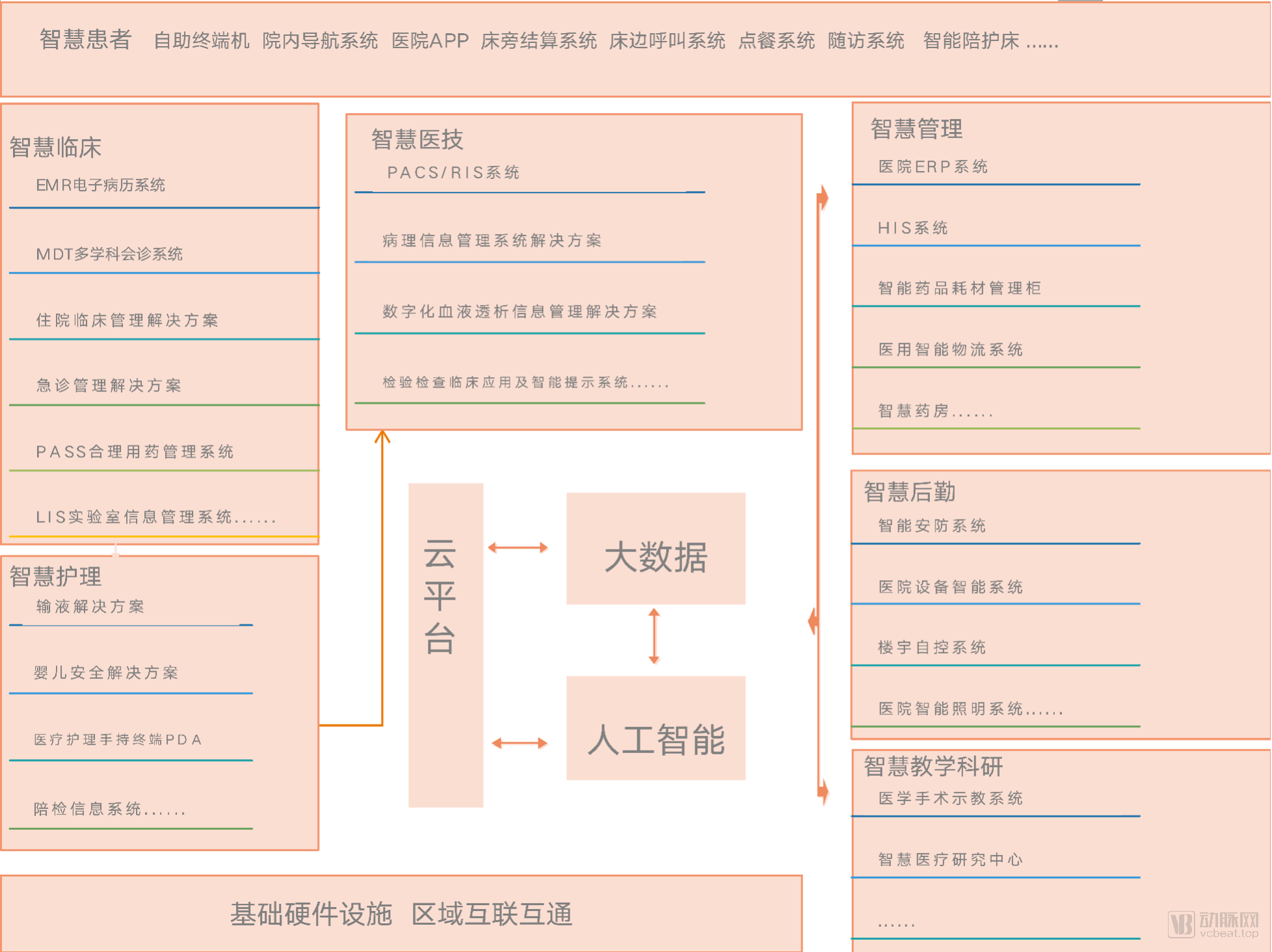
In the initial version, the modules of the smart hospital primarily included eight aspects: Smart Patient Services, Smart Clinical Care, Smart Nursing, Smart Medical Technology, Smart Management, Smart Logistics, Smart Teaching and Research, and Regional Interconnectivity. The development of these eight modules laid the hardware and software foundation for the ultimate smart hospital.
Smart Patient
“Smart Patient” is the primary phase of smart hospital construction, representing “smart services” oriented toward patients. The functional modules of “Smart Patient” cover all stages of the patient journey: pre-consultation, during consultation, and post-consultation. Improvements to WeChat platforms, appointment-based triage, and appointment queuing systems have effectively alleviated difficulties in scheduling appointments and long waiting times. The widespread adoption of self-service kiosks for payment has significantly reduced queuing time for billing. Meanwhile, the implementation of mobile healthcare services, remote visitation, and remote consultation systems has substantially enhanced the quality of medical care.
Specifically, self-service kiosks, in-hospital navigation systems, hospital mobile apps, bedside settlement systems, outpatient queue management systems, bedside call systems, hospital meal ordering systems, hospital follow-up systems, and smart companion beds all fall within this category.
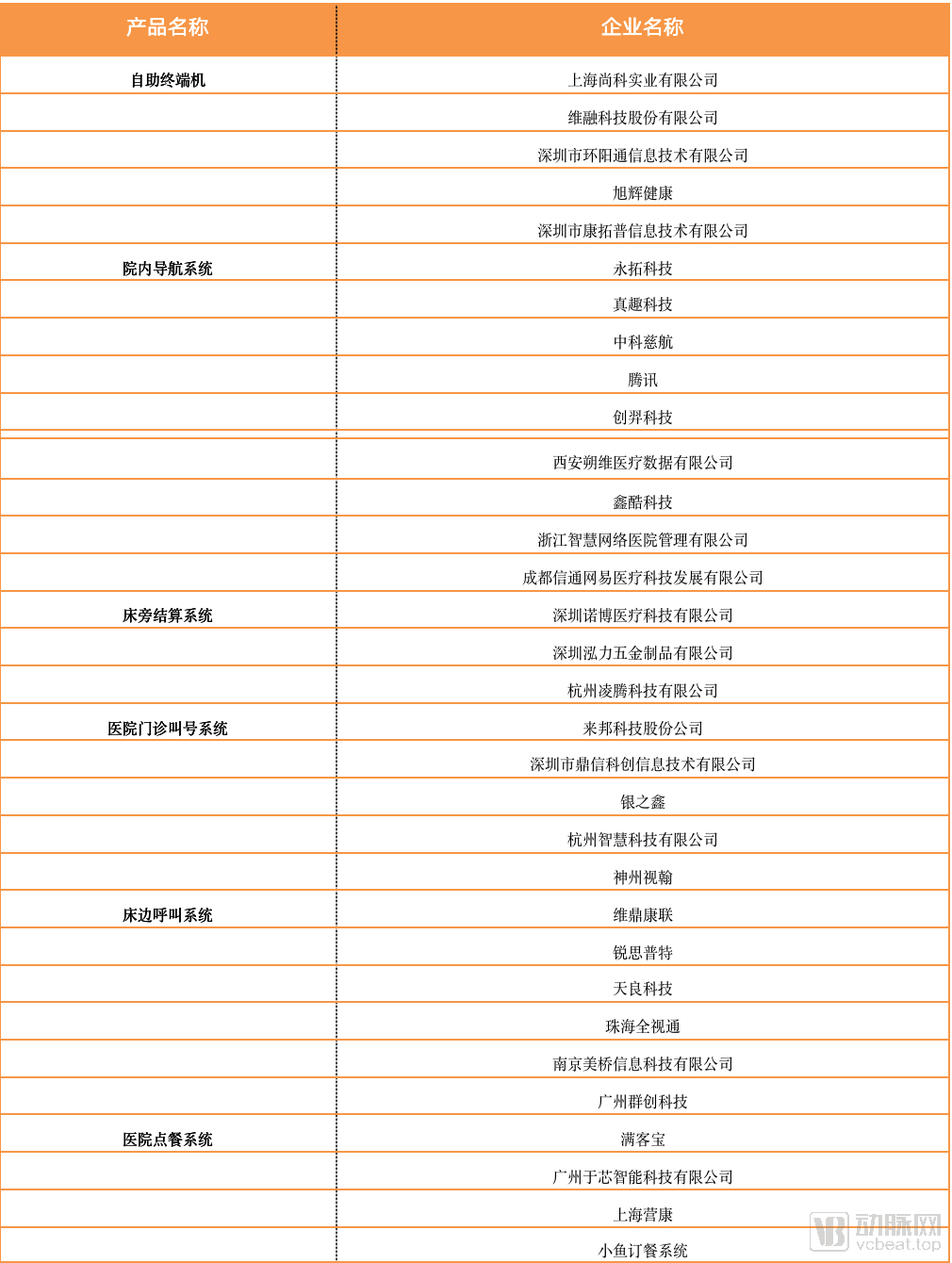
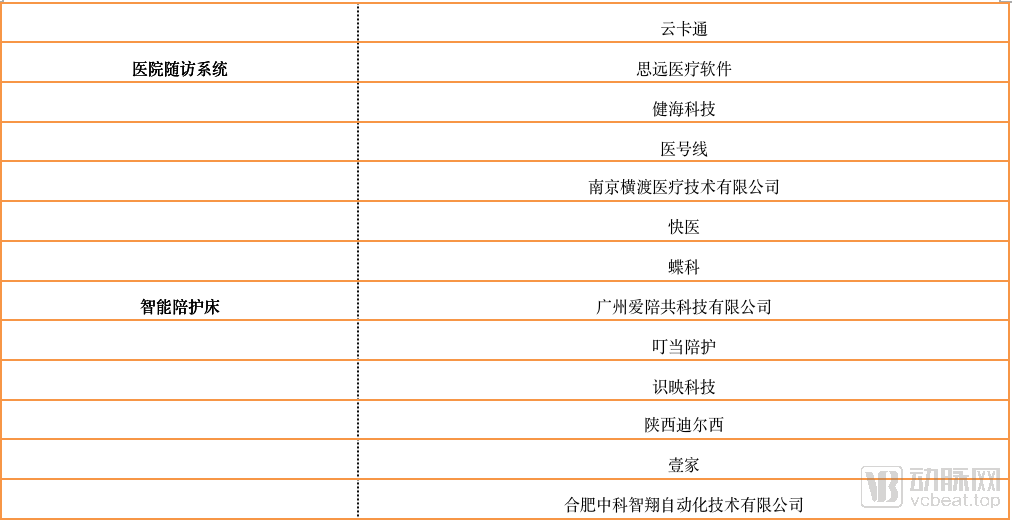
“Smart Patient”-Related Technology Enterprise Directory (Incomplete Statistics)
Smart Clinical
Smart Clinical Care refers to the hospital’s digital transformation initiative, which establishes a suite of digital systems—including Electronic Medical Records (EMR), Multidisciplinary Team (MDT) Consultation System, Emergency Management Solution, Inpatient Clinical Management System Solution, Prescription Automated Screening System (PASS) for Rational Drug Use, Laboratory Information System (LIS), Surgery and Anesthesia Management System, Clinical Pathway Management System, Blood Transfusion Management System, Intensive Care Unit (ICU) System, Electrocardiogram (ECG) Management System, and Smart Health Checkup Solution. By building a Clinical Data Repository (CDR) and a Clinical Decision Support System (CDSS), this approach aims to improve healthcare quality, reduce medical costs, and achieve intelligent healthcare delivery.
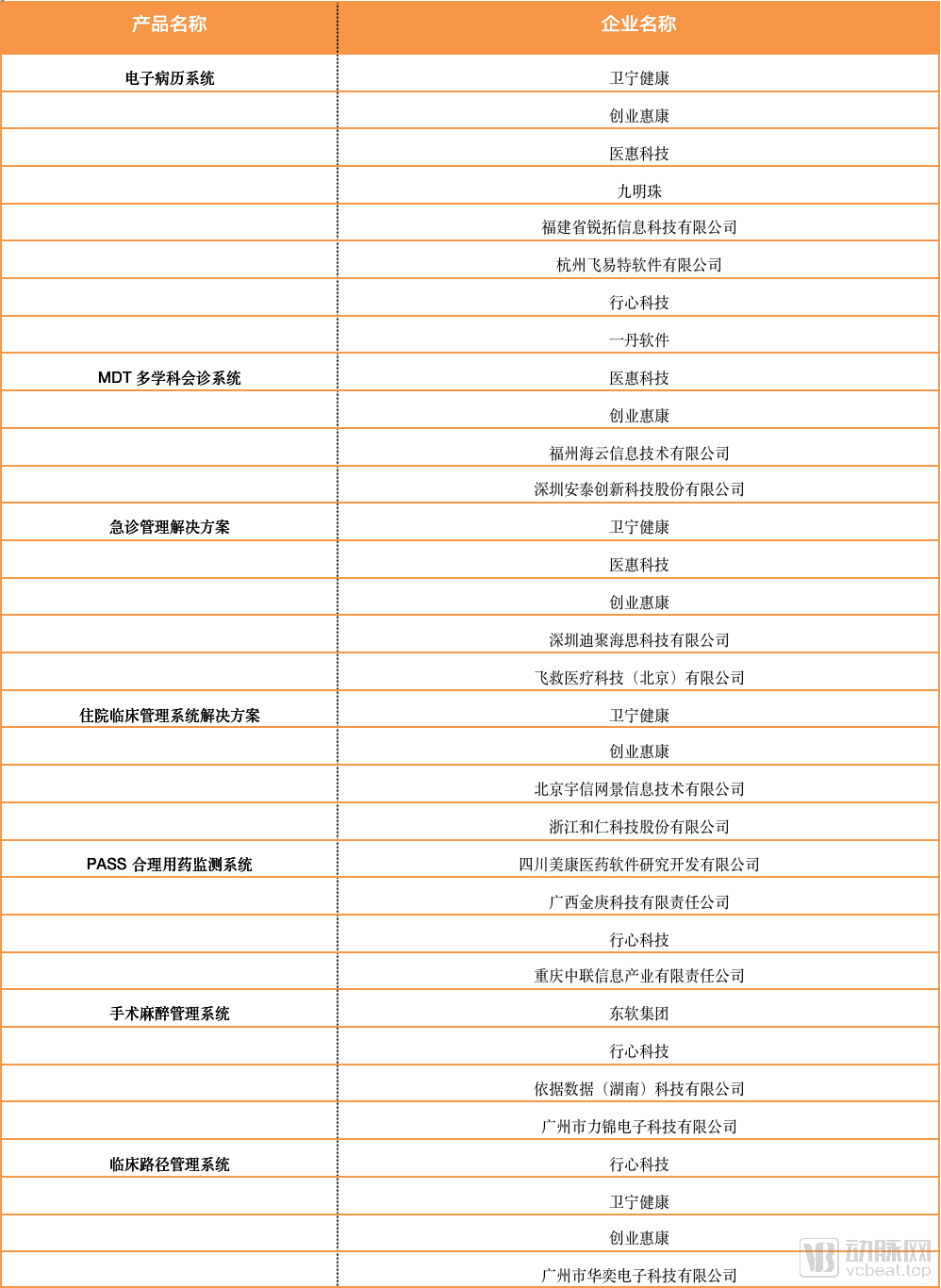
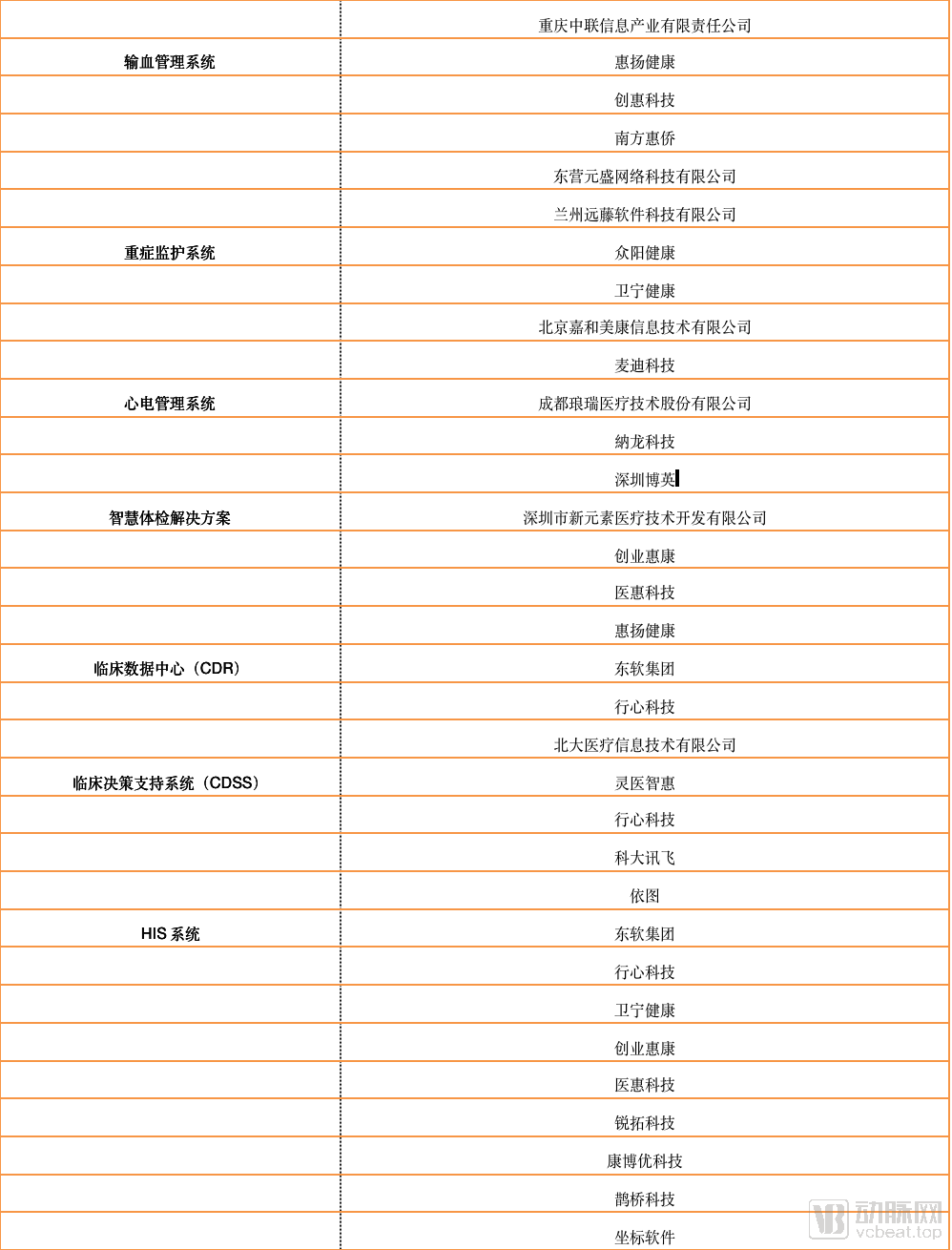
“Smart Clinical” Product Company Directory (Incomplete Statistics)
Smart Nursing
The National Health Commission (NHC) attaches great importance to improving nursing efficiency and management effectiveness. Documents such as the Guiding Opinions on Promoting the Reform and Development of the Nursing Service Industry and the National Nursing Career Development Plan (2016–2020) emphasize leveraging information technology to strengthen the nursing information application system and reduce nurses’ workload. Meanwhile, the 13 nursing-sensitive indicators specified in the Manual for Using Nursing-Sensitive Quality Indicators, issued by the Hospital Management Institute’s Nursing Center under the NHC, have become key metrics for assessing hospital nursing quality, one of which is the evaluation of nurses’ practice environments. Utilizing information technology to improve nurses’ practice environments and enhance their work efficiency has gradually become a focal area for hospitals.
Specifically, smart nursing encompasses infusion solutions, infant safety solutions, medical care handheld terminals (PDAs), and patient escort information systems. Taking the patient escort information system as an example, systems within smart hospitals achieve closed-loop management: examination request information is generated simultaneously when physicians issue medical orders, allowing relevant departments to schedule and adjust examinations directly on their information processing platforms. Meanwhile, based on the patient’s condition and the specific examination required, the escort system can deliver precise pre-examination instructions tailored to each individual. The Patient Escort Center centrally assigns tasks to escort caregivers according to appointment information and makes timely adjustments based on real-time conditions, thereby achieving precision, efficiency, and end-to-end management in patient escort services.
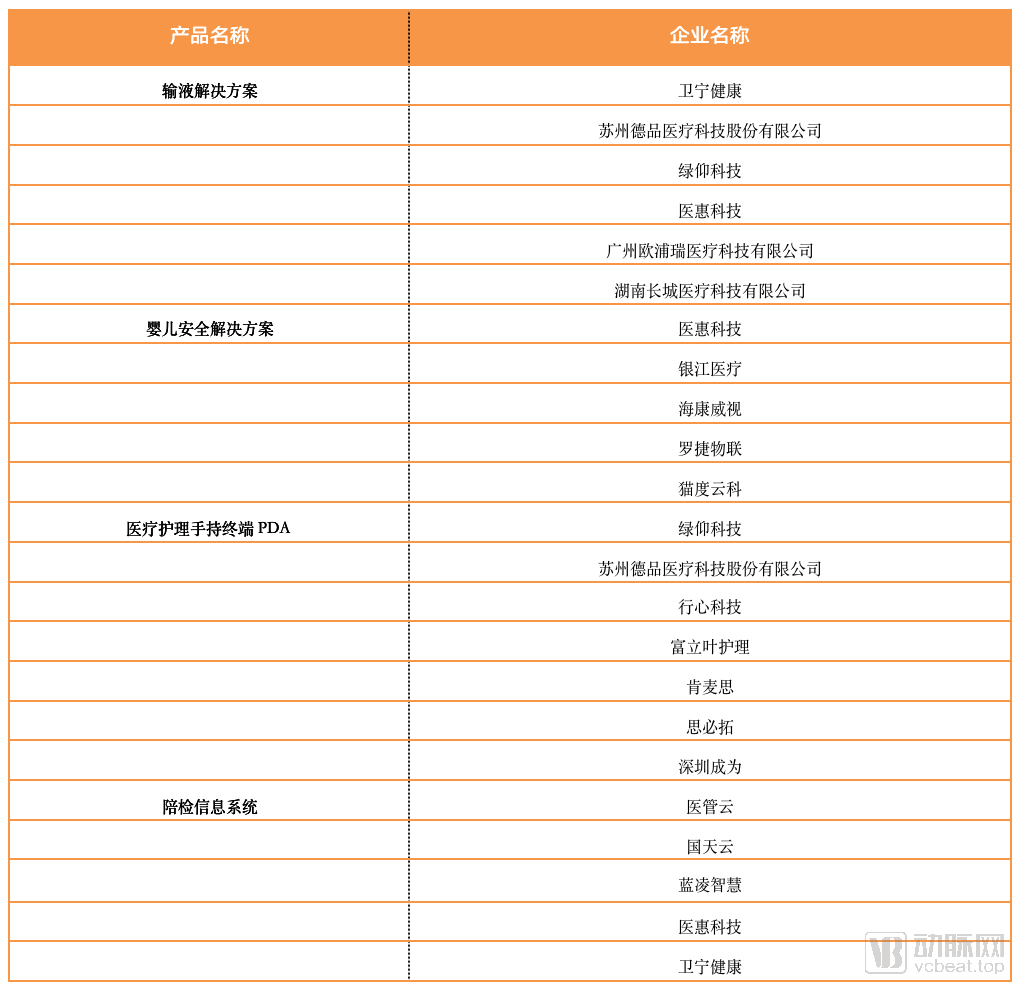
“Smart Nursing” Enterprise Directory (Incomplete Statistics)
Smart Medical Technology
The in-hospital PACS, RIS, LIS, pathology information management system solutions, digital hemodialysis information management solutions, and clinical application and intelligent alert systems for laboratory and imaging examinations all belong to the Smart Medical Technology module. This entails leveraging technologies such as the Internet and 5G to enable deeper-level applications beyond traditional health IT infrastructure.
For example, digital-enabled hemodialysis information management solutions can meet the needs of digital management within the department, comprehensively covering the digitization of information related to diagnosis and treatment activities, nursing activities, equipment maintenance and management, drug and consumable management, and cost management. On the other hand, they also fulfill the hospital-wide information sharing and quality control management requirements of the hemodialysis department, such as the sharing, access, and integration of laboratory tests, examinations, medical records, medications, and consumable cost information.
Smart Management
The role of management in enhancing hospital operational efficiency has long been overlooked. However, with the emergence of big data processing technologies, hospital administrators have gradually placed greater emphasis on internal management. In smart management, many processes that were previously manual are increasingly being automated by hospitals.
Operating rooms are among the busiest and most critical departments in hospitals. Every surgery concerns numerous stakeholders, and any oversight during the procedure can lead to immeasurable losses. As the primary tools for surgical procedures, surgical instruments require more intelligent management—an urgent need for every hospital. Leveraging the rapid multi-tag reading capability of RFID (Radio Frequency Identification) technology can make surgical instrument management smarter. The specific implementation involves attaching small RFID electronic tags to each surgical instrument and installing RFID readers or using handheld terminals at key identification points. This enables precise identification and counting of surgical instruments whenever needed, thereby reducing errors and improving management efficiency.
ERP systems integrate the operational management of personnel, finances, and materials between Hospital Information Systems (HIS) and financial management. Building upon this foundation, ERP systems implement subdivided management to achieve refined operational control. Specifically, human resource management covers organizational structure, job categories, employee classifications, compensation and benefits, onboarding, transfers, promotions, departures, and professional qualifications; fund management pertains to outpatient and inpatient revenue along with related administrative processes; and material management encompasses both medical supplies and logistical materials. By leveraging ERP for financial management, hospitals can balance the dual attributes of public institution finance and enterprise finance. This approach enables real-time internal financial management while also generating data compatible with public health funding reporting systems for submission to higher-level authorities.
There are many similar scenarios. VCBeat has compiled a list of companies and products involved in the development of smart management applications, as shown below:
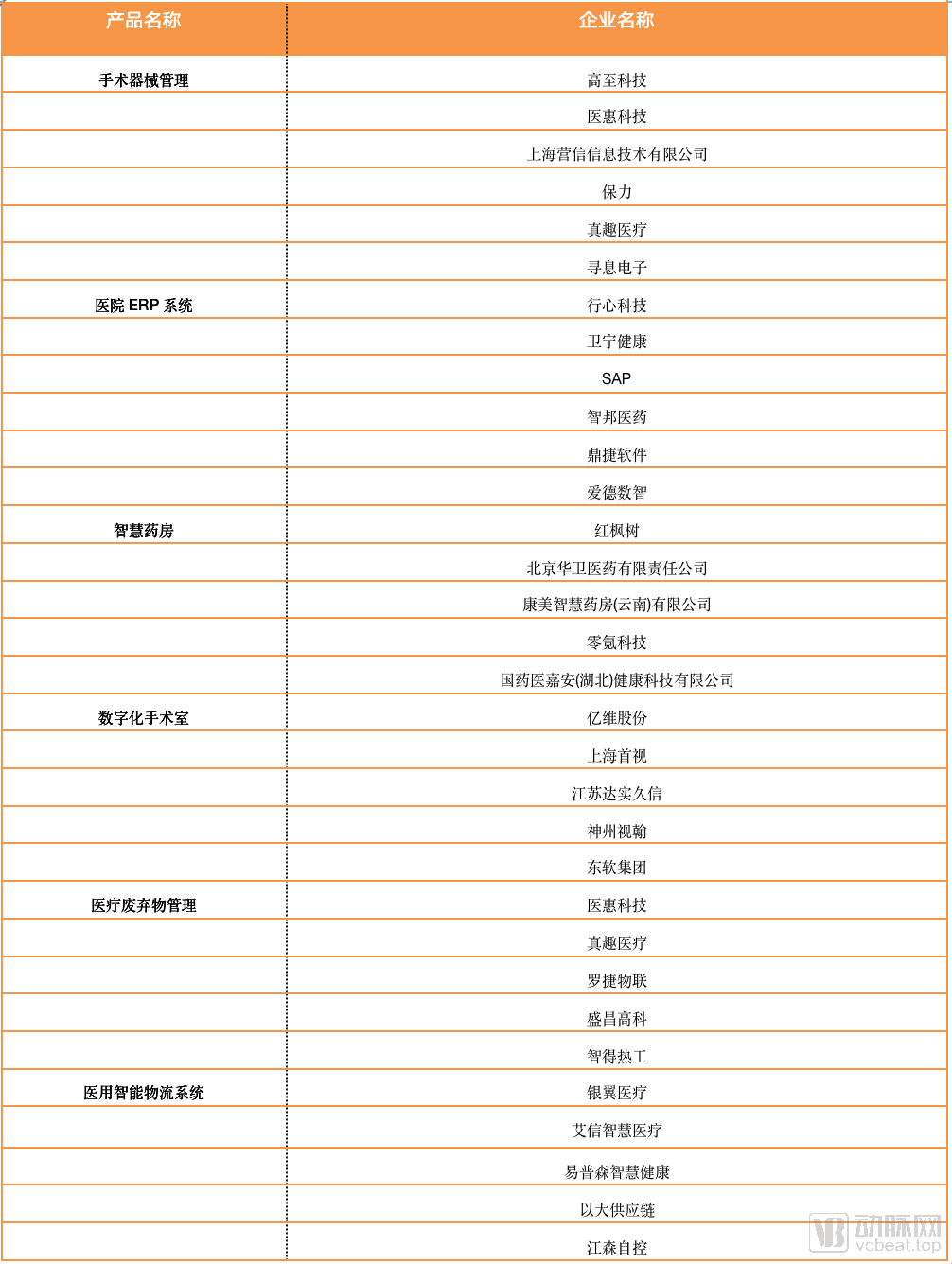
“Smart Management” Technology Enterprise Directory (Incomplete Statistics)
Smart Logistics
Smart logistics support is not closely tied to the core operations of hospitals, as systems such as security and building automation are not exclusive to healthcare facilities. Given the large number of companies operating in this space, further elaboration will not be provided.
Smart Teaching and Research
Smart Teaching and ResearchSmart teaching and research enable hospitals to build an integrated clinical research platform through digital transformation, leveraging clinical data generated during medical care for scientific research and teaching purposes, thereby promoting the translation of clinical research achievements. The establishment of smart teaching and research in hospitals includes systems such as the surgical demonstration system and the Smart Medical Research Center.
Clinical surgical teaching is a common responsibility for many hospitals. The traditional training method typically involves on-site observation; however, due to spatial constraints in operating rooms and the current state of surgical equipment, the space available for live observation is limited, restricting the number of participants and causing unnecessary disruptions to patients’ routine treatment. The Surgical Teaching System, which employs digital audio-video encoding and broadcasting technology, allows medical professionals to observe surgical procedures in real time on large screens outside the operating room. This approach not only minimizes the risk of cross-infection and maintains sterile conditions within the operating room but also expands the scope of surgical education, thereby overcoming the limitations of traditional teaching models in terms of time, space, and participant capacity.
The Smart Healthcare Research Center integrates technologies such as big data, artificial intelligence, and cloud computing to structurally store and utilize clinical data generated in medical practice, applying massive healthcare datasets to research on disease diagnosis and treatment as well as new drug development.

“Smart Teaching and Research” Technology Enterprise Directory (Incomplete Statistics)
Regional Interconnectivity
Hospital interoperability is achieved through the standardization of data resources and the development of interoperability infrastructure, enabling the sharing of medical information and resources, and optimizing the allocation of medical resources. Key components include: solutions for classified protection of hospital information systems, interface software solutions for comprehensive health information platforms, interconnected smart tiered diagnosis and treatment platforms, and telemedicine systems.
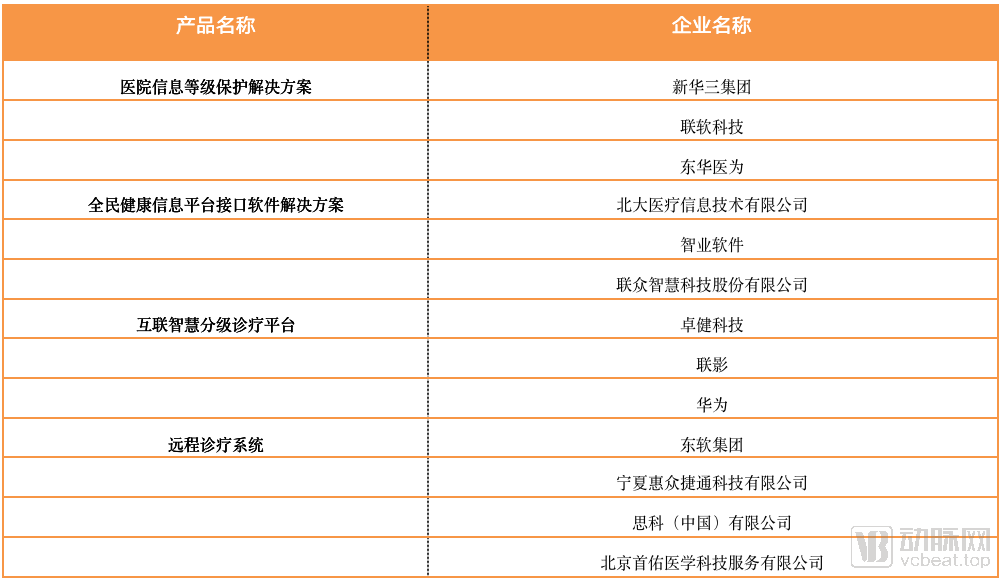
Directory of Companies in Regional Interconnectivity Technology (Incomplete Statistics)
Smart Hospital 2.0 adds three new components to its existing foundation: cloud platform development, big data solutions, and artificial intelligence.
The Smart Hospital Cloud Platform leverages artificial intelligence technologies, integrating medical big data and medical knowledge graphs. Its construction encompasses the establishment of a cloud computing infrastructure, desktop cloud terminal solutions for hospital informatization, and data disaster recovery and backup systems. The implementation of the Smart Hospital Cloud Platform enables the storage, retrieval, and utilization of massive volumes of medical data, optimizes hospital operations, and integrates intelligent triage, intelligent diagnosis, and intelligent follow-up functionalities.
Hospital Big Data Solutions enable hospitals to achieve data acquisition, storage, management, and value realization. By standardizing and normalizing the vast amounts of clinical data generated by hospitals, these solutions collect internal and external data, as well as structured and unstructured data. They clean dirty and invalid data, integrate data from different sources, and transform unstructured data into structured formats. This ensures unified management, reliable storage, secure access, and rapid retrieval of data assets, ultimately realizing the monetization of data value.
The advent of artificial intelligence has transformed the way historical data is interpreted. Building on this foundation, researchers have developed novel algorithms to support applications such as surgical robots, patient-guidance robots, and logistics robots.
How to Build a Smart Hospital?
The development of smart hospitals is a continuous and systematic endeavor. The digital transformation of each domain involves the construction of numerous subsystems, and only through coordinated interaction among these subsystems can the hospital achieve intelligent operations.
In November 2015, the former National Health and Family Planning Commission formulated the "Comprehensive Evaluation Indicators for Smart Hospitals (2015 Edition)," establishing an evaluation indicator system for smart hospitals that encompasses infrastructure, smart patient services, smart medical care, smart nursing, smart medical technology, smart management, smart logistics, smart support, smart research, and smart teaching. This system includes 3 first-level indicators, 16 second-level indicators, and 144 third-level indicators. Underpinning this complex indicator system are the functional modules of smart hospitals. Only through top-level planning of the smart hospital construction framework can human and material resources be scientifically utilized to establish the corresponding modules for smart hospitals.
Based on numerous regulations, to build a qualified smart hospital, we must address three issues.
How to Determine the Construction Sequence of Subsystems?
Smart hospital development should be driven by the hospital’s specific needs, prioritizing projects related to medical safety and patient services. Functional modules mandated by national policies, such as electronic medical record (EMR) systems and hospital interoperability infrastructure, should be given primary consideration. While each hospital has unique requirements during its smart transformation, the development process should balance comprehensiveness with clear prioritization, focusing on building key application scenarios.
Smart Hospital Development: A Step-by-Step EvolutionThe development of smart hospitals is, in essence, a gradual and progressive process. It begins with informatization, proceeds to digitalization, and ultimately achieves full hospital intelligence. Taking Huashan Hospital as an example, prior to 1996, its informatization efforts focused primarily on medical insurance settlement. From 1996 to 2000, Huashan Hospital began establishing a Hospital Information System (HIS) centered on charge management. Between 2000 and 2013, building upon charge management systems, clinical needs gradually emerged, shifting the focus of informatization toward supporting both clinical operations and hospital management. From 2013 to 2016, Huashan Hospital implemented comprehensive planning to develop clinical, managerial, and research applications around a Clinical Data Repository (CDR), while extending informatization services to patients, thereby achieving full digitalization. Since 2016, aligned with the hospital’s 13th Five-Year Plan for informatization, Huashan Hospital has embarked on the exploration of smart hospital initiatives.
What Are the Challenges in Building Smart Hospitals?
Challenge 1: Inconsistent Requirements Across Departments Complicate Module and Function Selection. While the technological innovations required for smart hospital construction are relatively easy to implement, establishing the corresponding modules is challenging. The technical support needed for building a smart hospital is a readily solvable issue; the real difficulty lies in reconciling the inconsistent requirements proposed by various clinical departments and administrative units. It is crucial to balance and coordinate these diverse needs to develop efficient and appropriate smart functionalities and modules, and to facilitate collaboration among all relevant departments to ensure successful implementation.
Challenge 2: High Construction Risks and Difficulty in Controlling Return on Investment. Another challenge in building smart hospitals lies in the significant risks involved, primarily reflected in the return on investment (ROI). If the technology is immature, solutions are inadequate, requirements are inaccurately defined, or the organizational structure is not properly aligned, the project may fail to deliver the expected benefits.
What Are the Key Elements for Ensuring the Development of Smart Hospitals?
Element 1: “Human resources, capital, and technology” are all indispensable.
The construction of smart hospitals requires multi-faceted resource assurance, primarily encompassing "human resources, funding, and technology." To ensure the smooth development of smart hospitals, first, adequate funding must be secured; hospitals should allocate annual budgets to guarantee that construction proceeds in accordance with established plans. Second, the development of smart hospitals necessitates professional teams, as specialized talent serves as the foundational support for such initiatives. Finally, smart hospital construction requires collaboration with professional technical partners to provide robust oversight, with technological support being the highest priority in this endeavor.
Element 2: Prioritization by the Hospital’s Top Leader Yields Twice the Results with Half the Effort
Ultimately, securing adequate funding and manpower hinges on the high-level commitment of the hospital’s top leadership and the ability of the information technology (IT) department to lead efficient cross-departmental collaboration. Given that smart hospital initiatives encompass every aspect of all clinical and administrative departments, reliance solely on the IT department is insufficient. The hospital president must assume a central coordinating role to actively drive the development of the smart hospital. During its smart hospital transformation, Henan Provincial People’s Hospital saw its president serve as a key driver, accelerating the institution’s transition. This initiative reduced costs, improved operational efficiency, enhanced patient appeal, and strengthened the hospital’s regional influence.
Hospital demands are constantly evolving alongside social, economic, and technological changes. The development of smart hospitals is a process of continuous improvement with no final destination—it is always ongoing. VCBeat believes that the goal of future smart hospital development lies in promoting the provision of “high-quality, convenient, intelligent, and humanistic” services; the approach to achieving this lies in “continuous refinement, coordination, collaboration, and mutual benefit.” What are the “Top Ten Needs” for the future of smart hospital development? VCBeat has outlined the following ten key needs for the future construction of smart hospitals:
The primary demand is to improve medical quality and avoid medical errors, which requires effective data and necessary human support behind it.
The second major demand is medical safety, which involves quantifying drug efficacy and continuously monitoring patient vital signs through Internet of Things (IoT) and intelligent technologies.
The third major demand is to reduce physicians' workload and improve their efficiency by automating standardized and norm-based tasks, thereby enhancing the work efficiency of healthcare professionals.
Fourth, enhance the experience of patients and physicians by building internet-based application systems such as patient service platforms and optimized physician workflow platforms.
The fifth major requirement: optimize processes by streamlining cumbersome business workflows via mobile devices.
Sixth, improve resource utilization. Leverage IoT, intelligence, and connectivity technologies to enable smart utilization of hospital resources, thereby enhancing the effective use of expert, equipment, and ward resources.
Seventh Major Requirement: Reduce healthcare costs, establish corresponding systems to optimize hospital management, and achieve cost control objectives.
The Eighth Requirement: Enhancing the Level of Scientific Decision-Making Through Artificial Intelligence Systems
9. Enhance the level of scientific research by leveraging big data technology to unlock the value of clinical data, thereby supporting hospital-based research.
10. Enhanced Medical Collaboration: Achieving Interdisciplinary Coordination Within Hospitals, Inter-Hospital Care Synergy, and System Interconnectivity
Finally, beyond the ten major demands, the fundamental mission of hospitals lies in addressing the challenges of “difficult access to medical care, high costs, and poor patient experience.” Future smart hospitals need to transform healthcare service models by leveraging “telemedicine and internet hospitals,” enabling the majority of diseases to be managed online in the future, thereby reducing the reliance on traditional in-person hospital visits.