National Health Commission Outlines Four Key Measures for Community-Based Prevention and Control of Novel Coronavirus Pneumonia
On January 27, the National Health Commission held a press conference to brief on community-based prevention and control efforts for the novel coronavirus pneumonia epidemic. The main points included:
Latest Updates on Epidemic Prevention and Control, Including the Organization of Medical Teams Deployed to Wuhan for Support, and the Collection and Allocation of Urgent Medical Supplies;
Four Key Components of Community-Based Epidemic Prevention and Control, and Work Guidelines Across Six Dimensions;
Strategies to Address Staff Shortages in Primary Healthcare Institutions.
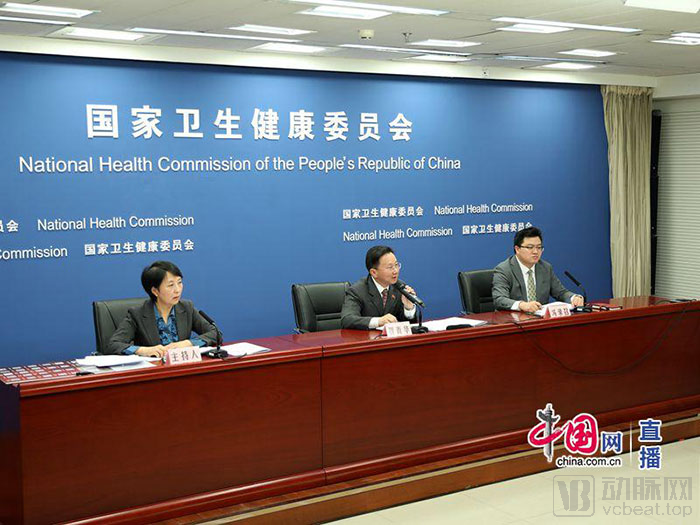
It is reported that, to further strengthen information dissemination, the National Health Commission will hold daily press conferences to brief on the epidemic situation and prevention and control efforts, highlight current key tasks around specific themes, and popularize relevant knowledge on prevention and control. Relevant member units of the Joint Prevention and Control Mechanism will be invited to attend the press conferences as appropriate to provide updates on work progress.
Key Highlights from the Press Conference on the 27th
A 959-member medical team has been dispatched to Wuhan, with preparations underway for subsequent teams.
Song Shuli, Director of the Publicity Department of the National Health Commission:First, report on the epidemic situation and the progress of prevention and control efforts.
As of 24:00 on January 26, the latest situation of the novel coronavirus pneumonia epidemic is as follows: From 0:00 to 24:00 on January 26, 30 provinces, autonomous regions, and municipalities reported 769 newly confirmed cases, 137 new severe cases, and 24 new deaths, all from Hubei Province. There were 2 newly cured and discharged cases, and 3,806 new suspected cases. As of 24:00 on the 26th, the National Health Commission received reports from 30 provinces, autonomous regions, and municipalities, with a cumulative total of 2,744 confirmed cases, 461 current severe cases, 80 cumulative deaths, and 51 cumulative cured and discharged cases. There are currently 5,794 suspected cases, and a total of 32,799 close contacts have been traced. On that day, 583 people were released from medical observation, and 30,453 people are still under medical observation. The cumulative number of confirmed cases reported in Hong Kong, Macao, and Taiwan regions is as follows: 8 cases in the Hong Kong Special Administrative Region, 5 cases in the Macao Special Administrative Region, and 4 cases in the Taiwan region.
Second, an update on the progress of epidemic prevention and control efforts. In recent days, the National Health Commission, in collaboration with all member units of the Joint Prevention and Control Mechanism, has fully implemented various prevention and control measures. On January 26, the National Health Commission issued a notice to strengthen epidemic prevention and control work at primary healthcare institutions, requiring strict adherence to operational protocols, enhanced training on prevention and control knowledge, active implementation of community-based prevention and control measures, scientifically conducted health education, and effective prevention and control of nosocomial infections.
Dispatched a total of 959 medical personnel from seven provinces and municipalities, including Henan, Jilin, Liaoning, Shanxi, Shaanxi, Tianjin, and Chongqing, to Wuhan to support medical treatment; continued preparations for subsequent medical teams; urgently allocated personal protective equipment (PPE), such as surgical masks, N95 respirators, protective goggles, face shields, medical protective suits, and isolation gowns; and established temporary supply depots to ensure the personal protection of medical team members.
Revised and issued the Fourth Edition of the "Diagnosis and Treatment Protocol for Novel Coronavirus (2019-nCoV) Infected Pneumonia," issued the "Guidelines on the Scope of Use of Common Medical Protective Supplies in the Prevention and Control of Novel Coronavirus Infected Pneumonia (Trial)," developed the "Online Declaration System for Urgently Needed Materials in Epidemic Response and Disposal," and promptly collected and summarized local emergency material needs for epidemic prevention and control;
Seven supervisory teams were dispatched to Beijing, Hebei, Shanghai, Henan, Hunan, Guangdong, Sichuan and other provinces and municipalities to conduct supervision. The key areas of focus included the operation of the joint prevention and control mechanism, duty roster implementation, epidemic monitoring measures, medical treatment services, prevention and control efforts at the sub-district, township, community and village levels, and pandemic response in primary healthcare institutions.
Community Prevention and Control Work Comprises Four Major Components
He Qinghua, First-Level Inspector of the Bureau of Disease Prevention and Control under the National Health Commission:Communities serve as the foundation for implementing grid-based management and constitute the first line of defense in infectious disease prevention and control. By effectively implementing comprehensive prevention and control measures to achieve “early detection, early reporting, early isolation, early diagnosis, and early treatment,” the spread and escalation of outbreaks can be effectively contained.
At this critical juncture of epidemic prevention and control, it is imperative to fully leverage the mobilization capacity of grassroots communities, including rural ones, by implementing carpet-style tracing and grid-based management. Prevention and control measures must be implemented at the household and individual levels, with community-wide participation in prevention and control, ensuring stable and effective containment. Only in this way can we effectively prevent imported cases, curb local transmission, and stop outward spread.
Specifically, epidemic prevention and control encompasses four aspects:
First, it is essential to implement control and tracking measures for non-residents, integrating them into the community grid and household management systems. This is currently the top priority of community-based prevention and control efforts and serves as the fundamental measure to prevent the spread of the epidemic.Community-based grid management should be implemented to strengthen health monitoring, track population movements, and adopt targeted prevention and control measures. Priority should be given to tracing individuals from Wuhan, the epicenter of the outbreak, who must undergo 14 days of home medical observation with regular health monitoring. Any abnormalities should be reported promptly, and corresponding control measures should be taken to prevent imported cases. A robust epidemic prevention and control working mechanism and a grid-based operational system should be established, with dedicated full-time and part-time teams formed. The combined efforts of sub-district (township) and community (village) cadres, healthcare personnel at primary medical institutions, and family doctor teams should be fully leveraged. Big data tools should be utilized to enhance the sensitivity and precision of contact tracing, ensuring that every individual is traced, registered, managed within the community, and monitored through home visits. Once a case is identified, the individual should be immediately transferred to a qualified medical facility for isolation.
Second, management of close contacts must be strengthened.As the number of confirmed and suspected cases continues to rise, the number of their close contacts is also increasing sharply, placing growing pressure on contact tracing and management. The focus of close contact management lies within communities. Healthcare institutions at all levels will strengthen coordination with communities, conduct standardized epidemiological investigations, and scientifically identify close contacts. Meanwhile, they will actively guide communities in the detection, prevention and control, and emergency response to the novel coronavirus pneumonia epidemic, effectively implementing measures such as screening for close contacts to ensure seamless integration. Community grid administrators, family-contracted physicians, and preventive care physicians should be mobilized to standardize the management of close contacts and implement home-based medical observation measures. The health status of close contacts should be followed up daily. Once any abnormalities are detected, procedures for screening, diagnosis, and isolation treatment should be initiated promptly, and all necessary preparations should be made for patient isolation control and transfer to designated hospitals.
Third, environmental remediation must be implemented in a substantive and thorough manner.Vigorously promote the Patriotic Health Campaign, intensify efforts to improve environmental sanitation, strictly implement cleaning, disinfection, and ventilation in public places where communities gather, and enhance overall environmental hygiene. Particular emphasis should be placed on strengthening environmental remediation at farmers' markets and regulating the illegal trade of wildlife. Sanitation improvement measures must be implemented in every community, organization, and household to prevent disease transmission. Conduct thorough sanitary cleanup in key areas such as residential compounds, garbage transfer stations, and construction sites, properly dispose of waste and pollutants, and eliminate breeding grounds for disease vectors including rodents, cockroaches, mosquitoes, and flies. Disease prevention and control institutions shall guide general public places, transportation vehicles, and collective units in implementing hygiene measures focused on environmental cleaning and natural ventilation through open windows, with moderate disinfection carried out when necessary.
Fourth, health education reaches every family and every individual.Only when each of us masters the knowledge of prevention and control can the extensive network of a people’s war against infectious diseases be woven tightly and securely.
Recently, several provinces have vigorously advanced community-based prevention and control efforts. For instance, Beijing has mandated that government organizations at the subdistrict and township levels mobilize resources to implement home-based medical observation for close contacts, and to promptly initiate case screening, diagnosis, and isolation treatment in accordance with established protocols. In Lu’an City, Anhui Province, the “Five-One” measures were implemented for individuals returning from Wuhan, consisting of one contact card, one informational leaflet, one thermometer, one bottle of disinfectant, and one health advisory. These relatively detailed community prevention and control measures have yielded positive results.
To implement community-based prevention and control measures, three principles should be adhered to: first, adapt measures to local conditions and adopt categorized strategies; second, mobilize all sectors for mass prevention and control; third, ensure meticulous management with no blind spots.
To enable the general public to gain a comprehensive understanding of community prevention and control measures and related knowledge, we have organized experts to compile and publish work guidelines covering six key areas: 1. General Prevention Guidelines for Novel Coronavirus Pneumonia; 2. Prevention Guidelines for Novel Coronavirus Pneumonia for Individuals with a History of Residence or Travel in Areas with Disease Outbreaks; 3. Household Prevention Guidelines for Novel Coronavirus Pneumonia, outlining actions to be taken by households in such situations; 4. Prevention Guidelines for Public Places; 5. Prevention Guidelines for Public Transportation; and 6. Guidelines for Medical Observation of Close Contacts.
In addition to these six guidelines, we have also organized experts to create popular science infographics, such as “One-Chart Overview.” Let me show you these charts; they are designed to be instantly understandable, ensuring that every member of the public can comprehend and apply the information. Our goal is to embed this knowledge in the hearts of the general public and integrate it into the minutiae of their daily lives. Only by achieving this can infectious disease prevention and control measures be effectively implemented, and can the network for infectious disease prevention and control be woven more tightly, densely, and securely.
Multi-Pronged Measures to Address Staff Shortages in Primary Healthcare Institutions
Reporter's Question: How to implement epidemic prevention and control measures in rural areas?
He Qinghua, First-Level Inspector, Bureau of Disease Prevention and Control, National Health Commission:As China’s traditional Spring Festival approaches, a massive wave of urban residents is returning to their rural hometowns. The customary visiting of relatives and friends during the holiday period, coupled with the relatively inadequate medical infrastructure in rural areas, has made these regions a weak link in the current epidemic prevention and control efforts. How can this vulnerability be addressed? To shore up this shortcoming, it is essential to first mobilize grassroots Party organizations and engage the general public.
“Indeed, there are still some localities where actions are not being taken swiftly. This afternoon, the National Health Commission will organize a special teleconference to urge and supervise progress. We will take measures, in the name of the Joint Prevention and Control Mechanism, to urge and supervise those with inadequate implementation or insufficient execution of work, ensuring that all prevention and control measures are fully implemented.”
Reporter’s question: Community hospitals will also receive a large number of patients in the future. How should the issue of staff shortages be addressed?
He Qinghua, First-Level Inspector of the Disease Control and Prevention Bureau of the National Health Commission:The National Health Commission has made deployment arrangements, requiring all localities to assess grassroots capacity, strengthen personnel allocation, and implement consultation services along with time-slot and category-based appointment screening to alleviate outpatient traffic. Where necessary, designated capable medical institutions shall provide targeted assistance—on a point-to-point, institution-to-institution, and person-to-person basis—to facilities with inadequate conditions, thereby addressing issues of insufficient capacity and substandard conditions in certain regions.
Reporter’s Question: Why is it necessary to strengthen the prevention and control of the novel coronavirus at the primary healthcare level?
He Qinghua, First-Level Inspector, Bureau of Disease Prevention and Control, National Health Commission:Infectious disease prevention and control primarily focus on controlling sources of infection, interrupting transmission routes, and protecting susceptible populations. Community-based prevention and control serve as the first line of defense and have been historically proven to be the most effective approach. Primary healthcare institutions constitute the foundational layer of China’s healthcare service system. Under the unified leadership of local governments, these institutions should collaborate with neighborhood committees and village committees to effectively implement community-based prevention and control measures. Proactive response and rigorous implementation of preventive measures reflect the principle of achieving comprehensive coverage without blind spots or loopholes in infectious disease management. Specifically, the “Six Guidelines for Community Prevention and Control,” presented in an easy-to-understand infographic format, aim to facilitate the implementation of these measures through an additional channel.
Reporter’s question: As individuals with a travel history to Wuhan or those who have traveled from Wuhan to other cities, how should we cooperate with community-based epidemic prevention and screening efforts? As ordinary community residents, what can we do to support community screening initiatives?
Feng Luzhao, Researcher at the Division of Infectious Disease Prevention and Control, Chinese Center for Disease Control and Prevention:All residents should actively cooperate with the community’s epidemic prevention and control screening efforts, especially those who have traveled to or resided in Wuhan within the past 14 days. We recommend:
First, register with your local community or village committee as soon as possible, and minimize outdoor activities, especially in crowded public places.
Second, after leaving areas with a high disease burden, such as returning from Wuhan, individuals must conduct daily self-monitoring of their health for 14 consecutive days. Body temperature should be measured twice daily. Where conditions permit, individuals should stay alone in a well-ventilated single room to minimize contact with family members. If suspicious symptoms appear—such as fever, cough, sore throat, difficulty breathing, diarrhea, or muscle aches—particular attention is required due to the history of travel to or residence in epidemic areas. Medical consultation should be sought promptly based on the severity of symptoms, preferably at a fever clinic or designated medical institution, and healthcare personnel must be informed truthfully about any exposure history. Special precautions are also necessary during the journey to seek medical care: proper protective measures, including wearing a surgical mask or an N95 respirator, must be taken. Public transportation should be avoided whenever possible; if used, vehicle windows should be opened, and physical distance from others maintained. If the vehicle becomes contaminated, it must be disinfected.
Reporter’s question: Grassroots workers need to enter networks, households, and families; how should they protect themselves?
Feng Luzhao, Researcher at the Division of Infectious Disease Prevention and Control, Chinese Center for Disease Control and Prevention:Communities should leverage the advantages of mass prevention and control by forming a workforce that combines full-time and part-time personnel, primarily consisting of community cadres, physicians from community health service centers (including family doctors), while encouraging participation from residents and volunteers, to implement grid-based and comprehensive management.
The so-called grid-based management involves three levels: network-level management covers communities and villages; grid-level management focuses on residential buildings within communities or natural villages; and household-level management ensures full coverage of every family member, leaving no gaps, to implement various prevention and control measures. These measures include public education on prevention and control knowledge, notification of medical consultation information, management of individuals returning from epidemic areas, environmental sanitation, supply preparedness, management of close contacts, and assistance in disinfecting epidemic sites.
Community workers participating in epidemic prevention and control must also pay close attention to their personal protection. In particular, when coming into contact with individuals returning from epidemic areas, persons with suspicious symptoms, or close contacts, they must wear masks (medical or surgical masks), measure their body temperature twice daily, and conduct self-health monitoring. Community offices should be equipped with common preventive supplies such as thermometers, masks, and hand sanitizers; increase the frequency of window ventilation, cleaning, and disinfection; and maintain records of disinfection and cleaning activities. Additionally, community workers should have well-arranged work schedules and rotational rest periods to avoid fatigue and continuous operation, ensuring that staff receive adequate rest and safeguard their health.
Source: Official Website of the National Health Commission, China.org.cn
For more updates on the novel coronavirus outbreak, scan the QR code to view the special report.