

Columbia University's CII, Led by 'Virus Hunter' Dr. W. Ian Lipkin, Pioneers Molecular Diagnostics to Combat Global Infectious Diseases
The 2020 Spring Festival became quiet and desolate due to the sudden outbreak of novel coronavirus pneumonia (COVID-19). There were no traditional visits to relatives and friends, nor many reunion feasts as in previous years, as various forces joined together in this major battle against the epidemic.
The history of infectious diseases has coexisted with the emergence and evolution of life, accounting for the majority of human diseases from prehistoric times to the modern era. Their severity lies in the rapid transmission rate of viruses and the acute, severe nature of infections; in the absence of medical control, they can quickly spread across vast regions or even globally. Meanwhile, with the advancement of globalization, disease transmission has become increasingly rapid, and the scope of infection has continued to expand.
For this very reason, the outbreak of a novel infectious disease is by no means a concern for a single country. The Wuhan pneumonia epidemic has drawn attention from numerous medical professionals worldwide, including Walter Ian Lipkin, a professor at Columbia University in the United States who is known as a “virus hunter” in the field of international epidemiology.

Professor Lipkin (Source: Columbia University CII Official Website)
Professor Lipukin is the world’s first scientist to employ molecular methods for pathogen diagnosis, with over 30 years of experience in diagnostics, microbial discovery, and outbreak response. In his view, “Science knows no borders, especially in this era of globalization; proactively responding to and preventing threats from various infectious diseases is a shared mission for scientists worldwide.”
Guided by this philosophy, Professor Lipkin has remained at the forefront of global epidemic outbreaks over the past several decades, including the 1999 West Nile virus outbreak in New York, the 2003 SARS outbreak in China, the 2012–2016 MERS outbreak in the Middle East, the 2016 Zika virus outbreak in the United States, and the 2017 encephalitis outbreak in India.
In addition to his role as a frontline scientist in the fight against the pandemic, Professor Lipkin holds another title: Director of the Center for Infection and Immunity (CII) at Columbia University. The center is part of Columbia University’s Mailman School of Public Health and is a world-renowned research hub for biodefense and emerging infectious diseases. It is also the only academic-based World Health Organization Collaborating Centre for Diagnosis worldwide.
Since its establishment in 2001, Columbia University’s Center for Infection and Immunity (CII) has been dedicated to global public health research, pioneering the use of molecular genetic techniques to identify novel microorganisms and thereby rapidly determine infectious pathogens. Meanwhile, the center has formulated four comprehensive measures to prevent the outbreak of global pandemics.
A critical element in responding to infectious disease outbreaks is the adoption of standardized protocols for disease surveillance and outbreak management. To this end, Columbia University’s CII has carried out healthcare collaboration projects in more than 40 countries and regions, while continuously advancing the development of mobile diagnostic laboratories, with the aim of building a cohesive global public health network capable of delivering immediate responses to emerging infectious disease threats.
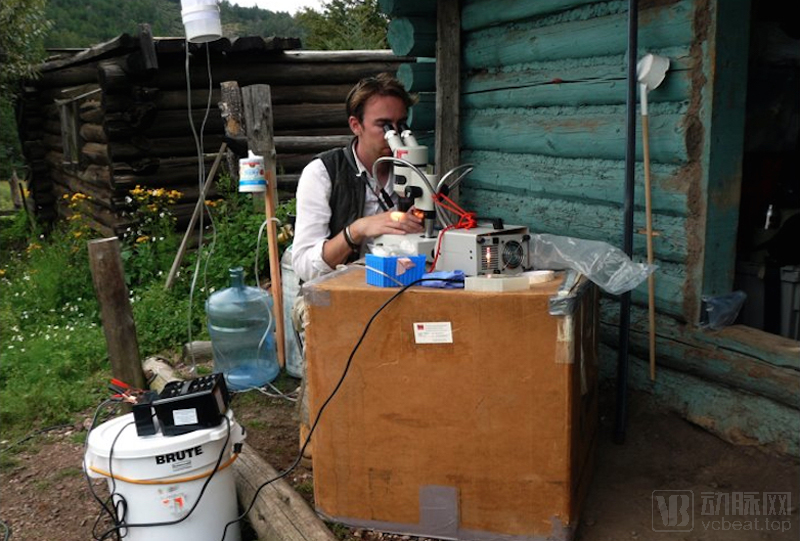
Mobile Diagnostics (Source: Columbia University CII Official Website)
In this context, infectious disease specialists within Columbia University’s Center for Infection and Immunity (CII) have played a significant role in formulating response strategies for multiple past infectious disease outbreaks. In 1999, the center was the first to identify the West Nile virus as the cause of that year’s meningitis outbreak in New York City. In 2003, it launched the first sensitive diagnostic test for Severe Acute Respiratory Syndrome (SARS). In 2012, it became the sole academic center involved in helping to identify the source of Middle East Respiratory Syndrome (MERS).
To effectively respond to and manage potential infectious disease threats, a key priority is the ability to rapidly identify disease pathogens, which is precisely the specialty of Columbia University’s Center for Infection and Immunity (CII). The research center boasts world-leading molecular microbiology facilities and has pioneered the use of molecular genetic techniques to discover new microorganisms, thereby enabling the rapid identification of infectious pathogens.
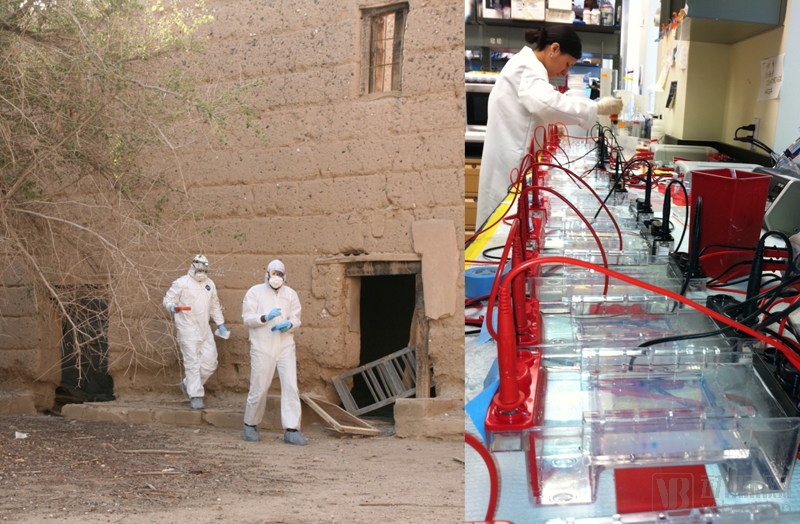
Pathogen Identification and Diagnosis (Source: Columbia University CII Official Website)
It is understood that medical personnel typically use a technique called polymerase chain reaction (PCR) to identify pathogens, “amplifying” fragmented DNA into samples large enough for study. However, this approach requires healthcare providers to rely on their experience to determine which type of pathogen they are looking for. Based on the principles of next-generation sequencing, Columbia University’s Center for Infection and Immunity (CII) has successively invented two novel diagnostic and monitoring platforms—VirCapSeq-VERT and BacCapSeq—that do not depend on empirical guesswork.
Official data indicate that the VirCapSeq-VERT platform can detect all viruses present in small samples of saliva, tissue, or cerebrospinal fluid. It is capable of simultaneously analyzing 21 sample sets and delivering results within 48 hours. Furthermore, this technology can identify novel or mutated viruses, requiring only a 40% genetic match with known viral genomes.
The BacCapSeq platform incorporates 4.2 million genetic probes, each designed to bind to specific sequences for detecting the characteristic DNA of all 307 pathogenic bacteria, as well as biomarkers for antibiotic resistance and virulence. According to the journal *mBio*, this platform is the world’s first diagnostic system capable of simultaneously screening for all known human pathogens, along with their virulence and antibiotic resistance markers.
Professor Lipukin stated in an interview, “Nearly 3 million people worldwide die each year from infectious diseases such as acute lower respiratory infections, with children and the elderly being particularly affected. Outbreaks of novel viruses like avian influenza, MERS, and SARS, along with periodic resurgences of vaccine-preventable diseases such as measles, pose significant threats to global health security. The launch of this new platform will serve as a critical tool for virus identification and epidemic containment.”
Meanwhile, leveraging the global public health surveillance network, researchers at Columbia University’s Center for Infection and Immunity (CII) collect more than 40,000 biological samples annually from around the world. They employ advanced viral detection methods to screen for pathogenic threats and establish animal models for studying disease mechanisms. To date, the institution has investigated the impact of tick-borne bacteria and viruses on human diseases, further corroborated the theory that the Middle East Respiratory Syndrome (MERS) virus originated in bats, and discovered that bats serve as major reservoirs for a wide variety of coronaviruses worldwide.
According to the World Health Organization, infectious diseases are caused by pathogenic microorganisms, including bacteria, viruses, parasites, or fungi, and can be transmitted directly or indirectly between humans. Zoonotic diseases are infectious diseases in animals that can also cause illness when transmitted to humans.
It is reported that more than 70% of emerging infectious diseases in humans are believed to originate from animals, particularly wildlife. Since the emergence of West Nile virus, SARS, and H1N1 (swine flu), the public has become increasingly aware of the potential threats posed by zoonotic diseases and animal-borne infections.
In response, researchers from Columbia University’s Climate and Health Initiative (CII) led the deployment of a field laboratory project focused on monitoring viruses in wildlife and livestock. The aim is to understand and preliminarily predict at what point and through which pathways diseases jump from one species to another. Meanwhile, scientists will also investigate changes in animal habitats to better understand viral evolution and identify novel pathogens.
Innovative infectious disease research relies on the continuous cultivation of talent and global resource collaboration. Columbia University’s Center for Infection and Immunity (CII) has currently trained over 30 researchers in infectious disease discovery and diagnostics across 19 countries. It has also established joint laboratories in collaboration with China, Bangladesh, Saudi Arabia, and other nations to monitor known pathogens, identify novel infectious microbes, develop new diagnostic platforms, and advance drug and vaccine development.
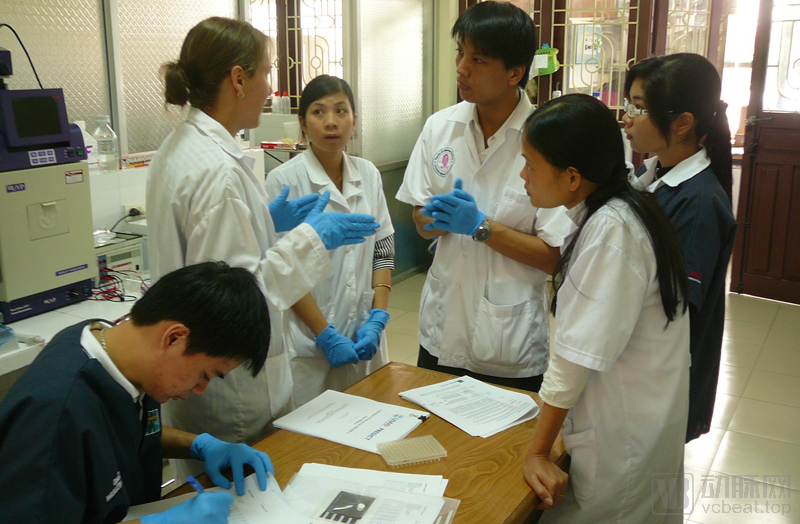
Cultivation of Professional Researchers (Source: Columbia University CII Official Website)
Following the outbreak of the epidemic in Wuhan, Professor Lipuqin returned to China after 17 years, leading the New York team from Columbia University’s CII to jointly develop test kits for novel coronavirus pneumonia. In an interview, he stated, “Compared with SARS, this epidemic has a lower case fatality rate but higher transmissibility, with faster spread and wider geographic reach; the underlying reasons remain unclear. Currently, the number of infections may be underestimated while the case fatality rate is overestimated, as asymptomatic individuals can still transmit the virus, resulting in the presence of hidden carriers.”
Nischay Mishra, a virologist and molecular biologist and member of the New York team, recently stated in an interview with the local New York media outlet Gothamist that although the World Health Organization’s report identifies symptomatic patients as the primary transmission route for this novel virus, cases of asymptomatic transmission have emerged in China and other countries. Therefore, detecting the virus in asymptomatic individuals has become key to curbing its continued spread.
Dr. Mishra also revealed that the team is maintaining constant communication with Professor Liputin, who is in China, striving to develop a diagnostic test kit within the next few weeks. This kit will not only confirm novel coronavirus infections in patients with Wuhan pneumonia but also identify and differentiate other types of influenza viruses. If trials proceed smoothly, the test kit could be deployed in China within 30 to 45 days.