

Aucheer Biotech: Focused on Precision Diagnosis of Preeclampsia and Expanding Microfluidic Technology Applications
In the acclaimed British drama *Downton Abbey*, there is a poignant scene in which Lady Sybil, the third daughter of the Crawley family, dies shortly after giving birth to her daughter due to eclampsia, leaving viewers shocked and saddened. What exactly is eclampsia? And what are the methods for its prevention, control, and treatment? Recently, VCBeat (WeChat ID: vcbeat) spoke with Ningbo Aocheng Biotechnology Co., Ltd. (“Aocheng Biotech”), a high-tech biotechnology company specializing in the precise diagnosis of preeclampsia in pregnant women.
When discussing preeclampsia (PE), Zhou Yizheng, founder of Aocheng Biotech, demonstrates both professionalism and rigor. For over a decade, he and his team at Aocheng Biotech have been deeply engaged in the field of IVD immunodiagnostics, developing a comprehensive portfolio of products for the precise diagnosis of preeclampsia (PE). These products have obtained relevant regulatory approvals and are commercially available, providing the “Aocheng Solution” for the precise diagnosis, convenient monitoring, and effective prevention of preeclampsia.
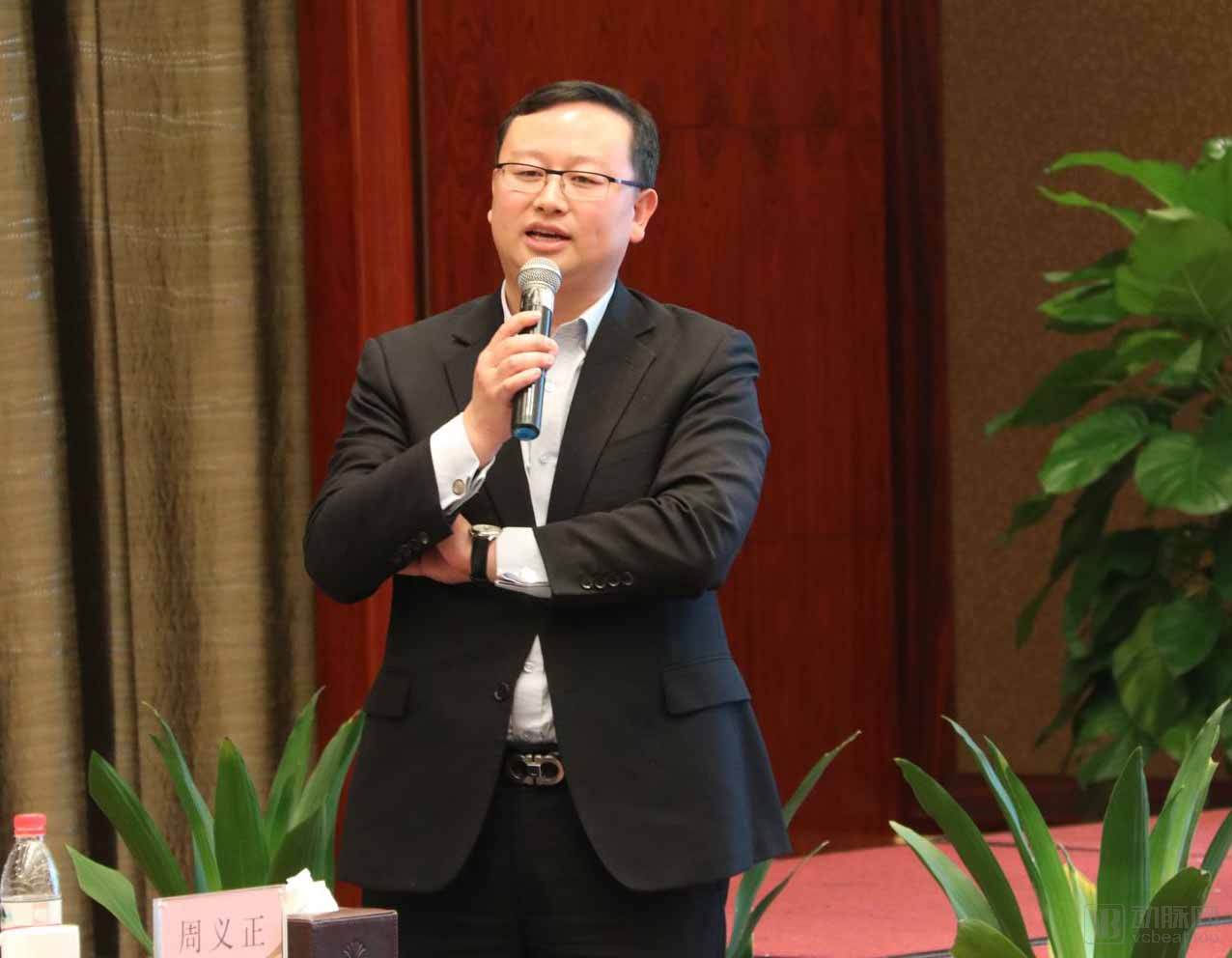
Zhou Yizheng, Founder of Aocheng Biology
A Sense of Responsibility Sparks the Dream of In Vitro Diagnostics
The Founding of Aocheng Biotech: A Serendipitous Encounter in MarketingAs the founder of Aocheng Biotech, Zhou Yizheng recalls, “I entered the biopharmaceutical industry in 2003. Through my marketing engagements and communications with clinicians in the fields of obstetrics, gynecology, and cardiovascular diseases, I learned that preeclampsia is one of the leading causes of morbidity and mortality among pregnant women and perinatal infants. Globally, approximately 76,000 women and 500,000 infants die from preeclampsia each year. These statistics were truly shocking. At that moment, I wondered whether I could do something to help address this problem.”
However, clinicians currently diagnose preeclampsia primarily based on clinical features such as elevated blood pressure and proteinuria, thrombocytopenia, hepatic and renal impairment, and pulmonary edema. If not treated promptly upon onset, the condition poses life-threatening risks to both the mother and the fetus. Traditional screening methods rely on identifying risk factors from maternal demographic characteristics and medical history (maternal risk factors), but these approaches suffer from low detection rates and fail to maximally exclude risk. Scientific prediction and effective prevention of preeclampsia-related complications have become pressing public health priorities.
“This pain point must be addressed.” Zhou Yizheng keenly recognized the urgent market need for an in vitro diagnostic product capable of precise, rapid, and convenient early detection of gestational hypertension and preeclampsia, thereby facilitating timely and effective early intervention to reduce the incidence of early-onset preeclampsia, improve maternal and infant outcomes, and promote eugenics and healthy childbirth. Zhou Yizheng secretly resolved that this was not only a professional responsibility but also a life mission.
“The in vitro diagnostics (IVD) market is an emerging sector. Both a decade ago and today, it has maintained an annual growth rate of approximately 20%, which is highly unusual. This also indicates that there are many untapped opportunities in this market. By adhering to scientific principles, staying grounded, and persisting in innovation, Aocheng will surely find opportunities for development,” stated Zhou Yizheng. In 2009, Aocheng Biotech was established in Ningbo, Zhejiang Province, marking the beginning of its more than ten-year exploration and research in the fields of hypertension and preeclampsia.
In 2019, the “Healthy China Action (2019–2030),” formulated by the National Health Commission and implemented under the coordinated leadership of the Healthy China Action Promotion Committee established by the State Council, explicitly stated that by 2022 and 2030, China’s maternal mortality ratio should be reduced to 18 per 100,000 live births or lower and 12 per 100,000 live births or lower, respectively; prenatal screening rates should reach 70% or higher and 80% or higher, respectively. It requires medical and health institutions at all levels to effectively implement five key systems: pregnancy risk screening and assessment, specialized management of high-risk pregnancies, treatment of critical and severe cases, case-by-case reporting of maternal deaths, and accountability interviews and notifications. Furthermore, it calls for strengthening the capacity to provide care for critically ill pregnant women and newborns, and improving mechanisms such as consultation and referral for emergency treatment.
For Aocheng Biotech, its decade-long R&D efforts have ushered in an unprecedented spring. In Zhou Yizheng’s view, the transition from pharmaceutical sales to the development of testing technology platforms and in vitro diagnostic (IVD) reagents has been entirely “natural,” driven by a sense of responsibility, supportive policies, and the dedicated efforts of his team.
A Breakthrough Directly Addressing the Pain Points of Preeclampsia
July 11, 2019, was a memorable day for Aocheng Biotech, as its independently developed Placental Growth Factor (PLGF) detection kit received approval from the National Medical Products Administration (NMPA) for market launch. This domestic breakthrough in preeclampsia diagnostics elicited strong responses from obstetricians and gynecologists as well as the prenatal screening market.
As is well known, preeclampsia (PE) is a multisystem disorder unique to pregnancy in women, clinically characterized by symptoms such as hypertension and proteinuria after 20 weeks of gestation. Preeclampsia can impair placental blood supply, leading to intrauterine growth restriction or preterm birth, which may result in maternal and fetal mortality. Furthermore, preeclampsia is a source of cardiovascular disease for both mothers and their offspring. To date, termination of pregnancy remains the only effective treatment. Coupled with the implementation of the “universal two-child” policy and the advanced maternal age of pregnant women, the incidence of preeclampsia in China has risen rapidly.
In recent years, international research on preeclampsia has progressively deepened, yielding several findings of practical value. Notable examples include the “Practical Guide for First-Trimester Screening and Prevention of Preeclampsia (2019)” issued by the International Federation of Gynecology and Obstetrics (FIGO), the “Gestational Hypertension and Preeclampsia Guideline (2019)” released by the American College of Obstetricians and Gynecologists (ACOG), and the “Guidelines for Diagnosis and Treatment of Hypertensive Disorders in Pregnancy (2015)” published by the Hypertensive Disorders in Pregnancy Group of the Chinese Society of Obstetrics and Gynecology, Chinese Medical Association. These guidelines have laid a cornerstone for the diagnosis and treatment of hypertensive disorders in pregnancy and preeclampsia in China. Combined screening using placental growth factor, maternal risk factors, mean arterial pressure (MAP), and uterine artery pulsatility index (UTPI) can achieve an 88% detection rate for early-onset preeclampsia.
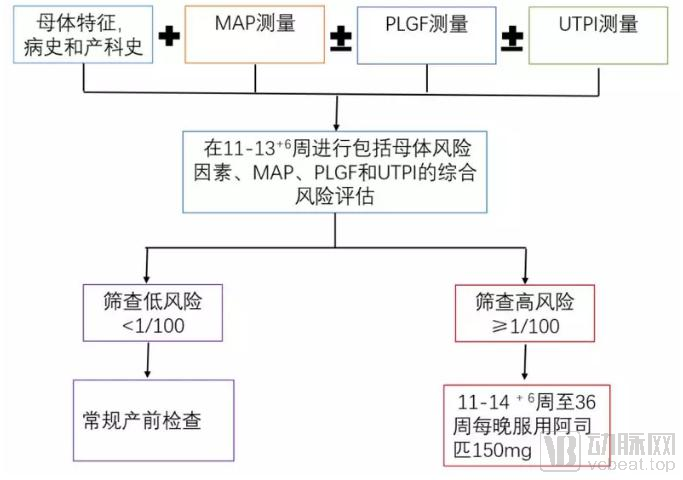
Schematic Diagram of Combined Screening for Early-Onset Preeclampsia
By conducting combined screening tests for pregnant women with high-risk factors during the first trimester (11–13 weeks of gestation), healthcare professionals can implement targeted preventive management, effectively reducing the incidence of preeclampsia and maternal mortality. To make “Aocheng’s contribution” in this field, Zhou Yizheng and his team of over one hundred members have gone to great lengths. For more than a decade, they have been dedicated to establishing bases, organizing study tours, securing funding, and pursuing independent research and development.
In 2014, Aocheng Biology achieved its first five-year plan by establishing an immunodiagnostic testing technology platform. Since the launch of its fluorescent immunoassay reagent for placental growth factor (PlGF), the company’s national distributor sales network has covered more than 20 provinces in China, and the clinical significance of the test has been highly recognized by both clinicians and patients.
“The development of reagent products hinges on raw materials, particularly for immunoassay diagnostics, where antibody quality directly impacts product stability,” said Zhou Yizheng in an interview with VCBeat when asked about the challenges encountered. “For a long time, the supply of antibody raw materials has been monopolized by international giants, which has constrained the growth of many large domestic companies. Expansion of production scale and entry into overseas markets have remained dependent on external suppliers. Recognizing this situation years ago, I resolved to pursue a path of independent development. To this end, I have frequently engaged in exchanges and collaborations with international biopharmaceutical teams, visiting numerous renowned laboratories and scientists. These efforts have led to partnerships that enabled our company to rapidly address technical challenges and master core technologies essential to our needs, thereby ensuring Aocheng’s steady and sustainable growth.”
The Pursuit of Excellence Knows No Bounds. Aocheng Biologics has a clear product vision, with its primary commitment being “to provide leading clinical diagnostic solutions for maternal and child health.” Therefore, in addition to launching its core product, the placental growth factor (PlGF) assay kit, Aocheng Biologics has established an immunodiagnostic technology platform based on fluorescence immunochromatography, microfluidic chips, magnetic particle acridinium ester-based fully automated chemiluminescence, and antibody raw materials. This has enabled the development of a series of products focused on maternal and child health, cardiovascular diseases, infections, nephrology, and other disciplines. The company has obtained registration certificates for two fluorescence detectors, one 180-test-per-hour magnetic particle acridinium ester-based fully automated chemiluminescence analyzer, and 14 fluorescence immunoassay products.
A Chip That Broadens the Field of Microfluidics Technology
In 2019, Aocheng Biotechnology independently developed the “Time-Resolved Fluorescence Immunoassay Chip,” which achieved breakthroughs in four core technologies:
I.It involves the meticulous design of microscale functional structures to precisely control the flow of blood samples within the chip;
IIIt involves breakthroughs in the pre-encapsulation, release, and immobilization processes of biological reagents within microfluidic chips;
IIIIt involves chemical modification of the microfluidic chip surface to provide a stable environment for blood sample flow and reagent reactions, along with precise flow rate control over 12 months;
IVIt features excellent batch uniformity in micron-level precision injection molding.
“In 2021, Aocheng Bio will officially launch products centered on this microfluidic chip in the Chinese market, enabling a fully integrated process of whole-blood sampling, reaction, and detection without any external driving forces, while delivering high accuracy and sensitivity.” Zhou Yizheng spoke with great confidence about the microfluidic chip. This confidence stems from Aocheng Bio’s pioneering efforts. Microfluidics is one of the most cutting-edge technologies in the field of in vitro diagnostics (IVD). It was introduced to China from abroad in the early 21st century. Although it has only gradually gained widespread recognition in recent years, Aocheng Bio has already accumulated five full years of R&D experience in this technology.
Zhou Yizheng stated that numerous challenges were encountered during the development of microfluidic chips, including issues such as uniformity in chip fabrication, hardness of chip materials, hydrophilic/hydrophobic surface treatment, air bubbles within microchannels, release of fluorescent microspheres, filtration of whole blood into serum, controllability of long-term detection stability, minimization of protein immobilization amounts, enhancement of sensitivity, and prevention of cross-interference in dual- and triple-analyte assays. However, Aocheng Biology has effectively addressed these issues by leveraging domestic and international talent to conduct extensive experimental studies. Currently, the applications of Aocheng Biology’s microfluidic chips primarily focus on a series of maternal and child health products, including tests for placental growth factor (PlGF) and the PlGF/sFlt-1 ratio for the detection of preeclampsia during pregnancy, as well as anti-Müllerian hormone (AMH) testing for pre-pregnancy ovarian reserve assessment.
“In the current healthcare landscape, only specialized academic promotion can lead companies to success.” Zhou Yi introduced Aocheng Biotech’s commercial promotion strategy to VCBeat, stating, “Specialized academic promotion is a marketing approach widely adopted by international companies. While it is currently well-established in domestic pharmaceutical marketing, its application remains limited in the in vitro diagnostics (IVD) sector. We aim to become true conveyors of the medical value of our products. Only when our products genuinely benefit patients and contribute to the development of diagnostic and treatment systems for specific diseases in hospitals can we advance the progress of medicine.”
Currently, Aocheng has developed six devices across three major platforms: fluorescence immunochromatography, microfluidics, and chemiluminescence, with nearly 30 product pipelines under development for the future. Looking ahead, Zhou Yizheng stated that Aocheng Biology aims to create “smart healthcare solutions based on testing technology platforms and big data.” Meanwhile, Aocheng Biology is actively recruiting high-level talent in bioinformatics, artificial intelligence, and software, and has established collaborations with numerous renowned medical institutions and universities across China to enhance its existing technology platforms. The implementation and advancement of these achievements are sufficient to realize Aocheng’s brand positioning as a provider of clinical diagnostic solutions for maternal and child health.