

Internet Healthcare Platforms Gain Momentum Amid Pandemic: Rapid Approvals and National Support Drive Growth

Yuanxin Technology
Internet Medical Service Provider

Weimai
Digital Health Service Platform Provider
Two Publications in Four Days! The National Health Commission Encourages Internet-Based Diagnosis and Treatment for Epidemic Prevention and Control, Requiring the Organization of Respiratory, Infectious Disease, Emergency Medicine, Critical Care Medicine, Mental Health, and General Practice Physicians to Provide Online Consultations for Febrile Patients, Thereby Precisely Guiding Patients to Seek Medical Care in an Orderly Manner and Alleviating the Pressure on Hospital Treatment Resources.
Prior to this, the internet healthcare industry had already taken swift action, with major platforms launching services such as online consultations for COVID-19, guidance on home isolation and observation, science-based health education and rumor debunking, and follow-up visits for chronic diseases. Among these, free clinics targeting specific diseases or varying scopes of care became the most common practice.
The pandemic has increased the physical distance between people, and internet healthcare is well-positioned to bridge this gap, with its advantages of high efficiency and low risk becoming more pronounced than ever. We surveyed 13 internet healthcare companies that recently conducted free clinic services and, combined with information from other public sources, examined the changes occurring in internet healthcare under the test of the pandemic.
This article will proceed with the analysis from the following sections:
1. Three Major Pain Points of Offline Medical Resources During the Epidemic
2. Five Major Values of Internet Healthcare Highlighted During the Pandemic
3. Internet Healthcare Gains Recognition from Four Key Stakeholders
4. Difficulties Encountered and Solutions in Epidemic Prevention and Control
5. Outlook on Overall Industry Trends in the Post-Pandemic Era
According to statistics from the Internet Hospital Branch of the Chinese Research Hospital Association, more than 200 internet hospitals and related enterprises and institutions across China have launched online consultation platforms for COVID-19. We have compiled the overall timeline:
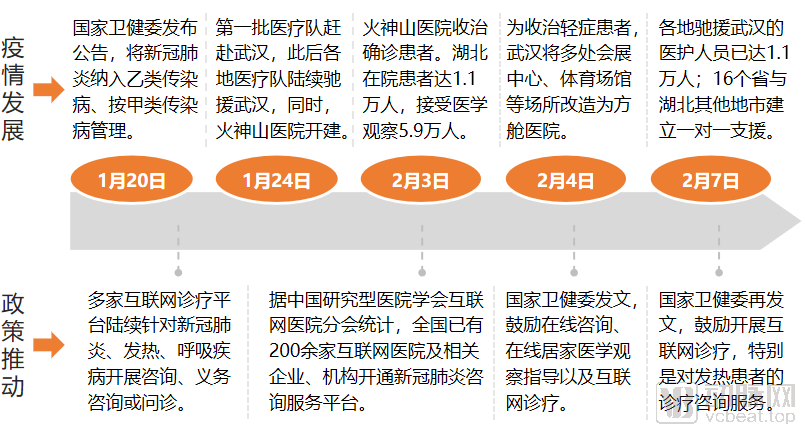
Progress of the Epidemic and Promotion of Internet Diagnosis and Treatment Policies, Source: Official Website of the National Health Commission, Chart by VCBeat
Above the timeline, it signifies that against the backdrop of overall insufficiency and imbalance in medical resources, the situation became even more strained as the epidemic emerged and spread. This is mainly reflected in the following aspects:
First, the epidemic situation in Hubei Province was severe, requiring a large number of medical personnel to treat patients. Moreover, several general hospitals were requisitioned as designated hospitals for COVID-19, which also squeezed medical resources for other diseases.
Second, medical personnel from across China rushed to support Hubei, leading to a decline in medical resources in other regions;
Third, strict social management measures were implemented in Hubei and other regions to prevent the further spread of the epidemic. These measures ranged from staying at home during the Spring Festival holiday, to working from home after the holiday, and finally to closed-off management of residential compounds and communities with restrictions on the frequency of going out. As a result, people rarely visited hospitals unless suffering from severe illnesses, often due to concerns about cross-infection.
To address the aforementioned issues, breaking down the spatial barriers between doctors and patients and improving medical efficiency have become urgent priorities. Internet healthcare is undoubtedly the most significant approach capable of fulfilling both functions.
During the pandemic, various internet healthcare platforms successively launched physician recruitment initiatives and established online consultation, diagnosis, and free clinic services for fever, respiratory conditions, or COVID-19. As psychological pressure mounted among medical personnel, patients, and the general public, psychological intervention consultations were also gradually introduced. The main business types of internet healthcare currently are as follows:
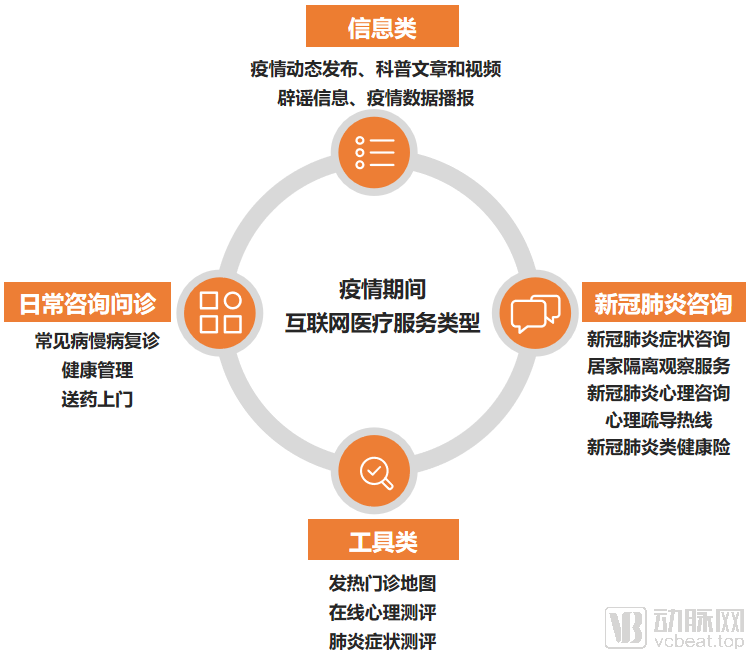
Main Business Types of Internet Healthcare During the Pandemic, Chart by VCBeat
A variety of services are rapidly launched, fully demonstrating the efficiency and versatility of internet healthcare.
Specifically, internet-based healthcare has highlighted its value in five aspects during epidemic prevention and control.
Value 1: Home Observation Management and Patient Screening
As of February 8, in addition to more than 30,000 confirmed cases and over 20,000 suspected cases nationwide, a total of 371,900 close contacts had been traced, with 188,100 still under medical observation. In Hubei Province, 21,000 patients were still receiving hospital treatment; a total of 123,800 close contacts had been traced, with 70,400 still under medical observation.
In the early stages, due to limited understanding of viral transmission and insufficient capacity for receiving patients, Wuhan implemented home isolation for some patients with mild symptoms. To effectively control the source of infection, starting from February 2, Wuhan began centralized treatment and isolation for “four categories of individuals,” namely confirmed cases (including those with mild symptoms), suspected cases, febrile patients whose infection status could not be clearly ruled out, and close contacts. Corresponding measures were taken for each group, including admission to designated hospitals or makeshift cabin hospitals for treatment, observation at fever clinics, or placement in hotels for isolation.
Among the aforementioned data, a large number of individuals under medical observation and in isolation require professional intervention. However, Wuhan faced a shortage of healthcare workers, with medical teams from various regions rushing to provide support. This intensified the overall strain on offline medical resources, leading an increasing number of patients to seek help online.
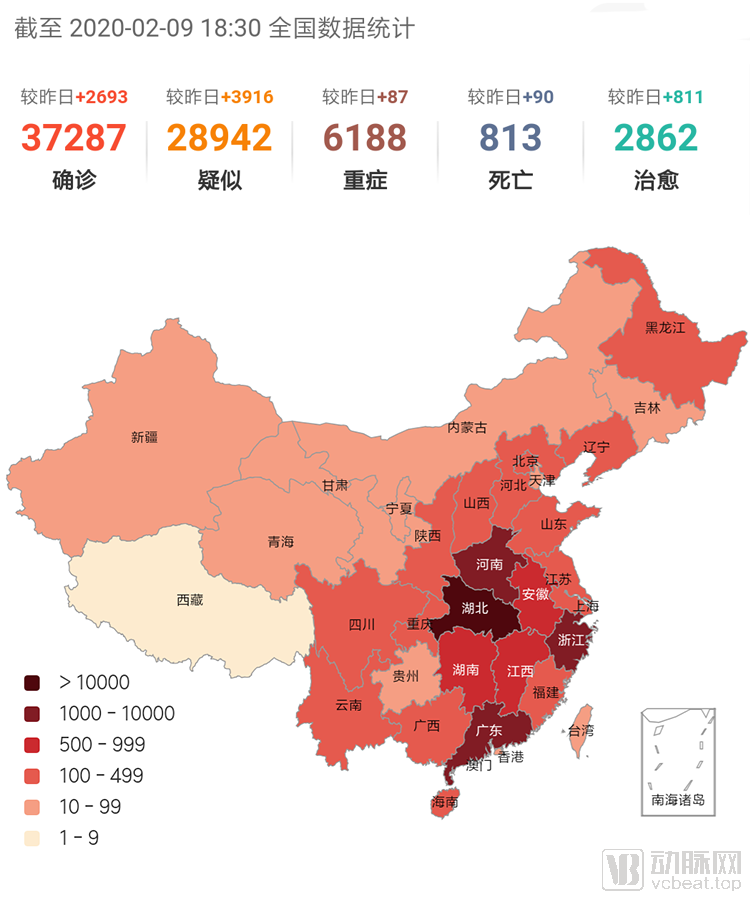
Epidemic Map on February 9, Source: DXY
Based on our research, the geographic concentration of users largely correlates with the severity of the epidemic. Hubei Province, being the hardest-hit area, saw the highest demand for online medical consultations, while Zhejiang and Hunan provinces also recorded significant user volumes. After Chunyu Doctor launched free online clinics for COVID-19, the number of patient inquiries from Wuhan and its surrounding areas increased more than tenfold compared to pre-epidemic levels, with questions primarily focused on respiratory medicine, infectious diseases, and psychology.
The scope of internet-based medical consultations is limited to common diseases and follow-up visits for chronic conditions; it does not permit direct diagnosis of COVID-19. However, it enables health status monitoring and guidance for individuals under various forms of isolation, facilitating the identification of suspected cases during dynamic tracking and directing them to offline facilities for examination and treatment.
In response to quarantine requirements, Haodf Online has launched a free online care service for individuals undergoing home isolation. A dedicated medical team has been assembled, comprising clinicians and nurses from the departments of infectious diseases, respiratory medicine, pediatrics, and internal medicine at tertiary hospitals. The medical team will require patients to complete either the “Home Isolation Questionnaire” or the “Novel Coronavirus Self-Assessment Form” on a daily basis. Based on each user’s actual condition, the team will provide dynamic guidance until the isolation period ends.
Yilian has also launched a home isolation service package, which users in the Wuhan area can receive free of charge to obtain remote monitoring and scientific guidance from doctors.
During consultations and guidance, if suspected cases are identified, some platforms have established epidemic reporting procedures. WeDoctor has launched a suspicious case reporting system on the doctor side of its free clinic platform, allowing physicians to report directly to local Centers for Disease Control and Prevention (CDC); Haodf Online requires doctors to provide immediate feedback to the platform, which then promptly reports to the local CDC; Weimai collaborates with medical teams across various regions to issue alerts to local CDCs upon identifying suspected patients.
Although internet-based healthcare cannot directly participate in patient treatment, it enables efficient dynamic management of individuals under isolation and screening of suspected cases through the aforementioned services. This means it plays a key role in the "early detection" and "early reporting" components of the "Four Earlies" strategy for infectious disease control. It can also help divert patients from offline fever clinics, thereby avoiding cross-infection during in-person visits.
Value 2: Timely Guidance to Alleviate Panic
Beyond close contacts, individuals under observation, and those in home isolation, other users are also paying attention to COVID-19. By reviewing corporate materials, we have compiled the most frequently asked questions about COVID-19.
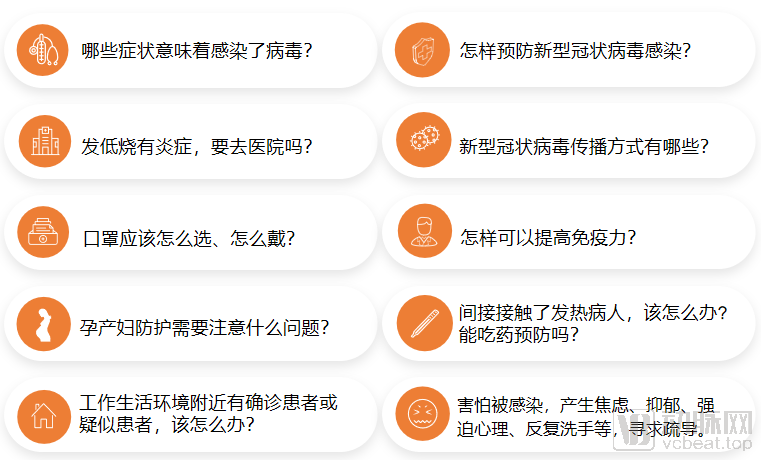
Most Frequently Asked Questions About COVID-19, Data Source: Survey Companies, Graphic by VCBeat
Companies surveyed generally indicated that many users consult doctors about common symptoms merely due to excessive anxiety. Physicians typically recommend hospital visits only when they determine that in-person examinations are indeed necessary. Regarding daily preventive measures, despite the repeated issuance of official guidelines and the extensive health education campaigns launched by various internet healthcare platforms, this remains a frequently asked topic. This trend further reflects users’ heightened anxiety and their eagerness to obtain information through multiple channels.
Wei Min, a pulmonologist at Shandong Provincial Chest Hospital, observed significant public anxiety while providing online consultations on Haodf.com. Many users even questioned whether a body temperature of 36.5°C was normal, which would typically not be a concern. Numerous other users worried that symptoms such as sore throat and diarrhea indicated COVID-19, when in fact these were generally caused by excessive consumption of dried fruits and fried foods during the Spring Festival. In such cases, physicians need only provide targeted lifestyle advice.
Miaoshou Doctor has also launched a “24/7 Free Fever Consultation” service, providing users with medical inquiries and consultations related to fever and ensuring timely responses. Ninety-eight percent of consultation replies are delivered within 3–5 minutes, and all physician consultations strictly adhere to the latest protocols and guidelines issued by the National Health Commission of China. Currently, Miaoshou Doctor boasts over 30 million registered users, with daily consultation volumes reaching up to 10,000.
Another phenomenon that cannot be overlooked is that emotional and psychological issues are among the most frequently consulted concerns by users. Coupled with the immense psychological pressure faced by frontline healthcare workers, the use of the internet for psychological intervention has become urgent. Currently, platforms such as Miaoshou Doctor, JD Health, and Weiyi have already launched psychological counseling services. The mental health platform Fine Hin Internet Hospital has also introduced free mental health consultations specifically addressing the pandemic.
We will provide a separate article analyzing psychological interventions during the pandemic and the internet mental health industry, so we will not elaborate on them here.
Furthermore, rumors proliferated during the pandemic, sparking widespread panic and making science communication and rumor debunking essential public information needs. Leveraging its multiple new media channels and a rigorous expert review mechanism, DXY produced content focused on health education and rumor refutation. On the “Rumor Debunking” section of the “Real-Time Epidemic Updates” page across its platforms, DXY presented the truth in concise text-and-image formats that can be turned into posters with a single click, thereby enhancing dissemination efficiency. According to DXY’s Rumor Ranking List, 87 rumors have been debunked.
Perhaps aware of the significant influence of DXY’s science popularization and rumor-refuting content among consumers, some individuals resorted to Photoshop forgery to create fake DXY posters disseminating the rumor that “the Dingxiang Doctor team claims: boy’s urine can prevent novel coronavirus infection.” DXY was compelled to issue an immediate statement to debunk this misinformation.
Due to its high credibility and wide reach, the page views for DXY’s “Real-Time Epidemic Updates” had reached 1.7 billion by 19:00 on February 9.
Thus, it is evident that internet-based healthcare can also address public concerns and alleviate emotional distress through various means in a timely manner, thereby preventing individuals from developing personal health and social issues due to psychological or emotional factors.
Value 3: Guaranteed Follow-up Visits
Of course, not all recent online consultation inquiries are directly related to COVID-19. We have also compiled the most frequently asked questions from general consultations:
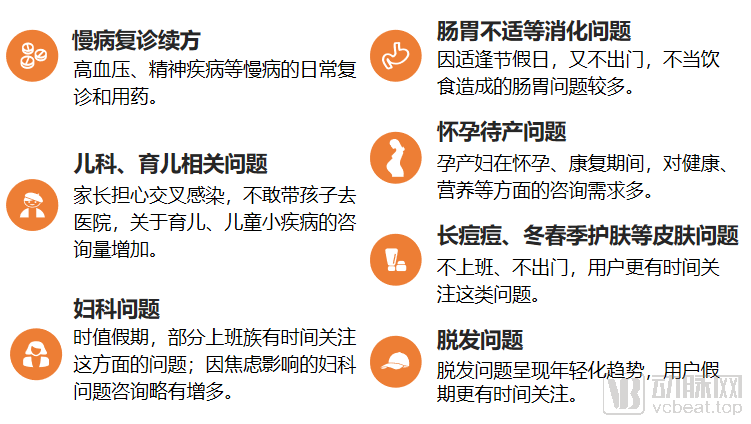
Common Consultation Questions Other Than COVID-19; Data Source: Survey Companies, Chart by VCBeat
In the figure above, follow-up consultations and prescription renewals for chronic diseases fall under routine medical inquiries; however, during special periods, patients face difficulties in traveling, leading to a greater demand for online prescription renewals and medication purchases.
It is reported that, as a significant portion of 1 Drug Network’s user base consists of patients with chronic diseases, its internet hospital not only provides free clinical consultations to users in Hubei Province but also offers free prescription renewals to chronic disease patients nationwide. Leveraging its network of over 200,000 partner offline pharmacies, the platform serves a broader patient population. Additionally, 1 Drug Network has established a green channel for orders from the Hubei region in its warehouses, prioritizing the shipment of orders destined for Hubei.
Yilian, which focuses on chronic disease management, has also launched corresponding services. After patients with liver disease, diabetes, HIV/AIDS, kidney disease, cancer, cardiovascular disease, respiratory and asthmatic conditions, pediatric ADHD, Parkinson’s disease, or osteoporosis obtain free prescription renewals, Yilian Cloud Pharmacy can meet their needs with its inventory of over 10,000 types of chronic disease medications, delivered via SF Express.
Apart from follow-up visits for chronic diseases, other health issues have always been prevalent. However, due to recent special social management measures in various regions—which made hospital visits inconvenient or deterred patients from seeking care—coupled with increased leisure time, users have become more attentive to these conditions.
Most common health issues, excluding follow-up visits for chronic diseases, can be addressed through online consultations and medication purchases. According to statistics from Miaoshou Doctor, demand for cold remedies, vitamin C, and other items has surged recently, in addition to face masks. Following online consultations, users can access medications through Yuanxin Pharmacy’s professional outlets covering more than 70 cities and its online platform, which stocks over 26,000 pharmaceutical products, thereby meeting medication needs during the epidemic.
Value 4: Serving the Grassroots Level
Primary care serves as the first line of screening in epidemic prevention and control. Based on the positioning of primary healthcare institutions by the National Health Commission and local authorities, as well as the current state of primary care, we have identified five key priorities and five major challenges:
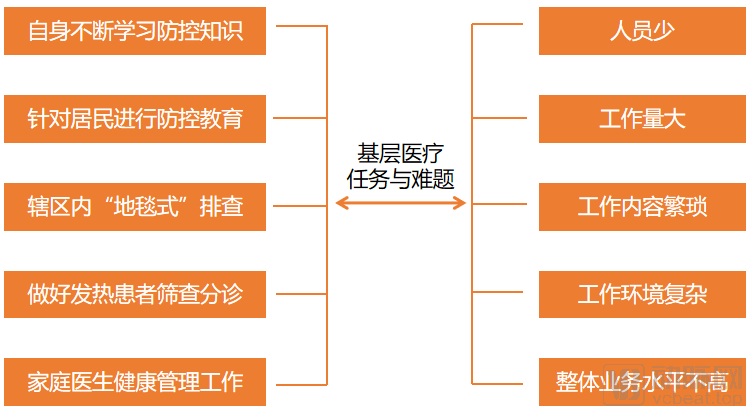
Key Tasks and Challenges in Primary Healthcare, Chart by VCBeat
Grassroots personnel are already understaffed. They are required not only to carry out epidemic prevention and control tasks but also to coordinate with various higher-level departments to complete the collection and reporting of diverse information. The Joint Prevention and Control Mechanism of the State Council for Novel Coronavirus Pneumonia has issued a special document mandating effective measures to reduce the burden on grassroots workers.
Furthermore, the overall standard of primary healthcare remains low, yet it must contend with increasingly stringent screening and patient management requirements, making the associated challenges and pressures self-evident.
It is reported that after WeDoctor launched its online free clinic services, its data team discovered while analyzing backend orders that numerous grassroots disease control and health workers were placing orders with platform experts under patients’ names, urgently seeking expert guidance for grassroots epidemic prevention and control. In response, WeDoctor rapidly developed a multidisciplinary expert consultation platform and launched the WeDoctor Anti-Coronavirus Public Welfare Consultation Platform on February 7, providing free remote consultations for COVID-19 to designated hospitals across China.
The consultation platform brings together experts from Peking Union Medical College Hospital, Beijing Chaoyang Hospital, Zhongshan Hospital in Shanghai, and other institutions, enhancing the capacity of primary care physicians to manage epidemics.
Penguin Almond had previously established an extensive presence at the primary care level, and during the pandemic, it provided services through an integrated online-offline model. Online, it launched the Penguin Family Doctor Smart Monitoring Platform for Home Isolation, with the Penguin Doctors’ 24/7 medical team offering consultation services. Offline, it donated 10,000 smart home-isolation monitoring kits to multiple community health service centers in cities such as Wuhan, Chengdu, and Shenzhen. These kits, which contained smart pulse oximeters, C-reactive protein (CRP) tests, and infrared thermometers, were available free of charge to patients in centralized quarantine observation points and to community residents. The monitoring kits collected health data in real time, while online physicians provided guidance.
By integrating online and offline services, we can collaborate with primary care healthcare workers to continuously track and efficiently manage residents’ health conditions, thereby facilitating the decentralization of high-quality medical resources to the grassroots level. In Shenzhen, 12 medical staff members from Penguin Almond Clinic have also signed up as volunteers to directly participate in community epidemic prevention and control efforts.
Value 5: Technology-Driven Efficiency
The rapid deployment of online consultation services requires robust information technology support, particularly for brick-and-mortar hospitals. Currently, user access points for internet hospitals primarily include WeChat Mini Programs, WeChat Service Accounts, mobile apps, and PC-based platforms. When the pandemic spread rapidly, developing dedicated mobile apps on an ad hoc basis was clearly impractical due to high costs and lengthy development cycles. Consequently, the streamlined functionalities of WeChat Mini Programs and Service Accounts became the preferred choice for government agencies and hospitals.
IT-driven enterprises have identified these needs and launched targeted services accordingly. Currently, multiple companies, including Zhuojian Technology, Yuntai Network, Yuanxin Langtuo Health, and the Online Doctor Alliance, are capable of providing internet-based diagnosis and treatment technical services, offering free and rapid platform deployment for government agencies or hospitals.
Zhuojian Technology activated its emergency response plan and deployed all staff before the Spring Festival, launching three free solutions tailored for health commissions and hospitals. Meanwhile, its Cloud Academy provided remote live-streamed training, public education, and even examination services to help hospitals educate medical personnel on epidemic prevention and control. Zhuojian Technology’s physician team promptly compiled a document repository related to the epidemic and updated epidemic guidelines in a timely manner, making them available to hospitals for patient education.
During the pandemic, Zhuojian Technology has supported the launch or ongoing deployment of online services for more than 200 hospitals and institutions, including The First Affiliated Hospital, Zhejiang University School of Medicine; Henan Provincial People’s Hospital; Heilongjiang Provincial Hospital; Lianyungang First People’s Hospital; Dongying Health Commission Platform; and Heilongjiang Internet-based Comprehensive Outpatient Platform.
Taking the Heilongjiang Provincial Internet Integrated Outpatient Platform as an example, online services were integrated and launched for 132 hospitals in less than a week, with more than 3,000 medical personnel across the province on standby online around the clock. With the support of Zhuojian Technology and the Tencent technical team, the platform also launched the Heilongjiang Provincial Service Platform for COVID-19, providing residents with epidemic-related protective services.
SENYINT has launched the “Anti-Epidemic Rapid Cloud Platform,” offering free access to local health commissions and medical institutions during the pandemic. Adopting a cloud-based service and deployment model, the platform was rapidly implemented nationwide through accelerated development. It provides ultra-fast epidemic response services, including “Cloud Conferencing,” “Cloud Consultation,” “Cloud Training,” “Cloud Imaging,” and “Cloud Consultations,” delivering 24/7 support to users across China in their epidemic prevention and control efforts, thereby safeguarding those on the front lines of the fight against the pandemic.
Leveraging the rapid deployment capabilities of cloud technology, the “Anti-Epidemic Rapid Cloud Platform” has covered 10,000 medical institutions at all levels within 10 days. It has established a cloud-based platform for epidemic prevention, control, and diagnosis, connecting the health commissions of provinces and municipalities—including Shaanxi, Shandong, Shanxi, Jiangxi, Qinghai, Xinjiang Uygur Autonomous Region, Xiamen, and Dalian—with designated hospitals for epidemic treatment and isolation wards. This platform supports government authorities in remotely monitoring real-time conditions in isolation wards and provides safeguards for expert consultations, diagnoses, and counseling for critically ill and undiagnosed patients.
The timely availability of these information-based services has become a fundamental prerequisite for the rapid shift of medical resources from offline to online channels, while also enhancing collaboration efficiency among healthcare institutions and between institutions and the government.
Internet healthcare is not only delivering value but also gaining recognition; we will examine this from the perspectives of four key stakeholders: the government, hospitals, physicians, and users.
First, government promotion
On February 4 and February 7, the National Health Commission issued successive directives that not only encouraged online voluntary consultations for COVID-19 and guidance on home-based medical observation, but also required local health commissions to mobilize hospitals in their respective regions to provide internet-based diagnostic and consultative services for patients with fever.
We believe this conveys two signals: first, the current epidemic prevention and control situation urgently requires online services to alleviate significant pressure on offline healthcare; second, the effectiveness of services previously provided by major internet healthcare platforms has become evident and gained recognition.
Currently, at least 10 provinces and autonomous regions have carried out similar work.
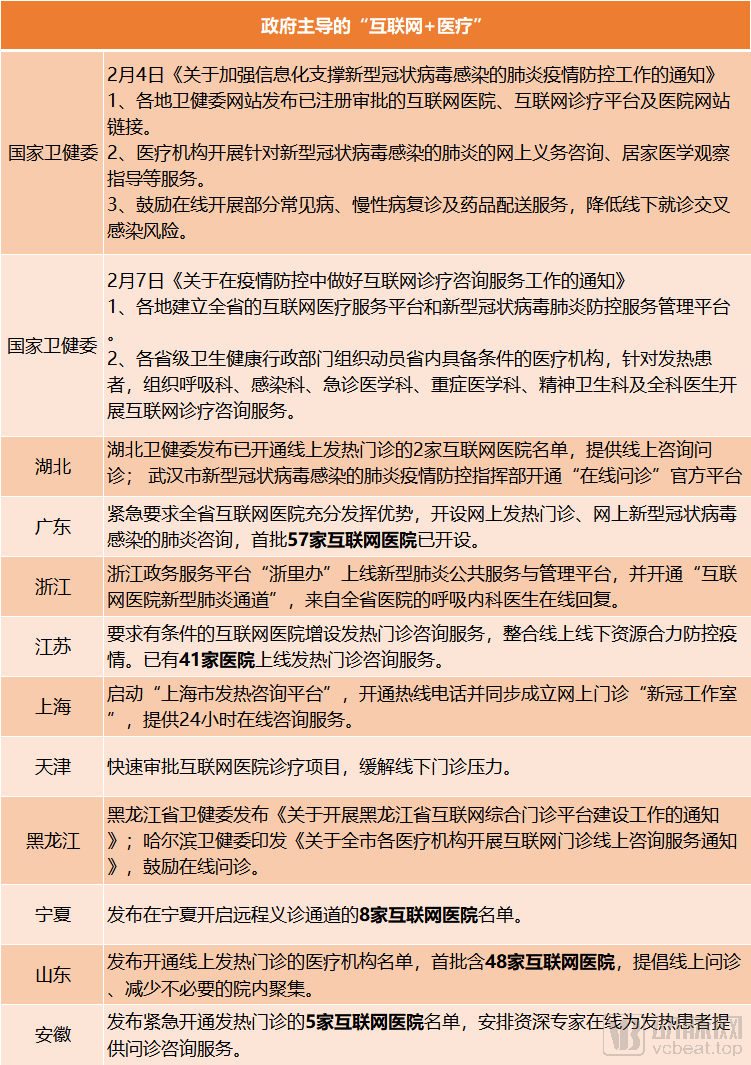
Policy Support for Internet Healthcare, Source: National Health Commission and Local Health Commissions’ Official Websites; Graphic by VCBeat
Guangdong, Shandong, Jiangsu and Other Regions Jointly Release List of Internet Hospitals
On January 23, the Guangdong Provincial Health Commission urgently required all internet hospitals in the province to launch online fever clinics and provide consultations for novel coronavirus pneumonia. On January 28, it issued the “Notice on Vigorously Developing Internet Diagnosis and Treatment Services to Effectively Support Epidemic Prevention and Control,” calling for leverage of the long-distance, non-contact advantages of internet healthcare by offering services such as online fever clinics, online consultations for novel coronavirus pneumonia, and AI-assisted self-assessment tools, thereby alleviating pressure on hospital outpatient departments. As of January 30, the first batch of 57 internet hospitals in Guangdong had launched services including fever clinics and free consultations for novel coronavirus pneumonia, with the list published on the Health Commission’s official website.
Shandong has also launched online fever clinics in 48 internet hospitals, with the list published by the Shandong Provincial Health Commission on January 26.
Currently, 41 hospitals in Jiangsu Province have launched online consultation services for fever clinics. These hospitals are distributed across 13 prefecture-level cities and include general hospitals, traditional Chinese medicine hospitals, and maternal and child health hospitals, among others. Along with releasing the list, the Jiangsu Provincial Health Commission stated that more qualified internet hospitals will add fever clinic consultation services in the next step.
Hubei, Shanghai, Zhejiang, and Other Regions Launch Official Internet Diagnosis and Treatment Platforms
As the region most severely affected by the epidemic, Hubei Province is also promoting internet-based medical consultations. The Hubei Provincial Health Commission launched the “One-Click Consultation” feature on its official WeChat account, integrating medical resources across the province to provide online services for fever clinics and general chronic diseases.
Wuhan Novel Coronavirus Pneumonia Prevention and Control Command Center Launches Official “Online Consultation” Platform, Urgently Inviting Doctor Volunteers Nationwide to Join. As of 22:00 on February 5, just 11 hours after the invitation was issued, 309 doctors from 106 cities across 29 provinces, autonomous regions, and municipalities directly under the Central Government had joined, representing over 120 departments in 247 medical institutions.
The Shanghai Municipal Health Commission and the Shenkang Hospital Development Center launched the “Shanghai Fever Consultation Platform,” opening a hotline and simultaneously establishing an online clinic called the “COVID-19 Studio.” Jointly developed by Shanghai Shangying Internet Hospital and Xuhui Cloud Hospital of Zhongshan Hospital Affiliated to Fudan University, the platform features rotating shifts of physicians from respiratory medicine, infectious diseases, critical care medicine, and other specialties from multiple municipal hospitals. As of 7:00 PM on February 9, the “COVID-19 Studio” mini-program had recorded 56,000 visits. The consultation portal has also been integrated into Shanghai’s government service platform, “Suishenban.”
Zhejiang has launched a Novel Coronavirus Public Service and Management Platform within its government service platform and opened an "Internet Hospital Novel Coronavirus Channel." Individuals with mild fever and respiratory symptoms, who have no recent travel history to or from Hubei Province and no history of contact with suspected cases, can consult online, with pulmonologists from hospitals across the province providing responses.
Tianjin Approves Internet Diagnosis and Treatment Project in Just 11 Minutes
On February 5, the Internet Hospital of Tianjin Medical University General Hospital applied to the Tianjin Municipal Health Commission for the addition of a respiratory medicine department. The initiative aims to expand online service offerings through the internet hospital platform, providing diagnosis and treatment services for follow-up patients, reducing patient congregation in hospitals, and thereby enhancing epidemic prevention and control as well as routine clinical care.
Staff from the Tianjin Municipal Health Commission guided the hospital in rapidly preparing application materials, implementing a commitment-based system for documents such as the specifications and management regulations for internet-based diagnosis and treatment in the Department of Respiratory Medicine. After formally accepting the application at 16:14 that afternoon, the staff promptly conducted review and approval, completing the process by 16:25, and printed the new Internet Hospital Practice License before the end of the workday.
"Hospital's Urgent Application Approved by Competent Authorities in 11 Minutes: Such Speed Highlights the Urgency of Shifting Healthcare Access from Offline to Online"
Second, Hospital Emphasis
Various regions have made significant progress in revitalizing and integrating existing internet diagnosis and treatment resources, as well as accelerating the approval of new resources. By combining local measures with other publicly available information, we have compiled a list of physical hospitals that currently offer online consultations for COVID-19, totaling more than 170 (Note: Due to limitations in statistical channels, there may be omissions).
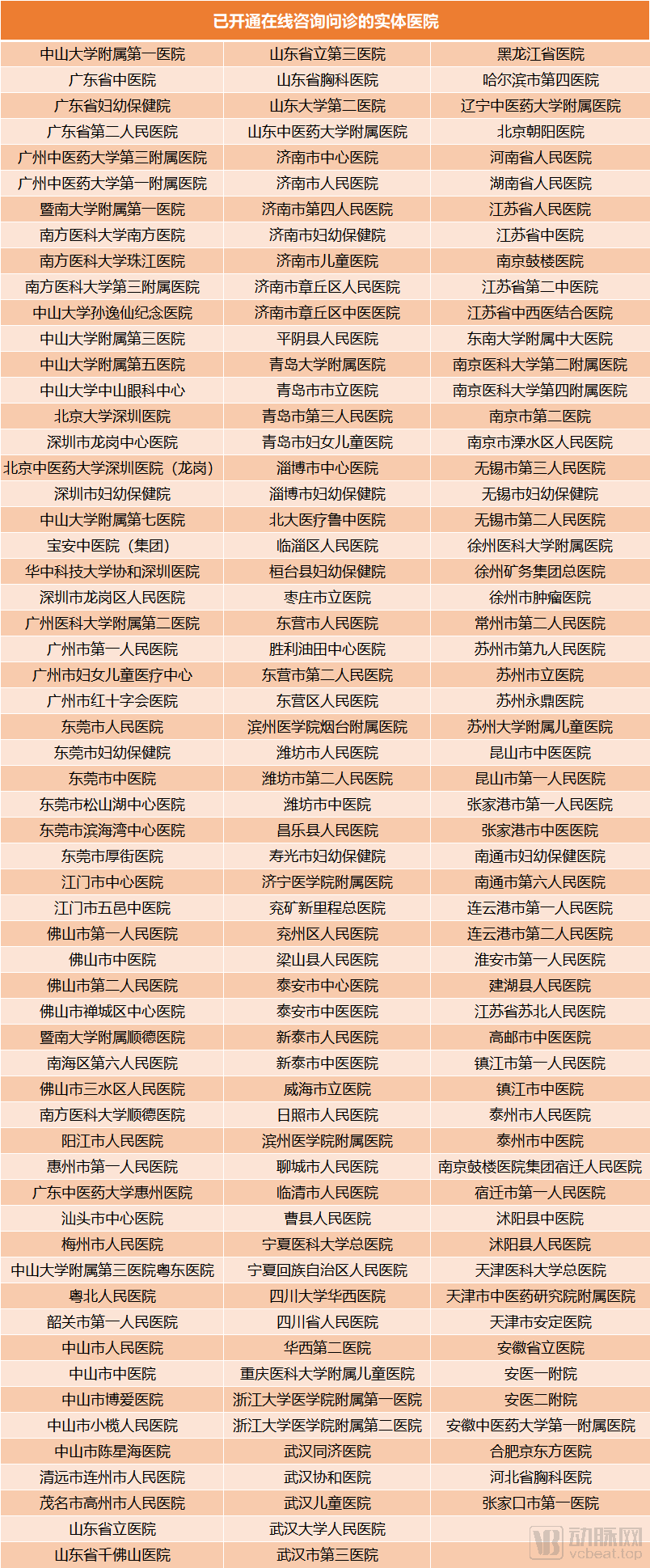
Physical Hospitals Offering Online Consultation Services for COVID-19, Source: Official Websites of Local Health Commissions and Public Reports
Most of these hospitals are from provinces that pioneered internet healthcare, such as Shandong and Guangdong. However, many others have only recently obtained qualifications for online diagnosis and treatment in the past few months, including some hospitals in Jiangsu Province. For example, the Children's Hospital of Chongqing Medical University received its internet hospital license on January 21 and launched online consultation services on February 4, offering free consultations related to COVID-19.
Recently, the Harbin Municipal Health Commission issued the "Notice on Launching Online Consultation Services via Internet Outpatient Clinics in All Medical Institutions Across the City." Following the issuance of this notice, Yuanxin Langtuo Health promptly received business inquiries from dozens of medical institutions throughout the city. Previously, Yuanxin Langtuo Health had developed a "Hospital Fever Clinic System" capable of being integrated and launched within 48 hours, which has already supported the development and operation of internet hospitals and online fever clinics for multiple institutions, including Nanjing Drum Tower Hospital and Changzhou No. 2 People's Hospital.
These developments indicate that, driven by government initiatives and urgent operational needs, physical hospitals—particularly public hospitals—are shifting their mindset and placing greater emphasis on the role of internet-based healthcare.
Third, Cultivating Physician Habits
Based on the survey results, some companies reported a slight increase in the number of doctors on their platforms, while others indicated no change or even a decrease. Overall, given that a large number of physicians were deployed to frontline epidemic areas for support, it is understandable that the number of online doctors remained unchanged or declined.
The geographic distribution of physicians is concentrated in regions such as Guangdong, Shandong, Sichuan, and Beijing. These areas pioneered the exploration and practice of internet healthcare, exhibit high physician acceptance of online consultations, and possess relatively advanced medical resources.
Although doctors have not flocked to online diagnosis and treatment platforms in large numbers, the fact that physical hospitals across various regions are promoting online services to varying degrees will play a significant role in cultivating physicians’ habits of practicing medicine online.
To mobilize doctors across various regions to provide online services, Weimai launched an online free clinic platform on January 21. As of February 9, it had partnered with over 100 cities and more than 200 hospitals nationwide, engaging over 20,000 doctors to provide services related to the epidemic. Nearly 5,000 respiratory and infectious disease specialists from across the country conduct online free consultations daily. Leveraging a city-based localized service model, Weimai focuses on collaborating with local health commissions and hospitals at all levels, integrating hospitals’ online resources to serve both doctors and patients.
The continuous influx of hospitals and physicians from various regions has increased the adoption and utilization rates of online practice among doctors.
4. Cultivating User Habits
To extend service reach to a broader user base, multiple internet healthcare platforms have opened their consultation portals to third parties. The enterprises surveyed have collectively granted access to over 800 third-party platforms, enabling users to utilize online consultation services across various mobile clients.
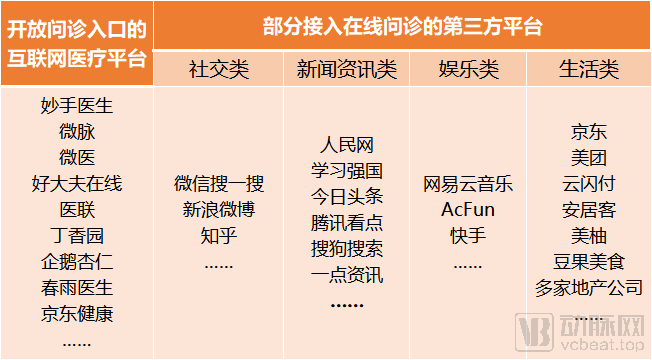
Partial Opening Status of Internet Diagnosis and Treatment Platforms, Source: Surveyed Enterprises
We have compiled a list of third-party platforms that offer online consultation services, among which social media, news and information, entertainment, and lifestyle categories achieved the highest penetration rates in daily life during the pandemic.
Due to staying at home, offline social interactions have shifted entirely online, with WeChat and Weibo serving as the primary social networking tools. Various news and information apps have become the main sources for the public to stay updated on the latest developments of the epidemic, resulting in high usage rates. Entertainment and lifestyle apps have also emerged as important channels for people to pass the time during this year’s extended Spring Festival holiday.
The widespread opening of consultation channels not only enhances value for third parties but also brings several impacts to internet healthcare: first, increasing user base and consultation volume; second, boosting corporate exposure and brand awareness; third, cultivating user habits. The third point is particularly important.
Certainly, BAT has also played a role in promoting the popularization of internet healthcare. The three companies have invested to varying degrees or in different segments of the internet healthcare sector, leveraging their prominent entry points to facilitate online consultations.
For example, Baidu Lingyi Zhihui has launched the “Intelligent Consultation Assistant,” which comprises three core modules: FAQ, standardized pre-consultation pathways, and online physician consultation support. It offers free API access to platforms providing online health consultation services, such as online health consultation platforms, government epidemic prevention and control platforms, and internet hospitals, thereby enhancing the efficiency of online science popularization and consultation services for digital healthcare platforms.
Alibaba Health has established entry points on Taobao and Alipay, creating an “Online Medical Consultation” page. Leveraging the large consumer user bases of both platforms, page traffic and consultation volumes have risen rapidly. The average number of daily consultations per online physician exceeds 100, with some respiratory specialists handling more than 200 consultations per day on average.
Tencent Health Mini Program, Tencent Medical Encyclopedia, WeChat Search, and certain news clients have integrated platforms such as WeDoctor, Penguin Almond, DXY, Haodf Online, and Medlinker.
Furthermore, the JD.com app’s homepage prominently features a free COVID-19 consultation service from JD Health at the top, placing it in a prime visual focal point. During the pandemic, JD Health has averaged over 100,000 online consultations per day. Leveraging the extensive SKU assortment of JD Pharmacy and JD’s robust logistics network, JD Health has been able to meet user demand for medications and protective supplies—even during the Spring Festival holiday—with timely delivery.
Starting February 6, JD Health expanded its free online consultation services to cover all diseases across all medical specialties, a move that will undoubtedly play a significant role in promoting the widespread adoption of internet healthcare among users.
We have also observed that the National Health Commission has issued documents requiring local authorities to leverage various channels and formats—including broadcast television, radio, communities, medical institutions, self-media, and short-video platforms—to strengthen publicity for online consultation services targeting febrile patients. It is evident that internet healthcare will rapidly permeate diverse user scenarios.
Although internet healthcare rapidly rolled out targeted solutions in the wake of the pandemic’s spread and continuously refined its service offerings, it nonetheless encountered numerous challenges along the way.
Shortage of Doctors
This is the most frequently reported issue among surveyed companies. As previously discussed, amid overall shortages in medical resources, a large number of doctors have been deployed to the front lines, while online consultation volumes have surged sharply, further exacerbating the shortage of available physicians. Companies must therefore devise various strategies to address this challenge. For example:
On January 23, WeDoctor Internet General Hospital urgently launched the “Real-Time Assistance Platform for Novel Coronavirus Pneumonia,” with an initial cohort of 1,500 experts from public hospitals responding and joining the online free clinic initiative. As consultation orders surged, backend data revealed significantly prolonged waiting times and strained server capacity, leaving the first batch of online respiratory, infectious disease, and internal medicine physicians overwhelmed.
The initial 1,500 physicians from respiratory medicine, infectious diseases, and internal medicine were already registered on the platform; recruiting additional physicians beyond this group to support epidemic relief efforts posed a significant challenge.
In response, WeDoctor encourages doctors already on its platform to recruit their peers to join, and to share recruitment posters on their WeChat Moments. Through this multi-tiered referral mechanism, the search scope is expanded rapidly. Within a short period, more doctors across various regions have joined the free clinic initiative, driven by local health commissions, medical institutions, and fellow physicians.
As of 12:00 on February 9, nearly 25,000 doctors had joined the free anti-coronavirus online consultation zone of WeDoctor General Hospital to provide remote consultations, delivering a cumulative total of 1.123 million medical advisory services.
JD Health addresses the shortage of physicians by expanding its physician workforce, improving incentive strategies to boost physician engagement, and optimizing product triage protocols. Both JD Health and Weimai collaborate with the Internet Hospital Branch of the Chinese Research Hospital Association to recruit physicians.
Resource Waste
Currently, most internet healthcare platforms offer free consultations for COVID-19, with consultation access points widely distributed. While this helps cultivate user habits, it has also led to occasional misuse of consultation channels by users. Given the already scarce medical resources, this indeed poses challenges for both platforms and physicians. In response, Weimai has introduced a pre-consultation self-assessment scale for pneumonia to avoid unnecessary resource waste.
Spring Rain Doctor also leverages technological solutions to achieve departmental triage and rapid response within three minutes, effectively filtering out non-respiratory and non-infectious disease inquiries to ensure that free consultation services are prioritized for those in greatest need.
On February 7, the National Health Commission released the “Intelligent Assistant Questionnaire for Novel Coronavirus Pneumonia Consultation,” designed by Sir Run Run Shaw Hospital, Zhejiang University School of Medicine. The mini-program developed based on this questionnaire can directly ask users questions to rapidly collect basic patient information. Meanwhile, it intelligently recommends subsequent questions tailored to the responses provided, thereby enabling personalized and on-demand acquisition of patients’ baseline data.
Logistics Missing
As most internet healthcare companies offer pharmaceutical delivery services, the overlap between the spread of the epidemic and the Spring Festival holiday—during which most logistics firms were closed—coincided with a surge in online medication purchases by users, resulting in delays in delivering certain drugs to patients.
After the Spring Festival holiday, although logistics companies gradually resumed operations, travel restrictions due to epidemic prevention and control measures have led to staffing shortages, with employees unable to report to work on time. Meanwhile, online demand for consumer goods and food among Chinese residents has been rising. Therefore, logistical bottlenecks are likely to persist in the short term.
In response, companies may consider strengthening cooperation with offline pharmacies across various regions to accelerate drug delivery speeds.
In response to epidemic prevention and control, the internet healthcare industry has fully demonstrated its social responsibility and value. The Center for Public Policy Research at the Chinese Academy of Social Sciences stated in a post that internet healthcare serves as the “second battlefield” in the fight against the epidemic. Meanwhile, this period presents a significant opportunity for the industry and enterprises to enhance overall public awareness, acceptance, and trust across society. After the epidemic ends, the industry is expected to usher in a new phase of development.
The widespread integration of online consultation features by third-party platforms during the pandemic, coupled with vigorous government promotion, has accelerated the formation of user habits for online consultations.
During the pandemic, internet-based healthcare played an effective triage role in handling COVID-19-related inquiries and consultations for other diseases, thereby enhancing the delivery of family doctor services. Government agencies have been further motivated to increase investment, while physical hospitals—particularly public hospitals—have increasingly recognized the strategic importance of online entry points.
During the pandemic, telemedicine played a crucial role. Hospitals in affected areas enhanced their treatment capabilities through remote consultations, enabling renowned specialists to diagnose and treat patients even without being physically present. This has heightened hospitals’ awareness of the importance of telemedicine, while 5G technology has provided high-quality transmission capabilities.
The accelerated development of internet hospitals has led to increased and more advanced technical demands, including the need for platform construction. While tertiary hospitals possess the capability to develop fully-featured internet hospital platforms, a large number of secondary hospitals and primary care institutions require “compact yet elegant” solutions—a distinction that IT enterprises must carefully evaluate.
However, internet-based medical consultations are currently limited to follow-up visits for common and chronic diseases, with other services evolving from this foundation. Having withstood the test of the recent epidemic, could policies be relaxed in the future to permit initial consultations for minor illnesses? Furthermore, although the government has promoted multi-site practice for physicians for many years, doctors remain constrained by the institutional framework and their status as “employees of specific institutions,” which poses a challenge to the smooth implementation of online medical practice. These issues await further policy exploration and breakthroughs.
We sincerely thank the following enterprises for their strong support in the research of this article: WeDoctor, Miaoshou Doctor, Chunyu Doctor, DXY, 1 Drug Net, JD Health, Penguin Almond, Medlinker, Weimai, Haodf Online, AliHealth, Shanghai Shangying Internet Hospital, and Fine Mood Internet Hospital.
Due to constraints on time and space, the scope of enterprises surveyed was limited. We hereby pay tribute to all internet healthcare companies and practitioners fighting on the “second front” of epidemic prevention and control.