

Junlian Medical Weekly Update on Global New Drug Developments – Issue 4, 2020
Feb 11, 2020 18:00
CST Updated
18:00

This week, data on 12 new drugs were released, including 5 for oncology, 3 for cardiovascular diseases, 2 for musculoskeletal disorders, 1 for nervous system disorders, and 1 for immunology.
❖Regarding the novel coronavirus (2019-nCoV) infection, as of 24:00 on February 9, there were 40,171 confirmed cases and 23,589 suspected cases nationwide in China, totaling 63,760 cases, representing a 3.6% decrease from the previous period. The number of newly confirmed cases outside Hubei Province has decreased for the sixth consecutive day, and the number of new suspected cases has declined for the third consecutive day, indicating an emerging trend toward a turning point. Additionally, the severe case rate outside Hubei Province stands at 9.3%, with a mortality rate of 3.5‰. In comparison with SARS in 2013 (mortality rate of 9%) and influenza (mortality rate of approximately 1.3‰), 2019-nCoV is significantly more contagious than SARS, but its mortality rate is closer to that of influenza. Currently, there are preliminary signs that the epidemic is under initial control across China; however, the country will face a massive wave of return-to-work travel in the coming week. It is highly likely that the epidemic’s trajectory over the next two weeks will set the tone for the subsequent phase of containment efforts.
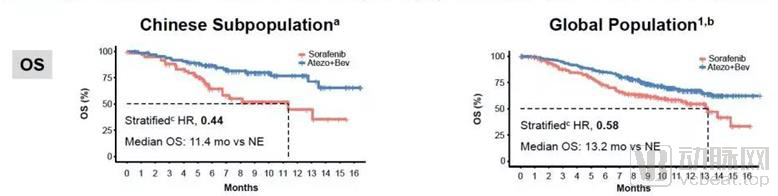
❖Roche has released data from the Chinese subgroup of the Phase III clinical trial (IMbrave 150) evaluating the combination of Tecentriq and Avastin (T+A) for liver cancer. The regimen demonstrated clinically meaningful improvements in both overall survival (OS) and progression-free survival (PFS) compared with sorafenib. Sorafenib and lenvatinib are currently the standard first-line therapies for advanced hepatocellular carcinoma (HCC). However, Asian patients typically exhibit significantly shorter OS than the global population (6.5–8.5 months vs. 10–15 months) due to poorer prognostic factors. In IMbrave 150, a comparison between the Chinese subgroup and the global cohort revealed that Chinese patients were younger (median age 58.5 years vs. 62 years) and had a higher prevalence of hepatitis B virus (HBV) infection (80% vs. 48%). Nevertheless, with a safety profile similar to that of the global population, Chinese patients derived even greater benefit. For instance, the risk of death was reduced by 56% in the Chinese experimental arm, compared with 42% globally. Notably, T+A is the first combination therapy in nearly a decade to demonstrate superior OS over sorafenib in a head-to-head trial.
Zogenix Announces That Oral Fenfluramine Fintepla Met Primary Endpoint in Phase 3 Trial for Patients with Lennox-Gastaut Syndrome
Zogenix Announces That Oral Fenfluramine Fintepla Met Primary Endpoint in Pivotal Phase 3 Trial in Patients With Lennox-Gastaut Syndrome (LGS)
Fintepla is a liquid formulation of fenfluramine. It reduces the frequency of seizures by modulating serotonergic mechanisms and sigma-1 receptor activity.
This Phase 3 trial consists of two parts: Part 1 aims to evaluate the safety and efficacy of adding Fintepla to the current antiepileptic treatment regimens of patients with Lennox-Gastaut syndrome (LGS), enrolling a total of 263 patients aged 2 to 35 years. Part 2 is a 12-month open-label extension study designed to assess the long-term safety and efficacy of Fintepla.
In the 0.7 mg/kg/day Fintepla dose group, the median seizure frequency decreased by 26.5%, compared with only 7.8% in the placebo group, achieving a statistically significant reduction that constituted the primary endpoint of the trial.
Bayer Announces That Nubeqa Significantly Improves Overall Survival in Phase 3 Trial for Patients with nmCRPC Treated in Combination with Androgen Deprivation Therapy
Bayer Announces That Nubeqa (darolutamide), in Combination With Androgen Deprivation Therapy, Significantly Improved Overall Survival (OS) Compared With Placebo in Patients With Non-Metastatic Castration-Resistant Prostate Cancer (nmCRPC) in the Phase 3 ARAMIS Trial
Darolutamide is an oral androgen receptor inhibitor (ARi) co-developed by Bayer and Finland’s Orion Corporation, which inhibits androgen receptor function and the growth of prostate cancer cells.
ARAMIS is a randomized, multicenter, double-blind, Phase 3 controlled trial designed to evaluate the safety and efficacy of oral darolutamide. The primary endpoint was metastasis-free survival (MFS), and secondary endpoints included overall survival (OS), among others.
The median metastasis-free survival (MFS) was 40.4 months in the darolutamide plus androgen deprivation therapy (ADT) group, significantly longer than the 18.4 months observed in the placebo plus ADT group, thereby meeting the primary endpoint of the trial.
The U.S. FDA Grants Breakthrough Therapy Designation to Apabetalone as a Secondary Prevention Treatment for Major Adverse Cardiovascular Events Caused by Type 2 Diabetes Mellitus and Acute Coronary Syndrome
United StatesThe FDA granted Resverlogix Breakthrough Therapy Designation for apabetalone, in combination with standard of care (including high-intensity statins), as a secondary prevention therapy for major adverse cardiovascular events associated with type 2 diabetes mellitus (T2DM) and acute coronary syndrome (ACS).
Apabetalone, developed by Resverlogix, is a selective BET inhibitor. Inhibition of BET is considered an epigenetic mechanism that can modulate the expression of disease-causing genes.
In the so-calledIn the Phase 3 BETonMACE clinical trial, apabetalone was administered as an add-on therapy to standard of care.
Compared with the control group receiving only standard care,Combination therapy with apabetalone and standard of care significantly reduced hospitalizations for congestive heart failure and improved cardiovascular outcomes in two prespecified patient subgroups, including those with chronic kidney disease.
Eli Lilly Announces FDA Priority Review for RET Inhibitor Selpercatinib, Paving the Way for Approval in RET Fusion-Positive NSCLC Patients
Eli Lilly Announces That RET Inhibitor Selpercatinib (LOXO-292) Has Been Granted Priority Review by the U.S. FDA, Potentially Accelerating Approval for the Treatment of Patients with Advanced RET Fusion-Positive Non-Small Cell Lung Cancer (NSCLC).
Selpercatinib is a highly specific, potent oral RET inhibitor acquired by Eli Lilly and Company through its acquisition of Loxo Oncology. It not only inhibits the native RET signaling pathway but also suppresses potential acquired resistance mechanisms.
In the name ofIn the Phase 1/2 trial of selpercatinib, selpercatinib was used to treat patients with NSCLC who had received multiple prior therapies.
Patients achieved an overall response rate (ORR) of 68%, including a complete response (CR) rate of 2%. Up to 50% of patients with RET fusion-positive non-small cell lung cancer (NSCLC) may develop brain metastases. In the subgroup of patients with brain metastases, selpercatinib demonstrated a central nervous system (CNS) ORR of up to 91%, with a CR rate of 18%.
Ionis Announces That Its Antisense Oligonucleotide Drug Met Endpoints in Phase 2 Trial in Patients with Hypertriglyceridemia, Type 2 Diabetes, and Other Conditions
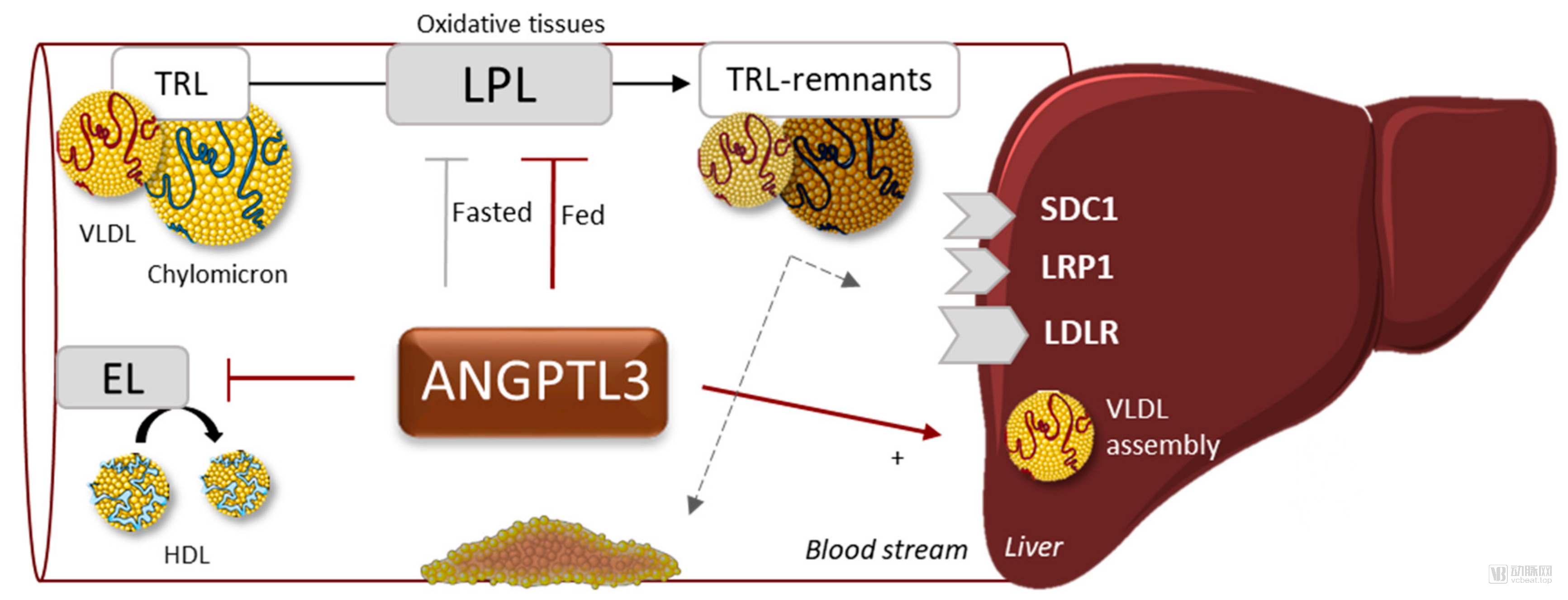
Ionis Announces That Its Antisense Oligonucleotide Drug, AKCEA-ANGPTL3-LRx, Met the Primary Endpoint of Significantly Reducing Triglyceride Levels and Multiple Secondary Endpoints in a Phase 2 Trial in Patients with Hypertriglyceridemia, Type 2 Diabetes, and Nonalcoholic Steatohepatitis (NASH)
AKCEA-ANGPTL3-LRx is an antisense RNA drug developed using Ionis’ advanced ligand-conjugated antisense (LICA) technology, jointly developed by Akcea and Ionis.
This Phase 2 clinical study is a randomized, double-blind, placebo-controlled trial involving 105 patients with hypertriglyceridemia, type 2 diabetes, and non-alcoholic steatohepatitis.
Compared with placebo, fasting triglyceride levels in patients across all therapeutic dose groups demonstrated a statistically significant, dose-dependent reduction, thereby meeting the primary endpoint of the trial.
Mechanism of ANGPTL3
 Data Source: JAMA
Acceleron Announces That Its Investigational Drug Sotatercept Met the Primary Endpoint in a Phase 2 Clinical Trial for the Treatment of Pulmonary Arterial Hypertension
Acceleron Announces That Its Investigational Drug Sotatercept Met the Primary Endpoint and Multiple Secondary Endpoints in the Phase 2 PULSAR Clinical Trial for Patients with Pulmonary Arterial Hypertension (PAH)
Sotatercept is an investigational drug developed by Acceleron, designed to act as a selective ligand trap for TGF-β and rebalance BMPR-2 signaling.
NamedThe Phase 2 trial of PULSAR was a randomized, double-blind, placebo-controlled study designed to evaluate the safety and efficacy of sotatercept in patients with pulmonary arterial hypertension (PAH). A total of 106 PAH patients were enrolled in the trial.
TreatmentAfter 24 weeks, pulmonary vascular resistance in the treatment group decreased by 18% from baseline compared with the placebo group, meeting the primary endpoint of the trial.
FDA Approves Aimmune’s Palforzia to Mitigate Allergic Reactions from Accidental Peanut Exposure, Marking the First FDA-Approved Therapy for Food Allergy
FDA Approves Aimmune’s Palforzia to Mitigate Allergic Reactions from Accidental Peanut Exposure. Palforzia treatment can be initiated in children and adolescents aged 4 to 17 years with a confirmed diagnosis of peanut allergy, and treatment may be continued in individuals aged 4 years and older.
Palforzia is a protein extract derived from peanuts that contains the major allergenic proteins and has a standardized composition. Its therapeutic mechanism involves administering small amounts of peanut protein to patients with peanut allergy, thereby gradually desensitizing their immune system to peanut proteins.
In the United States, Canada, and Europe, randomized, double-blind, placebo-controlled trials were conducted in individuals with peanut allergy, with a patient population of500 Cases
The results showed that 67.2% of Palforzia recipients were able to tolerate a 600 mg dose of peanut protein, compared with only 4.0% in the placebo control group.
Sanofi Announces That Its Oral, Brain-Penetrant BTK Inhibitor Met the Primary Endpoint in a Phase 2b Clinical Trial for Relapsing Multiple Sclerosis
Sanofi Announces That Its Oral, Brain-Penetrant BTK Inhibitor SAR442168 Met the Primary Endpoint in a Phase 2b Clinical Trial in Patients with Relapsing Multiple Sclerosis (MS), Significantly Reducing MS-Related Disease Activity
SAR442168 is an oral Bruton's tyrosine kinase (BTK) inhibitor capable of crossing the blood-brain barrier.
This Phase 2b clinical study is a 12-week, randomized, double-blind, placebo-controlled dose-ranging trial.
Trial results showed that, after 12 weeks of treatment, MS-related disease activity measured by magnetic resonance imaging (MRI) was significantly reduced in patients receiving SAR442168.
Genentech Announces That Its Oral Splicing Modulator Significantly Improved Motor Function in Patients with Type 2 or Type 3 Spinal Muscular Atrophy in a Phase 3 Trial
Genentech Announces That Its Oral SMN2 Splicing Modifier, Risdiplam, Significantly Improves Motor Function in Patients With Type 2 or Type 3 Spinal Muscular Atrophy (SMA) in the Pivotal Phase 3 SUNFISH Trial
Risdiplam (RG7916) is an oral SMN2 gene splicing modifier jointly developed by Genentech, PTC Therapeutics, and the SMA Foundation. It modulates the splicing of SMN2 gene mRNA, thereby increasing the expression of SMN protein in the central nervous system (CNS) and peripheral tissues.
In the Phase 3, double-blind, placebo-controlled SUNFISH trial, patients with Type 2 and Type 3 spinal muscular atrophy (SMA), aged 2 to 25 years, received risdiplam treatment.
After 1 year of treatment, patients in the treatment group achieved a statistically significant improvement from baseline in their Motor Function Measure (MFM-32) scores compared with the placebo group, which constituted the primary endpoint of the trial.
Aprea Announces FDA Grants Breakthrough Therapy Designation to Its Investigational Therapy APR-246 in Combination Treatment for MDS Patients with TP53 Mutations
Aprea Therapeutics Announces That the U.S. FDA Has Granted Breakthrough Therapy Designation to Its Investigational Therapy APR-246, in Combination with Azacitidine, for the Treatment of Patients with Myelodysplastic Syndromes (MDS) Harboring TP53 Mutations
APR-246 is a small-molecule drug that “reactivates” mutated and inactivated p53 protein. It has demonstrated antitumor activity in numerous preclinical studies for the treatment of solid tumors and hematologic malignancies, including MDS, AML, and ovarian cancer.
In Phase 1/2 clinical studies, the primary focus is on assessing the drug’s safety and its therapeutic efficacy in malignant hematologic tumors and solid tumors harboring TP53 gene mutations.
The drug demonstrated a favorable safety profile and achieved promising response rates in both MDS and TP53-mutated solid tumors. Additionally, a pivotal Phase 3 clinical trial evaluating the combination of APR-246 and azacitidine as first-line therapy for patients with TP53-mutated MDS is currently underway.
Autolus Announces Positive Data from Phase 1/2 Clinical Study of AUTO3 in Adult Patients with Relapsed/Refractory DLBCL
Autolus Announces Positive Data from the Phase 1/2 ALEXANDER Clinical Trial of Its Investigational Therapy AUTO3 in Adult Patients with Relapsed/Refractory Diffuse Large B-Cell Lymphoma (DLBCL)
AUTO3 is a dual-target CAR-T therapy that simultaneously targets CD19 and CD22, designed to minimize the risk of relapse caused by the loss of a single antigen on the surface of cancer cells.
A total of 18 patients were enrolled in the Phase 1/2 clinical study named ALEXANDER, which aimed to evaluate the safety and efficacy of AUTO3 in treating patients with diffuse large B-cell lymphoma (DLBCL).
In the patient subgroup receiving AUTO3 at a dose of 450 × 10⁶ cells in combination with pembrolizumab, the overall response rate (ORR) was 71%, with a complete response rate (CRR) of 57%.
Roche Announces Phase III China Subgroup Data for Tecentriq and Avastin in Liver Cancer, Showing Clinically Meaningful Improvements in OS and PFS Compared with Sorafenib
Roche Announces Chinese Subgroup Data from Phase III Trial of Tecentriq and Avastin (T+A) Combination Therapy for Liver Cancer, Demonstrating Clinically Meaningful Improvements in Overall Survival (OS) and Progression-Free Survival (PFS) Compared with Sorafenib
Avastin is a VEGF inhibitor, and Tecentriq is a PD-L1 inhibitor.
Among 194 Chinese patients (137 from the global IMbrave150 study and 57 from the China expansion cohort), 133 were randomized to receive atezolizumab plus bevacizumab, and 61 received sorafenib.
The median OS for patients in the Chinese experimental group has not been reached, while it was 11.4 months in the sorafenib group. The median PFS was 5.7 months in the experimental group versus 3.2 months in the control group.
Comparison of Overall Survival (OS) Between Chinese Liver Cancer Patients and the Global Population
 Data source: Roche
❖Regarding Novel Coronavirus Infection (2019-nCoV), as of 24:00 on February 9, a total of 3,062 new confirmed cases were reported nationwide (2,618 in Hubei Province); 296 new severe cases (258 in Hubei Province); 97 new deaths (91 in Hubei Province, 2 in Anhui Province, and 1 each in Heilongjiang Province, Jiangxi Province, Hainan Province, and Gansu Province); and 4,008 new suspected cases (2,272 in Hubei Province).
❖Sanofi Announces 2019 Financial Results, with Net Revenue Reaching €36.126 Billion. In terms of product performance, drugs in the oncology and immunoinflammation fields were the primary drivers, contributing double-digit growth. The most standout performer was Dupixent (dupilumab), indicated for atopic dermatitis, which surpassed €2 billion in sales within just three years of launch. The company projects that peak annual sales for Dupixent could exceed €10 billion.
❖Beam Therapeutics Successfully Lists on Nasdaq, Raising Over $180 Million in IPO, Exceeding the Target Amount Announced Four Months Prior. Beam’s Prospectus Listed 12 Pipeline Programs, Targeting Disease Areas Including the Blood Disorders Beta-Thalassemia and Sickle Cell Disease, as Well as Hematologic Cancers Such as Acute Myeloid Leukemia.
❖ SSchrödinger Announces Nasdaq Listing, Raising Over $200 Million—Approximately 33% Above the Expected $150 MillionThe company primarily leverages its leading artificial intelligence computing platform to accelerate drug development and materials design. According to disclosures on its official website, Schrödinger can evaluate billions of compound molecules every week. In contrast, using conventional methods, pharmaceutical companies typically synthesize only about 1,000 candidate compounds annually in drug discovery projects.