

CanHelp Genomics: Building the 'Beidou Satellite' for Precision Cancer Diagnosis
Precise tumor diagnosis is the first step toward achieving precision oncology treatment. In China, there are over 4 million new cancer cases annually; however, more than 1.2 million patients face significant risks of misdiagnosis, mistreatment, and overtreatment due to the lack of access to accurate diagnoses. Internationally, histopathological diagnosis is recognized as the gold standard for cancer diagnosis. Yet, China has only 10,000 specialized pathologists, leaving a shortage of over 90,000 relative to demand. Furthermore, these 10,000 pathologists are predominantly concentrated in large hospitals in major cities, resulting in an uneven regional distribution of high-quality pathological resources. This disparity poses substantial challenges to the widespread adoption of precise tumor diagnosis.
“Pathologists have long been hailed as ‘the doctor’s doctor,’ guiding clinicians in making accurate assessments of patients’ conditions. Over more than a century of development, pathological diagnosis has evolved from mere morphological observation to an integrated approach combining morphology with various molecular biology techniques, enabling comprehensive evaluation of disease characteristics and thereby guiding precision therapy.” Dr. Xu Qinghua, founder of KeBang Gene, firmly believes in the pivotal role pathologists play in the diagnosis and treatment of malignant tumors. KeBang Gene is a national high-tech enterprise dedicated to empowering pathologists with precise oncology diagnostics.
Having studied and worked at Fudan University Shanghai Cancer Center, one of China’s leading cancer centers, Xu Qinghua personally recognized the urgent need among both physicians and patients for precise tumor diagnosis. Therefore, from the outset of his entrepreneurial venture, Xu firmly chose to focus on pathological diagnosis of tumors. Currently, tumor pathological diagnosis still relies primarily on morphological assessment combined with immunohistochemical staining, making diagnostic results susceptible to various experimental factors and the subjective judgments of pathologists. In recent years, with the rapid advancement of molecular diagnostic technologies, genetic testing has played an increasingly important role in the pathological diagnosis of malignant tumors, owing to its advantages of precision, speed, and objectivity.
“Cancer patients are unfortunate, but some are even more so, as they cannot even determine the specific type of cancer they have before death,” introduced Xu Qinghua. “For these patients, the tumor has already metastasized at the time of medical consultation, and the primary site of the tumor cannot be identified through existing diagnostic methods. International authoritative medical guidelines define such tumors as ‘Cancer of Unknown Primary (CUP).’ Due to the unclear diagnosis, targeted treatment cannot be administered. The survival time for most patients generally does not exceed six months. It is the fourth highest in mortality among malignant tumors and is internationally recognized as a refractory disease.”
In 2014, Xu Qinghua, who was engaged in oncopathology research, gave up the generous compensation package offered by bioMérieux, a global leader in in vitro diagnostics, and returned to his hometown of Hangzhou with his newly formed team to establish KeBang Gene. Leveraging his interdisciplinary background in oncology, bioinformatics, and molecular biology, he aimed to develop next-generation testing technologies and products to empower oncopathological diagnosis. “Empowering physicians and instilling hope in patients is our original aspiration and the mission of KeBang Gene,” stated Xu Qinghua.
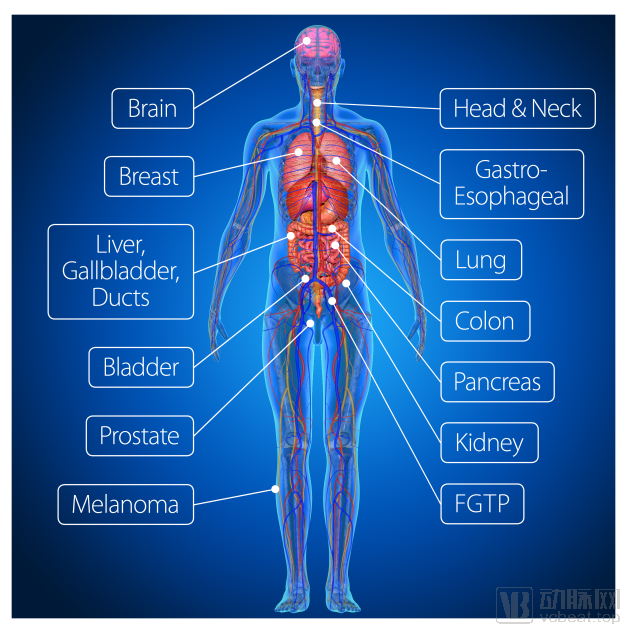
Malignant tumors originating from different sites exhibit significant differences in the expression levels of key pathogenic genes due to their distinct microenvironments. By leveraging bioinformatics and artificial intelligence algorithms, Hangzhou KeBang Gene Technology Co., Ltd. analyzed gene expression data from tens of thousands of tumor samples, identifying 90 tumor-specific signature genes. This panel demonstrates robust discriminatory capability for over 95% of solid tumors across 22 major cancer categories.
“Since malignant tumors retain the molecular characteristics of their primary site during systemic metastasis, our technology can trace the original primary site by analyzing the gene expression profiles of metastatic tumors, thereby providing reference and basis for pathological diagnosis and clinical treatment,” introduced Xu Qinghua. “These tumor-characteristic genes are like navigation satellites in the BeiDou Navigation Satellite System, enabling us to trace the origin of tumors, identify the location of the initial lesion, reveal the fundamental characteristics of the disease to physicians, and achieve targeted, precise intervention.”
“Internationally, only the United States has mastered this technology. It is essential for us to pursue innovation and develop our own products. Therefore, we have partnered with the KeBang Gene team to develop our own ‘BeiDou Satellite’ system to serve the Chinese people.” Professor Pan Hongming of Sir Run Run Shaw Hospital, Zhejiang University School of Medicine, spoke highly of KeBang Gene’s research achievements. Leveraging its leading algorithms and extensive tumor RNA database, KeBang Gene has become a widely recognized leader in precision tumor RNA diagnostics within the industry.
“The tumor tissue origin genetic testing kit will be the first application scenario for our ‘Beidou Satellite’ platform. It not only holds broad prospects in the diagnosis of multiple primary and cancers of unknown primary, but also provides AI- and big data-based auxiliary diagnostic tools to medical institutions with a shortage of pathologists, thereby empowering grassroots hospitals,” said Dr. Xu Qinghua, introducing the company’s flagship product. “Currently, validation studies and clinical trials conducted in collaboration with multiple renowned medical institutions in China have yielded satisfactory results, with an overall accuracy rate exceeding 90%, reaching an internationally advanced level.”
Compared with limited immunohistochemical markers, gene testing for tissue of origin in tumors can more accurately diagnose the tissue origin of malignant neoplasms by simultaneously detecting 90 characteristic genes. Xu Qinghua introduced, “During our research, we found that in some patients with triple-negative breast cancer, even when conventional immunohistochemistry results for ER, PR, and HER-2 were all negative, gene testing for tissue of origin could still yield a clear diagnosis of breast cancer by leveraging the rich information from the 90-gene expression profile. Based on the genetic test results, we conducted regular follow-ups for some patients after treatment, and ultimately did discover very small, occult primary lesions in the breast.”
In September 2017, KeBang Gene collaborated with Professor Hu Xichun, Director of the Center for Diagnosis and Treatment of Multiple Primary and Cancers of Unknown Primary at Fudan University Shanghai Cancer Center, to launch China’s first prospective, randomized controlled clinical study using a gene detection kit for tumor tissue of origin. This study aims to explore optimal solutions for the precise diagnosis and treatment of multiple primary tumors and cancers of unknown primary. Owing to its rigorous experimental design and high level of evidence, the study has garnered extensive attention from the international medical community.
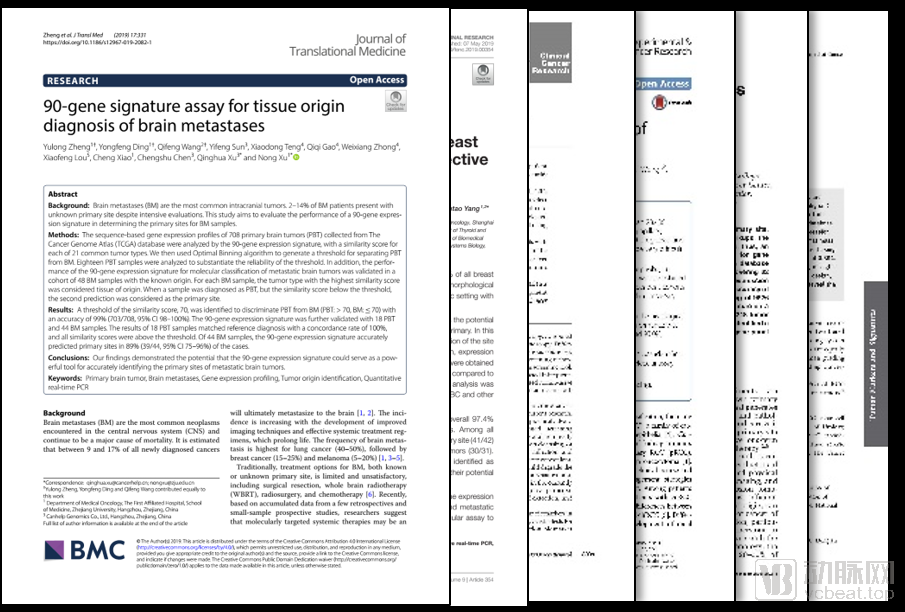
KeBang Gene maintains close collaborations with leading medical institutions in China, including Fudan University Shanghai Cancer Center, The First Affiliated Hospital of Zhejiang University, and Sir Run Run Shaw Hospital, Zhejiang University School of Medicine. Together, they are conducting joint research on several clinically challenging areas, such as triple-negative breast cancer, metastatic squamous cell carcinoma, brain metastases, and multiple primary tumors. The diagnostic accuracy of its tissue-of-origin genetic testing has reached 90%–97%, demonstrating the clinical value of this product. Related research findings have been published in international academic journals, including Journal of Translational Medicine and Frontiers in Oncology.
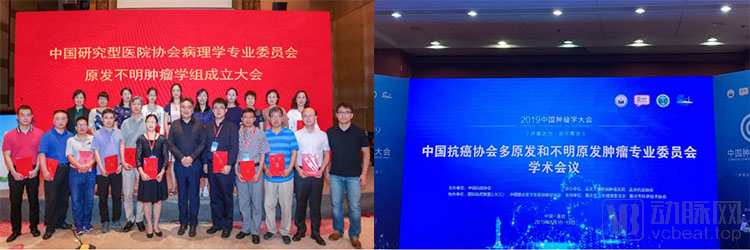
By the end of 2019, driven by the joint efforts of multiple medical institutions in China and Hangzhou KeBang Gene Technology Co., Ltd., the Chinese Research Hospital Association and the Chinese Anti-Cancer Association successively established study groups and committees dedicated to research on multiple primary cancers and cancers of unknown primary. These initiatives aim to promote scientific research in this field in China through collaborative efforts and have initiated the drafting of the first clinical practice guidelines for diagnosis and treatment.
With this product, KeBang Gene has secured over RMB 50 million in investment from multiple domestic institutional investors, including Suzhou Yuanhe Origin. Regarding the outlook for the company’s product pipeline, Xu Qinghua stated, “This is a platform-based technology. RNA expression profiling technology offers broad application potential. In addition to tumor origin tracing, KeBang Gene has also developed a portfolio of products, including early cancer screening and companion diagnostics for targeted therapies, which will be rapidly commercialized with capital support.” It is reported that KeBang Gene is currently undergoing its latest round of fundraising, aiming to raise no less than RMB 50 million to fund clinical trials and market promotion of its products.