

116 Clinical Trials in 24 Days: How Chinese Medical Institutions Are Fighting COVID-19
On January 23, 2020, Wuhan was locked down under the assault of the novel coronavirus, with all personnel and vehicles prohibited from entering or leaving this hub city on the upper reaches of the Yangtze River. In the following days, multiple provinces and municipalities successively activated Level I emergency responses for public health incidents. According to the official website of the Chinese Clinical Trial Registry (ChiCTR), from January 23 to February 15, a total of 116 clinical trials were underway across China, involving more than 50 medical institutions both within and outside Hubei Province.
The drugs and therapies involved in these clinical trials include both Western medicines and traditional Chinese medicines (TCM). In terms of Western medicines, studies are being conducted on chloroquine, an established anti-malarial drug already on the market; arbidol, an antiviral medication for influenza; and ritonavir, an antiretroviral drug used in HIV treatment. Regarding traditional Chinese medicine, interventions include Shuanghuanglian Oral Liquid, Tanreqing Injection, Reduning Injection, and Honeysuckle Decoction, as well as Tai Chi-assisted rehabilitation. In the field of cell therapy, approaches under investigation include umbilical cord blood stem cells, menstrual blood-derived stem cells, and umbilical cord blood natural killer (NK) cell therapy. Which drugs and therapies will become standard treatments? Which will be discarded due to inefficacy? And which may spark controversy?
This article attempts to comprehensively analyze these data through charts and graphs; behind the numbers may lie the long-awaited turning point in the pandemic.
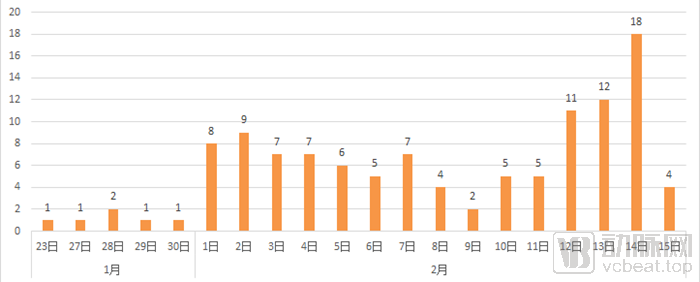
Number of Clinical Trials Registered in ChiCTR from January 23 to February 15, 2020
Based on the extracted timeline of clinical trial initiations, it is evident that since the beginning of February, major medical institutions have significantly accelerated the launch of clinical trials compared to January. As of February 15, at least two clinical trials were registered every day in February. On the last working day covered in this article, the number of clinical trial registrations reached a peak of 18.
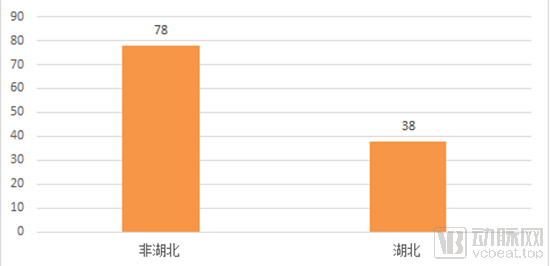
Comparison of Provinces and Cities Where Investigators’ Institutions Are Located
Among the total of 116 clinical trials, 38 were conducted by investigator sites affiliated with medical institutions within Hubei Province, while the remaining 78 trials were led by medical institutions across 24 provinces and municipalities, including Guangdong, Zhejiang, and Sichuan.
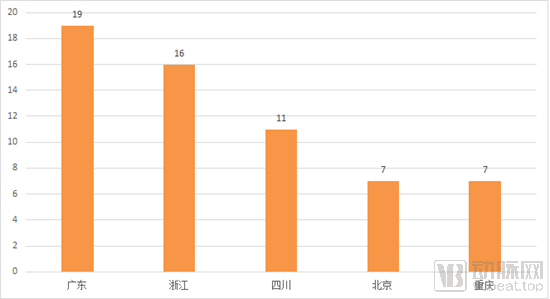
Top 5 Provinces and Municipalities by Number of Clinical Trials (Excluding Hubei)
Excluding Hubei Province, Guangdong Province (19 items), Zhejiang Province (16 items), Sichuan Province (11 items), Beijing Municipality (7 items), and Chongqing Municipality (7 items) are the provinces and municipalities in China with the highest number of clinical trials related to COVID-19.
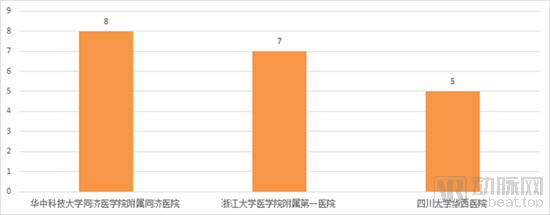
Top 3 Medical Institutions by Number of Clinical Trials
When the analytical perspective is further refined to the specific institutions conducting clinical trials, it becomes evident that Tongji Hospital affiliated with Tongji Medical College of Huazhong University of Science and Technology, the First Affiliated Hospital of Zhejiang University School of Medicine, and West China Hospital of Sichuan University rank in the top three, with 8, 7, and 5 clinical trials, respectively.
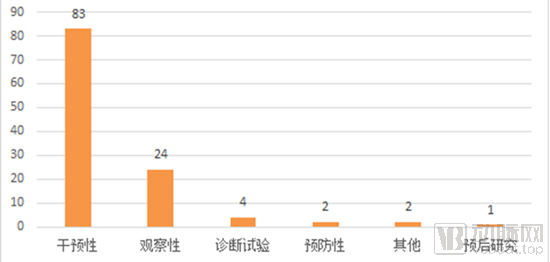
Comparison of Study Types
By research type, over 70% of the clinical trials registered nationwide in China during the past 24 days were interventional studies. Among these, the other types of studies within a total of 116 clinical trials included the “Traditional Chinese Medicine Technical Prevention and Control Program for Community Populations During the Novel Coronavirus Pneumonia (COVID-19) Epidemic” conducted by the Affiliated Hospital of Chengdu University of Traditional Chinese Medicine, and the study on “Evaluation of Immune Repertoire (TCR & BCR) in Peripheral Blood and Immunotherapy in Patients with Novel Coronavirus (COVID-19) Pneumonia” carried out by the First Affiliated Hospital, Zhejiang University School of Medicine.
The official website of the Chinese Clinical Trial Registry (ChiCTR) provides definitions for interventional and observational studies corresponding to clinical trials. An interventional clinical trial refers to any therapeutic study employing a randomized controlled design, in which participants or study populations are prospectively and randomly assigned to receive one or more medical interventions (such as preventive healthcare, pharmaceuticals, surgical treatments, behavioral therapies, etc.) to evaluate the impact of these medical measures on health outcomes. This category specifically includes pilot studies, formal trials, and pre- or post-marketing clinical trials of drugs or medical devices. Observational studies refer to therapeutic studies employing non-randomized controlled designs, including single-case studies, case series, cohort studies, or non-randomized controlled studies.
According to WHO regulations, all studies conducted globally on human subjects or using human-derived specimens—including tissues, blood, body fluids, hair, and cells—such as etiological research, prognostic studies, diagnostic trials, and epidemiological studies, must be registered regardless of the study design employed.
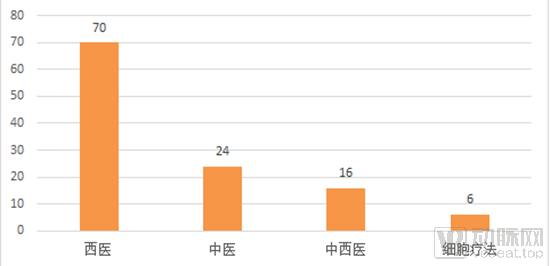
Comparison of Different Treatment Options
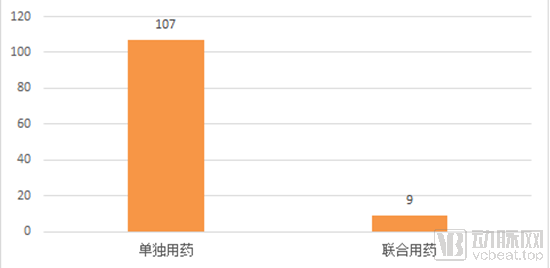
Comparison of Medication Regimens
Furthermore, among all 116 clinical trials, 70 were based on Western medicine, 40 involved Traditional Chinese Medicine (TCM), and 6 focused on cell therapy.Classified by medication regimen type, nine clinical trials adopted combination therapy, while the others used monotherapy. Due to space constraints, this article does not provide a detailed list of the 70 Western medicine clinical trial projects.
Among all nine clinical trials of combination therapy, lopinavir/ritonavir was the most frequently used, appearing in six trials. The co-administered agents included interferon-α2b, emtricitabine (FTC)/tenofovir alafenamide (TAF), thymosin α1, recombinant human endostatin injection, chloroquine, and arbidol.
Lopinavir is an antiretroviral medication belonging to the protease inhibitor class. Abbott Laboratories previously developed a fixed-dose combination of lopinavir and another protease inhibitor, ritonavir, formulated with one unit dose of lopinavir and one-quarter unit dose of ritonavir. This formulation was approved by the U.S. Food and Drug Administration (FDA) for marketing in the United States in 2000 and received approval for marketing in China in 2007 under the brand name Kaletra. It is primarily used clinically for the treatment of AIDS.
In the fifth edition of the "Diagnosis and Treatment Protocol for Novel Coronavirus Pneumonia (Trial)" organized and drafted by the National Health Commission in response to the COVID-19 pandemic, the section on “antiviral therapy” mentioned that lopinavir/ritonavir could be tried. However, according to a report from the research team at the Fifth Affiliated Hospital of Sun Yat-sen University, preliminary use revealed minimal efficacy of lopinavir/ritonavir treatment, with only a 20% (3/15) rate of negative conversion of throat swab nucleic acid tests within five days.
We have noted that traditional Chinese medicine (TCM) has been frequently mentioned in efforts to combat COVID-19.The TCM concepts involved include Tanreqing, Lianhua Qingwen Capsules, pulmonary rehabilitation, Tai Chi, Gubiao Jiedu Ling, Reduning Injection, Shuanghuanglian Oral Liquid, Jinye Baidu Granules, Xiyanping, and Babao Dan. The application areas encompass the treatment of mild to severe cases, rehabilitation, psychological intervention, prevention, and epidemiological research.
On the morning of February 15, at a press conference held by the State Council Information Office, Wang Hesheng, Deputy Director of the National Health Commission and member of the Standing Committee of the Hubei Provincial Party Committee, stated that three national traditional Chinese medicine (TCM) medical teams had been dispatched, and that the nationwide TCM system had organized and sent additional medical personnel to Hubei Province. More than half of the confirmed cases in Hubei have received TCM treatment.Wang Hesheng pointed out, “By integrating resources from traditional Chinese medicine and Western medicine, fostering collaborative research, and leveraging complementary strengths, we strive to improve cure rates, minimize mortality to the greatest extent possible, and effectively safeguard the life safety and physical health of the public."This alsoOfficial recognition has been given to the application of Traditional Chinese Medicine in combating the epidemic.
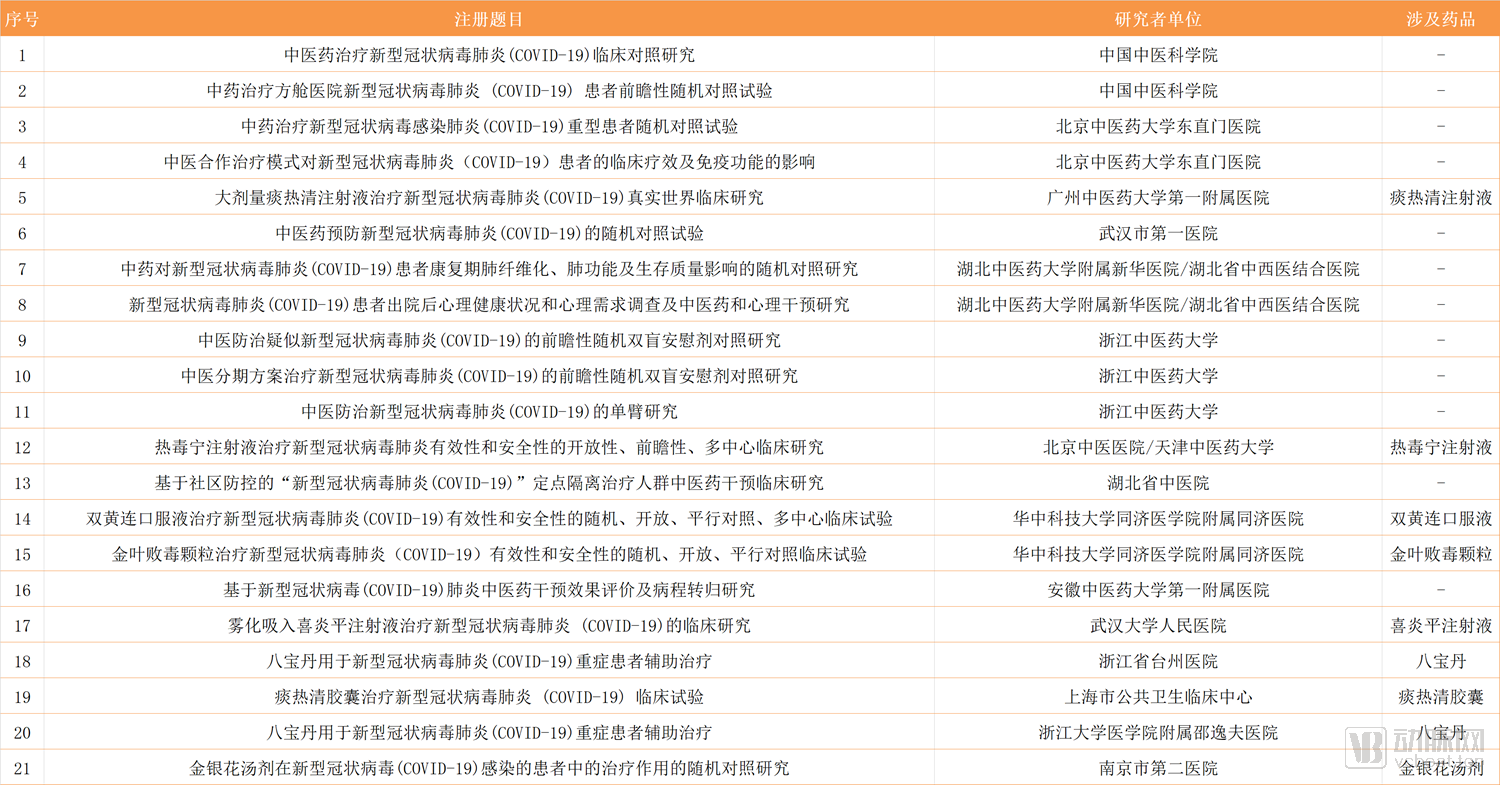
Clinical Trials of Traditional Chinese Medicine
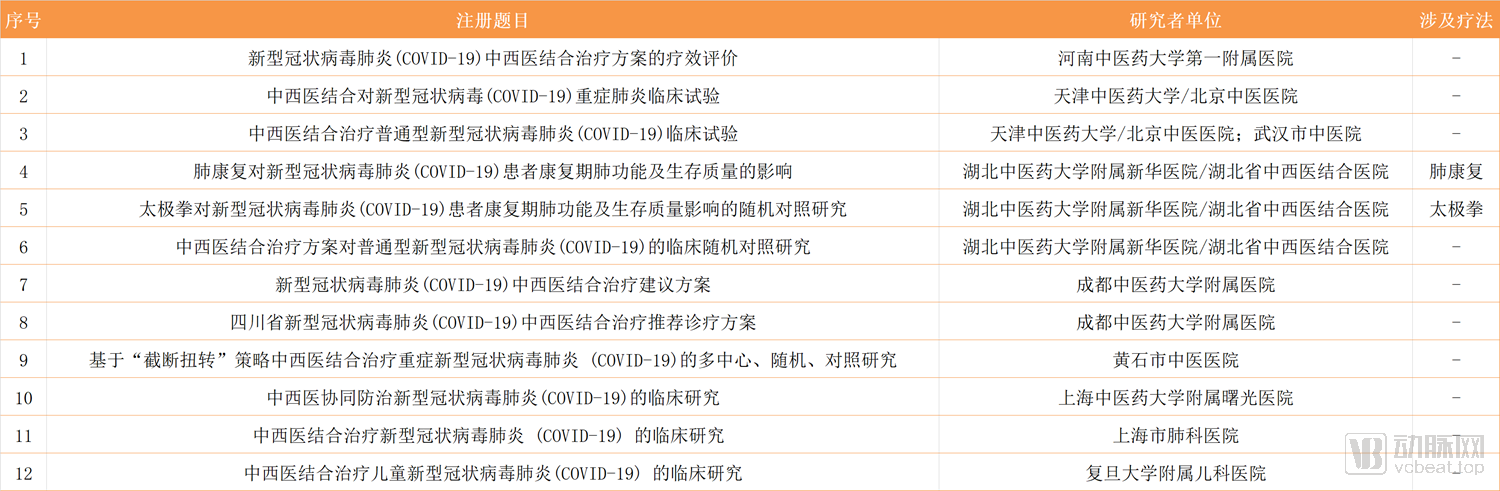
Clinical Trials of Integrated Traditional Chinese and Western Medicine
Among all medical institutions conducting clinical trials related to traditional Chinese medicine (TCM), Xinhua Hospital Affiliated to Hubei University of Chinese Medicine/Hubei Provincial Hospital of Integrated Traditional Chinese and Western Medicine conducted four clinical trials involving TCM concepts, making it the institution with the highest number of such trials in the registry. Notably, this institution incorporated pulmonary rehabilitation and Tai Chi into the recovery protocols for COVID-19 patients in two of these trials.
A search of the official ChiCTR website by VCBeat revealed that both clinical trials, registered on February 2, plan to enroll 50 patients each in the experimental and control groups. However, as of press time, recruitment of study participants for these trials had not yet begun. Meanwhile, we note that both aforementioned clinical trials are conducted byApproved by the Ethics Committee of Hubei Provincial Hospital of Integrated Chinese and Western Medicine, but the attachment of the ethics committee approval document cannot be downloaded.
In fact, as the world is currently in the midst of the COVID-19 pandemic outbreak, clinical trials are indeed facing unique challenges. For instance, amid the current relatively disordered situation, conducting clinical trials encounters difficulties such as establishing the necessary infrastructure, training researchers, and recruiting a sufficient number of cases. Zhai Xiaomei, Executive Director of the Center for Life Ethics at the Chinese Academy of Medical Sciences/Peking Union Medical College and Distinguished Professor, stated in a previous interview that research teams conducting clinical trials at this stage must prioritize balancing the urgent need for patient treatment with the requirements of research.
Furthermore, it is worth noting that six clinical trials have been registered for cell therapy-based treatment regimens for COVID-19, involving stem cells, nuclear cells, NK cells, and others. Among these, three clinical trials involve mesenchymal stem cells, led by Xiangyang No. 1 People's Hospital, Tongji Hospital Affiliated to Tongji Medical College of Huazhong University of Science and Technology, and Guangzhou Ruiboyin Company.

Cell Therapy Clinical Trials
Mesenchymal Stem Cells (MSCs) are an important member of the stem cell family, originating from the early embryonic mesoderm and classified as multipotent stem cells. Under specific induction conditions in vivo or in vitro, MSCs can differentiate into various tissue cells, including adipocytes, osteoblasts, chondrocytes, myocytes, tenocytes, ligament cells, neural cells, hepatocytes, cardiomyocytes, and endothelial cells. They retain their multipotent differentiation potential even after continuous subculturing and cryopreservation, making them ideal seed cells for repairing tissue and organ damage caused by aging and pathological changes. In 2012, Osiris Therapeutics’ application to market MSCs as a drug was approved by Health Canada, marking the first regulatory approval for mesenchymal stem cells as a pharmaceutical product worldwide.
In recent years, five new drug applications utilizing mesenchymal stem cell technology have received implicit approval to enter clinical trials in China. However, after speaking with practitioners and investors in the stem cell industry, VCBeat believes that the research and development of new stem cell drugs remains a nascent frontier technology globally, with a long road ahead for industrial commercialization. We will continue to closely monitor the subsequent data releases from cell therapy clinical trials registered with ChiCTR, particularly those involving stem cell technologies.
Typically, patients who survive bacterial or viral infections develop humoral immunity against the specific pathogen, with high titers of specific antibodies present in their blood. Consequently, patients receiving convalescent blood products (CBP) can acquire passive immunity, which neutralizes the specific pathogen and ultimately clears it from the bloodstream.
Passive immunity refers to the specific immune capacity acquired by an organism through the passive administration of antibodies, sensitized lymphocytes, or their products; it is a form of artificial immunization based on the principles of plasma therapy. On February 13, Zhang Dingyu, President of Wuhan Jinyintan Hospital, stated at a press conference that convalescent patients with COVID-19 harbor substantial levels of neutralizing antibodies against the virus, drawing widespread attention to convalescent plasma therapy.
A search of the official Chinese Clinical Trial Registry (ChiCTR) website revealed that the study titled “Study on the Collection of Convalescent Plasma for the Treatment of Patients with Severe Novel Coronavirus Pneumonia (COVID-19),” submitted by the Institute of Blood Transfusion, Chinese Academy of Medical Sciences, completed its pre-registration on February 12. As planned, this clinical trial began enrolling participants on February 14.
According to the introduction, this clinical trial adopted a multicenter, randomized, parallel-controlled design. Each of the treatment group and the control group included 150 subjects. The trial was conducted at Union Hospital Affiliated to Tongji Medical College of Huazhong University of Science and Technology, Wuhan Red Cross Hospital in Hubei Province, and Wuhan Blood Center.
According to the experimental design, patients in the treatment group who developed severe infection received, in addition to standard antiviral therapy, intravenous infusion of convalescent plasma with an antibody titer greater than 1:80. If patients met the inclusion criteria, infusion should be administered as early as possible after enrollment. The date and time (in 24-hour format) of each plasma infusion must be recorded at both the start and end of the infusion. Patients in the control group received standard antiviral therapy.
Furthermore, the clinical trial assessment time point was 28 days after participant enrollment. Clinical improvement was defined as a reduction of 2 points on the 6-point ordinal scale assessing hospital admission status, or discharge from the hospital. The 6-point ordinal scale comprised: 6 (death), 5 (hospitalized receiving ECMO and/or mechanical ventilation), 4 (hospitalized receiving non-invasive ventilation and/or high-flow oxygen therapy), 3 (hospitalized receiving oxygen therapy but not requiring high-flow or non-invasive ventilation), 2 (hospitalized without need for oxygen therapy), and 1 (discharged).
In principle, all clinical trials worldwide should first be registered on public platforms, as the World Health Organization (WHO) regards the registration of clinical trials as a scientific, ethical, and moral responsibility and obligation.
In 2000, Articles 16 and 27 of the 6th edition of the Declaration of Helsinki stated that all clinical study designs should be publicly accessible, and further proposed that all research results, whether positive or negative, should be published openly. This constitutes an ethical responsibility and humanitarian obligation to be jointly upheld by researchers and editors of medical journals. Subsequently, in 2004, six internationally renowned clinical trial experts jointly drafted, revised, and issued a declaration on clinical trial registration, known as the famous Ottawa Statement, which was co-signed by more than 80 international clinicians, journal editors, and researchers. The Ottawa Statement requires that the protocols of any clinical trial and their subsequent results be registered and made accessible to the public.
In August 2005, the Secretariat of the WHO International Clinical Trials Registry Platform (ICTRP) was established. In May of the following year, the WHO officially launched the establishment of the ICTRP, which was completed in May 2007. The completion of the ICTRP marked the formal global establishment and operation of a clinical trial registration system that registers trials and assigns unique identification numbers in accordance with globally unified standards. The ICTRP consists of two components: a single search portal and a registration network.
Specifically, the ICTRP is not a clinical trial registry. Applicants for clinical trial registration must submit detailed information directly to any primary registry within the WHO Registry Network or to a registry approved by the International Committee of Medical Journal Editors (ICMJE) before enrolling the first participant. The primary registries then submit the data directly to the WHO ICTRP central database.
To date, there are 16 primary registries worldwide that meet the ICMJE criteria, including ChiCTR mentioned in this article, as well as the widely recognized U.S. registry (ClinicalTrials.gov) and the European registry (EU-CTR). The domestic Phase III clinical trial of remdesivir for its new indications, which garnered significant attention during the COVID-19 pandemic, was registered on ClinicalTrials.gov.
By carefully reviewing the clinical trial data provided by the Chinese Clinical Trial Registry (ChiCTR), we can observe the tireless efforts of domestic medical institutions in the fight against the COVID-19 pandemic. While charging to the front lines of epidemic prevention and control, they have continuously set new records for the rapid initiation of clinical trials. Admittedly, scientific trials do not always succeed; some clinical trials launched under urgent emergency conditions may have lacked comprehensive consideration and were subsequently proven ineffective. Nevertheless, we are inclined to believe that it is precisely through such pioneering and arduous efforts that we have been able to reach the turning point of the pandemic.
Furthermore, according to a CCTV news report on February 16, the first postmortem examination of a deceased COVID-19 patient in China was completed at Wuhan Jinyintan Hospital at approximately 3:00 a.m. on the 16th, with the consent of the patient’s family and in accordance with national laws and regulations. Pathological samples related to COVID-19 were successfully obtained. At 6:45 p.m., the second postmortem examination of a deceased COVID-19 patient in China was also successfully conducted at Jinyintan Hospital. The pathological specimens from both autopsies have been submitted for testing. The pathological findings derived from these autopsies are of significant value in exploring clinical pathological changes and disease mechanisms in COVID-19 patients. They will help fundamentally elucidate the pathogenicity and lethality of the novel coronavirus, thereby providing a scientific basis for future clinical treatment of critically ill patients.