

Genowis Launches 'Fight-SARS2': A Real-Time SARS-CoV-2 Genomic Variant Surveillance Platform
Since late 2019, the novel coronavirus has spread from Wuhan, causing tens of thousands of infections and thousands of deaths. Amid the virus’s rampant devastation, the nation faced a grave crisis. Wuhan was in peril! Hubei Province was in peril! The entire country of China confronted a severe test! Outbreaks in multiple regions worldwide led the World Health Organization (WHO) to declare the outbreak a Public Health Emergency of International Concern (PHEIC) and to officially name the virus “SARS-CoV-2” and the disease it causes “COVID-19.” Recently, the WHO has called for global sharing of viral samples and data and for accelerated research into drugs and vaccines. The Global Initiative on Sharing All Influenza Data (GISAID) is helping researchers worldwide share genomic data on the novel coronavirus.
To control the epidemic, medical teams across the country forgave their Spring Festival reunions and rushed to the front lines from all corners of the motherland, moving against the tide. With fearless will and determination to win, they fought the virus to protect people’s health. On February 17, 2020, Zhenovis, together with the Chinese Medical Doctor Association (CMDA), the National Genomics Data Center (NGDC), China National GeneBank (CNGB), and National Science Review (NSR), among other authoritative institutions, jointly launched the Rapid Data Sharing Initiative. This initiative calls on all virus researchers to rapidly share viral genomic data through the Genome Warehouse (GWH: bigd.big.ac.cn/gwh/) of the National Genomics Data Center and the Sequence Archive system (CNSA: db.cngb.org/cnsa) of the CNGBDB platform.
Under this data initiative, the “Fight COVID-19 – Dynamic Monitoring Platform for Viral Genetic Mutations,” developed by ZhiNuoweiSi, can rapidly analyze these data and provide daily updates on the epidemic situation. In compliance with the relevant regulations of the aforementioned databases, it is committed to ensuring that all rights to the original viral genomic data used in the analysis belong to the data providers. Real-time analytical results are made freely available to centers for disease control and prevention, healthcare institutions, researchers, and the general public. The latest issue of National Science Review published an editorial calling on all researchers possessing viral genomic data to help monitor viral mutations and evolutionary dynamics by rapidly sharing data and leveraging the analyses from the “Fight COVID-19” platform (refer to the latest editorial by National Science Review published on the “Gene Wisdom” WeChat official account: “Academic Integrity and Social Responsibility: A Call for the Timely Release and Sharing of 2019-nCoV Sequencing Data》)。
In times of national crisis, every citizen bears responsibility. During this critical period, ZhiNuoweiSi leveraged its expertise in genomic big data technology to rapidly establish the “Fighting COVID-19: Dynamic Monitoring Platform for Viral Genetic Mutations.” Based on fundamental principles of evolution, viruses may undergo mutations after infecting human populations; mutant strains with higher fitness and greater transmissibility are more likely to spread within the population. Through big data analysis of viral genomic sequences, we can visually observe the mutation patterns and evolutionary trends of these strains.
By conducting big data analytics on existing SARS-CoV-2 genomic sequences from diverse databases across different countries worldwide, our platform visualizes global genomic variations and the geographic distribution of variant strains. It enables real-time monitoring of viral mutation and evolutionary dynamics, thereby providing big data support for precise epidemic prevention, diagnosis, and treatment.
According to the latest viral sequence data and analysis from yesterday (February 16, 2020), among 97 SARS-CoV-2 sequences worldwide, 32 sequences exhibited genetic mutations without amino acid changes (accounting for 33%), while the vast majority of strains had only 1–2 amino acid mutations (65 sequences, accounting for 67%). However, one mutant strain (ORF8:L84S) comprised 26 sequences, representing a high proportion of 26.8% of the total viral population (Figure 1). Data tracking revealed that this strain group experienced rapid growth between January 14 and January 31, whereas the second largest strain group (ORF7a:P34S) showed stable or declining numbers (Figure 2). Currently available data indicate that the emergence frequency of the new mutant group (ORF8:L84S) is significantly higher than that of (ORF7a:P34S). If cluster transmission events can be excluded, the data suggest that this strain has stronger transmissibility and warrants close monitoring. Analysis based on currently limited viral genomic data shows that amino acid mutations in current SARS-CoV-2 sequences are increasing slowly. Between February 9 and February 16, the rate of increase in types of amino acid mutations further slowed down (significantly influenced by the deceleration in data submission), and no significant rise in the amino acid mutation rate was observed.
However, due to the currently limited data volume, there is insufficient statistical power to track the temporal evolution of viral mutations. We urge everyone to submit additional SARS-CoV-2 genome sequences to the aforementioned databases at the earliest opportunity (refer to the latest editorial by National Science Review published on the “Gene Wisdom” WeChat official account: “Academic Ethics and Social Responsibility: A Call for the Timely Release and Sharing of 2019-nCoV Sequencing Data》and the analysis results from the Fight COVID-19 Platform (fight-sars2.genowis.com).
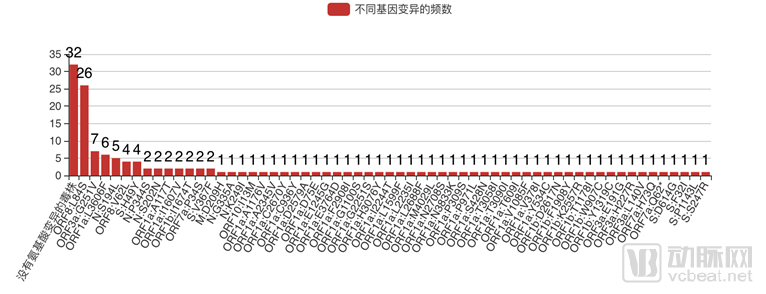
Figure 1. Frequency statistics of amino acid mutations in SARS-CoV-2
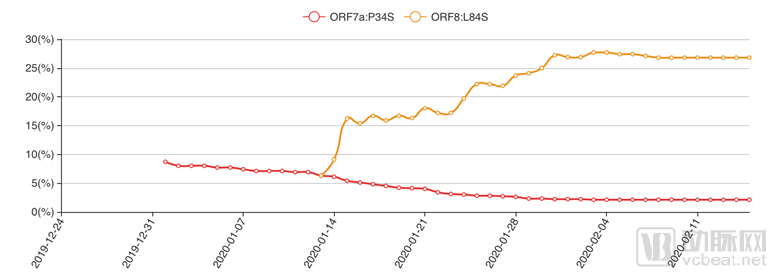
Figure 2. Population Evolutionary Dynamics of SARS-CoV-2
“The Significance of the ‘Battle Against COVID-19: Dynamic Monitoring Platform for Viral Gene Mutations’ Lies in:”
(1) Assist regional CDCs and medical institutions in staying informed about viral mutations, mutation rates, and geographic distribution both locally and in other regions; provide tailored prevention and control measures based on different scenarios; and support epidemic prevention arrangements and resource allocation.
(2) Facilitate rapid data sharing among medical and research institutions, and help identify genetic variants that influence the severity of infection in affected populations;
(3) Provide the public with transparent and accurate scientific information on viral mutations, thereby reducing public panic regarding unknown epidemics and viruses;
(4) In the future, it may help identify variants that influence symptoms, prognosis, and differential responses to pharmacotherapy, thereby facilitating the development of novel precision diagnostics and targeted therapies for COVID-19.
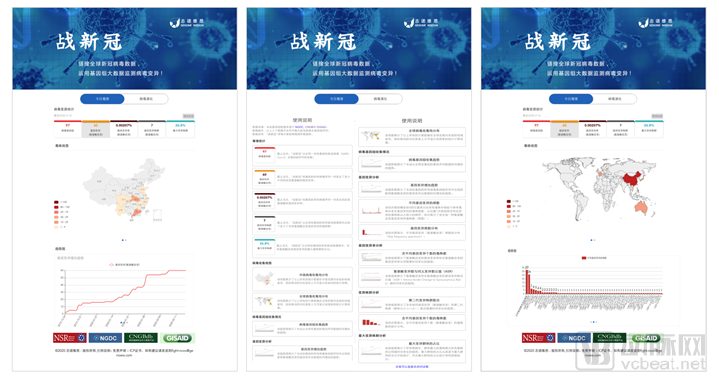
Figure 3. Web interface of the “Fighting COVID-19” dynamic monitoring platform for viral gene mutations
We believe that under the leadership of the Party and the state, and through the joint efforts of healthcare workers across China and people from all walks of life, we will surely defeat the virus. The hardships of today will pass. Stay strong, Wuhan! Stay strong, China! We believe there is no winter that cannot be overcome. Victory in the fight against the epidemic will arrive with the spring as scheduled—bringing not only a shower of cherry blossoms but also your safety and well-being.
Note: This manuscript is provided by Genowis. The “Fight SARS-CoV-2” platform (fight-sars2.genowis.com) was designed, developed, and technically supported by Genowis. Data submission portals are provided by the Genome Warehouse (GWH) of the National Genomics Data Center (bigd.big.ac.cn/gwh) and the Sequence Archive System (CNSA) of the China National GeneBank Life Big Data Platform (db.cngb.org/cnsa). The Chinese Academy of Sciences’ National Science Review offers a rapid publication channel for data submitters (refer to the latest editorial published by the National Science Review on the “Gene Wisdom” WeChat official account: “Academic Ethics and Social Responsibility: A Call for Timely Release and Sharing of 2019-nCoV Sequencing Data”). The platform is built upon Genowis’s genomic big data analysis system, “iGenome Cloud” (igenomecloud.com), and the viral analysis technology Nextstrain (nextstrain.org), ensuring the accuracy and reliability of analytical results. In the future, this platform will facilitate data sharing among professional medical institutions as well as the rapid dissemination of epidemic information to the public. For any suggestions, please email fight-sars2@genowis.com.