

Tech-Enabled Epidemic Control: AI in Imaging, IoT in Infection Control, and 5G-Driven Healthcare Informatics – Virtual Forum Highlights and Company Profiles
The sudden outbreak exposed certain weaknesses in China’s healthcare system. Meanwhile, emerging medical information technologies played a significant role in the fight against the epidemic, finding wide application in areas such as testing and detection, contact tracing and source identification, transmission pathway analysis, predictive modeling of disease progression, resource allocation, and public health education.
To this end, VCBeat and VBInsight jointly launched the “Call for Outstanding Cases of Technology-Enabled Epidemic Prevention and Control in 2020.” Over the course of one month, six evaluation dimensions were established across seven case categories, ultimately selecting 32 outstanding cases. These cases primarily fall into five major categories: public health prevention and control, clinical consultation, hospital management, testing and diagnosis, and hospital construction.(View Details)
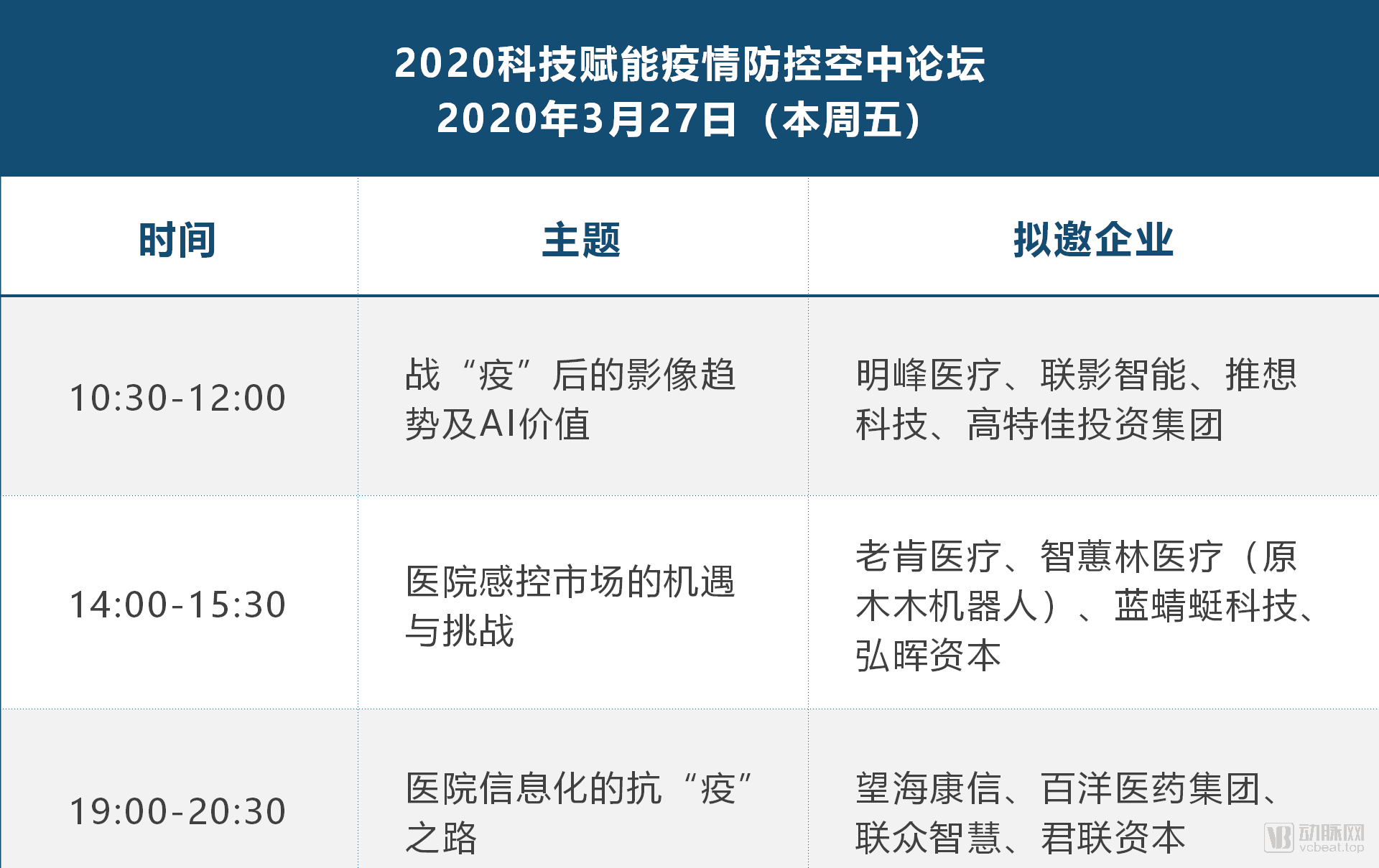
In response, we willMarch 27Expand2020 Technology-Enabled Epidemic Prevention and Control Online Forum, focusing onImaging, Hospital Infection Control, and InformaticsThree Major Directions: Three Thematic Roundtables Held on the Same Day, with Participants Including Leading Enterprises in the Field, Representatives of Outstanding Case Studies, and Prominent Investors.
Live Stream Link:http://mudu.tv/watch/5365731 (Or scan the QR code below to enter the live stream)

Scan the QR code to enter the live stream room.
Currently, China faces a severe shortage of radiologists. The annual growth rate of outpatient visits in radiology departments nationwide is approximately 30%, whereas the annual growth rate of radiologists is only about 4.1%. Furthermore, most high-quality medical resources in China are concentrated in a few tertiary Grade A hospitals, while many primary healthcare institutions lack even radiologists qualified to perform diagnostic imaging interpretations.Due to the unique nature of the pandemic, certain specialized roles of AI have become particularly prominent. Based on quantitative analysis, AI assists physicians in qualitatively assessing patient symptoms and determining the stage of disease progression, leading to its widespread adoption during this outbreak.
Mingfeng MedicalThe Ark CT enables a scan-disinfect-scan workflow, ensuring one disinfection per patient and operating independently of the hospital or radiology department to prevent cross-infection among examinees;United Imaging IntelligenceThe AI system focuses on the radiology department. The uAI intelligent auxiliary analysis system for COVID-19 has already been deployed in frontline hospitals such as Huoshenshan Hospital, Leishenshan Hospital, Wuhan Tongji Hospital, Union Hospital, and Zhongnan Hospital.InfervisionThe intelligent auxiliary screening and epidemic monitoring system for pneumonia has iterated and optimized its algorithms targeting the specific imaging manifestations of COVID-19, enabling rapid and accurate quantitative data analysis. It intelligently analyzes abnormal and severe cases to assist physicians in assessing patient conditions.
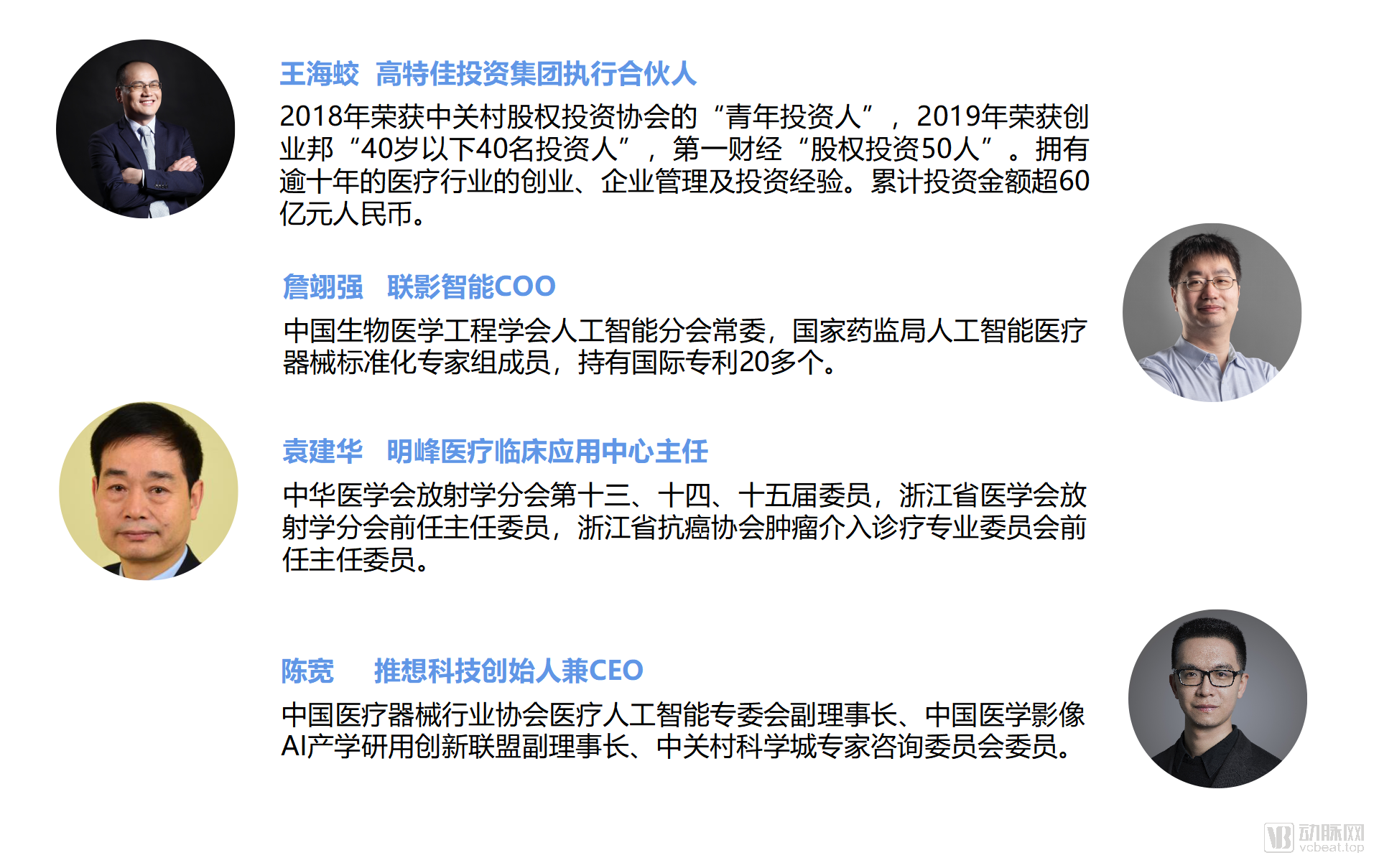
Amid the pandemic, how has the overseas progression of the outbreak impacted the company’s business? Can medical imaging companies seize the opportunity to expand into international markets? With AI integration, what role can medical imaging play?Friday, March 27, 2020, 10:30-12:00,We have invited Zhan Yiqiang from United Imaging Intelligence,Yuan Jianhua of Mingfeng Medical,Chen Kuan from Infervision and Wang Haijiao from GTJA Capital share insights on post-pandemic imaging trends and the value of AI.
Hospitals, as the primary hubs for viral concentration, exhibit extremely high rates of population infection. The quality of infection prevention and control in hospitals directly impacts medical outcomes and patient safety, serving as a critical barrier against cross-infection. Under these circumstances, hospital infection protection measures must remain stringent at all times without any relaxation.With the rapid development of infection prevention and control (IPC) in China, IPC has swiftly transitioned from a foundational era focused on disinfection and sterilization, isolation, hand hygiene, and environmental infection control, to a comprehensive era encompassing the entire process of infection prevention, diagnosis, and treatment.
With the advancement of technology, innovations such as the Internet of Things (IoT), artificial intelligence (AI), and robotics are being fully leveraged in the field of infection prevention and control (IPC). Taking IoT as an example, its adoption enables healthcare professionals to access real-time information on equipment status, malfunctions, alert notifications, after-sales maintenance progress, and efficacy monitoring and evaluation. This enhances work efficiency, ensures the effectiveness of disinfection and sterilization, prevents IPC incidents, and safeguards the health of both patients and medical staff.
During the pandemic,Laoken MedicalIoT-based air disinfection and infection control cloud platform, which maximizes equipment uptime and disinfection efficacy, has been deployed in key areas such as operating rooms and wards at designated medical institutions including Huoshenshan Hospital;Zhihuilin Medical (formerly Mumu Robotics)Noah Hospital Logistics Robots have achieved intelligent delivery across all hospital scenarios. In the Hubei region, they are already in orderly operation at Wuhan Asia Heart General Hospital, Wuhan Tongji Hospital, Wuhan Central Hospital, Hubei Provincial Directly Affiliated Agencies Hospital, and Shiyan Maternal and Child Health Care Hospital.Blue Dragonfly TechnologyDuring the pandemic, an early screening and warning system was developed, which now covers more than 500 hospitals.
The infection prevention and control (IPC) market holds immense growth potential. What is the current status of business coverage and development in primary healthcare institutions? How can emerging opportunities be seized? What lessons can be drawn from establishing a comprehensive IPC closed-loop system that encompasses IPC surveillance, process intervention, supervision and evaluation, as well as education and training? What are the future prospects for modern technologies in IPC? What challenges exist in the integration of the Internet of Things (IoT) with IPC?
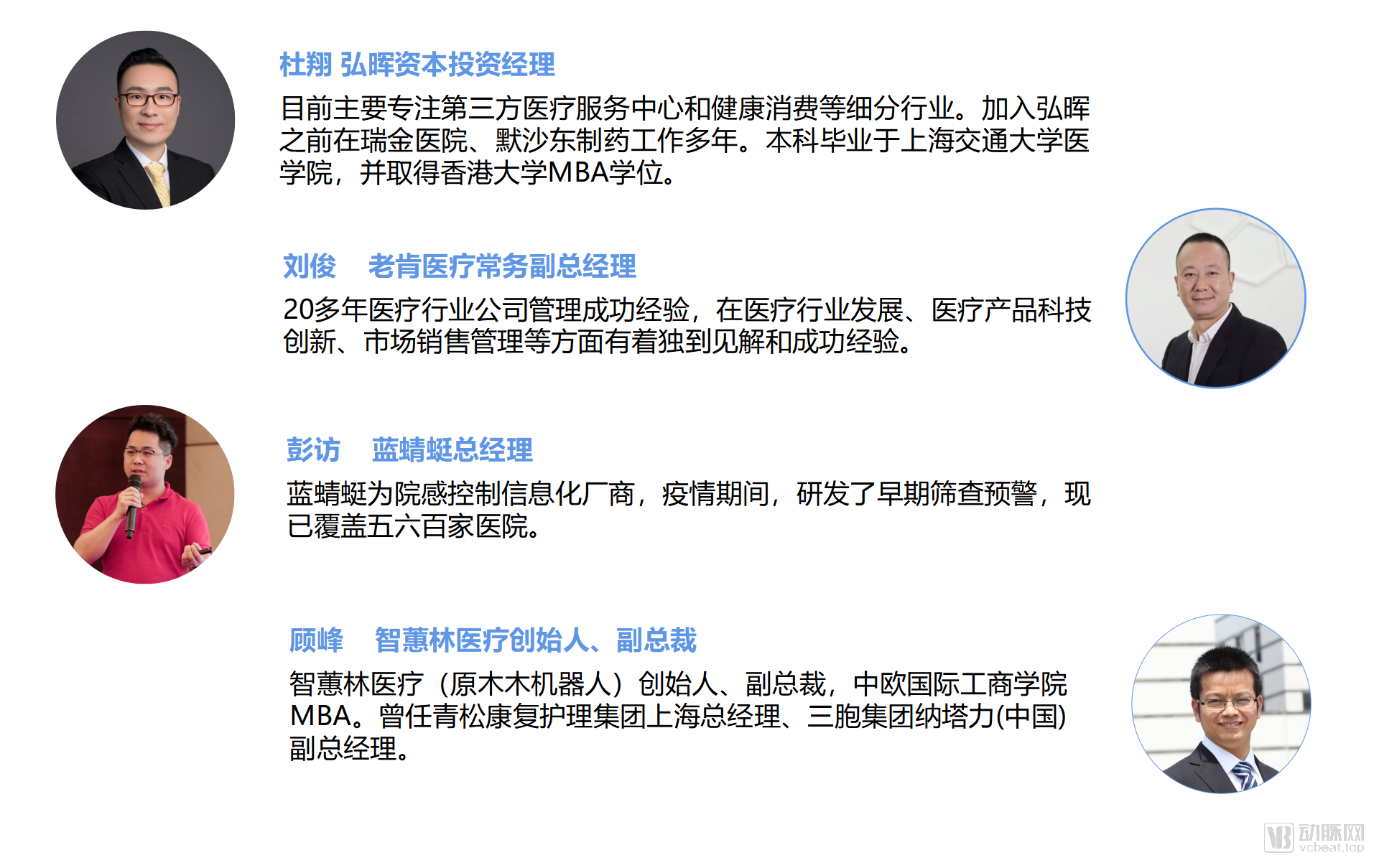
On Friday, March 27, 2020, from 14:00 to 15:30, we have invited Liu Jun from Laoken Medical,Peng Fang, Blue Dragonfly Technology,Gu Feng from Zhihuilin Medical (formerly Mumu Robotics) and Du Xiang from Honghui Capital interpret the opportunities and challenges in the hospital infection control market.
Over the past month, central authorities have referenced “new infrastructure” development six times, while local policy documents on the subject are too numerous to count. Telemedicine, data sharing for remote diagnosis and treatment, biopharmaceuticals, and medical devices are also considered key components of new infrastructure.In the wake of the pandemic, the role of remote work, telemedicine, and data sharing in remote diagnosis and treatment will become increasingly prominent. The healthcare informatics sector is poised for a wave of development, with advancements in 5G technology laying the foundation for further acceleration of digital transformation in healthcare.
During this epidemic, Weimai has joined forces with over 150 cities across China, nearly 1,000 public medical institutions, and close to 30,000 physicians to provide more than one million free online consultations to users worldwide, with platform visits surpassing 57 million.Wanghai KangxinThe emergency supplies management system, urgently launched on February 4, not only facilitated the matching of scarce resources for 140 hospitals within less than 20 days, but also conducted statistical analysis of the overall supply status of hospitals across China through big data and data visualization...
Lianzhong WisdomIn collaboration with the Jiangxi Provincial Health Commission, we established the Jiangxi Provincial Epidemic Monitoring Data Platform, which interfaces with provincial and municipal population health information platforms. At the provincial level, this platform enables the collection, analysis, and application of daily epidemic reports from various regions, mobile signaling data from the Communications Administration Bureau, and epidemic risk assessment ratings.Baiyang Intelligent TechnologyLeveraging AI as a breakthrough, establish a comprehensive smart healthcare system encompassing diagnosis and treatment.
Since 2003, the process of medical informatization has accelerated rapidly. Hospital information systems, primarily based on HIS (Hospital Information System) and CIS (Clinical Information System), have been gradually established, along with a nationwide infectious disease surveillance network and, later, regional public health big data platforms.Following this epidemic, we believe that sectors related to healthcare informatization will experience significant acceleration, particularly those that have demonstrated their value during the outbreak and areas where China urgently needs to address existing shortcomings.
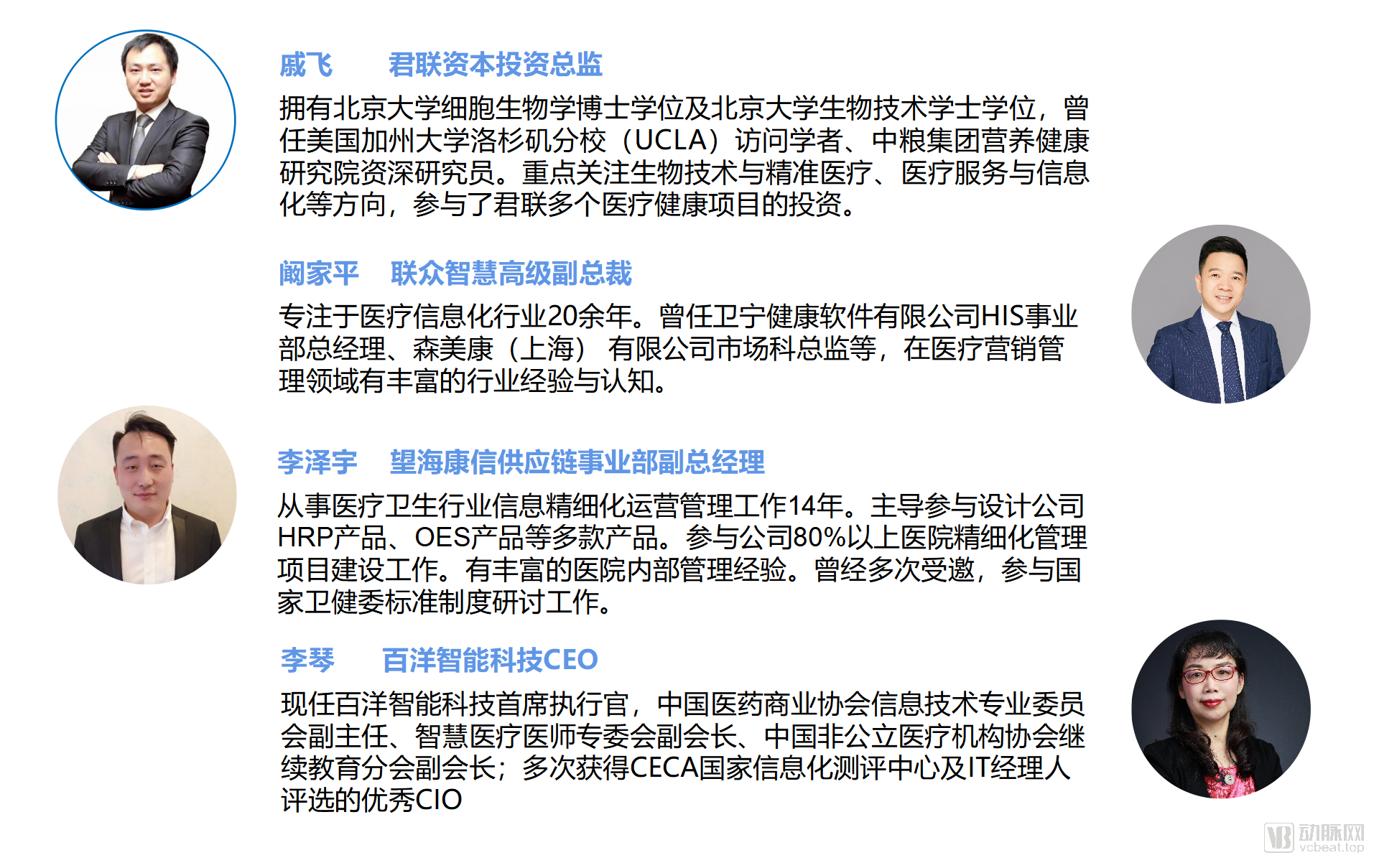
The acceleration of healthcare informatization will drive the upgrading of healthcare systems; furthermore, clinical assessment, allocation of medical resources, regional public health platforms, and the development of medical insurance databases all require analytical support from big data platforms.On Friday, March 27, 2020, from 19:00 to 20:30, we have invited Kan Jiaping from Lianzhong Wisdom,Wanghai Kangxin, Li Zeyu,Li Qin, Baiyang Intelligent Technology,Qi Fei from Legend Capital Shares the Path of Hospital Informatization in the Fight Against the Epidemic.
Live Stream URL:http://mudu.tv/watch/5365731 (Or scan the QR code below to enter the live stream)
Scan the QR code to enter the live stream