FOCUS 100 Healthcare Innovation Series Report — Innovation in the Imaging-Based FFR Industry
Preface
The "China Cardiovascular Disease Report 2018" released by the National Center for Cardiovascular Diseases shows that in recent years, the prevalence of cardiovascular diseases in China has continued to rise. In 2018, the number of patients reached 290 million, and the mortality rate from these diseases remained the highest among all causes of death. Among them,The Number of Patients with Coronary Heart Disease Reaches 11 Million, and as a highly prevalent condition among cardiovascular diseases, coronary heart disease is one of the leading causes of death worldwide, with its treatment garnering increasing attention.
FFR (Fractional Flow Reserve)As a novel diagnostic approach, it can physiologically assess whether the severity of coronary artery stenosis causes myocardial ischemia, thereby assisting physicians in diagnosis, reducing unnecessary coronary angiography, and lowering healthcare costs.
As a typical representative of non-invasive FFR, imaging-based FFR has begun to be applied in the clinical diagnosis of coronary artery disease. On January 15, 2020, the imaging-based FFR system “DeepPulse Fraction®” successfully obtained registration approval, becoming the first AI-powered Class III medical device certified in China.
So, what stage of development is the domestic imaging FFR industry in, what is its market potential, and which representative companies and business models exist?
To clarify the aforementioned issues, VCBeat conducted research on more than 10 imaging FFR companies,Analyzed over 2,000 data sets and authored the “Industry Innovation Report on Imaging-Based FFR,” aiming to comprehensively analyze the imaging-based FFR industry from dimensions such as policy, technology, market, capital, and typical case studies.To provide industry participants with relatively comprehensive information on the image-based FFR industry.
1. The potential size of the domestic image-based FFR market in China is expected to reach RMB 1.5 billion by 2025.
2. Policies are accelerating product certification and approval; it is expected that within two years after 2020, 3–5 companies will obtain Class III registration certificates from the NMPA for their imaging-based FFR products.
3. Imaging FFR has three typical business models: the in-house independent model, the in-house collaborative model, and the third-party imaging FFR testing center model.
4. In 2019, the number of patents in China’s imaging-based FFR field was essentially on par with the total number of patents abroad.
5. The launch of imaging-based FFR products will significantly increase the penetration rate of FFR testing in China
6. Major authors of five key industry papers, represented by Jonathan Leipsic from Canada, have made significant contributions to industrial development
7. Pulsar Medical Technology, Keya Medical, Runxin Medical, Philips, PulseFlow Technology, and Heartflow have registered the most imaging-based FFR-related patents in China
I. Industry Definition: Image-Based FFR Becomes the Typical Application of FFR Testing
II. Policies and Guidelines: Within the next two years, 3–5 companies will obtain NMPA Class III registration approval for their imaging-based FFR products.
III. Technological Evolution: Coronary CTA-Based FFR Measurement Throughout the Entire Imaging FFR Process
IV. Market Potential: The potential market size is expected to reach RMB 1.5 billion in 2025
V. Capital Interest: Still in the Early Stages, with Products Becoming a Key Focus for Investors
VI. Typical Cases: 6 Companies, 3 Service Models, Expanding the Imaging FFR Market
Figure 1. Schematic diagram of the relationships among core FFR-related concepts
Figure 2. AHA Guidelines-Recommended FFR Testing Algorithm
Figure 3: Market Role Relationship Diagram for the On-Premises Standalone Model
Figure 4 Market Role Relationships in the In-Hospital Collaboration Model
Figure 5 Market Role Relationship Diagram for the Third-Party Imaging FFR Testing Center Model
Figure 6. Annual Global Publication Volume of Imaging FFR Papers
Figure 7. R&D Keywords in the Field of Image-Based FFR, 2016–2019
Figure 8 Patent Publication Status of Image-Based FFR in China
Figure 9. Patent Publication Status of Overseas Imaging-Based FFR
Figure 10. Volume of PCI Procedures in China, 2011–2025
Figure 11 Industry Landscape of Imaging-Based FFR
Figure 12 Schematic Diagram of Services Provided by Regional Imaging FFR Testing Centers under the Tiered Diagnosis and Treatment System
Figure 13 Distribution of Financing Rounds for Domestic Imaging FFR Companies
Table 1 List of FFR-Related Policies and Medical Guidelines
Table 2 Top 10 Keywords in Imaging FFR Research, 2010–2016
Table 3 Top 10 Keywords in Image-Based FFR Research, 2016–2019
Table 4. Five Landmark Foundational Papers in the Field of Imaging-Based FFR, 2010–2019
Table 5 Major Authors of the Top 5 Global Publications on Imaging-Based FFR
Table 6 Patent Applications for Imaging-Based FFR by Major Domestic Companies in China
Table 7 Patent Applications for Imaging-Based FFR by Major Foreign Companies in China
Table 8 Approval Status of Domestic Imaging-Based FFR Products
Table 9 External Collaboration Status of Imaging FFR Companies
Table 10 Basic Information on Products of Domestic Imaging FFR Companies
Table 11 Investment and Financing Status of Domestic Imaging FFR Companies
1.1 Concepts
FFR (Fractional Flow Reserve) is a functional metric for assessing coronary hemodynamics. By functionally evaluating coronary stenosis, it assists physicians in diagnosing coronary artery disease, reduces unnecessary coronary angiography, and helps clinicians better plan coronary treatment strategies. The calculation formula is as follows:

In the field of cardiovascular imaging diagnosis, coronary computed tomography angiography (CTA) can only assess the anatomical severity of coronary artery stenosis and cannot accurately determine whether the stenosis causes corresponding myocardial ischemia, whereas fractional flow reserve (FFR) enables functional assessment of the coronary arteries.
Based on whether trauma is involved during the detection process, FFR can be classified intoInvasive Wire-Based FFR Measurement and Non-Invasive or Minimally Invasive Imaging-Based FFR Measurement。
(1)Wire-Based FFR MeasurementThe primary method for obtaining FFR values involves the use of pressure guidewires. During the measurement process, vasodilators such as adenosine triphosphate (ATP) are required to induce maximal hyperemia; therefore, patients who are contraindicated for these medications cannot undergo testing. Furthermore, the insertion of pressure guidewires is time-consuming and causes significant patient discomfort. With each pressure guidewire costing approximately RMB 10,000, the procedure is expensive. Consequently, the adoption rate of invasive FFR remains low.
(2)Image-based FFR MeasurementBy leveraging technologies such as artificial intelligence and computational fluid dynamics, algorithms have replaced the need for invasive pressure guidewires in blood vessels. This approach eliminates the discomfort associated with pressure guidewires and removes the requirement for vasodilator drugs during measurement. Furthermore, the cost of non-invasive FFR ranges from 2,000 to 3,000 RMB, which is lower than that of invasive FFR. By transforming invasive diagnosis into non-invasive diagnosis while ensuring accuracy, non-invasive FFR achieves broader clinical application.
Currently, imaging-based FFR is a typical representative of non-invasive FFR. Depending on the method used to measure the FFR value,Imaging-based FFR mainly includes CT-FFR, FFRangio, and FFR derived from IVUS/OCT. 。
CTFFR(Fractional Flow Reserve Based on Coronary Computed Tomography Angiography, FFR-CT) integrates anatomical assessment from coronary CTA with functional evaluation of FFR. It does not require specialized scanning protocols or the administration of additional medications. By leveraging resting-state CTA data and employing computational fluid dynamics (CFD) to simulate coronary blood flow and pressure, followed by complex image processing and computational analysis, FFR values can be derived at any point along the coronary arterial tree.
FFRangio(Fractional Flow Reserve Based on Invasive Angiography) By acquiring two sequences of Digital Imaging and Communications in Medicine (DICOM) images from coronary angiography, extracting the lumen boundaries of the vessels, and performing three-dimensional reconstruction of the coronary arteries, the corresponding FFR values are obtained. Coronary angiography is a minimally invasive examination.
FFRivus/oct(Fractional Flow Reserve Based on Intravascular Ultrasound or Optical Coherence Tomography) primarily utilizes intravascular ultrasound or optical coherence tomography for coronary imaging. By integrating ultrasound, optics, ultra-sensitive detection, and computer image processing technologies, it obtains clear cross-sectional images of coronary vessels to visualize the lumen area. Based on these images, relevant data are computed to derive the corresponding FFR value.
Figure 1. Schematic diagram of the relationships among core concepts related to FFR
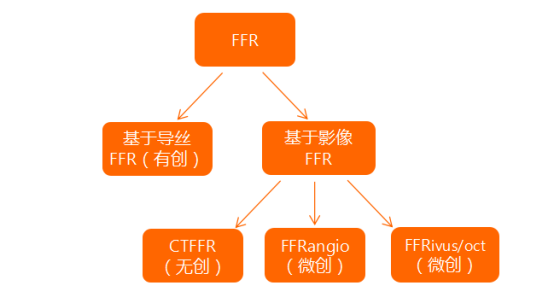
Image source: VCBeat
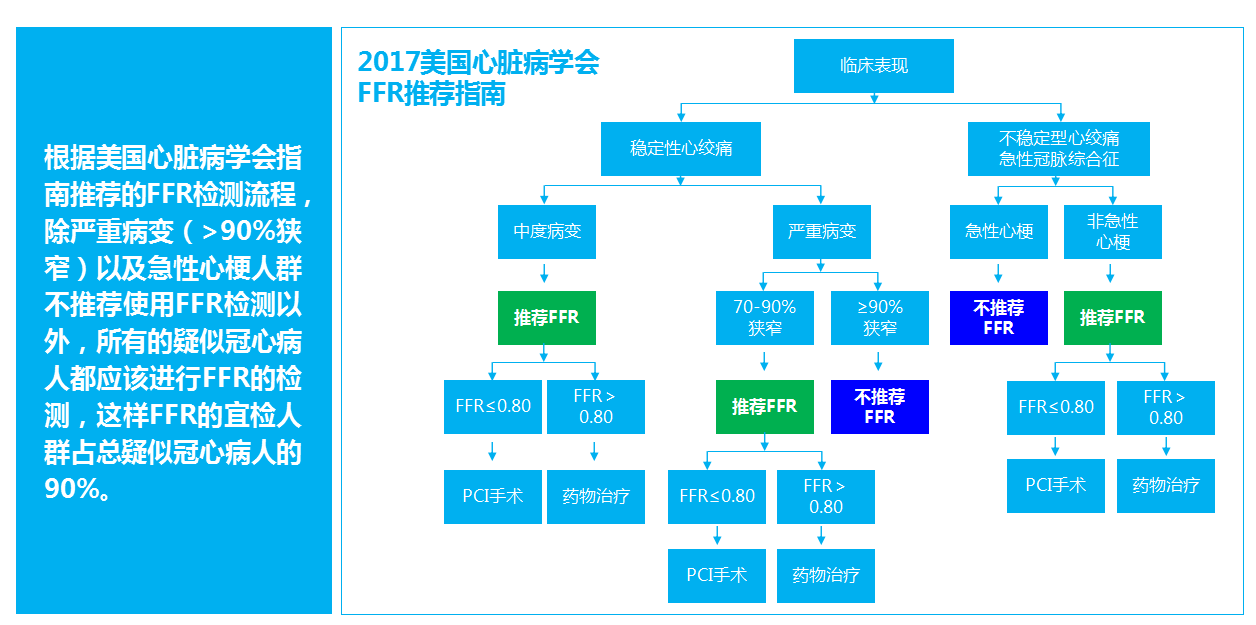
In the United States, FFR has been incorporated into clinical practice guidelines for the diagnosis and treatment of coronary artery disease. Data from a study published in 2014 in the Journal of the American College of Cardiology indicated that CT-FFR had a higher diagnostic accuracy (86%) than invasive coronary angiography (65%). Compared with coronary CTA (60%), CT-FFR demonstrated significantly improved specificity. When the FFR value is ≤0.8, percutaneous coronary intervention (PCI) is indicated; when the FFR value is >0.8, medical therapy may be employed. Therefore, physicians can scientifically plan treatment strategies for coronary artery disease based on FFR values.
Figure 2. AHA Guideline-Recommended FFR Testing Algorithm
Source: American College of Cardiology Website
1.2 Market Roles
An industry mainly includesUsers, Beneficiaries, Providers, Supporters, and Collaborators: Five RolesThe five roles have clearly defined functional positioning, complement each other, and jointly drive industry development. The functional positioning of the five roles is as follows:
User: The entity that uses the product and provides related services to beneficiaries;
Beneficiary: The entity that receives products or services;
Provider: The entity that provides products or services to users or beneficiaries;
Supporters: An entity that provides raw materials and technical services to providers, assisting them in completing the production of products or services;
Collaborators: Entities that facilitate product access to users or beneficiaries.
The business models of imaging-based FFR companies can be categorized into the in-hospital independent model, the in-hospital collaborative model, and the third-party imaging FFR testing center model. Under different business models, the relationships among market participants also vary.
(1) In-Hospital Independent Mode
Imaging FFR companies sell the entire system directly to hospitals, which pay for the system and then provide testing services to patients.
Figure 3 Market Role Relationship Diagram for the In-Hospital Standalone Model
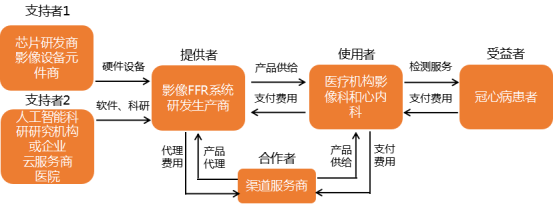
Image source: VCBeat
Users of Imaging FFR:The Hospital's Department of Radiology and Department of Cardiology, primarily including the hospital's radiology and cardiology departments, it provides FFR testing services for patients with coronary heart disease to conduct functional assessment of coronary stenosis.
Beneficiaries of Imaging-Based FFR:Patients with Coronary Heart Disease, According to the FFR testing process recommended by the American College of Cardiology guidelines, except for severe lesions (>90% stenosis) and patients with acute myocardial infarction who are not recommended for FFR testing, all suspected coronary heart disease patients should undergo FFR testing.
Providers of Imaging-Based FFR:Developer and Manufacturer of Imaging-Based FFR Systems, providing imaging FFR systems and post-installation maintenance services to the radiology and cardiology departments of medical institutions.
Supporters of Imaging-Based FFR:Hardware Service Providers and Software DevelopersHardware providers primarily supply chips and imaging equipment components, providing hardware support for imaging FFR enterprises. Software developers mainly include artificial intelligence research institutions or companies, chip manufacturers, cloud service providers, and hospitals. They conduct AI algorithm research, chip design, and provide cloud services. Meanwhile, hospitals leverage their abundant clinical resources to collaborate with imaging FFR enterprises on product development, ensuring the iterative upgrading of imaging FFR products.
Collaborators of Imaging FFR:Channel Service Provider, channel service providers offer channel agency services to manufacturers of imaging-based FFR systems, helping their products reach medical institutions. Imaging FFR companies primarily distribute their products through two channels: first, by directly supplying the products to medical institutions for use and charging fees; second, by distributing products through medical equipment channel service providers, leveraging the distributors’ market resources for product expansion.
(2) In-Hospital Collaboration Model
The hospital does not procure imaging-based FFR systems from enterprises. Instead, the enterprise collaborates with the hospital’s Department of Radiology or Cardiology to jointly establish an imaging-based FFR testing center within the hospital. Analysts are stationed on-site to provide FFR data analysis services, and the hospital either makes a one-time purchase of the service or pays per patient tested.
Figure 4 Market Role Relationship Diagram of In-Hospital Collaboration Models
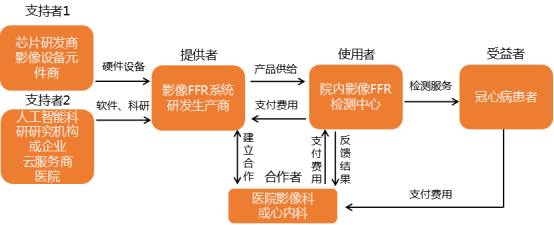
Image source: VCBeat.
In this mode, there are changes in the users and collaborators.The users of the imaging FFR system are the imaging FFR testing centers jointly established within hospitals by imaging FFR companies and hospital departments of radiology or cardiology.. The hospital’s radiology or cardiology department transitions from a user to a collaborator, facilitating the adoption of imaging-based FFR systems in hospitals. Hospitals may opt for a buyout service model, charging patients directly, or pay the center on a per-test basis.
(3) Third-Party Imaging FFR Testing Center Model
Unlike the in-hospital collaboration model, third-party imaging FFR testing centers provide FFR testing services to hospital radiology and cardiology departments, third-party medical imaging centers, and health checkup institutions, charging service fees for the tests. Imaging FFR companies generate revenue by selling their systems to these third-party imaging FFR testing centers.
Figure 5 Market Role Relationship Diagram for the Third-Party Imaging FFR Testing Center Model
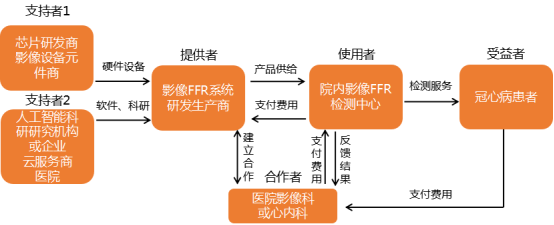
Image source: VCBeat.
In this mode,The user is a third-party imaging-based FFR testing center. As an independent third-party medical service provider, it can simultaneously provide FFR testing services to hospital radiology and cardiology departments, third-party medical imaging centers, and health examination institutions.. Meanwhile, these institutions have also become collaborators by providing CT scan services to patients and transmitting the relevant data to third-party imaging FFR testing centers, thereby indirectly offering imaging FFR testing services to patients.
According to market research, the in-hospital collaboration model currently dominates, as the entire imaging FFR industry is still in its early stages, with inadequate market education and supporting policies.In China, imaging-based FFR testing has not yet been widely included in the schedule of reimbursable medical services. Companies specializing in imaging-based FFR primarily provide their services through collaborations with hospital radiology or cardiology departments.. In the future, as the market gradually matures and supporting policies are improved—for example, the Beijing Municipal Health Commission has approved the inclusion of quantitative flow ratio (QFR) examination in the medical service fee schedule (RMB 3,800 per procedure)—the business models of companies specializing in image-based fractional flow reserve (FFR) will diversify.
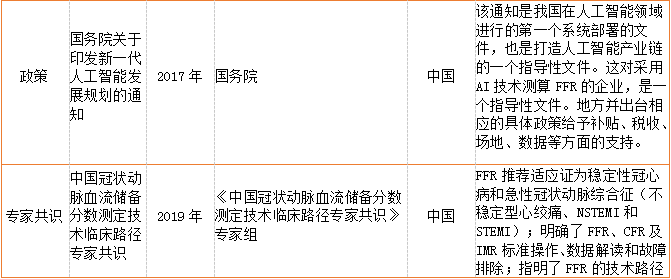
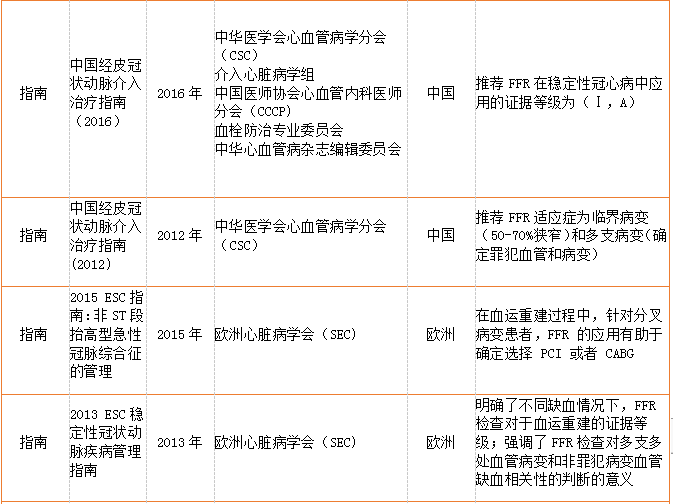
In accordance with China’s policies encouraging medical devices and domestic and international FFR guidelines,The state actively encourages the market launch and clinical application of imaging-based FFR products, which will significantly increase the adoption rate of FFR testing. It is projected that within two years after 2020, three to five companies will obtain Class III registration certificates from the National Medical Products Administration (NMPA) for their imaging-based FFR products.。
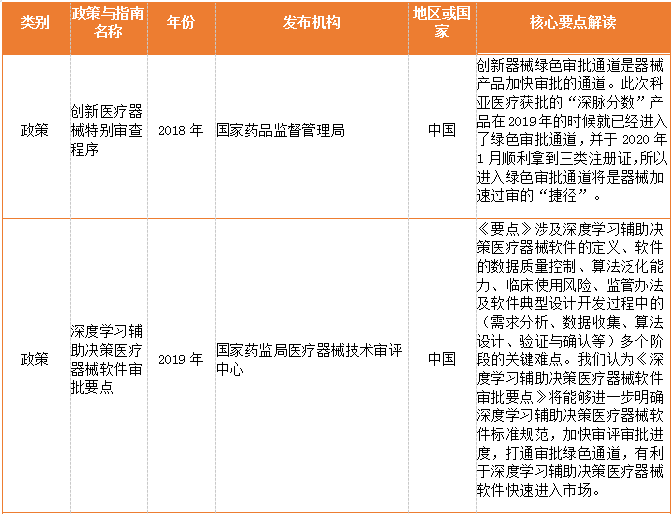
VCBeat has compiled relevant domestic policies and clinical guidelines on FFR from both China and abroad, and provided an interpretation of the related content.
Table 1. List of FFR-Related Policies and Medical Guidelines
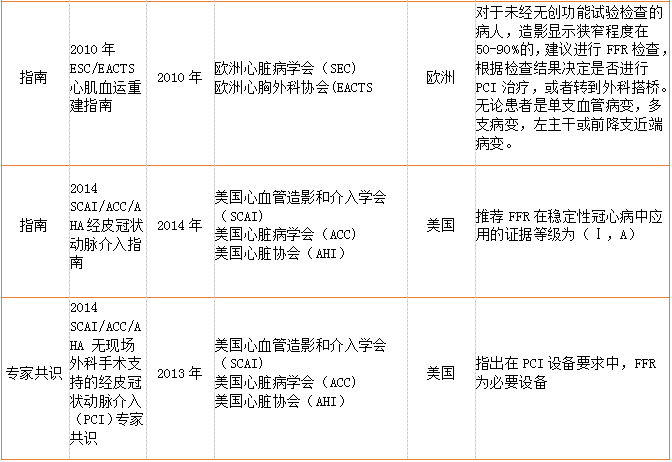
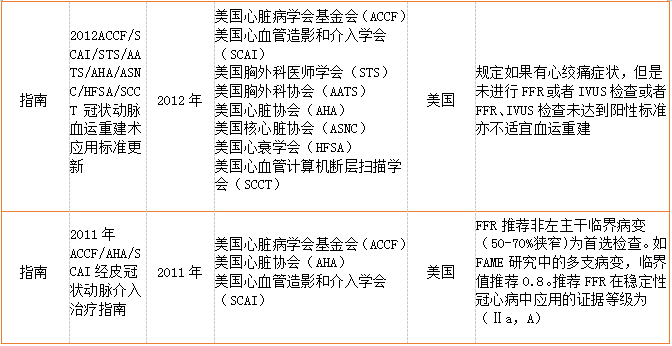
Source: Compiled from public information
In light of regulatory policies and corporate development strategies, VCBeat has learned that, influenced by Keya Medical’s approval, multiple companies will accelerate the regulatory approval of their imaging-based FFR products in 2020.Within two years after 2020, three to five companies will obtain NMPA Class III registration certificates for their imaging-based FFR products.
"Published in 2019, the "Expert Consensus on the Clinical Pathway for Measurement of Coronary Flow Fractional Reserve in China》Specific recommendations for the use of FFR in stable coronary artery disease and acute coronary syndrome. However, due to the invasive nature of pressure wire measurements, which carry certain risks, and the relatively high cost of pressure wires, the utilization of FFR remains relatively low in China.
Imaging-based FFR products with non-invasive characteristics are well-positioned to address this issue. The National Medical Products Administration’s evaluation of Keya Medical’s “Coronary Flow Reserve Fraction Calculation Software” states that the product employs non-invasive technology,It can reduce unnecessary coronary angiography, avoid unwarranted interventional procedures, lower costs, alleviate patient suffering, and facilitate early diagnosis, thereby yielding significant economic and social benefits.。
Professor Zhou Yujie, Vice President of Beijing Anzhen Hospital, Capital Medical University, and National Committee Member of the Chinese Society of Cardiology, Chinese Medical AssociationIt was stated that FFR measurement based on imaging can provide highly reliable assistance, helping physicians identify patients who are unlikely to benefit from PCI, thereby reducing unnecessary invasive ICA examinations, lowering patient costs, and alleviating procedural pain.
Professor Hou Jiangtao, Faculty of Medicine, The Chinese University of Hong KongIt has been stated that imaging-based fractional flow reserve (FFR) requires neither vasodilator drugs nor pressure wires and equipment. More importantly, it can be performed non-invasively or minimally invasively, significantly reducing patient pain during the procedure and effectively alleviating anxiety. Imaging-based FFR can guide percutaneous coronary intervention (PCI), reduce unnecessary diagnostic coronary angiographies and stent placements, and effectively avoid complications associated with invasive FFR, such as coronary artery spasm and perforation. Furthermore, in the treatment of multivessel disease, it provides a basis for selecting target lesions and assessing the benefits of revascularization.
Academician Chen Yazhu, Member of the Chinese Academy of Engineering, Professor at Shanghai Jiao Tong University, and Director of the Institute of Biomedical Instrumentation at Shanghai Jiao Tong UniversityIt has also been stated that cardiovascular disease is one of the leading causes of death. Therefore, developing innovative technologies and domestic brands with independent intellectual property rights, and achieving leapfrog development through “overtaking on a bend” or “changing lanes to overtake,” should be the goal of Chinese researchers and domestic enterprises. The clinical application of QFR technology is expected to make the diagnosis and treatment of cardiovascular diseases more rational, accurate, and cost-effective.
VCBeat believes that,The launch of imaging-based FFR products will significantly increase the adoption rate of FFR testing in China.。
Over the past decade, FFR measurement based on coronary CTA has been the primary research focus in imaging-based FFR. Judging from industrial trends reflected by patent filings, China is certain to see the emergence of a similarHeartFlowSuch imaging FFR unicorns.
3.1 Papers: Over the past decade, FFR measurement based on coronary CTA has been the primary research focus of imaging-based FFR
Figure 6. Annual Global Publication Volume of Papers on Imaging-Based FFR
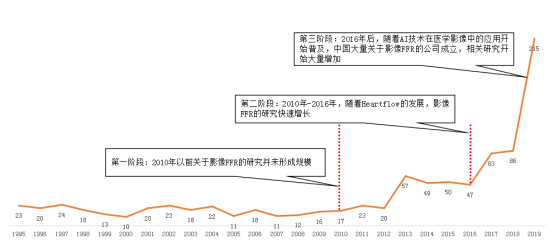
Note: The keywords used for literature search were CTFFR, FFRangio, FFRvius/oct, and their corresponding full English names.Data source: PubMed
VCBeat Institute has reviewed 906 research papers on image-based FFR worldwide. Based on the data, research on image-based FFR can be divided into three phases:
The first phase (1995–2010) was the basic research stage, during which research on imaging-based FFR had not yet reached scale and was limited to laboratory studies.
The second phase (2010–2016) was a period of rapid growth. In 2010, with the business development of HeartFlow, imaging-based FFR testing shifted from invasive to non-invasive approaches, leading to a significant increase in research on imaging-based FFR.
The third phase (2016–2019) was the industrialization stage. The integration of artificial intelligence with fluid dynamics accelerated the rapid development of imaging-based FFR, and the success of HeartFlow spurred the emergence of numerous related companies around 2016.
Figure 7 R&D Keywords in the Field of Imaging-Based FFR, 2016–2019
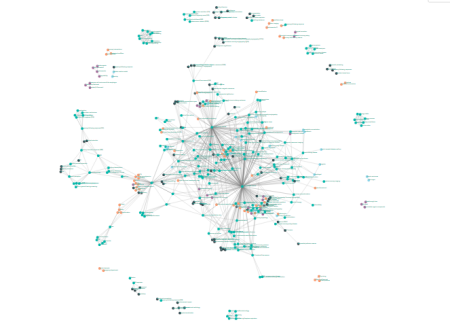
Data source: PubMed
Table 2 Top 10 Keywords in Imaging-Based FFR Research, 2010–2016
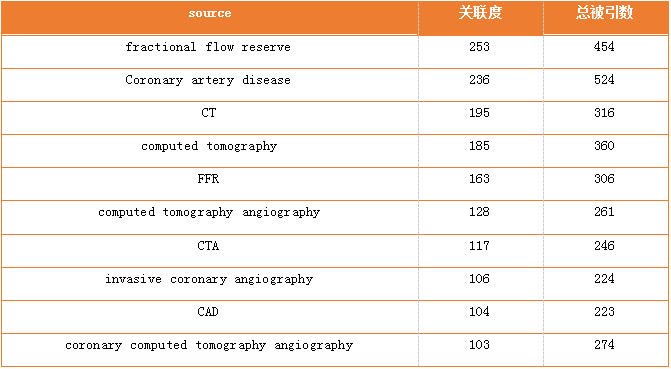
Data source: PubMed
Table 3 Top 10 Keywords in Image-Based FFR Research, 2016–2019
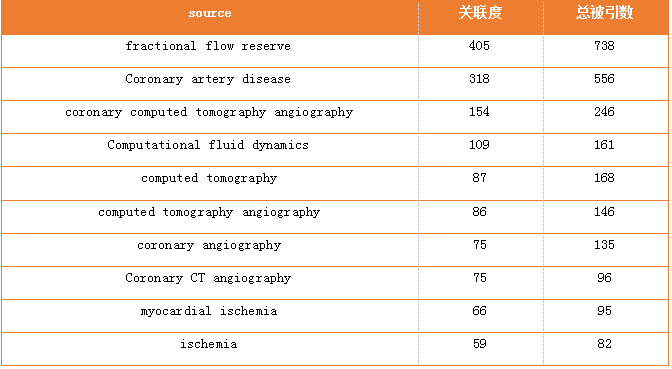
Data source: PubMed
VCBeat Research Institute organized the keywords from 1,086 papers on imaging-based fractional flow reserve (FFR), and filtered them by publication date and citation count, revealing that there are three methods for detecting FFR:
CTFFR: Calculate FFR based on 3D organ reconstruction from CT images;
FFRangio: Calculating FFR through 3D reconstruction from coronary angiography images;
FFRivus/oct: Calculate FFR based on IVUS or OCT imaging.
Detection of FFR based on coronary CTA images derived from CT scans has been the primary research focus over the past decade, and most future product types will also be based on this approach.。
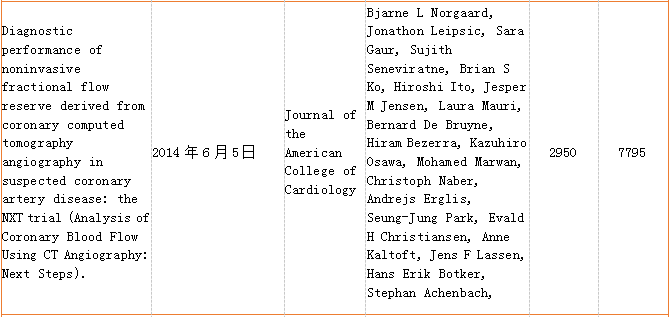
Table 4. Five Landmark Foundational Papers in the Field of Imaging-Based FFR, 2010–2019
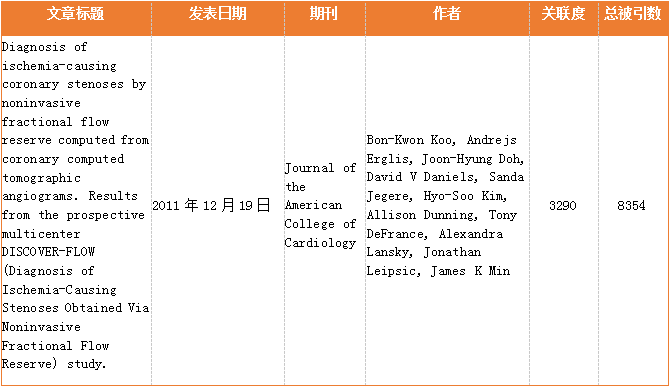
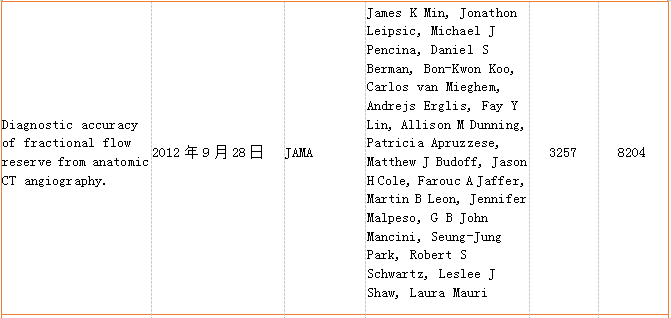

Data Source: PubMed
Based on paper data, VCBeat Institute analyzed the significance of all FFR-related publications from 2016 to 2019. By evaluating citation counts, impact, and inter-paper citation relationships, it identified the top ten foundational papers on imaging-based FFR globally. Among these, the paper “Diagnosis of ischemia-causing coronary stenoses by noninvasive fractional flow reserve computed from coronary computed tomographic angiograms. Results from the prospective multicenter DISCOVER-FLOW (Diagnosis of Ischemia-Causing Stenoses Obtained Via Noninvasive Fractional Flow Reserve) study,” authored by Bon-Kwon Koo and Andrejs Erglis, and the paper “Diagnostic accuracy of fractional flow reserve from anatomic CT angiography,” authored by James K Min and Jonathon Leipsic, have each been cited more than 8,000 times.
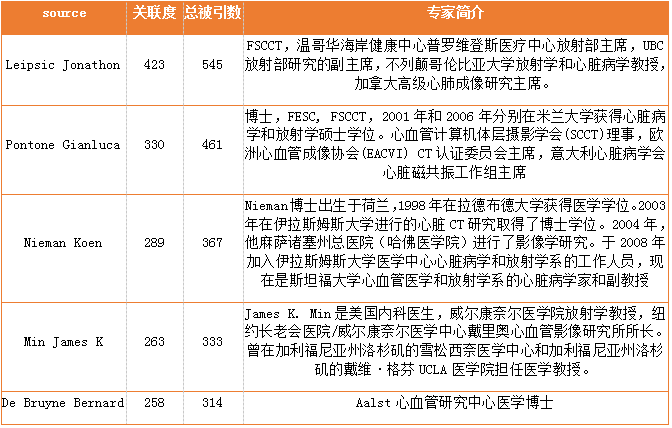
Table 5. Lead Authors of the Top Five Global Publications on Imaging-Based FFR
Data Sources: PubMed, VCBeat Knowledge Base
Based on the relevance and citation counts of related papers, VCBeat has identified the lead authors of the five major papers in the field of image-based FFR.They are from the United States, Canada, Belgium, Italy, and other countries.Currently, no domestic experts rank among the top ten in terms of citation counts for their publications. Although the United States has multiple experts in this field, there is no phenomenon of all experts being concentrated in the U.S. Overall, experts in the field of image-based FFR are relatively evenly distributed globally.
In addition, VCBeat has observed that among the five principal authors, the first two, Jonathon Leipsic and Gianluca Pontone, are both members of the Society of Cardiovascular Computed Tomography (SCCT). Established in the United States in 2005, SCCT is an unofficial, non-profit international academic organization founded by renowned experts in the field of cardiovascular CT from Europe and the United States, and it stands as the most authoritative academic institution in the field of cardiovascular CT globally.
In China, the SCCT China-IRC was established on February 26, 2013.The Committee Chair is Professor Yang Li from the Chinese PLA General Hospital, and the Co-Chair is Professor Lü Bin from the National Center for Cardiovascular Diseases / Fuwai Hospital, Chinese Academy of Medical Sciences.. The association’s members and directors will constitute a key group of experts in the fields of imaging-based FFR and cardiovascular medicine.
In addition, led by Chinese experts,FAVOR III ChinaThis study is the largest randomized controlled clinical trial in the history of all FFR domains (including FFR and imaging-based FFR) worldwide. It is precisely because of this trial that Chinese experts have been propelled to the forefront of the global industry.
The FAVOR III China study was initiated by Fuwai Hospital, Chinese Academy of Medical Sciences,Professor Qiao Shubin, Director of the Center for Coronary Heart Disease and Director of the Second Ward of Coronary Heart Disease at Fuwai Hospital, and Professor Xu Bo, Director of the Interventional Catheterization Laboratory at Fuwai HospitalServed as the Principal Investigator (PI) for a study investigating the long-term benefits and health economic outcomes of QFR-guided PCI in patients. (Enrollment of 3,830 patients has been completed to date.)
3.2 Patents: In 2019, the number of patents in the field of image-based FFR in China was basically on par with the total number abroad
VCBeat compiled and analyzed 2,911 international imaging-based FFR datasets from 2019 and earlier, along with 196 publicly available domestic imaging-based FFR datasets.
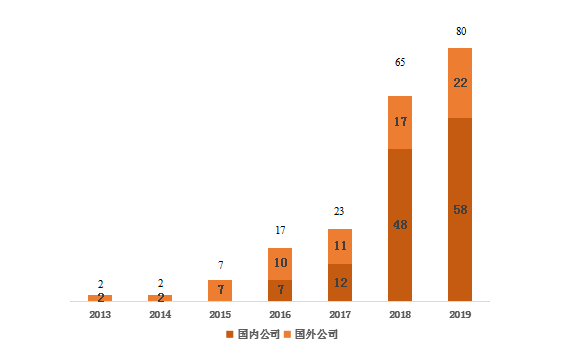
Figure 8. Patent Publication Status of Image-Based FFR in China
Data source: VCBeat Knowledge Base
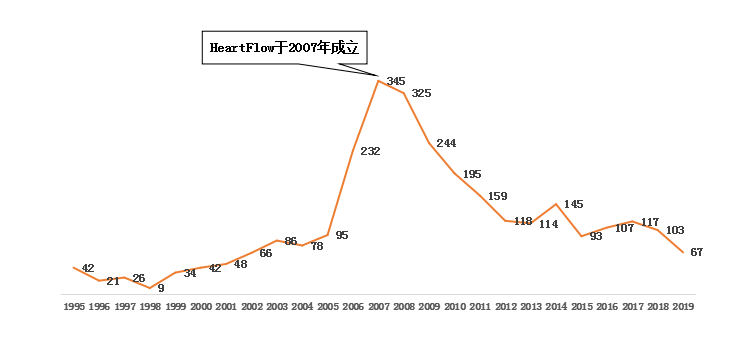
Figure 9 Patent Publication Status of Overseas Image-Based FFR
Source: VCBeat Knowledge Base
Note: The published patent data for image-based FFR in China is based on the number of patent applications filed by domestic companies engaged in this business and foreign companies in China. Patents from universities, hospitals, and research institutes are not included, and patents related to invasive FFR have been excluded from the statistics.
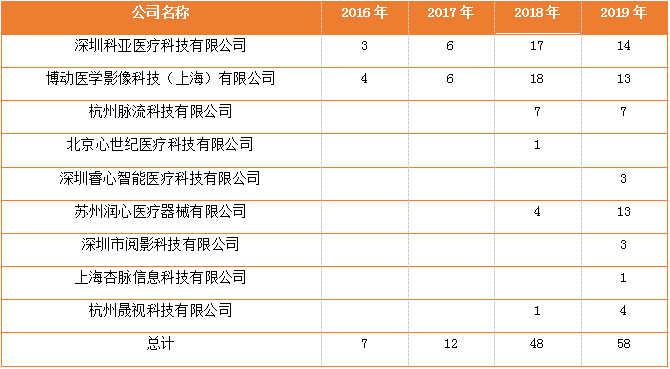
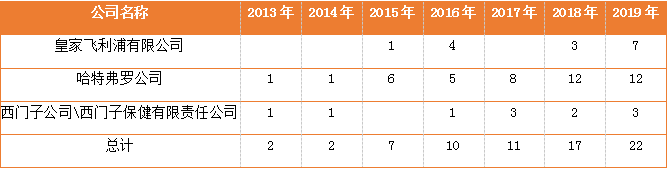
VCBeat Research Institute found that overseas patent applications peaked in 2007, followed by a gradual decline. This trend is primarily attributed to HeartFlow, the leading company in image-based FFR, which was founded in 2007 and filed numerous patents around its inception. Statistics show that as of January 2020, HeartFlow had filed 217 patents, surpassing the total number of patent applications filed by all Chinese companies engaged in image-based FFR.
As can be seen from the figure, the number of domestic patent applications has grown rapidly since 2016, while the number of foreign patent applications has begun to decline,In 2019, the number of patents in China’s imaging-based FFR field was already roughly on par with the combined total from all other countries.
Table 6 Patent Applications for Image-Based FFR Filed by Major Domestic Companies in China
Source: VCBeat Knowledge Base
Table 7 Patent Applications for Imaging-Based FFR by Major Foreign Companies in China
Source: VCBeat Knowledge Base
Research by VCBeat Institute reveals that the primary applicants for imaging-based FFR patents abroad are dominated by imaging equipment giants and leading companies in the imaging FFR sector. Philips and Siemens, with their years of deep engagement in the imaging field, possess substantial technological expertise. Meanwhile, HeartFlow, which specializes in the imaging FFR domain, has filed numerous patents to establish technical barriers.
Domestic companies are primarily represented by emerging image-based FFR enterprises, which mainly rely on technical teams and R&D investment to enhance R&D output. Domestic companies filed patent applications three years later than their foreign counterparts.Against the backdrop of overseas patent applications from 2005 to 2007, China is poised to see the emergence of an imaging FFR unicorn similar to HeartFlow within the next two years.。
3.3 Approval: Imaging-based FFR to Enter Market Validation Phase in 2020
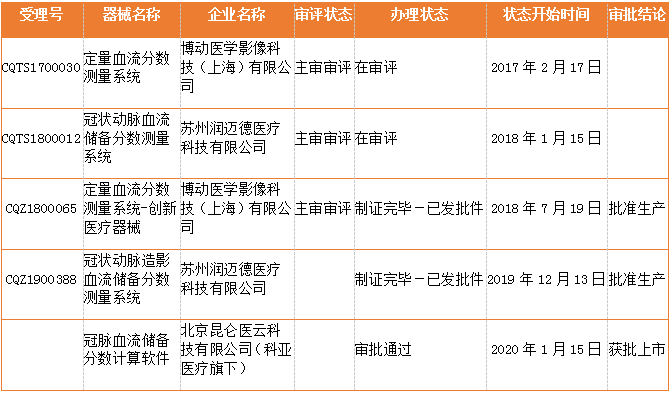
Currently, there are only five products in the market with dynamic results for fractional flow reserve (FFR) device registration applications, which belong to Pulse Medical Imaging Technology (Shanghai) Co., Ltd., Suzhou Runmai De Medical Technology Co., Ltd., and Keya Medical.
Among these five application projects, the Quantitative Flow Ratio (QFR) Measurement System – Innovative Medical Device (Pulse Medical Imaging Technology (Shanghai) Co., Ltd.) and the Coronary Angiography-based Fractional Flow Reserve (FFR) Measurement System (Suzhou Runmai De Medical Technology Co., Ltd.) have obtained Class III medical device registration certificates and production approval licenses; however, their products are not classified as medical AI products. Keya Medical’s product is based on non-invasive CT to detect FFR values, whereas the products from the other two companies are based on minimally invasive coronary angiography to detect FFR values.
On January 15, 2020, “DeepVessel Fraction®” obtained the first Class III medical device registration certificate for artificial intelligence from the National Medical Products Administration (NMPA), and was approved for clinical application.
As the world’s first non-invasive functional assessment product for coronary arteries fully based on deep neural networks, DeepVessel FFR® is the first AI-based medical product to enter the National Medical Products Administration (NMPA) Green Channel for Innovative Medical Device Approval. Currently, no similar products are registered and marketed in China, while only one comparable product is available in the United States. Compared with its international counterparts, DeepVessel FFR® demonstrates internationally leading performance across all key metrics.
As the first artificial intelligence medical device product in China to receive NMPA Class III certification, DeepVessel FFR® has achieved world-leading performance across all technical indicators. Results from a prospective, multicenter clinical trial led by Professor Zhou Yujie of Beijing Anzhen Hospital, Capital Medical University, demonstrated that DeepVessel FFR® surpasses comparable international products in accuracy, key metrics, computational speed, and turnaround time for result generation. Notably, the time required to generate results was reduced from 3–8 hours for competing foreign products to under 10 minutes. The product obtained EU CE certification in 2018 and has been successfully deployed in more than ten countries overseas, including those in Europe and Southeast Asia.
Table 8 Approval Status of Domestic Imaging-Based FFR Products
Data source: NMPA, compiled by VCBeat.
Note: Suzhou Runmaide Medical Technology Co., Ltd. is a wholly-owned subsidiary of Suzhou Runxin Medical Devices Co., Ltd.
Currently, the domestic market for imaging-based fractional flow reserve (FFR) is still in its early stages, with most companies yet to achieve profitability and product penetration remaining low. However, driven by technological innovation, policy improvements, and market demand, the imaging FFR market holds significant growth potential. The market size is expected to reach RMB 1.5 billion by 2025, while innovations in service models and the involvement of insurance providers will further expand the market space.
4.1 Market Size: The potential market size in 2025 is projected to reach RMB 1.5 billion
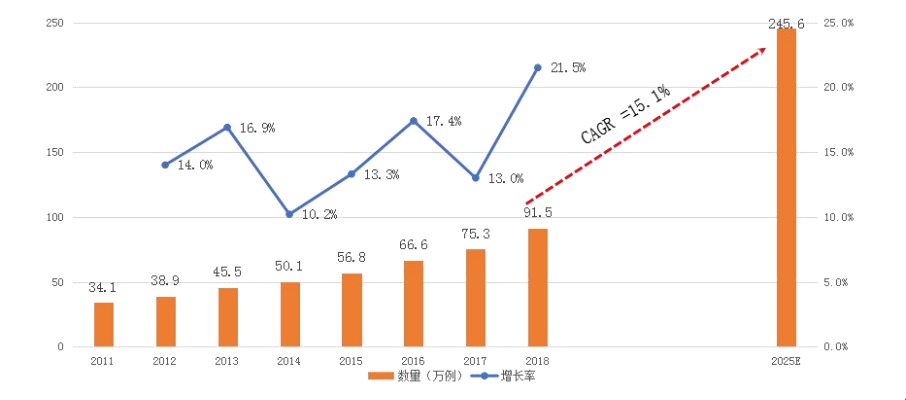
In 2018, the number of percutaneous coronary intervention (PCI) procedures in China reached 915,000. The year-on-year growth rates of PCI volume indicate an overall upward trend, suggesting a continuous increase in the number of patients with coronary heart disease in China. From 2011 to 2018, the compound annual growth rate (CAGR) of PCI procedures was 15.1%. Based on this trend, the number of PCI procedures in China is projected to reach 2.456 million by 2025.
Figure 10. PCI Procedure Volume in China, 2011–2025
Source: National Center for Cardiovascular Diseases, compiled by VCBeat
Market research indicates that the cost of image-based FFR testing per patient ranges from RMB 2,000 to 3,000. With increasing adoption by hospitals, the penetration rate of image-based FFR testing prior to PCI is projected to exceed 20% by 2025, at which point the maximum market size for image-based FFR is expected to surpass RMB 1.5 billion.
According to another calculation method,In the United States, approximately 3 million coronary CT angiography (CCTA) examinations are performed annually. In 2018, HeartFlow’s image-based fractional flow reserve (FFR) tests accounted for around 50,000 cases, representing a penetration rate of approximately 2%. In China, there are 10 million CCTA examinations conducted each year. With an estimated price of RMB 3,000 per image-based FFR test and assuming a 2% penetration rate, the current potential market size for image-based FFR in China is calculated as 10 million × 2% × RMB 3,000, totaling RMB 600 million. Assuming a 20% growth rate in penetration, the market size is projected to reach RMB 1.5 billion by 2025.。
4.2 Industry Landscape
Figure 11 Industry Landscape of Imaging-Based FFR
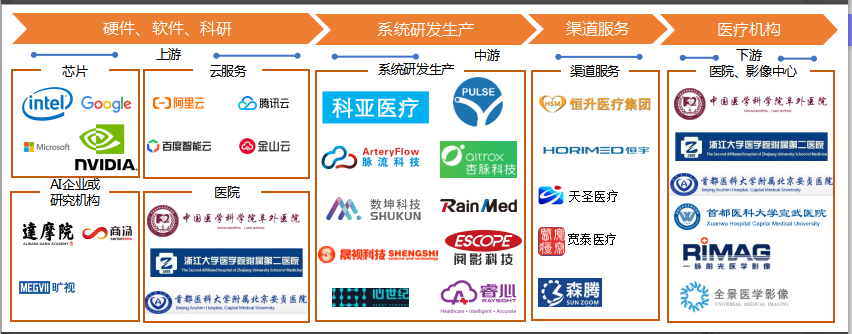
Note: Only a partial list of companies is shown; the ranking is not in any particular order. Image source: VCBeat
The upstream of the image-based FFR industry includes hardware manufacturers, software developers, AI companies or research institutions, and hospitals; the midstream comprises R&D and manufacturing enterprises for image-based FFR systems as well as channel service providers; the downstream consists of various medical institutions, primarily users of image-based FFR systems.
Hardware Chips + Cloud Services + AI Core Algorithms EnterpriseChip manufacturers represented by Intel and NVIDIA, cloud service providers represented by Alibaba Cloud, and artificial intelligence enterprises represented by DAMO Academy provide chips, cloud services, and algorithmic support to imaging-based FFR companies. Furthermore, Grade A tertiary hospitals, such as Fuwai Hospital and Anzhen Hospital, collaborate with imaging-based FFR companies to jointly develop and optimize their products.
Developer and Manufacturer of Imaging-Based FFR Systems: Represented by Keya Medical, Bocardio Medical Imaging, and PulseFlow Technology, developers and manufacturers of imaging-based FFR systems,The development and production of imaging-based FFR systems are primarily based on different technologies and data. Currently, only a few products have been approved for market launch (such as DeepVessel FFR®), while most products are still in clinical trials or the R&D stage.。
Channel Service Provider: Leveraging its nationwide or regional market resources, it provides marketing promotion services for R&D and manufacturing enterprises of imaging-based FFR systems, enabling their products to reach more hospitals, third-party medical imaging centers, and other healthcare institutions.
Hospitals and Other Medical Service Institutions: As market education for imaging-based FFR systems advances, some hospitals in China have begun adopting these systems, including Fuwai Hospital, the Second Affiliated Hospital of Zhejiang University School of Medicine, Anzhen Hospital, and Xuanwu Hospital. Currently, FFR testing services are not yet widely included in hospitals’ publicly listed fee schedules. Companies primarily collaborate with hospital departments or provide the systems to hospitals on a usage basis, with hospitals paying fees per patient examined.
4.3 Market Maturity: The Imaging FFR Market Is in Its Early Stages
Overall, the image-based FFR market is still in its early stages, as reflected in the following three aspects:
(1)Profitability
According to corporate survey data, 11 domestic companies specializing in image-based FFR were not yet profitable (as of December 2019). This is primarily because most of their products were still in the R&D and validation phase, had not entered the market for sales, and thus had not generated any revenue.
(2)Cooperation Status
In China, the number of partner hospitals for companies offering imaging-based FFR solutions generally ranges in the tens. The leaders are Pulse Medical Imaging and Keya Medical, with approximately 300 and 200 partner clients, respectively. As of December 2018, there were 2,548 tertiary hospitals and 9,017 secondary hospitals nationwide. These more than 10,000 hospitals represent the first wave of potential customers for non-invasive FFR. Consequently, the overall industry penetration rate remains very low, at less than 5%.
Table 9 External Collaborations of Imaging FFR Companies
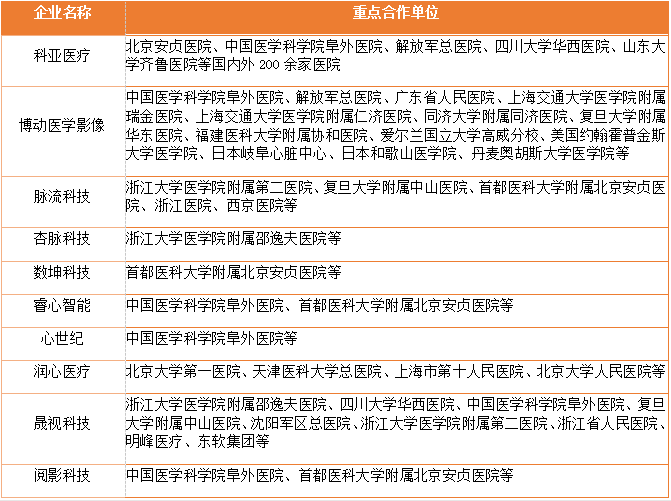
Source: Corporate surveys, VCBeat (as of December 2019)
(3) Overall Industry Financing Conditions
According to VCBeat’s engagement with 11 innovative companies in the field of image-based FFR, these enterprises are generally still at the angel or Series A funding stages, with only two having reached Series B or beyond. Overall, industry financing remains in its early stages.
To further illustrate the development of domestic image-based FFR enterprises, VCBeat conducted an inventory of products from 11 companies, covering product names, development stages, and testing turnaround times.
Table 10 Basic Information on Products of Domestic Image-based FFR Companies
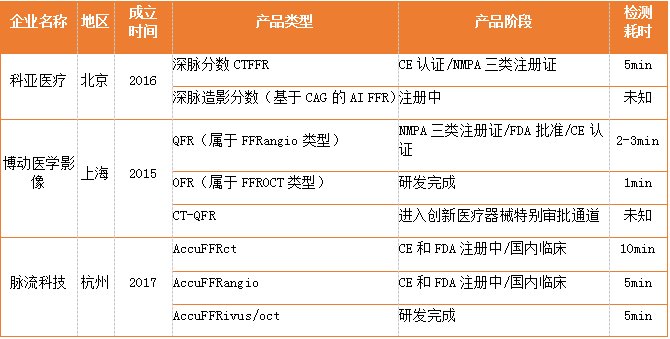
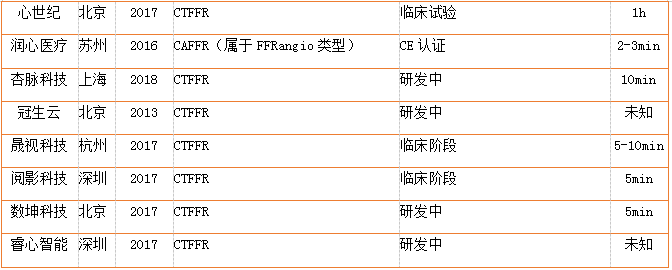
Data Source: VCBeat, VCBeat Research Institute
A total of 16 products from 11 companies. Due to its advantages such as high accuracy, non-invasiveness, and no need for contrast agents, image-based FFR has become a key focus of R&D for these companies; therefore,It is predicted that image-based FFR will become the mainstream product in the FFR market.。
FromProduct SubcategoriesCurrently, the market primarily comprises three major categories: CT-FFR, FFRangio, and FFR derived from IVUS/OCT. Among these, CT-FFR has the largest number of products, with 12 in total. The main differences among the three categories lie in their data sources and computational methods. CT-FFR performs three-dimensional reconstruction of vessels based on CT images; FFRangio calculates FFR through three-dimensional reconstruction using coronary angiography images; while the third category computes FFR based on intravascular ultrasound (IVUS) or optical coherence tomography (OCT) images.
FromProduct R&D PhaseAs shown, two products have successfully obtained registration in China: DeepVessel FFR by Keya Medical and QFR by Pulse Medical Imaging. In addition, there are five products currently in the clinical trial phase. With the support of regulatory review policies, more imaging-based FFR products are expected to enter the market in the future.
4.4 Future Development: Service Models and Medical Insurance Cost Control Create Development Opportunities
(1) Regional cloud-based services will become the future testing service model for imaging FFR companies
Currently, the primary service model adopted by companies offering imaging-based fractional flow reserve (FFR) solutions involves supplying their products to major medical institutions, which then perform FFR testing on patients with coronary artery disease. This model necessitates the deployment of a large number of devices and incurs high maintenance costs. At present, the adoption of this model is primarily driven by considerations such as data security and patient privacy.
In the future, with the advancement of data encryption technologies and the refinement of policies and regulations governing medical big data, image-based FFR service providers will adopt a regional cloud-based service model, achieving seamless integration with China’s tiered diagnosis and treatment system. Under this regional cloud-based service model, healthcare institutions at all levels or third-party imaging centers will upload standardized coronary CT data to regional image-based FFR testing centers. These centers will generate three-dimensional coronary artery models using high-performance computing, display both image-based FFR results and anatomical findings, and subsequently transmit the FFR analysis reports back to the healthcare institutions to support physicians’ clinical decision-making.
Meanwhile, under the tiered diagnosis and treatment system, tertiary hospitals can either receive FFR test results uploaded by lower-tier hospitals or directly access them from regional imaging FFR testing centers, thereby providing remote diagnostic services to improve diagnostic efficiency. It is evident that the regional cloud-based service model for FFR testing can reduce the number of devices required and lower operational costs, while leveraging the data processing capabilities of regional centers to accelerate the generation of test reports.
Figure 12. Schematic Diagram of Services Provided by Regional Imaging FFR Testing Centers under the Tiered Diagnosis and Treatment System
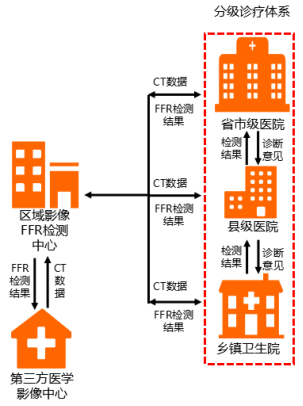
Image source: VCBeat
(2) Imaging-based FFR reduces treatment costs, aligning with health insurance cost-containment requirements
In terms of medical insurance reimbursement, FFR testing has not yet been included in China’s national medical insurance coverage list, and advancing this initiative is expected to take additional time.
The United States already has a mature insurance reimbursement model.U.S. image-based FFR companies have partnered with organizations such as UnitedHealthcare, enabling more than 235 million individuals covered by this insurer to access HeartFlow’s diagnostic technology. According to statistics from HeartFlow’s official website, HeartFlow Analysis has reduced unnecessary angiograms by 83%.Under the conventional care strategy, the average annual cost per patient was $12,145, whereas under the HeartFlow-guided strategy, the average cost was $8,127, reducing the total healthcare system cost by more than $4,000 per patient.。
Health insurance cost-containment efforts are intensifying, while percutaneous coronary intervention (PCI) accounts for the majority of treatment expenses for patients with coronary heart disease. Market research indicates that 910,000 PCI procedures are performed annually in China. According to the results of the PLATFORM study on the impact of CT-FFR on prognosis and resource utilization, presented at the 2015 European Society of Cardiology Congress,Among chest pain patients expected to undergo invasive treatment, the average 90-day cost for those assessed with CT-FFR was $7,343, compared with $10,734 for those undergoing diagnostic angiography. The former incurred $3,391 less in costs, representing a 31.6% reduction, which was statistically significant.。
VCBeat Research Institute believes that,The Application of Imaging-Based FFR Will Better Align with Healthcare Insurance Cost-Control Requirements, it will receive government attention in the future, potentially accelerating the inclusion of imaging-based FFR into the national medical insurance reimbursement list.
Investment and financing in the image-based FFR industry remain in an early stage, with a limited number of funding rounds; 71% of these rounds are concentrated at Series A or earlier. Image-based FFR companies should accelerate technological and service innovation to build market competitiveness through high-quality products and differentiated service models, thereby attracting capital interest.
As the number of patients with cardiovascular diseases increases, the state is placing greater emphasis on screening for this population. Coupled with the application of artificial intelligence technology in the imaging-based fractional flow reserve (FFR) sector, the industry holds significant development potential and has attracted considerable capital attention. VCBeat has compiled an overview of investment and financing activities in the imaging FFR industry.
Table 11 Investment and Financing Status of Domestic Imaging FFR Companies
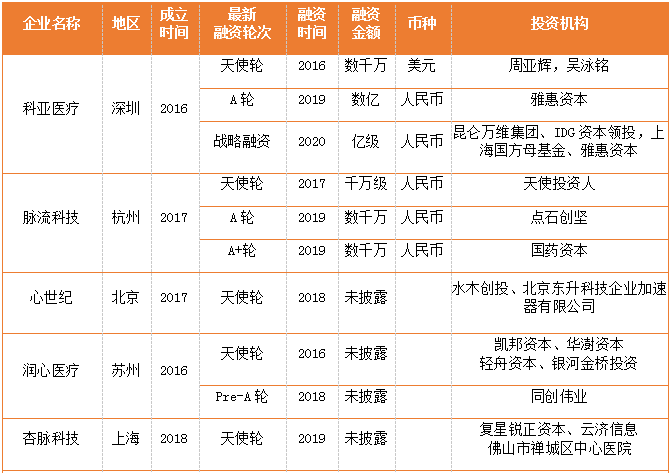
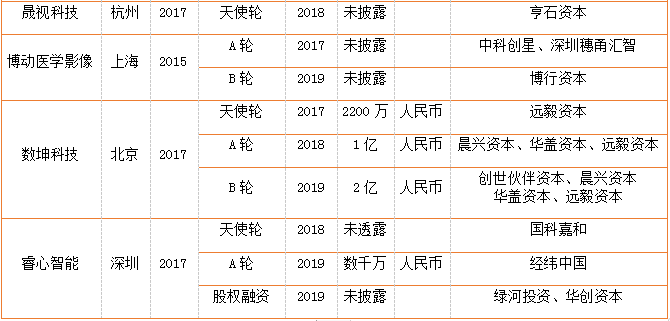
Note: Events with undisclosed financing rounds are not included in the statistics. Data source: VCBeat Knowledge Base
VCBeat has found that domestic capital began entering the imaging-based FFR industry in 2016. Over the past four years, a total of nine companies have completed 19 rounds of financing.
From the perspective of financing timeline distribution, there were 5 and 7 financing events in 2018 and 2019 respectively, accounting for 63% of the total number of financing events over the past four years. This was mainly because a large number of imaging-based FFR products entered clinical trial stages after 2018, with expectations of future regulatory approval and market launch, thereby attracting capital investment.
From the perspective of financing round distribution, angel rounds are the most numerous, with a total of 13 deals at Series A and earlier stages, accounting for 68%. The imaging-based FFR market is still in its early stages, and the industry's development prospects are highly uncertain, resulting in companies being at relatively early financing rounds. Among them, based on disclosed financing amounts, Shukun Technology received the highest funding, completing a RMB 200 million Series B round in 2019, bringing its cumulative financing to RMB 322 million.
Figure 13 Distribution of Financing Rounds for Domestic Imaging FFR Companies
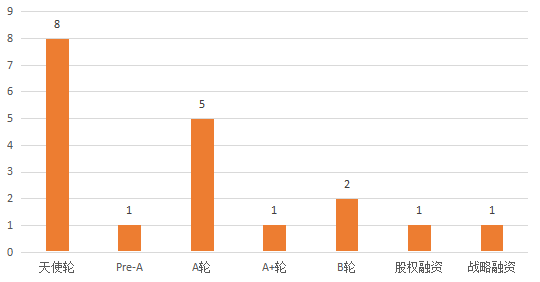
Source: VCBeat Knowledge Base
From the perspective of investment and financing in the image-based FFR industry, capital involvement is still in its early stages. This presents favorable financing prospects for image-based FFR companies. Enterprises should not only design robust business models but also increase R&D investment in their products, accelerate product registration and approval processes, and obtain market authorization as soon as possible. Meanwhile, they should strengthen market resource expansion and collaborate with more hospitals to lay the groundwork for product commercialization. By leveraging sound business models, high-quality products, and extensive market resources, these companies can attract the attention of investment institutions and secure financial support for their future development.
6.1 Keya Medical: The World’s First Fully Deep Neural Network-Based Non-Invasive Coronary Functional Assessment Product Approved by Both the NMPA and CE
(1) Basic Information
Date of Establishment: January 2016
Company Address: Shenzhen/Beijing
Company Profile: Developers and Service Providers of Medical AI Applications
(2) Core Team Information
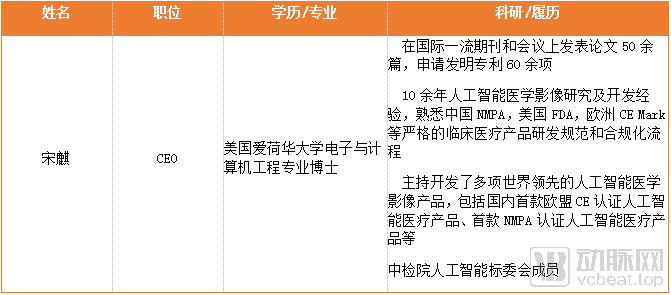
(3) Financing Information
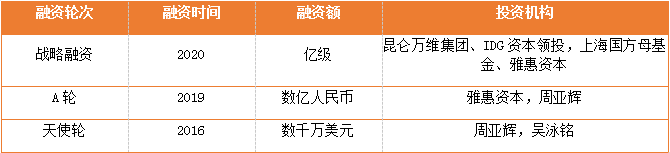
(4) Core Products
Product Name: Deep Vein Score
Product Description: This system leverages deep learning algorithms to achieve a technological breakthrough in non-invasive coronary functional assessment based on medical imaging data, thereby avoiding unnecessary coronary angiography and eliminating the need for pressure wires. It is the world’s first non-invasive coronary functional assessment product entirely based on artificial intelligence deep neural networks.
Scope of Application: This product is suitable for precise auxiliary diagnosis of suspected coronary heart disease in general population health checkups or high-risk screening, as well as auxiliary treatment for diagnosed patients.
Approval StatusOn January 15, 2020, DeepVessel FFR® obtained the first Class III medical device registration certificate for artificial intelligence issued by the National Medical Products Administration (NMPA), approving it for clinical application. As the world’s first non-invasive coronary functional assessment product entirely based on deep neural networks, DeepVessel FFR® was the first AI-based medical product to enter the NMPA’s green channel for innovative medical device approval. Currently, no comparable products are registered and marketed in China, while only one similar product is available in the United States. Compared with its international counterparts, DeepVessel FFR® demonstrates internationally leading performance across all key metrics. Additionally, the product has received European CE certification.
(5) Business Model
In-Hospital Model: Targeting benchmark-tier tertiary hospitals. Large-scale tertiary hospitals handle a high volume of patients, requiring rapid return of results to physicians, while also demanding stringent data privacy and security. Keya Medical establishes on-site AI diagnostic centers with analysts stationed at the hospitals to process cases.
Out-of-Hospital Model: Targeting medical institutions such as hospitals and health checkup centers that offer cardiac examination services. CTA images are transmitted via Keya’s PACS system to the AI Diagnostic Center for analysis. It is suitable for general population health screenings, high-risk population screening, precise auxiliary diagnosis for suspected patients, and assisted treatment for confirmed patients.
Third-Party Collaboration Model: Primarily targeting overseas clients. By collaborating with existing PACS system providers, healthcare information software vendors, and radiologist groups, AI-based image interpretation services are integrated into established reading workflows.
(6) Partner Institutions
Beijing Anzhen Hospital, Fuwai Hospital of the Chinese Academy of Medical Sciences, PLA General Hospital, West China Hospital of Sichuan University, Qilu Hospital of Shandong University, and more than 200 other hospitals in China and abroad
6.2 Pulsar Medical: Proprietary QFR Technology Included in Beijing’s Medical Service Fee Schedule
(1) Basic Information
Date of Establishment: September 2015
Company Address: Shanghai
Company Profile: Dedicated to the R&D, manufacturing, and clinical promotion of core technologies for precision diagnosis of cardiovascular diseases and artificial intelligence, it is a pioneer and industry leader in the field of image-based computational FFR globally.
(2) Core Team Information

(3) Financing Information

(4) Core Products
Product Name: QFR Series Products: QFR® System Based on Coronary Angiography, OFR® System Based on OCT Imaging, UFR® System Based on IVUS Imaging, and CT-QFR® System Based on CTA Imaging
Product Description: The QFR series, jointly developed by Pulse Medical Imaging Technology and Shanghai Jiao Tong University, utilizes intelligent segmentation and three-dimensional reconstruction of coronary angiography images, combined with computational fluid dynamics principles, to calculate pressure drop across stenotic lesions and fractional flow reserve (FFR). The OFR® system enables one-click rapid three-dimensional quantitative reconstruction based on optical coherence tomography (OCT), precise artificial intelligence-based virtual histology quantification of plaques, and FFR calculation. The UFR® system achieves one-click rapid three-dimensional quantitative reconstruction based on intravascular ultrasound (IVUS), precise AI-based plaque quantification, and FFR calculation. Both QFR® and OFR® technologies were included in the official textbook of the European Society of Cardiology (PCR-EAPCI) in 2019.
Scope of Application: Assists physicians in making precise diagnoses for patients with coronary heart disease, thereby determining whether stent implantation or bypass surgery is required, and aids in surgical planning and efficacy evaluation.
Clinical Validation: The QFR series of technologies has been the subject of more than 40 clinical studies published domestically and internationally, with the cumulative impact factor of the resulting publications exceeding 350. Three large-scale randomized controlled trials (RCTs) are currently underway, including the FAVOR III China study led by Fuwai Hospital, Chinese Academy of Medical Sciences; the FAVOR III Europe-Japan study led by Aarhus University Hospital in Denmark; and the FAVOR IV-QVAS study led by Ruijin Hospital in Shanghai. The findings from these studies are expected to provide robust evidence of the long-term benefits of the QFR series for cardiology and cardiac surgery patients, as well as their socioeconomic value in healthcare.
Approval Status: The Pulsar QFR® System received special approval as an “Innovative Medical Device” from the National Medical Products Administration (NMPA) in May 2017 and obtained the NMPA Class III medical device registration certificate in July 2018, becoming the world’s first wire-free FFR technology approved by the NMPA. Meanwhile, the QFR® algorithm, licensed to Medis B.V. in the Netherlands, has also obtained U.S. FDA clearance and EU CE certification. QFR® is currently the only wire-free FFR technology worldwide to have simultaneously obtained FDA, CE, and NMPA certifications. The OFR® System was included in the first batch of key R&D projects for digital diagnostic and therapeutic equipment under the Ministry of Science and Technology’s 13th Five-Year Plan and will enter the NMPA’s “Priority Review” pathway. The CT-QFR® System passed the NMPA’s special approval for “Innovative Medical Devices” in October 2019 and is expected to enter clinical application soon.
(5) Partner Institutions
Shanghai Jiao Tong University, Fuwai Hospital of the Chinese Academy of Medical Sciences, Chinese PLA General Hospital, Guangdong Provincial People's Hospital, Ruijin Hospital Affiliated to Shanghai Jiao Tong University School of Medicine, Renji Hospital Affiliated to Shanghai Jiao Tong University School of Medicine, Tongji Hospital Affiliated to Tongji University, Huadong Hospital Affiliated to Fudan University, Union Hospital Affiliated to Fujian Medical University, National University of Ireland Galway, Johns Hopkins University School of Medicine (USA), Gifu Heart Center (Japan), Wakayama Medical University (Japan), Aarhus University School of Medicine (Denmark), etc.
(6) Future Development
Conduct ongoing randomized controlled trials (RCTs) to further demonstrate the long-term patient benefits and health economic value of the technology, thereby facilitating its inclusion in clinical guidelines and quality control standards.
6.3 MaiLiu Technology: Early and comprehensive layout, establishing a product portfolio that covers the entire diagnostic and therapeutic workflow for cardiovascular and cerebrovascular diseases, including screening, identification, diagnosis, and surgical planning.
(1) Basic Information
Establishment Date: June 2017
Company Address: Hangzhou
Company Profile: A leader in intelligent diagnosis and treatment of cardiovascular and cerebrovascular diseases, its flagship product AccuFFR® won the 2019 ICI-CCI Best Innovation Award in the cardiovascular field.
(2) Core Team Information
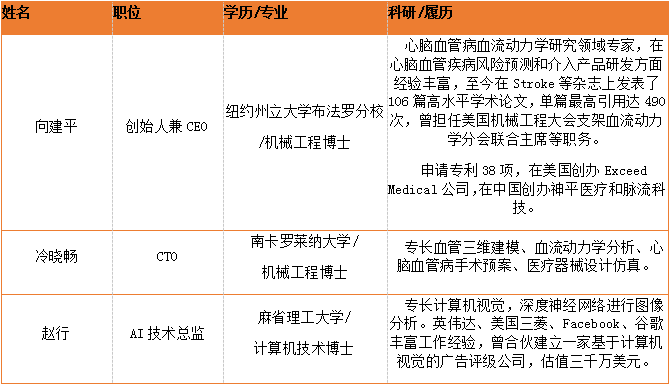
(3) Financing Information
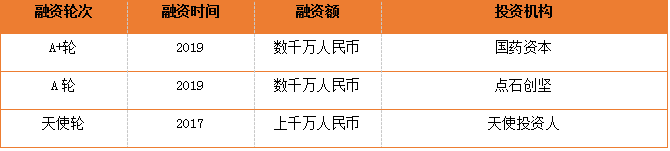
(4) Core Products
Product Name: AccuFFR® Series Products
Product Description: PulseFlow Technologies’ product line covers the entire diagnostic and therapeutic workflow for cardiovascular and cerebrovascular diseases, including screening, identification, diagnosis, and surgical planning. Currently, PulseFlow Technologies has launched the ArteryFlow® cloud platform, with products such as AccuFFR®ct (a non-invasive FFR analysis system for coronary CT), AccuFFR®angio (a wire-free FFR analysis system for coronary angiography), AccuFFR®ivus (an IVUS-based FFR analysis system), AneuFlow® (an auxiliary diagnostic system for cerebral aneurysms), and DeepECG® (an intelligent ECG analysis system) already developed and introduced into clinical application, and are now being promoted in the market. The AccuFFR®ct, a non-invasive FFR analysis system for coronary CT developed by PulseFlow Technologies, employs deep learning methods to automatically segment and extract images from coronary CT angiography. Based on the 3D structure reconstructed from coronary CTA, AccuFFR®ct utilizes proprietary intelligent computational fluid dynamics technology, completing blood flow calculations across the entire coronary tree within five minutes. Integrated with PulseFlow Technologies’ high-speed cloud platform, it achieves rapid and accurate non-invasive FFR computation. In addition, PulseFlow Technologies’ proprietary AccuFFR®ivus can simultaneously obtain functional indices during IVUS measurements. AccuFFR® received the 2019 ICI-CCI Best Innovation Award in the cardiovascular field.
Indications: Cardiovascular and cerebrovascular diseases.
Approval Status: Under CE marking in Europe and FDA registration in the United States; clinical trials ongoing in China.
(5) Partner Institutions: The Second Affiliated Hospital of Zhejiang University School of Medicine, Zhongshan Hospital Fudan University, Zhejiang Hospital, Huashan Hospital Fudan University, Beijing Tiantan Hospital Capital Medical University, Beijing Anzhen Hospital Capital Medical University, Renji Hospital Shanghai Jiao Tong University School of Medicine, Guangdong Provincial People's Hospital, GVI Center (USA), Mayo Clinic (USA), etc.
6.4 Rayheart Intelligence: The “Three Musketeers” from Top North American Universities Build Their Product Technology Moat with AI, Simulation, and Cloud Computing
(1) Basic Information
Establishment Date: December 2017
Company Address: Shenzhen
Company Profile: Developer of Intelligent Medical Platforms
(2) Core Team Information
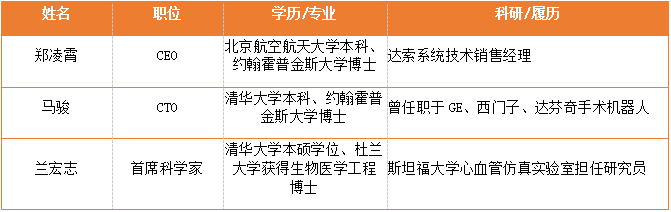
(3) Financing Information
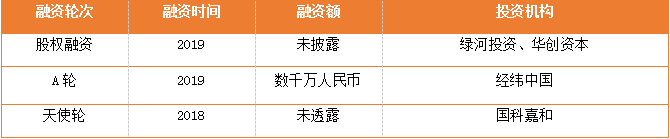
(4) Core Products
Product Name: Cardiovascular Blood Supply Function Assessment and Diagnostic Software
Product Description: This product requires only the patient’s cardiac CT images to accurately calculate the perfusion function at every location along each blood vessel and generate a diagnostic report. Based on this diagnostic report, physicians can determine medical management strategies, including medication regimens, whether to place stents, and where to position them. Around this product, Ruixin has also conducted a series of studies and validations on cardiovascular diseases, such as the relationship between cardiovascular stenosis and atherosclerosis, and how hemodynamic forces exerted by blood flow on the vessel wall influence the progression of vascular lesions.
Scope of Application: Unknown
Approval Status: Clinical Trial Phase
(5) Business Model
Ruixin CT-FFR provides cardiologists with the most critical cardiovascular functional parameters, offering a basis for diagnosis and treatment. Potential future business models may include service-based fees, packaged system licensing, and integration into CT scanners.
6.5 Xingmai Technology: Leveraging Fosun’s robust medical and insurance resources, the company can rapidly achieve commercialization upon product approval
(1) Basic Information
Establishment Date: February 2018
Company Address: Shanghai
Company Profile: As the first independently incubated medical artificial intelligence enterprise under Fosun, Xingmai Technology
(2) Core Team Information

(3) Financing Information

(4) Core Products
Product Name: Unknown
Product Description: Xingmai Technology has partnered with the Department of Radiology at Sir Run Run Shaw Hospital in Hangzhou to launch a collaborative project on its CT-FFR diagnostic product. By integrating DSA data with CTA imaging for model training, the project leverages deep learning, hemodynamics, and other multidisciplinary innovative approaches for in-depth research and development. Aligned with clinical needs and building upon the principles of computational fluid dynamics (CFD) simulation, the team has independently developed a fully automated mesh generation system and a proprietary CFD solver. This innovation reduces the processing time from the traditional 4–6 hours to just 10 minutes, eliminates the need for involvement by fluid dynamics engineers, and ensures high accuracy.
Scope of Application: Unknown
Approval Status: Under Review
(5) Partner Institutions
Sir Run Run Shaw Hospital, Zhejiang University School of Medicine; Renji Hospital, Shanghai Jiao Tong University School of Medicine; Shanghai Chest Hospital, Shanghai Jiao Tong University; Tianjin Chest Hospital.
6.6 HeartFlow: Has Served 40,000 Patients, the Global Benchmark in Imaging-Based FFR
(1) Basic Information
Establishment Date: 2007
Company Address: United States
Company Profile: HeartFlow is a U.S.-based personalized medical technology company that employs deep learning techniques to explore better solutions for the diagnosis of coronary artery disease.
(2) Core Team Information
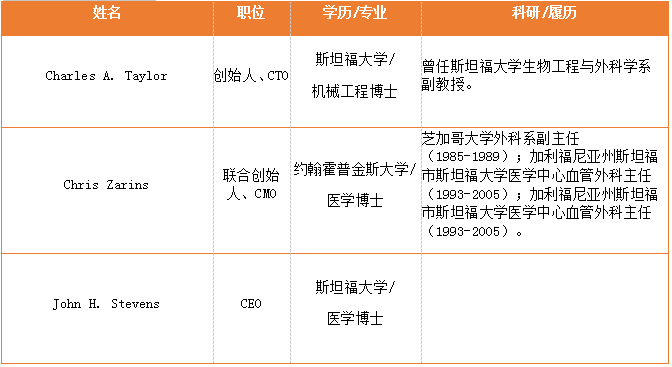
(3) Financing Information
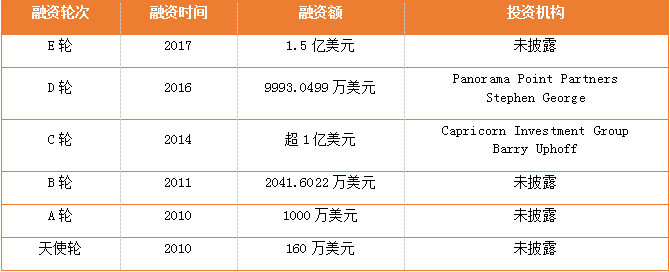
(4) Core Products
Product Name:HeartFlow FFRct Analysis
Product Description: HeartFlow FFRct is a post-processing software used for clinical quantitative and qualitative analysis. After obtaining CT DICOM data from patients with chronic coronary artery disease, it can calculate FFR values. The process of calculating FFR values is derived through mathematical modeling, which simulates the pressure and velocity of blood flow in a three-dimensional computer model generated from static CT image data, thereby calculating the FFR value.
Approval Status: CE certified in 2011 and FDA approved in 2014.
(5) Development History
In 1995, founder Dr. Charles Taylor and co-founders Christopher Zarins, Chief of Vascular Surgery at Stanford University, and a Stanford expert in computational fluid dynamics, began developing image-based modeling of coronary blood flow.
In 2007, HeartFlow was founded in Silicon Valley, California.
In 2011, it obtained CE certification and was sold in Europe.
In 2014, it received FDA De Novo and 510(k) clearance for sale in the United States.
In 2015, launched in Canada, the ADVANCE registry was initiated to evaluate data from 5,000 patients.
In 2016, 150 peer-reviewed publications were sold in Japan.
150 patents published and granted worldwide.
In 2017, NICE guidelines recommended HeartFlow; more than 10,000 patients worldwide underwent HeartFlow analysis; and a partnership with Siemens Healthineers was announced.
In 2018, the PRECISE randomized clinical trial was launched in the United Kingdom and Japan under their national health insurance systems.
In 2019, HeartFlow’s surgical planning product received FDA approval.
(6) Partner Institutions
Siemens, CMS. The products have been adopted by over 200 institutions across the United States, the United Kingdom, Europe, Canada, and Japan, serving nearly 100,000 patients to date.

Scan the QR code for the mini-program to download the “FFR Imaging Industry Innovation Report” for free.
Additionally, this Wednesday (March 4), we will leverage the VB Group Interview series to host the online launch of the “Report on Innovation in the Imaging FFR Industry.” The authors will provide a detailed interpretation of the first research report in the FFR field from five key dimensions: policy, technology, market, capital, and typical case studies.
This Thursday (March 5), VCBeat was honored to invite leading representatives from the FFR sector, including Liu Bing, CEO of Pulse Medical; Xiang Jianping, CEO of Pulstec; and Li Zhenming, Partner at Boxing Capital, a seasoned investor. They joined the VB Roundtable to discuss key topics such as the business model, value trends, and investment logic of imaging-based FFR. Scan the QR code to join the WeChat group for details on the launch day live stream.
Disclaimer:
The information in this report is derived from publicly available sources and interviews. VCBeat Research Institute makes no representations or warranties regarding the accuracy, completeness, or reliability of such information. The data, opinions, and projections contained herein reflect only the judgments of VCBeat Research Institute as of the date of publication of this report; past performance should not be regarded as an indicator of future results. VCBeat Research Institute may issue other reports with data, opinions, and projections that are inconsistent with those contained in this report at different times. VCBeat Research Institute does not guarantee that the information contained in this report will remain up to date. Furthermore, VCBeat Research Institute reserves the right to modify the information contained in this report without prior notice. Investors should independently monitor any relevant updates or modifications.
Copyright Notice:
Copyright of this document belongs to VCBeat / Beijing Danhuang Technology Co., Ltd. Unauthorized use is prohibited, and Danhuang Technology reserves the right to pursue legal liability.
Intellectual Support Institutions:

Research Team: