2026 International Symposium on Molecular Glue Drug Discovery Concludes Successfully: Global Experts Explore New Pathways to Tackle Undruggable Targets
XtalPi
Computation-Driven Innovative Drug R&D Provider

Sanofi
Pharmaceutical Manufacturer
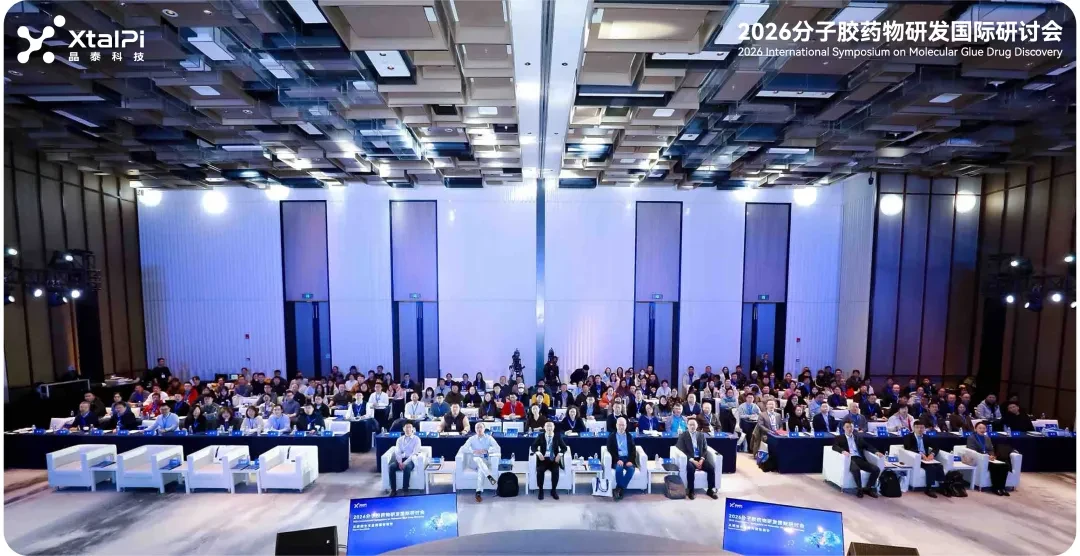
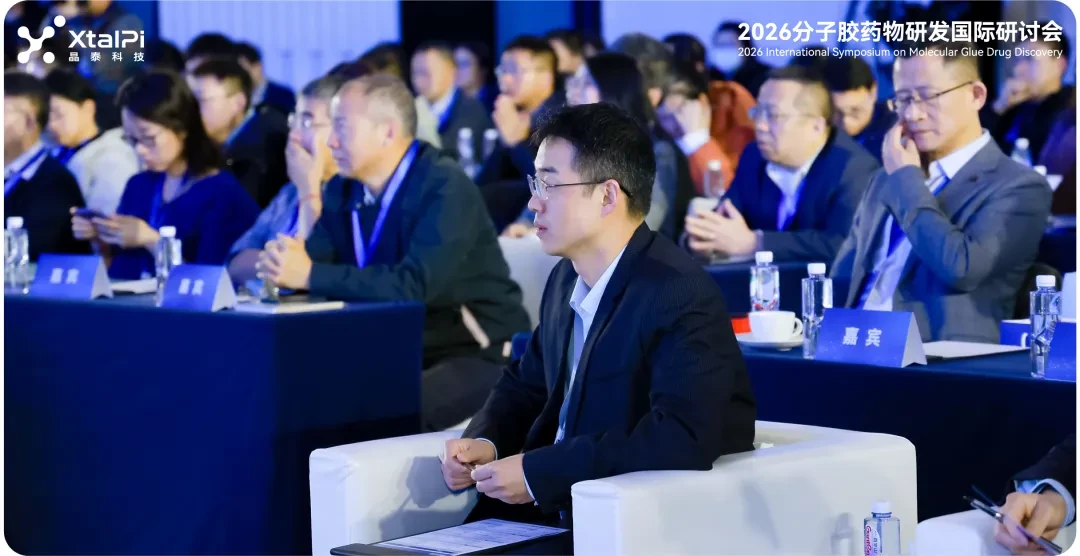
On January 25, hosted by XtalPi2026 International Symposium on Molecular Glue Drug DevelopmentSuccessfully held at the Hilton Hotel in Zhangjiang Science City, Shanghai. This conference focused on the cutting-edge directions of molecular glue drug research and development. It featured invited presentations from dozens of renowned experts and industry leaders from prestigious research institutions such as Stanford University, Dana-Farber Cancer Institute, École Polytechnique Fédérale de Lausanne (EPFL), Shanghai Institute of Organic Chemistry, Chinese Academy of Sciences, ShanghaiTech University, as well as leading companies including Sanofi, Beta Pharma, Degron Therapeutics, Glob Biotherapeutics, and Yafa Capital. The event attracted over 200 representatives from academia and industry to discuss technological breakthroughs and the prospects for translation in this field.
The conference delved into key topics such as the mechanism of action, target discovery, molecular design, development strategies, and industry-academia collaboration for molecular glue drugs through various formats including keynote speeches, interactive Q&A sessions, and roundtable forums. It comprehensively presented the latest advancements from fundamental research to industrial applications. This conference was not only an academic-industrial event full of intellectual exchange but also provided significant support for fostering consensus and ecosystem building in the development of molecular glue drugs through forward-looking discussions and pragmatic exchanges.
Currently, biopharmaceutical R&D is entering a critical phase in tackling "undruggable targets." The traditional drug development model, dominated by expert experience, faces numerous bottlenecks when addressing "undruggable targets," such as unclear binding pockets, challenges in optimizing druggability, and obstacles in clinical translation. Molecular glue drugs, with their unique protein degradation mechanism, can target sites that are inaccessible to traditional drugs, becoming a core breakthrough to overcome industry R&D bottlenecks and expand the boundaries of drug discovery. They have already become a research hotspot and focal point in the global biopharmaceutical field.
However, for a long time, the development of molecular glues has mostly relied on an experience-driven accidental discovery model, with core challenges such as imprecise target positioning, lack of systematic molecular design, and difficulty in ensuring R&D efficiency. At the same time, the industry also faces challenges such as poor connection between basic research and industrial transformation, insufficient international collaborative innovation, and the lack of standardized technical pathways. There is an urgent need to integrate cutting-edge technologies and promote collaborative efforts among industry, academia, research, and capital to advance molecular glue development from "accidental discovery" into a new stage characterized by precise target positioning and rational molecular design, achieving large-scale and high-quality development of the industry. Against this backdrop, XtalPi has initiated this seminar, aiming to build a global collaborative innovation platform for industry, academia, and research, and to promote molecular glue development from..."OccasionalDiscovery”StrideTowards "Rational Design"A brand new phase.

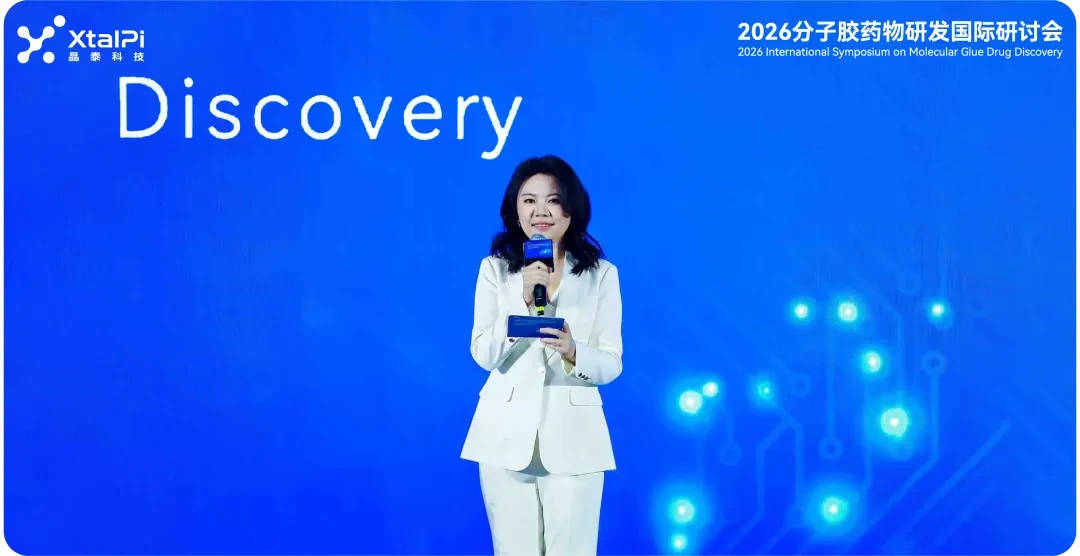
Dr. Jian Ma, Co-founder and CEO of XtalPiHe delivered the opening speech for the conference, emphasizing XtalPi's decade-long dedication to technological accumulation and industrial perseverance in the AI pharmaceutical field. Dr. Ma Jian pointed out that molecular glues are a core track for overcoming undruggable targets, and breakthroughs in their development rely not only on the continuous advancement of core technologies but also on the open collaboration and close coordination among industry, academia, research, and investment communities, which is the central motivation behind this seminar. He expressed that XtalPi will continue to drive innovation through technology, working alongside industry partners to address the pain points in molecular glue development and propel the industry into a new phase of high-quality growth.
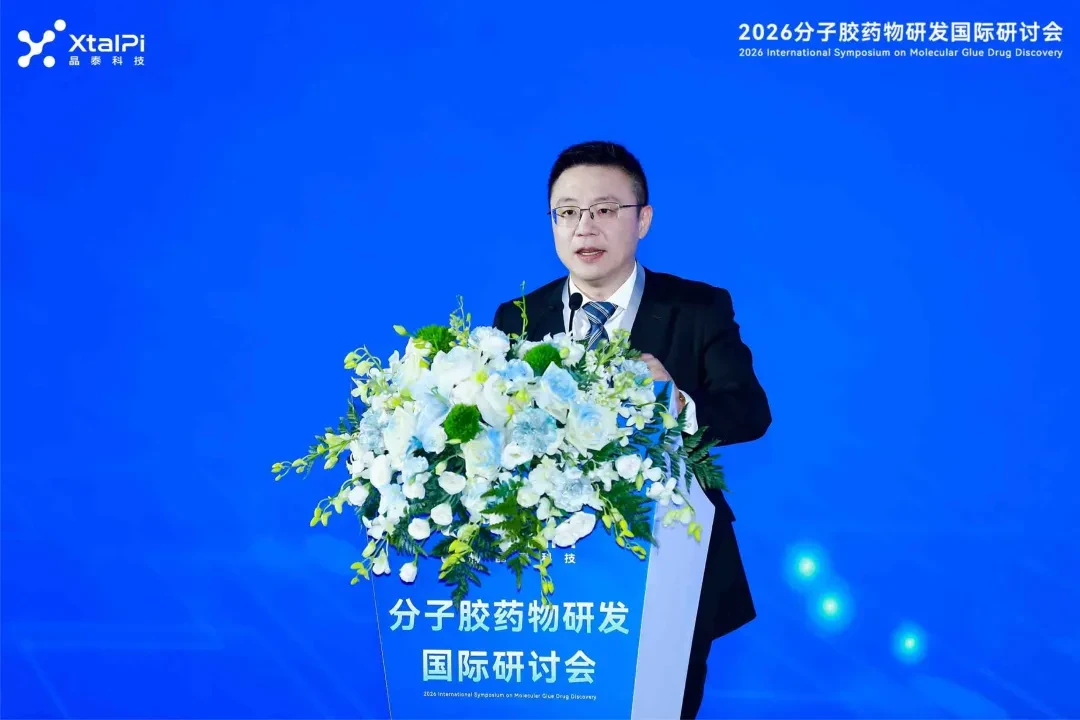
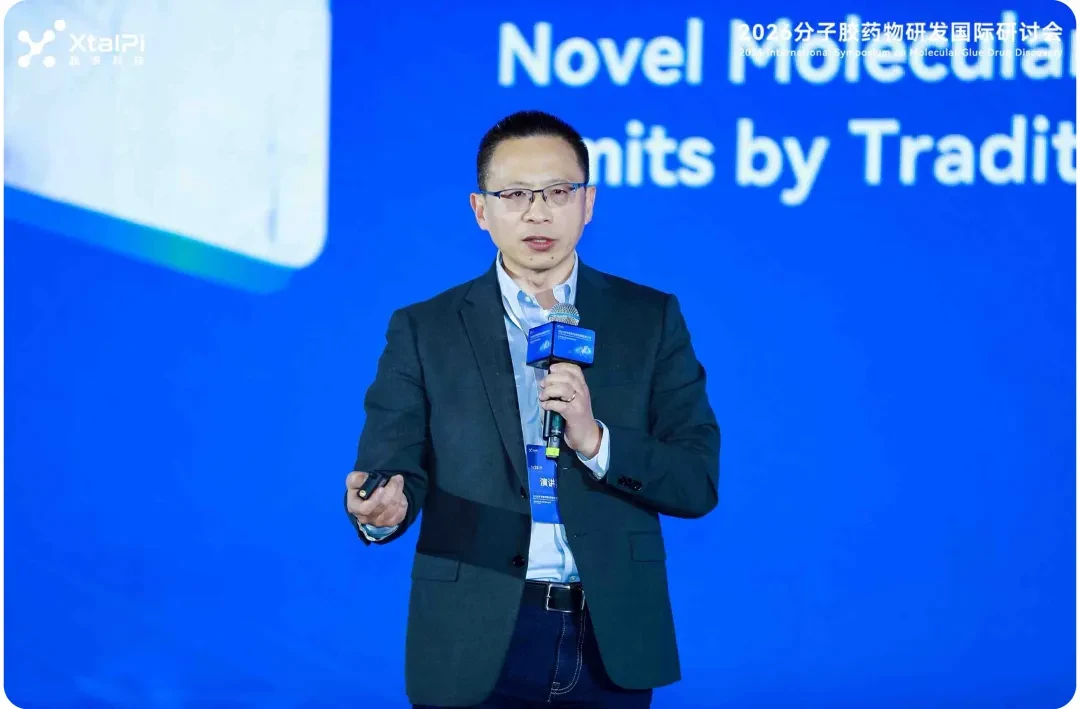
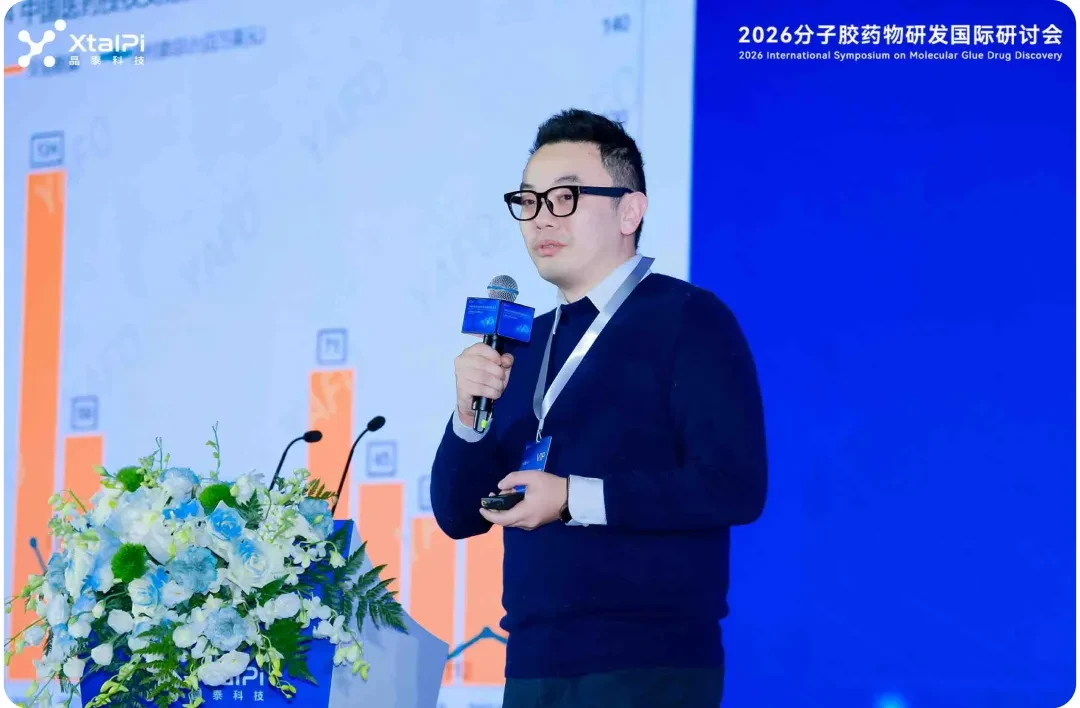
During the keynote report session, several authoritative experts provided in-depth insights from different dimensions such as technology implementation, mechanism analysis to target application, comprehensively strengthening the technical development foundation for the molecular glue drug research and development industry.Dr. Yang Xie, Vice President of XtalPi and Head of the Molecular Glue Drug Discovery PlatformPioneering Core Insights: Relying on XtalPi's Self-Developed XGlue™ Molecular Glue Platform, a Deep Analysis of How AI Computing and Automation Technologies Break the Long-Standing Tradition of Empirical-Driven Serendipitous Discoveries in Molecular Glue.
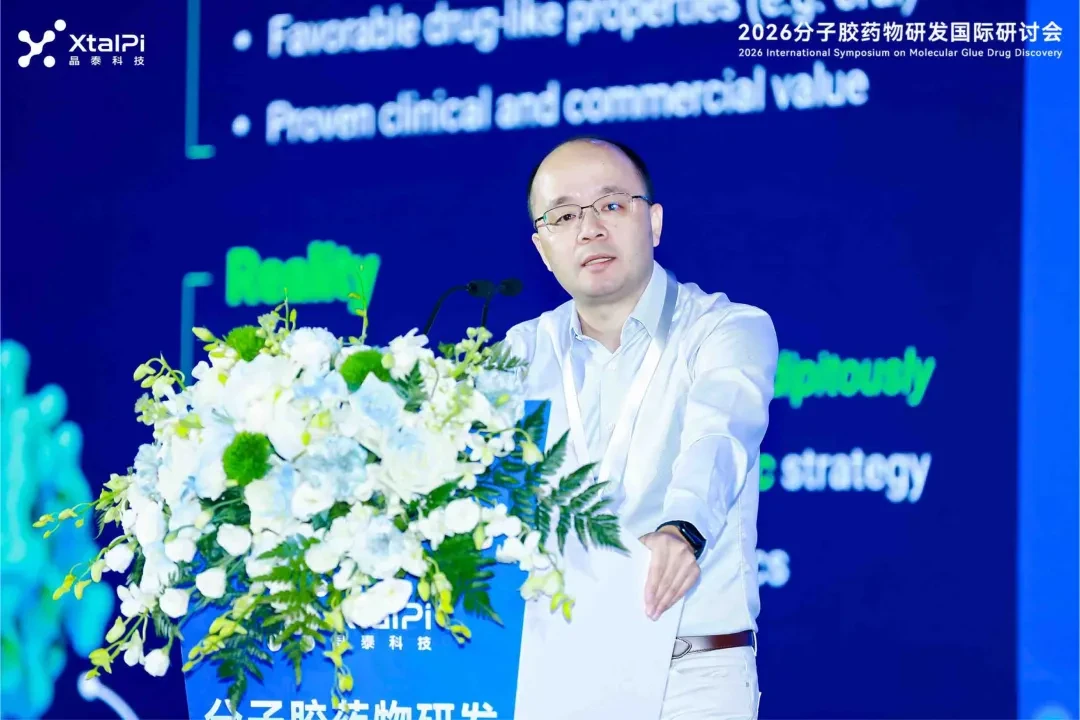
XGlue™ Molecular Glue Development Platform, focusing on three major technical goals: efficient chemical space exploration, rational design optimization, and full-process digital management, implementing the DMTA flywheel for rapid iteration, significantly improving the efficiency and success rate of molecular glue discovery. The platform uses AI-driven molecular glue design, integrates multi-source data and multi-scale simulations to mine targets, leverages PatSight to analyze patent information, supports de novo design through molecular generation algorithms, and overcomes the three-body interaction challenge with a self-developed computing platform, balancing molecular diversity with synthetic feasibility.
In the virtual screening process,Adopting AI Layering Strategy for Multi-Round Iterative Optimization,Focusing on chemical space, first predict synthesizability and then accurately classify through a self-developed clustering algorithm, balancing diversity and efficiency. The screened compoundsAutomated synthesis by robotic workstations 7×24 hoursAI adaptive control adjusts reactions in real time, and cryo-EM structure analysis provides a basis for optimization.Full-process Digital ManagementAchieve real-time data synchronization and closed-loop feedback, ensure traceability of information, and continuously improve model prediction accuracy as data accumulates. Meanwhile, the platform is equipped withAgentic AICan independently complete literature reading, molecular design, synthesis planning, task assignment, and result analysis. Compared with traditional systems, it achieves three major breakthroughs: autonomous decision-making, cross-modal learning, and continuous evolution, fully empowering the entire process of molecular glue self-research and development.
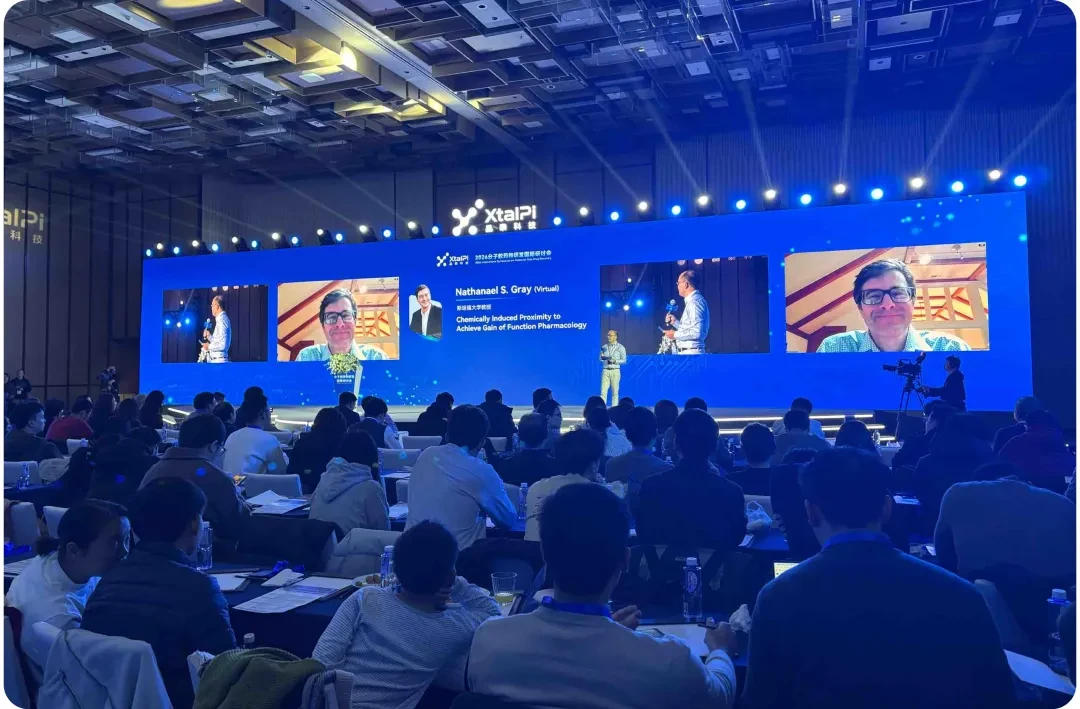
Subsequently, Dr. Xie Yang hosted the conference and invited Professor Nathanael S. Gray from Stanford University to give an online presentation. Professor Gray systematically elaborated on the innovative application of gain-of-function pharmacology in molecular glue research, focusing on the core mechanism of chemically induced proximity, offering a unique perspective and profound insights that opened new research avenues for the attendees. Professor Ding Ke, a researcher at the Shanghai Institute of Organic Chemistry, Chinese Academy of Sciences, provided a systematic review of the evolution of kinase drug development, clearly demonstrating the unique advantages and application potential of molecular glue degraders targeting kinase targets, offering valuable references for the translational research of kinase-targeted molecular glues.
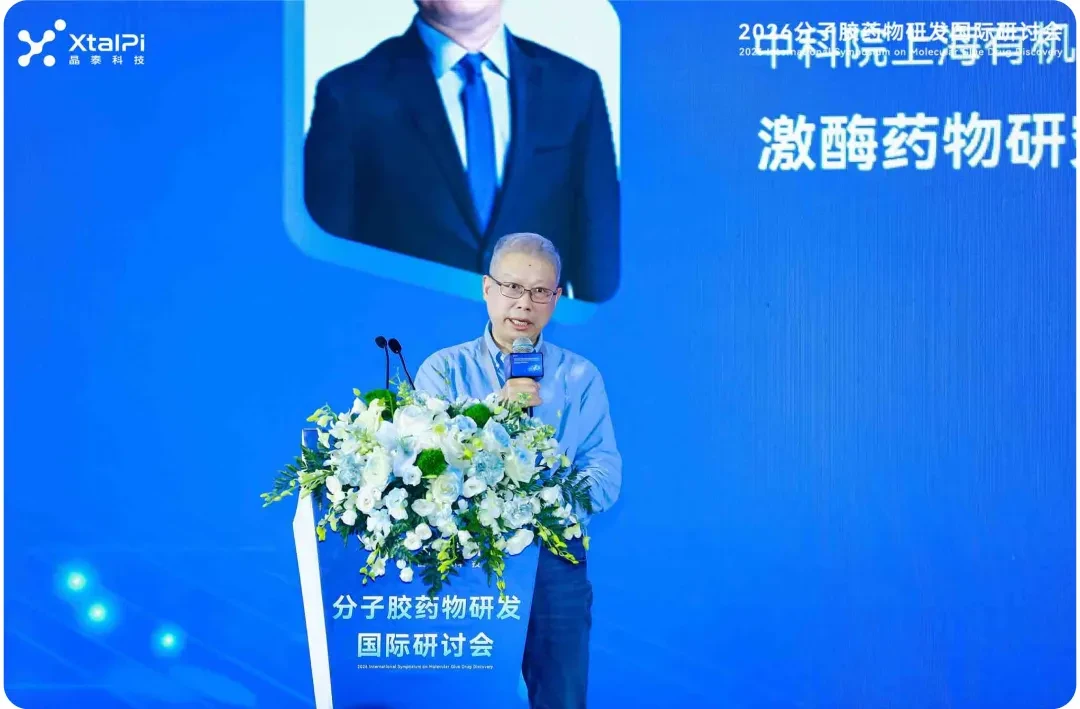
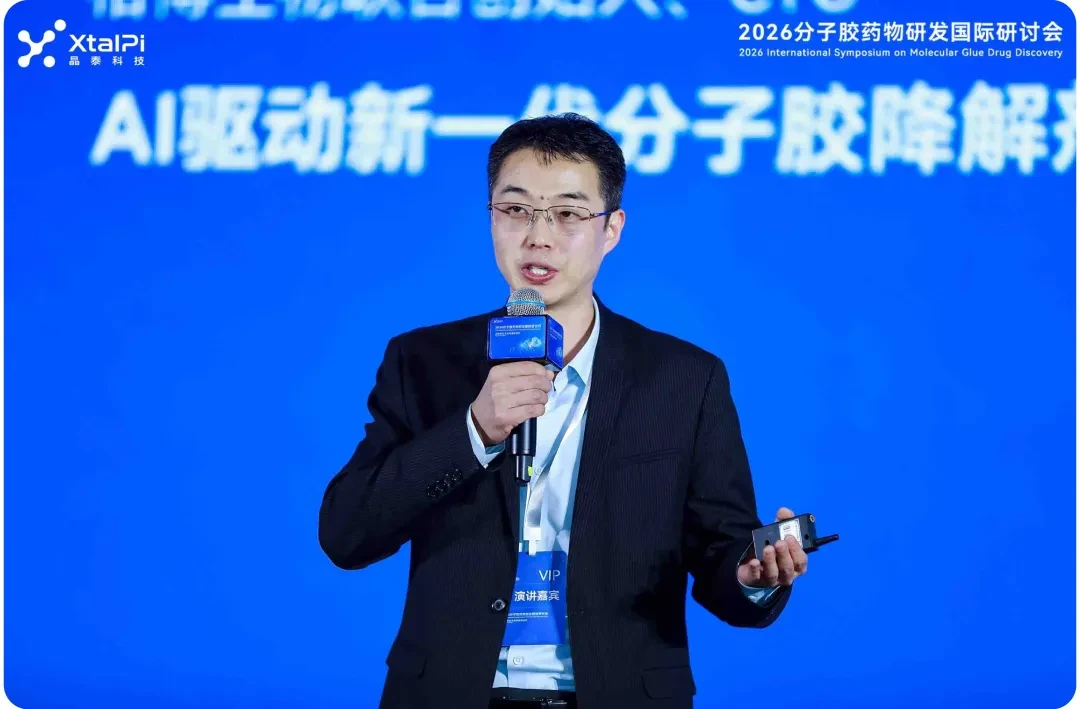
The afternoon session was hosted by Professor Ding Ke, further expanding the dimensions of discussion and deepening the content on the basis of the morning session. It focused on core directions such as breakthroughs in the development of novel molecular glue degraders, the empowerment of AI technology in the industry, and the transformation and internationalization of protein degradation drugs, broadening the boundaries of molecular glue research and industrial transformation from multiple dimensions. Professor Cang Yong, Professor at ShanghaiTech University, Founder and Chief Scientific Officer of Degron Therapeutics, delivered a keynote report. His shared research on novel molecular glue degraders successfully overcame the application limitations of traditional inhibitors, providing an entirely new solution to meet unaddressed clinical needs. Focusing on the implementation and empowerment of AI technology in the industry, Dr. Fu Liqiang, Co-founder and Chief Technology Officer of Globio Biotechnology, subsequently delivered a keynote report. From the perspective of industrial practice, he provided an in-depth analysis of the application logic and core value of AI technology in key processes such as molecular glue design, screening, and optimization, offering a reference for technical pathways and practical experience in the efficient development of next-generation molecular glue degraders.
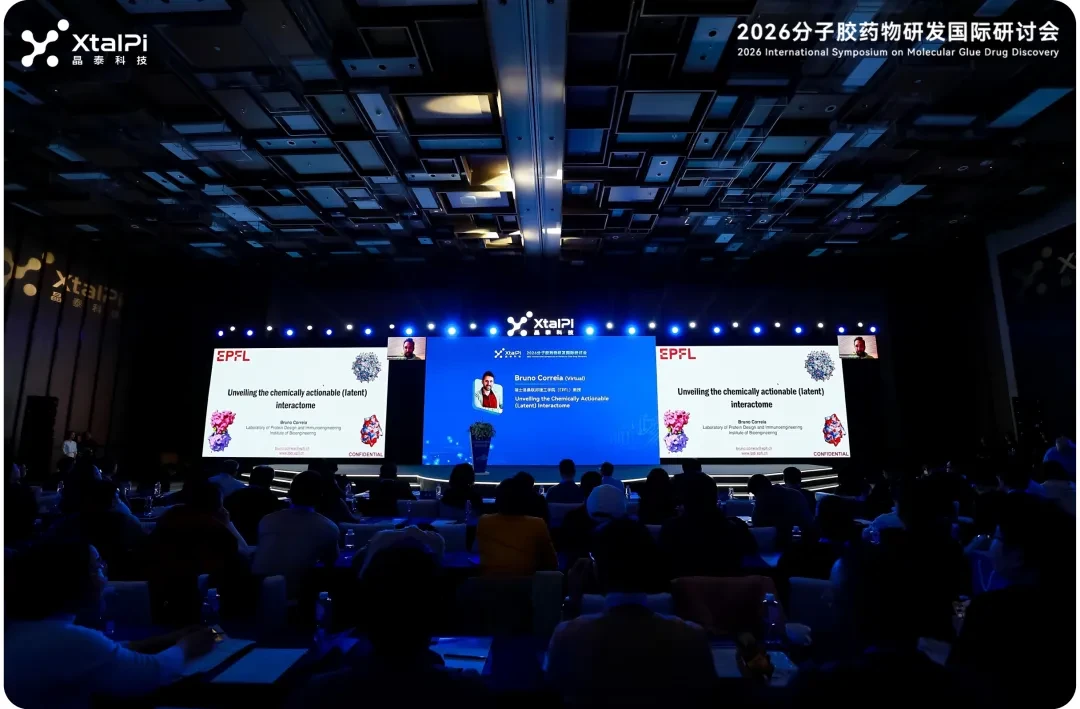
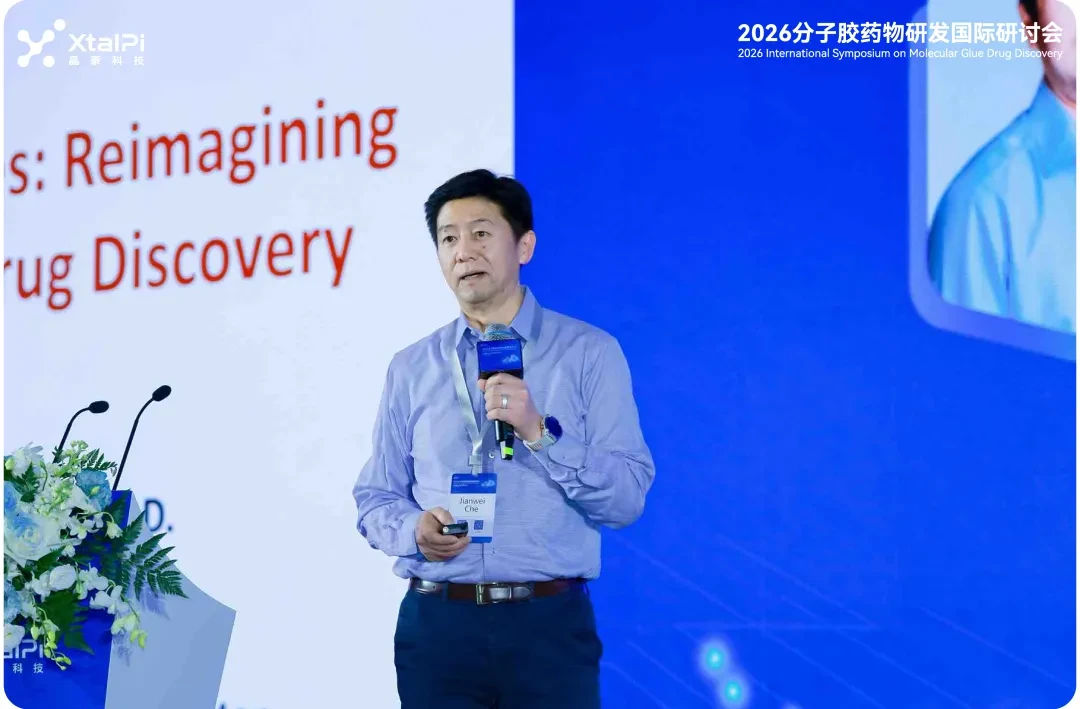
Experts from overseas academia provided additional insights at a more microscopic mechanistic level. Professor Bruno Correia from the École Polytechnique Fédérale de Lausanne (EPFL) presented an innovative research approach combining computational design with experimental validation, offering the audience a deeper and more comprehensive understanding of the potential value of protein interactions from the perspective of the "chemically accessible (potential) interactome." Dr. Jianwei Che, Director of the Center for Computational Chemistry at the Dana-Farber Cancer Institute, further extended the discussion from the cutting-edge perspective of computational chemistry, providing new insights into molecular glues.TargetGuidance discovery offers new perspectives. Finally, from the dimension of capital empowering the industry, Mr. Zhang Yilin, partner of Jafa Capital, systematically analyzed the core pathways, potential opportunities, and key challenges for the overseas expansion of protein degradation drugs.
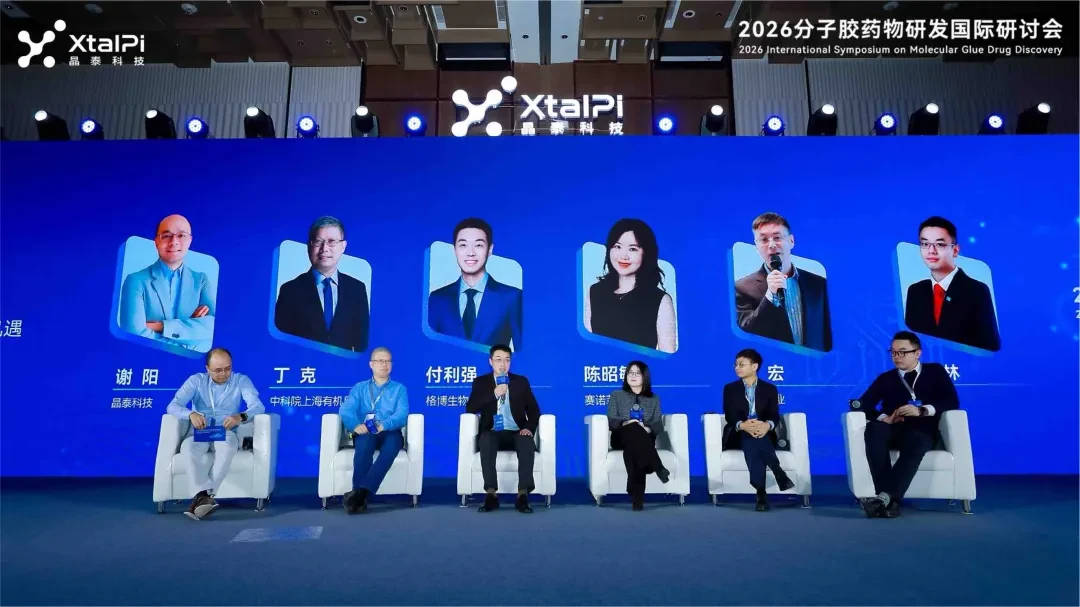
The roundtable forum, which was the closing highlight of the conference, was hosted by Dr. Xie Yang and featured five distinguished guests: Professor Ding Ke, a researcher at the Shanghai Institute of Organic Chemistry, Chinese Academy of Sciences; Dr. Fu Liqiang, co-founder and Chief Technology Officer of GritBio; Dr. Chen Zhaomin, Head of R&D External Innovation Collaboration at Sanofi China Innovation Center; Dr. Lan Hong, Vice President of Preclinical R&D at Betta Pharmaceuticals; and Mr. Zhang Yilin, Partner at Jafa Capital.The guests respectively analyzed the core pain points and breakthrough paths of the collaborative innovation in the field of protein degraders from different dimensions such as scientific research, industry, clinical, and capital. They proposed many forward-looking and feasible viewpoints and suggestions, which not only provided clear guidance for the construction and improvement of the industry ecosystem but also built a consensus to promote the development of the industry through multi-party collaboration, laying a solid foundation for molecular glue drug research and development to move from laboratory to clinical application.
This conference focuses on the development of molecular glue drugs, bringing together industry, academia, research, and capital to showcase cutting-edge basic research and industrial transformation experience, and to clarify the direction of industry innovation and collaborative consensus. XtalPi will also adhere to the concept of open collaboration, relying on its AI + automation technology platform, to deeply cultivate the molecular glue field, break through the bottleneck of difficult drug targets, help innovative drugs benefit patients worldwide, and empower the high-quality development of the industry.