

First PD-L1 Inhibitor Imfinzi Launched in China, Addressing Unmet Clinical Needs in Stage III NSCLC

AstraZeneca Investment China
Pharmaceutical Manufacturer
On February 29, 2020, the Stage III Lung Cancer Yunhai Summit was successfully held via web conference. Authoritative experts in oncology from China and abroad exchanged views on standardized diagnosis and treatment of stage III lung cancer and engaged in in-depth discussions on immunotherapy for this disease stage. This has offered hope for clinical cure to patients with unresectable stage III non-small cell lung cancer (NSCLC) who did not experience disease progression after undergoing concurrent chemoradiotherapy with platinum-based chemotherapy.
At the Yunhai Summit, AstraZeneca held the “Heroes Endure, Cure Is Within Reach—Imfinzi Launch Event,” announcing the official launch of Imfinzi (durvalumab), the first PD-L1 immune checkpoint inhibitor approved in mainland China. VCBeat conducted exclusive interviews with Professor Wu Yilong and Professor Li Junling at the event, gaining firsthand insights into Imfinzi.
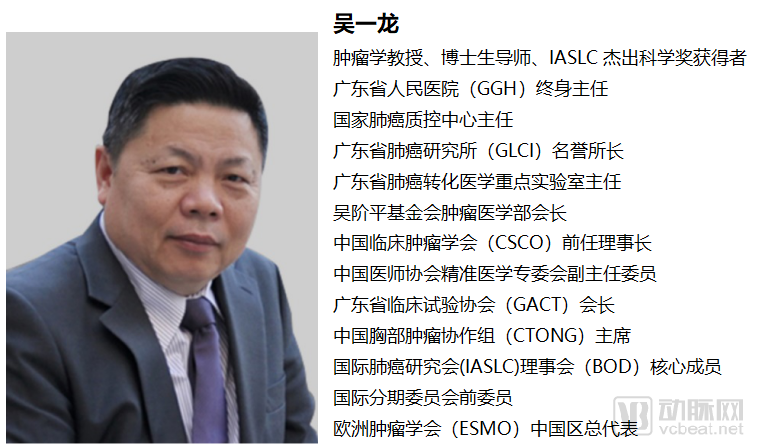
Professor Wu Yilong, Lifetime Director of Guangdong Provincial People’s Hospital and Chair of the Chinese Thoracic Oncology Group, stated in his introduction that patients with early-stage lung cancer—primarily those with Stage I and II disease, as well as some with Stage III—can mostly be cured through surgery-based treatment. In contrast, patients with advanced lung cancer featuring extensive metastasis, predominantly those with Stage IV disease, are treated clinically with the primary goals of prolonging survival and maintaining quality of life.
Bridging the gap between early-stage and advanced lung cancer is a large population of patients with stage III disease. In terms of tumor location, stage III non-small cell lung cancer (NSCLC) remains confined to the thoracic cavity, representing localized growth. Unlike stage IV (also known as advanced or metastatic) disease, which has spread to distant sites, stage III NSCLC is treated with the goal of clinical cure, making it a critical window for therapeutic intervention. According to the latest national cancer statistics released by the National Cancer Center of China in 2019, approximately 85% of lung cancer cases are NSCLC, and one-third of these patients are diagnosed at stage III (also referred to as locally advanced) at initial presentation.
“For patients with lung cancer, Stage III represents the most critical watershed and a key therapeutic window. However, over the past three decades, there has been little progress in the treatment of Stage III non-small cell lung cancer (NSCLC), with chemoradiotherapy remaining the sole standard of care and no other targeted drugs or therapies available. With the approval and market launch of PD-L1 immunotherapy in China, breakthrough advancements have been achieved in the treatment of Stage III NSCLC, offering hope for clinical cure to these patients,” stated Professor Wu Yilong.
“Imfinzi can increase the three-year survival rate for patients with stage III non-small cell lung cancer (NSCLC) from approximately 30% in the past to 57%, nearly doubling it.” The figures presented by Professor Wu Yilong directly underscore the significance of Imfinzi in the treatment of stage III NSCLC.
On December 12, 2019, AstraZeneca officially announced that the China National Medical Products Administration (NMPA) had formally approved durvalumab injection (Durvalumab, brand name: Imfinzi), a PD-L1 immune checkpoint inhibitor, for the treatment of patients with unresectable Stage III non-small cell lung cancer (NSCLC) who have not experienced disease progression following concurrent chemoradiotherapy with platinum-based chemotherapy.
The approval of Imfinzi was primarily based on the results of the PACIFIC clinical trial. The PACIFIC trial is a randomized, double-blind, placebo-controlled, international, multicenter Phase III clinical study designed to evaluate the efficacy of durvalumab injection in patients with unresectable Stage III (locally advanced) non-small cell lung cancer (NSCLC), regardless of PD-L1 status (including both PD-L1-positive and PD-L1-negative), who had not progressed following platinum-based concurrent chemoradiotherapy. The trial was conducted across 235 centers in 26 countries worldwide and enrolled a total of 713 patients.
Results from the PACIFIC trial demonstrated that immunotherapy with durvalumab injection following concurrent chemoradiotherapy reduced the risk of death by nearly 32% in patients with stage III unresectable non-small cell lung cancer. The median progression-free survival (PFS) was 16.8 months, representing an extension of more than 11 months. The 3-year overall survival (OS) rate reached 57%, and the projected 5-year survival rate is expected to exceed 50%.
Based on the clinical trial data from the PACIFIC study, durvalumab injection has currently been approved in 54 countries and regions worldwide for the treatment of patients with unresectable stage III non-small cell lung cancer (NSCLC) who have potential for clinical cure. The PACIFIC regimen, which involves the use of durvalumab injection following chemoradiotherapy, is listed as the standard of care for unresectable stage III NSCLC in the U.S. NCCN Guidelines[4].
Among patients receiving PACIFIC regimen therapy, the most common adverse reactions (with an incidence rate of 20% or higher) included cough, fatigue, pneumonitis or radiation pneumonitis, upper respiratory tract infection, dyspnea, and rash. The proportion of patients experiencing severe adverse reactions was 29%, and 15% of patients discontinued treatment due to adverse reactions.
Several PD-1 inhibitors have previously been approved for indications within the scope of lung cancer. However, Professor Wu Yilong emphasized to us that each drug is distinct, and therefore their approved indications vary and should not be used interchangeably: “Drugs should be used strictly according to their approved indications. Off-label use without sufficient clinical evidence is, in my view, inadvisable. Imfinzi is currently the only immune checkpoint inhibitor approved for the treatment of stage III non-small cell lung cancer (NSCLC), precisely filling a therapeutic gap in NSCLC management.”
Concurrent with the launch event, the “Love-Driven Extraordinary Journey – Patient Assistance Program for Lung Cancer Immunotherapy” was also initiated. This charitable medication donation program is implemented in three phases: in Phase I, two treatment cycles are provided followed by two donated cycles; in Phase II, four treatment cycles are provided followed by four donated cycles; and in Phase III, six treatment cycles are provided followed by eight donated cycles.
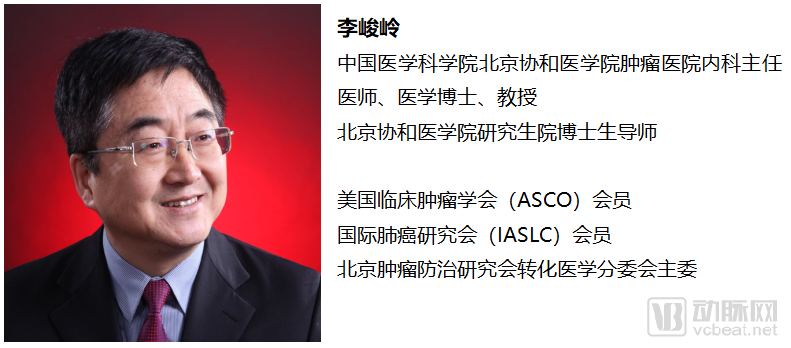
“Regarding the pricing of the charitable assistance program, current immunotherapy dosages are calculated based on patient body weight. Taking 60 kg, the most common average weight among the patient population, as an example, the estimated annual treatment cost for such a patient after receiving assistance through the Patient Assistance Program (PAP) is approximately RMB 280,000,” said Professor Li Junling, Director of the Department of Medical Oncology at the Cancer Hospital of the Chinese Academy of Medical Sciences and Peking Union Medical College, who introduced the specific payment details of the “Ai Fei Fan” project.
Prior to this online launch event, the first prescription for Imfinzi was already issued on February 14. On February 14, 2020, Professor Fan Min from Fudan University Shanghai Cancer Center wrote the first handwritten prescription in China for Imfinzi for a patient with stage III lung cancer, which also marked the first prescription for any PD-L1 monoclonal antibody in the country. Despite the ongoing pandemic, AstraZeneca continued to steadily advance the market launch of Imfinzi during this period, aiming to reach patients in China as early as possible.
During the special period of the ongoing pandemic, at the Phase III Lung Cancer Yunhai Summit, AstraZeneca announced a partnership with iKang Guobin to support the “Mobile CT Screening Public Welfare Project for Combating Novel Coronavirus Pneumonia” initiated by public welfare organizations. This initiative aims to provide substantial support for epidemic prevention and control through concrete actions, addressing the urgent shortage of medical resources in affected areas. The mobile CT screening vehicles will be equipped with innovative Internet of Things (IoT) technologies, including CT scanners and AI-assisted systems, shifting epidemic prevention efforts from hospitals to public spaces such as railway stations, airports, communities, and rural areas, thereby effectively curbing the spread of the epidemic.
Mr. Wang Lei, Executive Vice President of AstraZeneca and President of International Business and China, stated: “The convening of this Phase III Lung Cancer Yunhai Summit holds special significance. Amid the pandemic, we not only promptly introduced internationally leading innovative immunotherapies to China, bringing greater hope to a broad population of lung cancer patients, but also actively collaborated with partners across various sectors on the front lines of epidemic response, providing strong support to the ‘Public Welfare Project for Mobile CT Screening in the Fight Against Novel Coronavirus Pneumonia’ and bolstering grassroots prevention and control efforts during the critical period of outbreak containment. ‘Patient-centricity’ has always been AstraZeneca’s unwavering commitment. Moving forward, we will continue to strive to bring advanced international innovative medicines to the Chinese market, while joining forces with all stakeholders to benefit a wider range of oncology patients and contribute to the realization of the ‘Healthy China 2030’ goals.”