

Wuhan's Internet-Based Medical Insurance Innovation for Chronic Disease Management Gains Endorsement from National Healthcare Security Administration
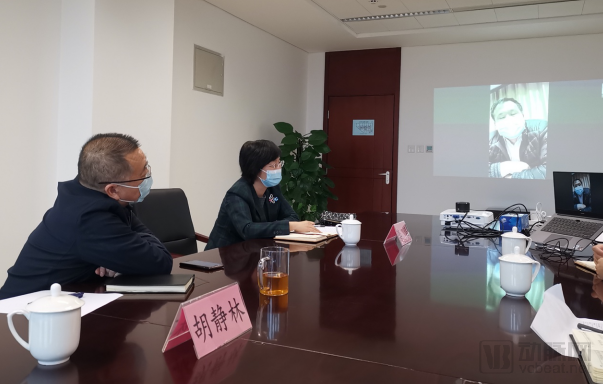
According to the website of the National Healthcare Security Administration (NHSA), on February 29, Hu Jinglin, Director of the NHSA, presided over a special thematic meeting and held video conferences with the Wuhan Municipal Healthcare Security Administration in Hubei Province to discuss strengthening “Internet+” healthcare security services for patients with chronic diseases. Hu Jinglin fully affirmed Wuhan’s efforts in enabling medical insurance payment for internet hospitals, which have facilitated medical consultations and medication purchases for patients with chronic diseases. He emphasized the need to enhance coordination among healthcare security authorities, internet hospitals, and designated pharmacies, further improve system integration, optimize processes, and provide greater support for the public’s online medical consultations and medication purchases during the epidemic period.
Hubei Province, particularly Wuhan, has been the primary battleground in China’s fight against the epidemic, and the prevention and control situation remains severe. To implement the decisions and deployments made by national, provincial, and municipal authorities to strengthen COVID-19 prevention and control, and to facilitate medical treatment and medication purchases for insured individuals, the Wuhan Healthcare Security Administration announced 18 measures on February 23 to support epidemic prevention and daily healthcare security. These measures rapidly incorporated the online consultation services of Union Hospital affiliated with Tongji Medical College of Huazhong University of Science and Technology, Renmin Hospital of Wuhan University, Wuhan Central Hospital, and WeDoctor Internet General Hospital—the city’s first platform-based internet hospital—into the scope of medical insurance reimbursement.
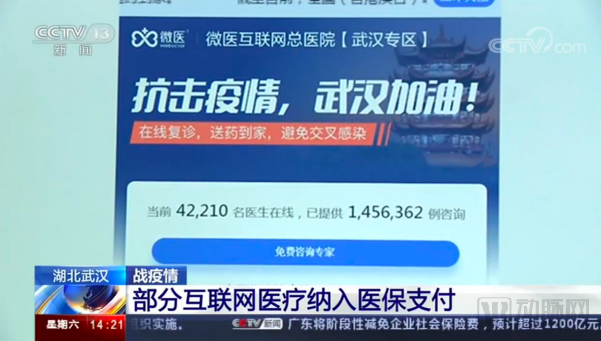
Leveraging the unique advantages of the internet, internet hospitals have successively launched services such as online consultations, external prescription dispensing, medical insurance payment, and home delivery of medications, enabling Wuhan residents to access one-stop services without leaving their homes. Within just four days of its launch, the convenient outpatient clinic of WeDoctor General Internet Hospital (Wuhan Zone) has served tens of thousands of patients. CCTV News Channel’s programs *News Live* and *Joint Attention* featured special reports on patients with chronic and severe diseases in Wuhan who consulted doctors and purchased medications through WeDoctor General Internet Hospital. The reports highlighted that Wuhan’s innovative measures have alleviated the pressure on hospital diagnosis and treatment services and effectively reduced the risk of cross-infection associated with offline medical visits and medication purchases.
In August last year, the National Healthcare Security Administration issued the "Guiding Opinions on Improving Price and Medical Insurance Payment Policies for 'Internet+' Medical Services," clarifying that eligible "Internet+" medical services can be included in the scope of medical insurance reimbursement. Following the outbreak of the epidemic, the National Healthcare Security Administration actively guided and promoted "Internet+" medical insurance services. Many regions, including Tianjin, Wuhan in Hubei Province, Tai'an in Shandong Province, and Shanghai, have fully leveraged the positive role of the Internet by introducing multiple innovative "Internet+" medical insurance measures tailored to local conditions. These efforts have further facilitated the implementation of the "Guiding Opinions," supported epidemic prevention and control, and served the livelihoods of the public.