

Medical Breakthroughs from MIT's 2020 Top 10 Emerging Technologies and Profiles of Over 20 Healthcare Companies Filing IPOs
In early 2020, MIT Technology Review unveiled its list of the Ten Breakthrough Technologies for 2020. This list holds significant sway in the technology sector; in the past, it has accurately predicted the rise of many prominent technologies, including brain-computer interfaces, smartwatches, cancer gene therapies, and deep learning.
This year, the technologies featured on MIT’s list include hyper-personalized medicine, anti-aging therapies, digital currencies, AI-discovered molecules, mega-constellation satellites, quantum supremacy, tiny AI, differential privacy, and climate change attribution.
From the list, we can sense that technology is evolving at a rapid pace. Cultured meat, wearable ECG monitors, and fluent conversational AI assistants featured in the 2019 list have moved from laboratories to retail shelves, achieving commercial monetization. Some of the technologies on the 2020 list have even been deployed in the fight against the COVID-19 pandemic.
MIT has not only released a list but, more importantly, identified key commercialization milestones for critical technologies in the future healthcare blueprint. Bill Gates once remarked that after reviewing these breakthrough technologies, you will feel that “a better future is worth fighting for.”
These advancements in the medical field are of even greater concern, as they are directly linked to human life. In the 2019 list, innovations such as personalized medicine, anti-aging therapies, and AI-driven molecular discovery emerged directly from the healthcare sector. Meanwhile, technologies like differential privacy and quantum supremacy have also found applications in healthcare big data.
How are these technologies currently progressing in the medical field? How many companies are engaged in their research and development? What stages have they reached in terms of commercialization? In which countries did these technologies primarily originate? Can these technologies, which entail substantial R&D costs, recoup those expenses after commercialization? VCBeat (WeChat ID: vcbeat) has compiled this information.
Commercialization Prospects ⭐⭐⭐⭐
An increasing number of industries are turning their attention to hyper-personalization, and the pharmaceutical sector is no exception. Hyper-personalized medicines refer to drugs tailored to individual patients based on the genetic information within their cells, offering hope to many patients with rare diseases.
The application prospects of ultra-personalized medicines are beyond doubt. The FDA stated that in 2019, it received more than 80 applications requesting permission for pharmaceutical companies to develop ultra-personalized medicines for individuals or very small patient populations, with the hope that the FDA would accelerate the approval process for such therapies.
Currently, hyper-personalized medicines are not widely adopted. Two factors hindering their development are the high R&D costs and the potential risks associated with these drugs.
An executive at a U.S. pharmaceutical company stated, “Pharmaceutical companies already possess the technology to develop ultra-personalized medicines; the challenge lies in determining who will bear the R&D costs.” The cost of developing a new drug ranges from $3 million to $5 million. Insurance companies are unwilling to cover ultra-personalized medicines, and currently, research projects in this field rely primarily on donations and funding from public welfare organizations.
Furthermore, drug development requires clinical trials involving a large number of patients to evaluate the efficacy and safety of the medication. Ultra-personalized medicines are developed for a single individual or a small subset of patients, precluding large-scale clinical trials, which could potentially accelerate patient mortality.
Currently, ultra-personalized drug development projects are primarily concentrated in the United States, with Boston Children's Hospital serving as a leading force in this field. VCBeat has compiled a list of institutions and companies engaged in ultra-personalized drug development.
1. A-T Children’s Project, Boston Children’s Hospital
The A-T Children’s Project is a nonprofit organization that funds biomedical research projects, scientific conferences, and clinical centers to discover treatments for ataxia-telangiectasia (AT). Boston Children’s Hospital is the world’s largest research institution based within a children’s hospital.
Research Project:Three-year-old Ipek Kuzu, who has ataxia-telangiectasia, became one of the first patients to receive an ultra-personalized gene therapy in January 2020. Dr. Timothy Yu of Boston Children’s Hospital is customizing the drug for her, named “atipeksen.” The A-T Children’s Project provided the majority of funding for this research.
2. Ionis Pharmaceuticals, Boston Children's Hospital
Ionis Pharmaceuticals (NASDAQ: IONS), founded in 1989, is a pharmaceutical company dedicated to the research and development of RNA-targeted therapies. Boston Children’s Hospital is the world’s largest research institution based within a children’s hospital.
Research Project:Young girl Mila Makovec suffers from Batten disease. Batten disease is recessive; individuals with the condition must have inherited two mutations in the MFSD8 gene. However, Mila has a mutation in only one allele, while the other appears normal.
Dr. Timothy Yu of Boston Children’s Hospital discovered that a segment of foreign DNA in Mila’s genome was disrupting the synthesis of a critical protein, prompting him to design a custom RNA therapeutic to counteract the effects of this aberrant DNA. The drug was developed by Ionis Pharmaceuticals, with Dr. Yu overseeing the entire development process, conducting preclinical trials in rodents, and submitting an application to the U.S. Food and Drug Administration (FDA). In January 2018, the FDA granted permission to administer the drug to Mila. The therapy was named “Milasen” after the patient.

Commercialization Prospects ⭐⭐⭐⭐⭐
Aging is a complex and progressive biological process involving extensive chronic changes in every organ and tissue, and it is associated with various diseases such as diabetes, Parkinson's disease, and Alzheimer's disease. Although aging is an inevitable process, scientists believe that it is modifiable.
In recent years, significant progress has been made in the medical community’s research on the mechanisms of aging. It is widely believed that factors such as telomere attrition, epigenetic alterations, loss of proteostasis, dysregulated nutrient sensing, mitochondrial dysfunction, cellular senescence, and stem cell exhaustion may contribute to the aging process.
Multiple companies are conducting relevant research and developing anti-aging drugs to treat age-related diseases. Geographically, the United States is the primary hub for anti-aging drug R&D. Unity Biotechnology, a U.S.-based company, is a representative player in this field and has attracted significant attention. In addition, European companies are also engaged in the development of anti-aging therapeutics. In China, Ascentage Pharma has entered the anti-aging drug R&D sector and has reached a licensing agreement with Unity Biotechnology.
Currently, drugs have entered clinical trials and are highly likely to be launched in the coming years.VCBeat has compiled a list of promising institutions and enterprises in the field of anti-aging drug development.
1.Unity Biotechnology
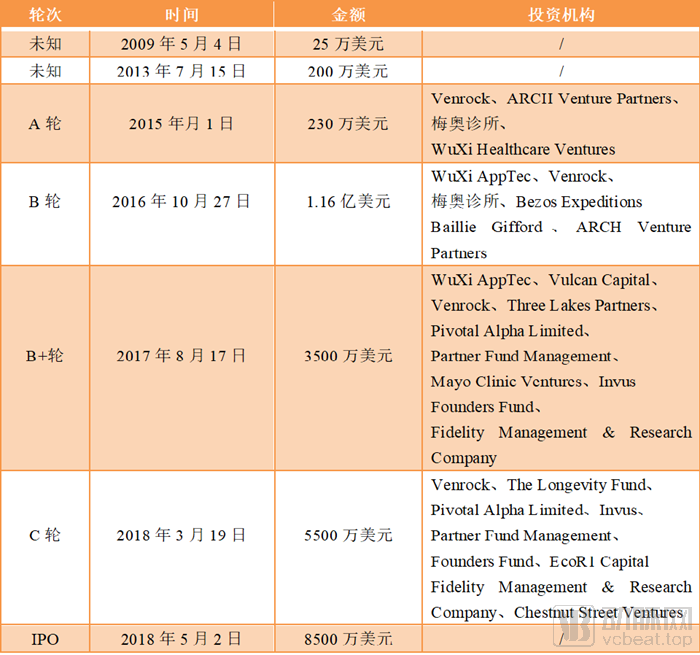
Unity Biotechnology, headquartered in California, United States, is one of the most closely watched biotech innovators in the anti-aging field, dedicated to developing therapies for preventing and reversing aging.
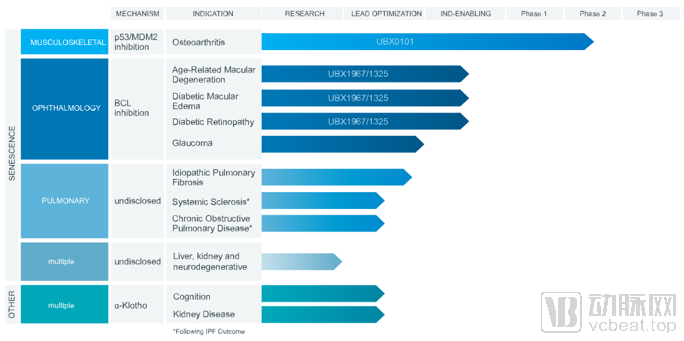
Research Project:The founding team of Unity Biotechnology discovered that a series of drugs—including dasatinib, quercetin, piperlongumine, and fisetin—can selectively induce apoptosis in senescent cells while having minimal effects on non-senescent cells. These agents were thus termed “senolytics” for their ability to specifically clear senescent cells implicated in age-related diseases, thereby delaying disease onset or alleviating symptoms. Currently, the company is conducting research into the use of senolytics for the treatment of osteoarthritis, ocular diseases, and pulmonary diseases.
R&D Pipeline
Financing Status
2. Mayo Clinic
Mayo Clinic is a world-renowned private, non-profit medical institution. It is one of the most influential healthcare organizations globally, representing the highest standard of medical care, and holds a leading position in medical research.
R&D Projects:In 2019, researchers at the Mayo Clinic discovered for the first time in human trials that senolytic drugs could successfully clear senescent cells, marking a critical step from animal studies to human clinical trials. These findings were published in the journal *EBioMedicine*. Several months later, Mayo Clinic researchers demonstrated through experiments that clearing senescent and dead cells in mice rejuvenated them by six months, equivalent to several decades in human terms. Furthermore, animals with cleared senescent cells exhibited enhanced renal function, greater cardiac stress tolerance, increased activity levels within their cages, and delayed cancer onset. In other words, they displayed ideal anti-aging effects across physiological, psychological, and age-related disease parameters.
3.Alkahest
Alkahest, founded in 2014, is dedicated to developing transformative therapies that modulate the human aging process to maintain health and vitality.
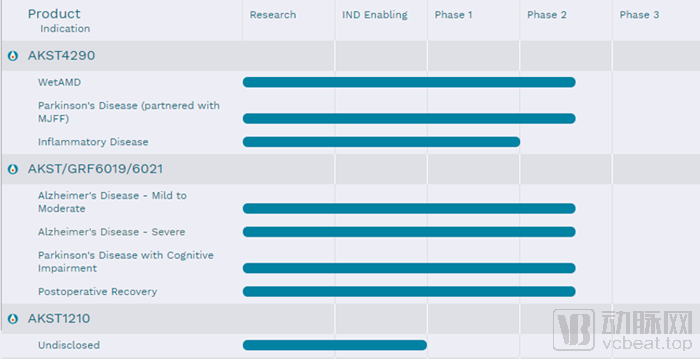
Research Project:Alkahest treats age-related neurodegenerative diseases through transformational therapies targeting aging plasma proteins. The company posits that aging is linked to the onset and progression of various neurodegenerative disorders, and aims to treat these conditions by injecting highly specific proteins derived from young plasma into elderly patients, thereby rebalancing the human aging process.
Alkahest is developing several plasma protein formulations. Preclinical studies have demonstrated that their therapeutic targets activate molecular signaling pathways in aged animals, enhance tissue regeneration, reduce age-related cognitive impairment and neuroimmune activation, and improve memory function. These formulations show potential for treating various age-related neurodegenerative diseases, including Alzheimer’s disease and Parkinson’s disease.
R&D Pipeline
Financing Status

4. Drexel University
Drexel University, founded in 1891, is a premier four-year private university located in Philadelphia. It is renowned nationwide for its cooperative education model, which emphasizes the integration of academic study and practical internships.
Research Project:In November 2019, researchers at Drexel University published a study in *Geroscience* reporting that rapamycin (commonly used to prevent organ rejection after transplantation) can improve cellular function and slow skin aging. Thirteen participants aged over 40 applied rapamycin cream to one hand every 1–2 days for eight consecutive months, while using a placebo on the other hand. The results showed that after eight months, collagen levels increased in most hands treated with rapamycin, and levels of p16 protein (a key marker of skin cell senescence) were significantly reduced.
5.Oisín Biotechnologies
Oisín Biotechnologies, founded in 2014 and headquartered in Washington State, USA, is dedicated to eliminating senescent cells to help people avoid age-related health issues.
Research Project:As the human body ages, senescent cells continue to accumulate, leading to various age-related diseases. Oisín Biotechnologies aims to eliminate all senescent cells in the body in a single treatment. Their strategy involves using nanoparticles to deliver a “suicide gene” into all cells; when cells exhibit high levels of the P16 protein, the “suicide mechanism” is triggered, causing the senescent cells to undergo apoptosis.
Funding Status

6.resTORbio
resTORbio, founded in 2016 and headquartered in Massachusetts, USA, is a biopharmaceutical company dedicated to developing novel drugs for the prevention or treatment of age-related diseases.
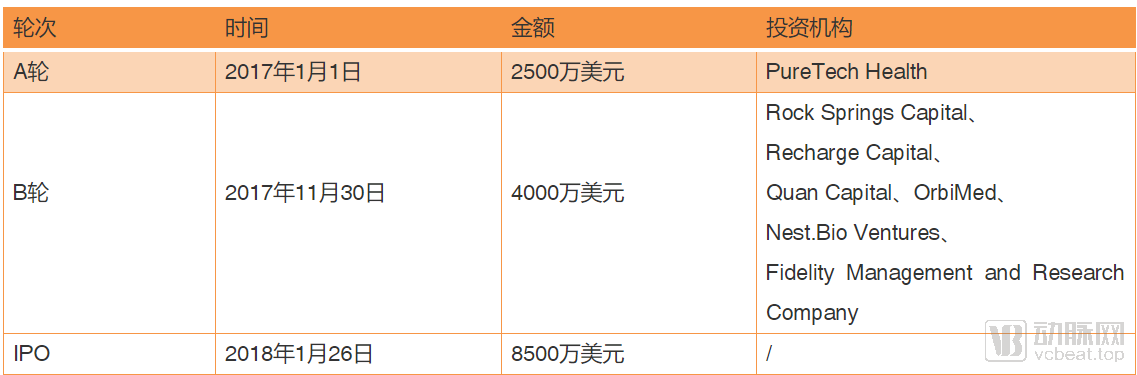
Research Project:As the human body ages, immune function declines. resTORbio focuses on research into the mTOR signaling pathway. The company’s key R&D project, RTB101, is an orally available mTORC1 inhibitor that, whether used as monotherapy or in combination with other mTOR inhibitors, can effectively improve immune function in the elderly and reduce the incidence of diseases such as respiratory tract infections. Phase IIb clinical trial results showed a 30% reduction in the rate of respiratory tract infections among 652 elderly volunteers.
Funding Status
7.Cleara Biotech
Cleara Biotech, headquartered in the Netherlands, is developing therapies to eliminate senescent cells. The company believes that clearing senescent cells can prevent the development of drug resistance in patients with advanced-stage cancer.
Research Project:Researchers at Cleara Biotech have uncovered the mechanisms by which senescent cells evade natural clearance processes. Leveraging engineered peptide molecules, the company is developing peptide-based therapeutics that target a subset of senescent cells to achieve their elimination. Preclinical studies demonstrated that the company’s peptide drugs cleared senescent cells in aged mice, restoring physical function, kidney health, and hair growth.
Funding Status

8.CohBar
CohBar, founded in 2007 and headquartered in California, USA, specializes in the research and development of anti-aging drugs for the treatment of age-related diseases.
Research Project:Research by the CohBar team has demonstrated that mitochondria-derived peptides (MDPs) play a critical role in age-related diseases. Mitochondrial dysfunction is associated with aging and many common age-related conditions, such as type 2 diabetes, cardiovascular disease, Parkinson’s disease, Alzheimer’s disease, and cancer. CohBar primarily focuses on age-related metabolic disorders in vivo. Its lead candidate drug, CB4211, has entered Phase I clinical trials.
Funding Status

9. University of California
The University of California is a university system located in California, United States, composed of several public universities, and is the most influential public university system in the world.
Research Project:Diabetes occurs when the immune system attacks the insulin-producing beta cells in the pancreas. Dr. Anil Bhushan and his team at the University of California’s Diabetes Center discovered that beta cells undergo secretory senescence. They found that Venclexta, a hematologic malignancy drug, can eliminate senescent beta cells and prevent the onset of type 1 diabetes in mouse models.
The research team found that when diabetes-prone mice were administered Venclexta two weeks before disease onset, only 30% developed diabetic symptoms, whereas 75% of the mice not receiving Venclexta exhibited such symptoms. Subsequent studies revealed that Venclexta eliminated senescent cells while preserving the integrity of healthy β-cells.
10. Albert Einstein College of Medicine
Albert Einstein College of Medicine, located in New York City, is a premier institution in the United States for medical education, basic research, and clinical research. Six major program centers at Einstein College of Medicine are designated by the National Institutes of Health (NIH), including the Albert Einstein Cancer Center, the Diabetes Center, and the Brain and Neuroscience Center.
Research Project:Nir Barzilai of the Institute for Aging Research at Albert Einstein College of Medicine is working to repurpose metformin, a type 2 diabetes medication, to extend human lifespan and healthspan. Preclinical studies have demonstrated that metformin holds potential in combating aging and age-related diseases. It has been shown to increase lifespan by 57% in nematodes, 6% in mice, and 2% in rats. Additionally, it reduces DNA damage, cellular senescence, and mitochondrial oxidation, while enhancing autophagy in pathological cells.
Commercialization Prospects ⭐⭐⭐
The Internet is becoming increasingly vulnerable to attacks, making cybersecurity issues ever more urgent. Quantum physics offers solutions to these cybersecurity challenges.
The quantum physics-based internet will soon enable stable and secure communications, as information transmitted via quantum networks is unbreakable; only two parties sharing entangled particles can access the data. We believe this technology can be applied to smart wearable medical devices and healthcare informatization, preventing data breaches and safeguarding against cyberattacks.
However, certain technical challenges in quantum networks remain unresolved, such as the generation of entangled particles and ensuring their long-distance transmission. Research teams worldwide are continuing to investigate and refine this technology. VCBeat has not identified any enterprises or institutions that have applied quantum networks to the medical field or are conducting related research within it.
Commercialization Prospects ⭐⭐⭐⭐⭐
Superconstellation satellites can enable high-speed internet coverage worldwide, allowing every inch of land on Earth to connect to the internet via broadband. We believe that in the healthcare sector, superconstellation satellites can facilitate the development of telemedicine.
Mega-constellation satellites have entered a mature phase. However, some argue that these satellite constellations could interfere with astronomical research, and that collision incidents involving such satellites would generate substantial space debris, potentially rendering satellite services and future space exploration nearly unfeasible for humanity. Currently, there are no reported instances of mega-constellation satellites being applied in the medical field by any institution or enterprise.
Commercialization Prospects ⭐⭐⭐
Quantum computers can solve problems that classical computers cannot. With each additional qubit, the computational speed of a quantum computer doubles. In the healthcare sector, quantum computers can simulate and analyze precise behaviors in new drug research. Currently, no companies have been found to apply quantum computing in the medical field.
Commercialization Prospects ⭐⭐⭐⭐⭐
AI-Driven Molecular Discovery Is No Stranger to Long-Time Healthcare Observers. In the realm of AI-enabled pharmaceutical development, hundreds of companies have established their presence and secured multiple rounds of financing.
AI-driven molecular discovery leverages machine learning tools to explore large databases containing known molecules and their properties, thereby generating new possibilities and enabling the identification of novel drug candidates at faster speeds and lower costs.
Beyond molecule discovery, AI-accelerated drug development is flourishing across all stages of the R&D process, with applications including but not limited to: biomarker establishment, data and model generation, drug repurposing, novel candidate generation, candidate validation and optimization, drug design, clinical trial design and patient recruitment optimization, and real-world evidence studies.
A major feature of AI is its speed, which can shorten the drug development process—originally taking an average of 7.5 years—to just a few months. During the fight against the COVID-19 pandemic, AI also demonstrated its speed by facilitating drug screening.
Geographically, AI-driven drug discovery companies are primarily concentrated in the United States and the United Kingdom, with several companies also established in China.
Currently, multiple AI-driven drug discovery companies have completed financing rounds, with most raising amounts in the tens of millions of dollars. Leading firms in this sector have also established partnerships with major pharmaceutical companies. Pfizer, Roche, and Merck & Co., among others, have already collaborated with various companies on joint research initiatives. Some drug candidates have even advanced into clinical trials.
From a cost-effectiveness perspective, the benefits of AI-driven drug discovery are substantial. While traditional drug development has historically cost hundreds of millions of dollars, data from industry leader Insilico Medicine indicates that leveraging artificial intelligence can reduce R&D expenses by $10–20 million.
Which companies, both domestic and international, are making significant strides in AI-driven drug discovery? VCBeat has compiled a list.
1. Insilico Medicine China
Insilico Medicine is dedicated to applying next-generation artificial intelligence technologies to target identification, drug discovery, and anti-aging research. The core AI technologies of Insilico Medicine are Generative Adversarial Networks (“GAN”) and Reinforcement Learning (“RL”). Its service offerings include data mining, biological research, compound generation, toxicity prediction, drug discovery, and target discovery.
Research Project:Novel Coronavirus Drug Development Project: Insilico Medicine recently announced that it will disclose the structures of small molecules targeting the 3CL protease of the 2019 novel coronavirus, to assist researchers currently dedicated to developing therapeutics for COVID-19 in testing their efficacy.
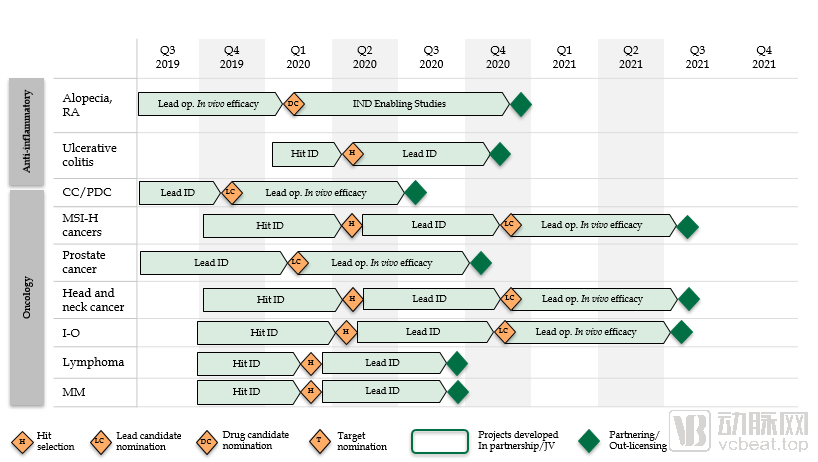
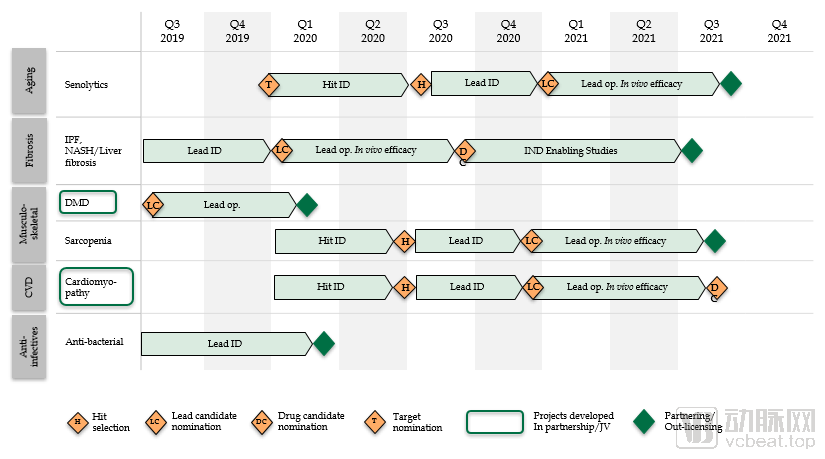
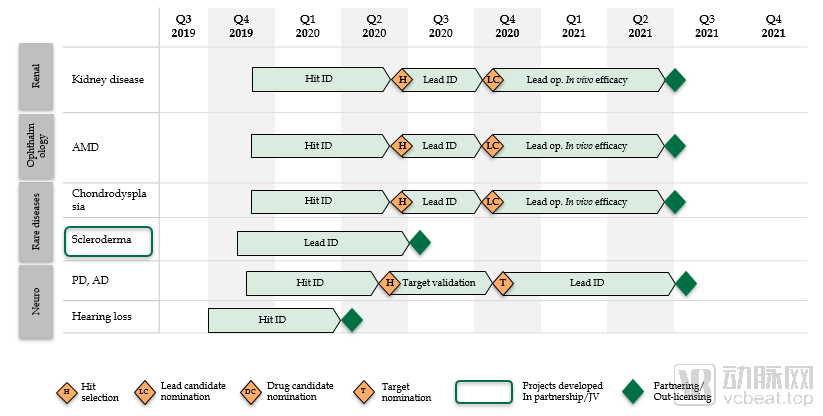
Currently, Insilico Medicine collaborates with over 150 institutions and enterprises, including the global large-scale CRO company WuXi AppTec. Insilico Medicine boasts a robust pipeline, with its most closely watched asset being the anti-aging drug Senolytics currently under development, which has become a focal point of market attention. Initially proposed by the Scripps Research Institute and the Mayo Clinic in the United States, Senolytics is regarded as a “longevity drug that directly targets the Achilles’ heel of senescent cells.”
R&D Pipeline:
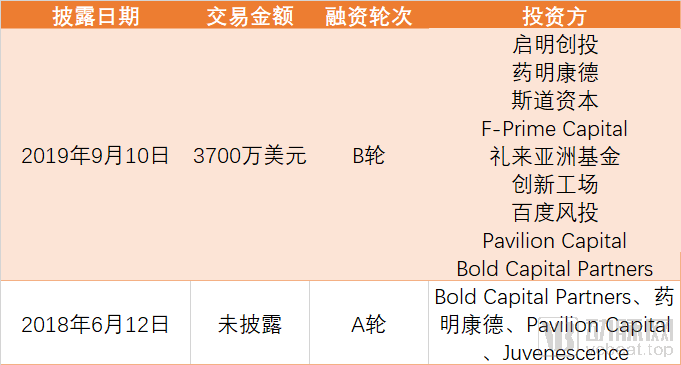
Funding History:
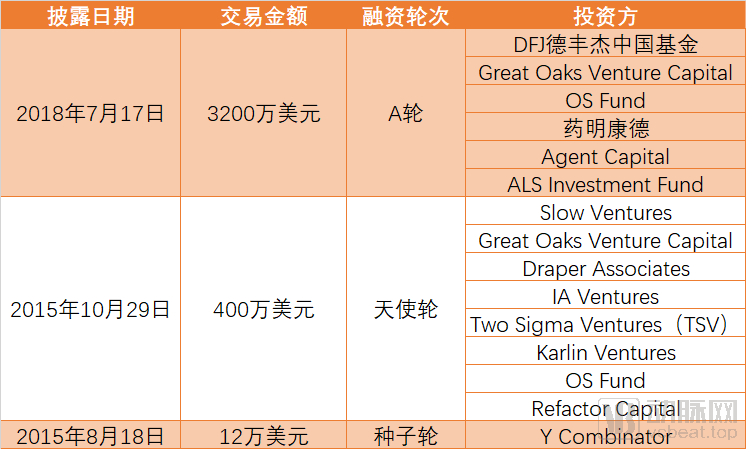
2. Verge Genomics, United States
VizGene was founded in 2015, dedicated to accelerating drug discovery by leveraging expertise in machine learning, neuroscience, and experimental biology. By vertically integrating machine learning technologies with drug development capabilities, VizGene combines patient clinical data with animal models to ensure the appropriate application of translational research.
Research Project:The company has pioneered leading therapeutic programs for amyotrophic lateral sclerosis (ALS) and Parkinson’s disease, establishing collaborations with two pharmaceutical companies. By partnering with more than a dozen top academic organizations and government agencies, the company has built the largest and most comprehensive genomic database of ALS and Parkinson’s disease patients in the field.
Financing Status
3. IBM Watson Health, United States
IBM Watson Health is better known for its intelligent clinical decision support tools in oncology. In fact, its “drug discovery” services have now evolved into a comprehensive suite of modules. For instance, it employs search engines to enable chemists and pharmacologists to extract abstracts from scientific papers, thereby retrieving information on specific genes, components, or compounds. Another example is the construction of knowledge networks that map the relationships between drugs and diseases.
Research Project:Provided drug safety analysis tools for Celgene and drug development tools for Teva Pharmaceuticals. The new collaboration between Teva and IBM Research aims to design, build, and deploy a systematic process for drug repurposing. This process will integrate human insights, unique machine learning algorithms, and real-world evidence accessed through the IBM Watson Health Cloud. IBM Watson Health Cloud technology will be applied at scale to uncover previously hidden correlations between drug molecules and health conditions.
4. AccutarBio China
AccutarBio, established in 2016, is a targeted therapy service provider dedicated to enhancing the accuracy and efficiency of drug screening through AI technology. The company has built an algorithmic platform to accelerate the development of next-generation therapeutics. Currently, AccutarBio leverages artificial intelligence methods for drug design based on protein crystallography data and has filed two patent applications in the United States. Additionally, it has established AI computing laboratories and biochemistry laboratories in Shanghai and New York.
Research Project:Currently, AccutarBio maintains close collaborations with numerous globally renowned scholars, including Nobel laureates, members of the U.S. National Academy of Sciences, and Howard Hughes Medical Institute (HHMI) investigators from prestigious institutions such as Harvard University, Rockefeller University, and Stanford University. It is reported that AccutarBio has also entered into collaborations with top-tier pharmaceutical companies in the United States.
Financing Status

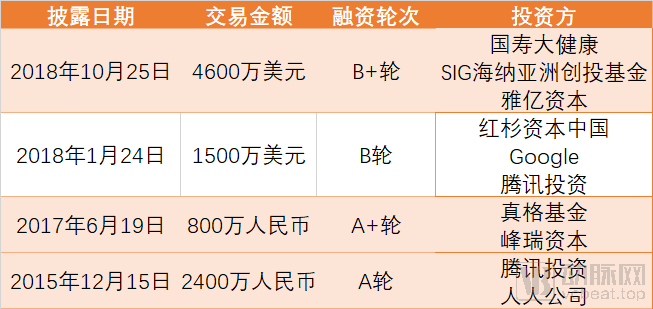
5. XtalPi (China)
XtalPi was founded in 2014 as the first AI company jointly invested by two tech giants, Google and Tencent, and the first Chinese AI-driven drug algorithm company to announce a strategic partnership with a top-tier global pharmaceutical firm. Driven by computational innovation, XtalPi is dedicated to developing next-generation intelligent drug discovery technologies to address challenges in efficiency and success rates during preclinical drug development.
Research Project:# Research on the Novel Coronavirus and Screening of Candidate DrugsFollowing the outbreak, XtalPi rapidly established a research team on January 20, mobilizing substantial cloud-based computational power to conduct molecular-level investigations into the mechanisms of viral host infection. This effort provided foundational basic research and open-source data support for viral early warning, prevention and control, and drug development.
XtalPi has currently partnered with seven of the global top 20 pharmaceutical companies, accelerating over 100 new drug pipelines. It achieved a 100% success rate in crystal form prediction cases throughout the year and has participated in more than 500 R&D activities cumulatively.
Funding Status
6. Exscientia, UK
The company has developed an artificial intelligence platform, Centaur Chemist, which automates drug development and research. Its product portfolio includes dual-pharmacology small molecules and bispecific small molecules guided by high-content phenotypic data. The company also offers phenotypic drug design, directly engineering compounds based on phenotypic and high-content screening data.
Research Project:On January 30, 2020, drug discovery company Exscientia announced that the first precision-engineered drug generated by AI had entered clinical trials. UK-based Exscientia has partnered with Japanese pharmaceutical company Sumitomo Dainippon Pharma (DSP) to develop a drug for obsessive-compulsive disorder (OCD), with the trial aimed at evaluating its efficacy. Exscientia stated that this represents a milestone in drug development, as the entire project took only 12 months, rather than the usual five years.
Financing Status

7. BenevolentAI, UK
BenevolentAI is dedicated to applying artificial intelligence to develop new drugs for intractable diseases. It is the first fully integrated AI company with capabilities in both drug discovery and clinical development. BenevolentAI’s advanced technologies have disrupted the traditional pharmaceutical industry model by reducing costs, increasing success rates, and shortening the R&D timeline. Previously, BenevolentAI underwent a departmental restructuring: Benevolent Bio focuses on supporting drug research and development, while BenevolentTech is responsible for developing the AI engine and expanding its application areas.
Research Project:Currently, the Bio division has two new drugs in non-oncology indications advancing into late-stage development. One of them, a drug for Parkinson’s disease, has already entered Phase II clinical trials. The other is designed to treat amyotrophic lateral sclerosis (ALS), commonly known as Lou Gehrig’s disease. The best currently available symptomatic therapy extends patient survival by only three months; this new drug is expected to deliver a significant breakthrough and is projected to reach the clinical stage within five years.
Financing Status

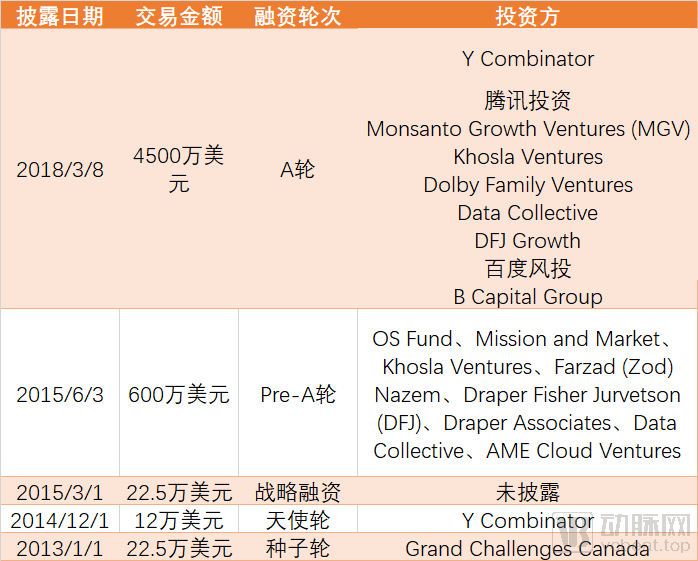
8. Atomwise (United States)
Atomwise, founded in 2012, has raised over $51 million in funding to date. The company aims to reduce the financial costs and time researchers spend on identifying drug compounds, with more than 50 R&D projects currently underway. Atomwise has been collaborating with major pharmaceutical companies, biotechnology firms, and university research laboratories to accelerate the discovery of new drug candidates for neurodegenerative diseases, cancer, and other conditions.
Research Projects: One of Atomwise’s key strengths is the extensive portfolio of projects it has developed, which in turn facilitates the iterative enhancement of its AI system. The company’s clients include four of the top ten pharmaceutical companies in the United States, such as Merck and Monsanto, as well as more than 40 research-intensive universities (including Harvard University, Duke University, Stanford University, and Baylor College of Medicine) and biotechnology firms.
Financing Status
Commercialization Level ⭐⭐⭐⭐⭐
Digital currency can be regarded as a type of virtual currency based on node networks and digital encryption algorithms. In MIT’s introduction to digital currencies, the primary researchers cited are Facebook and the People’s Bank of China.
In China, the development of digital currency has been progressing rapidly. The People’s Bank of China (PBOC) began researching the Digital Currency Electronic Payment (DCEP) system in 2014. On December 12, 2019, reports indicated that a pilot project for the PBOC’s statutory digital currency, led by the central bank and involving the four major state-owned commercial banks—Industrial and Commercial Bank of China, Agricultural Bank of China, Bank of China, and China Construction Bank—as well as the three major telecommunications operators—China Mobile, China Telecom, and China Unicom—was expected to be launched in cities such as Shenzhen and Suzhou.
It is reported that digital currencies will be integrated into service scenarios such as transportation, education, and healthcare.
At the Ninth Meeting of the National Development and Reform Commission’s Research Project on New Digital Economy Infrastructure, More Than 10 Experts and Scholars Assessed That the Pandemic Could Accelerate the Launch of Central Bank Digital Currency.
From a broader perspective, blockchain is a viable technology for enabling the circulation of digital currencies. In the healthcare sector, blockchain technology can play a unique role in applications such as electronic health records, medical reimbursement management, and supply chain monitoring.
Commercialization Prospects ⭐⭐⭐
Differential privacy is a cryptographic technique designed to maximize the accuracy of queries from statistical databases while minimizing the chances of identifying individual records.
This technology holds potential for application in the field of healthcare big data. Unlike general data, healthcare big data demands higher levels of privacy and security, which is why the healthcare industry maintains a cautiously conservative stance toward digitalization.
Although the potential opportunities that big data offers in the healthcare sector are limitless (e.g., advancing health research, knowledge discovery, clinical care, and personal health management), several barriers hinder its full realization, including technical challenges, privacy and security concerns, and a shortage of skilled talent. Big data security and privacy are considered significant obstacles for researchers in this field.
Currently, some foreign studies have applied differential privacy techniques to medical data mining under privacy protection, thereby safeguarding the security and privacy of big data. However, this field remains at the stage of academic research, with relatively few research projects undertaken.
Climate change attribution and tiny AI have not yet been found to have applications in the medical field, so they are not included for now.
Final Remarks
Through our analysis, we have identified personalized medicine, anti-aging drugs, and AI-driven molecular discovery as the most commercially mature sectors. Notably, these fields exhibit significant overlap, with AI-driven molecular discovery increasingly intersecting with anti-aging drug development. The integration of technology and cross-disciplinary applications is poised to become a major trend in the future. Geographically, the United States remains the epicenter for disruptive medical technology R&D. Benefiting from a well-established ecosystem, the pathway from laboratory research to commercialization for related technologies in the U.S. is relatively short.
In terms of the diseases they primarily target, these technologies are attempting to tackle refractory conditions for which there are currently no effective treatments, such as Alzheimer’s disease, amyotrophic lateral sclerosis (ALS), and various rare diseases. Although they may be less mature than existing therapies, from a longer-term perspective, they have the potential to usher in a new era of disease treatment.
Although these technologies hold considerable promise, each must undergo rigorous validation before true commercialization can occur. Moreover, achieving widespread adoption of cutting-edge technologies remains a significant challenge. Fortunately, the fundamental purpose behind some of the top ten technologies is to enable broader access to high-quality healthcare services.