

JD Health's Tech-Driven Pandemic Response: Over 3.5 Million Online Consultations and 30 Million Protective Items Supplied
Recently, JD Health CEO Xin Lijun has found his phone filled with countless WeChat groups.
Emergency Supplies Transport Group, Donated Supplies Transport Group, Personal Protective Equipment Supply Chain Management Group, and many others—so numerous that some groups did not even have time to be named. The members are mostly managers from JD.com’s various subsidiaries and heads of JD Health’s core business units, with each group serving as a command team for an emergency project.
These ad-hoc communication mechanisms, established across JD.com’s various business segments since the onset of the pandemic, have facilitated the widespread reach of JD Health’s free online consultation services, the timely delivery of preventive and chronic disease medications, and the maximized supply guarantee of pandemic prevention materials.
On March 2, JD.com released its 2019 annual report. In addition to disclosing full-year financial results, the company reported its recent performance during the epidemic: its online consultation platform served more than 3.5 million users; it partnered with over 13,000 offline pharmacies to provide 30-minute home delivery of medications; it transported approximately 50 million units of emergency medical supplies, with a total weight exceeding 15,000 metric tons; and the group invested more than RMB 1 billion to ensure logistics capacity, safeguard people’s livelihoods, and support partner merchants.
As a key strategic initiative by JD.com in the healthcare sector, what actions did JD Health take during the pandemic? How did it coordinate with other business segments? In an exclusive interview with VCBeat, Xin Lijun shared the underlying details.
“Individuals experiencing mild respiratory discomfort should rest more at home, maintain a balanced diet, and seek professional medical advice promptly via online platforms or telephone…” Since the onset of the COVID-19 pandemic, Li Wenjuan, a full-time physician at JD Health, has lost count of how many times she has issued similar recommendations. However, she provides more specific, tailored advice based on patients’ age, gender, and physical condition.
Li Wenjuan serves individual users directly, working alongside all her colleagues at JD Health across the enterprise, hospital, and government business lines.
Free Online Consultation Platform Sees Over 100,000 Daily Consultations
On January 26, JD Health launched the “Prevention and Containment of Novel Coronavirus Pneumonia” free online consultation platform, providing complimentary consulting services to users across China experiencing symptoms such as cough, fever, fatigue, and diarrhea. “Should I go to a hospital or a fever clinic if I have a cough and low-grade fever?” This was the most frequently asked question received by physicians.
Li Wenjuan and her colleagues need to differentiate, based on these questions and self-reported symptoms, between patients with common colds who are experiencing psychological panic and those with severe conditions who truly require hospital care, and provide corresponding recommendations for each group.
Recognizing that patients with chronic diseases, the elderly, infants and young children, and pregnant and postpartum women are high-frequency users of medical consultations and medication purchases yet face inconveniences in accessing offline care, JD Health took the lead in the internet healthcare sector on February 6 by expanding its free consultation services to cover all diseases across all medical departments. The service operates 24/7 and is available to all users nationwide.
Prior to February 6, the platform generated nearly 10,000 consultation requests within a single hour during peak periods. After consultations across all departments were made free of charge on February 6, the number of users accessing the platform nearly doubled, with the average daily consultation volume exceeding 100,000.
As of March 1, the platform had cumulatively served over 3.5 million users through its online consultation services.
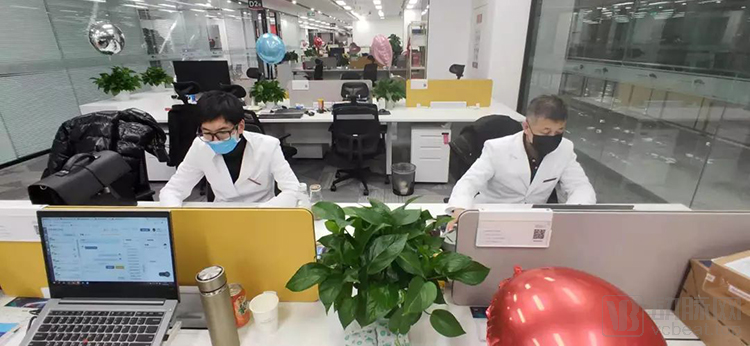 JD Health Full-Time Physicians on Late-Night Duty
“We have over 100 full-time physicians and 30,000 external collaborating physicians,” calculated Xin Lijun. The daily consultation volume for each external collaborating physician can reach up to 20 patient visits on busy days; according to actual statistical data, the daily consultation volume for each full-time physician at JD Health can be as high as 200 patient visits.
Behind these figures lie the overtime efforts of full-time physicians and the race against time by external doctors during their off-hours.
Live Video Sessions with Renowned Physicians: Online Public Welfare Science Popularization
During the pandemic, not only JD Health but also major online consultation platforms saw significant growth in user numbers and consultation volumes. A shortage of physicians has been a pressing concern for all platforms, prompting them to adopt various countermeasures. On the “open-source” front, efforts included urgent recruitment of doctors; on the “cost-saving” side, measures such as launching pre-consultation symptom self-assessment tools and leveraging technology to filter out irrelevant inquiries were implemented to enhance physicians’ work efficiency. These approaches have all played a positive role.
How to Further Improve the Matching Efficiency of Online Medical Resources? The Currently Popular Live Video Streaming Across the Internet May Be One Solution.
During the pandemic, JD Health launched a series of “Live Streams with Renowned Physicians to Combat the Epidemic,” delivering nine sessions on topics including scientific epidemic prevention measures, psychological counseling and emotional management during the outbreak, self-protection for returning to the workplace, cardiovascular and cerebrovascular disease prevention, and diabetes management. The cumulative number of viewers exceeded 17 million.
On the afternoon of February 12, Professor Hu Dayi, a renowned expert in cardiovascular diseases, medical educator, and Director of the JD Health Heart Center, conducted a live stream on JD.com focused on helping patients with chronic diseases cope with the epidemic. The broadcast attracted over 1.6 million online viewers. During the session, Professor Hu provided detailed guidance to viewers on effective disease management for chronic conditions during the outbreak, offering scientific advice to help them navigate this period safely.
Why Is It Said That Live Video Streaming Can Improve the Efficiency of Medical Resource Allocation?
Among the service models of internet-based healthcare, those requiring direct physician involvement primarily include online consultations and health education. Each has its own strengths, but also its respective limitations.
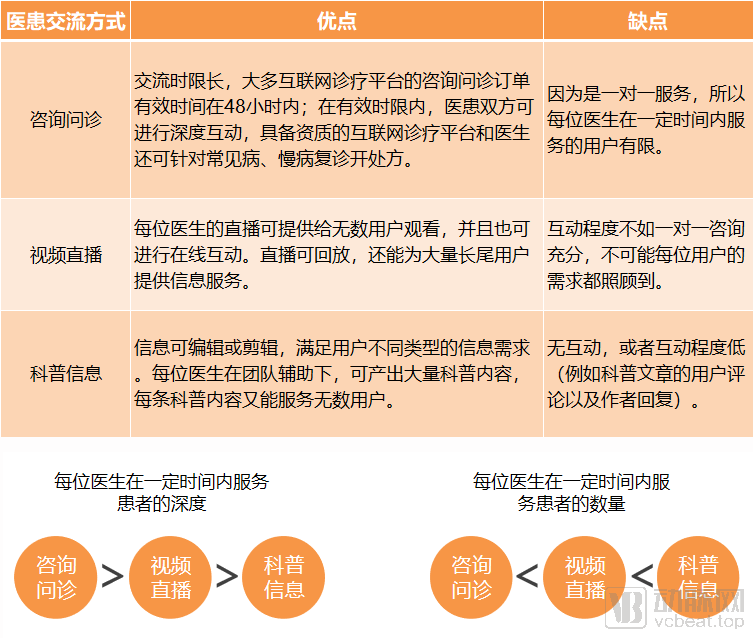
Pros and Cons of Online Consultations, Live Video Streaming, and Popular Science Information | Graphic by VCBeat
Online consultations and health education content are the most common features, having long become standard offerings on internet healthcare platforms. The advantages of both are evident: online consultations provide one-on-one services, allowing patients to raise multiple questions or requests within a specified timeframe. This facilitates thorough communication between doctors and patients, enabling physicians to propose various solutions tailored to patient needs, such as issuing prescriptions, ordering diagnostic tests, or scheduling hospital beds, thereby serving as a critical link between online and offline services. Health education content comes in diverse formats, including text, images, and videos, with no restrictions on length. Longer pieces offer in-depth explanations, while shorter ones are suitable for fragmented reading, and both can be widely disseminated.
The drawbacks of both are also quite evident. The number of physicians available for consultation is limited; whether full-time or part-time, their time is constrained, thereby restricting the number of patients they can serve under the same technological conditions. Furthermore, health education information is primarily disseminated in a one-way manner, resulting in weak doctor-patient interaction and an inability to address personalized issues.
However, live video streaming occupies a middle ground between the two. Although it lacks the depth of service offered by medical consultations, it can reach a larger number of users per session and allows for limited interaction. Therefore, when combined with medical consultations and popular science information, live video streaming can leverage complementary advantages to further enhance the efficiency of delivering professional health information.
Medication Supply in Epidemic Areas and Services for Chronic Disease Patients Face a Major Test
The impact of the epidemic has not only caused panic among the general public but also created difficulties in accessing medical care and purchasing medications for specific groups, particularly patients with chronic diseases. In response, JD Pharmacy, under JD Health, has launched a Chronic Disease Care Initiative in collaboration with 70 pharmaceutical companies, while making every effort to ensure an adequate supply of medications.
The program offers expert live streams and free consultations for six major departments—cardiovascular and cerebrovascular, endocrinology, hepatobiliary, neurology, and rheumatology and immunology—along with medication coverage and home delivery for over 100 chronic diseases.
Under JD Health’s new strategy, chronic disease management is a key component. The services provided to patients with chronic conditions during the pandemic not only served as a process for user acquisition but also tested JD Health’s ability to integrate resources.
During this process, the team recognized that most prescriptions for patients with chronic diseases are issued for 15 days. Therefore, lockdown measures lasting longer than 15 days would result in many patients running out of medication. The situation was even more severe in Hubei Province, where containment measures were the strictest. Interruption of medication for conditions such as epilepsy, depression, and bronchial asthma can have serious adverse effects on disease management. Meanwhile, collaborating experts also used live broadcasts by renowned physicians to call for prioritized assurance of medication access for chronic disease patients in Hubei.
On February 10, JD Health urgently launched a public welfare platform titled “Medication Interruption Assistance Registration for Chronic Disease Patients” targeting Hubei Province. Through this platform, drug suppliers and patients can promptly and conveniently connect medication needs with supply information, enabling JD Health to help patients quickly locate and obtain essential and urgently needed medications.
Since its launch, the platform has primarily spread through organic sharing among patient communities. To date, it has received over 17,000 requests for assistance, with more than 80% of medication-related inquiries successfully resolved. However, this outcome was not easily achieved.
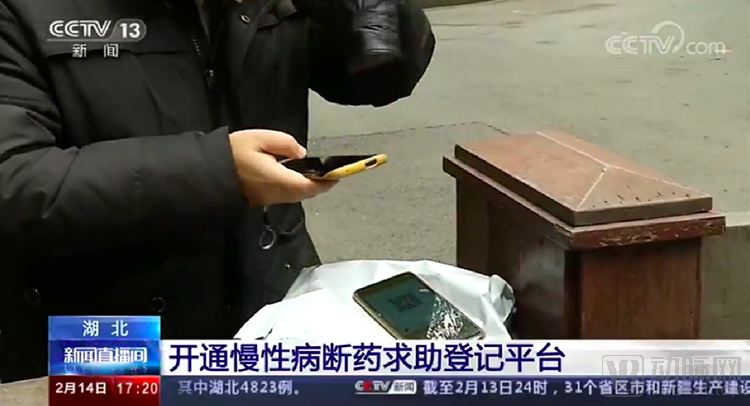
CCTV News Reported on JD Health’s Public Welfare Project “Hubei Chronic Disease Medication Shortage Assistance”
Xin Lijun stated, “In Hubei Province, apart from Wuhan, there are many patients in other regions. Due to strict traffic controls, deliveries to some communities and townships were temporarily disrupted, which has been our greatest source of anxiety. Therefore, we have been making continuous efforts and dedicating substantial human resources to coordinate and ensure delivery.”
Ensuring the supply of medications in special environments was a test for JD Health during the pandemic. Successfully passing this test would significantly enhance its ability to integrate the supply chain and serve patients with chronic diseases.
It is reported that, with the support and cooperation of JD Logistics, JD Pharmacy has successfully established a transportation channel. Medication orders from the Hubei region are being continuously expedited from JD Pharmacy’s pharmaceutical warehouse in Xi’an, with priority dedicated-line delivery provided by JD Logistics.
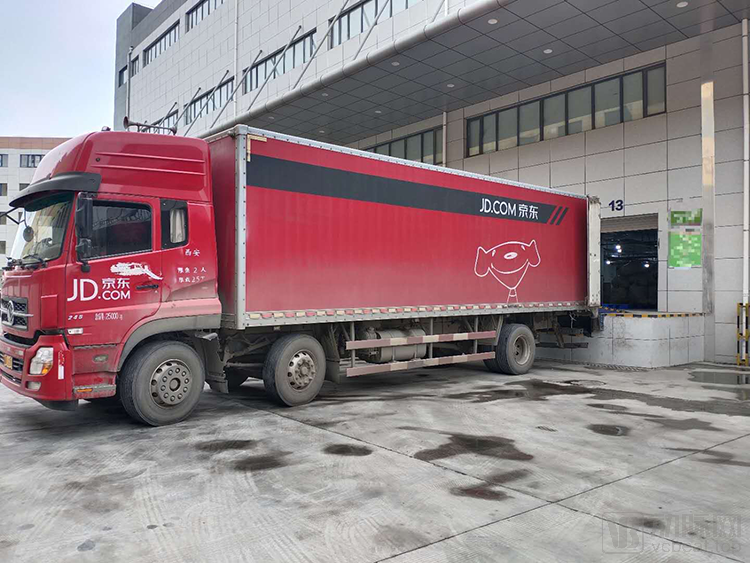 JD Health Pharmacy’s Xi’an Warehouse Launches Dedicated Express Line for Priority Emergency Delivery of Medications to Hubei
Launch of New Service Model: “Yaojisong” Accounts for 80% of New Users
In the medication access and assurance segment, JD Health has not only implemented the various measures of JD Pharmacy but also intensified its localized partnerships.
During the pandemic, many residential communities across China implemented closed-off management, and even in areas without such restrictions, residents were encouraged to stay home as much as possible. As a key component of JD Health’s omnichannel retail model for pharmaceuticals and healthcare products, its O2O medication delivery service, “Yao Ji Song” (Medication Express), addresses the inconvenience of going out. After placing an order, users can have their medications delivered to their doorstep by couriers within approximately 30 minutes.
This service is provided through JD Health’s collaboration with a total of 13,000 offline pharmacies across various cities. JD Health provides the online platform, while medications are picked up from pharmacies near the recipient’s address and delivered via the Meituan and Dada platforms.
To provide users with a more comprehensive medication delivery service, “Yaojisong” has launched a new “Intra-City Delivery” model, which is currently being piloted in the central stores of Chongqing, Chengdu, and Shenzhen.
This model partners with the flagship stores of large local pharmacy chains, leveraging their extensive drug inventory and broad same-city express delivery coverage to provide same-day and next-day home medication delivery services to users across the entire city.
Central stores offer up to 5,000 types of medications, with service coverage across the entire city; in contrast, ordinary community pharmacies serving a 3–5 kilometer radius typically stock around 800 to 1,000 types. Consequently, central stores provide a wider selection of medications.
According to order data from “Yaojisong”: During the peak period of the epidemic spread around the Spring Festival, user demand for protective products such as face masks and alcohol-based sanitizers surged significantly. After the epidemic situation stabilized, in addition to Chinese and Western medicines related to COVID-19, sales of medications for treating common and chronic diseases showed marked growth.
Over the past month, “Yaojisong” has seen significant growth in both its user base and order volume, with new users accounting for 80% of the total. The service model of “online ordering and home delivery of medications” has become increasingly prevalent.
Delivering services to enterprises, hospitals, and governments while connecting resources
JD Health’s ability to promptly meet the healthcare needs of consumer-end (C-end) users stems not only from its deep user insights but also from its capacity to connect and integrate resources from enterprises, hospitals, and government entities. Behind its services for C-end users lies JD Health’s continuous empowerment of these three key stakeholders.
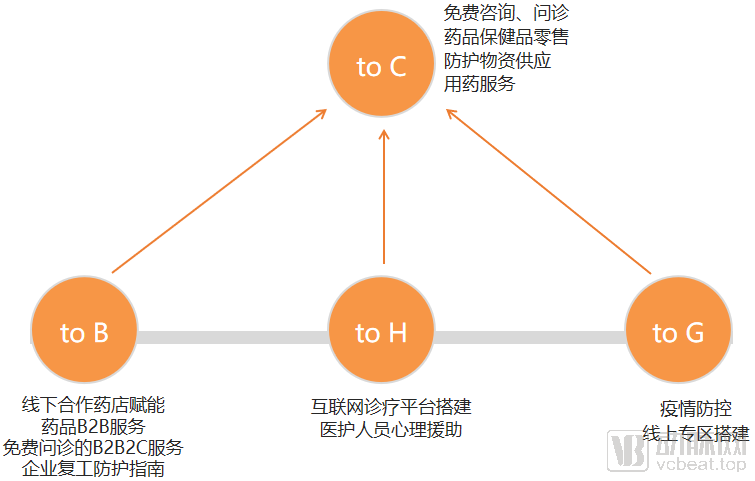
JD Health’s Service Segments and Their Interrelationships During the Pandemic, Chart by VCBeat
Taking the “Yao Ji Song” (Medicine Express Delivery) service as an example, within less than a week of launching the new “Same-City Delivery” model in Chongqing, Chengdu, and Shenzhen, order volumes at central stores surged to more than 20 times those of typical O2O pharmacies.
According to JD Health statistics, many merchants experienced significant growth in the volume of “Urgent Medicine Delivery” orders around the Spring Festival. For instance, the daily average number of orders at the Beiyuan Pharmacy of Baikang Pharmacy in Chaoyang District, Beijing, increased by nearly 200% month-on-month during this period, while Neptune Star’s order volume in January this year surged by more than 300% year-on-year.
JD Health’s empowerment of these merchants goes beyond merely breaking the physical shelf space and coverage limitations of offline stores, as reflected in increased traffic and order volumes. Building on this foundation, it has established a complete “medical care + pharmaceuticals” closed loop. If users need to purchase prescription medications for chronic diseases, they can first consult with doctors for free via JD Internet Hospital; after the doctor issues a prescription and it passes review, the purchase can be completed. For over-the-counter medications, doctors can also provide free medication advice online.
In addition, during the pandemic, Yaojingcai, our B2B business, rationally allocated resources from commercial partners to ensure drug supplies for 130,000 pharmacies and clinics. Xin Lijun stated, “We are also grateful to our partner companies, many of which were willing to transfer their inventory at fair prices to customers in urgent need.”
In terms of corporate services, JD Health has partnered with multiple enterprises, including China Unicom, to integrate platform systems and provide services such as free online physician consultations and public education on epidemic prevention. Meanwhile, it has leveraged professional medical resources on its platform to develop the "Corporate Return-to-Work Epidemic Prevention Guide," assisting businesses in implementing epidemic prevention measures for resuming operations. Additionally, JD Health has launched a dedicated "24/7" online consultation platform to provide targeted services for enterprise employees.
On the hospital side, JD Health urgently established online consultation zones for multiple public hospitals, including Tianjin Nankai Hospital and Peking University Shougang Hospital. In collaboration with Peking University Sixth Hospital, it launched a dedicated “Psychological Assistance Channel” online platform for frontline medical personnel. This initiative enabled JD Health to expand its physician resources; for instance, Nankai Hospital assigned 49 doctors from more than 20 departments to join the JD Health online consultation platform.
On the government front, JD Health partnered with the Beijing Yizhuang Economic-Technological Development Area to establish a dedicated epidemic prevention and control zone, launching the “Yi Qi Fang Yi” online public service platform to assist enterprises in Yizhuang with employee information collection, health consultations, and epidemic prevention publicity.
Health commissions in multiple regions, including Heilongjiang, Liaoning, Tangshan (Hebei), Beihai (Guangxi), Xixian New Area (Shaanxi), and Suqian (Jiangsu), as well as the Medical Insurance Bureau of Fuzhou (Jiangxi), have successively integrated JD Health’s “Platform for Combating the COVID-19 Epidemic” into their public service platforms.
By connecting with government departments through its services, JD Health can secure an endorsement of its professionalism, while also fostering user aggregation and cultivating user habits.
JD Health is JD.com’s strategic initiative in the healthcare sector, and its operations are inherently intertwined with close collaboration with JD.com and its various subsidiaries.
“We already have an efficient set of mechanisms in place for day-to-day operations, eliminating the need for redundant communication. For instance, our collaboration with logistics providers—covering warehousing inbound and outbound processes as well as distribution—is strictly governed by established protocols,” pointed out Xin Lijun. He noted that efficiency demands during the pandemic were even higher than usual, and the distribution of special protective supplies differed significantly from standard procedures. “With everyone working remotely, we established numerous cross-departmental, cross-system, and even multi-partner liaison groups, relying on WeChat groups as the simplest and most direct channel for communication.”
JD Logistics Provides Transportation Support for Medicines and Supplies
According to the “China Express Delivery Development Index Report for January 2020” released by the State Post Bureau, during the Spring Festival holiday, China’s postal sector collected a total of 81.25 million parcels. Multiple enterprises, including China Post, SF Express, and JD Logistics, provided normal service guarantees by proactively coordinating network resources and implementing dynamic management of network operations.
JD Logistics enables order placement and delivery in nearly 300 cities and over a thousand districts and counties across China during the Spring Festival. Leveraging its nationwide network of more than 700 warehouses and 25 “Asia No. 1” smart logistics parks, JD Logistics fulfills orders from the nearest warehouse, ensuring timely delivery of food, daily necessities, and consumer goods to residents throughout the holiday period. In contrast, most major express delivery companies will not fully resume operations until February 10.
Following the outbreak, JD Logistics announced that it would prioritize the delivery of orders designated by medical institutions, striving to ensure the supply of medical protective materials to epidemic-affected areas despite an overall reduction in logistics resources during the Spring Festival. According to statistics from the State Post Bureau, between January 15 and 31, JD Logistics delivered more than 2.36 million units of medical and epidemic prevention supplies—including face masks, medical gloves, goggles, and disinfectants—from over 30 cities across China to major hospitals in Wuhan and Huanggang.

JD Health’s Donated Anti-Epidemic Medicines Arrive at Local Medical Institutions in Wuhan
During the pandemic, JD Logistics implemented smart delivery services in Wuhan and deployed delivery robots from various regions to support the city, aiming to normalize intelligent logistics operations. The JD Logistics Renhe Station in Wuhan is located only 600 meters away from Wuhan No. 9 Hospital, a designated hospital for treating COVID-19 patients. Following the outbreak, this station played a pivotal role in supplying medical materials to Wuhan No. 9 Hospital, with smart delivery robots making significant contributions.
In other regions across China, JD Logistics has leveraged the advantages of intelligent technology and a diversified ecosystem to enable contactless delivery through self-service lockers, convenience service points, and autonomous delivery vehicles. In rural areas of Hebei, Shaanxi, Jiangsu, and other provinces, drone delivery services have been launched to serve sealed-off or isolated communities.
As of February 28, JD Logistics had cumulatively transported approximately 50 million items, with a total weight exceeding 15,000 metric tons, of medical emergency supplies through special channels for relief materials across China.
With eight consecutive years of non-stop operations during the Spring Festival, a comprehensive logistics network, and high-tech delivery methods, JD Logistics’ advantages in public services are self-evident. Undoubtedly, JD Health can fully leverage these strengths.
During the Spring Festival holiday, which coincided with the rapid escalation of the epidemic, most internet healthcare companies reported inadequate logistics support and an inability to deliver medications to patients in a timely manner. However, this was not an issue for JD Health.

Orders for medications requested due to drug shortages in Hubei are labeled “Priority Delivery” at the time of dispatch.
During this period, JD Health not only ensured the delivery of medications but also made every effort to guarantee the supply and price stability of various protective equipment by managing sources, warehousing and distribution, and platform controls. JD Logistics urgently deployed multiple batches of vehicles directly to manufacturers’ factories, loading large quantities of products fresh off the production lines and transporting them promptly to JD’s logistics centers across China.
In the early stages of the pandemic, masks from self-operated cooperative manufacturers such as 3M and Honeywell could move directly from factory production lines into JD.com’s warehouses, ensuring delivery to customers at the fastest possible speed. From January 19 to 22 alone, more than 15.8 million masks entered warehouses and were listed for sale each day via expedited logistics channels. Within the month starting January 1, JD Health’s self-operated business procured nearly 30 million units of various epidemic prevention supplies, including pulse oximeters and thermometers, to meet consumer demand.
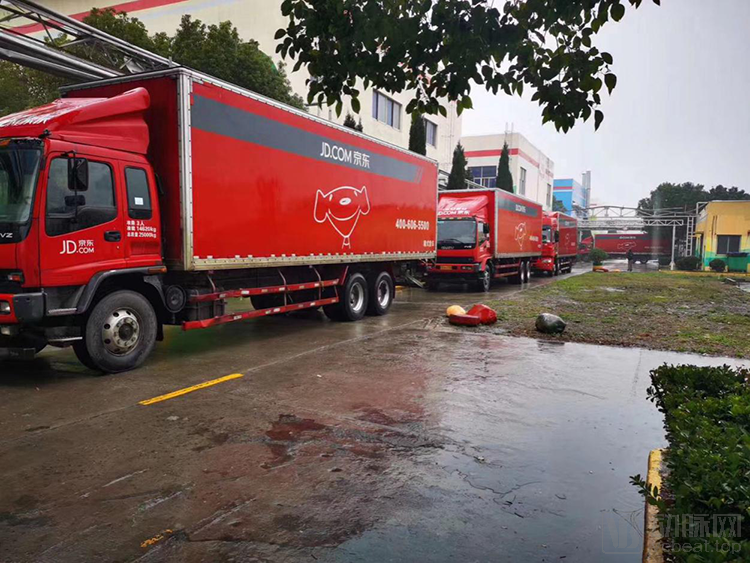
A JD Logistics truck loaded with goods is about to depart from a mask manufacturing factory for a JD warehouse.
Starting January 24, leveraging its supply chain and logistics advantages, JD Health donated medical masks and medical supplies to Wuhan in batches. This included one million medical masks urgently sourced from across China, as well as 60,000 items of medicines and medical supplies—such as hand sanitizer, disinfectant, amoxicillin, and oseltamivir—donated from local warehouses in Wuhan. The first batch of supplies was delivered on the same day (January 24) to medical institutions including Wuhan Union Hospital, Zhongnan Hospital of Wuhan University, and Wuhan Tongji Hospital.
JD Health aims to connect doctors, hospitals, pharmacies, and pharmaceuticals to integrate the entire industry chain, while JD Logistics has built a robust infrastructure to support JD Health’s offline connectivity capabilities.
JD Retail and JD Health Jointly Safeguard Home-Based Health Needs
During the pandemic, changes in social management practices led to a surge in consumer demand for home-based living essentials. JD Retail introduced a series of initiatives on the supply side to support farmers and merchants, ensuring adequate supplies of food, fruits, and daily health products. JD Health collaborated with key business units under JD Retail, such as JD Fresh and JD Worldwide, along with numerous partners, to accelerate and scale up the production and distribution of relevant goods.
On the sales front, online campaigns consolidate these products to deliver more precise services to users.
The JD.com app features a link to the “JD Anti-Epidemic Zone” at the top of its homepage. This page not only showcases JD Health’s services, including free online consultations, medication purchase and delivery, medication guides, and live streams with renowned physicians, but also integrates pandemic-related service functions from various JD business segments, such as an intelligent epidemic assistant, an agricultural assistance zone, and a suite of tools for remote work and learning.
The efficient collaboration, complementary strengths, and resource sharing between JD Health and other subsidiary groups have delivered a synergistic effect greater than the sum of their parts (1+1>2), both in terms of delivering social value during the pandemic and strengthening its own capabilities. This collaborative mechanism, forged through long-term cooperation, will continue to leverage its advantages in the future.
According to the 2019 annual report released by JD.com Group on March 2, the group’s full-year net revenue reached RMB 576.9 billion, a year-on-year increase of 24.9%, with GAAP net income amounting to RMB 12.2 billion. Of this, the full-year net service revenue was RMB 66.2 billion, representing a year-on-year growth of 44.1%, as technology and services are increasingly becoming new engines of growth.
In specific business segments, the retail operating profit margin reached 2.5%; among these, physical retail businesses maintained steady growth, while service-oriented businesses delivered outstanding performance.
JD Health integrates technology, services, and retail. Although specific figures are not disclosed in its annual report, insights can be gleaned from previously released data.
2019 held special significance for JD Health:
In May, it began independent operations and was officially established as a wholly-owned subsidiary under JD.com Group;
In October, a strategic transformation centered on “health management” was proposed for the core businesses of pharmaceutical e-commerce and internet healthcare, which are built upon the closed-loop “medical care + pharmaceuticals” model.
In December, the “JD Health Heart Center” was launched. As a key initiative in JD Health’s new strategy, it was established in collaboration with Professor Hu Dayi, a renowned expert in cardiovascular diseases and medical educator, along with his team of experts. Thirty-five top cardiac specialists nationwide, including Professor Hu, were appointed to core positions, focusing on specialized diseases and disciplines to pioneer an integrated online-offline model of internet-based healthcare.
In 2019, JD Health’s online consultation platform became one of the fastest-growing internet healthcare platforms in China; JD Pharmacy surpassed the four largest pharmaceutical retail chains to become the nation’s largest pharmaceutical retail channel. JD Health’s retail operations accounted for over 15% of the national pharmaceutical retail market share, contributed more than 60% of specialty drug sales, and delivered over half of its medications to cities below the third tier. “Yaojingcai” emerged as one of China’s largest third-party pharmaceutical wholesale platforms, covering 21 provinces and more than 400 cities, with its distribution network extending down to the township level and continuing to expand further into grassroots markets. Its smart healthcare business has helped build “Healthy Cities” in multiple regions, directly serving government agencies and hospitals.
In the healthcare sector, the pandemic may have disrupted the pace of many companies, but Xin Lijun frankly stated that JD Health’s strategic direction will remain unchanged.
It can be said that JD Health has achieved deep penetration across all its business segments. The new strategy aims to logically integrate these offerings by connecting and streamlining the entire industry chain, integrating diverse medical resources, and providing users with products and services that span the full life cycle and cover all health scenarios.
Since the beginning of this year, JD Health has quietly launched a number of new services, features, and products.
On January 30, JD Health’s WeChat official account began publishing posts, primarily featuring live streams with renowned physicians and interactive live-streaming activities. It also launched service portals for online consultations, medication purchases, and assistance for patients with chronic diseases facing medication interruptions. Each post concluded with the slogan, “JD Health, Your Premier Health Steward.”
Previously, the JD Health mini-program was also launched, with its functions mainly focusing on the retail of medicines and health supplements. It has also introduced medication services such as home medicine cabinets, drug instruction manual queries, and pharmacist consultations.
On February 22, the JD Health app launched its beta version, available for download on major Android app stores, with the iOS beta version to be released in the near future. The app’s homepage prominently features four key sections: Internet Hospital, JD Pharmacy, Health Supplements and Tonics, and Health Services. The JD Health Heart Center is also highlighted in a prominent position on the homepage.
These changes signify that JD Health’s integration of the industry chain has entered a new phase, manifested through the aforementioned approaches at the consumer-facing end and gradually shaping its brand image.
“During the pandemic, the government, media, and all sectors of society, including internet healthcare companies, continuously disseminated popular science knowledge on health and conducted public health education. I believe this has accelerated the improvement of national health awareness by 5–10 years, and will also significantly boost the development pace of the entire internet healthcare industry,” introduced Xin Lijun. He stated that the core focus this year remains on building and refining the supply chain to further enhance competitiveness; meanwhile, the company is expanding medical resources for a wider range of diseases and integrating medical services to increase user stickiness.
Over the next month, JD Health will expand its “Same-City Delivery” model of Medicine Express to more than 20 cities across China, serving more consumer-end users and offline pharmacies.
Xin Lijun remarked that, in light of the pandemic, users have demonstrated greater demand and higher expectations for health services; consequently, various initiatives are being advanced ahead of schedule, and the pace of strategic implementation is accelerating.