Innovation Report on Nucleic Acid Testing 2019: Market Growing Over 15% Annually, Projected to Reach RMB 26 Billion by 2025
As the end of 2019 approached, nucleic acid testing was widely discussed and remained a top trending topic in the healthcare industry in response to the sudden outbreak of COVID-19 (Coronavirus Disease 2019). As one of the primary detection methods in the in vitro diagnostics (IVD) field, nucleic acid testing leverages polymerase chain reaction (PCR), nucleic acid sequencing, and molecular hybridization technologies to rapidly detect nucleic acids in patients' biological samples. This provides laboratory evidence for confirming infected cases, enables timely intervention for optimal treatment outcomes, and reduces viral mortality rates.
After decades of development, nucleic acid testing technology has established a relatively comprehensive technical system, providing robust technical support for nucleic acid testing products and services.In 2019, the global market size for nucleic acid testing reached $8.5 billion, with China’s market valued at RMB 10.6 billion. Accounting for 18% of the global market, China has been growing at an annual rate of over 15%, making it the most promising market worldwide.。
So, what stage of development is China's nucleic acid testing industry in? What are its future prospects? Which representative companies and business models exist?
To address the aforementioned issues, VCBeat conducted research on more than 50 companies involved in nucleic acid testing, organized and analyzed the collected data, and authored the “Innovation Report on the Nucleic Acid Testing Industry.” This report aims to provide a comprehensive analysis of the nucleic acid testing industry from multiple dimensions—including policy, technology, market, capital, and typical case studies—with the goal of offering industry participants thorough and insightful information.
Key Viewpoints:
1. qPCR has become the most widely used technique in nucleic acid testing for COVID-19
2. The number of publications on nucleic acid amplification technologies reached 7,628, with the research scope expanding from PCR to qPCR and dPCR.
3. From 2010 to 2019, a total of 1,030 nucleic acid testing products were launched on the market, with domestically produced products accounting for 89%. The compound annual growth rates (CAGR) for domestic and imported products were 13% and 9%, respectively, indicating an accelerated trend in the localization of nucleic acid testing products.
4. Over the past 20 years, the compound annual growth rate (CAGR) of valid global patents for nucleic acid testing technology was 17%, compared to 36% in China, with China’s growth rate leading the world.
5. In 2019, the global market size for nucleic acid testing (NAT) was $8.5 billion, with China’s market valued at RMB 10.6 billion, accounting for 18% of the global total. China’s NAT market led the world with a compound annual growth rate (CAGR) exceeding 15%.
6. Between 2000 and 2019, a total of 77 nucleic acid testing companies completed 239 financing rounds, raising a cumulative amount of RMB 16.77 billion. Financing events occurring after the Series A stage accounted for 45%, indicating that the industry has entered a phase of rapid development.
Concept
In China’s classification of in vitro diagnostic (IVD) reagents, the first subcategory under Class III products is “reagents related to the detection of antigens, antibodies, and nucleic acids of pathogenic pathogens.”
Nucleic acid testing, antibody testing, and antigen testing are the three primary methods for pathogen detection.Nucleic acid testing primarily detects the nucleic acid sequences of pathogens in a sample; antigen testing directly detects surface antigens of the pathogen; and antibody testing examines whether the human immune system has produced specific antibodies against a particular pathogen.Since it takes time for the body to produce specific antibodies after pathogen entry (the window period), antibody testing is often delayed compared to nucleic acid testing. Although antigen testing is faster, its sensitivity is lower than that of nucleic acid testing, making missed detections more likely.。
Nucleic acid testing for pathogens employs techniques such as PCR, nucleic acid sequencing, and molecular hybridization to detect and analyze nucleic acids in patient samples, thereby determining the patient’s infection status. Pathogen detection is currently the most widely applied area of nucleic acid testing in clinical practice. In addition to pathogen detection, nucleic acid testing is also utilized in various other fields, including tumor gene testing, genetic disease testing, and prenatal screening.
According to different technical means,Nucleic acid testing can be performed using techniques such as PCR, gene sequencing, and molecular hybridization.。
Figure 1. Diagram of the Relationships Among Concepts Related to Nucleic Acid Testing
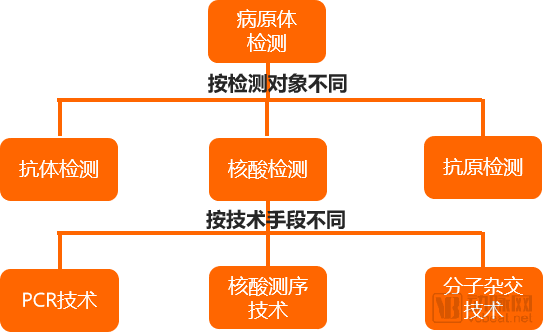
Image source: VCBeat
Polymerase Chain Reaction (PCR) is currently the most widely used method for DNA amplification. It exponentially amplifies target fragments through continuous cycling of three basic reaction steps: denaturation, annealing, and extension. Denaturation involves heating double-stranded DNA to separate it into single strands, which serve as templates for replication. Annealing reduces the temperature to approximately 55°C, allowing primers to bind to complementary sequences on the single-stranded DNA templates. Extension occurs at the optimal temperature for DNA polymerase, where a new DNA strand complementary to the template strand is synthesized based on the principles of base pairing and semi-conservative replication. With each completed cycle, the amount of target sequence in the sample doubles. Consequently, after several cycles, the quantity of the target fragment increases exponentially.
PCR mainly includes endpoint PCR, RT-PCR, qPCR, dPCR, etc.。
Figure 2 Schematic diagram of the basic principles of PCR
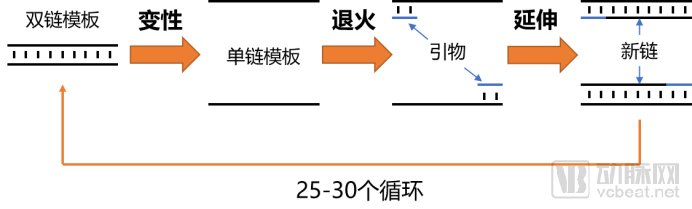
Image source: VCBeat
Endpoint PCR, or conventional PCR: Users only detect the products after the PCR reaction is completed, using methods such as gel electrophoresis and capillary electrophoresis. Endpoint PCR itself is not easy to quantify precisely, so it is rarely used for detection in clinical settings and is commonly used for the rapid amplification of target fragments.
Gel Electrophoresis: Separating specific DNA fragments of different sizes by exploiting the differential migration speeds of DNA molecules with varying sizes and configurations in an electric field.
Capillary Electrophoresis: is a novel liquid-phase separation technique that uses capillaries as the separation channel and a high-voltage direct current electric field as the driving force; this technology enables the separation of trace DNA fragments.
RT-PCR (reverse transcription-PCR): RT-PCR is a technique that combines reverse transcription (RT) of RNA with PCR. RNA is first converted into single-stranded complementary DNA (cDNA) by the action of reverse transcriptase, and then the single-stranded DNA is amplified into double-stranded cDNA through PCR. Due to the widespread presence of RNases and the inherent instability of single-stranded RNA, RT-PCR is typically used to first reverse transcribe RNA into corresponding cDNA before proceeding with subsequent detection steps. RT-PCR is currently widely used in nucleic acid testing for RNA viruses.
qPCR (Real-time quantitative PCR, real-time fluorescent quantitative PCR): qPCR monitors fluorescence intensity in real time during the PCR process by incorporating intercalating dyes or fluorescent probes into the reaction. By comparing the number of cycles required for different samples to reach a specific fluorescence threshold, it enables the comparison of copy number levels among samples, thereby achieving quantification. Furthermore, precise quantification of samples can be accomplished by comparison with a standard curve generated using known standards. qPCR exhibits high sensitivity and specificity and is currently the most widely used PCR technique in clinical practice.
dPCR (digital PCR), or ddPCR (droplet digital PCR): In dPCR, the sample is partitioned into numerous minute droplets for individual PCR reactions, with each reaction containing at most one initial template molecule. The number of template molecules in the original sample is then determined by counting the positive and negative reactions. Therefore, dPCR enables absolute quantification directly and is commonly used in assays requiring precise quantification.
Nucleic acid sequencing is a technique for determining the sequence of nucleic acid bases.Nucleic acid sequencing technologies primarily include Sanger sequencing (first-generation sequencing), NGS (second-generation sequencing), and third-generation sequencing.。
Sanger sequencing can only obtain a single sequence of 700–1,000 bases at a time, which fails to meet the urgent demand for acquiring biological gene sequences driven by modern scientific development. Next-generation sequencing (NGS) overcomes the limitation of first-generation sequencing, which could only determine one sequence at a time, by enabling the simultaneous sequencing of hundreds of thousands to millions of nucleic acid molecules in a single run; however, the length of each individual sequence obtained is very short. Third-generation sequencing technology, also known as single-molecule sequencing, performs de novo sequencing of long individual sequences while maintaining high throughput, thereby directly yielding nucleic acid sequence information with lengths reaching tens of thousands of bases.NGS sequencing is primarily carried out through four steps: library preparation, loading onto the flow cell, bridge PCR amplification and denaturation, and sequencing.。
Library Preparation for Sequencing: Fragment DNA molecules into a pool of small DNA fragments within a specific size range using ultrasonication.
Sequencing Flow Cell: DNA in the library randomly attaches to surface channels (called lanes) as it flows through the flow cell. Each flow cell contains eight lanes, and the surface of each lane is coated with numerous adapters that can pair with the adapters added to both ends of DNA fragments during library preparation.
Bridge PCR Amplification and Denaturation: Bridge PCR uses the sequences immobilized on the flow cell surface as templates. Through continuous cycles of amplification and denaturation, each DNA fragment ultimately forms a cluster at its respective location, thereby amplifying the signal intensity of individual bases to meet the signal requirements for sequencing.
Sequencing: DNA polymerase, adapter primers, and dNTPs labeled with base-specific fluorescent markers are simultaneously added to the reaction system. After the dNTPs are incorporated into the growing strand, all unused free dNTPs and DNA polymerase are washed away. Subsequently, a buffer required for fluorescence excitation is added; the fluorescent signals are excited by a laser and recorded by optical equipment. Finally, computer analysis converts the optical signals into sequenced bases.
Figure 3. Schematic diagram of the principle of NGS sequencing
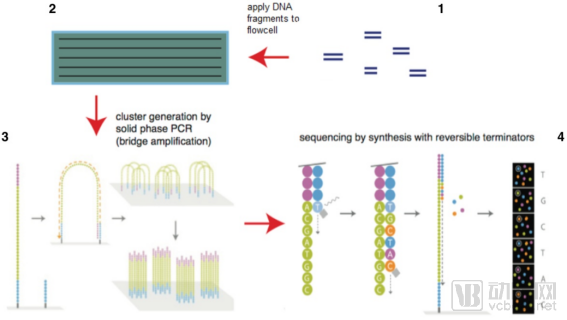
Image source: Illumina official website
Molecular hybridization refers to the process by which two single-stranded nucleic acids with complementary sequences form a double-stranded structure under specific conditions, following the principle of base pairing.Single-stranded nucleic acids from different sources can form hybrid double strands as long as they share a certain degree of complementary sequences (i.e., some level of homology). Molecular hybridization involves two steps: denaturation and annealing/hybridization. Denaturation follows the same principle as PCR technology; after annealing and cooling, single-stranded DNA binds to complementary sequences to form labeled hybrid duplexes. Subsequently, by detecting whether the long-chain DNA in the sample carries labels, one can determine if it contains specific sequences.
Figure 4. Schematic diagram of the principle of molecular hybridization technology
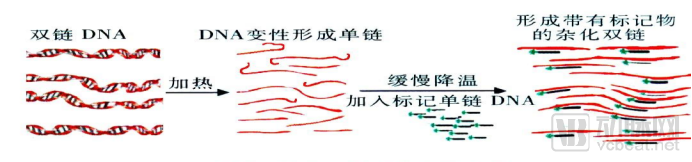
Image source: 51wendang.com
Market Role
An industry mainly includesUsers, Beneficiaries, Providers, Supporters, CollaboratorsFive Roles: These five roles have clearly defined functional positions that complement each other, jointly driving industry development. Their functional positions are as follows:
User: The entity that uses the product and provides related services to beneficiaries;
Beneficiary: The entity that accepts products or services;
Provider: The entity that provides products or services to users or beneficiaries;
Supporters: An entity that provides raw materials and technical services to providers, assisting them in completing the production of products or services;
Collaborators: Entities that help products reach users or beneficiaries.
Figure 5. Relationship Map of Market Roles in the Nucleic Acid Testing Industry
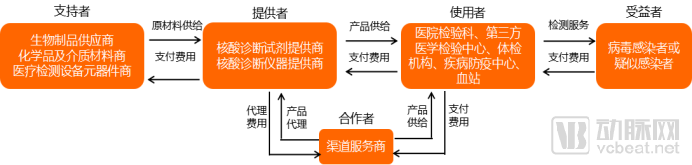
Image source: VCBeat.
Users of Nucleic Acid Testing: Hospital clinical laboratories, third-party medical testing centers, health examination institutions, disease prevention and control centers, blood stations, etc., which provide nucleic acid testing services for individuals infected with or suspected of being infected with viruses, thereby assisting in clinical diagnosis.
Beneficiaries of Nucleic Acid Testing: Viral infected individuals or suspected cases can determine the type of virus infecting confirmed patients and ascertain whether suspected individuals are infected by undergoing nucleic acid testing.
Providers of Nucleic Acid Testing: Nucleic acid diagnostic reagent providers and nucleic acid diagnostic instrument providers, which supply medical institutions with diagnostic reagents and instruments such as nucleic acid diagnostic kits, nucleic acid extractors, PCR amplifiers, and nucleic acid molecular hybridization instruments.
Supporters of Nucleic Acid Testing: Suppliers of biological products, chemicals and media materials, and components for medical testing equipment. Suppliers of biological products mainly provide diagnostic enzymes, primers, reverse transcriptases, and probes; suppliers of chemicals and media materials mainly supply high-purity sodium chloride, anhydrous ethanol, etc.; and suppliers of components for medical testing equipment mainly provide component products required for nucleic acid diagnostic instruments.
Nucleic Acid Testing Collaborators: Channel service providers, nucleic acid diagnostic reagent suppliers, and nucleic acid diagnostic instrument suppliers offer channel agency services to help products reach medical institutions. Suppliers primarily distribute their products through two channels: first, by directly supplying products to medical institutions for use and charging fees; second, by distributing products through medical equipment channel service providers, leveraging the distributors’ market resources for product expansion.
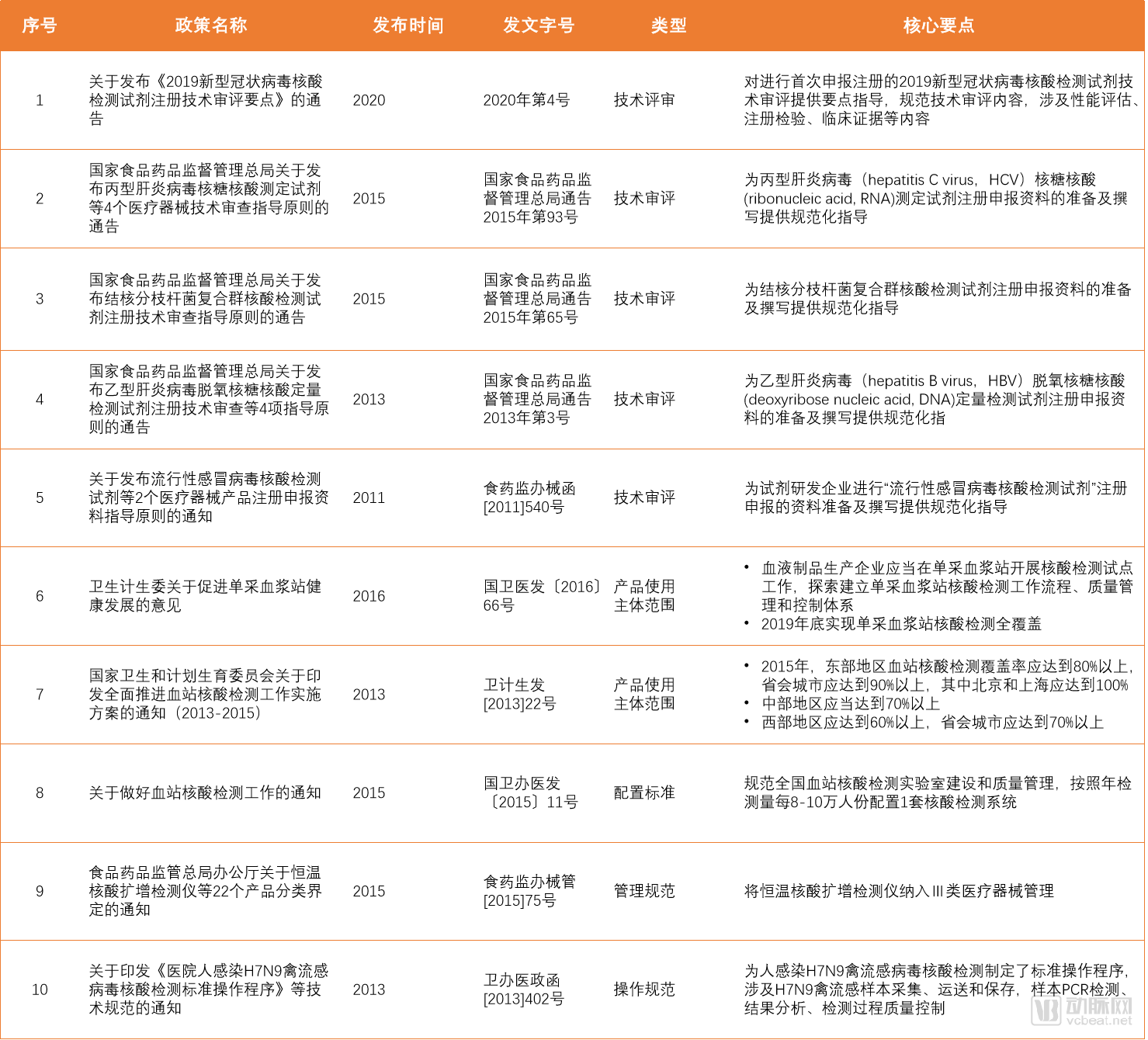
As a core technology in in vitro diagnostics, nucleic acid testing has long been prioritized by the government for its application in clinical diagnosis and treatment. VCBeat has reviewed the policies related to nucleic acid testing from 2013 to 2020.
Table 1 Summary of Key Policies on Nucleic Acid Testing
Data source: Public information
Policy types can be classified intoTechnical Review, Scope of Product User Entities, Configuration Standards, Management Specifications, and Operational Specifications。
In terms of the number of policies by type across different years, technical review policies are the most numerous. These primarily target nucleic acid testing reagents for various viruses, such as those for the 2019 novel coronavirus (SARS-CoV-2), hepatitis C virus RNA, and the Mycobacterium tuberculosis complex, providing standards and content for the technical review involved in their registration applications. Consequently, corresponding technical review policies have been issued for nucleic acid testing reagents targeting different viruses. With clear guidelines for registration applications, developers of nucleic acid reagents can refer to these standards to refine their submission materials, which helps improve the success rate of registration applications and reduces related costs.
Users of nucleic acid testing (NAT) include hospital clinical laboratories, third-party medical testing centers, health examination institutions, centers for disease control and prevention, and blood stations. According to the "Opinions of the National Health and Family Planning Commission on Promoting the Healthy Development of Plasmapheresis Stations," full coverage of nucleic acid testing in plasmapheresis stations was achieved by the end of 2019. Currently, there are 32 blood centers, 321 central blood stations, and 99 central blood banks nationwide. Configuring one NAT system per 80,000–100,000 tests annually will create substantial market opportunities for NAT instruments.
In particular, to respond promptly to COVID-19, health regulatory authorities have issued a series of policies to promote the active role of nucleic acid testing in case diagnosis and in determining eligibility for discharge from isolation.
Table 2 Content Related to Nucleic Acid Testing in the COVID-19 Diagnosis and Treatment Policy
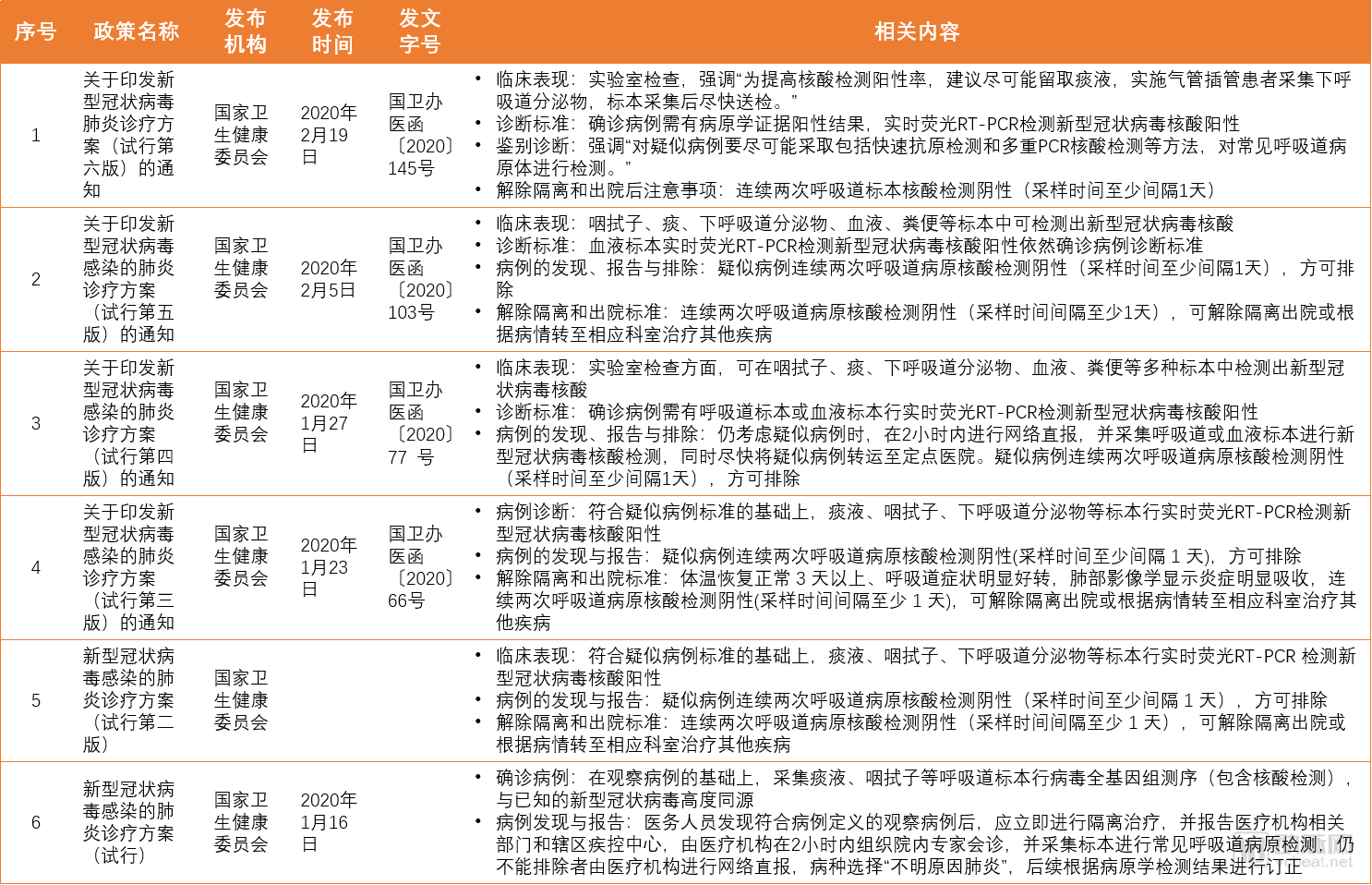
Note: The revised versions of the diagnosis and treatment protocols are not listed in the table, as they do not involve any adjustments or changes to nucleic acid testing compared with their respective original versions. Data source: public information.
In the face of the sudden outbreak of COVID-19, rapid and effective testing methods are needed to promptly diagnose and isolate suspected cases for treatment, thereby minimizing mortality. As a primary method for pathogen detection, nucleic acid testing can provide direct evidence for the diagnosis of COVID-19.
Based on six consecutive notices issued by the National Health Commission regarding the diagnosis and treatment protocols for novel coronavirus pneumonia (COVID-19), it is evident that the state has been actively promoting the application of nucleic acid testing in the clinical management of COVID-19. Each updated version of the diagnosis and treatment protocols has specified the use of nucleic acid testing in case diagnosis, criteria for discontinuing isolation and discharge, and other aspects, while also stipulating corresponding operational procedures and testing requirements, thereby underscoring its critical role.
Figure 6. The Role of Nucleic Acid Testing in the Diagnosis and Treatment of COVID-19
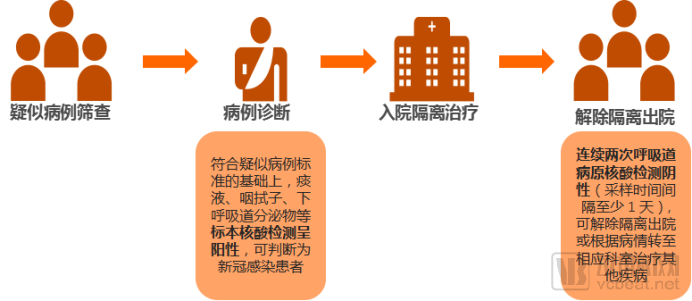
Image source: VCBeat.
According to the policy, the key points regarding nucleic acid testing are as follows:
(1) Specimens such as throat swabs, sputum, lower respiratory tract secretions, blood, and feces from suspected cases can be tested via nucleic acid detection to determine whether they are infected with the novel coronavirus;
(2) During the detection of the novel coronavirus, RT-PCR is the primary technology used for nucleic acid testing;
(3) Whether patients with COVID-19 can be discharged from isolation must be determined by nucleic acid testing; only those with negative results may be released from isolation.。
We anticipate that, with the continued advancement of COVID-19 prevention and control efforts, the application of nucleic acid testing in the clinical diagnosis and treatment of COVID-19 will be further promoted in subsequent diagnostic and therapeutic guidelines, thereby creating greater market opportunities for companies engaged in the research and development of nucleic acid diagnostic reagents and instruments.
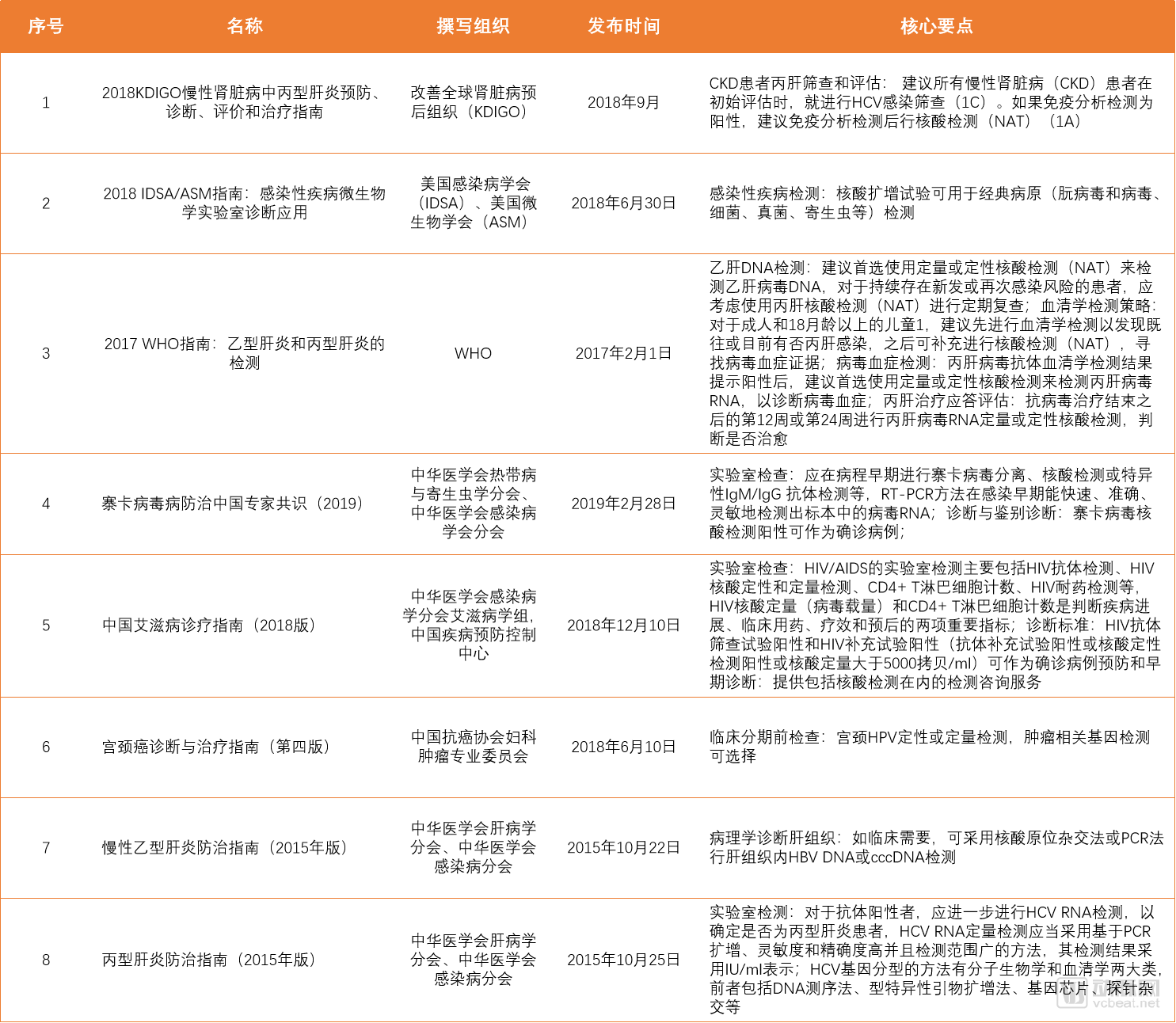
In addition to the clear guidance provided by policies on the technical review, product use, and management of nucleic acid testing, guidelines for the diagnosis and treatment of infectious diseases also play an important role in standardizing the clinical operations of nucleic acid testing.
Table 3 Guidelines Related to Nucleic Acid Testing
Data Source: Public Information
The guidelines primarily clarify the disease scope, primary roles, and technologies used for nucleic acid testing:
(1) The range of diseases for which nucleic acid testing is applied mainly includes hepatitis B, hepatitis C, Zika virus, HIV/AIDS, and human papillomavirus (HPV).
(2) The primary role of nucleic acid testing is concentrated in laboratory examinations and case confirmation. Nucleic acid testing has become the main method for laboratory viral detection, and a positive result for viral nucleic acid can serve as an important criterion for confirming cases.
(3) From the perspective of nucleic acid testing technologies recommended by relevant guidelines, PCR is the most widely used technique for nucleic acid detection.。
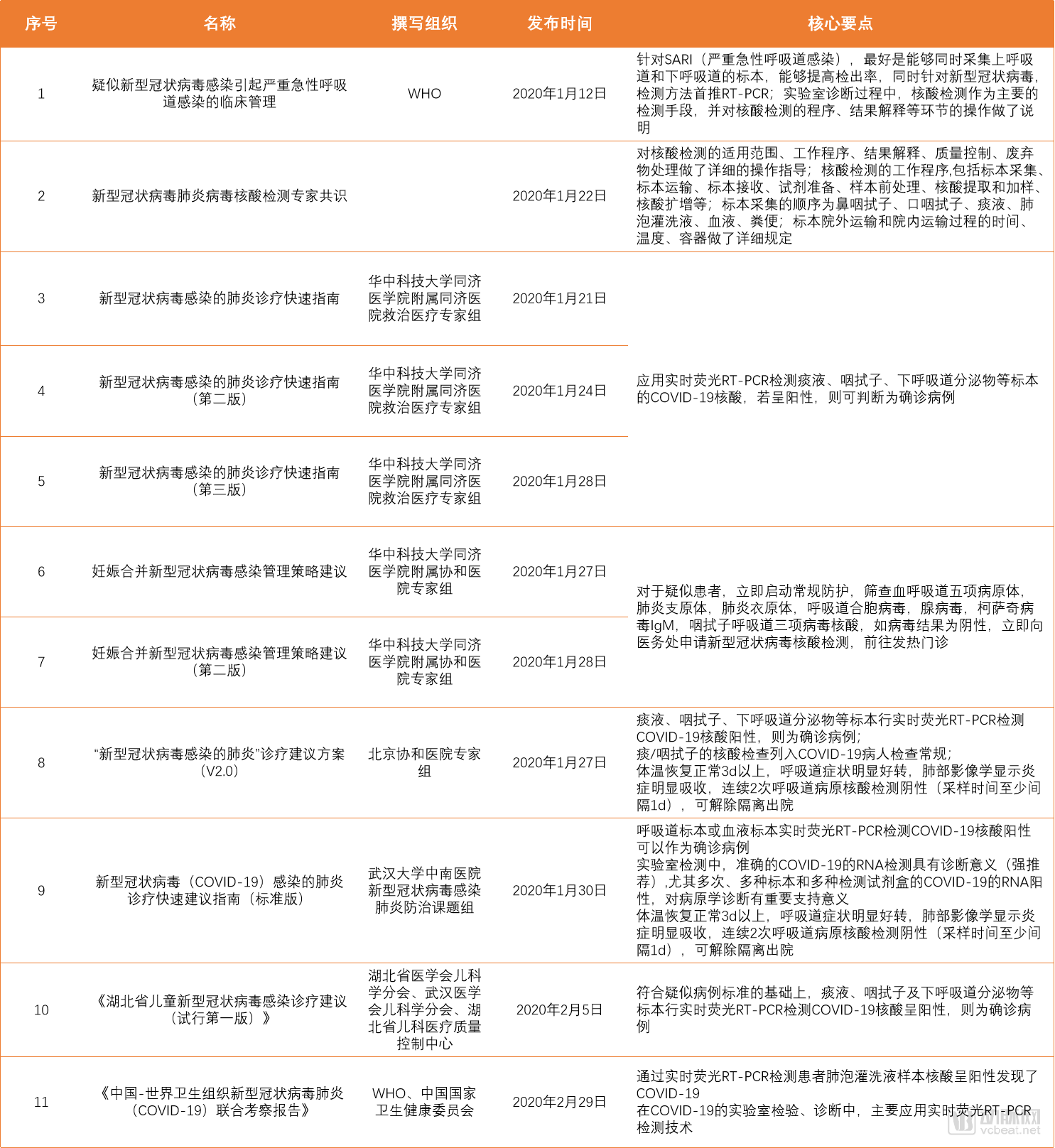
Similarly, for COVID-19, the WHO and Chinese experts have successively issued relevant guidelines or strategic recommendations to provide guidance for healthcare professionals in conducting nucleic acid testing.
Table 4 Clinical Guidelines or Strategic Recommendations for the Diagnosis and Treatment of COVID-19
Source: Public Information
On January 10, 2020, pathogen detection for the novel coronavirus outbreak in Wuhan, Hubei Province, was conducted via nucleic acid testing. This demonstrates that nucleic acid testing was incorporated into pathogen detection during the early stages of novel coronavirus diagnosis, with its technical advantages fully recognized. On January 12, 2020, the WHO named the 2019 Wuhan novel coronavirus “COVID-19” (On February 11, the WHO renamed the virus “COVID-19.”), and subsequently released the "Clinical Management of Severe Acute Respiratory Infection Suspected to Be Caused by Novel Coronavirus Infection," which explicitly recommended RT-PCR as the primary diagnostic method for COVID-19.
Liu Zijie from the Department of Clinical Laboratory, The First Affiliated Hospital of Kunming Medical University; Tong Yongqing from the Clinical Laboratory Center, Renmin Hospital of Wuhan University; Wu Jun from the Department of Clinical Laboratory, Shanghai General Hospital; Du Lutao from the Department of Clinical Laboratory, Shandong Provincial Second People’s Hospital; and Wei Chaojun from the Institute of Clinical Research and Translational Medicine, Gansu Provincial People’s Hospital served as the authors of the “Expert Consensus on Nucleic Acid Testing for Novel Coronavirus Pneumonia.” This document provides detailed operational guidance on the scope of application, workflow, result interpretation, quality control, and waste disposal for nucleic acid testing, serving as the most comprehensive operational guideline for COVID-19 nucleic acid testing.
Subsequently, clinical guidelines or strategic recommendations for the diagnosis and treatment of COVID-19 were issued by expert groups from Tongji Hospital affiliated with Tongji Medical College of Huazhong University of Science and Technology, Union Hospital affiliated with Tongji Medical College of Huazhong University of Science and Technology, Peking Union Medical College Hospital, and the research group on the prevention and control of novel coronavirus pneumonia at Zhongnan Hospital of Wuhan University, among others. These bodies unanimously established that a positive result for SARS-CoV-2 nucleic acid detected via real-time fluorescent RT-PCR in specimens such as sputum, pharyngeal swabs, and lower respiratory tract secretions would serve as the criterion for confirming cases. Additionally, the expert group from Union Hospital affiliated with Tongji Medical College of Huazhong University of Science and Technology and the Pediatrics Branch of the Hubei Medical Association separately formulated diagnostic and therapeutic recommendations for pregnant women and children with novel coronavirus infection, also incorporating nucleic acid testing as a basis for confirmed diagnosis.
In summary, the accelerated issuance of clinical guidelines or strategic recommendations on COVID-19 by major medical institutions and organizations helps standardize healthcare workers’ workflows, quality control, and result interpretation in COVID-19 nucleic acid testing, thereby improving test accuracy and reducing the incidence of false-positive results.。
Paper
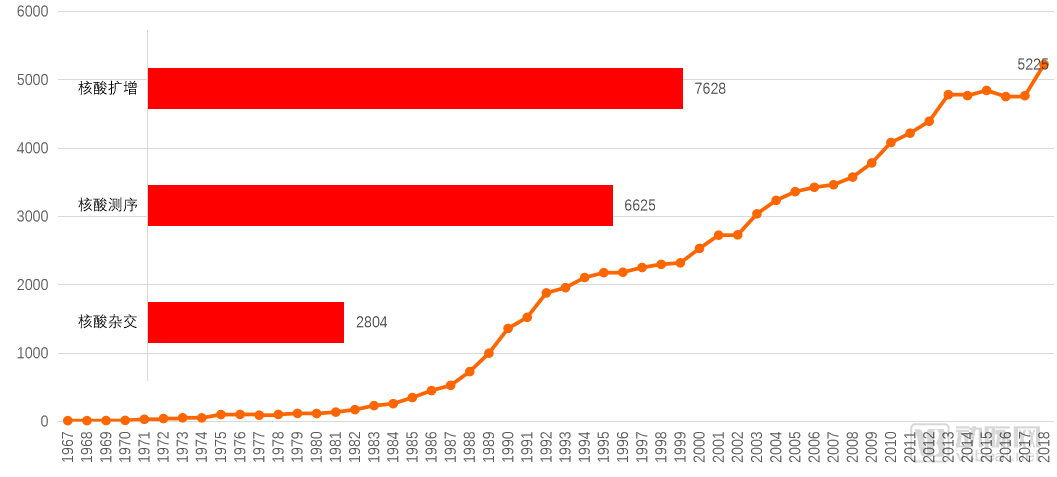
A total of 102,683 publications related to nucleic acid testing were retrieved from the biomedical literature database PubMed. Based on the trend in the number of publications per year,Academic research on nucleic acid testing began to gain popularity after the 1970s, with a rapid upward trend emerging in the late 1980s and peaking in 2018, when a total of 5,225 academic papers were published.。
Among research topics related to nucleic acid testing, the three directions with the highest number of publications are nucleic acid amplification, nucleic acid sequencing, and nucleic acid hybridization.
Figure 7. Number of Papers Related to Nucleic Acid Testing, 1967–2018
Note: The search keywords included the full and abbreviated names (in both Chinese and English) of nucleic acid testing and its major technologies. Data source: PubMed
In 1971, Khorana et al. first proposed the theoretical foundation for PCR and successfully achieved the first gene synthesis—the alanine tRNA-encoding gene. Early research on PCR technology primarily focused on PCR and qPCR, with over 7,500 related publications. In recent years, the emergence of dPCR technology has spurred academic interest in this area, resulting in 28 relevant papers.
In 1975, academic research on gene sequencing began to emerge, albeit in limited quantities, primarily focusing on first-generation sequencing. After 2000, the number of publications on next-generation sequencing (NGS) increased significantly, with 1,007 articles recorded.
In the 1960s, academic research on nucleic acid hybridization techniques, including solid-phase hybridization and kinetic hybridization, emerged, with the number of related publications reaching 2,804.
From the perspective of literature research, nucleic acid amplification technology has always been a key focus. After nearly 50 years of development, the scope of research has expanded from PCR to qPCR and dPCR, with the number of publications reaching 7,628.。
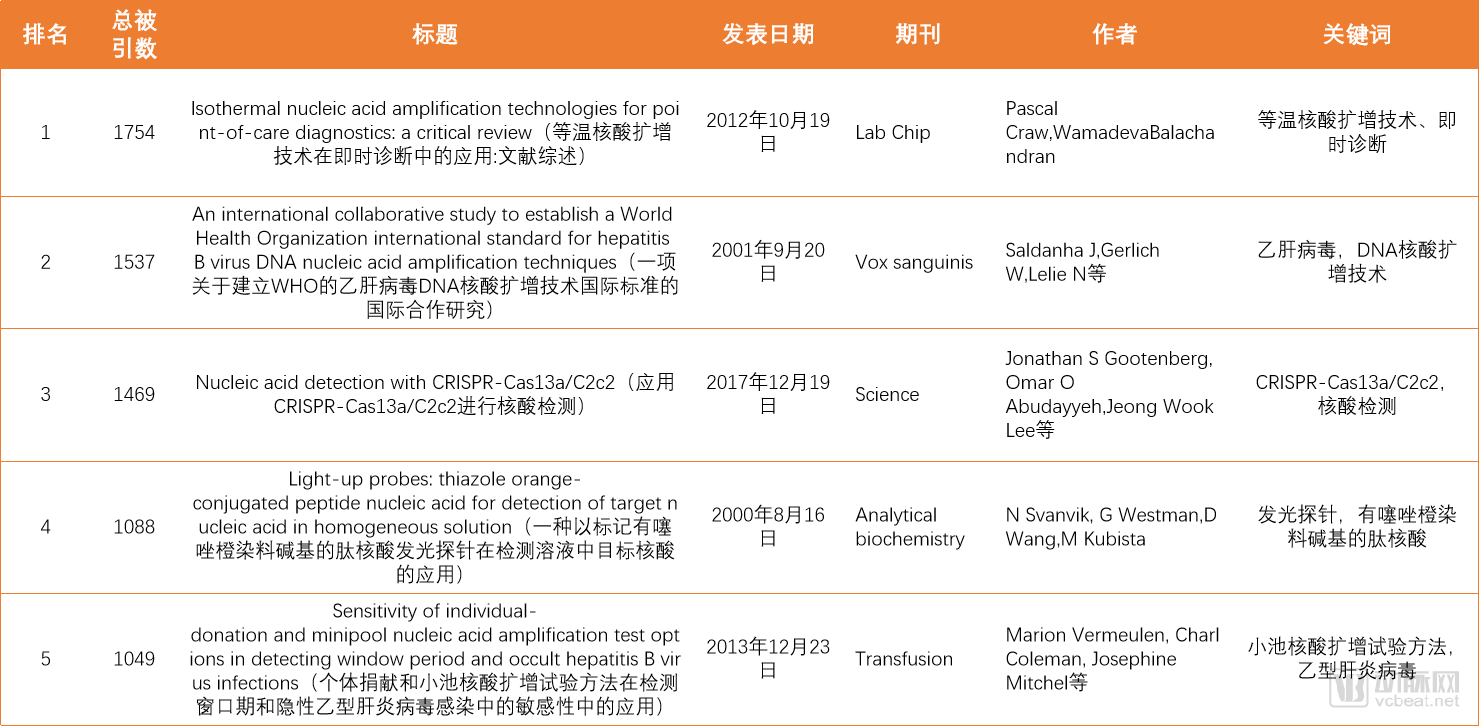
Table 5 Top 5 Most-Cited International Publications on Nucleic Acid Testing
Note: The paper title is translated by VCBeat based on semantics for reference only. Data sources: PubMed, VCBeat Knowledge Base
Among the top five most-cited international research papers on nucleic acid testing, four focus on nucleic acid amplification. The paper “Isothermal nucleic acid amplification technologies for point-of-care diagnostics: a critical review” discusses isothermal amplification techniques.Compared with traditional PCR technology, isothermal amplification PCR shortens the time required for temperature changes during reverse transcription, template denaturation, and amplification cycles.Meanwhile, “Nucleic acid detection with CRISPR-Cas13a/C2c2” discusses the application of CRISPR technology in nucleic acid detection.This means that gene editing will also be integrated into nucleic acid testing.。
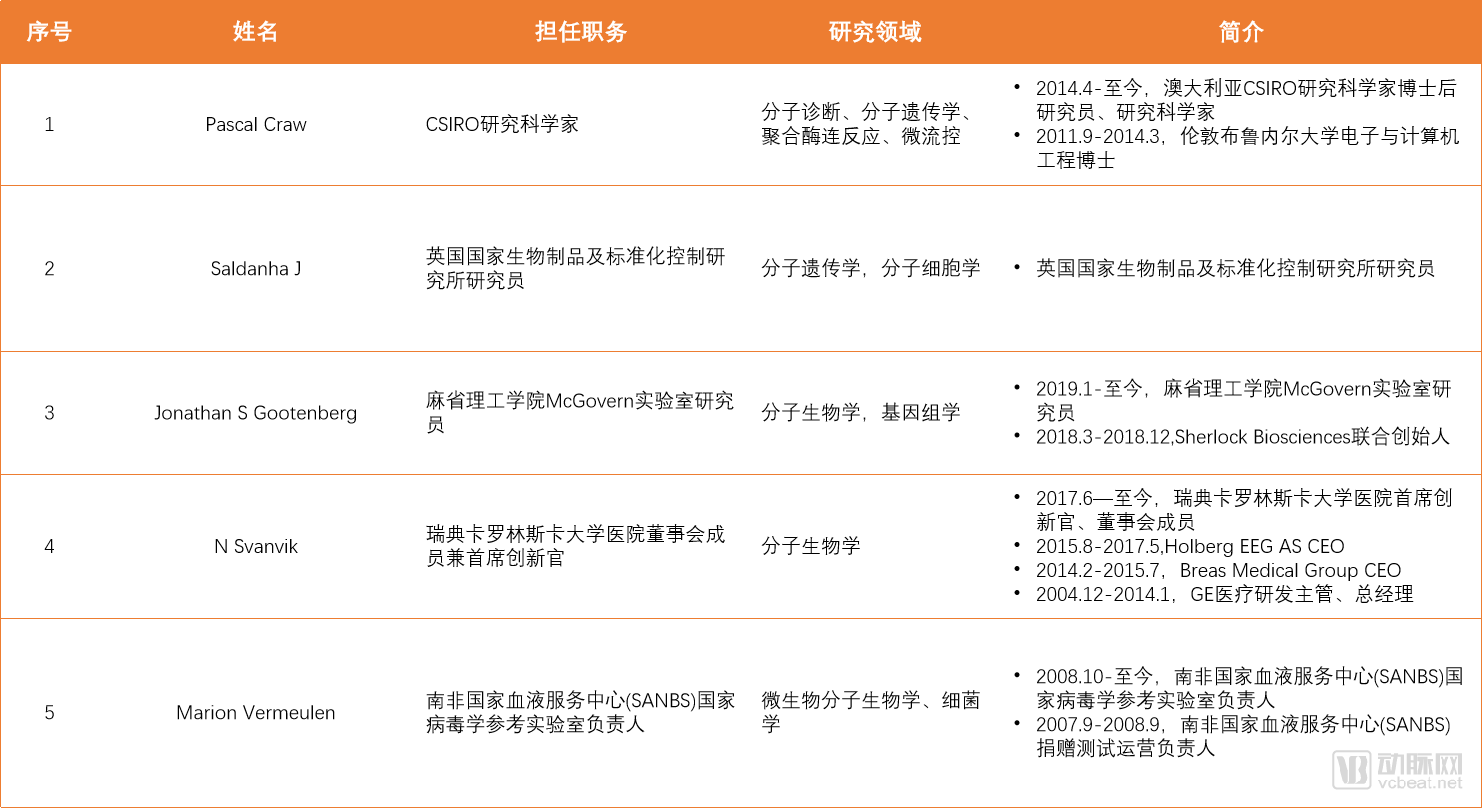
Table 6 Profiles of the Top 5 Most-Cited Experts in Foreign Nucleic Acid Testing Publications
Data Source: VCBeat Knowledge Base
The top five most-cited experts in the field of nucleic acid testing abroad are primarily affiliated with government medical research institutions and university laboratories. Their areas of expertise mainly include molecular genetics, polymerase chain reaction (PCR), and molecular cytology, which constitute key technical supports for nucleic acid testing. The translation of their research achievements into practical applications will drive innovation in nucleic acid testing technologies.
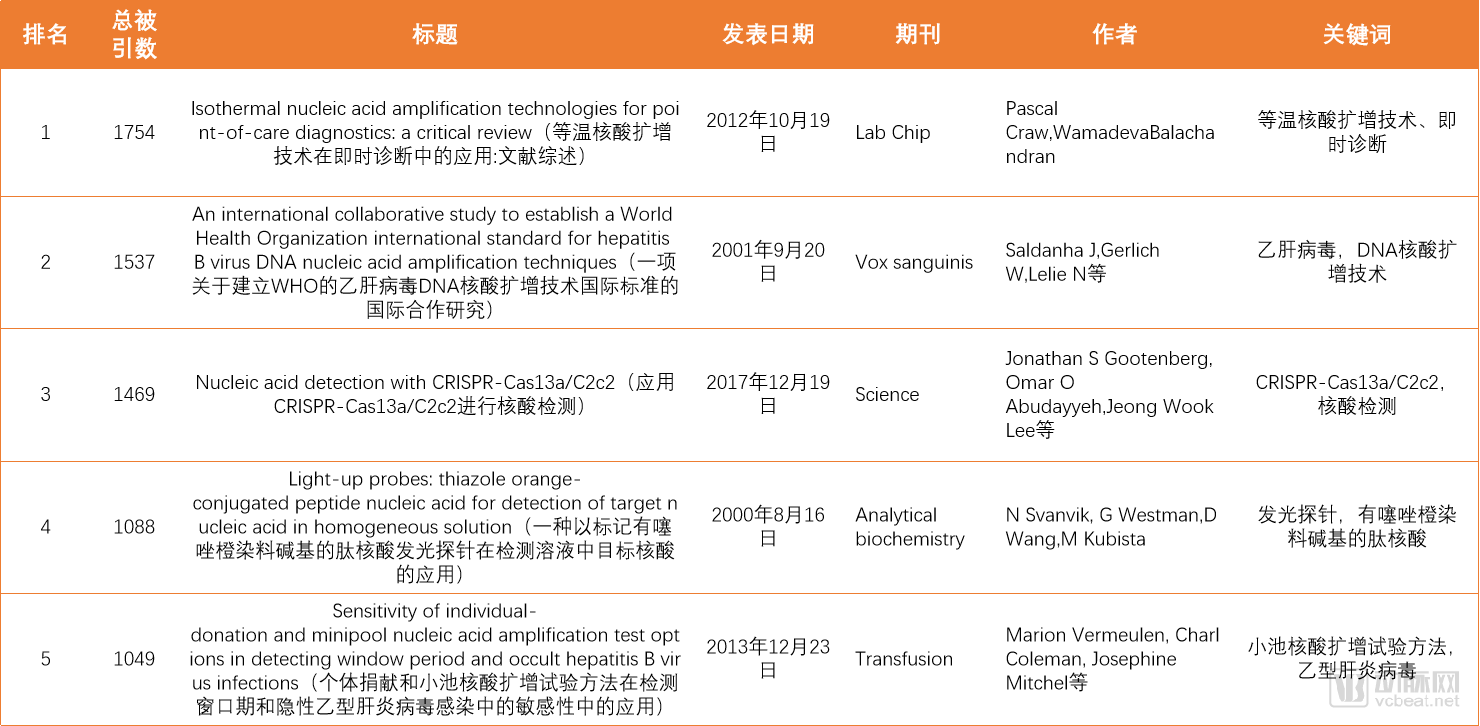
Table 7 Top 5 Most-Cited Domestic Papers on Nucleic Acid Testing
Note: The paper title is translated by VCBeat based on semantics for reference only. Data sources: PubMed, VCBeat Knowledge Base
Compared with the top five international papers on nucleic acid testing, the average total citation count of the top five domestic papers is only 47% of that of their international counterparts, indicating a significant gap in the influence of Chinese literature on nucleic acid testing relative to foreign studies.
The top five research themes in domestic nucleic acid testing-related papers also involve nucleic acid amplification technology and gene editing technology, indicating that the research directions in the field of nucleic acid testing are consistent both domestically and internationally.
Among the top five publications, two articles mention the application of nucleic acid testing in the detection of hematologic diseases; screening for hematologic diseases has always been an important application scenario for nucleic acid testing.。
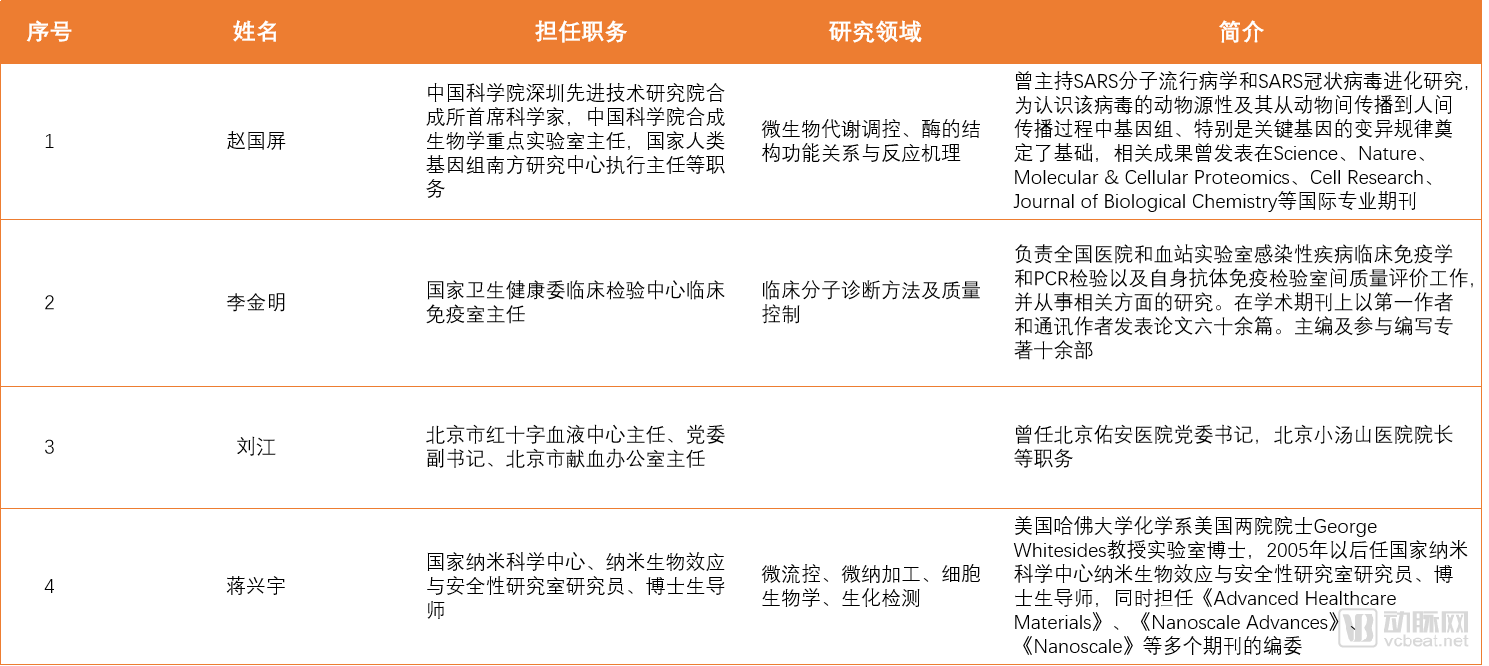
Table 8 Profiles of the Top 5 Most-Cited Experts in Domestic Nucleic Acid Testing Publications
Source: VCBeat Knowledge Base
Domestic experts engaged in basic research on nucleic acid testing technologies mainly focus on biological metabolism, enzyme structure, clinical molecular diagnostics, microfluidics, and cell biology.. These research areas represent foundational technologies for nucleic acid testing, and the findings have been published in international biomedical journals such as *Cell Discovery* and *Transfusion*, indicating that basic research in China’s nucleic acid testing field has gained recognition from experts in relevant international fields.
Patent
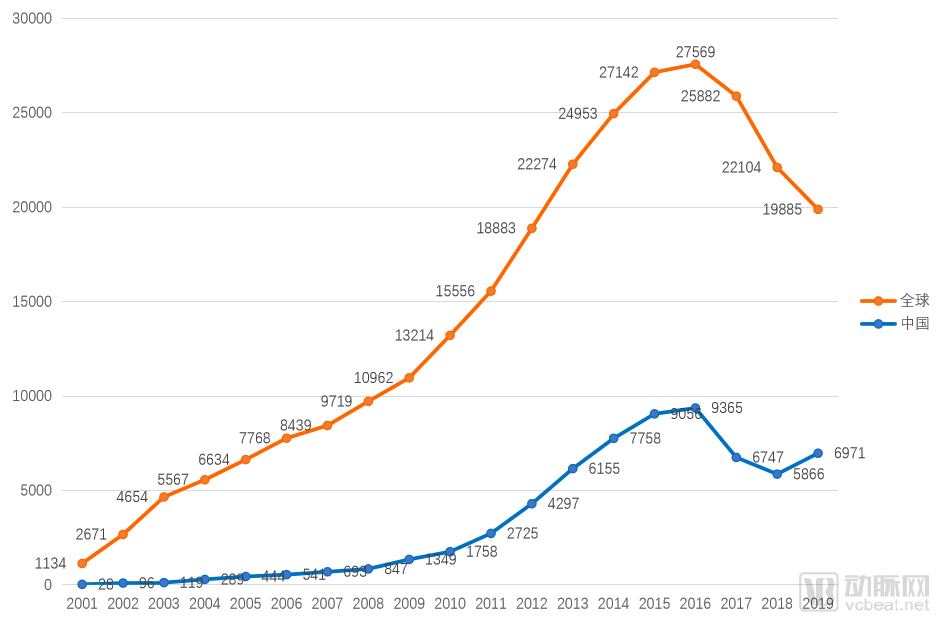
From 2001 to 2019, the number of publicly disclosed valid patents for nucleic acid testing technologies worldwide reached 275,000, with China accounting for 65,000, or 24% of the total. China has played a significant role in driving the development of global patents in nucleic acid testing.。
Figure 8. Changes in the Number of Valid Patents for Nucleic Acid Testing Technology, 2001–2019
Note: Patent data refers to the number of patent disclosures. Data source: PatSnap.
From 2001 to 2019, the compound annual growth rate (CAGR) of valid patents for nucleic acid testing technology worldwide was 17%, while in China it was 36%; the growth rate in the number of publicly disclosed valid patents for nucleic acid testing in China outpaced the global average.。
An analysis of the trend in the number of globally disclosed valid patents shows a rapid increase after 2001, with patents related to qPCR and next-generation sequencing technologies predominating.
The number of new valid patents worldwide peaked in 2016 and has since declined, indicating that iterative innovation in nucleic acid testing-related technologies is becoming increasingly difficult, making it challenging to sustain continuous growth in the number of new technology patents.
The top ten companies (or institutions) by number of valid global patents for nucleic acid testing technologies have disclosed a total of 6,138 patents, accounting for 21% of the total number of valid patents worldwide.。
Table 9 Top 5 Companies by Number of Published Valid Patents for Nucleic Acid Testing Abroad
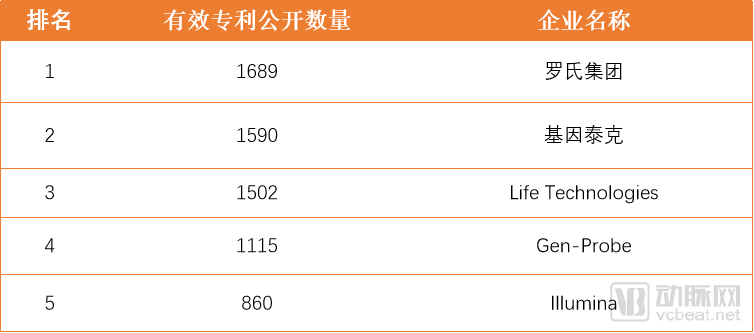
Data Source: PatSnap
Roche GroupFounded in 1896 and headquartered in Basel, Switzerland, the company operates across multiple sectors, including pharmaceuticals, medical diagnostics, vitamins and fine chemicals, and fragrances and flavors. The Roche Basel Center for Immunology and the Genentech Research Center in the United States enjoy high reputations in the international pharmaceutical industry. Roche Diagnostics, a subsidiary of the Roche Group, has become one of the giants in the in vitro diagnostics (IVD) field, alongside Danaher, Siemens Healthineers, and Abbott.
GenentechFounded in 1976, it is the longest-established biotechnology company in the United States and currently the world’s second-largest biotech firm by scale and strength, trailing only Amgen. Headquartered in South San Francisco, California, the company was co-founded by Herbert Boyer, a pioneer in recombinant DNA technology. Leveraging its expertise in genetics, the company supports drug research and development in areas such as in vitro diagnostics, oncology, and immunology. The company was acquired by Roche in 2009.
Life TechnologiesFounded in 1987 and headquartered in Carlsbad, California, USA, the company was formed through the merger of Invitrogen and Applied Biosystems. It develops and manufactures nucleic acid detection reagents and instruments, and provides services including DNA and RNA purification and analysis, real-time quantitative PCR testing, gene sequencing, and gene expression analysis. On February 4, 2014, the company was acquired by Thermo Fisher Scientific for $13.6 billion.
Gen-ProbeFounded in 1983 and headquartered in San Diego, it is a leading company in the global molecular diagnostics industry. The company develops, manufactures, and markets nucleic acid probe products for clinical diagnostic screening of human blood, nucleic acid testing products for detecting non-viral and viral microorganisms, and assays for detecting cancer biomarkers. In April 2012, the company was acquired by medical device giant Hologic for approximately $3.72 billion in cash.
IlluminaFounded in 1998 and headquartered in San Diego, the company leverages next-generation sequencing and gene microarray technologies and platforms to provide DNA, RNA, and protein analysis solutions, driving advances in genomics and molecular diagnostics.
Table 10 Top 5 Enterprises in China by Number of Published Valid Patents for Nucleic Acid Testing
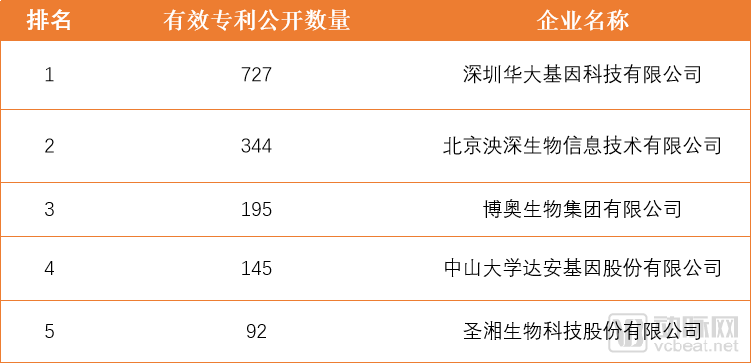
Note: The number of patents includes the count of valid patent publications by the company and its subsidiaries in China. The relevant data is sourced from publicly available information on third-party websites. If there are any discrepancies with the company’s actual situation, please contact us for corrections. Data source: Patsnap
BGI GenomicsFounded in 2008 and headquartered in Shenzhen, the company specializes in providing research services and comprehensive solutions for precision medicine testing to scientific research institutions, enterprises, public institutions, medical facilities, and social health organizations. This is achieved through multi-omics big data technologies, including genetic testing, mass spectrometry, and bioinformatics analysis. The company operates sequencing platforms such as the MGISEQ series, HiSeq series, and PacBio RSII series. It also offers RNA sequencing services—including eukaryotic transcriptome sequencing, full-length transcriptome sequencing, and RNA-Seq—as well as DNA sequencing services, such as human whole-genome resequencing and whole-exome sequencing.
Yangshen BiotechEstablished in 2011 and headquartered in Beijing, the company specializes in pharmaceutical data analytics services and the development of diagnostic products. With a particular focus on precision medicine, it integrates and analyzes genomic and clinical data to identify biomarkers for disease diagnosis or the research of therapeutic targets.
BioCapitalFounded in 2000 and headquartered in Beijing, the company leverages biochip technology as its core platform, integrating R&D, manufacturing, and sales of clinical diagnostic products with nationwide third-party independent medical laboratory services to form a comprehensive healthcare industry chain. Its product portfolio includes high-throughput isothermal amplification microfluidic chip nucleic acid analyzers and the CapitalBio RTisochip™-A isothermal amplification microfluidic chip nucleic acid analyzer. The company offers services such as susceptibility gene testing, gut microbiota analysis, and hereditary cancer gene testing.
Da An GeneFounded in 1988 and headquartered in Guangzhou, the company leverages the robust scientific research platform of Sun Yat-sen University. With molecular diagnostics as its core focus, it integrates the R&D, manufacturing, and sales of clinical laboratory reagents and instruments with nationwide chain services provided by independent medical laboratories. The company’s nucleic acid testing reagent portfolio covers multiple series, including nucleic acid extraction, hepatitis viruses, respiratory pathogens, and pathogens causing fever with rash. Its nucleic acid testing instruments include the ABI series of real-time quantitative PCR systems and qualitative PCR systems, as well as the Da An DA series of nucleic acid extractors.
Sansure BiotechFounded in 2008 and headquartered in Changsha, the company is a provider of comprehensive in vitro diagnostic (IVD) solutions centered on gene technology, integrating diagnostic reagents, instruments, and third-party medical laboratory services. Its nucleic acid testing reagents cover multiple areas, including hepatitis prevention and control, maternal and child health, and nucleic acid blood screening. Its testing instruments include fully automated nucleic acid extraction systems, fully automated PCR analysis systems, and POCT mobile molecular diagnostic systems.
Approval
From 2010 to 2019, a total of 1,030 nucleic acid testing products were launched on the market, with domestically produced products accounting for 89% and imported products for 11%. Over the past decade, the compound annual growth rates (CAGR) for domestically produced and imported products were 13% and 9%, respectively, indicating that China’s nucleic acid testing market is predominantly dominated by domestic products.。
In 2017, 157 nucleic acid testing products were launched, reaching a historical peak. These products consisted primarily of nucleic acid testing reagents, while China lacked integrated testing equipment for nucleic acid detection.
Figure 9 Number of Nucleic Acid Testing Products Launched, 2010–2019
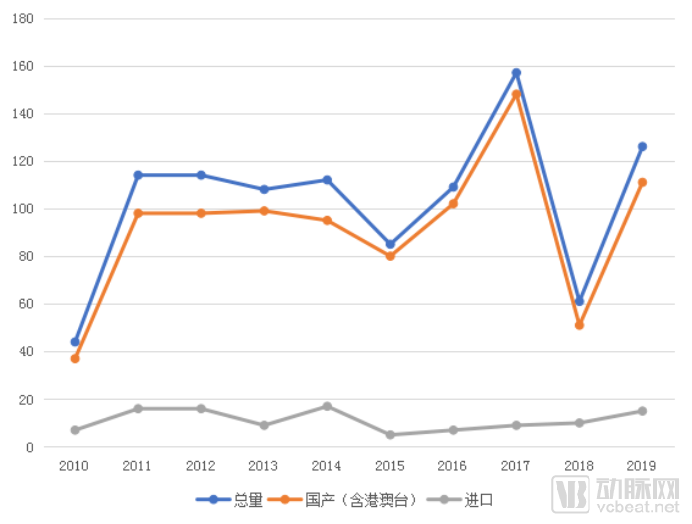
Data Source: VCBeat Knowledge Base
From 2010 to 2019, among nucleic acid testing products under review, domestically manufactured registrations accounted for as high as 64%, while the combined share of imported registrations and approved imports was less than 20%. This indicates that enterprises in the nucleic acid testing sector have increased their R&D investment and developed more products for registration; however, registered products remain predominantly testing reagents.。
Currently, Chinese enterprises remain concentrated in reagent products with low technological barriers and low R&D investment. Nucleic acid testing equipment still relies on imports, dominated by international giants such as Roche, Danaher, and Siemens. Domestic companies need to increase R&D investment in integrated nucleic acid testing equipment to enhance self-sufficiency in testing devices. Companies represented by Dian Diagnostics and BGI Genomics are already moving toward integrated equipment, gradually expanding from early-stage diagnostic reagent R&D to the development of nucleic acid testing equipment such as PCR analyzers and gene sequencers. For instance, MGI Tech’s MGISEQ sequencer has already been launched on the market.
Figure 10 Number of Nucleic Acid Testing Products Under Review, 2010–2019
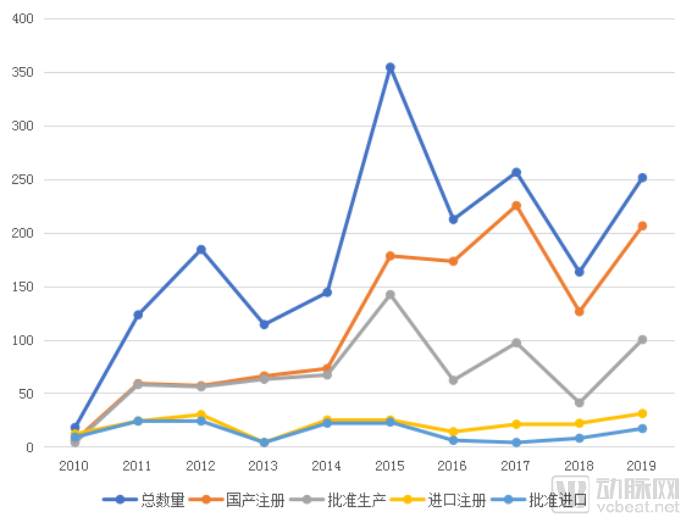
Data source: VCBeat Knowledge Base
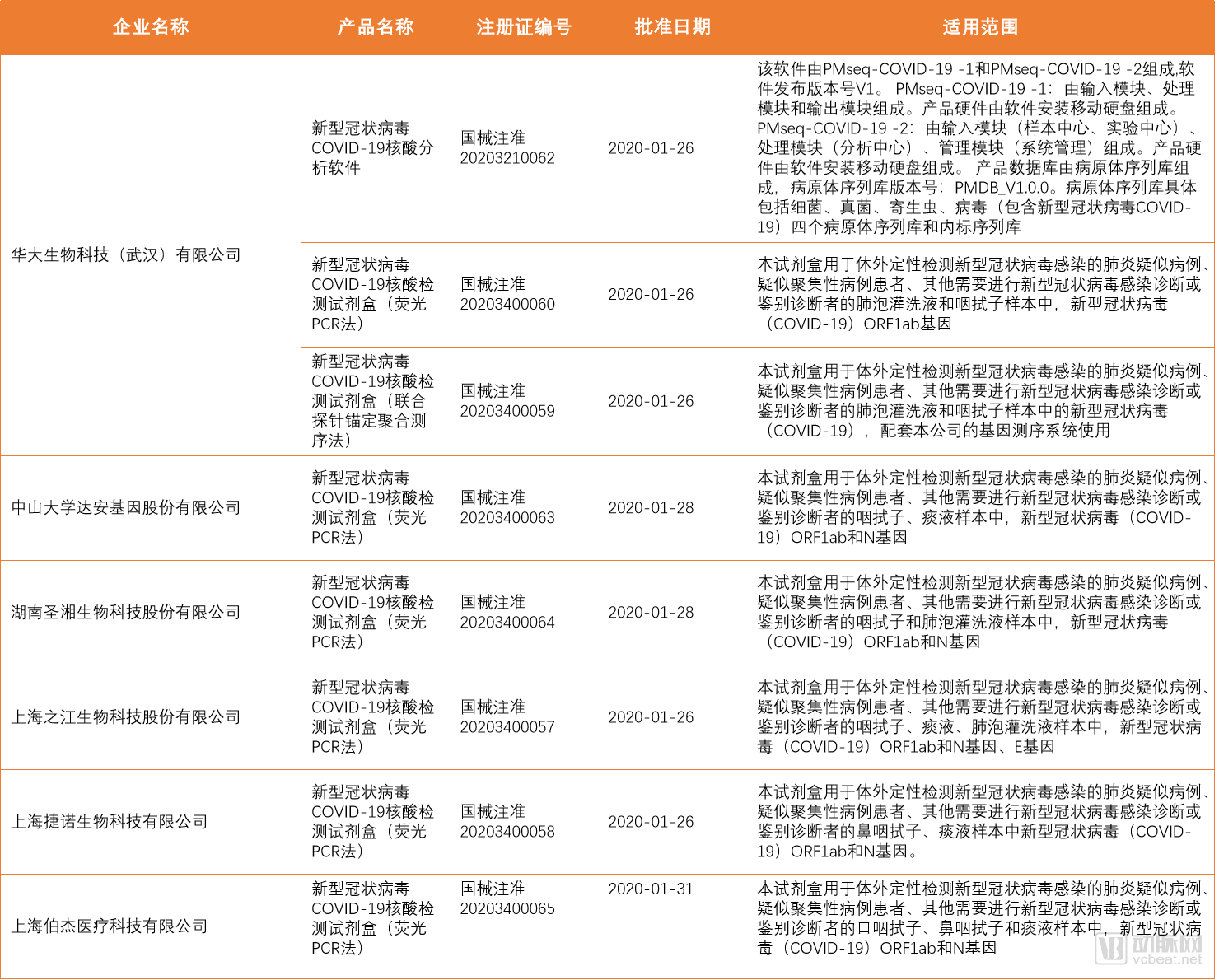
Currently, eight products from six companies have been approved for market launch for COVID-19. To respond promptly to the novel coronavirus, the National Medical Products Administration granted emergency approval on January 26, 2020, for five novel coronavirus detection products from BGI Bio-Tech (Wuhan) Co., Ltd., Shanghai ZJ Bio-Tech Co., Ltd., and Shanghai Jie Nuo Biotechnology Co., Ltd. (comprising four test kits and one detection analysis software).
Table 11 Basic Information on Marketed COVID-19 Products
Source: VCBeat Knowledge Base
From the perspective of technologies involved in approved nucleic acid testing reagents, they are mainly based on nucleic acid amplification technology using fluorescent PCR. There are a total of six related products, indicating that qPCR technology has played a major role in nucleic acid testing for COVID-19.。
BGI Biotechnology (Wuhan) Co., Ltd.’s approved product, the “Novel Coronavirus (COVID-19) Nucleic Acid Detection Kit (Combined Probe-Anchored Polymerase Sequencing Method),” has become the only gene sequencing-based technology for COVID-19 nucleic acid testing in this initiative, paving the way for the clinical application of metagenomic technologies. Metagenomics-based sequencing analysis can be used to differentiate COVID-19 from infections caused by other respiratory pathogens, demonstrating significant clinical value in the differential diagnosis of severe and complex pulmonary infections and co-infections, including those associated with Novel Coronavirus Pneumonia (NCP).
The above content covers the first three chapters of the report. The complete framework of the report is as follows. Scan the QR code to access the mini-program and read the full report for free:
Table of Contents:
I. Industry Definition: Nucleic Acid Amplification, Nucleic Acid Sequencing, and Molecular Hybridization Constitute the Nucleic Acid Detection Technology System
II. Policies and Guidelines: Nucleic Acid Testing Is a Key Component of the Diagnosis and Treatment Protocol for COVID-19
III. Technological Evolution: Nucleic Acid Amplification Remains the Most Widely Applied, While Nucleic Acid Sequencing Is Gaining Momentum
IV. Market Potential: The potential market size is expected to reach RMB 26 billion in 2025
V. Capital Enthusiasm: The Industry Enters a Phase of Rapid Development, with 8 Companies Successfully Completing IPOs
VI. Typical Case: Leveraging Resource Advantages to Expand Business Horizontally and Vertically