

Xieyun Gene Submits IPO Prospectus: A Leader in Precision Diagnostics for Infectious Diseases
In early 2020, as in the late winter and early spring of previous years, it was a peak season for influenza and common pneumonia. However, the global outbreak of the novel coronavirus cast a chill over people’s hearts. As an infectious disease, differentiating COVID-19 from influenza, the common cold, and common pneumonia—which share partially similar clinical symptoms—has become a major challenge for precise prevention and control.
Xieyun Gene is a company dedicated to the research and development of precision medicine products for infectious diseases, with its product portfolio encompassing three areas: multiplex PCR testing, metagenomic sequencing, and infectious disease informatics software. Established in 2015, it is the first industry-academia-research technology commercialization enterprise spun off from the Suzhou Institute of Systems Medicine, Chinese Academy of Medical Sciences.
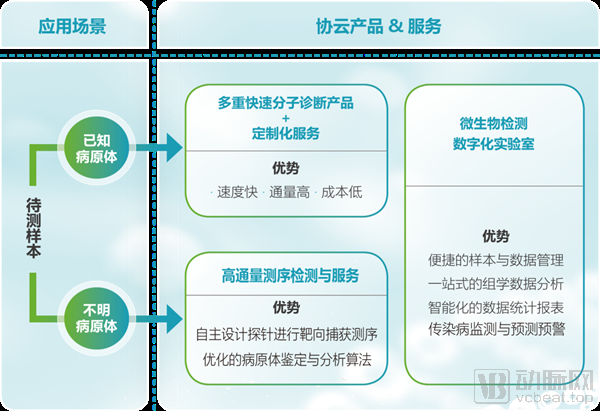
Dr. Zhang Xinlei, General Manager, told VCBeat that as the pandemic spread, the Xieyun team recognized the trend of the novel coronavirus outbreak during the Spring Festival and swiftly collaborated with the Guangdong Provincial Laboratory of Regenerative Medicine and Health and the Suzhou Institute of Systems Medicine to conduct round-the-clock research. Within five days, they successfully developed and tested China’s first multiplex nucleic acid rapid detection kit capable of detecting SARS-CoV-2 along with 12 common respiratory pathogens.
This kit was developed based on the company’s existing, mature, and finalized 12-plex respiratory pathogen nucleic acid detection kit. The new product underwent clinical validation with over 800 samples at the Guangdong Provincial Center for Disease Control and Prevention, the Wuhan Institute of Virology of the Chinese Academy of Sciences, and Beijing Ditan Hospital, Capital Medical University. The validation demonstrated a sensitivity of 98.6% and a specificity of 97.40% when comparing the test results with known diagnostic outcomes. Currently, the multiplex nucleic acid rapid detection kit for novel coronavirus (SARS-CoV-2) and 12 common respiratory pathogens is applying for CE certification, while simultaneously undergoing registration testing for domestic Class III medical device approval.
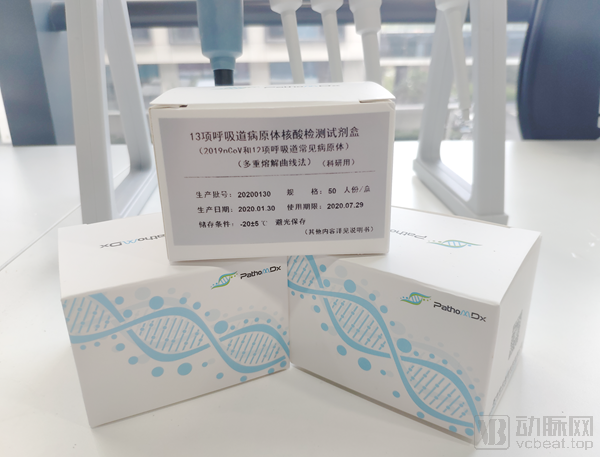
Multiplex Nucleic Acid Rapid Detection Kit for SARS-CoV-2 and 12 Common Respiratory Pathogens
The technical team at Xieyun Gene originated from the Chinese Academy of Sciences (CAS). Professor Jiang Taijiao, the founder and chairman, holds a Ph.D. in Molecular Biology from the Shanghai Institute of Biochemistry and Cell Biology, CAS. After graduation, he conducted postdoctoral research at Yale University and the Massachusetts Institute of Technology (MIT). In 2005, Professor Jiang returned to China, where he led a team at the Institute of Biophysics, CAS, continuing his research on molecular diagnostic technologies for pathogens and infectious disease informatics. He has published more than 80 authoritative papers in prestigious international journals, including Cell Host & Microbe, Nature Communications, and Genome Research, leveraging original technologies and methodologies.
Professor Jiang Taijiao was successively selected for the Chinese Academy of Sciences’ “Hundred Talents Program” in 2005 and awarded the National Science Fund for Distinguished Young Scholars by the National Natural Science Foundation of China in 2011. His significant breakthroughs in responding to the emerging H7N9 avian influenza virus earned him a place among the “Top Ten Scientific Advances in China” in 2013, an honor conferred by the Ministry of Science and Technology. In 2015, Professor Jiang, as a key contributor to the project “Discovery and Pathogenic Study of Novel H7N9 Avian Influenza Virus in Humans,” received the First Prize of the Chinese Medical Science and Technology Award. Professor Jiang also led his team in completing multiple national or provincial infectious disease informatics projects, including the influenza vaccine strain recommendation platform, source tracing of avian influenza in East China, comparative analysis of COVID-19 and SARS, and the prediction and early warning platform of the Chinese National Influenza Center. Other core team members of Xieyun Gene possess over ten years of extensive experience in fields such as bioinformatics and molecular diagnostics.
Infectious diseases are characterized by a wide variety of pathogens, rapid evolution, and the frequent emergence of new infectious diseases. Traditional detection methods, such as culture and identification, biochemical testing, immunological assays, and conventional molecular diagnostics, suffer from drawbacks including prolonged turnaround times, low sensitivity, and high false-positive rates. Furthermore, the vast majority of currently registered clinical products in China can only detect a single or a few specific pathogens, often necessitating repeated sampling and multiple tests to confirm a diagnosis, while exhibiting poor capability in detecting co-infections.

Xieyun Gene has launched a high-throughput, multiplexed rapid nucleic acid testing platform for infectious diseases. “By leveraging our independently developed bioinformatics design module for multiplex pathogen detection, we screen for specific target genes and design multiplex primer and probe systems, thereby ensuring that the detection of multiple pathogens within a single reaction system does not interfere with one another. Furthermore, the product integrates multi-color probe-based multiplex melting curve analysis, multiplex nested PCR, LATE-PCR, and universal Tag molecular beacon technologies, enabling the simultaneous detection of more than 20 pathogens in a single tube,” explained Dr. Wang Yongqiang, R&D Director. The multiplex respiratory pathogen detection kit developed by Xieyun Gene can simultaneously detect over 20 pathogen indicators (including viruses, bacteria, Mycoplasma, etc.) in a single tube, with a screening throughput of 96 or 384 samples, allowing for parallel detection of multiple indicators and multiple samples.
“This high-throughput, multi-analyte testing product is better suited for cases of co-infection, offering high detection efficiency and effectively reducing false negatives,” added Wang Yongqiang. In addition to its respiratory multiplex testing products, Xieyun Gene is advancing multiple series of multiplex melting curve assay kits for the reproductive tract, gastrointestinal tract, and central nervous system.
When encountering patients with infectious diseases, physicians make a preliminary assessment of the infection type based on clinical symptoms. Following targeted screening for several to more than ten common pathogens, definitive results are obtained in the vast majority of cases, while the remaining cases fall under the category of infections caused by unidentified pathogens.
For infections caused by unidentified pathogens, Xieyun Gene possesses independently developed pre-processing technologies for complex clinical samples and pathogen identification algorithms. For complex clinical samples, such as cerebrospinal fluid and bronchoalveolar lavage fluid, effectively capturing and enriching pathogenic microbial nucleic acids amidst high background interference from host human nucleic acids remains a major challenge in current detection methods.
Leveraging extensive bioinformatics expertise and a robust research team, Xieyun Gene has independently developed capture probes targeting hundreds of clinical pathogens, antimicrobial resistance genes, and virulence genes. This technology enables targeted capture sequencing of unknown pathogens in infection samples, effectively enhancing detection sensitivity and specificity while comprehensively covering nearly all pathogens present in clinical specimens. The company’s self-developed pathogen identification algorithms, pathogen knowledge base, and one-step data analysis and interpretation cloud platform significantly accelerate clinical testing speed and improve the interpretability of diagnostic reports.
“Unlike genetic testing for tumors and hereditary diseases, that for infectious diseases demands high timeliness, with faster results being preferable,” stated Zhang Xinlei. Therefore, sending samples to external laboratories may not be suitable for patients with severe and critical infectious diseases. Xieyun Gene provides comprehensive solutions for the establishment of precision medicine centers for infectious diseases tailored to clinical needs.
By co-establishing a digital microbiology laboratory with hospitals, we provide sample management, laboratory information management, testing data management and analysis, as well as decision support, thereby achieving closed-loop management from sample handling to data mining. Specifically, this includes:
Instrument platforms (PCR and NGS), reagents (including single-tube multiplex assay kits for infectious diseases), and software (end-to-end informatics products covering biobanking, laboratory information management, and test data management).
When these test data are aggregated and decentralized, more application scenarios can be derived. For example: generating automated mNGS testing reports through bioinformatics pipelines that integrate pathogen data analysis; compiling literature, guidelines, and medical records to integrate patients' clinical phenotypes, diagnostic information, and causative pathogens, thereby constructing a pathogen-centric knowledge graph and leveraging AI technology to assist physicians in diagnosis and treatment; developing an infectious disease informatics platform for CDCs with functions for monitoring pathogen mutations and providing predictive early warnings; and offering scientific and technological services oriented toward clinical research on infectious diseases, including microbiomics, infections caused by unidentified pathogens, epidemiological analysis of co-infections, and studies on infection and host immunity.
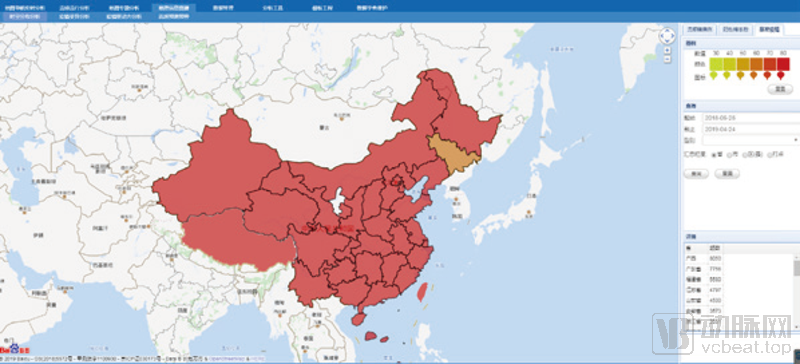
National Influenza Center Forecasting and Early Warning Platform
Currently, Xieyun Gene has established commercial project collaborations with over 80 institutions, including Peking Union Medical College Hospital, the Chinese People's Liberation Army General Hospital, Xiangya Hospital, Beijing Children's Hospital, and the Chinese Center for Disease Control and Prevention. The company has also partnered with the Children's Hospital Affiliated to Soochow University on collaborative innovation projects for the research and development of diagnostic test kits, receiving key support from the Suzhou Municipal Government.
“This outbreak has made everyone fully aware of the vast market potential for infectious disease testing, but traditional single-target detection methods have also exposed many limitations. Xieyun Gene is positioned in the research and development of multiplex PCR testing and ultra-multiplex targeted sequencing for pathogens causing infectious diseases, providing products and services for precision medicine in infectious diseases. Compared with singleplex PCR products, it is much more difficult in terms of both R&D and registration, but this represents the trend of market demand,” said Zhang Xinlei. Currently, Xieyun Gene is undergoing Pre-A round financing, and the funds will be used for the R&D, registration, and market development of 3-4 new product series.