

Ping An and Soyoung Among Inaugural Members of Heimao's 'Quality Consumption Leadership Organization'
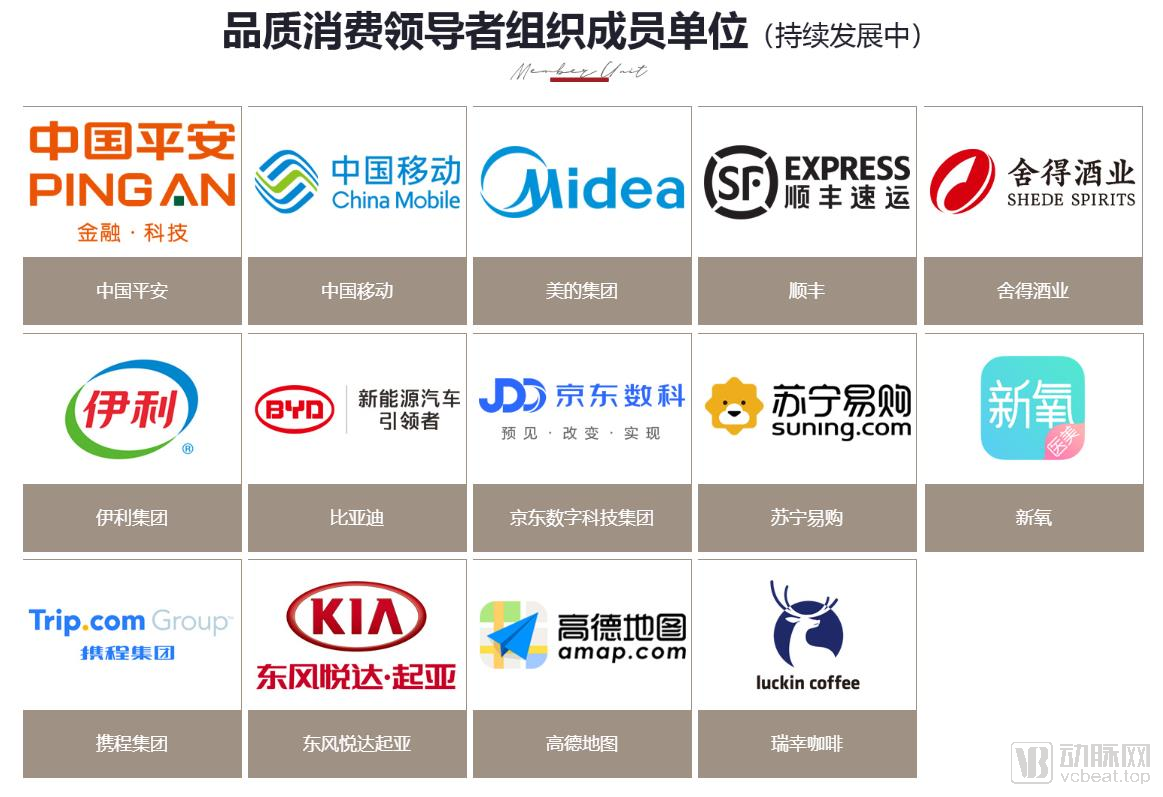
On March 23, the “Quality Consumption Leaders Organization,” initiated by Sina.com and Weibo and supported by the Black Cat Consumer Service Platform, was officially established. The organization was jointly formed by relevant institutions, media outlets, lawyers, and enterprises with outstanding performance in consumer services. Its members adhere to a user-first philosophy, enhance corporate service standards, promote the development of a healthy consumer ecosystem, and facilitate the upgrading of the consumer market. As one of China’s most trusted consumer service platforms, Black Cat Complaints had received nearly 1.4 million valid consumer complaints as of March 2020, providing consumption security guarantees for tens of thousands of Chinese consumers. The first batch of fourteen selected enterprises, including Ping An Insurance, China Mobile, JD Digits, and So-Young Technology, are all leaders in their respective fields and represent either pillar or forward-looking industries within China’s economic development.
Among them, So-Young Technology, selected as a representative of China’s medical aesthetics industry, deserves particular attention. According to statistical data from the “China Beauty and Hairdressing Industry Market Prospects and Investment Planning Analysis Report” released by Qianzhan Industry Research Institute, the market size of China’s medical aesthetics industry is expected to exceed RMB 300 billion, reaching RMB 337 billion in 2019, a year-on-year increase of 36.44%. This explosive growth has also brought about “growing pains.” The “White Paper on ‘Underground Black Injections’ in China’s Medical Aesthetics Industry,” jointly released by the China Data Research Center and the Medical Risk Control Center of the Chinese Association of Plastics and Aesthetics, shows that there are approximately 17,000 compliant practitioners in China’s medical aesthetics industry, while the number of illegal practitioners exceeds 150,000. Among the numerous medical aesthetics institutions, the number of unlicensed clinics has surpassed 60,000, six times that of licensed clinics. The annual number of surgical procedures performed at unlicensed clinics is 2.5 times that of licensed clinics, exceeding 25 million cases. Moreover, unlicensed clinics may be responsible for up to 40,000 medical accidents annually, involving issues such as surgical infections and severe scarring.
According to the "2019 Research Report on Trends in China's Medical Aesthetics Industry" released by iiMedia Research, pricing chaos, unsafe practices, and false marketing stemming from gray-market activities—such as the circulation of counterfeit or unapproved products, unlicensed medical practice, and illicit institutions—have all adversely affected the market.
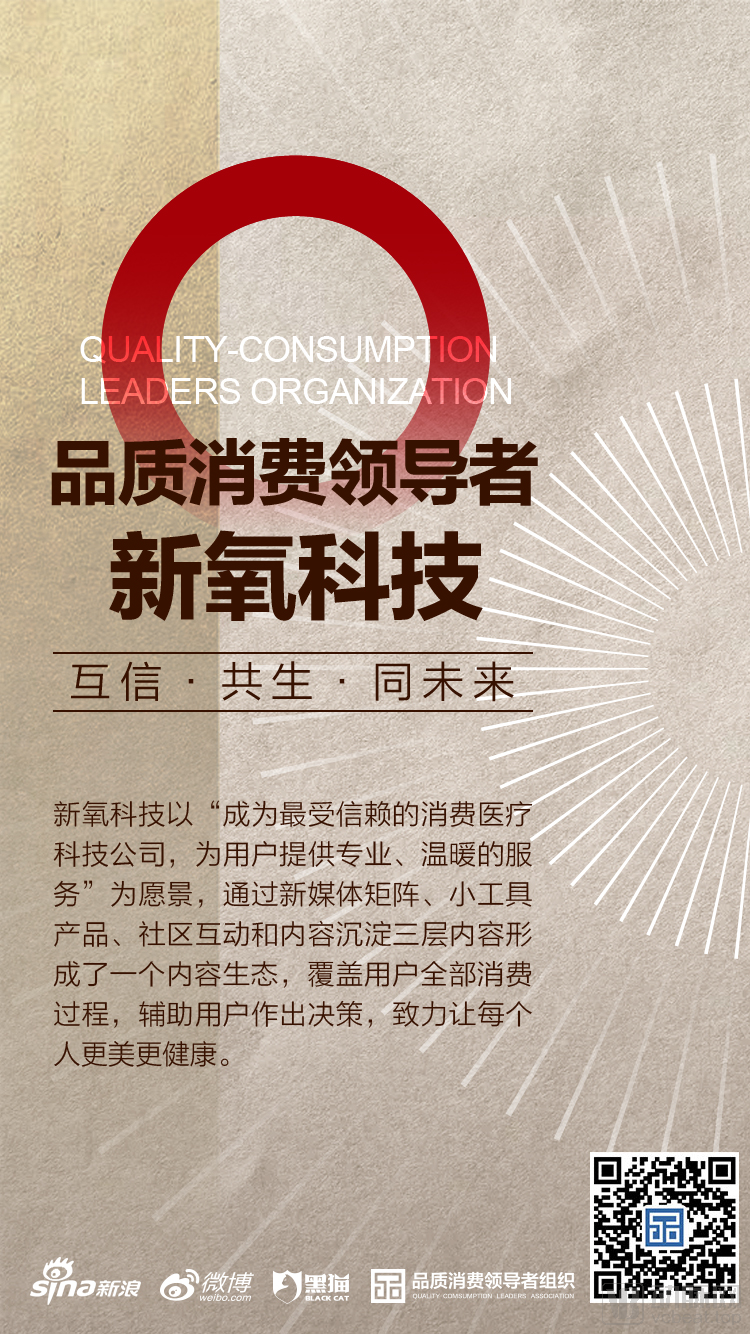
Reporters learned that So-Young Technology is establishing the infrastructure for self-regulation in China’s medical aesthetics industry.
Since its inception in 2013, So-Young has cumulatively blocked 1.29 million suspicious diaries, intercepted 2.05 million accounts involved in black-market activities, and banned 710,000 accounts for cheating or violations. So-Young continues to increase its investment of human, financial, and material resources to purify the medical aesthetics environment.
In March 2019, So-Young announced the establishment of the “Authentic Products Alliance” and launched a series of initiatives for the industry chain, including clinic manufacturer certification, QR code-based drug authentication, physician credentialing and tiered classification, and an aesthetic medicine encyclopedia. Currently, it covers all mainstream injectable brands, with nearly 60% of the platform’s affiliated institutions having joined, making it the most extensively covered alliance for authentic aesthetic medical products in China.
In August 2019, So-Young launched a facial recognition authentication system, becoming the first medical aesthetics platform in China to adopt live-person-to-photo comparison technology for content moderation.
In September 2019, the “User Risk Index” feature was launched, incorporating behavioral analysis algorithms from the financial industry’s credit reporting system to evaluate and present the authenticity of user behavior across 42 dimensions. These dimensions include device anomalies, abnormal user behavior, and records of violations or cheating on other major internet platforms. For content that does not involve explicit violations but exhibits behavioral irregularities, users receive clear warnings, thereby serving as an effective deterrent against content falsification.
A representative from So-Young stated, “Looking ahead, we believe that through the joint efforts of multiple stakeholders, So-Young will leverage its product and technological capabilities to continuously build a more robust and comprehensive defense system against black-market activities. This will provide users with a safer consumption environment across the entire journey—including browsing, decision-making, order placement, financial services, and after-sales support—enabling consumers to pursue beauty with confidence and security.”
On March 23, the same day it was inducted into the “Quality Consumption Leaders Organization,” So-Young Inc. released its financial results for the fourth quarter and full fiscal year of 2019. The report showed that as of December 31, 2019, So-Young’s total revenue for the fourth quarter reached RMB 358.2 million, a year-on-year surge of 95.7%; net profit amounted to RMB 69.9 million, representing a 71.4% year-on-year increase, with performance once again exceeding the company’s expectations. In December 2019, seven investment research institutions, including Citibank, issued target price forecasts for So-Young’s stock, with an average target price of $17.09 and the highest target price reaching $20. All seven institutions assigned a “Buy” rating to So-Young’s stock.