

Bekang Medical's PGS Kit for Third-Generation IVF Gains Market Approval with 400,000 RMB Insurance Coverage, Opening a New Frontier in Reproductive Health Beyond NIPT
Reproductive health is vital to national welfare and people's livelihood, serving as a crucial foundation for ethnic continuity and national prosperity. Data released by the National Health and Family Planning Commission shows that the infertility rate among couples of childbearing age in China has risen from nearly 3% two decades ago to approximately 15% in recent years, with the number of affected individuals exceeding 50 million. Among them, more than 10 million patients require assisted reproductive technologies to achieve parenthood.
Non-Invasive Prenatal Testing (NIPT) is the first product in China to obtain Class III medical device registration approval and be approved for clinical market launch.Like NIPT, preimplantation genetic diagnosis/screening (PGD/PGS) is also a chromosome screening and diagnostic technology based on high-throughput sequencing. So, what is the current state of development of this technology? And how is it regulated by the state?
According to the National Medical Products Administration, China classified PGS as a Class III medical device for regulatory supervision in 2016. Class III medical devices represent the highest risk category and are subject to strict control. Their manufacture requires review and approval by the drug regulatory department under the State Council, which also issues product registration certificates.PGS is classified as a Class III medical device, which means that any PGS product used in hospitals must meet the national standards for Class III medical devices and obtain a Class III medical device registration certificate. The platform on which the product development relies must also hold a Class III medical device registration certificate.
For the more than 10 million infertility patients in China, assisted reproductive technology represents their last hope for fulfilling their dream of parenthood, with third-generation IVF technology poised to help more families successfully have healthy babies. However, due to the previous absence of compliant products for clinical applications of third-generation IVF, most institutions have primarily relied on research-use-only reagents for PGS testing kits. The inconsistent quality of these reagents and the lack of regulatory oversight have led to frequent patient disputes.
Recently,The National Medical Products Administration approved the market launch of China’s first third-generation IVF PGS test kit (NMPA Registration No.: 20203400181), breaking this awkward situation.This product was developed by Suzhou Beikang Medical Instrument Co., Ltd. After more than four years of multi-center clinical trials, it has completed testing on nearly 10,000 embryo samples. Clinical data statistics show that the application of this PGS product can increase the average pregnancy rate of IVF to 72% and reduce the miscarriage rate to 6.9%. With the approval and market launch of this product, it meansChina has overcome the long-standing predicament of having no compliant products available for the clinical application of third-generation IVF, officially ushering in an era of regulation and certified products for third-generation in vitro fertilization.It is foreseeable that the National Medical Products Administration will further strengthen strict regulation over third-generation IVF PGS test kits.
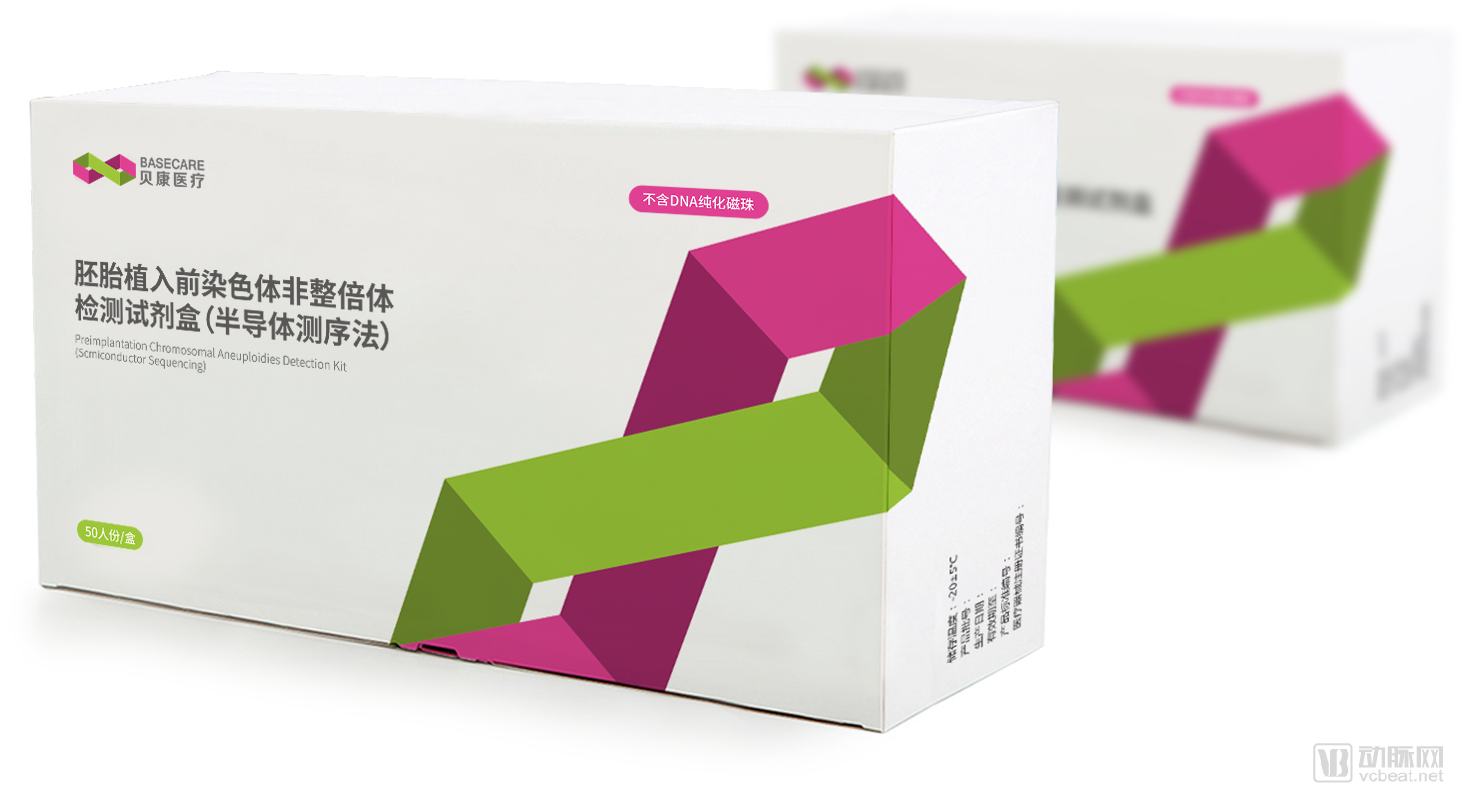
(National Medical Device Registration No.: 20203400181)
Reproductive health is vital to national welfare and people’s livelihood, constituting a crucial component of ethnic continuity and national prosperity. The innovative product manufactured by Beikang Medical not only enables couples to conceive but also promotes eugenics to a certain extent, helping more families access compliant third-generation IVF with preimplantation genetic screening (PGS) testing.
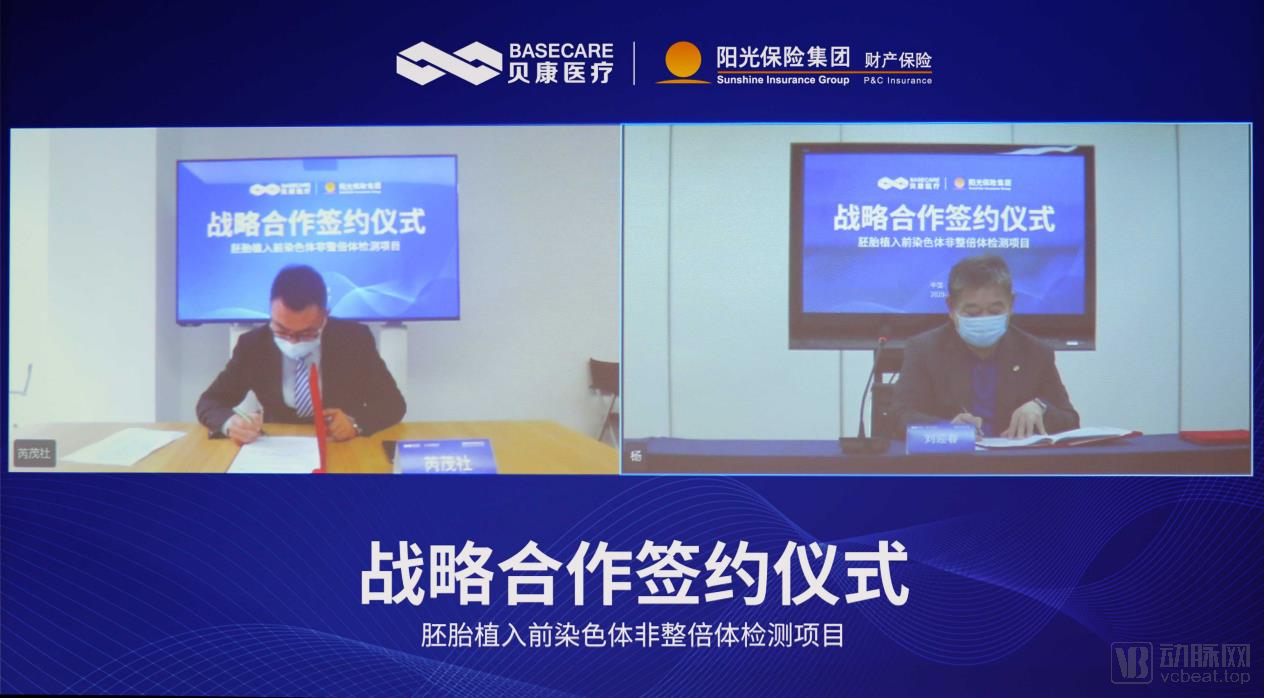
Recently, Suzhou Beikang Medical Instrument Co., Ltd. entered into a strategic partnership with Sunshine Property and Casualty Insurance Co., Ltd., providing commercial insurance coverage of up to RMB 400,000 for families using the first domestically registered third-generation IVF PGS product (NMPA Registration No.: 20203400181).It provides RMB 400,000 in insurance coverage to families who experience miscarriage or birth defects due to testing issues. This not only enables more families to access compliant third-generation IVF PGS testing products, but also offers them greater protection during diagnosis and treatment.
As a safeguard measure, insurance coverage is expected to extend across all aspects of assisted reproductive technology (ART) in the future, ultimately benefiting more families struggling with infertility. This well-developed commercial insurance system will also help improve public acceptance of ART. It is believed that the clinical application of third-generation in vitro fertilization (IVF) in China will continue to mature, become standardized, and develop industrially. Infertile patients in China will no longer need to spend substantial amounts of money and effort traveling overseas to seek fertility treatments; instead, these couples can access third-generation IVF medical services domestically, supported by multiple layers of technological and medical safeguards.
Preimplantation Genetic Screening (PGS) is an early prenatal screening method aimed at improving implantation and live birth rates in in vitro fertilization (IVF). It holds significant importance for preventing recurrent miscarriages, reducing the birth of children with genetic disorders, and supporting clinical assisted reproductive technologies. With technological advancements and broader application, the clinical value of PGS has become increasingly evident, driving continuous expansion in market demand. The special approval pathway for innovative medical devices is essential for the industrialization of PGS and represents the primary regulatory process overseen by the state for the PGS industry.Future PGS products entering clinical use must comply with national regulatory standards; products without medical device registration certificates will find it difficult to enter the market.
Regarding the future development of this field,From a market perspective,, the clinical value of PGS is becoming increasingly evident, market demand continues to expand, and it has become one of the most promising fields in assisted reproduction.From a technical perspective,With the substantial reduction in sequencing costs, advances in the study of genetic mechanisms, and in-depth bioinformatics data analysis, next-generation sequencing (NGS) technology offers broader clinical value and greater market potential for in vitro fertilization (IVF).At the level of national regulatory oversight,Third-generation IVF has officially entered an era of compliance and certification, ending the long-standing predicament of having no compliant products available. In addition,The robust integration of assisted reproductive technology and insurance has, to some extent, provided these families with additional financial protection during third-generation in vitro fertilization (IVF) treatment.
Although challenges and opportunities are emerging simultaneously, we have reason to believe that the future prospects of the PGD/PGS industry are promising.In the turbulent genetic testing market, let us wait and see how third-generation IVF with PGS further opens up a second fertility health market beyond NIPT!
About Beikang Medical
Suzhou Beikang Medical Instrument Limited Company is a leading high-tech enterprise in Suzhou Industrial Park, dedicated to the research and development and clinical application of high-throughput sequencing technology in the field of reproductive health. The company currently operates a 1,500 m² production center, a 3,000 m² research center, and a 4,000 m² medical center. It runs four independent clinical laboratories across China, has established more than 30 joint laboratories in multiple provinces, and collaborates with over 200 medical institutions domestically. Additionally, it has set up one international laboratory in Hong Kong and engaged in business cooperation with numerous overseas medical institutions in Italy, Canada, Southeast Asia, and other regions.
About Sunshine Property & Casualty Insurance
Sunshine Property & Casualty Insurance Co., Ltd. (hereinafter referred to as “Sunshine P&C”) was established on July 28, 2005. It is a national professional property and casualty insurance company under Sunshine Insurance Group Co., Ltd., with a registered capital of RMB 5.767 billion. Since its establishment, Sunshine P&C has repeatedly broken the historical record for annual premium scale among newly established insurance companies in China. The company achieved profitability within 23 months of operations, setting the industry’s fastest profitability record, and has maintained continuous profitability since then. Currently, 36 secondary-level institutions are in operation, with more than 1,800 third- and fourth-level branch offices, achieving nationwide coverage of its service network.