

Aiwei Aifu Medical Group Announces First ERA-Guided Pregnancy Success at Tianjin Aiwei Hospital Amid IPO Filing
With the advancement and development of medicine, assisted reproductive technology (ART) has been widely applied in clinical practice, helping couples suffering from infertility overcome their fertility challenges. However, the success rate of ART is not 100%. There are many reasons for pregnancy failure, and factors such as the patient’s age, embryo quality, and endometrial condition directly influence the outcome of fertility treatment.
In the second half of 2019, Tianjin Aivi Hospital admitted a female patient with a history of repeated implantation failure. The patient, who reported being 38 years old, had a husband diagnosed with mild asthenozoospermia and moderate teratozoospermia. After three years of unsuccessful attempts to conceive naturally, the couple turned to assisted reproductive technology. In 2017, they underwent three cycles of artificial insemination by husband (AIH) at another hospital, all of which ended in failure. Between 2018 and 2019, they pursued in vitro fertilization (IVF), undergoing three egg retrievals and three embryo transfers, yet still failed to achieve a successful pregnancy.
Repeated implantation failure places immense physical and psychological stress on women. Fortunately, this streak of setbacks has found a turning point at Tianjin Aivi Hospital. As a branch institution under the Ivfchina Medical Group—a leading Chinese chain brand for IVF hospitals—Tianjin Aivi Hospital is a specialized obstetrics and gynecology hospital featuring assisted reproductive technologies such as in vitro fertilization (IVF) and artificial insemination. Many families struggling with infertility have found hope for parenthood here.
VCBeat conducted an exclusive interview with Dr. Ji Chunyan, Clinical Director of the Reproductive Center at Tianjin Aivi Hospital, who revealed a key factor behind the recent success in assisted reproduction: Endometrial Receptivity Analysis (ERA). ERA leverages next-generation sequencing (NGS) technology to assess the receptivity status of the endometrium at the time of sampling by analyzing the expression of 248 genes associated with endometrial receptivity, thereby identifying the patient’s personalized “window of implantation.”
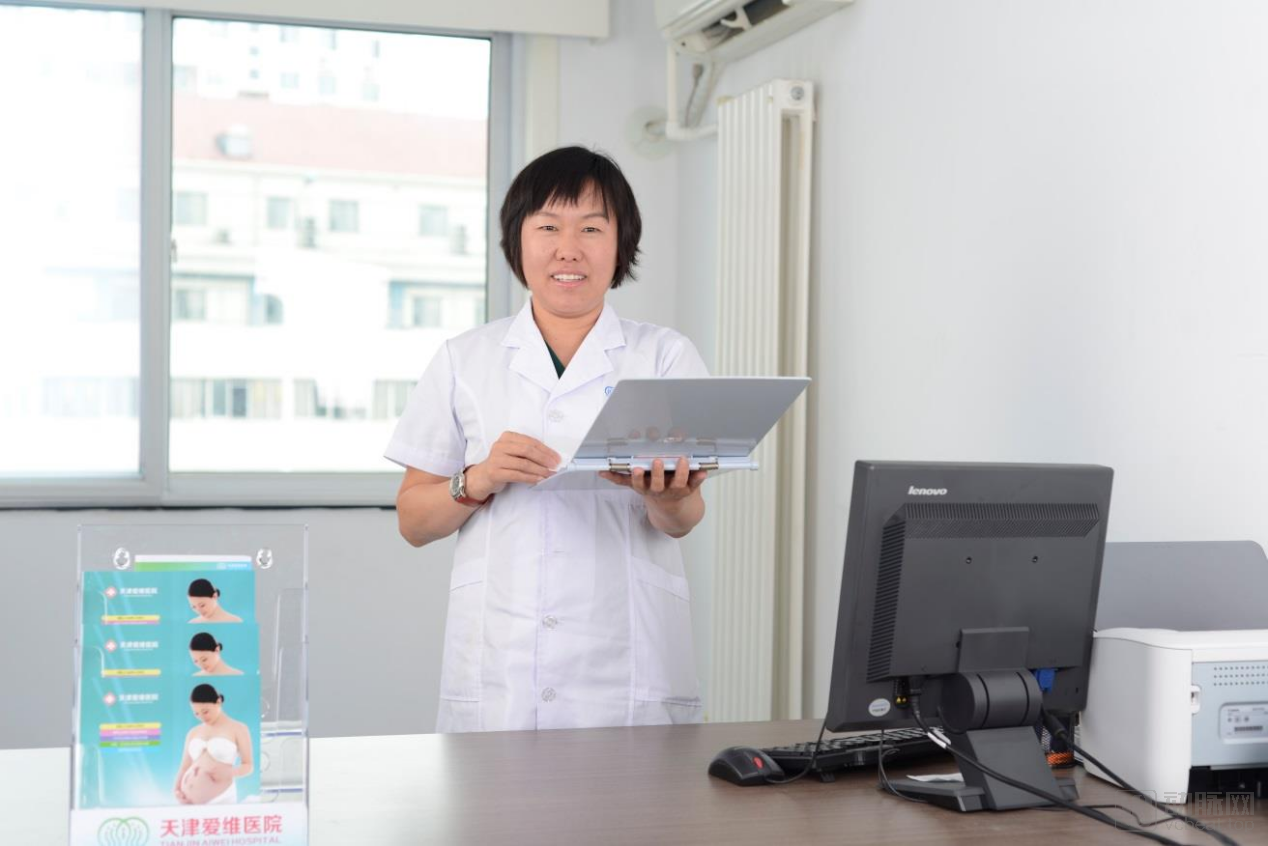
Ji Chunyan, Director and Clinical Head of the Reproductive Center at Tianjin Ivfchina Hospital (Photo provided by the enterprise)
Why Does Precise Timing of the Implantation Window Have Such a Significant Impact on Conception Success? Ji Chunyan explained the underlying reasons to VCBeat: For most of the menstrual cycle, the endometrium is in a non-receptive state (i.e., unable to accept an embryo). Only during a brief period can the endometrium accept an embryo; this phase is known as the receptive window, also vividly referred to as the “implantation window.”
If seeds are sown in the wrong season, they will fail to take root and germinate regardless of their quality; the same principle applies to embryo transfer. The failure rate of embryo transfer performed outside the “implantation window” increases significantly. However, the “implantation window” is not identical for every woman. Approximately 30% of women experience an implantation window that is either earlier or later than the conventional timeframe, and the duration of this window also varies among individuals, indicating a certain degree of specificity for each woman. Ji Chunyan stated, “For patients with recurrent implantation failure, it is crucial to consider whether the failure is due to the embryo transfer not being timed within the ‘implantation window.’”
In December 2019, the patient underwent the ERA triple-panel test. The report recommended that personalized blastocyst transfer be performed between 133 and 139 hours after progesterone administration. Based on these findings and the patient’s clinical condition, Tianjin Aivi Hospital performed a frozen-thawed embryo transfer on March 5, 2020. On March 14, her serum hCG level was 330 mIU/mL, confirming a successful clinical pregnancy.
“Ivfchina” is a transliteration of IVF (In Vitro Fertilization), which is the abbreviation for in vitro fertilization and embryo transfer technology, commonly known as “test-tube baby.” The establishment of Ivfchina Medical Group can be traced back to 2001. Under the personal guidance and care of Professor Zhang Lizhu, known as the “Mother of Test-Tube Babies in China,” the founder established Ivfchina Medical Group (hereinafter referred to as “Ivfchina”). After 19 years of steady development, Ivfchina has become a specialized, international large-scale medical investment institution with human assisted reproductive technology as its primary investment focus.
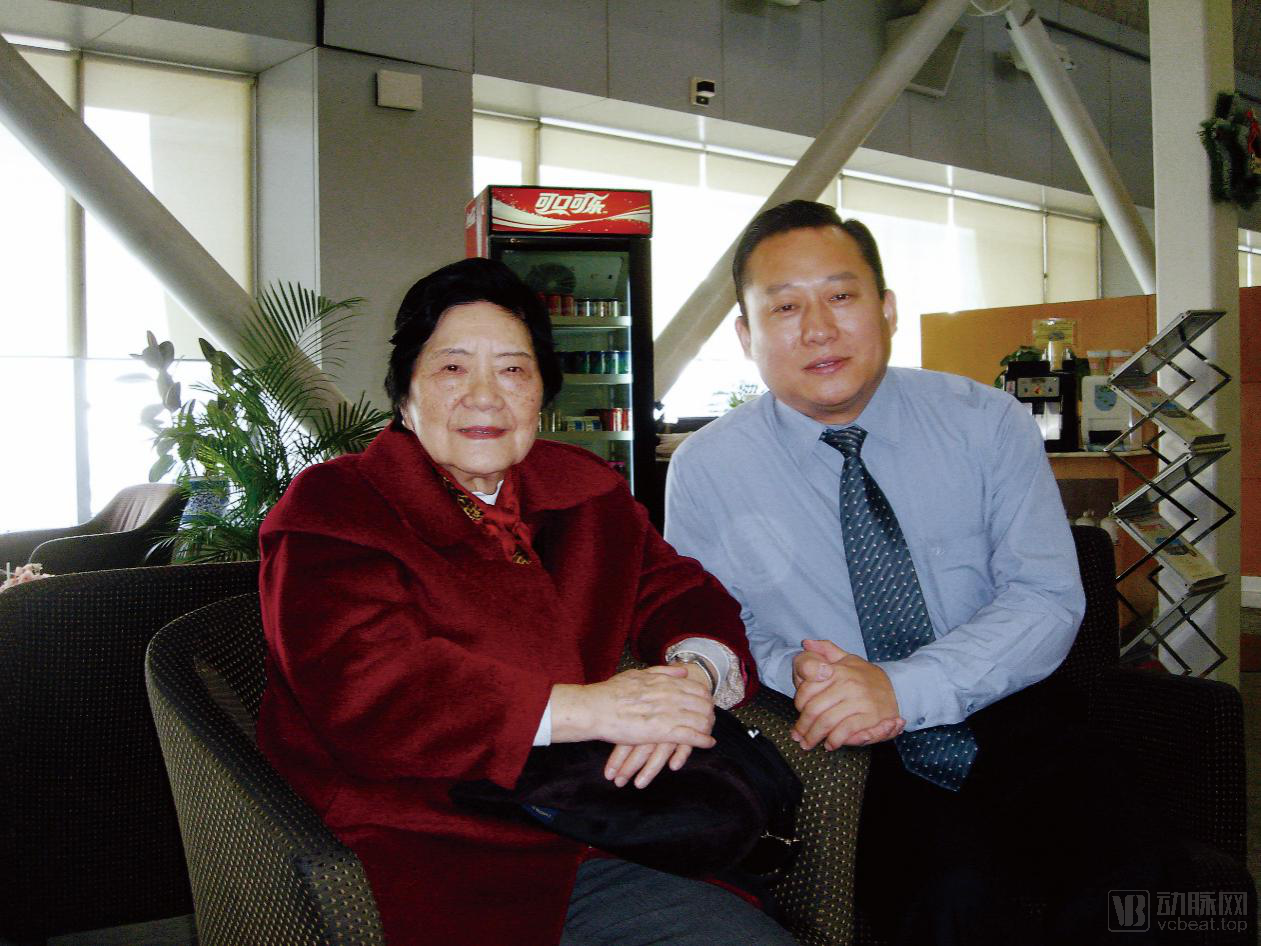
Professor Zhang Lizhu and Chairman Ren Jizhong, Founder of Ivfchina (Photo provided by the company)
Tianjin Aiwei Hospital is one of the nine medical institutions under the Ivfchina Medical Group. The group also operates multiple medical entities, including Zhanjiang Jiuhe Hospital, Jieyang Ivfchina Hospital, Kunming Ivfchina Hospital, and Shenzhen Ivfchina Gynecological Hospital. Its services extend across more than 20 provinces, municipalities, and autonomous regions in China—including Beijing, Tianjin, Hebei, Shandong, Yunnan, Guizhou, Guangdong, Guangxi, and Hainan—as well as to Hong Kong, Macao, Taiwan, and Southeast Asia.
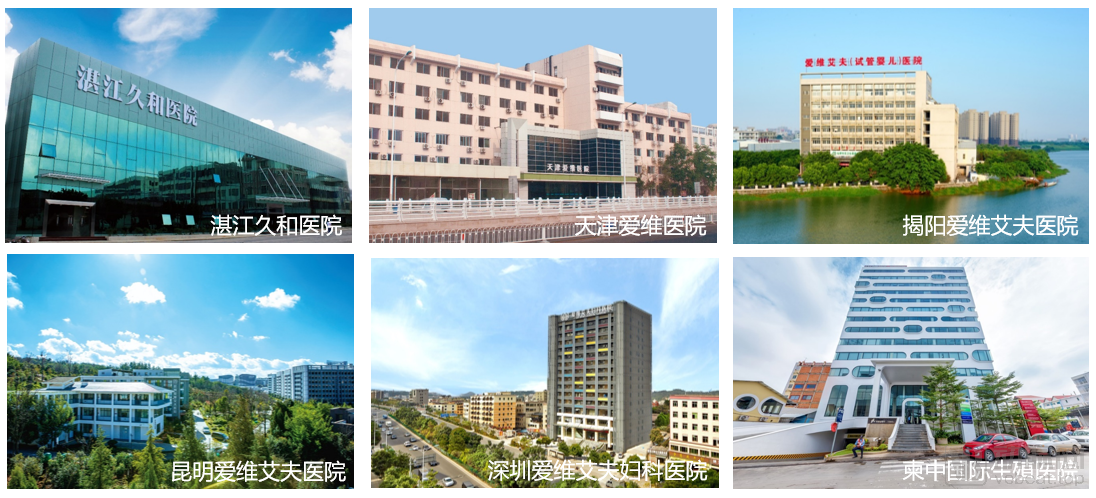
Selected Physical Hospitals Under IVE China Medical Group (Image Provided by the Company)
There are deeper reasons behind being the first to implement ERA technology at Tianjin Aiwei Hospital. According to Li Yusong, Director of the General Manager’s Office of Ivfchina Medical Group, the current technical team at Tianjin Aiwei Hospital consists of the original staff from the former Tianjin Armed Police Hospital. In 2004, Ivfchina Medical Group signed a cooperation agreement with Tianjin Armed Police Hospital to establish the Reproductive Medicine Research Center of the Affiliated Hospital of the Armed Police Logistics College, carrying out clinical and scientific research in the diagnosis and treatment of infertility and human assisted reproductive technology (IVF). It was one of the earliest medical institutions in Tianjin to offer human assisted reproductive technology. On August 16, 2016, in response to the call of the Central Military Commission, Ivfchina Medical Group successfully completed the handover between Tianjin Aiwei Hospital and the Tianjin Armed Police Reproductive Center. With strong support from the Tianjin Municipal People’s Government and health authorities, Tianjin Aiwei Hospital has successfully implemented human assisted reproductive technology, achieving clinical pregnancy rates that rank among the highest in North China and creating multiple medical miracles.
“Team, technology, and pregnancy rate are the primary conditions we consider when implementing ERA,” said Li Yusong. “As a municipality directly under the central government, Tianjin has a large population. With the relaxation of the two-child policy, the number of individuals seeking fertility treatment has been increasing. However, changes in living environments and lifestyles have made conception increasingly difficult, particularly for women of advanced maternal age. We hope to improve this situation by introducing this technology. Therefore, we have selected Tianjin Aivi Hospital as the pilot site to be the first to implement ERA technology, which will also be rolled out to more subsidiary hospitals in the future.”
The introduction of ERA technology was, in fact, a decision made after multiple site visits by Mr. Ren Jizhong, Chairman of Ivfchina, and repeated deliberations by senior executives across the group’s various functional departments. Although ERA technology has been implemented in more than 60 countries worldwide, it has not yet become widely adopted in China. Extensive statistical data indicate that the use of ERA testing increases the pregnancy rate among tested individuals by an average of approximately 25%. By accurately identifying the optimal window for embryo transfer, ERA benefits not only patients with recurrent implantation failure but also all individuals undergoing in vitro fertilization (IVF) treatment.
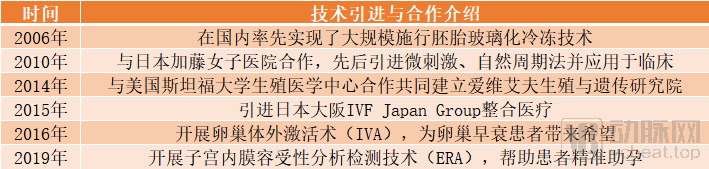
Ivfchina Medical Group: Historical Technology Introductions and Collaborations
Ivfchina spares no effort in introducing advanced international technologies, ensuring that its development always remains at the global forefront. In addition to the Endometrial Receptivity Analysis (ERA) technology, Ivfchina has successively introduced multiple techniques, including vitrification of embryos and in vitro activation (IVA) of ovaries. Furthermore, it has established close technical partnerships with institutions such as the Stanford University Reproductive Center in the United States, Kato Women’s Hospital in Japan, the Sydney IVF Center in Australia, and the Ivy International Reproductive Medicine Center in Taiwan.
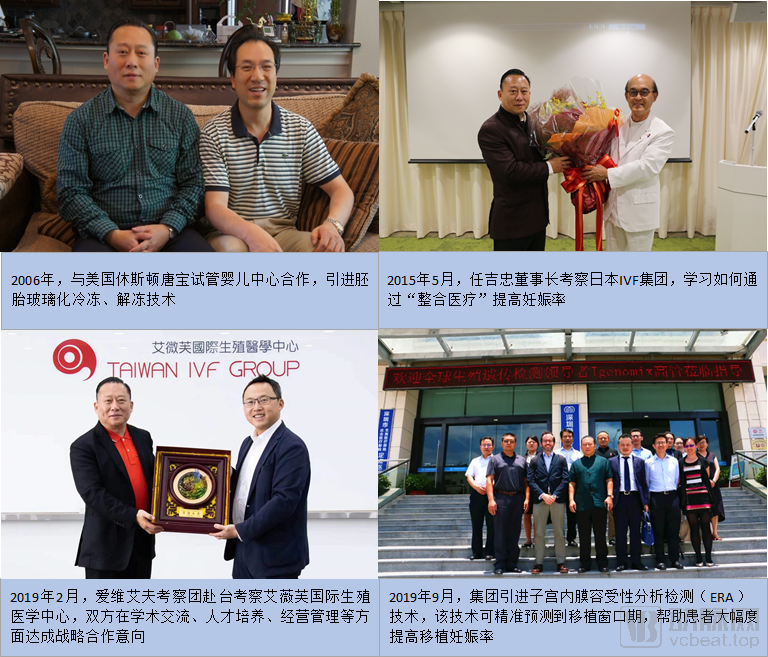
Selected Partnerships and Achievements of Ivfchina Medical Group (Images Provided by the Company)
After 19 years of dedication and accumulation, Ivfchina has developed into a chain brand of IVF hospitals. Its IVF pregnancy rate has remained stable at over 62%, with 15,000 IVF cycles performed annually and more than 60,000 IVF babies born to date. Ranking third nationwide in the number of IVF cycles, Ivfchina holds a leading position among private assisted reproductive technology (ART) institutions. In October 2019, Ivfchina Medical Group was selected as one of the “Top 100 Industry Leader Enterprises in Shenzhen,” becoming the only hospital chain listed on the roster.
Regarding the future, Ivfchina Medical Group has a clear development strategy. In 2019, Ivfchina put forward its corporate vision of “becoming a specialized and international service provider in the field of life sciences.” On the basis of strengthening and expanding human assisted reproductive technology, it is making strides in the field of anti-aging, bringing joy and happiness to countless families struggling with infertility, and contributing to the health and well-being of all humanity.
The Group’s robust technological capabilities and strong workforce have further strengthened Tianjin Aivi Hospital. Due to the increasing number of patients, the current facilities of Tianjin Aivi Hospital can no longer meet clinical demand. To provide a better diagnostic and treatment experience for patients with infertility, Ivfchina Medical Group, in joint consultation with the management of Tianjin Aivi Hospital, has decided to expand the hospital’s scale and launch a new campus construction project. Located on Jinbin Avenue in Dongli District, Tianjin, the new campus covers a total area of 20,000 square meters and rises 20 stories high. Positioned as a mid-to-high-end specialized hospital for obstetrics and gynecology, it integrates five core services: assisted reproductive technology, traditional Chinese medicine therapy, pregnancy preservation center, premium obstetrics, and postpartum rehabilitation. Serving Beijing, Tianjin, Hebei, Shandong, and other provinces and municipalities, the hospital will deliver high-quality, end-to-end fertility and maternity care to tens of thousands of families.
Li Yusong stated that with the advent of an aging society, aging and especially age-related diseases are receiving increasing attention. In the future, a portion of anti-aging services will be launched at Tianjin Ivfchina Hospital, allowing more new technologies to take root, flourish, and bear fruit there.