

NMPA Releases Comprehensive List of Over 1,900 Domestic Registrations for Six Categories of Pandemic-Related Medical Supplies Amid New Export Regulations Effective April 1

Aeonmed
Provider of Operating Room, ICU Equipment, and Medical System Solutions

Mindray
Medical Device R&D Manufacturer
On March 31, the Drug Administration Department of the National Medical Products Administration (NMPA) convened a video conference to deploy key tasks for post-marketing drug supervision in 2020. The meeting required drug regulatory authorities at all levels to strengthen quality supervision of drugs related to epidemic prevention and control, properly manage quality supervision of exported drugs, and strictly standardize the administration of drug export certificates. For cases that fail to meet the conditions and requirements for certification or do not comply with China’s Good Manufacturing Practice (GMP) for Drugs, their drug export certificates shall be revoked resolutely in accordance with the law. Furthermore, supervision of drug production must be continuously strengthened to effectively ensure that the quality of exported drugs meets applicable requirements.
Meanwhile, the Ministry of Commerce, the General Administration of Customs, and the National Medical Products Administration jointly issued a notice stating that, effective April 1, enterprises exporting novel coronavirus test reagents, medical masks, medical protective clothing, ventilators, and infrared thermometers must first obtain China’s Medical Device Product Registration Certificate and ensure compliance with the quality standards of the importing country (region) before export is permitted.
Among these, the incident in which the rapid test kits purchased by the Spanish Ministry of Health from Yiri Biotech in China were deemed “substandard” served as the trigger for a joint statement issued by multiple ministries. Subsequently, on March 27, Yiri Biotech released a statement on its official website, stating that the occurrence of false-negative results could not rule out the possibility of deviations caused by factors such as operational procedures during validation, patient medical histories, and sample collection. The specific causes are still under communication and verification between both parties.
Prior to this, foreign countries had not explicitly required companies to provide domestic registration approvals. Chinese enterprises were permitted to export to European countries as long as they obtained EU CE certification, even without securing registration approval from the National Medical Products Administration (NMPA). Shortly thereafter, on March 28, the U.S. Food and Drug Administration (FDA) issued an “Emergency Use Authorization” policy that excluded masks meeting China’s KN95 standards. This reversal came less than two weeks after the FDA relaxed its requirements on March 17 to accept Chinese KN95-standard masks.
This led to the introduction of the NMPA’s “strictest-ever” export control regulations. Meanwhile, the NMPA also released a specific list of domestically certified products for six categories of export-controlled materials: COVID-19 test kits, ventilators, protective suits, medical protective masks, medical surgical masks, and disposable medical masks.
VCBeat cleaned the NMPA list by filtering out individual certifications that had expired before March 29 and duplicate licenses for new certifications issued after expiration, and conducted statistical analysis on the data.
Detection Kit
As China’s COVID-19 test kits have been validated in real-world settings, a number of other countries and regions heavily affected by the pandemic have placed large-volume orders with Chinese manufacturers.
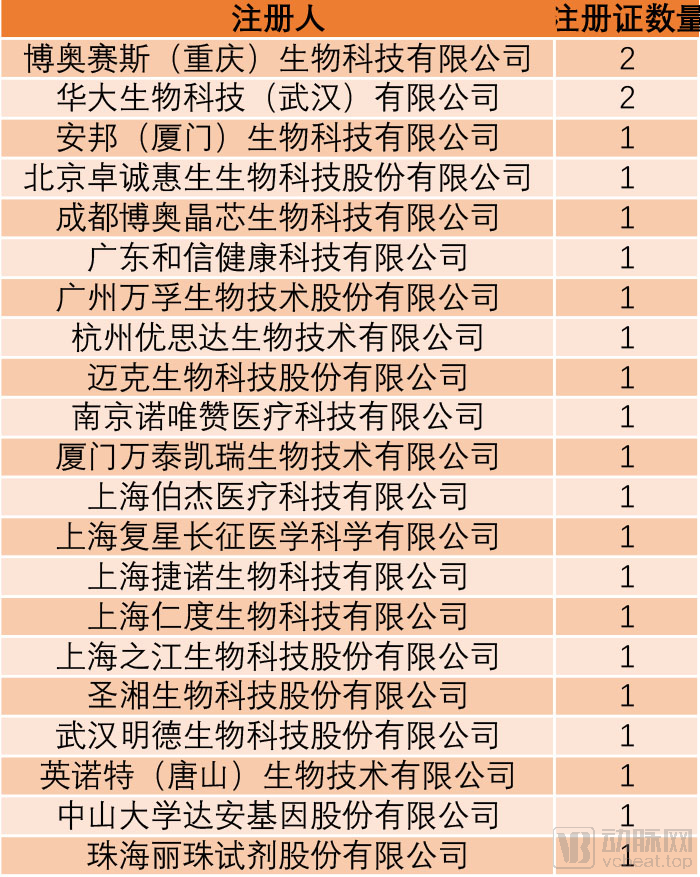
According to documents issued by the NMPA, a total of 21 companies in China have currently obtained NMPA certification. These companies collectively hold 23 Class III registration certificates. Due to tight timelines, the vast majority of these companies hold only one registration certificate each. Notably, Biosses and BGI Biotechnology each hold two registration certificates.
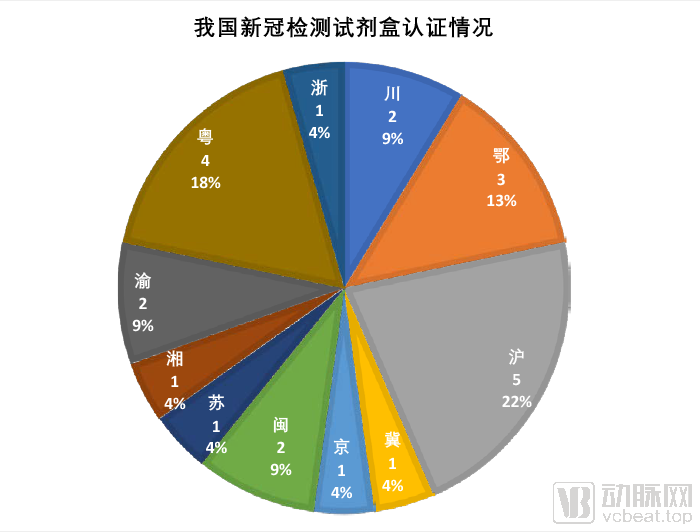
In terms of provincial distribution, Shanghai holds 5 registration certificates, accounting for 22%; followed by Guangdong with 4 registration certificates, representing 18%; and Hubei ranks third with 3 registration certificates, making up 13%. These three provinces collectively hold half of the national market share for COVID-19 test kits, with a combined proportion of 53%.
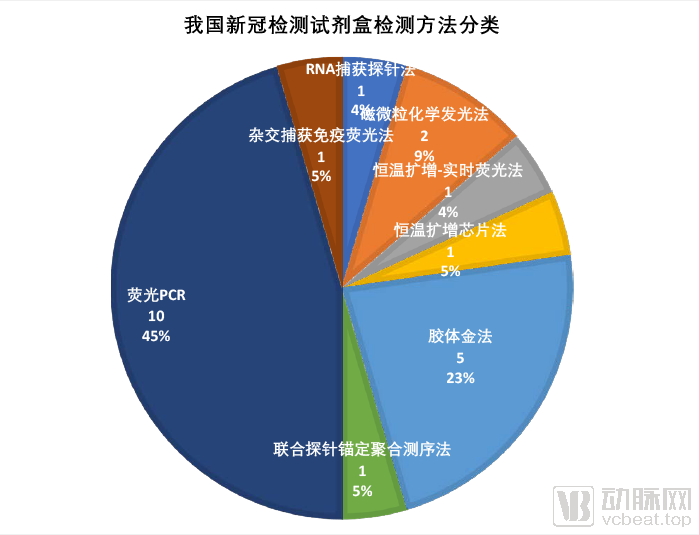
In terms of detection methods, nucleic acid testing kits accounted for an overwhelming majority, with a total of 15 products adopting this approach, representing a proportion as high as 88%. Among them, 10 kits utilized fluorescent PCR assay, while the remaining methods were each represented by one product. There were 8 antibody testing kits, with colloidal gold immunoassay being the predominant method, adopted by 5 products.
In the early stages, the National Medical Products Administration (NMPA) approved only conventional fluorescent PCR assays. Subsequently, antibody detection kits were also introduced. More recently, testing methods with higher sensitivity, greater specificity, lower risk of cross-contamination, and ease of achieving fully automated high-throughput processing have successively emerged. Based on these technologies, kits utilizing methods such as RNA capture probes and isothermal amplification have been sequentially approved. Currently, the turnaround time for novel coronavirus detection kits in China has been reduced to within 90 minutes.
Ventilator
As the COVID-19 pandemic rages globally, the number of critically ill patients in some countries has risen rapidly, leading to an increasingly large shortage of ventilators worldwide. Although China’s ventilators are not yet at the cutting edge, major Chinese manufacturers are reportedly operating at full capacity to meet a surge in international orders given the substantial supply gap.
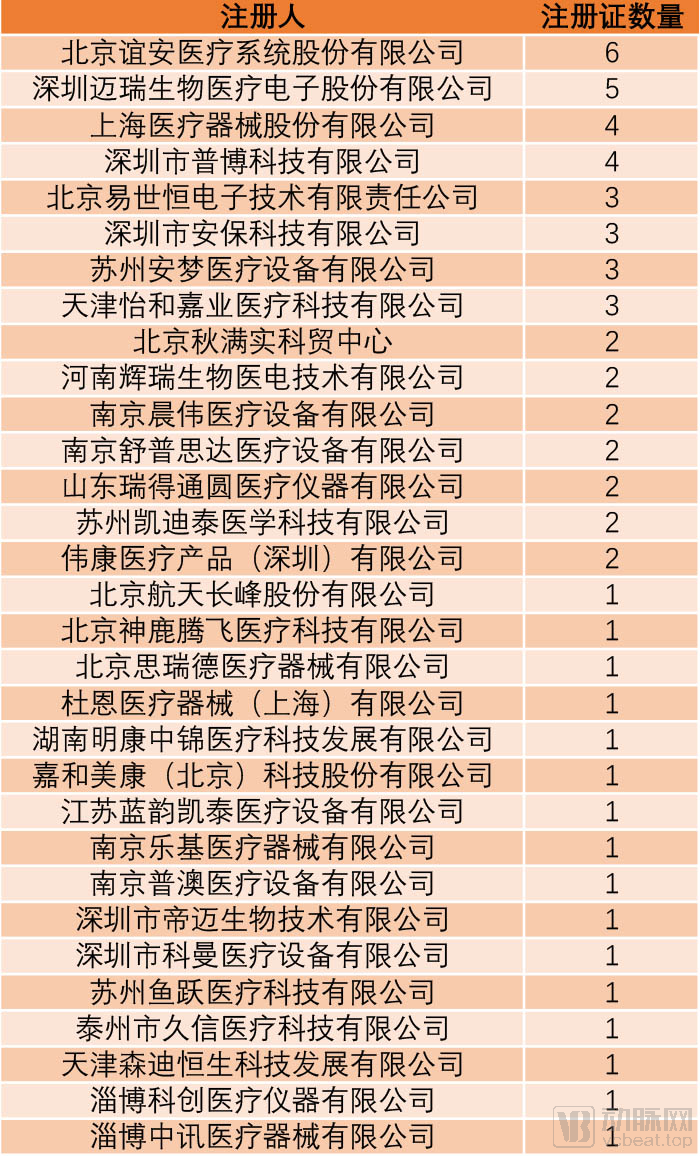
As of March 29, 2020, there were 31 ventilator manufacturers in China holding a total of 61 medical device registration certificates. Statistics show that half of these companies held only one certificate each.
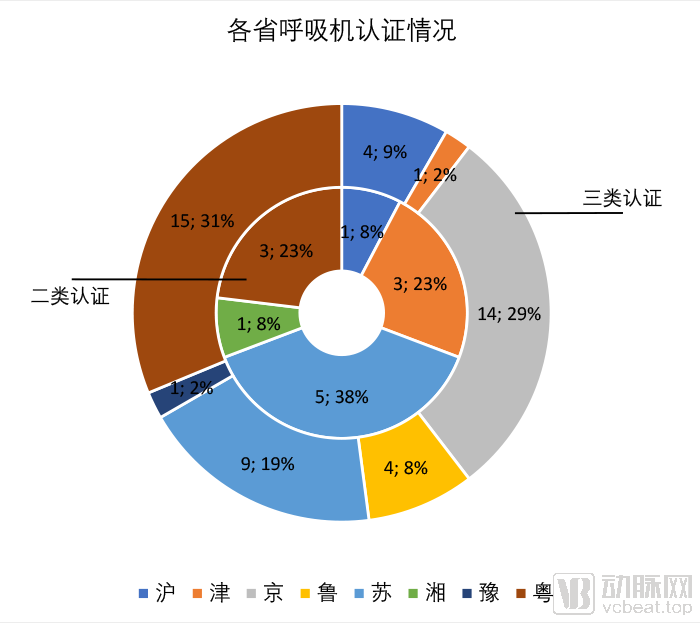
In fact, China’s ventilator manufacturers are geographically concentrated, primarily located in eight provinces and municipalities: Beijing, Shanghai, Tianjin, Guangdong, Jiangsu, Shandong, Henan, and Hunan. Among Class III medical device certifications, which entail stringent safety requirements, Guangdong holds 15 registration certificates, accounting for 31% of the total, while Beijing holds 14 certificates, representing 29%. Together, these two regions account for 60% of all Class III certifications in China.
Class III-certified ventilators have a higher safety rating, while Class II-certified ventilators are primarily used to treat common conditions such as sleep-disordered breathing. Within the Class II category, Shanghai has performed well, with five registration certificates accounting for nearly 40% of all Class II certifications.
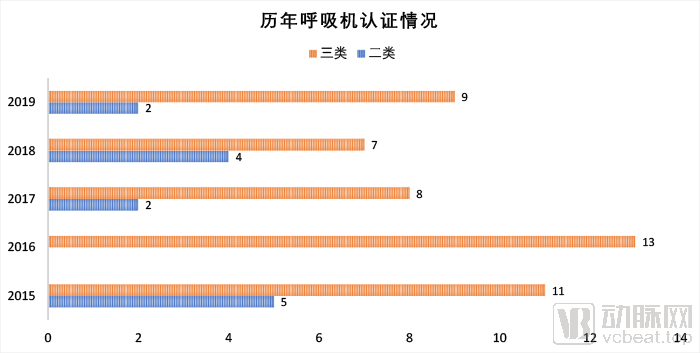
Based on the historical certification data for ventilators, 2016 was a year with a relatively high concentration of Class III certifications. In that year, the National Medical Products Administration (NMPA) issued a total of 13 Class III registration certificates. However, overall, the annual certification volume has remained relatively balanced over the years. Due to the high safety requirements for ventilators—particularly Class III devices, which are critical for sustaining the lives of critically ill patients—the entire research and development cycle for these products is relatively long. Consequently, there have been no instances of temporary or emergency approvals for ventilators. No new licenses have been issued from 2020 to the present.
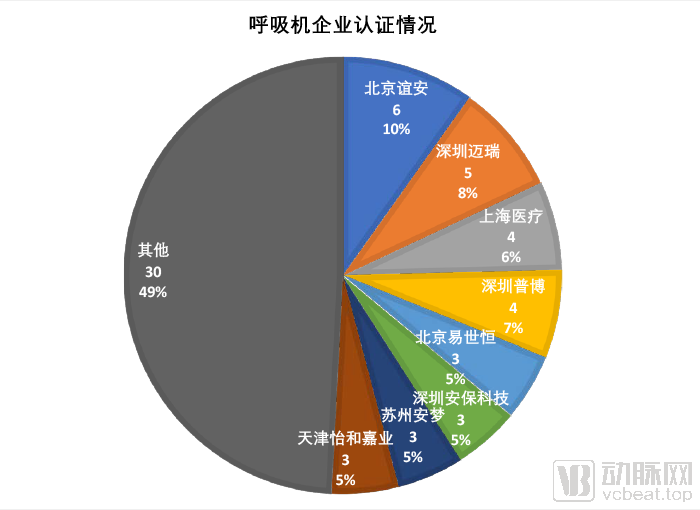
Among ventilator manufacturers, eight companies rank in the top five by number of certifications held (two tied for third place and four tied for fifth). Beijing Aeonmed Co., Ltd. holds the largest number of ventilator registration certificates, with six certificates accounting for 10% of the total. Shenzhen Mindray Bio-Medical Electronics Co., Ltd., a long-established medical device manufacturer in China, follows closely with five registration certificates, representing 8% of the total. Notably, all ventilators from these two companies are Class III certified, demonstrating their strong technical capabilities.
The ventilator registration certificates held by the top eight companies (ranked in the top five) accounted for 51% of the total, indicating a certain level of market concentration.
Protective Suit
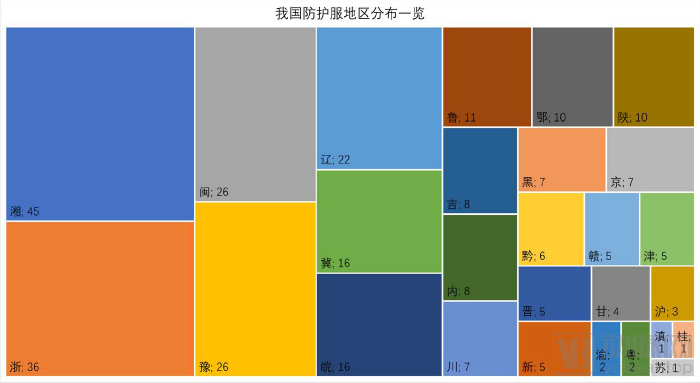
Statistically, a total of 295 registration certificates for medical protective suits have been issued across 27 provinces in China. Among them, Hunan ranks first with 45 registration certificates. Zhejiang ranks second with a total of 36 registration certificates for protective suits. Fujian and Henan are tied for third place, each with 26 registration certificates.
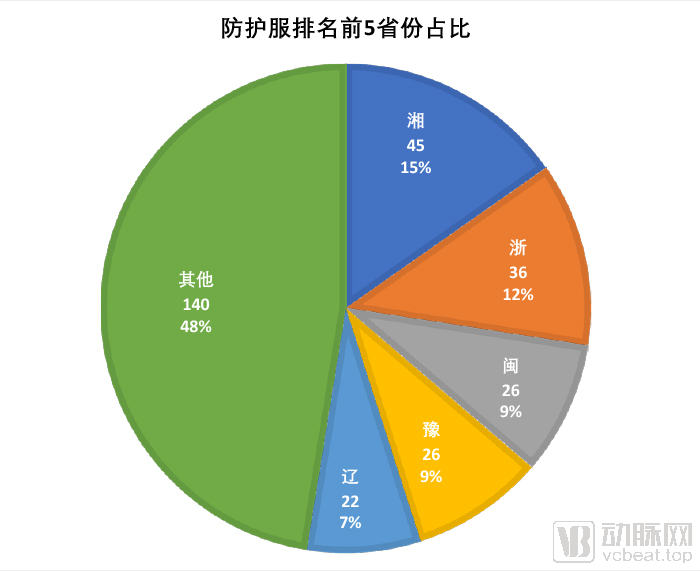
The top five provinces by number of registered protective clothing products are Hunan, Zhejiang, Fujian, Henan, and Liaoning, collectively accounting for 52% of the total. The remaining provinces account for the other 48%.
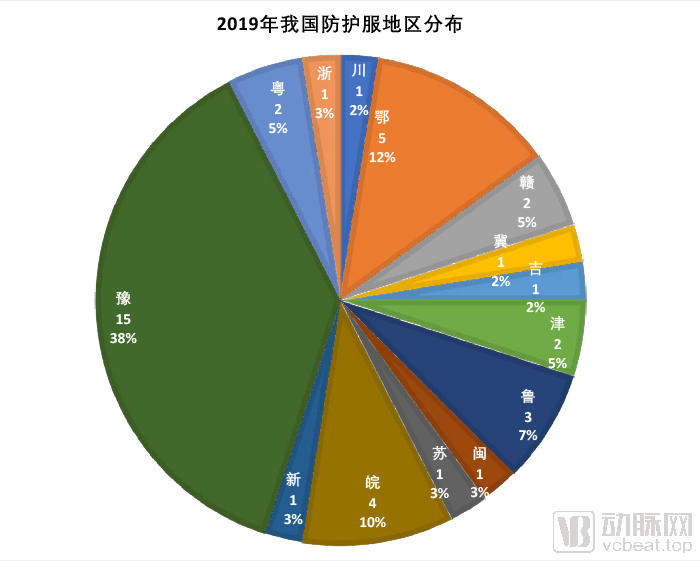
However, if we turn the clock back to 2019, we will find that the landscape of domestic protective suits was completely different from what it is today. At that time, Henan Province was undoubtedly the leader in China’s protective suit industry, accounting for 38% of the 15 registered certificates; followed by Hubei Province (5 registered certificates, accounting for 12%) and Anhui Province (4 registered certificates, accounting for 10%). At that time, only 14 provinces in total had obtained production qualifications for medical protective suits.
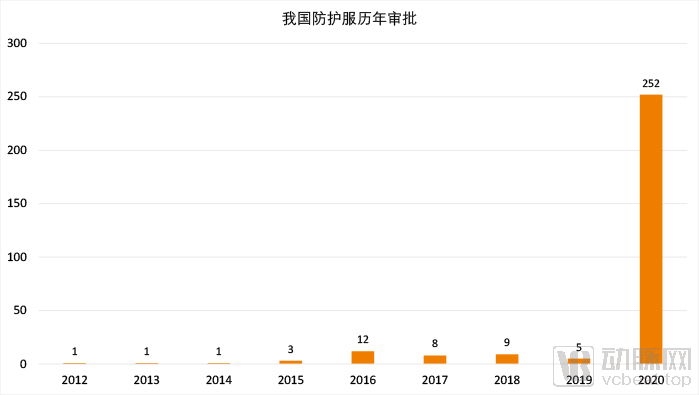
An examination of the historical approval data for protective suits reveals the reason behind the dramatic shift in the market landscape: in 2020 alone, China issued 252 registration certificates for protective suits. This means that out of the current total of 295 registration certificates, 85.4% were approved in 2020.
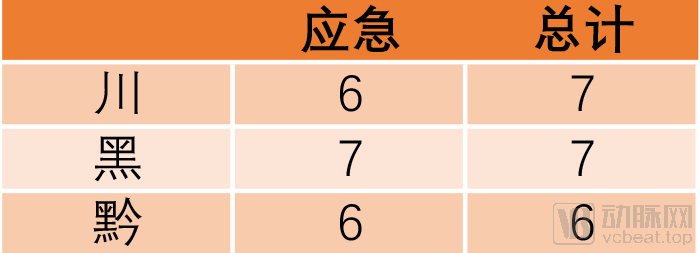
Meanwhile, various regions have accelerated the production of protective suits and other anti-epidemic supplies through emergency approval processes.
On August 28, 2009, the State Food and Drug Administration issued the Notice on Printing and Distributing the Emergency Approval Procedures for Medical Devices (SFDA Reg. Med. Dev. [2009] No. 565). The notice provided detailed regulations on the emergency approval of medical devices required for responding to public health emergencies. In accordance with the notice, the relevant medical device registration acceptance departments were required to mark the registration applications for such devices as “Emergency Approval.” However, in practice, some provinces adopted a “Temporary Approval” approach. Regardless of whether it was designated as “Emergency Approval” or “Temporary Approval,” the validity period of the registration certificate was six months. Therefore, for statistical purposes, both categories were consolidated under a single classification: Emergency Approval.
Statistics reveal that three provinces—Sichuan, Heilongjiang, and Guizhou—issued emergency approvals for protective gowns during the COVID-19 pandemic. A comparison of the number of emergency registration certificates against the total number of registration certificates in these three provinces clearly shows that there was virtually no prior market presence for protective gowns, with Sichuan holding only one existing registration certificate. Therefore, it is reasonable that these three regions issued multiple emergency registration certificates for protective gowns.
Medical Protective Mask
Medical protective masks are the highest-level protective masks among medical masks currently available in China, complying with the GB 19083-2010 "Technical Requirements for Medical Protective Masks" standard, commonly known as "medical N95." Their key performance indicators include filtration efficiency for non-oily particles and airflow resistance. In terms of filtration efficiency, they are classified into three levels: the lowest Level 1 requires a filtration efficiency of no less than 95%, while the highest Level 3 requires a filtration efficiency of no less than 99.97%.
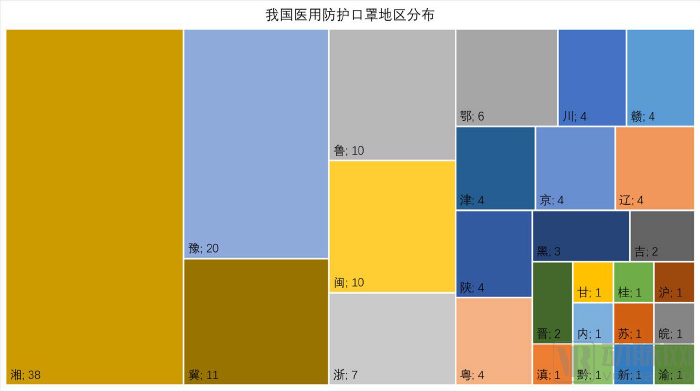
Currently, a total of 147 medical device registration certificates for medical protective masks have been issued in China, distributed across 27 provinces. Among them, Hunan Province ranks first with 38 registration certificates for medical protective masks, which is more than the combined total of the second-ranked Henan Province (20 certificates) and the third-ranked Hebei Province (11 certificates).
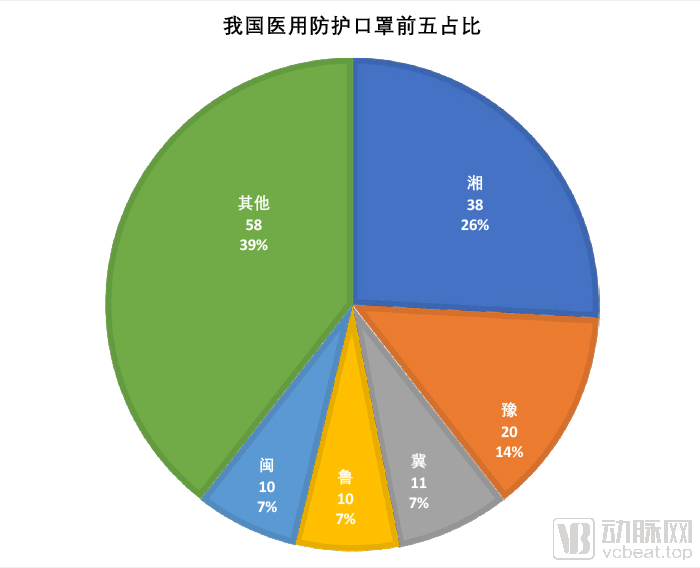
The top five provinces by number of registered medical protective masks are Hunan, Henan, Hebei, Shandong, and Fujian, accounting for exactly 61%. The remaining 22 provinces collectively account for only 39%.
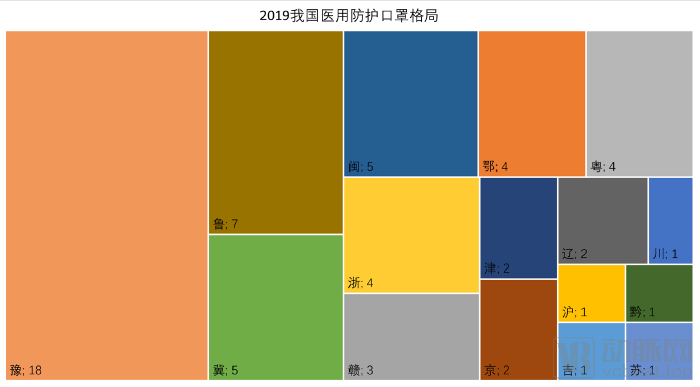
As late as the end of 2019, the landscape of medical protective masks in China was entirely different. At that time, Henan Province was indisputably the leading producer, with its output exceeding the combined total of Shandong, Hebei, and Fujian Provinces, which ranked second, third, and fourth, respectively.
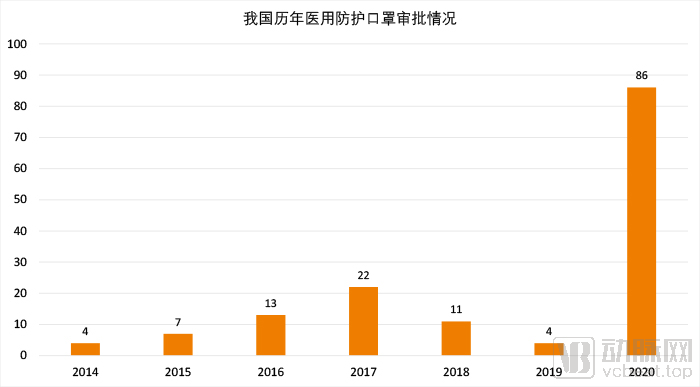
Similar to medical protective clothing, the number of approvals for medical protective masks surged during the pandemic. In 2020, China issued a total of 86 registration certificates for medical protective masks, accounting for 58.6% of the total volume.
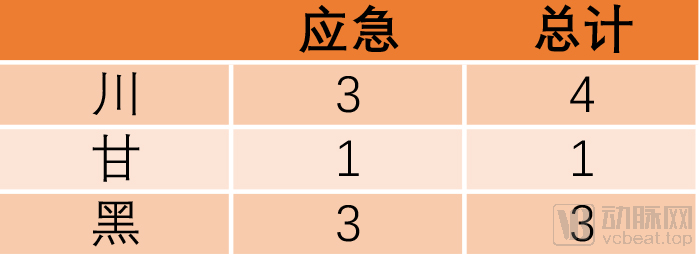
A total of seven emergency registration certificates for medical protective masks were issued across three provinces: Sichuan, Gansu, and Heilongjiang. Apart from Sichuan, which previously held one registration certificate, the other two provinces had no prior certifications.
Medical Surgical Mask
Medical surgical masks comply with the standard YY 0469-2011 "Medical Surgical Masks" and are primarily categorized into two classes based on protection levels. Class I masks are intended for use in general medical settings, requiring a filtration efficiency of no less than 95%, but without a requirement for resistance to blood penetration. The highest-grade Class II enhanced masks are designed for invasive procedural environments with a higher risk of blood splatter; therefore, they must not only achieve a filtration efficiency of 98% but also demonstrate strong resistance to blood penetration.
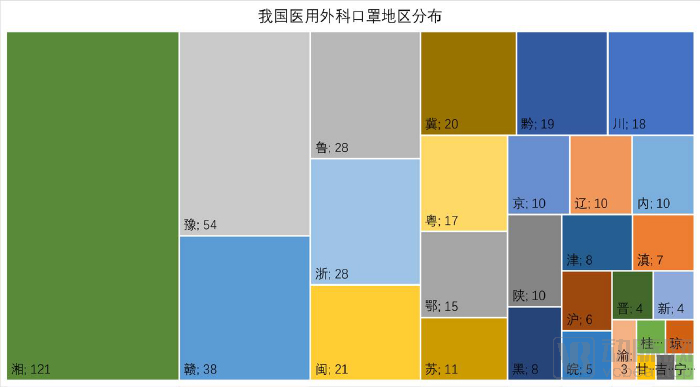
Currently, a total of 482 registration certificates for medical surgical masks have been issued in China. Among them, Hunan Province has issued as many as 121 such certificates, which is equivalent to the combined total of Henan (54), Jiangxi (38), and Shandong (28) Provinces, ranked second, third, and fourth, respectively.
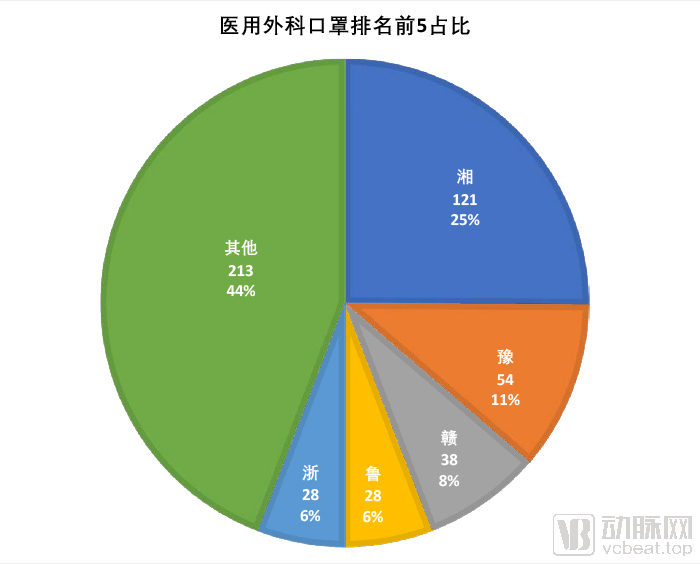
The top five provinces for medical surgical masks are Hunan, Henan, Jiangxi, Shandong, and Zhejiang. These five provinces hold a total of 265 medical surgical mask registration certificates, accounting for 56% of the total.
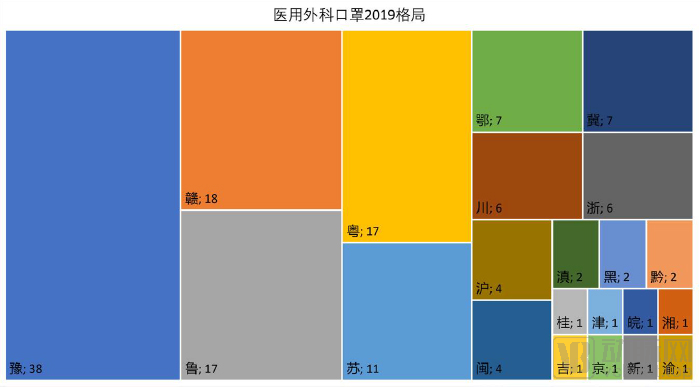
In 2019, the top five regions for medical surgical masks were Henan, Jiangxi, Shandong, Guangdong, and Jiangsu. Among these, Henan, Jiangxi, and Shandong continued to rank among the leaders in subsequent years.
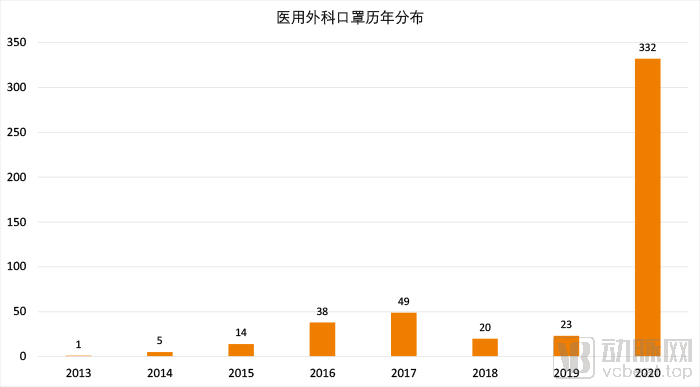
The number of approvals for medical surgical masks surged in 2020. During the pandemic, a total of 335 registration certificates for medical surgical masks were issued across various regions, accounting for as high as 68.9% of the total, which effectively alleviated the "mask shortage" during the outbreak.
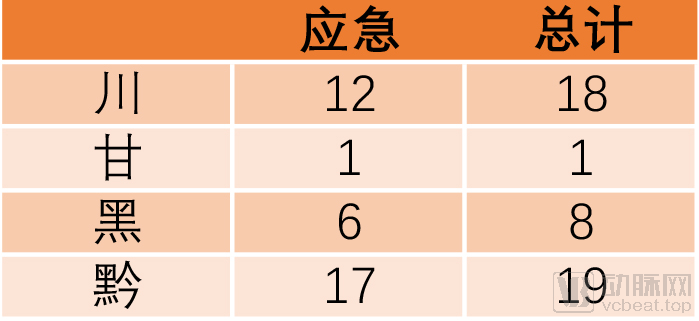
A total of 36 emergency registration certificates for medical surgical masks were issued across four provinces: Sichuan, Gansu, Heilongjiang, and Guizhou.
Disposable Medical Mask
Ordinary medical masks, commonly known as disposable masks, refer to medical masks that do not include the terms “protective” or “surgical” in their names. These are classified as ordinary-grade medical masks and typically bear manufacturer codes starting with “YZB.” Masks of this grade are not required to provide a barrier against blood nor do they have fit requirements; therefore, they are intended solely for use in general medical settings.
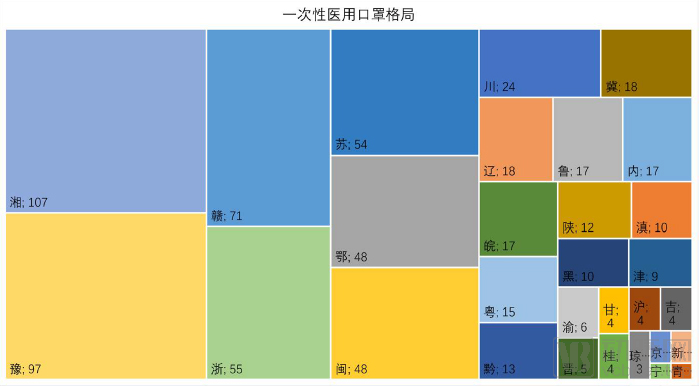
Due to the low barrier to entry for the production of disposable medical masks, 30 provinces in China have issued a total of 696 registration certificates for such masks. Among them, Hunan Province ranks first with 107 registration certificates. Combined with the previously mentioned medical protective masks and medical surgical masks, Hunan has now become a major producer of masks in China. Henan Province ranks second with a total of 97 registration certificates, followed closely by Jiangxi Province with 61 registration certificates.
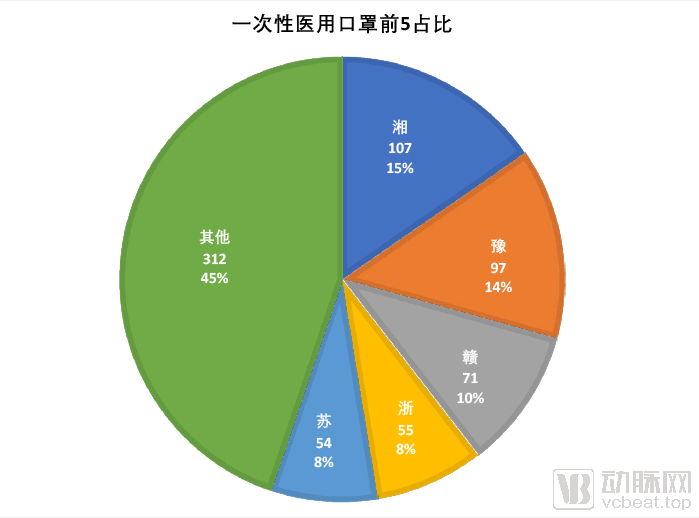
The top five provinces for disposable medical masks—Hunan, Henan, Jiangxi, Zhejiang, and Jiangsu—issued a total of 384 registration certificates, accounting for 55% of the total. The remaining 25 provinces shared the other 45%.
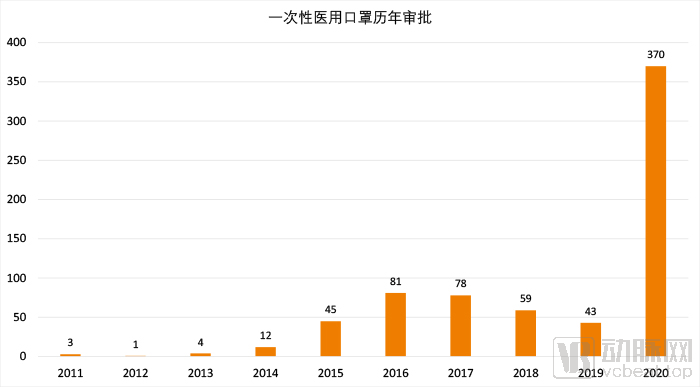
During the pandemic, the number of registration certificates for disposable medical masks in China surged, with a total of 370 certificates issued, accounting for as high as 53.2% of the overall proportion.
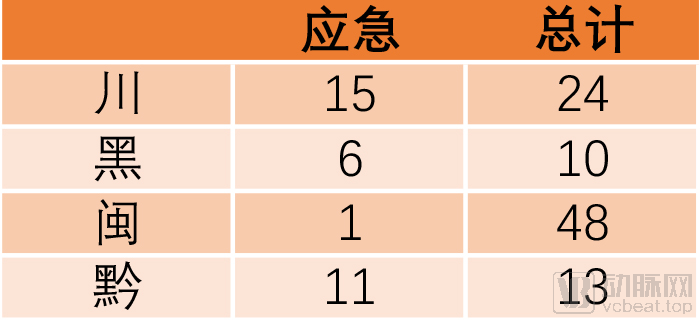
Sichuan, Heilongjiang, Fujian, and Guizhou provinces issued a total of 33 emergency or temporary registration certificates for disposable medical masks, accounting for 34.7% of the cumulative registration certificates in these four provinces. Notably, out of Guizhou’s total of 13 registration certificates for disposable medical masks, 11 were emergency registration certificates. Combined with the aforementioned data, this indicates certain gaps in local medical supply manufacturing capacity.
# Closing Remarks
Statistical data indicate that China’s position as the “world’s factory” remains unshakable. The production capacity for nearly all types of medical protective supplies has increased significantly following emergency mobilization. Even after the implementation of the “strictest export controls in history,” the registered production capacity remains substantial despite the gradual easing of the pandemic in China. This is likely unfavorable for companies that previously focused primarily on foreign trade and had not obtained domestic certification, necessitating the development of new strategies. Given the existing excess capacity, regulatory authorities are unlikely to maintain the rapid approval pace seen during the pandemic, due to considerations of macroeconomic regulation.
Meanwhile, how to reasonably regulate and gradually release the vast existing domestic production capacity in the post-pandemic era to mitigate negative impacts will also be a topic of concern. We will continue to monitor this closely.