

Ping An Good Doctor Completes the 'Medical Care-Pharmacy-Insurance' Closed Loop to Expand Its Internet+Healthcare Footprint

PINGAN GOOD DOCTOR
Internet Medical Health Platform
The outbreak at the beginning of the year extended the reach of internet healthcare to hundreds of millions of ordinary people. On one hand, the public came into contact with online consultation, a new model of medical care, either voluntarily or out of necessity. On the other hand, internet healthcare was thrust into the spotlight by a massive surge in traffic, truly moving to the forefront.
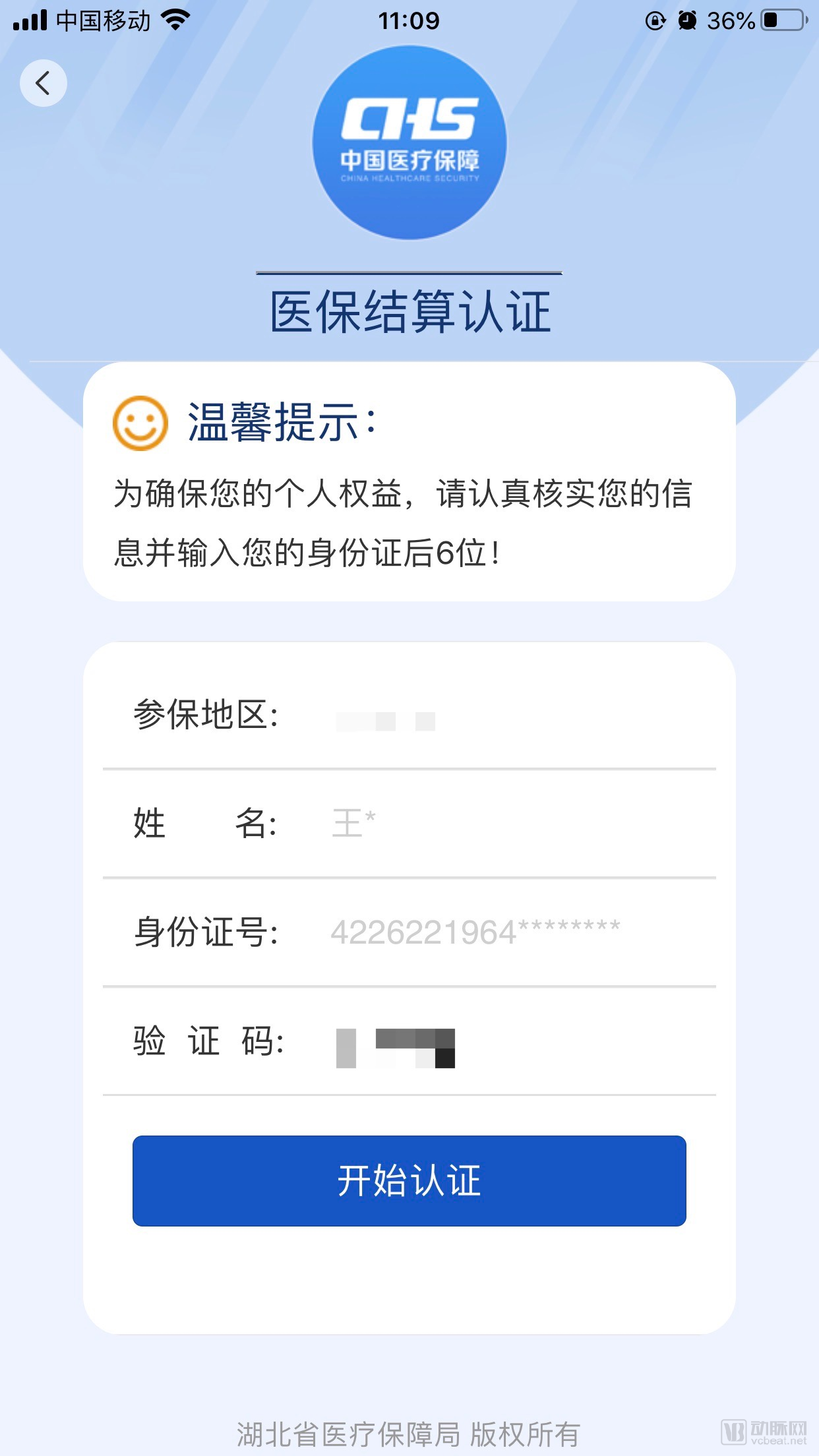
Recently, PINGAN GOOD DOCTOR announced that its internet hospital platform has been integrated with the "Internet Medical Insurance Platform" of the Hubei Provincial Healthcare Security Administration, enabling patients in Hubei to settle medical insurance payments for online follow-up consultations. As a leading enterprise in the internet healthcare sector, this move by PINGAN GOOD DOCTOR further completes the closed-loop system encompassing online consultations, open access, payment settlement, and medication delivery. This not only provides greater convenience for patients but also marks a new stage in the development of internet healthcare.
Starting from midnight on April 8, Wuhan lifted all travel restrictions for departures from the city and Hubei Province. Half a month earlier, Hubei had begun to gradually ease its exit controls. The sounds of subway announcements and ferry horns signaled the city’s reboot, echoing everywhere. At this point, more than two months had passed since Hubei hit the pause button in the early hours of January 23.
During this period, as the virus ran rampant and hospitals became hotspots for viral transmission, a large number of non-emergency outpatient clinics were closed, prompting patients with limited access to medical care to turn to online consultations. Catalyzed by the pandemic, the advantages of “contactless consultations” in internet healthcare became prominent, leading to explosive growth.
Among the internet-based diagnosis and treatment processes, including online appointment scheduling, teleconsultation, prescription issuance, online payment, and medication delivery, online payment via medical insurance has remained the most significant bottleneck constraining the development of internet healthcare.
On August 30, 2019, the National Healthcare Security Administration issued the Guiding Opinions on Improving Price and Medical Insurance Payment Policies for “Internet+” Medical Services, marking the first inclusion of Internet-plus medical services in the scope of medical insurance payment. It established principles for determining Internet medical service items, pricing, and medical insurance payment, such as centralizing pricing authority at the provincial-level healthcare security departments and not differentiating Internet follow-up consultation fees for certain common and chronic diseases based on the professional titles of medical personnel. With further standardization of online diagnosis and treatment at the national level, the inclusion of Internet medical services in medical insurance schemes across various provinces will enter a substantive phase.
From a policy perspective, the state has vigorously encouraged and supported the internet healthcare industry. In response to these favorable policies, PINGAN GOOD DOCTOR engaged in cooperation discussions with local governments in 2019 and reached an agreement with the Fuzhou Municipal Health Commission to jointly build the Fuzhou Regional Internet Hospital Service Platform. This platform connects 37 municipal- and county-level hospitals and over 100 primary care institutions in Fuzhou, comprising five major modules: online diagnosis and treatment, prescription circulation, health management, data supervision, and backend management.
With the Fuzhou Medical Convenience Service Platform “Rong Yi Tong” as the entry point, residents of Fuzhou need only hold a social security card to access services such as online follow-up consultations, prescription renewals for chronic diseases, and medication prescribing, purchasing, and pickup, while also using their medical insurance cards to receive government medical insurance subsidies. This is China’s first regional internet hospital service platform in the true sense.
The involvement of a professional operations team can keep internet healthcare platforms vibrant, thereby evolving them into sustainable service platforms. In this collaboration with the Fuzhou Municipal Government, PINGAN GOOD DOCTOR has obtained the operational rights for the platform, taking charge of its construction and operation. This undoubtedly provides PINGAN GOOD DOCTOR with a brand-new operational model.
On the medical insurance front, PINGAN GOOD DOCTOR’s initiatives go far beyond this. The company also assists local clinics in integrating with the National Healthcare Security System, thereby enhancing operational efficiency for physician practices and enabling local residents to access basic medical services nearby while enjoying health insurance reimbursement.
As of the end of December 2019, PINGAN GOOD DOCTOR had integrated the medical insurance reimbursement and payment systems for clinics in Shanxi Province, Shenzhen, Harbin, Dongguan, and Hefei. Going forward, PINGAN GOOD DOCTOR will further promote standardized and regulated clinic operations across China, enhance the quality of medical services provided by clinics, and support the nation’s efforts to improve a high-quality and efficient healthcare service system.
On February 23, the Wuhan Healthcare Security Administration took the lead in announcing 18 service measures for epidemic prevention and control, supporting the inclusion of “Internet+” medical services in health insurance reimbursement. Two days later, the Hubei Provincial Healthcare Security Administration also issued the Notice on Doing a Good Job in Pricing and Reimbursement of “Internet+” Medical Services During the Prevention and Control of the Novel Coronavirus Pneumonia Epidemic, allowing price items for “Internet+” medical services piloted by public medical institutions to be temporarily included in the scope of health insurance fund reimbursement.
Breaking the bottleneck of medical insurance payments, internet healthcare services have formed a complete “medical care + pharmaceuticals + insurance” closed loop, addressing the urgent need for chronic disease patients to access end-to-end online medical services. Chronic conditions and follow-up visits involve prolonged disease and medication cycles. With internet healthcare integrated into the medical insurance system, these patients can directly obtain prescriptions online, using consistent medical insurance payment methods across both online and offline channels. This not only meets their needs for convenient medical consultations and medication access but also promotes the widespread adoption of online follow-up visits for chronic diseases.
PINGAN GOOD DOCTOR’s online hospital has integrated with Hubei Province’s medical insurance payment system, providing nearly 60 million residents across the province with efficient and secure internet-based medical services from the comfort of their homes. This one-stop service includes online consultations, prescription circulation, online payment, and home delivery of medications.
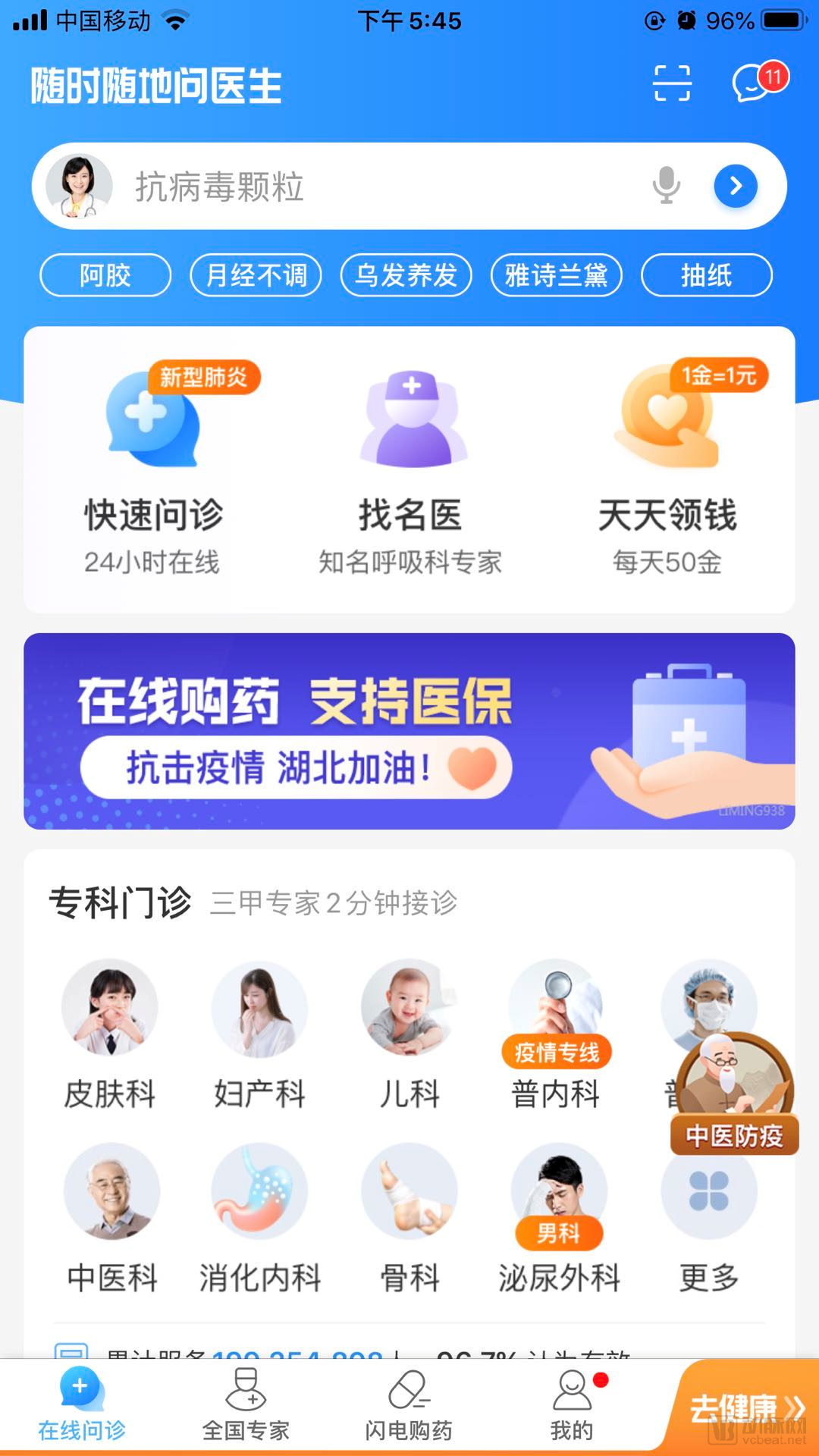
Currently, China’s internet healthcare market has returned to rational development. In terms of user base and user engagement, PINGAN GOOD DOCTOR ranks first in the industry. During the pandemic, PINGAN GOOD DOCTOR responded swiftly, continuously providing real-time online consultation services for COVID-19 on the “second battlefield” of internet healthcare.
In the face of epidemic prevention and control, the internet healthcare industry has fully demonstrated its social responsibility and value. The outstanding performance of PINGAN GOOD DOCTOR during this epidemic will not be elaborated on here. Its ability to respond quickly and perform exceptionally well in this epidemic is inseparable from its prior accumulation and groundwork in internet healthcare.
PINGAN GOOD DOCTOR is the first internet company under Ping An Group to go public, listing on the Hong Kong Stock Exchange in May 2018 and raising $1.1 billion. The company primarily provides healthcare and health services, including online medical services, consumer healthcare services, health e-commerce, and health management and engagement services.
PINGAN GOOD DOCTOR has successfully established an internet healthcare ecosystem centered on online diagnosis and treatment, completing the “medical care–pharmaceuticals–insurance” closed loop. Furthermore, by enhancing user stickiness through sections such as health consultations, lectures, and exercise management, it has achieved synergistic development across multiple business lines, including online medical services, consumer healthcare, the health mall, and health management and interaction.
According to PINGAN GOOD DOCTOR’s 2019 annual report, revenue from its core online healthcare business reached RMB 858 million, reflecting sustained high-speed growth. Key operational metrics of its internet platform also demonstrated strong performance. As of December 31, 2019, PINGAN GOOD DOCTOR had 315 million registered users, an increase of 50 million from the end of 2018, representing a growth rate of 18.9%.
In addition to its extensive experience in operating internet hospitals, the advantages highlighted by PINGAN GOOD DOCTOR during the pandemic response and integration with medical insurance include:
An in-house medical team ensures the efficiency and quality of consultations.Doctors are the core of online medical consultations. PINGAN GOOD DOCTOR initially made building its own medical team a key strategic initiative, turning doctors into employees. Online services are no longer part-time side jobs but essential work, ensuring the quality of medical services.
PINGAN GOOD DOCTOR has recruited highly skilled and experienced medical professionals from offline physical medical institutions to form its own in-house medical team. All of its full-time doctors come from renowned domestic Grade 3A hospitals, such as the Chinese PLA General Hospital (301 Hospital) and the Obstetrics and Gynecology Hospital of Fudan University in Shanghai, enabling the company to provide users with efficient 24/7 online consultations and diversified membership services. As of December 31, 2019, PINGAN GOOD DOCTOR’s in-house medical team totaled 1,409 members, representing a 17.8% increase from the end of 2018; the average daily number of consultations in 2019 reached 729,000, a 36.3% year-on-year increase compared to the same period in 2018.
Supported by a self-developed AI-assisted diagnosis and treatment system.The AI-assisted diagnosis and treatment system is the core engine of PINGAN GOOD DOCTOR’s internet healthcare platform. Comprising an intelligent critical care monitoring system, an AI-powered assisted consultation system, a rational medication monitoring system, and an intelligent medical safety monitoring platform, it is key to ensuring the quality of medical services, improving service efficiency, and reducing service costs.
Leveraging its self-developed AI-assisted diagnosis and treatment system, PINGAN GOOD DOCTOR provides patients with timely, high-quality medical services, covering a full range of offerings including 24/7 online consultations, prescriptions, referrals, appointment registration, second medical opinions, and one-hour medication delivery. In 2019, the system was deeply integrated into 22 departments of PINGAN GOOD DOCTOR’s in-house medical team, encompassing diagnostic knowledge for 3,000 diseases and featuring structured organization of traditional Chinese medicine (TCM) knowledge.
Leveraging a massive repository of 670 million real-world consultation records accumulated on its platform, PINGAN GOOD DOCTOR has continuously upgraded its natural language processing (NLP) technology, achieving industry-leading accuracy in information extraction from colloquial user inputs and intent recognition. Furthermore, the company has persistently optimized its image recognition algorithms, resulting in significant improvements in the accuracy of tongue diagnosis and the identification of certain dermatological conditions. It is reported that PINGAN GOOD DOCTOR plans to roll out solutions including intelligent triage, smart diagnosis, automated prescription, and critical condition identification in 2020.
Since the National Healthcare Security Administration issued the "Guiding Opinions," policy support has accelerated, bringing greater opportunities to the internet healthcare industry. Within six months, Ningxia, Shandong, Henan, Guangdong, Jiangsu, Shaanxi, and Tianjin successively formulated corresponding implementation opinions, introducing several new measures while adhering to the overarching principles.
On March 2, the National Healthcare Security Administration, in conjunction with the National Health Commission, issued the landmark policy “Guiding Opinions on Promoting ‘Internet+’ Medical Insurance Services During the Prevention and Control of the COVID-19 Epidemic,” explicitly incorporating eligible “Internet+” medical service fees into the scope of medical insurance reimbursement. The issuance of these opinions marks substantial progress in the inclusion of internet-based healthcare services within China’s medical insurance system.
Prior to the issuance of the “Opinions,” in an effort to support epidemic prevention and control, regions including Shanghai, Zhejiang, Jiangsu, and Wuhan had already incorporated online follow-up consultations and online medication purchases for common and chronic diseases into the scope of medical insurance reimbursement.
As more local medical insurance bureaus release detailed implementation rules, the role of medical insurance reimbursement in the internet healthcare industry will become increasingly clear. Meanwhile, PINGAN GOOD DOCTOR is actively engaging with local governments to explore how its strengths in online platform operations, online diagnosis and treatment services, and AI-assisted consultations can be closely integrated with offline medical resources across various regions, thereby helping to “alleviate the difficulty and frustration of seeking medical care” for the public.
Furthermore, following the signing of a strategic cooperation agreement between PINGAN GOOD DOCTOR and the Quzhou Municipal Government of Zhejiang Province in July 2019 to jointly establish the Quzhou Ping An Internet Hospital, the internet hospital platform was officially launched and began operations in December. The Chairman of PINGAN GOOD DOCTOR stated that in 2020, the platform plans to integrate more public hospitals within the Quzhou jurisdiction, connect with the Zhejiang Provincial regulatory platform, and explore medical insurance settlement for online prescription purchases.
Wang Tao stated that the government’s provision of medical insurance subsidies for internet healthcare services is a pioneering initiative worldwide. The development of emerging sectors is not an overnight process; the Chinese government and numerous industry practitioners are actively exploring, summarizing experiences, and advancing steadily. PINGAN GOOD DOCTOR believes that as internet healthcare gains wider adoption, the purchase of pharmaceuticals through these platforms will gradually gain acceptance, and relevant medical insurance policies may be further liberalized. This represents a significant opportunity for the entire industry in the post-pandemic era.
It is evident from business progress and market response that PINGAN GOOD DOCTOR has secured a significant position in China’s “Internet + Healthcare” landscape. By leveraging its robust in-house medical team, advanced artificial intelligence technology, and mature internet operational expertise to empower the government, the company is poised to benefit a broader segment of the population.