

TytoCare Files for IPO: Portable At-Home Diagnostic Platform Sees Surge in Demand During Pandemic, Raises Over $100 Million

TytoCare
Digital Health Platform and Mobile Diagnostic Device Provider

Olive Tree Ventures
Digital Health Venture Capital Fund
Qualcomm Ventures
Investment Institutions Focused on the TMT Sector, Including Telecommunications and Information Electronics
On April 7, 2020, the mobile health platform TytoCare announced the completion of a new $50 million financing round. The round was led by Insight Partners, Olive Tree Ventures (OTV), and Qualcomm Ventures, with participation from Orbimed, Echo Health, Qure, and Teuza. The funds will be used to acquire and develop new tools and expand its home health examination kit into new areas.
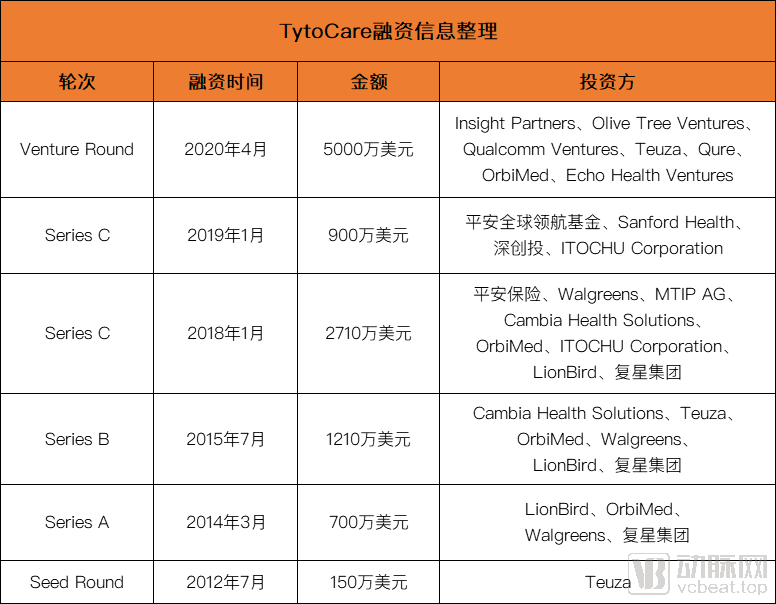
Now,The company's total funding has exceeded $105 million.。
TytoCare, founded in Israel in 2012 with its global headquarters in Netanya, Israel, and its U.S. headquarters in New York, is a digital health platform and provider of mobile examination devices that enable individuals to perform self-examinations or receive remote diagnoses.
The remote diagnosis and treatment system developed by the company enables accurate long-distance interaction between doctors and patients, and supports real-time monitoring with a digital stethoscope, allowing physicians to conduct online diagnoses based on data collected by the device.
Unlike other companies that provide telemedicine services through online platforms, TytoCare has developed a handheld diagnostic device, the Tyto, integrated with a companion app. Resembling a smartwatch in form factor, the Tyto device incorporates multiple functionalities, including a camera, thermometer, otoscope, stethoscope, and tongue depressor. Users first initiate a video consultation with a physician via the app and then perform examinations using the Tyto device under the doctor’s guidance. Following the examination, the device transmits the user’s diagnostic data to the physician, who prescribes treatment based on the clinical findings.
Although the company is currently less prominent in the U.S. market than established telehealth players such as American Well, Doctor on Demand, Teladoc, MDLive, and HealthTap,However, the way TytoCare connects virtual care services with dedicated tools sets it apart in the industry.
The company stated that TytoCare seamlessly connects individuals with clinicians through comprehensive examinations and telemedicine consultations accessible anytime and anywhere, delivering optimal solutions for home-based examination and diagnosis.
TytoCare's business model is B2B2C., they are not a pure-play telemedicine company, but rather a firm that solely provides technology and technical support, without an independent team of physicians; their services are primarily marketed to patients by physicians.
TytoCare’s services are also eligible for insurance reimbursement based on individual health insurance plans. Currently, most insurance plans cover telemedicine services, with TytoCare consultation fees billed at the same rate as in-home physician visits. Some insurance plans even cover the $299 cost of the device kit.
TytoCare can cover approximately 60–70% of the clinical workload of primary care physicians, and its devices have received FDA approval and CE certification.
However, in 2018, Dedi Gilad stated that TytoCare intended to pivot toward a direct-to-consumer model. “Once we have sufficient service support for the Tyto platform—including healthcare systems, physician organizations, and telemedicine companies—we can enable consumers across China to either select clinicians directly from our extensive provider network or invite their own clinicians to join the network.”
Later, in May 2019, TytoCare announced its entry into the Epic App Orchard marketplace. In October of the same year, Novant Health announced a strategic partnership with TytoCare.
In November 2019, Best Buy announced an exclusive distribution agreement with TytoCare, under which TytoCare’s portable patient examination devices would be sold in stores nationwide. Best Buy agreed to purchase its test kits in bulk and sell them on the Best Buy website as well as in select U.S. stores.
In December 2019, Bradford Teaching Hospitals NHS Foundation Trust partnered with TytoCare, becoming the first provider in the UK to collaborate with TytoCare.
Currently, TytoCare has established partnerships with 35 health insurance providers, including well-known brands such as American Well, Nicklaus Children’s Health, and the United Medical Association. It has also secured collaborative support from Clalit Health Services, Israel’s largest healthcare provider.
Due to the rapid global adoption of telemedicine,TytoCare tripled its sales in 2019 alone.Furthermore, the company collaborates with hundreds of hospitals and more than 100 health organizations—including health systems, consumers, and strategic partners—primarily located in North America, Europe, and Israel.The company has served over 100,000 registered patients and conducted more than 200,000 telemedicine consultations.
In 2019, TytoCare’s handheld examination device, TytoHome, was named one of TIME’s “100 Best Inventions of the Year” and was also recognized as one of FierceMedTech’s “Fierce 15” products of 2019.
Previously, the company and its products have received numerous accolades, including being named one of WIRED’s Best Innovations at CES 2019, a Top 100 Finalist for the European Red Herring Award, an iF Design Award Gold Winner, one of the Top 40 European Digital Health and MedTech Companies at the Tech Tour 2017 Healthtech Summit, and one of the Global Top 100 Digital Health Companies in 2015.
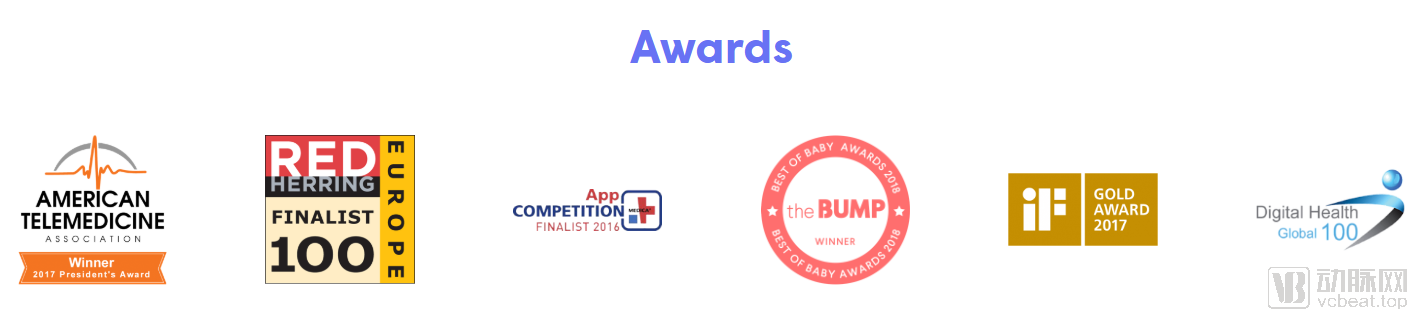
Awards Won by TytoCare or Its Devices
The company has also received support from Chinese investors on multiple occasions; prior to this round of financing, it had secured investments from Ping An, Shenzhen Capital Group (SCGC), and Fosun Group. Following the previous funding round, the company gradually achieved global expansion, entering European and Asian markets, with the Chinese market becoming a key strategic focus.
“TytoCare aims to enable people to access high-quality medical care from the comfort of their homes, a value proposition that is particularly critical in the Chinese market. We believe telemedicine will significantly improve the lives of Chinese consumers,” said Mr. Ni Zewang, Chairman of Shenzhen Capital Group Co., Ltd., a partner of TytoCare. “We are honored to partner with TytoCare and look forward to its expansion into other Asian markets.”
According to statistical data, TytoCare’s telemedicine utilization rate reached double digits, more than 10 times higher than that of standard virtual care programs (which have an average utilization rate of less than 5%).
On March 5, 2020, TytoCare announced that TytoHome had earned the PTPA Media (Parents’ Choice) seal of approval for North America following a comprehensive product review process.
The PTPA Certified Seal is ranked among the two most recognized seals in North America, reflecting product evaluations conducted by impartial parent testers within the PTPA community (comprising over 150,000 families).
“When it comes to making purchasing decisions, parents place greater trust in recommendations from fellow parents,” said Sharon Vinderine, CEO and Founder of PTPA. “The PTPA seal instantly conveys the trust they have earned, and we are delighted to welcome TytoHome to our list of certified products.”
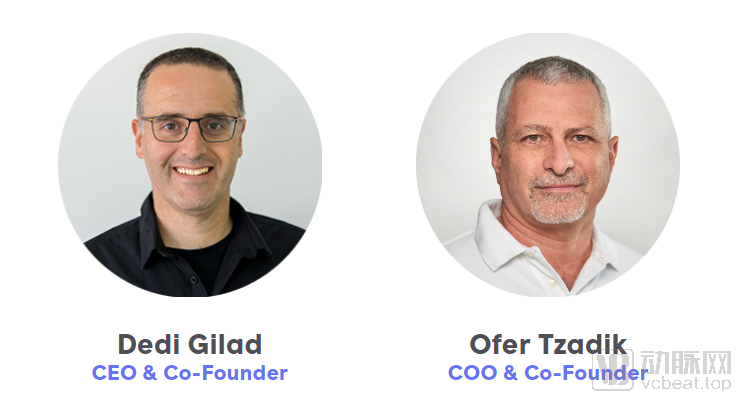
The Two Founders of TytoCare
Dedi Gilad, co-founder and CEO of TytoCare, has two children. The inspiration for founding TytoCare also stems from his experience as a parent.
During children’s growth, they are inevitably exposed to bacterial infections, often presenting with symptoms such as coughing, colds, and ear infections. Due to their weaker immune systems, statistical data show that children under the age of six may experience up to 6–8 colds per year on average.
However, in the vast majority of cases, these are minor issues that do not require a hospital visit or even medication. Nevertheless, anxious parents still seek medical consultation to ensure their child’s safety.
Dedi Gilad experienced these challenges firsthand while raising his two children. His younger daughter suffered from frequent ear infections, which often meant that one of them had to miss school while the other had to miss work. The endless sleepless nights, the anxiety of frequent visits to germ-filled emergency rooms, and the time lost waiting for care all made him realize that there must be better diagnostic and treatment solutions to improve such situations—such as telemedicine, which allows patients to consult with doctors comfortably from home.
Thus, TytoCare was born.
Dedi Gilad holds an MBA from Tel Aviv University and a bachelor’s degree in Industrial Engineering, with over 18 years of leadership experience in startups and global corporations. He possesses extensive knowledge and practical expertise in the research and development, marketing, and operations of multidisciplinary products across healthcare IT, enterprise systems, internet, and SaaS sectors. This background laid the foundation for his establishment of TytoCare.
Prior to founding TytoCare, he served as General Manager of MDG Medical, Vice President of R&D at WorkplaceIQ (now acquired by Siterra/Accruent), and Vice President of R&D at Aman Group.
Another co-founder, Ofer Tzadik, who also serves as the company’s Chief Operating Officer, studied Electrical Engineering at Ben-Gurion University. With over 20 years of experience in the healthcare IT, semiconductor, and telecommunications industries, he has extensive practical expertise in application development, operations, and customer service.
His most recent position was Senior Vice President of Operations at MDG Medical Ltd. Previously, he held management roles at Applied Materials, Orbot Systems/Instruments, and a Telrad subsidiary.
Dedi Gilad once stated that in 90% of cases, parents typically schedule doctor’s appointments for simple symptoms solely to obtain a diagnosis. However, routine appointments are often scheduled two days after the onset of symptoms. In such situations, TytoCare serves as the ideal tool for assisting parents with preliminary diagnoses.
TytoCare’s products include a software platform (mobile and web-based) and the Tyto, a handheld modular examination device. The app supports both Android and iOS systems. Their platform also enables seamless integration with EHR systems and other telehealth platforms.
Handheld Modular Examination Device
TytoCare’s handheld examination device, Tyto, features an LED screen, an infrared thermometer, a high-definition camera, and other components on its front. Its rear side is equipped with a proprietary ring connector that can attach to a series of adapters, enabling multiple selectable modes and sensor detection probe attachments, such as:
1. Through the stethoscope probe, heart sounds and respiration can be auscultated, heart rate measured, and gastric and bowel sounds listened to, thereby enabling the detection and diagnosis of conditions affecting the heart, gastrointestinal tract, upper respiratory tract, and other systems;
2. The otoscope probe allows for visualization of the ear canal and tympanic membrane, thereby enabling the detection of ear conditions such as otitis media;
3. The throat can be examined using a laryngoscope and tongue depressor, enabling the detection of conditions such as sore throat, cough, and tonsillitis;
4. High-definition cameras can capture skin images to detect skin conditions such as rashes, insect bites, and allergies;
5. Body temperature can be measured using a non-contact infrared thermometer.
In addition, this examination device can also detect symptoms such as sinus pain, congestion, influenza, constipation, and eye discomfort. Healthcare professionals can also use TytoCare to monitor chronic diseases and track patient health post-surgery.
Additionally, this handheld device is only palm-sized, lightweight, minimalist, and portable. Its ergonomic design, coupled with built-in instructional videos and other guides, ensures ease of use and accuracy. It provides clinicians with clinical-grade examination data to help ensure patients receive optimal remote diagnosis and treatment.
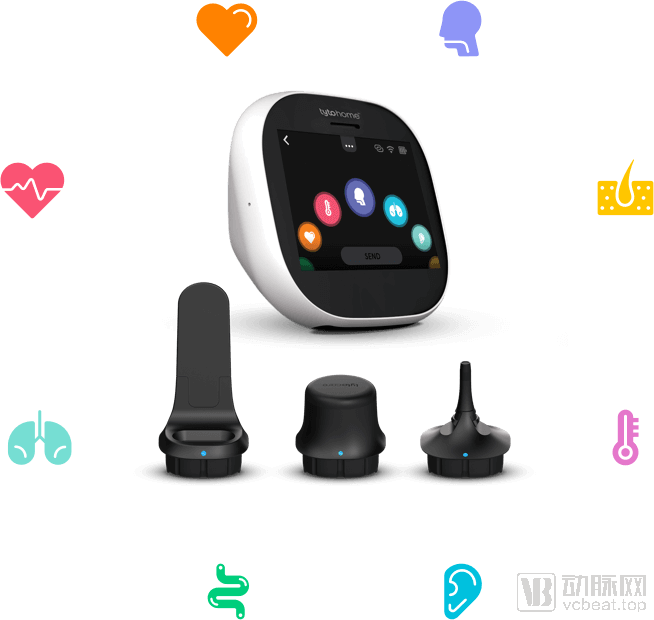
Tyto Handheld Modular Physical Examination Device
System Suites Tailored to Different Users
TytoCare’s telemedicine software products fall into four categories:
1. TytoHome™ Kit for Consumers;
2. TytoPro™ Kit for Professionals;
3. TytoClinic™ kit that can serve as a remote care point;
4. Cloud-based telemedicine platform TytoVisit™.
TytoHome is a home diagnostic kit designed for general consumers, featuring basic testing devices and an accompanying app, priced at $299 per kit. However, some health insurance plans may cover this cost.
TytoPro is designed for clinical professionals. Compared with TytoHome, it offers superior device performance, customized clinician workflows, and headphones capable of auscultating heart sounds.
TytoClinic can transform any location into a comprehensive telemedicine clinic. By expanding its suite of diagnostic tools, such as blood pressure cuffs, it can convert offices, schools, and hospitals into remote clinics, primarily serving rural areas, schools plagued by influenza, and public spaces experiencing disease outbreaks.
TytoVisit is a telemedicine platform that supports all Tyto products, facilitating remote medical communication between physicians and patients, as well as among physicians. It is a HIPAA-compliant cloud-based healthcare platform comprising the TytoApp and the Clinician Dashboard. The TytoApp works in conjunction with Tyto devices to capture diagnostic data, share test results with clinicians, or conduct real-time telemedicine examinations. The Clinician Dashboard enables physicians to review test results, communicate with patients, and perform real-time telemedicine consultations.
TytoCare spares users the hassle of commuting back and forth for medical visits, queuing for consultations and prescriptions, and rushing around germ-laden hospitals. While most consumer healthcare devices on the market merely provide real-time data to users, TytoCare truly transmits this data in real time to physicians, thereby achieving the goal of telemedicine.
Meanwhile, TytoCare does not recommend using the device in emergency situations, such as when a child has a high fever or exhibits signs of severe distress. The application clearly specifies the circumstances under which a child should be taken directly to the hospital and emphasizes that parents should rely on their own judgment.
Dedi Gilad stated, “Our primary target market is young people. However, we are gradually expanding to other user segments. We serve not only children but everyone.”
In 2020, amid the global outbreak of the novel coronavirus (COVID-19), hospitals and healthcare institutions worldwide further expanded their use of TytoCare telemedicine devices to enable remote examinations of isolated patients in hospitals and those under home isolation, leading TytoCare to secure additional partnerships.
On March 24, 2020, TytoCare announced that it would provide support to healthcare organizations worldwide in the global fight against COVID-19. Dedi Gilad stated, “TytoCare has fully leveraged the potential of telemedicine during this crisis. I hope this pandemic will pass as soon as possible. We are able to contribute to the efforts against this outbreak.”
TytoCare’s telemedicine solution demonstrated unique advantages during the pandemic.
First, it protects healthcare workers from exposure during epidemic prevention and control, reduces frequent close contact between doctors and patients, and lowers the risk of cross-infection;
Secondly, it enables people to receive examinations and diagnoses at home without leaving their houses, facilitating isolation monitoring. As a result, individuals can obtain care without visiting medical institutions, thereby preventing virus transmission and protecting the public;
Furthermore, while ensuring the safety of healthcare professionals, telemedicine facilitates the sharing of high-quality medical resources, conserves medical resources, alleviates the burden on healthcare organizations, and improves cure rates.
Finally, panic over the epidemic can lead to anxiety and psychological issues, particularly among suspected patients; remote communication and diagnosis/treatment can effectively reduce psychological stress for both healthcare providers and patients.
Furthermore, it helps save patients time and costs associated with travel, conserves medical supplies such as personal protective equipment (PPE), and contributes to the stability of healthcare operations.
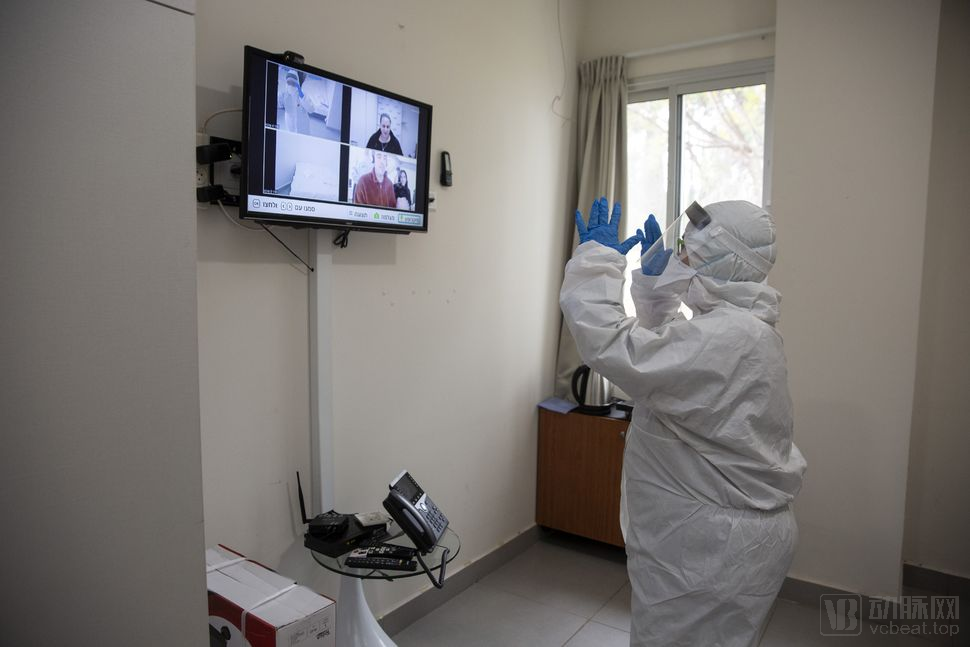
To meet surging demand, TytoCare is currently accelerating production to deliver three times more devices than initially forecast over the coming quarters.
“Over the past two years, TytoCare has grown faster than ever before and is playing a leading role in transforming how people access healthcare,” said Dedi Gilad, Co-Founder and CEO of TytoCare. “We look forward to further expanding the reach of telemedicine and introducing new solutions based on demand.”
“We are indeed very hopeful about these systems,” said Dr. Eyal Zimlichman, who is responsible for organizing isolation and nursing care. He noted that these and many other telemedicine tools not only collect substantial amounts of data from current patients but also leverage machine learning and artificial intelligence to analyze the data.
Experts say that although Israel and other countries are already seeking more telemedicine solutions, it may also be a psychological adjustment for patients who are accustomed to having in-person contact with healthcare workers.
“The primary barrier to telemedicine is a lack of understanding and education regarding its utility,” said Mariea Snell, Assistant Director of the Online Nursing Program and Professor at Maryville University in St. Louis. Eyal Zimlichman added that another challenge is scalability, particularly when it involves new products.
We can see that the current epidemic has also brought opportunities to the telemedicine industry. Both domestically and internationally, the exploration and application of telemedicine services during the epidemic should not merely be a "temporary fix." Technological advancements, improved measures, product optimization, and talent development can all bring lasting and tangible convenience to patients. Once patients become accustomed to telemedicine, it will be very interesting to observe how its service value and industrial profits change.
Cui Yuting, Counselor for Science and Technology at the Chinese Embassy in Israel, stated that he has identified two trends in the future of digital health technology: the gradual widespread adoption of telemedicine, and the increasingly prominent importance of prevention.
“One of the most significant development trends is the rise of telemedicine and personalized healthcare. By integrating artificial intelligence (AI) and various new technologies and innovations, healthcare services are being shifted from hospitals to homes, which not only reduces costs but also improves efficiency, making it more convenient for individuals to monitor their health. Another major trend is the shift from a sole focus on treatment to an integrated approach combining prevention and treatment,” said Cui Yuting. “A relatively comprehensive continuum has been formed, spanning from prevention to treatment, with a particular emphasis on upstream prevention. This is a distinct characteristic of the Israeli healthcare system.”