

How Zimmer Biomet Leveraged Acquisitions and Digital Health to Become the Global Leader in Joint Replacement: An Overseas Case Study
Zimmer Biomet
Medical Device R&D Manufacturer
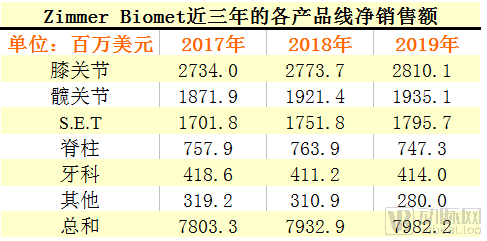
Zimmer Biomet Releases Q4 and Full-Year 2019 Financial ResultsRecently, Zimmer Biomet announced its financial results for the fourth quarter and full year of 2019. In the fourth quarter of 2019, Zimmer Biomet reported net sales of $2.126 billion, representing a 2.6% year-over-year increase compared to $2.071 billion in the fourth quarter of 2018, or a 3.2% increase on a constant currency basis, with the Americas region contributing a significant proportion of revenue. For the full year 2019, net sales totaled $7.982 billion, reflecting a 0.6% year-over-year increase compared to $7.932 billion in 2018, or a 2.2% increase on a constant currency basis.
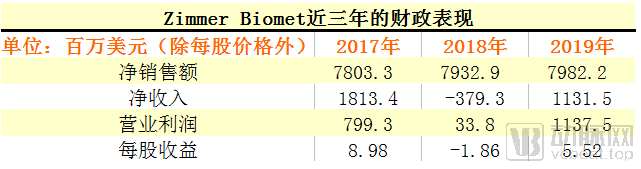
Zimmer Biomet’s net sales have maintained steady growth over the past three years, with substantial increases across all segments in 2019 compared to 2018.
Zimmer Biomet, originally founded as Zimmer by J.O. Zimmer in 1927 and headquartered in Warsaw, Indiana, USA, has long been committed to driving the rapid development of the musculoskeletal healthcare industry.
In 1972, Zimmer was acquired by the pharmaceutical company Bristol-Myers Squibb and became its orthopedics division. It officially entered the Chinese market in 1994. In 2001, it was spun off from Bristol-Myers Squibb to become an independent company and successfully listed on the New York Stock Exchange. In 2015, Zimmer completed the acquisition of Biomet, and the company was officially renamed Zimmer Biomet, trading on the New York Stock Exchange and the SIX Swiss Exchange under the ticker symbol ZBH.
Prior to Zimmer’s acquisition of Biomet, Zimmer ranked third globally in the orthopedics sector, while Biomet ranked fourth. Following their integration, Zimmer Biomet secured the top position globally in the joint reconstruction market and rose to second place in the global orthopedics sector. In terms of leadership, David Dvorak, the former CEO of Zimmer, assumed the roles of President and CEO of Zimmer Biomet. Meanwhile, Zimmer Biomet reorganized its structure into three business segments, three geographic regions, and six functional departments, with senior executives from each division reporting directly to David Dvorak. Currently, Zimmer Biomet’s core business encompasses four main areas: joints, trauma, spine, and surgical products.
Through mergers and acquisitions, Zimmer Biomet achieved rapid development across various sectors. Previously, Zimmer Biomet did not have its own manufacturing facilities in China, which was a significant disadvantage for the localization of consumable products. Subsequently, Zimmer Biomet acquired Biomet, thereby gaining direct ownership of Biomet’s two well-established factories in China and addressing its shortcomings in local production capabilities.
Coincidentally, Zimmer Biomet had already entered the Chinese market through acquisitions as early as 2010. In December 2010, Zimmer Biomet announced the completion of its acquisition of Beijing Montaigne Medical Device Co., Ltd., thereby gaining access to Montaigne’s resources in China.
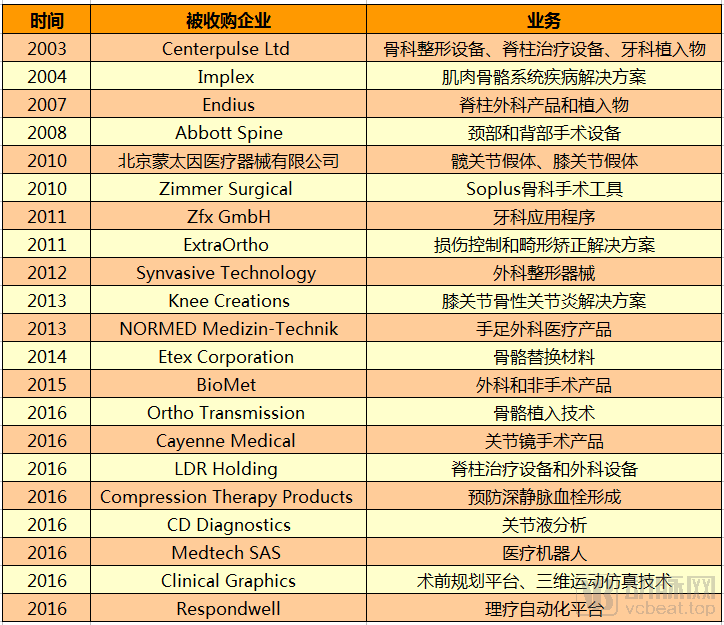
Zimmer Biomet’s Major Acquisitions Over the Past 20 Years
Following the successful merger with Biomet, Zimmer Biomet wasted no time in completing a series of acquisitions in 2016 to strengthen its spine product portfolio, acquiring Cayenne Medical and the French spine company LDR Holding. Driven by these acquisitions, the overall business growth rate reached approximately 28% in 2016, with the spine business surging by 64% and the company’s traditional stronghold, the joint reconstruction business, growing by around 21%.
Additionally, Zimmer Biomet has been gradually expanding into “non-traditional” orthopedic sectors, such as by beginning to distribute foot and ankle orthotic products from Nextremity Solutions in 2016. To leverage biologics as an adjunctive measure for the prevention and management of surgical infections, Zimmer Biomet acquired CD Diagnostics, a company specializing in immune biomarker testing. Zimmer Biomet is arguably the innovator most adept at capitalizing on emerging trends; indeed, its initial success stemmed from J.O. Zimmer’s recognition of new industry trends that DePuy had overlooked, enabling Zimmer Biomet to seize the opportunity and ultimately surpass its competitor.
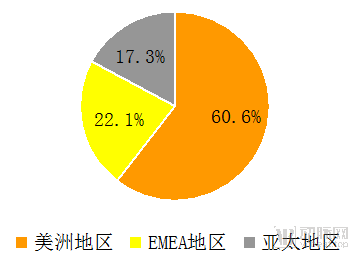
Currently, major global orthopedic device companies are all internationalized, with business operations worldwide, and Zimmer Biomet is no exception. Zimmer Biomet’s primary sales regions are divided into the Americas, Europe-Middle East-Africa (EMEA), and Asia-Pacific. The Americas region includes the United States, Canada, and Latin America, while the Asia-Pacific region encompasses China, Japan, India, Australia, New Zealand, South Korea, and Southeast Asia.
In 2019, 60.6% of Zimmer Biomet’s revenue came from the Americas, 22.1% from the EMEA region (Europe, the Middle East, and Africa), and 17.3% from the Asia-Pacific region. As a globally renowned company, Zimmer Biomet’s revenue is not dependent on any single country.
Recently, Zimmer Biomet has initiated a series of restructuring plans, including reorganizing its business units and establishing larger strategic alliances, thereby enhancing the company’s operational efficiency and improving resource allocation.
From the perspective of the overall industrial chain for orthopedic devices, the upstream sector primarily consists of raw material processing plants and material suppliers; the midstream sector is dominated by major manufacturers; and the downstream sector comprises service providers, including distributors, dealers, and end-user hospitals. Zimmer Biomet is a typical product manufacturer, possessing proprietary product technologies, a comprehensive production system, and distribution management capabilities.
Zimmer Biomet’s business portfolio is extremely broad. Its current major business segments include knees, hips, S.E.T. (which encompasses surgery, sports medicine, trauma, and other areas), dental, and spine, with the knee segment accounting for the largest share.
Zimmer Biomet’s partial product offerings by business segment are as follows:
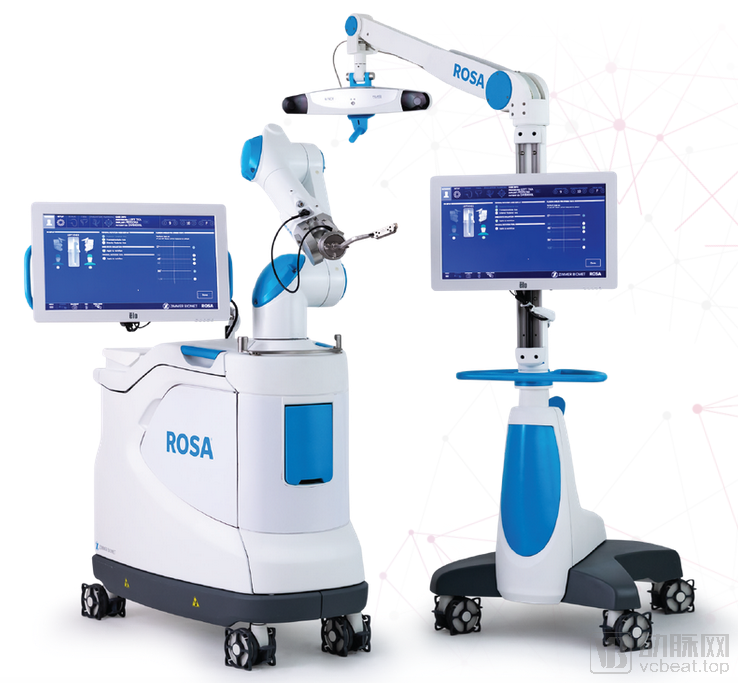
Rose® Knee System
Rose®Knee System supports surgeons in performing total knee arthroplasty (TKA), with key functions including assisting in bone resection and assessing soft tissue status to facilitate intraoperative implant positioning.
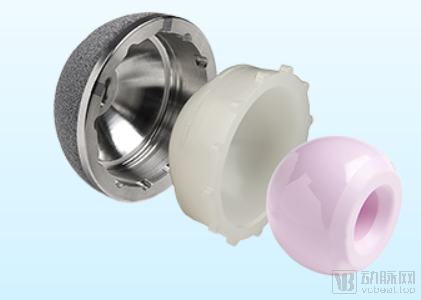
Continuum Trabecular Metal Acetabular System
This product is indicated for total hip arthroplasty and the diagnosis and treatment of traumatic arthritis and osteoarthritis. With a clinical history spanning over 12 years, it utilizes highly cross-linked polyethylene material, offering exceptional wear resistance and anti-aging properties.
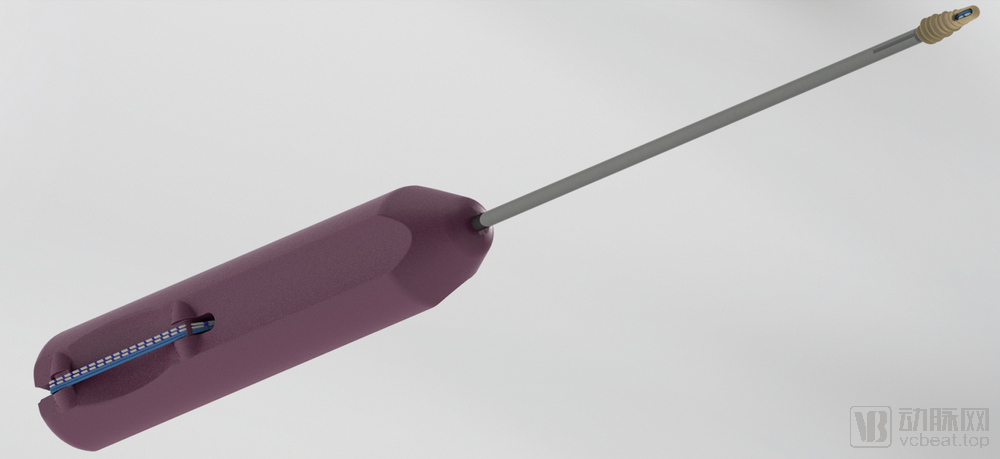
X and X3 Suture Anchors
The Quattro X and X3 Suture Anchors provide an efficient and stable solution for tendon repair. Featuring dual-channel bores within the anchor body, they are available in 5.5 mm and 6.5 mm sizes to facilitate sliding suture techniques. This product is the first threaded suture anchor on the market to offer both sliding and non-sliding suture tape capabilities.
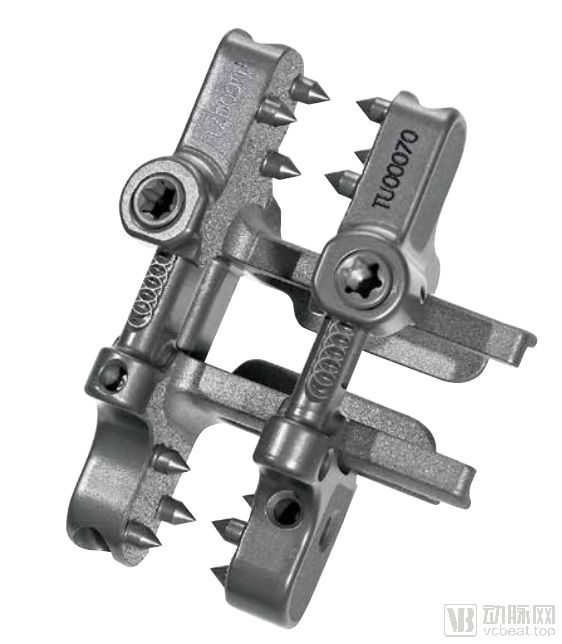
Alpine XC Adjustable Fusion System
The Alpine XC Adjustable Fusion System provides compression and distraction capabilities similar to those of pedicle screws, but with lower risks and less muscle damage compared to pedicle screws. It is the only spinous process fixation device featuring an adjustable core and an adjustable-length plate, specifically designed to enhance the fixation of bone implants.
Over the past three years, sales across all business lines have remained relatively stable, with the company’s traditional stronghold in joint-related businesses maintaining steady growth. It is evident that the knee joint business has consistently held a leading position and serves as the primary driver of the company’s performance.
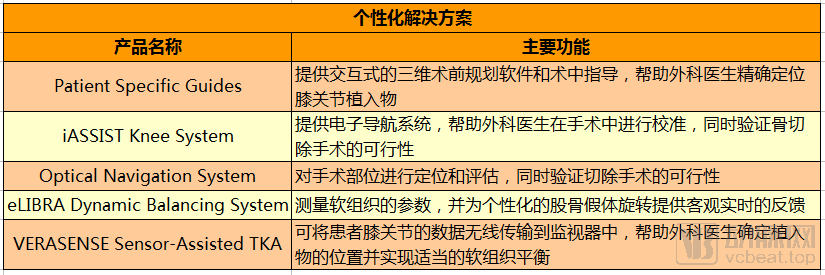
Zimmer Biomet’s Personalized Solutions team is committed to creating a comprehensive product portfolio that delivers improved treatment options for patients without compromising customer interests. Within its existing range of products and services, Zimmer Biomet offers Patient Specific Guides, the iASSIST Knee System, Optical Navigation Systems, the eLIBRA Dynamic Balancing System, and VERASENSE Sensor-Assisted TKA.
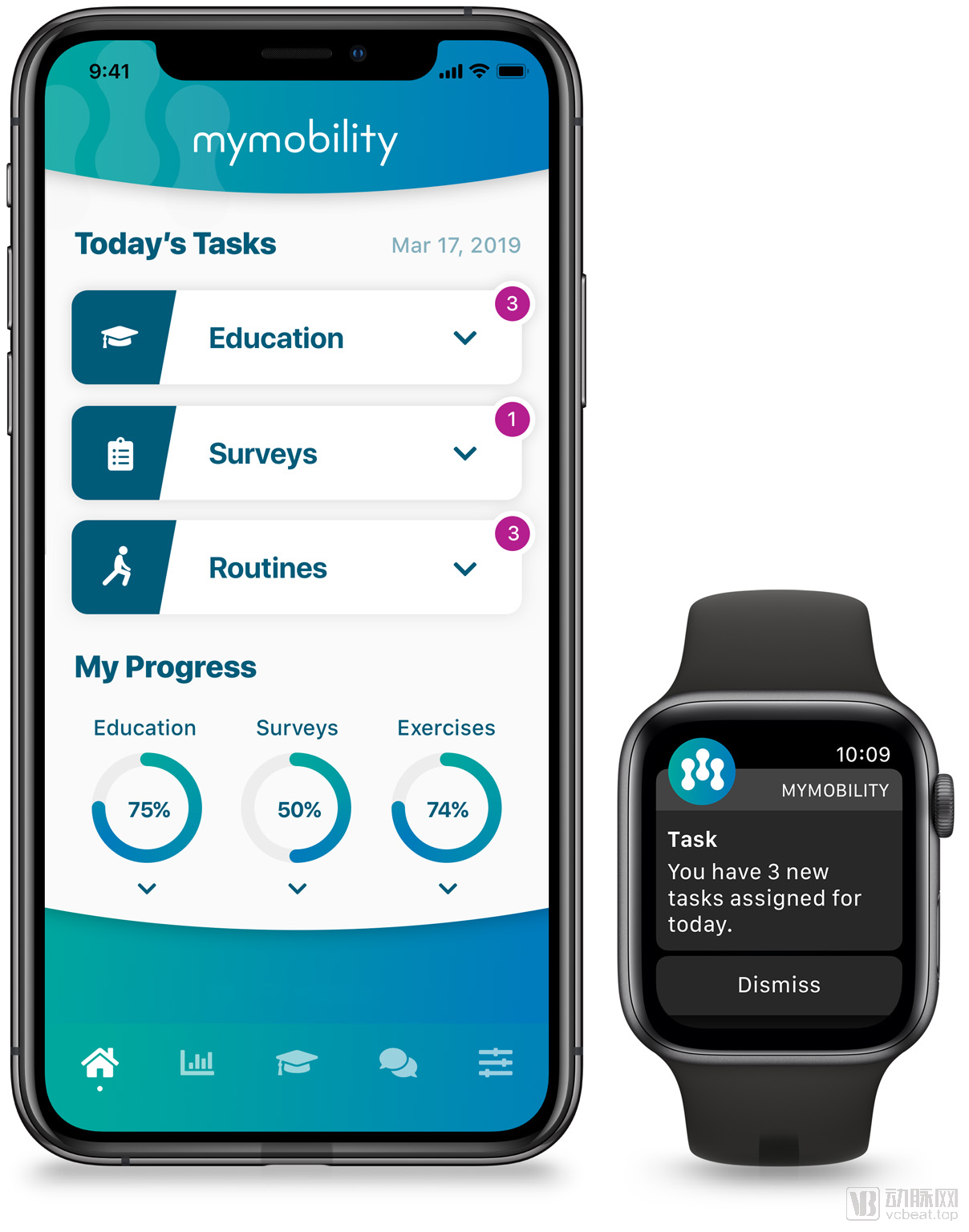
Internet-based approaches can play a significant role in the field of orthopedics. A key advantage of internet healthcare is its ability to address the shortage of medical human resources. To provide more comprehensive services and improve the quality of life for patients worldwide, Zimmer Biomet has embraced the trend of internet healthcare. In 2018, it partnered with Apple Inc. to develop an app called mymobility, which facilitates communication between patients and care teams via Apple Watch, iPhone, or Android mobile devices, thereby supporting the recovery of patients undergoing knee and hip replacement surgeries.
This app combines educational resources with videos to provide patients with pre- and post-operative care knowledge, thereby reducing unnecessary hospitalizations and saving patients time and costs. During use, mymobility records patients’ step counts and heart rate data in real time, monitors their rehabilitation progress, and feeds this information back to surgeons. Upon receiving the feedback, surgeons can send messages to patients via text, video, or images to provide rehabilitation guidance.
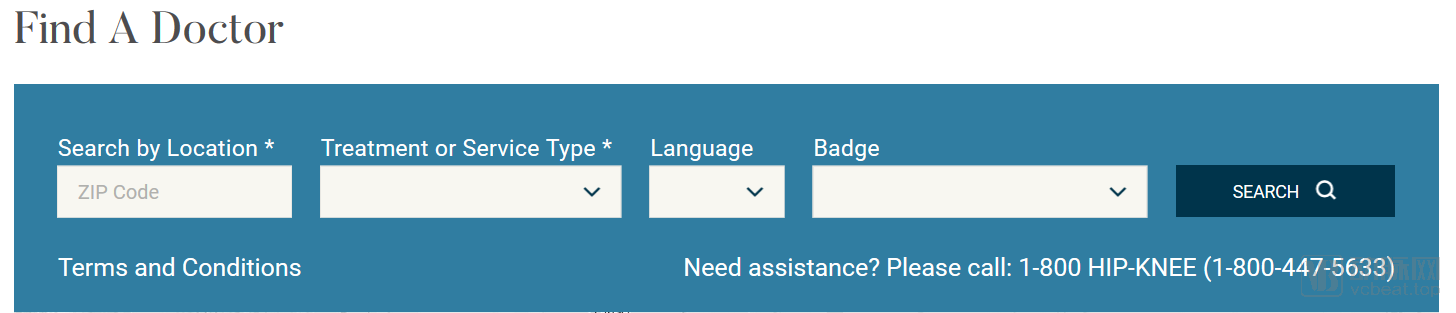
It is worth noting that Zimmer Biomet, as a medical device company, cannot replace physicians in answering patient inquiries. To better meet patient needs, Zimmer Biomet offers a service called “Find a Doctor.” Patients can access this service directly through the Zimmer Biomet official website to locate appropriate physicians based on criteria such as location and type of service. They may then consult with these physicians regarding treatment options suitable for their condition and the risks associated with surgery, including implant wear and postoperative infection.
Orthopedics has long held a significant and specialized niche within the medical device sector. However, in China, the orthopedic device industry has only been developing for approximately two decades. While the industry is still in its early stages and faces certain shortcomings, this field also presents substantial market opportunities.
Regarding the current state of China’s orthopedic market, Mr. Li Yongming, Vice President of Zimmer Biomet China, stated that while emerging markets are vast and experienced rapid growth in recent years, signs of a slowdown have emerged over the past two years. Currently, Zimmer Biomet’s development strategy for the Chinese market follows two main tracks: first, actively introducing advanced, high-end products from abroad to meet cutting-edge market demands; and second, conducting targeted research and development focused on the characteristics of bone diseases prevalent among Asians, particularly the Chinese population.
Today, Zimmer Biomet has four companies in China, located in Beijing, Shanghai, Jinhua (Zhejiang), and Changzhou (Jiangsu). Among them, the Jinhua factory is Zimmer Biomet’s most important surgical instrument manufacturing base, accounting for approximately half of the company’s surgical instrument production. According to forecasts by relevant U.S. institutions, China will become the largest market for joint and spinal products from 2020 to 2025, and Zimmer Biomet is optimistic about its future in China.