

JanGene Files IPO Prospectus: Pioneering Precision Health Screening by Integrating Genetic and Environmental Risk Factors for Enterprise Clients
What’s scarier than a medical checkup? Reading your own medical report.
“Adults’ emotional breakdowns begin with reviewing their own medical checkup reports.” Although this is a self-deprecating joke among young people, the health status of today’s youth is indeed concerning. According to data from the “2019 National Health Insight Report,” 96% of respondents reported having health-related issues.
An analysis of contemporary lifestyles reveals that working overtime and attending social engagements during busy periods, while ordering takeout and drinking alcohol during leisure time, have become the most common scenarios. However, whenever they open social media apps and see news reports about individuals being hospitalized due to overwork, they are immediately frightened into signing up for gym memberships and purchasing additional critical illness insurance. This phenomenon reflects the anxiety stemming from people’s lack of confidence in their own health status, as well as the heightened health awareness accompanying rising consumption levels.
Against this backdrop, China’s health checkup industry has experienced rapid development. According to data from Qianzhan Industry Research Institute, the market size of health checkups in China exceeded RMB 160 billion in 2019 and is projected to surpass RMB 300 billion by 2024, reflecting robust growth. The promising market prospects have attracted numerous participants: in addition to public hospitals, which account for 70.8% of the health checkup market share, private health checkup providers in China continue to emerge. Currently, three companies are publicly listed: Meinian Onehealth, iKang Healthcare Group, and Rich Healthcare Group.
In the face of such a relatively mature market, how can one blaze new trails and overcome obstacles to identify opportunities for differentiated competition? The JanGene platform (hereinafter referred to as “Jianji”), under Chengdu Life Baseline Technology Co., Ltd., offers a novel approach. Leveraging genetic data for individual hereditary health risk analysis and integrating health assessment questionnaires, the company has developed and launched an innovative enterprise-level employee health risk control and management system. It has established a comprehensive corporate health ecosystem encompassing health education, personalized medical examinations, and chronic disease management, thereby providing users with tailored precision checkup plans and continuous health risk control services.
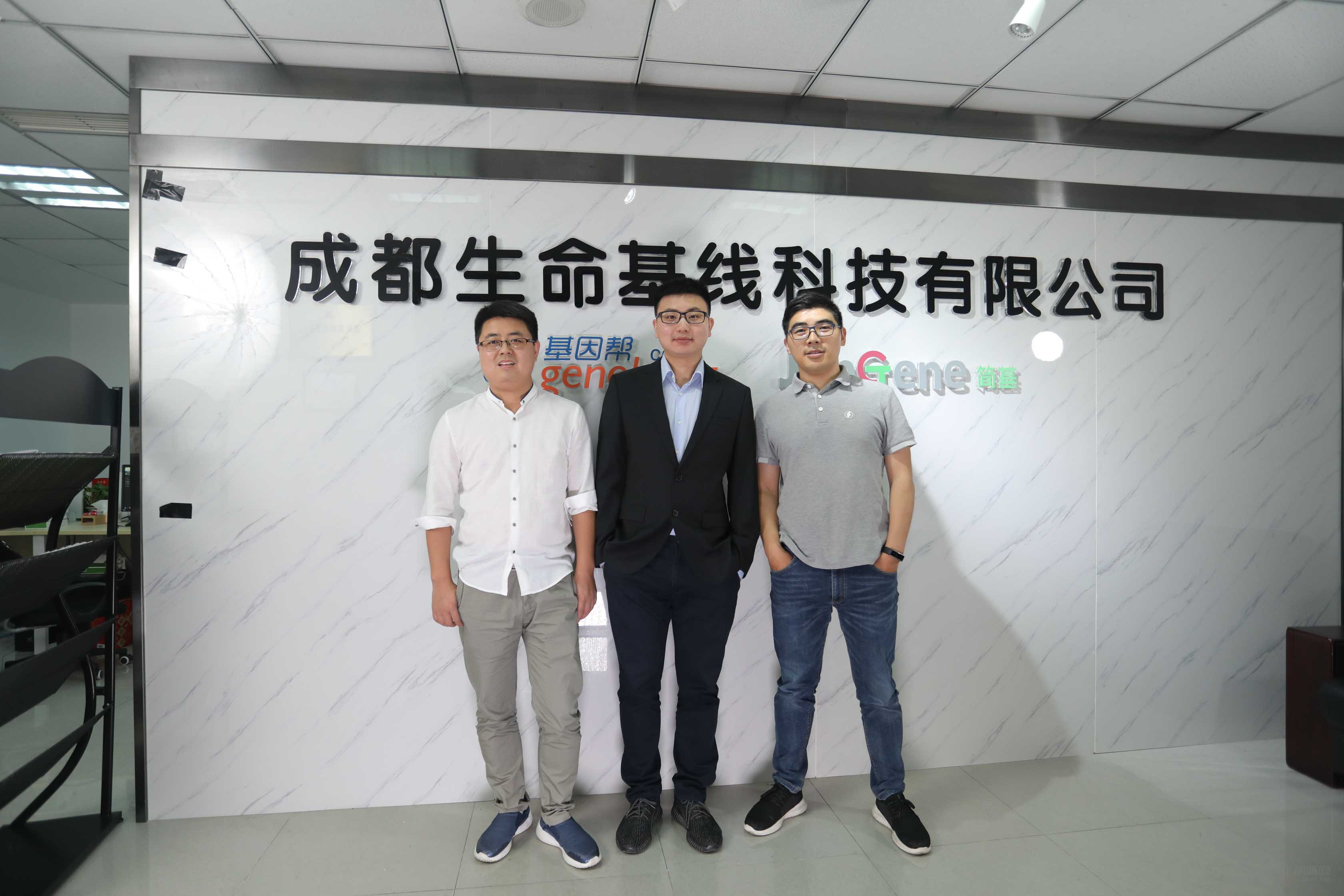
For health checkups, the key is to prevent diseases or provide reference for diagnosing confirmed illnesses.
Traditional health examinations reflect objectively existing health conditions through offline test results, whereas genetic testing evaluates an individual’s innate genetic code to assess disease risk. Consequently, a key application of genetic testing is to provide new guidance for disease prevention, while traditional health examinations are more geared toward providing a basis for clinical treatment.
“Jianji’s core offering is a service that leverages multi-dimensional health data to guide personalized, precision health screenings. The genetic testing component of this service utilizes the Illumina microarray platform, which enjoys the highest recognition among global research institutions,” Ling Zhihao, COO of Jianji, told VCBeat. Building on Illumina’s latest ASA chip, Jianji has additionally customized 50,000 detection loci to better align with the genetic background of the Chinese population. Based on the genotyping results, Jianji then conducts assessments of individual genetic health risks using its proprietary algorithms and workflows.
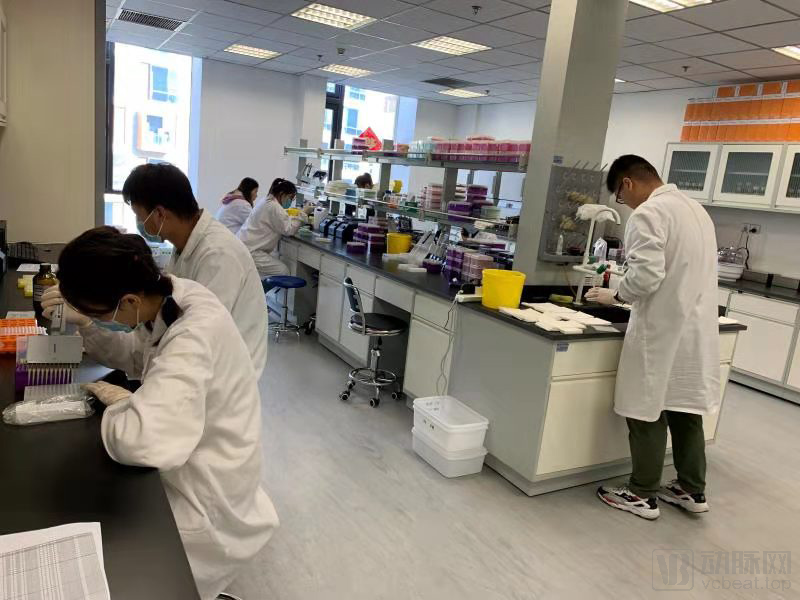
“The risk of developing most common diseases can be attributed 20%–50% to genetic factors, with the remainder determined by postnatal environmental factors. To address this, Jianji has also developed a health risk questionnaire,” said Ling Zhihao. He explained that the health risk questionnaire collects information on an individual’s constitution, occupational and living environment, lifestyle habits, diet and exercise, reproductive history and medication use, family medical history, and overall health status. This process helps identify potential environmental factors affecting health and, when combined with genetic data reflecting hereditary health risks, enables more precise prediction of individual disease risk. Upon completion of the risk assessment, Jianji generates a personalized, precision-based health checkup plan for the user. Users can access their risk assessment results and recommended plans via Jianji’s WeChat official account, allowing them to undergo examinations according to the plan. Once the checkup results are available, users can submit abnormal indicators summarized in their reports back to Jianji to receive further health recommendations. The entire service operates on a three-year cycle.
This health questionnaire covers 11 categories of questions, including environmental factors, lifestyle habits, and health history, to assess personalized information such as high-risk factors for diseases and early symptoms. The development of the health questionnaire referenced more than 70 clinical guidelines and expert consensus statements, including authoritative academic resources such as the Expert Consensus on Basic Items for Health Checkups (2014), the 2015 Chinese Guidelines for Primary Prevention of Cerebrovascular Disease, the Expert Consensus on Prostate Cancer Screening (2017), and the Guidelines and Standards for the Diagnosis and Treatment of Breast Cancer by the China Anti-Cancer Association (2017).
“Sichuan University also participated as a collaborative partner in the research and development of the Jianji Precision Health Checkup Project,” Ling Zhihao told VCBeat.
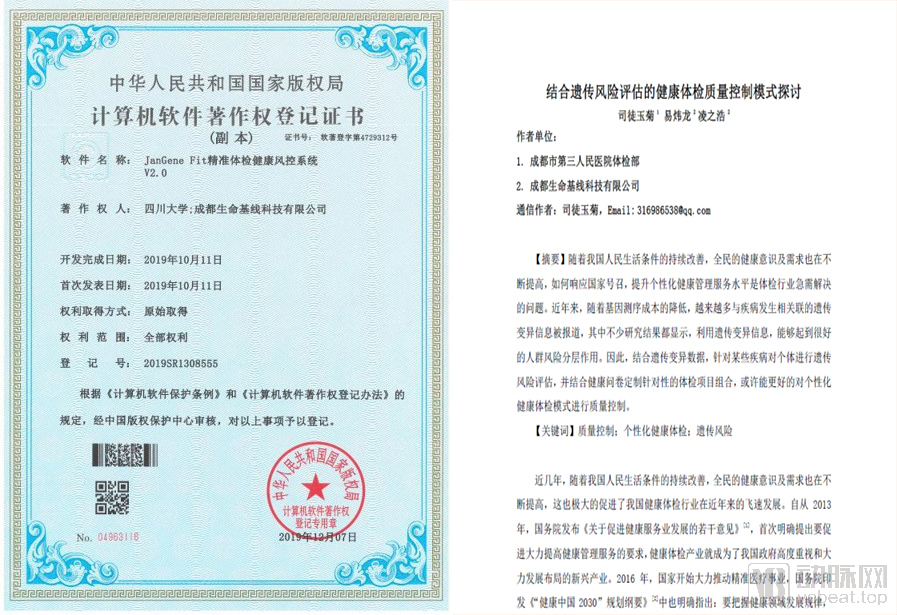
The company’s related software copyrights and published literature (image provided by the interviewee)
As a biotechnology company, Jianji boasts a strong technical foundation: nearly 90% of its R&D team hold master’s or doctoral degrees, and its personnel have collectively published more than 30 articles in top-tier international academic journals such as PNAS and eLife. Dr. Bai Lijun, the Chairman, was among the first cohort of “High-Tech Talents” recognized by the Chengdu High-Tech Zone in 2016 and has participated in the application and execution of multiple national-level basic research projects. CEO Yang Bin brings eleven years of experience in technology and marketing within the genomics industry, having previously served as Laboratory Head, Project Manager, and Head of the Southwest Team at BGI Genomics. COO Ling Zhihao holds a Ph.D. in Bioinformatics from the world-renowned Max Planck Institute (MPI). With eight years of R&D experience in NGS sequencing and genomic data analysis, he is also a certified genetic counselor specializing in genomics.
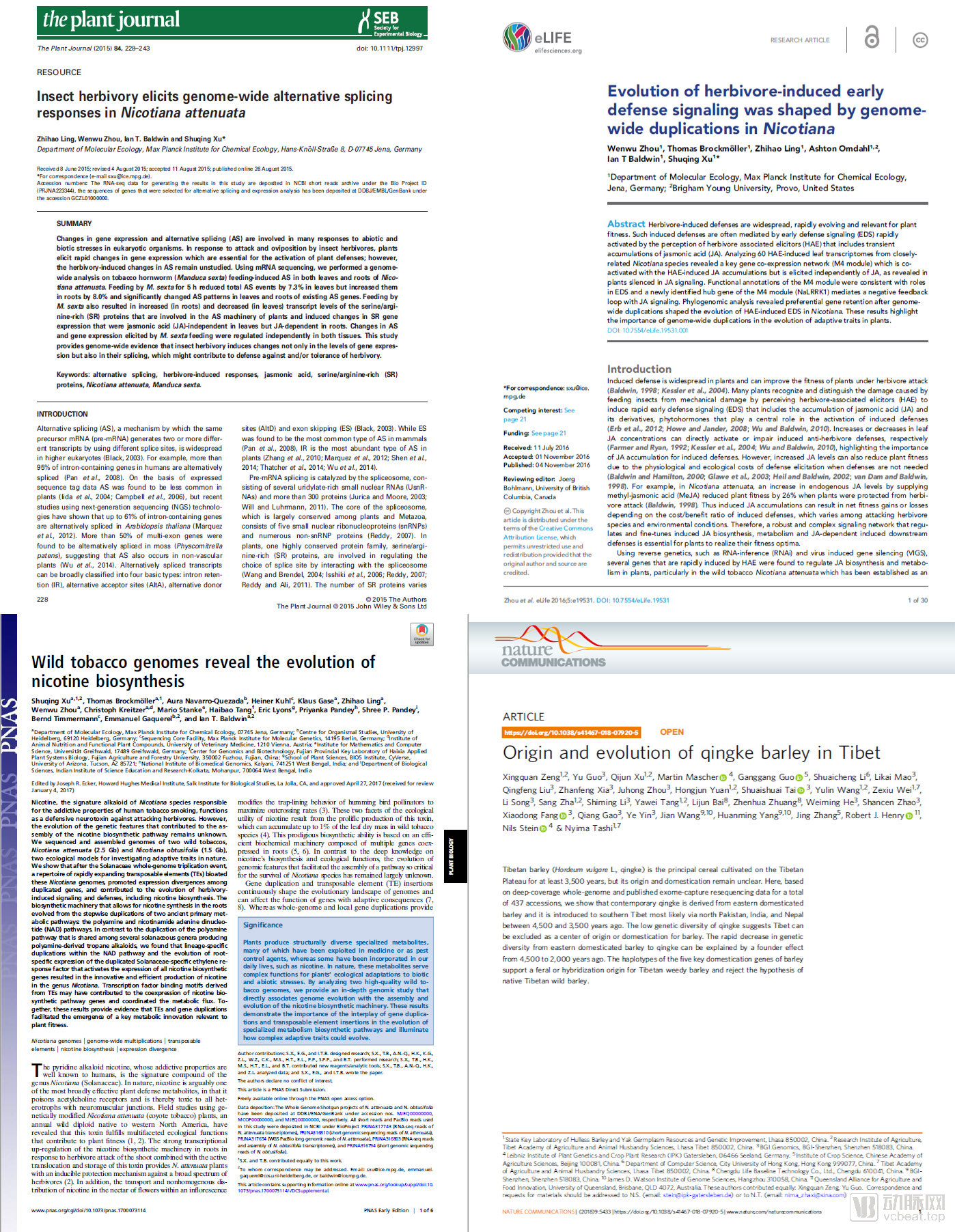
Scientific publications previously released by the company (photo provided by the interviewee)
From technical research to application commercialization, Jianji has its own unique insights into marketization. Unlike scientific research, which primarily serves experts and professors, the audience for applied transformation outcomes consists largely of non-professionals. In response, Jianji adopts more accessible approaches in its market development efforts to help the general public understand the concept of health risk assessment. “In our external communications, we focus more on science popularization content and frequently use real-world case studies.”
At the policy level, the Chinese government has recently issued documents such as the “Healthy China Action: Implementation Plan for Cancer Prevention and Control (2019–2022),” “Guiding Opinions on Establishing and Improving the Elderly Health Service System,” “Notice on Further Strengthening Tobacco Control Among Adolescents,” and “Notice on Promoting the Development of Healthy Enterprises” along with the “Specifications for the Construction of Healthy Enterprises (Trial).” These initiatives provide significant policy support for Jianji’s market expansion.
It is precisely on this basis that Jianji, established less than two years ago, has successively served clients such as the State Grid Sichuan Electric Power Company, a well-known research institute in China, and China Unicom, earning consistent recognition and trust. At the capital level, Jianji secured RMB 2 million in angel-round investment in 2016 and RMB 10 million in Pre-A round investment in 2017.
Regarding future plans, Ling Zhihao stated that Jianji will continue to refine its service system and provide end-to-end services for chronic diseases, covering everything from prevention to treatment and from pre-examination to post-examination.