

SonderMind Secures $27 Million in Series B Funding Amid Pandemic to Redefine Accessible Behavioral Health Care

F-Prime Capital
Healthcare Venture Capital Firms

Dioko Ventures
Early-Stage Venture Capital Firms

General Catalyst
Venture Capital Firm

Kickstart Seed Fund
Early-Stage Venture Capital Fund

SonderMind
Health Service Provider
Amid the pandemic, most companies have been grappling with how to survive. Yet this has not halted major investment and financing deals. Recently, VCBeat learned that SonderMind, a company dedicated to behavioral health, secured $27 million in Series B funding. This marks the fourth round of financing for the company, which was founded in 2014. What exactly attracted venture capital investors, and what is the story behind it? To answer these questions, we must start by examining SonderMind’s business model.
SonderMind’s digital health services effectively match patients’ needs with therapists’ offerings. If it merely provided a platform connecting patients with providers, we could find countless similar companies. What sets SonderMind apart is its focus on a somewhat niche population.
“SonderMind is on a mission to redesign behavioral health.” This is what SonderMind’s official website states. Behavioral health lies at the very core of SonderMind Inc.’s purpose and raison d’être.
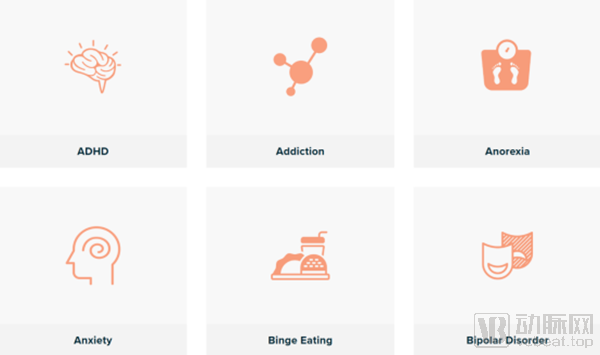
As a concept that significantly overlaps with mental health, the essence of behavioral health can be observed in some of the conditions covered by SonderMind’s services: attention-deficit/hyperactivity disorder (ADHD), substance use disorders, anorexia nervosa, anxiety, depression, obsessive-compulsive disorder (OCD), post-traumatic stress disorder (PTSD), and schizophrenia, among others. It encompasses multiple domains, including psychiatry, addiction treatment, and mental health. Unlike conventional physicians, SonderMind’s therapists provide not only rehabilitative care but also preventive measures and early interventions.
SonderMind has a compelling vision. It seeks to make behavioral health more accessible and better utilized. To turn this vision into reality, SonderMind has devoted tremendous effort to every aspect of its operations.
Therapists play an absolutely critical role in it.After years of accumulation, the number of therapists in SonderMind’s network has reached 500. To achieve higher retention rates, SonderMind grants therapists nearly absolute autonomy. They can select their own patients and determine their caseload size. The patient-matching process is based on factors such as the therapist’s specialized expertise, geographic location, and accepted insurance plans. Meanwhile, SonderMind provides therapists with professional tools, including electronic health record (EHR) systems, session recording capabilities, and claims management systems, allowing them to focus on clinical care without being burdened by administrative tasks.
For patients, appropriate and high-quality service always comes first. On SonderMind, patients only need to set up their account once by providing contact information, insurance details, and credit card or healthcare payment account information. To get started, patients simply answer a few questions with checkmarks to be matched with a suitable therapist. They can then schedule appointments based on the therapist’s availability. Patients are free to choose between video-based teletherapy and in-person sessions.
SonderMind’s role extends far beyond merely bridging the gap between patients and therapists. More importantly, it collaborates with insurance companies, Employee Assistance Programs (EAPs), and health organizations.SonderMind has secured greater benefits for patients and therapists through partnerships with insurance companies such as Aetna, UnitedHealthcare, and Cigna.
In terms of cost,SonderMind provides a free platform for therapists. Patients are charged a fee when canceling appointments, but this fee will not exceed the cost of a session with the therapist. The platform maintains identical rates for both in-person and online consultations. Pricing varies based on the therapist’s licensure level and the quality of service provided. SonderMind also generates revenue through partnerships with insurance providers.
It may be difficult to imagine what such a platform looks like. Yet, for users, words of gratitude abound. A SonderMind user shared that after spending six months searching for the right therapist, he successfully had a session with one within just two days of joining SonderMind. This individual case reflects subtle shifts underway in the market, and SonderMind’s role in this transformation is noteworthy.
Before understanding why SonderMind has garnered significant attention, we need to examine the prior state of American society. According to 2017 records from the Centers for Disease Control and Prevention (CDC), there were 1.4 million suicide attempts in the United States, with up to 47,000 deaths by suicide and 70,000 deaths due to drug overdoses. Furthermore, data from the National Alliance on Mental Illness (NAMI) in 2019 indicated that approximately 19% of U.S. adults (around 43.8 million people) experience mental health conditions such as depression, anxiety, or bipolar disorder at some point during the year.
Have these individuals received appropriate treatment? The answer is no. The reasons are multifaceted. On one hand, due to a shortage of mental health professionals, patients may wait months without receiving care. On the other hand, insurance coverage poses significant challenges. For a single 45-minute session, patients may have to pay out-of-pocket costs as high as several hundred dollars. Although social science research indicates that every $1 spent on treating such conditions yields $4 in economic benefits, as late as 2017, up to 25% of people were still unable to find therapists who accepted insurance reimbursement.
Although this situation improved in 2019, the insurance acceptance rate for behavioral health therapists stood at only 55%, significantly lower than the nearly universal 90% rate among U.S. primary care providers. For SonderMind, the resulting opportunity is self-evident.
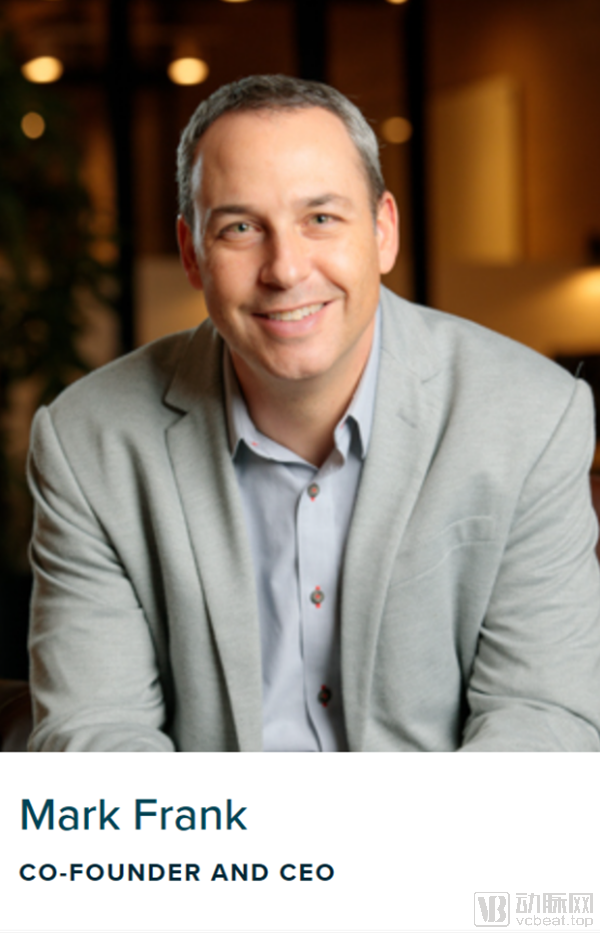
When discussing the original motivation behind starting his company, Mark Frank, CEO of SonderMind, stated that he had personally experienced the difficulty of finding a therapist. It seemed as if there was simply no therapist available who was accepting new clients, took insurance, and could meet his specific needs. On the other hand, his sister, who is also a therapist, faced numerous obstacles when establishing her private practice. Perhaps it was this dual-sided pressure that inspired Mark Frank to found SonderMind.
Many startups ultimately end in failure. However, SonderMind has persevered. This may well be attributed to Mark Frank himself. As early as 2012, Mark Frank co-founded SafeImageMD, a company providing medical imaging data to patients and physicians. The company was eventually sold to ZenVault Medical in 2015. Starting in 2013, Mark Frank joined Goldwing Capital, a private venture capital firm, as a partner. Executive Sean Boyd, who served as SonderMind’s CEO for a period, also previously worked at CCA, a renowned healthcare institution. Meanwhile, Chief Technology Officer Cid Dennis is a seasoned technology expert with over two decades of experience in software development.

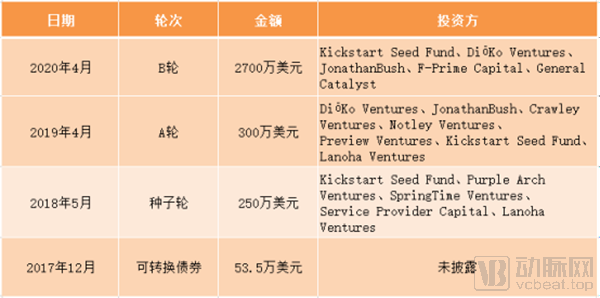
In September 2017, SonderMind was named one of the top ten participants in the HealthBox accelerator program. This renowned accelerator is dedicated to incubating innovative healthcare teams and maintains close ties with the prominent venture capital firm DaVita Ventures Group. The increased exposure garnered by SonderMind subsequently enabled it to secure its first round of financing in December of that year—a $535,000 convertible note.
In May 2018, SonderMind secured $2.5 million in financing. This seed round was led by the seed fund affiliated with the renowned crowdfunding platform Kickstarter, with participation from Purple Arch Ventures, SpringTime Ventures, Service Provider Capital, and Lanoha Ventures.
This financing was used to expand its workforce and develop SonderMind’s proprietary software. Meanwhile, the capital injection also supported the development of partnerships with local primary care institutions, health systems, and select employers. Rather than rushing into market expansion, SonderMind decided to wait until everything was in place before entering one or two entirely new markets between late 2018 and early 2019. By that time, its therapist network had grown to approximately 300 members.
In April 2019, SonderMind secured $3 million in Series A financing. The round was led by Diōko Ventures, with participation from Jonathan Bush, Crawley Ventures, Notley Ventures, and Preview Ventures. Existing seed investors, including Kickstart Seed Fund and Lanoha Ventures, also joined the investor lineup.
This round of financing was used to launch SonderMind’s behavioral health solutions. The company also announced plans to hire additional staff to promote the SonderMind platform, with headcount rising to 70 at one point. In new markets, it plans to expand into Austin, Texas, and Phoenix, Arizona, while validating the viability of its existing business model. SonderMind’s CEO has clearly recognized changes in the entrepreneurial and economic landscape, stating that if these trends persist, the company will swiftly adjust its course and shift strategy to achieve profitability from its existing operations.

SonderMind secured up to $27 million in funding this April, with participation from familiar investors such as Kickstart Seed Fund, Diōko Ventures, and Jonathan Bush, as well as new backers like F-Prime Capital. This financing round was likely influenced by the COVID-19 pandemic. The worsening pandemic led to a multifold increase in the number of patients requiring behavioral health treatment. Meanwhile, SonderMind successfully launched its telehealth solution in March, ahead of its original scheduled release in late May.
The new round of financing has not only provided SonderMind with opportunities to further expand its market presence but also injected fresh vitality into the company. SonderMind plans to increase its workforce to approximately 100 employees by the end of the year, aims to continue expanding its operations in Texas, and intends to enter four to six new markets across the Midwest and other western states. Efforts to build out its platform will continue. Additionally, executives from investor firms have joined the board of directors, including Eric Roza from General Catalyst. Mark Frank stated that their arrival will bring richer experience to the company, adding that “they will provide applicable advice and guidance as the company enters its next phase.”
Throughout SonderMind’s step-by-step development, we have seen the profile of a model student who progresses with steady and solid steps. The company clearly understands its core competencies and has not attempted to capture market share more rapidly through blind expansion. Instead, it has opted for a more prudent approach, refining the technology of its platform and corresponding solutions to better meet the needs of both patients and therapists.
Meanwhile, SonderMind seized the moment at just the right time. While the COVID-19 pandemic posed a formidable challenge for many other industries, it presented an opportunity for SonderMind. The company capitalized on this opportunity by launching its telehealth solution earlier than planned. They recognized that what mattered most was not whether the solution had been polished to near perfection, but rather that it could meet user needs immediately.
In this transformation, they are also playing a role in breaking down barriers, enabling more insurance industry partners to participate in the change. This has created a multi-party win-win situation, ultimately allowing patients, therapists, insurance institutions, and SonderMind’s platform solutions to better establish a complete ecosystem.