

Shandong Launches China's First Provincial Internet-Based Healthcare Platform with Full-Process Online Medical Insurance Payment
On April 25, 2020, a major piece of news in the health insurance sector circulated throughout the industry. On that day, the Shandong Internet Medical and Big Health Service Platform was officially launched, issuing China’s first electronic medical insurance settlement statement from a platform-based internet hospital. This marked the first time the entire process linking internet-based healthcare, pharmaceuticals, and medical insurance—the “Three-Medical Linkage”—was fully integrated.
The holder of this settlement statement is a patient with a chronic disease in Tianqiao District, Jinan City, who participated in an online follow-up consultation. Before issuing the settlement statement, the platform quickly extracted the historical medication information from the past three months, completed patient identity verification, and settled the payment through the patient’s outpatient pooling account and personal account, with the entire process taking no more than 3 minutes.
Leveraging the electronic medical insurance certificate and facial recognition technology, the platform has launched its first service: an integrated online medical insurance payment and settlement system under secure conditions. As a result, Jinan Weiyi Internet Hospital has become the first platform-based internet hospital on the system to enable online medical insurance payments. On this platform, patients’ medical insurance information can be verified in real time during online follow-up consultations, ensuring seamless integration of key processes, including medical insurance authentication, follow-up verification, online prescribing, and home delivery of medications. Currently, this service is available to Jinan urban employee medical insurance enrollees diagnosed with four specific conditions—hypertension, diabetes, coronary heart disease, and stroke—who are not covered under special outpatient regulations.
From establishing internet hospitals and incorporating them into designated medical insurance providers, to patient identity verification and confirmation of follow-up visits, and finally to online medical insurance settlement, Shandong Province has pioneered a complete closed-loop system for online payment and settlement of medical insurance in internet hospitals through the Shandong Internet Medical Insurance and Big Health Service Platform. This achievement has realized the reengineering of medical processes based on the internet and has become the industry’s “Golden Five Steps” for determining whether an internet hospital has truly enabled online medical insurance payments.

Payment is a critical component in the development of internet hospitals. As China’s internet hospitals are still in their opportunity and early adoption phases, the payment system is predominantly dominated by out-of-pocket payments by individuals. Although limited pilot programs have emerged in certain regions, the absence of coverage under the basic medical insurance scheme has long been regarded as a bottleneck hindering industry growth. It was not until August 30, 2019, when the National Healthcare Security Administration issued the Guiding Opinions on Improving Pricing and Medical Insurance Payment Policies for “Internet+” Medical Services, that an overarching framework for incorporating internet-based medical services into the medical insurance payment system was established for the first time.
In accordance with regulations, the inclusion of medical services in the basic medical insurance scheme must undergo three fundamental stages: project approval, pricing, and payment. Specifically, the National Healthcare Security Administration is responsible for formulating principles and providing guidance to provincial-level healthcare security departments. Each provincial-level department establishes local service items and sets or adjusts prices for public medical institutions based on local conditions. Municipal-level healthcare security departments accept applications for project approval and submit them to the provincial level for review and decision-making.
Currently, policies for medical insurance coverage of internet-based healthcare have not yet been fully implemented across China. Only certain provinces and municipalities have introduced relevant policies or specified items and pricing, including Shandong Province. Following the nationwide launch of electronic medical insurance vouchers, Shandong has become the first province in China to fully enable online medical insurance settlement for internet-based diagnosis and treatment services.
Shandong Provincial Internet Medical Insurance and Health Service Platform integrates superior resources and reengineers processes to build a comprehensive “Internet + Medical Insurance + Healthcare + Pharmaceuticals” service system. It provides integrated, professional services—including online consultations, advisory services, follow-up visits and medication purchases, chronic disease prescription renewals, medical insurance payment and settlement, assisted agency services, home medication delivery, and travel assistance—to meet the needs of pandemic prevention and control across the province, as well as those of individuals with disabilities, patients with chronic diseases, disadvantaged groups, and 23 million elderly residents. The platform addresses the multi-level, multi-field, and diverse service demands of different population segments, offers epidemic prevention guidance to Shandong overseas Chinese, expatriates, and international students, and provides remote training for primary care physicians, general practitioners, and healthcare and wellness skilled personnel.
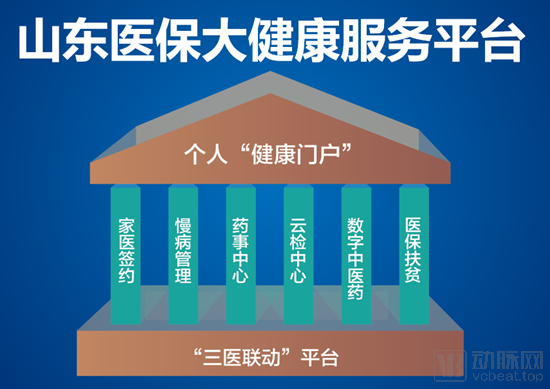
These services have achieved full coverage across urban and rural areas through six major channels: the “Shandong Medical Insurance Big Health” WeChat official account, the Shandong Medical Insurance Big Health website (sd.wedoctor.com), a call center, medical insurance health service vehicles, digital television, and offline service institutions.
As the platform construction and operation entity, Shandong Internet Medical Insurance and Big Health Group Co., Ltd. was jointly promoted and established by the Shandong Provincial Healthcare Security Administration and the Jinan Municipal People's Government. Initiated by WeDoctor Group and Jinan High-Tech Holding Group, it was jointly formed with multiple enterprises including CICC Capital, CITIC Network, Beijing Yingtong, Shanda Diwei, E-Linkwell, Shandong New Kinetic Energy Leading Medical and Elderly Care Equity Investment Fund, Zhongyang Health, Shuyu Pingmin Pharmacy, and Xunshan Group. By guiding platform enterprises, industry leaders, and outstanding enterprises from within and outside the province to integrate and open up resources, it aims to build a multi-layered, interactive industrial internet platform. This initiative drives small and medium-sized enterprises to carry out online medical and elderly care health services, promotes the development of Shandong’s home-based economy, internet economy, and digital economy, accelerates the cultivation of leading enterprises and independent brands in Shandong’s internet medical insurance and big health industry, and creates a new engine for the development of Shandong’s big health industry as well as an “aircraft carrier” for internet medical insurance and big health services, thereby making positive contributions to the province’s conversion of old and new kinetic energies and the construction of “Healthy Shandong.”
On March 5, 2020, the State Council issued the “Opinions on Deepening the Reform of the Medical Security System,” which explicitly called for innovation in the management of medical insurance agreements, bringing eligible medical and pharmaceutical institutions under the scope of such agreements, and supporting the development of new service models such as “Internet + Healthcare.” Just 50 days later, Shandong Province issued its first electronic medical insurance settlement statement for a platform-based internet hospital, setting a new record for the speed of response in the latest round of medical insurance reform.
Behind the record-breaking achievement lies Shandong Province’s strong emphasis on the digital economy and the big health industry in recent years.
In July 2018, the People’s Government of Shandong Province issued the Development Plan for the Integration of Medical Care, Elderly Care, and Health Industries in Shandong Province (2018–2022), calling for the exploration of a range of “Internet+” models and the establishment of an integrated service network for medical care, elderly care, and health. In January 2019, the Measures for the Cultivation and Subsidies of Shandong Province’s Industrial Internet “One, Ten, Hundred” Platforms (hereinafter referred to as the “One, Ten, Hundred” Cultivation and Subsidy Measures) were released, proposing that by 2020, a multi-tiered industrial Internet platform system under the “One, Ten, Hundred” framework would be initially established. This includes prioritizing the development and effective operation of more than one provincial-level comprehensive industrial Internet service platform, supporting the cultivation of more than 10 cross-industry, cross-domain industrial Internet platforms, and fostering more than 100 industrial Internet platforms tailored to specific industries, regions, or application scenarios.
The “Individual, Ten, Hundred” Cultivation and Reward/Subsidy Measures designate ten major industries—including medical and elderly care health, next-generation information technology, and high-end equipment—as the province’s key “Top Ten” industrial sectors for prioritized development. A brief review of the timeline for new medical insurance reforms reveals that Shandong, a traditionally populous province, has gradually taken the lead in innovative medical insurance practices, starting with the rollout of electronic medical insurance vouchers.
Innovative practices in medical insurance can be broadly categorized into two main components: payment vehicles and payment content. Regarding payment vehicles, in September 2019, the National Healthcare Security Administration issued the Notice on Launching Medical Insurance Electronic Certificates and Mobile Payment Services, deciding to initiate pilot programs for medical insurance electronic certificates and mobile payments in seven provinces and municipalities: Shandong, Guangdong, Shanghai, Heilongjiang, Jilin, Hebei, and Fujian.
In November 2019, the National Healthcare Security Administration held the inaugural ceremony for the national electronic medical insurance certificate in Jinan, launching the national system and issuing the first-ever such certificate, thereby enabling cashless and card-free access to medical services and pharmaceutical purchases. As one of the nine provincial pilot zones for pooled funds management, Jinan City has achieved multi-scenario online applications based on the electronic medical insurance certificate, implementing various practical functions across hospitals, pharmacies, healthcare security agencies, and households.
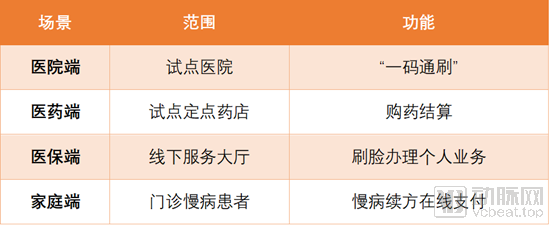
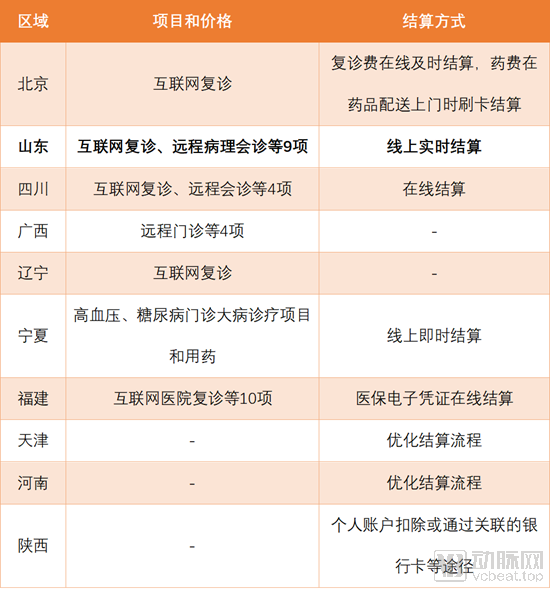
Regarding payment coverage, in August 2019, after the National Healthcare Security Administration issued the Guiding Opinions on Improving Price and Medical Insurance Payment Policies for “Internet+” Medical Services, provinces and municipalities directly under the central government—including Beijing, Shandong, Sichuan, Guangxi, Liaoning, Ningxia, Fujian, Tianjin, Henan, and Shaanxi—rolled out corresponding implementation opinions. These documents clarified the scope of “Internet+” medical service items, pricing, as well as the coverage, standards, and settlement methods for medical insurance payments.
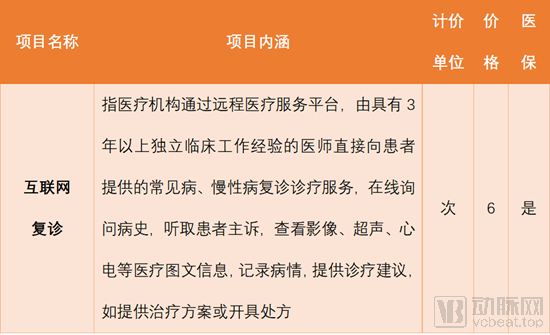
In December 2019, the Shandong Provincial Healthcare Security Administration issued the Implementation Opinions on Improving Pricing and Medical Insurance Reimbursement Policies for “Internet+” Medical Services, which set forth clear provisions on the management of service items, pricing, and medical insurance reimbursement policies for “Internet+” medical services. It also released the First Batch of Price Lists for “Internet+” Medical Services, promptly defining the pricing for online follow-up consultations, the scope of medical insurance coverage, and settlement methods.
However, the inclusion of policies does not constitute true integration with medical insurance. Only when medical institutions, medical insurance agencies, and retail pharmacies achieve interoperability in consultation and prescription data, enabling real-time settlement and online payment, can it be considered genuine integration. The subsequent outbreak of the COVID-19 pandemic undoubtedly greatly accelerated the process by which many provinces and cities across China, including Shandong Province, adjusted their medical insurance information systems and optimized settlement procedures.
On February 23, 2020, the Wuhan Healthcare Security Administration issued 18 measures to support epidemic prevention and control as well as routine medical security, including the incorporation of “Internet+” medical services into health insurance reimbursement. Within three days, three local public tertiary Grade-A hospitals and WeDoctor Internet General Hospital (Wuhan Zone) rapidly upgraded their information systems to integrate with the health insurance payment system.
The following month, the National Healthcare Security Administration and the National Health Commission issued the “Guiding Opinions on Promoting ‘Internet+’ Medical Insurance Services During the Prevention and Control of the COVID-19 Pandemic,” clarifying that fees for eligible “Internet+” medical services would be included in the scope of medical insurance reimbursement. Medical institutions with the corresponding qualifications may, on a voluntary basis, sign supplementary agreements with the medical insurance handling agencies in their pooling regions; thereafter, “Internet+” follow-up consultation services provided to insured individuals for common and chronic diseases may be covered by the medical insurance fund.
Healthcare security agencies, medical institutions, and IT enterprises across various regions have accelerated the pace of upgrading their information systems.
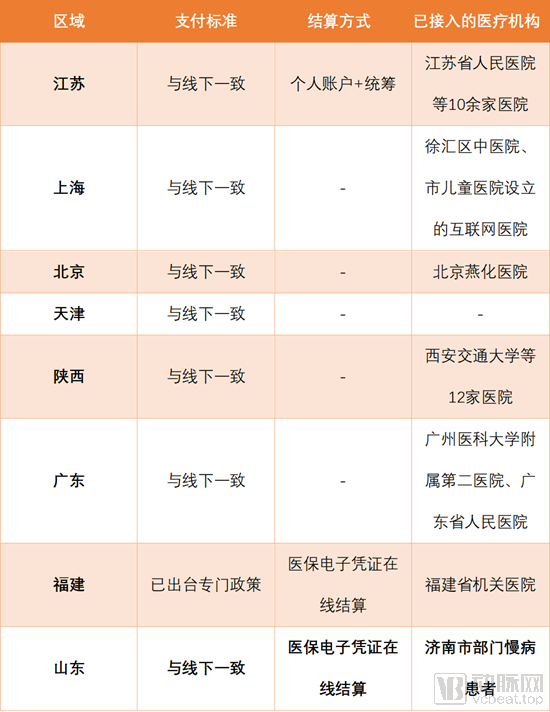
Nationwide, health insurance reimbursement for internet-based healthcare remains in its early stages, requiring continued policy expansion and sustained support from information technology services. The successful end-to-end implementation of Shandong Province’s Internet Medical Insurance and Big Health Service Platform has set a benchmark for accelerating this process across other regions.
According to the "2019 Statistical Communiqué on National Economic and Social Development of Shandong Province" released by the Shandong Provincial Bureau of Statistics in March 2020, the total population of Shandong Province was 100.7021 million, ranking second nationwide after Guangdong Province. The growth rate of national medical insurance revenue has been lower than that of medical insurance expenditure for consecutive years, providing sustained momentum for successive rounds of healthcare reform. In Shandong, the large population base has placed greater pressure on the medical insurance fund.
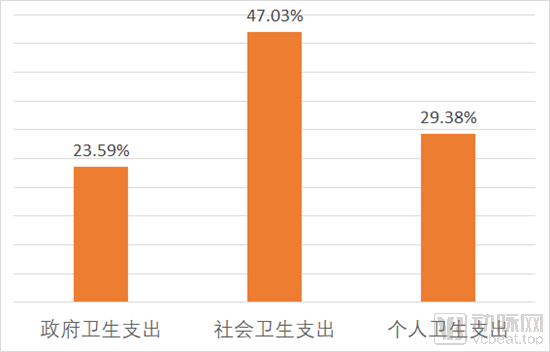
According to the China Health and Health Statistical Yearbook 2019, in 2017, Shandong Province’s per capita total health expenditure was RMB 3,568.74, with total health expenditure accounting for 4.92% of its GDP, placing it at a lower-middle level nationwide. However, within the composition of Shandong’s total health expenditure, social health expenditure—which includes social medical insurance spending—accounted for 47.03%, exceeding the national average of 42.32%.
How to leverage the pivotal role of medical insurance in mobilizing industrial resources across various channels to reshape the processes of medical care, elderly care, insurance coverage, and health management is a critical issue that Shandong Province’s medical security system must address. The establishment of a provincial-level Internet-based medical insurance and public health service platform represents a novel initiative by the Shandong Provincial Healthcare Security Administration amidst the evolving landscape of the home-based economy, internet economy, and digital economy. It also presents a valuable opportunity to build an integrated support service system encompassing “Internet + Medical Insurance + Healthcare + Pharmaceuticals.”
In its “One-Ten-Hundred” Cultivation and Reward/Subsidy Measures, the Shandong Provincial Government proposed establishing more than one comprehensive industrial internet service platform through government-led construction and independent third-party operation. Compared with government capital, which primarily assumes social public welfare responsibilities, private capital possesses sharper commercial acumen and continuously enhances the operational efficiency of various sectors in the economy and society through innovation and sustained integration of resource factors. Among the founding institutions of the Shandong Internet Medical Insurance and Health Service Platform operator (Shandong Internet Medical Insurance and Health Group Co., Ltd.), we find the digital health platform WeDoctor Group.
As a pioneer and leader in the internet hospital model, WeDoctor Group has established robust capabilities for integrating resources across the digital health industry while assisting various regions nationwide in building and operating internet hospitals, making it the premier choice for driving innovative practices of the “Three-Medical Linkage” platform.
Starting from Guahao.com, WeDoctor Group has undergone multiple rounds of business diversification. Through its five core functional modules—WeHospital, WePharma, WeHealth, WeMedDevice, and WeCloud—it has deeply entrenched itself in the fields of healthcare, pharmaceuticals, medical testing, and health insurance management. It stands as the only digital health platform in the industry covering the entire “Internet + Healthcare” industrial chain. As of February 2020, WeDoctor Internet General Hospital operated 12 physical medical institutions and 21 internet hospitals, connecting more than 3,200 hospitals across China, over 400,000 physicians, and 212 million real-name registered users, with cumulative services reaching nearly 1 billion patient visits.
Having cultivated the digital health industry for many years, WeDoctor Group has gradually developed a comprehensive industry reform solution centered on building a “Digital Health Community,” which aligns closely with the principles of the medical security system. Currently, WeDoctor Group has assisted Tianjin Municipality and Sanming City in Fujian Province in implementing this “three-medical-linkage” reform concept.
In January 2020, the Tianjin Municipal People’s Government and WeDoctor Group signed a strategic cooperation agreement on digital health, reaching consensus on jointly building a Digital Health Community, centralized drug procurement and pharmaceutical care service centers, and a platform for the coordinated development of healthcare, pharmaceuticals, and health insurance. Under the guidance of the “Healthy Tianjin Initiative,” Tianjin will collaborate with WeDoctor Group to establish a national demonstration zone for the Digital Health Community, thereby enhancing the level of coordination and operational efficiency among medical services, pharmaceuticals, and health insurance in Tianjin.
The following month, building on WeDoctor’s long-term support for the Sanming healthcare reform, Sanming’s first internet hospital, “Sanming WeDoctor Internet Hospital,” was approved and established. Through in-depth collaboration with medical institutions at all levels across the city and other relevant stakeholders, it will sequentially launch services such as follow-up consultations for chronic diseases, electronic prescriptions, and home delivery of medications. It will actively promote innovations in chronic disease management, health maintenance, and online medical insurance reimbursement, thereby accelerating the transition of the Sanming healthcare reform from a “disease-centered” model to a “people’s health-centered” approach.
During the development and operation of Shandong Province’s Internet Medical Insurance and Health Services Platform, WeDoctor Group’s platform-based internet hospital, “Jinan WeDoctor Internet Hospital,” was among the first to join. It not only established a closed-loop system for online medical insurance settlement through internet hospitals but also spurred the rapid aggregation of related services on the platform. For instance, to assist individuals with limited mobility or those unfamiliar with digital operations, the platform launched a unified national special service number, offering telephone-based concierge and proxy services. The initial phase introduced telephone follow-up consultation services, enabling elderly patients to complete medical insurance-covered follow-up visits and medication purchases from home by making a phone call, with medication delivery available as quickly as the same day.
Furthermore, to address the challenges faced by primary healthcare institutions, particularly in rural and remote mountainous areas—such as shortages of medical personnel, medicines, and diagnostic services, as well as the difficulty for doctors to reach these areas and for residents to access care outside them—the platform leverages mobile medical insurance health service vehicles to deliver medical care, medications, and services directly to grassroots populations. It brings to the frontline seven major categories comprising 53 specific diagnostic and laboratory tests (including B-mode ultrasound, electrocardiography, and complete blood count), commonly used medications for chronic diseases such as hypertension and diabetes, and AI-enabled applications like cloud-based consultation kits and AI fundus cameras, thereby bridging the “last mile” gap in medical security coverage.
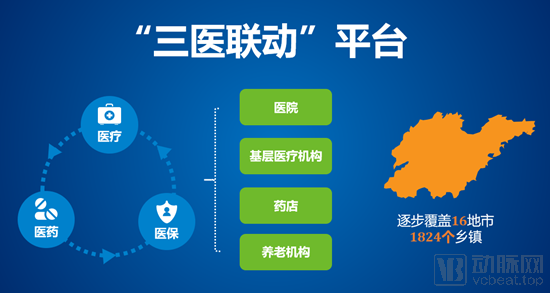
In fact, as a new exploration of the comprehensive guarantee service system integrating “Internet + medical insurance + healthcare + pharmaceuticals,” the Shandong Internet Medical Insurance and Big Health Service Platform is an open-ended platform for medical insurance and big health services. In addition to providing Internet-based medical insurance, healthcare, and pharmaceutical services, it will continue to attract various service providers, such as Internet hospitals, pharmacies, and elderly care institutions, to join the platform. This initiative aims to meet the diverse and multi-level service needs of the public and gradually cover 1,824 townships across 16 prefecture-level cities in Shandong Province.
If we look at the Shandong Internet Medical Insurance and Big Health Service Platform from a broader perspective beyond Shandong Province, we will find that it represents an exciting, epoch-making milestone for the internet healthcare industry. As we discussed in the context of internet healthcare reimbursement under medical insurance, policy inclusion alone does not constitute true integration with the medical insurance system. Only when medical institutions, medical insurance agencies, and retail pharmacies achieve interoperability in consultation and prescription data, enabling real-time settlement and online payment, can it be considered genuine integration. The newly launched Shandong Internet Medical Insurance and Big Health Service Platform has undoubtedly achieved this level of true integration. Starting with the electronic medical insurance certificate, Shandong has pioneered the “Shandong Model” for medical insurance payments in internet healthcare.
At its core, the Shandong Model represents an integrated approach to implementing national healthcare reforms. It bears the imprint of many successful past reform experiences, such as the Sanming experience, while also featuring unprecedented innovations, such as the provincial-level internet-based medical insurance platform. Although Shandong’s medical insurance reforms have their unique characteristics, the preceding analysis reveals greater commonalities emerging from the continuous explorations of various provinces and municipalities. If this model can be adopted and implemented by more regions, serving as a key lever for advancing the coordinated reform of medical care, health insurance, and pharmaceutical supply (the “Three-Medical Linkage”), it will achieve even greater significance.