

AntaiKang Biotech Files IPO Prospectus: Advancing Precision Oncology with In Vitro and In Vivo Drug Sensitivity Testing Platforms
Tumors are a highly heterogeneous disease.
Patients with tumors of the same pathological subtype exhibit significant interindividual variations in biomedical characteristics, drug sensitivity, and prognosis. Such individualized differences contribute to the complexity and uncertainty of cancer treatment. Therefore, patient management should be guided by relevant clinical guidelines while taking into account individual variability, so as to adopt the most suitable therapeutic approach and develop personalized, precision medication regimens.
“Personalized diagnosis and treatment involves tailoring individualized therapeutic regimens, such as personalized medications, for each patient based on precise testing and diagnosis.” Dr. Tian Li, Chairman of Antaikon Biotechnology (Beijing) Co., Ltd. (hereinafter referred to as “Antaikon Biotech”), told VCBeat, “Personalized regimens are designed to provide patients with the most suitable treatment plans, thereby achieving relatively optimal therapeutic outcomes, reducing the likelihood of trial-and-error treatments, seizing the optimal therapeutic window, lowering treatment costs and side effects, and at least doubling the efficiency of drug response.”
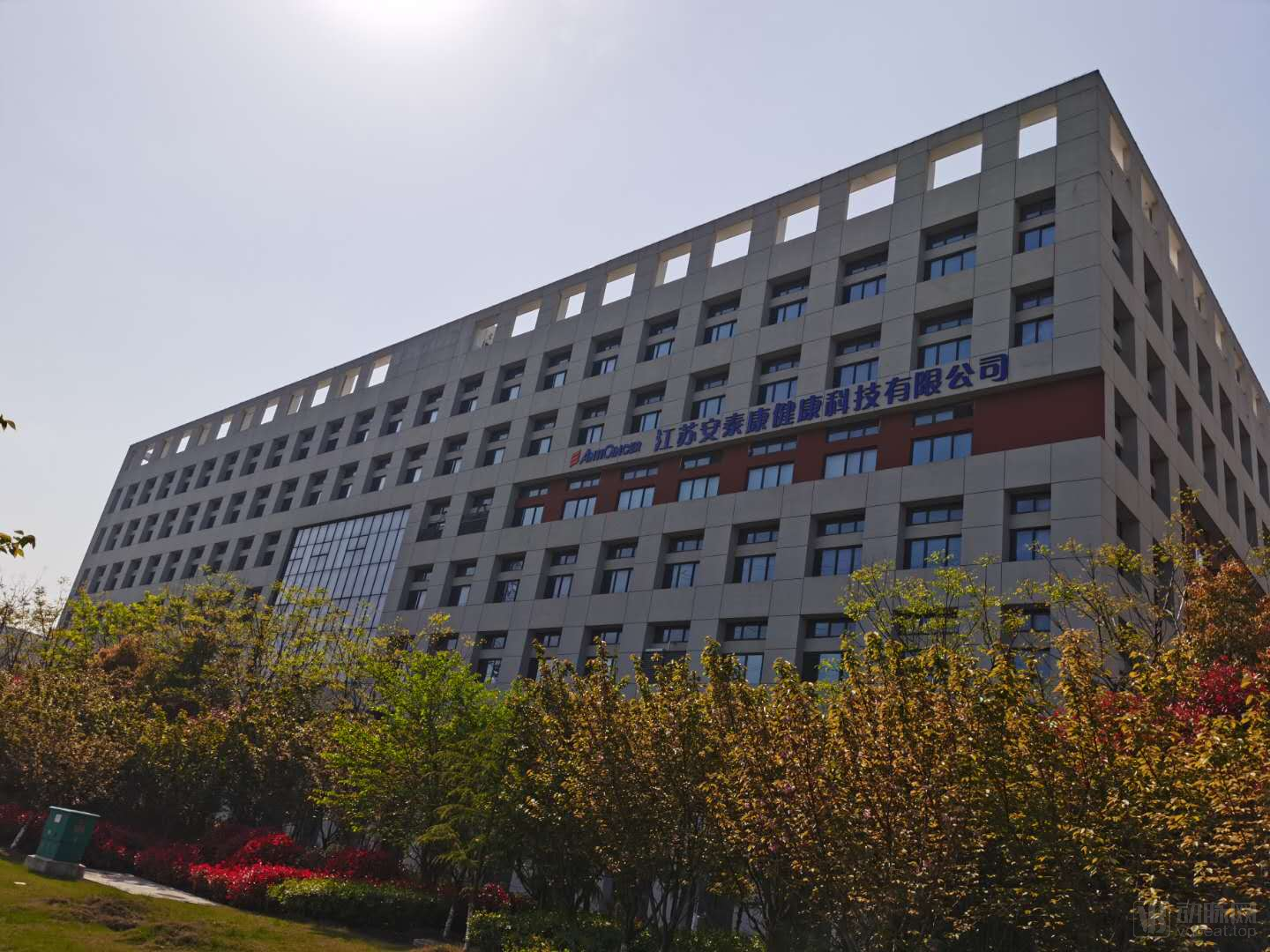
Founded in 1984, Anticancer, Inc. (AC) is a research-oriented enterprise specializing in anticancer drug screening, efficacy evaluation, and pharmacological research technologies. Over the past three decades since its establishment, AC has secured more than 50 grants from the National Institutes of Health (NIH), filed 166 patents, and published over 800 SCI-indexed papers. In 2008, Antaikon China (ACB) was established. In October 2018, Antaikon China (ACB) was restructured into Antaikon Biotechnology. Anticancer, Inc. (AC) has authorized Antaikon Biotechnology to industrialize its patent technologies related to drug sensitivity testing in China. Concurrently, Antaikon Biotechnology engages in independent research and development, focusing on the development of products for personalized and standardized oncology diagnosis and treatment, as well as providing preclinical contract research services for anticancer drugs.
How to Achieve Personalized Diagnosis and Treatment of Tumors?
Antaikon Biotechnology’s solution leverages the globally pioneering HDRA (Histoculture Drug Response Assay) technology for in vitro drug sensitivity testing of tumor tissues, which was developed by the University of California and validated through years of research, as well as PDOX (Patient-Derived Orthotopic Xenograft) technology, including patient-derived orthotopic xenograft and metastatic tumor models. By integrating these platforms with independent innovation, Antaikon provides oncology clinical practice with anti-cancer drug sensitivity testing products and technical services that feature high evaluability, high fidelity, and strong clinical concordance. This approach enables the customization of optimal treatment plans for individual patients, thereby realizing true personalized precision medicine.
“HDRA is the optimal ex vivo culture system for maintaining patients’ physiological states, featuring high fidelity and a high clinical concordance rate. It can reduce the risk of postoperative recurrence and metastasis, prolong progression-free survival and overall survival, and deliver significant benefits to patients,” stated Tian Li. Antaikon Biotechnology holds the global exclusive patent for HDRA technology. This technology has been validated by more than 200 research studies, covers all solid tumor types, and has achieved a 100% evaluability rate with over 90% clinical concordance in tens of thousands of clinical cases in South Korea.
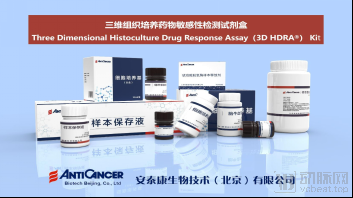
Leveraging its 3D-HDRA technology platform, Antaikon Biotechnology has developed an in vitro culture-based drug sensitivity testing kit applicable to various sample types from all solid tumors, including small surgical tissue specimens, biopsy tissues, body fluids (pleural effusion, ascites, cerebrospinal fluid), and circulating tumor cells. The company has obtained a Class I Medical Device Production Filing Certificate from Jiangsu Province. The kit can assess sensitivity to chemotherapy agents, targeted therapies, hormonal drugs, immunotherapies, and combination regimens, providing patients with real-time, dynamic drug sensitivity testing, prediction, and resistance monitoring throughout the entire course of their disease.
“HDRA has a wide range of clinical applications and is suitable for drug sensitivity testing in patients with various types of cancer at different stages,” Tian Li explained. “Preoperatively, the HDRA method can be used to screen for drugs and drug combinations, enabling rapid control of lesions before surgical intervention, followed by precise postoperative pharmacotherapy. Postoperative HDRA-based drug screening helps effectively eliminate residual lesions, disseminated tumor cells, and micrometastases, thereby reducing the risks of recurrence and metastasis. It can also be applied to screen for drugs and drug combinations in patients with advanced-stage cancer, as well as to formulate combined treatment strategies. This approach allows for the development of the most beneficial treatment regimen in the shortest possible time, avoiding trial-and-error therapy, securing valuable treatment time and opportunities for patients, and maximizing both overall survival and quality of life.”
Patient-Derived Orthotopic Xenograft (PDOX) Metastatic Tumor ModelThe PDOX model is a patient-derived orthotopic xenograft model established by implanting a patient’s own tumor tissue into mice. It fully recapitulates the biological behavior of the patient’s tumor, including metastasis, and remains the only mouse model to date that can simultaneously and accurately replicate clinical human tumors. The imaging-enabled Patient-Derived Orthotopic Xenograft Metastatic Tumor Model (iPDOX), which integrates bioluminescence imaging, utilizes in vivo fluorescence imaging systems to enable non-invasive, real-time, and dynamic monitoring of a series of biological processes, including tumor proliferation, dormancy, apoptosis, invasion, metastasis, angiogenesis, and interactions between host and tumor cells. This model is employed for in vivo drug sensitivity testing or for evaluating the efficacy of various novel cancer therapies.
“By combining iPDOX with in vivo imaging technology, non-invasive, visualized, dynamic, and quantitative detection can be achieved at the whole-body, local, tissue, cellular, subcellular, and genetic levels. This approach fully simulates tumor growth, invasion, metastasis, drug response, metabolism, and pharmacokinetics in patients,” stated Tian Li. PDOX and iPDOX can authentically recapitulate tumor biological characteristics, enabling the prediction of potential metastasis and the simultaneous screening of drugs that are effective against both primary and metastatic cancers, or specifically effective against each. This is particularly valuable for postoperative screening of targeted anti-metastatic therapies, which can effectively inhibit metastasis and prolong progression-free survival.
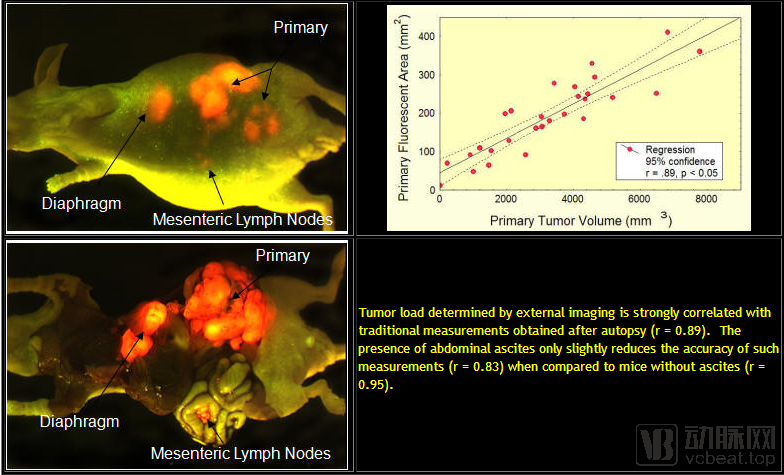
Visualization of Pancreatic Cancer In Situ and Metastatic Modelsand Quantitative Tumor Detection
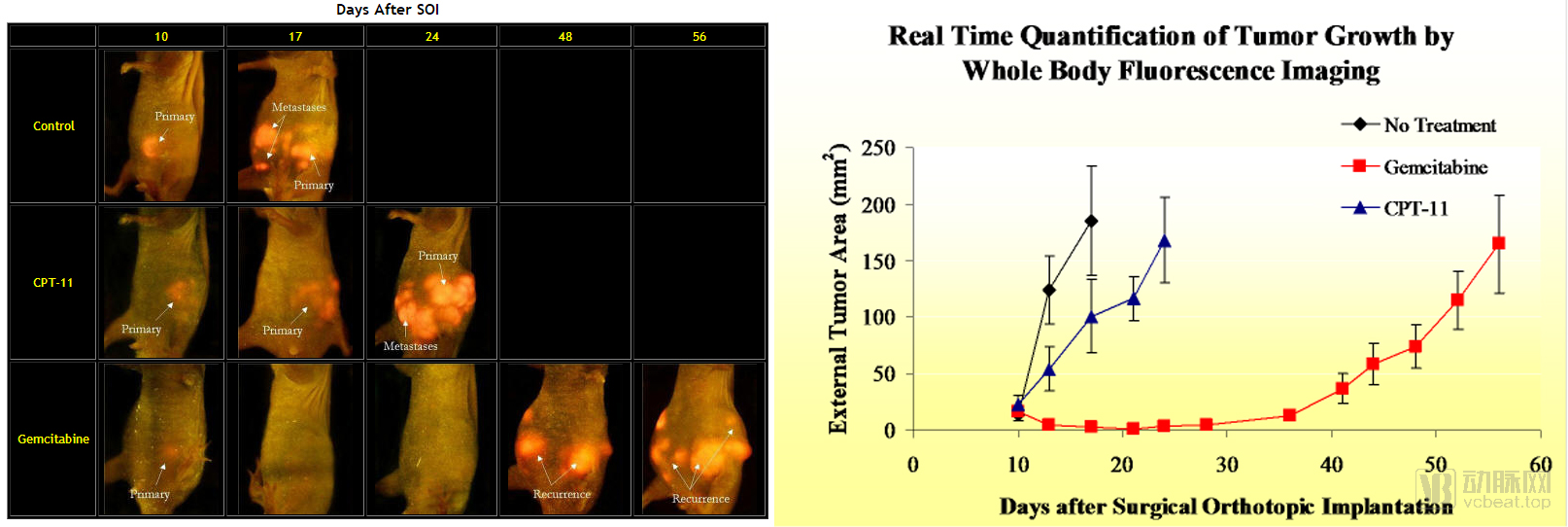
Therapeutic Efficacy of Different Drugs on Primary and Metastatic Tumors in Pancreatic Cancer Mouse Models
In addition to providing personalized oncology medication regimens, Antaikon Biotechnology also offers pharmaceutical companies and research institutions services in the screening of anticancer and anti-metastatic drugs, pharmacological research, and efficacy evaluation. These services aim to maximize the success rate of anticancer drug development while reducing R&D costs, with a particular focus on supporting the visualized, high-throughput, and precise screening and evaluation of anti-metastatic agents, drugs targeting the tumor microenvironment and stroma, and anti-angiogenic therapies. The company supports research into the initiation and progression of tumors, as well as the effects of drugs on tumor growth, metastasis, angiogenesis, gene expression, the microenvironment, and stroma, along with related mechanistic studies and the development of novel biomarkers. Antaikon has served global pharmaceutical giants such as GSK, Gilead, Merck, Baxter, and Abbott, collaborating on multiple research projects.
Antaikon Biotechnology’s decision to focus intensively on tumor drug sensitivity testing is directly attributable to the strong “technical DNA” of its team: Honorary Chairman Dr. Robert Hoffman holds a Ph.D. in Biology from Harvard University, serves as a Professor in the Departments of Pediatrics and Surgery at the University of California, San Diego, and acts as an Editorial Advisory Board Member for AntiCancer Research and Journal of Fluorescence Guided Surgery, Associate Editor for Clinical Cancer Research, and Academic Editor for PLOS ONE.
Tian Li, Chairman and Executive President, has 25 years of experience in the research and development, manufacturing, and sales of pharmaceuticals, medical devices, and diagnostic reagents. From 2012 to 2018, he served as General Manager of Beijing Lier Biomedical Technology Co., Ltd., where he led his team to successfully achieve the industrialization of circulating tumor cell (CTC) detection products, establishing Lier Biomedical as an industry leader.
Dr. Yang Meng, Vice Chairman and Chief Scientist, conducted postdoctoral research in surgical oncology at the Department of Surgery, University of California, San Diego. Her research focused on molecular imaging detection of in vivo gene expression, particularly in vivo molecular imaging of cancer models, tumor angiogenesis, tumor-host interactions, in vivo drug screening, and personalized precision cancer therapy. She has served as Principal Investigator for multiple projects funded by the National Institutes of Health (NIH) and as a panel member for project reviews at the National Cancer Institute (NCI). To date, she has published more than 90 SCI-indexed papers in high-impact scientific journals such as Cell, Cancer Cell, PNAS, and Cancer Research. She is the inventor of multiple patents in the United States and China, some of which have been applied to in vivo drug screening.
CTO Sun Xiaojiao holds a Ph.D. in Molecular Biology from Peking Union Medical College and completed her postdoctoral research at the School of Pharmaceutical Sciences, Peking University. She is primarily responsible for driving technological updates and iterations, leading the R&D of novel tumor tissue culture and in vitro reconstruction technologies, improving the culture of specimens derived from various solid tumors, achieving breakthroughs in circulating tumor cell (CTC) culture technology, and optimizing PDOX technology. Dr. Lu Zhongyi, R&D Director, holds a Master’s degree from the College of Biological Science and Engineering at Fuzhou University and a Ph.D. from Kumamoto University in Japan. He has ten years of experience at AntiCancer Inc. in the United States, specializing in in vitro and in vivo efficacy analysis and drug sensitivity studies for oncology.
Since its restructuring, Antaikon Biotechnology has been committed to promoting the industrialization of research achievements and providing standardized services. In May 2019, Antaikon Biotechnology initiated the standardization, model development, and industrialization of its HDRA, PDOX, and iPDOX technologies in China. In December 2019, construction of its production base in China Medical City, Taizhou, Jiangsu Province, was completed, and its 1,500-square-meter purified GMP workshop passed acceptance inspection. In 2020, the company launched hospital-side sales of HDRA products and expanded its PDOX technical services.
Regarding future development, Tian Li stated that Antaikon Biotechnology will continue to leverage its HDRA and PDOX technologies, pursue independent innovation, and refine both in vitro and in vivo tumor modeling techniques. The company aims to establish biobanks of live tumor tissues and living samples, as well as a drug sensitivity database, while achieving circulating tumor cell (CTC) modeling. It will also focus on developing novel tumor biomarkers and therapeutic targets, continuously iterating its products and accelerating the industrialization of research outcomes, with the goal of becoming an integrated diagnostic and therapeutic enterprise specializing in personalized cancer treatment.