

FDA Approves Sodium Oligomannate (GV-971) for Direct International Phase III Clinical Trial in Alzheimer’s Disease
On April 8, Greenvalley Pharmaceutical received official notification from the U.S. Food and Drug Administration (FDA) approving the Investigational New Drug (IND) application for the international multicenter Phase III clinical trial of its original new drug for Alzheimer’s disease, Sodium Oligomannate capsules (brand name: Jiuqi Yi®; English name: Sodium Oligomannate). The approval became effective on April 3.
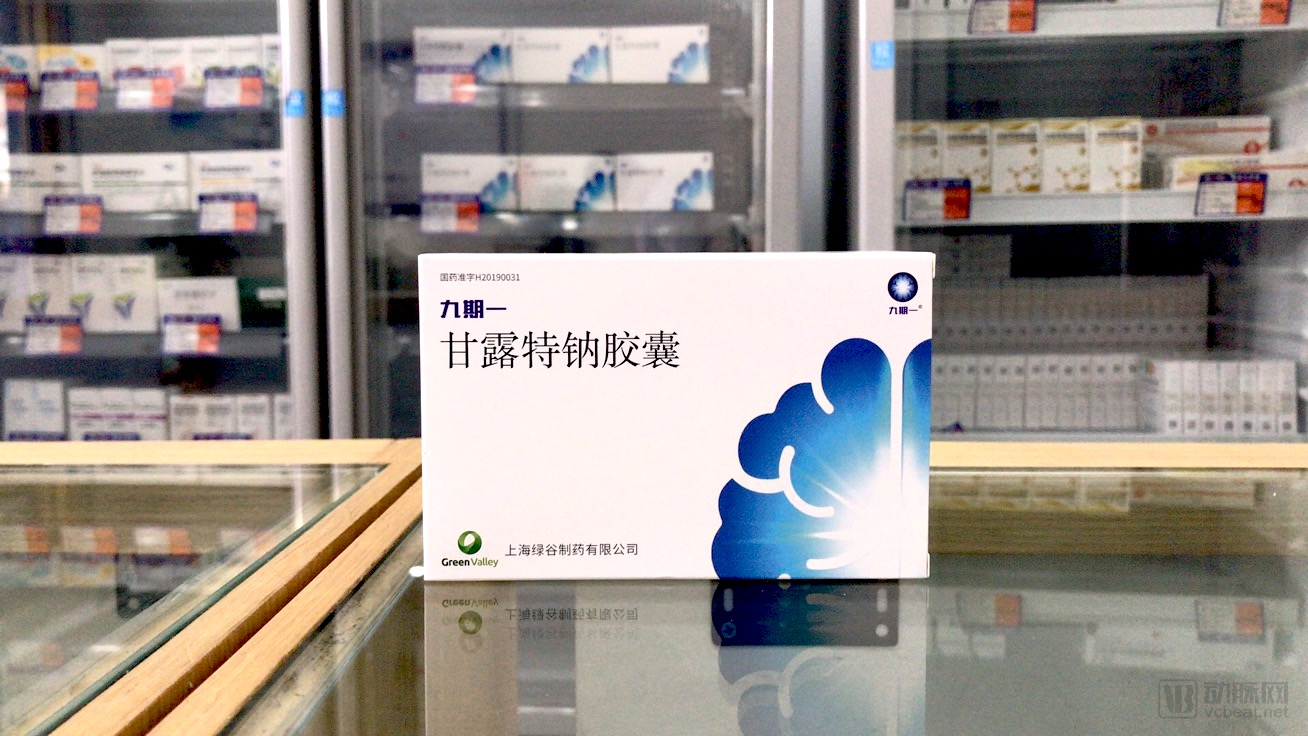
GV-971® is a low-molecular-weight acidic oligosaccharide compound derived from marine brown algae extracts. Studies on its mechanism of action have demonstrated that GV-971® improves cognitive impairment by reshaping the balance of gut microbiota, inhibiting the abnormal increase of specific microbial metabolites, reducing peripheral and central inflammation, and decreasing β-amyloid deposition and tau protein hyperphosphorylation. A growing body of international research has confirmed a strong association between gut microbiota and the pathogenesis of diseases such as Parkinson’s disease, depression, and autism spectrum disorder. On November 2, 2019, China’s National Medical Products Administration granted conditional approval for the marketing of GV-971®, indicated for “the treatment of mild to moderate Alzheimer’s disease to improve patients’ cognitive function.”
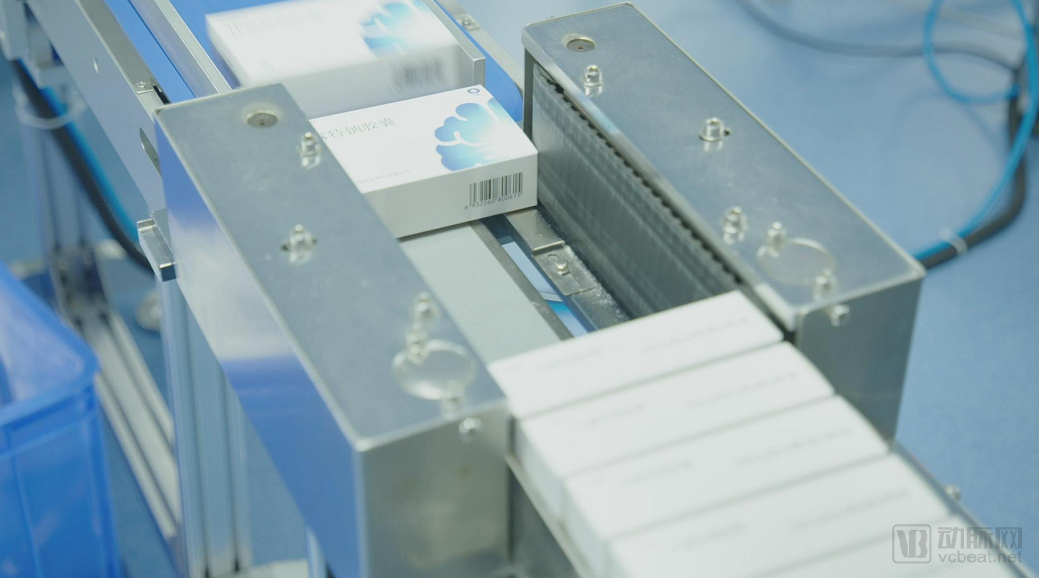
Based on its Phase III clinical trial data in China, Green Valley Pharmaceutical directly applied to the FDA for approval to conduct an international multi-center Phase III clinical trial for GV-971® (Oligomannate). The approval was granted, accelerating the drug’s market launch process and bringing new hope to more Alzheimer’s disease patients overseas.
Experts note that it is rare for a new drug to be directly approved for Phase III clinical trials in the United States based on the FDA’s historical practices. GV-971® can be regarded as another Chinese “fast-tracker” in the history of FDA new drug applications.
The international, multicenter Phase III clinical trial of GV-971® will continue to engage IQVIA (formerly Quintiles), the world’s largest contract research organization (CRO) in pharmaceutical clinical trials, for project management. The study plans to enroll more than 2,000 patients with mild-to-moderate Alzheimer’s disease as participants and will be conducted across 200 clinical centers in North America, the European Union, Eastern Europe, and the Asia-Pacific region. It includes a 12-month double-blind trial followed by a 6-month open-label extension, aiming to further validate the clinical value of GV-971®. The clinical trial protocol is led by Professor Jeffrey Cummings of the Cleveland Clinic in the United States, a recipient of the Bengt Winblad Lifetime Achievement Award (2018) from the Alzheimer’s Association, who also serves as Chair of the Scientific Advisory Committee (SIC). Principal Investigators (PIs) include globally renowned experts such as Martin Farlow, Jose Molinuevo, and Bruno Vellas. In China, the PIs are Professor Jia Jianping from Xuanwu Hospital of Capital Medical University and Professor Xiao Shifu from the Shanghai Mental Health Center.
All international multicenter Phase III clinical trials are scheduled to be completed in 2024, with the aim of submitting the new drug registration application in 2025.
About Alzheimer's Disease
Alzheimer’s disease (AD) is a neurodegenerative disorder of the central nervous system that occurs in old age and the pre-senile period, characterized by progressive cognitive dysfunction and behavioral impairment. Clinical manifestations include memory impairment, aphasia, apraxia, agnosia, visuospatial deficits, impaired abstract thinking and calculation, as well as changes in personality and behavior.
The World Alzheimer Report 2018 shows that a new case of dementia occurs globally every three seconds. There are currently at least 50 million people living with dementia worldwide. By 2050, this number is projected to reach 152 million, with approximately 60%–70% of these cases being Alzheimer’s disease.
In China, there are currently approximately 10 million patients with Alzheimer’s disease, and the number of affected individuals is projected to exceed 40 million by 2050—more than the entire population of Canada.
As of 2018, the elderly population aged 60 and above in China accounted for 17.9% of the total national population, and those aged 65 and older are projected to become the fastest-growing age group in the coming years. The period after age 65 also represents the peak incidence window for Alzheimer’s disease. The rapidly aging population and the heavy caregiving burden constitute urgent challenges that society must currently confront.
Statistics show that the global cost of treatment and care for Alzheimer’s disease patients reached $1 trillion in 2018. In China, the average annual expenditure per Alzheimer’s patient is RMB 130,000, with more than 67% attributed to non-direct medical costs such as transportation, accommodation, and daily home caregiving expenses.