

Zhihai Medical Files Prospectus to Expand Personalized Medicine Through Genetic Testing in China's Growing ICL Market
Under the guidance of tiered diagnosis and treatment policies and medical insurance cost-containment measures, the third-party medical testing market has experienced rapid growth in recent years.
According to data from Jingzhun Research Institute, the third-party medical testing market has achieved a compound annual growth rate (CAGR) of over 30%. In 2017, the total revenue of the third-party medical testing market was approximately RMB 12 billion, with a penetration rate of less than 5%, significantly lower than the roughly 50% penetration rate observed in developed countries. Consequently, China’s Independent Clinical Laboratory (ICL) industry boasts broad prospects for development.
Zhihai Medical Laboratory (hereinafter referred to as “Zhihai Medical”), located in the Industrial Park of Gaochun Economic Development Zone in Nanjing, is the first third-party medical testing laboratory established in Gaochun District with approval from the Nanjing Municipal Health and Family Planning Commission. It is an independent laboratory specializing in molecular diagnostics, medical microbiology, real-time PCR, and third-generation gene sequencing technologies. The laboratory actively conducts a variety of genetic screening programs, provides patients with accurate and comprehensive diagnostic reports and personalized treatment plans, and offers comprehensive services for disease prevention and health management.
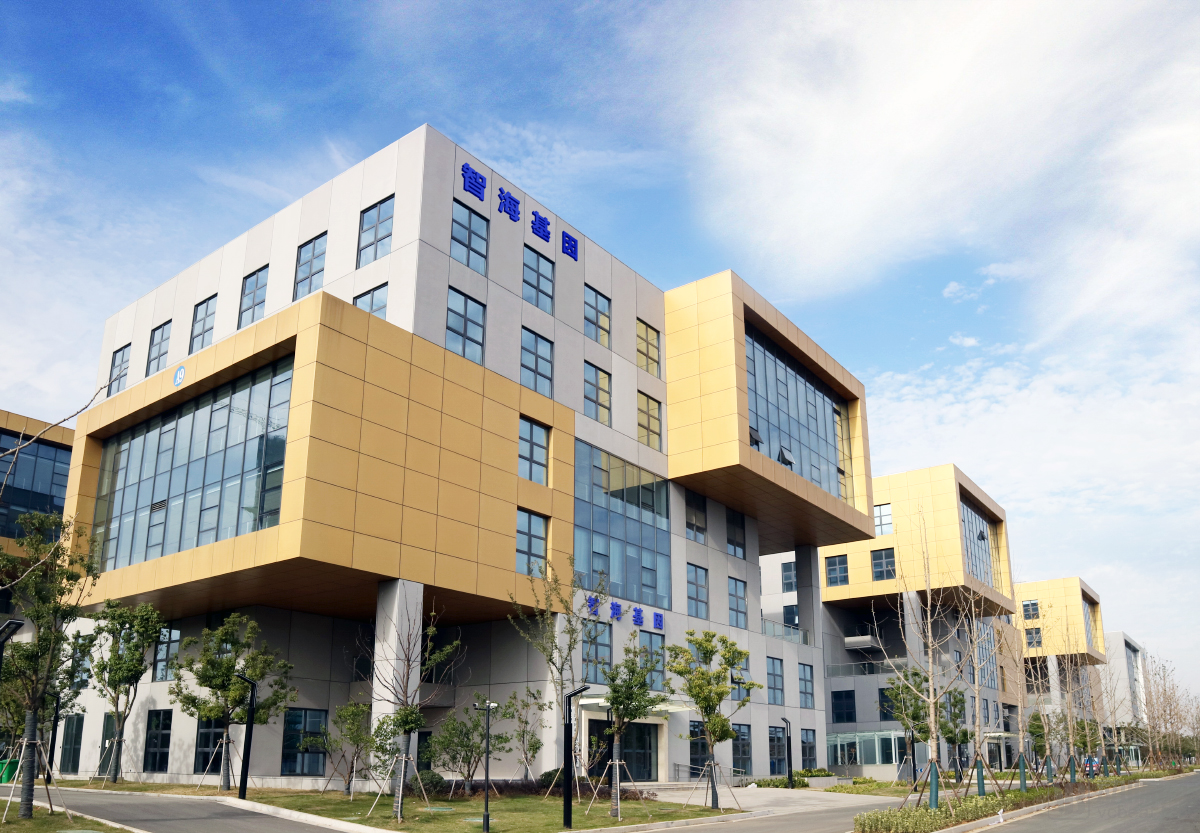
Over the past decade, Zhihai Medicine has accumulated extensive experience in molecular genetic medical testing and has established collaborations with 15 hospitals, including Peking Union Medical College Hospital and the PLA General Hospital (301 Hospital). Its partner network spans Beijing, Shanghai, Yangzhou, Kunshan, and other regions. What advantages have driven these achievements? What lessons can be drawn from this experience? And what are the company’s future development plans? To address these questions, VCBeat conducted an exclusive interview with Sun Tianci, a person in charge at Zhihai Medicine’s laboratory.
There are still significant opportunities in the third-party medical testing market.
Since the 1990s, independent clinical laboratories (ICLs) have been continuously emerging in China. To date, the domestic third-party medical testing market is highly competitive with a relatively complete supporting infrastructure. Leading ICL companies, represented by Dian Diagnostics, KingMed Diagnostics, Adicon, and Da An Gene, have established more than 100 independent medical testing laboratories across China and account for over 70% of the third-party medical testing market. However, while the competitive landscape among top-tier players in the third-party medical testing sector remains stable, there are many areas requiring optimization in the lower-tier healthcare market, leaving room for innovative business models. For instance, tens of thousands of primary healthcare institutions have struggled to benefit from the booming development of third-party medical testing.
Zhihai Medical’s medical diagnostic laboratory is equipped with the most advanced clinical diagnostic devices in China, including: four analysis modules of the Hitachi LST008as fully automated biochemical analyzer, the Abbott Alinity ci fully automated chemiluminescent immunoassay analyzer, the Sysmex fully automated hematology analyzer, and the Biobase 8001 fully automated enzyme immunoassay analyzer.
“By integrating real-time fluorescent dynamic gene detection analyzers, third-generation gene sequencers, and other supporting medical diagnostic equipment, Zhihai Medicine has established a comprehensive medical laboratory that leverages molecular biology research to drive clinical diagnostic programs. This enables the company to provide full-spectrum medical testing services for hospitals and other healthcare activities across scientific research, teaching, and routine clinical diagnosis,” stated Sun Tianci. He added that Zhihai Medicine has currently implemented genetic sequencing screening for multiple diseases, focusing on common conditions.
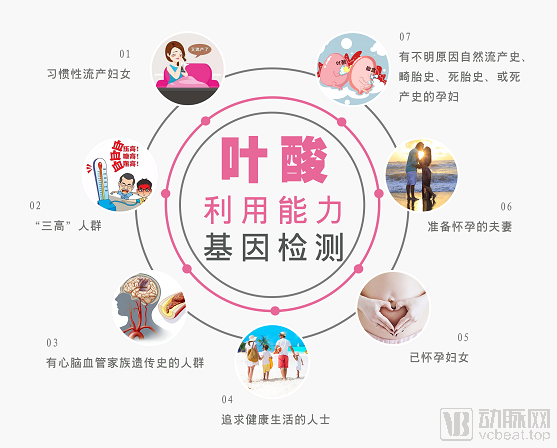
Take stroke as an example. According to the "Report on Cardiovascular Diseases in China 2016," there are currently 13 million stroke patients in China, with 2.5 million new cases and 1.9 million deaths from stroke each year. Stroke is the leading cause of death among the Chinese population.
Stroke often has an acute onset, with most cases occurring during rest or sleep. Patients present with clinical symptoms such as facial droop, dysarthria, and hemiplegia.
Behind this severe disease, the difficulty in diagnosing symptoms is one of the fundamental problems that prevent effective treatment of stroke. It is unpredictable before signs appear; some patients may experience clinical symptoms of transient ischemic attack (TIA) in the early stages, such as dizziness, temporary limb numbness, and weakness. For stroke prevention, Zhihai Medicine adopts the method of testing for the MTHFR gene C677T genotype. Based on the results of the MTHFR genotype and homocysteine levels, doctors can develop personalized dietary and medical plans for patients. By targeting the folate metabolism pathway, increasing folate intake, or supplementing with folic acid, vitamin B6, and vitamin B12, homocysteine (Hcy) levels can be easily reduced and folate levels maintained within the normal range, thereby fundamentally preventing cardiovascular and cerebrovascular diseases such as stroke.
“By implementing proactive preventive screening for drug-induced hearing loss, we guide the safe use of medications in children and enable precise prevention, thereby averting tragedies where a single injection leads to deafness,” Sun Tianci told VCBeat. The A1555G and C1494T mutation sites in the mitochondrial 12S rRNA gene are the two loci most strongly associated with drug-induced hearing loss. Sensitive individuals carrying these deafness-causing genetic mutations can develop hearing loss upon exposure to even small or trace amounts of aminoglycoside antibiotics and other such drugs. Drug-induced hearing loss is typically bilateral and permanent, often irreversible, and currently lacks effective treatments; therefore, proactive prevention is critically important.
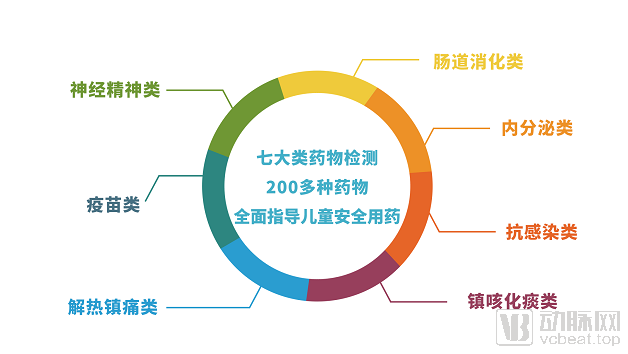
In addition, genetic testing for pediatric medication safety can help parents and physicians select more appropriate medications for children, adjust dosages, and properly combine different drugs, thereby minimizing adverse effects while achieving better therapeutic outcomes.
“Building on our routine quantitative assay of 28 tumor-associated protein biomarkers, we also offer a 30-item Tumor Early Warning Panel. This panel employs genetic testing to detect cellular gene mutations in advance, providing accurate and comprehensive early-warning screening tailored to the high-incidence and high-mortality cancers in China, as well as gender-specific prevalent tumors. Based on the screening results, we provide personalized interpretations for each client, offer guidance for healthy living, and conduct regular follow-up consultations. Our aim is to promote the development of the genetic testing industry, mitigate the harm caused by high-incidence cancers, and alleviate the financial burden of medical care on families,” stated Sun Tianci.
The reason for its deep penetration into the genetic testing industry lies in the strong team background of Zhihai Medicine.
Currently, the academic team at Zhihai Medicine comprises 35 members. Dr. Tang Yongming, Director of the Laboratory, serves as the Chief of the Department of Clinical Laboratory at the Air Force Hospital of the Eastern Theater Command of the Chinese People's Liberation Army (PLA). He is a Chief Physician, a member of the Scientific Committee of the former No. 454 Hospital, and a committee member of the Nanjing Society of Laboratory Medicine. Dr. Wang Jing, Director of the Project Evaluation Center, completed her postdoctoral fellowship at the New York Blood Center in the United States. She is an Associate Chief Physician, a distinguished talent under the PLA’s “122 Project,” and Director of the Central Laboratory at the Air Force Hospital of the Eastern Theater Command. Dr. Wang has published more than 30 papers in academic journals.
Wei Jin, a member of the laboratory expert panel and a committee member of the Pathology Specialty Branch of the Nanjing Medical Association, is a Chief Physician with over twenty years of experience in clinical laboratory medicine. He possesses profound expertise in pathology and extensive experience in the pathological diagnosis of tumors. Xie Ping, Director of the Department of Pathology, holds a Ph.D. in Pathology from Peking Union Medical College and serves as an Associate Chief Physician. He previously held the position of Laboratory Director of the Department of Pathology at Shanghai KingMed Diagnostics, bringing rich experience in clinical pathological diagnosis.
Regarding future development, Sun Tianci stated that Zhihai Medicine will undergo a strategic upgrade to focus on the broader health sector, and expand its facilities, including the microbiology laboratory, clinical subcutaneous laboratory, gene amplification laboratory, and Diabetes Research Institute.
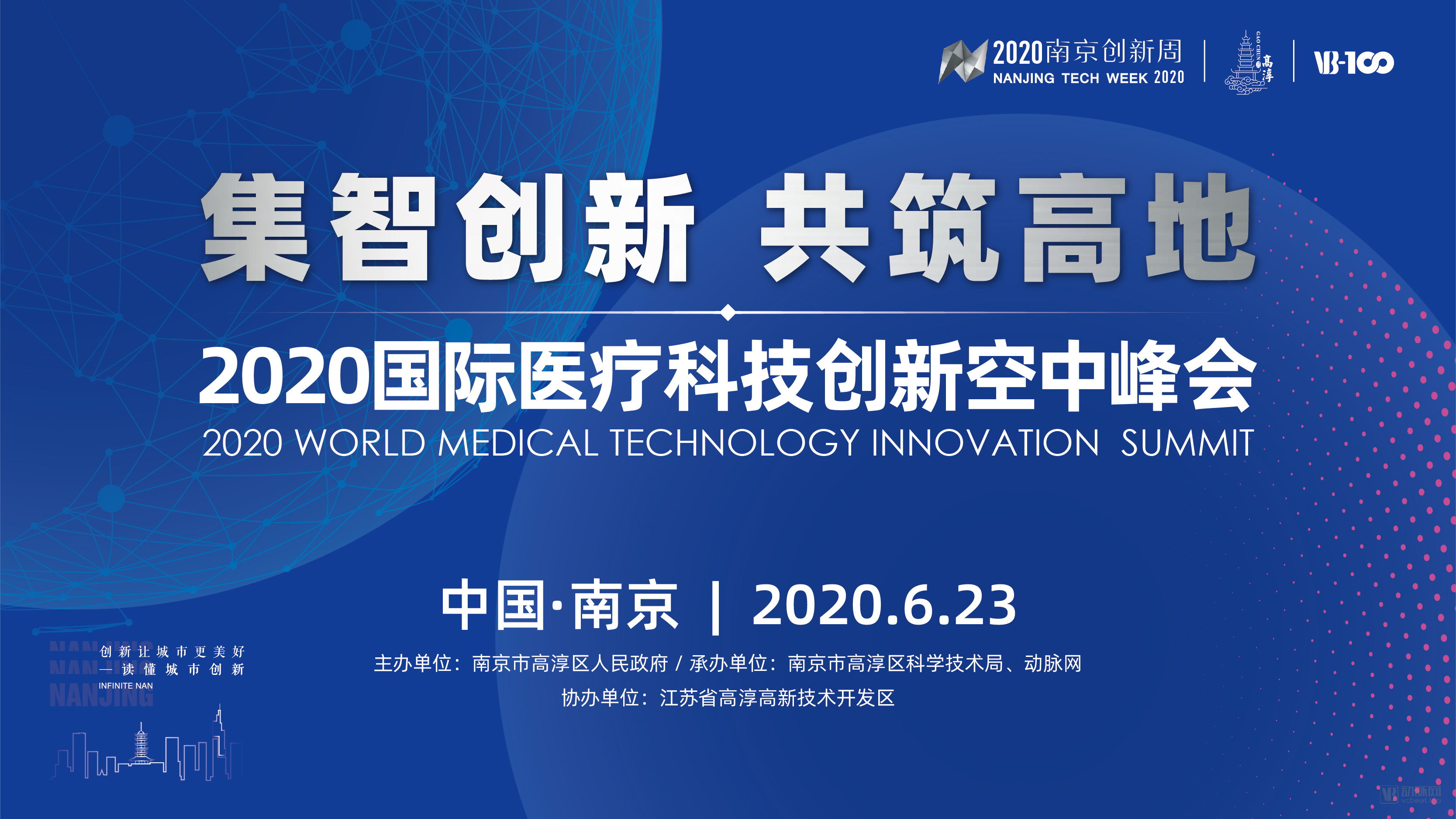
This summit willInvitationNobel Laureate in Physiology or Medicine, Academician of the National Academy, Founder of a Leading Medical Device Enterprise, Distinguished Innovative Entrepreneur, and Senior InvestorFocusing on the Medical Device Industry Driven by Technology and Capital, centered aroundIVD, High-Value Consumables, and High-End Imaging Equipmentand other key areas, with a focus onTechnological Innovation Accelerates the Replacement of Imported Products with Domestically Produced OnesandInvestment Opportunities in Medical Devices Emerge Against the Backdrop of New Infrastructure DevelopmentExpand the discussion.