

XRHealth Secures $7 Million Series A Funding to Expand Its VR-Based Remote Healthcare Platform

Bridges Israel
Venture Capital Firms

20/20 HealthCare Partners
Global Investment Group

Flint Capital
International Venture Capital Fund

XRHealth
Virtual Treatment Service Platform Provider
In 2020, the surprise outbreak of the novel coronavirus became a global catastrophe. This pandemic enveloped everyone in an invisible web, confining individuals to limited spaces. All industries were affected. Objectively speaking, while the pandemic proved fatal for some sectors, it ushered in new opportunities for others.
Undoubtedly, the healthcare sector has received the most attention during this pandemic. After leading the public through the crisis, the government’s top priority will be to streamline administration and address shortcomings revealed in epidemic prevention and control. Scientists will undoubtedly need to engage in more robust efforts against viruses, while healthcare entrepreneurs are focusing on medical innovations with greater growth potential. Achieving high-quality telemedicine serves as an excellent entry point for such advancements.
In this context,XRHealth, a VR startup building a remote therapy platform, recently announced the completion of a new $7 million funding round. The proceeds will be used to expand its telehealth platform for VR headset users.
The lead investors in this funding round were Bridges Israel, Flint Capital, and 20/20 HealthCare Partners. According to data from VCBeat, the company’s total fundraising to date has reached $15 million.

XRHealth's Historical Financing Rounds
Before delving into XRHealth, let us first briefly clarify the related concepts of VR, AR, MR, and XR.
Virtual Reality (VR) – Virtual Reality is a technology that uses computers to simulate a three-dimensional virtual world, providing users with sensory simulations of vision, hearing, and touch, enabling them to feel fully immersed and observe objects within the 3D space in real time and without limitations.
Augmented Reality (AR) – Augmented Reality is a new technology that “seamlessly” integrates information from the real world with that from the virtual world. It leverages computer-based technologies to simulate and superimpose physical information (such as visual, auditory, olfactory, and tactile data) that is otherwise difficult to experience within specific temporal and spatial constraints in the real world. By applying virtual information to the real world so that it can be perceived by human senses, AR delivers sensory experiences that transcend reality. Real environments and virtual objects are superimposed in real time, coexisting within the same visual frame or space.
Mixed Reality (MR) – Mixed Reality is an advanced evolution of virtual reality technology. By integrating real-world scene information into virtual environments, this technology establishes an interactive feedback loop among the virtual world, the real world, and the user, thereby enhancing the realism of the user experience.
Extended Reality (XR) – CinematicReality, or "Cinematic Reality," refers to virtual scenes that are as realistic as cinematic special effects. Extended Reality (XR) denotes a human-computer interactive environment that blends real and virtual elements, generated through computer technologies and wearable devices. Extended Reality encompasses Augmented Reality (AR), Virtual Reality (VR), and Mixed Reality (MR).
Typically, our perception of VR, AR, MR, and related technologies remains confined to the gaming sector. In reality, the market has long been optimistic about integrating telemedicine with VR technology. However, industry growth has been slow and uneven, as off-the-shelf consumer-grade VR headsets are often difficult to use, while the development costs for specialized hardware remain prohibitively high.
The outbreak of the pandemic has significantly increased the demand for telemedicine, further strengthening community attention toward VR-based healthcare.Virtual Reality Is No Longer Just for Gaming. More and more people are recognizing the powerful potential of VR as a non-pharmacological alternative to traditional healthcare.
XRHealth, founded in 2016 and headquartered in the Boston area of Massachusetts, USA, is the first certified virtual reality (VR) medical company to develop FDA/CE-registered medical applications.

XRHealth has built an XR platform that integrates medical applications with advanced data analytics. Its products focus on motor function, cognition, psychology, physical mobility, pain assessment, and treatment, dedicated to providing comprehensive solutions for clinicians and patients.XRHealth strives to empower healthcare providers to precisely tailor treatments in an engaging and interactive manner, adapting to patients’ individual needs and improving their quality of life.XRHealth’s VR/AR telehealth platform is ISO-certified, FDA-cleared, and HIPAA-compliant.
Eran Orr is the Founder and Chief Executive Officer (CEO) of XRHealth.Meanwhile, he also serves as the CEO of VRHealth USA Inc. Eran holds a Bachelor’s degree in Business and Public Administration from Ben-Gurion University, as well as an MBA in Entrepreneurship and Innovation Management.
In the VR industry, Eran brings extensive experience as the author of “The New Reality in Healthcare,” one of the must-read blogs in the field of VR healthcare. He formerly served as an executive at IAF. Following a prolonged recovery process due to personal reasons, Eran founded XRHealth.
“Virtual reality can alleviate the distress associated with chemotherapy, create a seamless environment for physical therapy exercises, and help children with ADHD improve their focus,” said Eran Orr. “In the past, people’s first association with VR was entertainment and gaming applications. However, we have seen that VR applications are impacting the healthcare industry by improving the lives of many patients and helping physicians provide personalized, comfortable experiences for their patients.”
To date, Eran has filed nine patents, all of which are related to data analytics and VR.
Currently, infections with the novel coronavirus are continuing to rise, with new cases being identified worldwide.According to data from the World Health Organization, nearly 3 million confirmed cases have been reported globally.To protect uninfected individuals, healthcare institutions must isolate and treat confirmed patients.
During this pandemic, the headsets provided by XRHealth have played a significant role in soothing individuals who have been under long-term isolation.
The process of isolation is isolating and lonely. Psychologists believe that even short-term isolation can have serious mental health impacts on those isolated, thereby reducing their ability to resist disease.XRHealth’s VR headsets enable patients to access virtual tour applications, helping to alleviate the psychological effects of isolation.
“Isolated individuals can put on headsets to relax and visit any place they wish in VR, which will help patients stay connected with the world and better cope with feelings of isolation during quarantine,” said Eran Orr, CEO of XRHealth. “XRHealth’s VR therapy platform offers programs designed to alleviate stress and anxiety, which are clearly among the top concerns for those undergoing treatment for COVID-19.”
After donning the VR headset, the sterile white walls of the isolation ward vanished, replaced by a virtual world within the device. The headset’s screen covers the user’s field of vision with an immersive 360-degree perspective powered by 3D audio technology. Leveraging VR technology, hospital beds are instantly transformed into cascading Niagara Falls, movie theaters screening feature films, or bustling virtual nightclubs; patients can even view Earth from the perspective of the Moon.
Physicians can also interact with patients through 3D avatars. Compared to appearing behind plexiglass doors or in full-body biohazard suits, engaging 3D avatars are more effective at alleviating patients’ tension and anxiety, offering a more social and humanized approach.
Galia Barkai, Head of Telemedicine at Sheba, believes that this VR-based telemedicine service enables individuals under long-term isolation to remain connected with the outside world, undoubtedly helping them maintain better psychological well-being.
Let us shift our focus beyond the pandemic.
For general users, XRHealth’s VR health software platform can be vividly understood as the medical equivalent of “Switch motion-sensing fitness”—using rehabilitation training to replace medication. This telemedicine platform includes immersive, therapeutic applications designed to address a wide range of neurocognitive, emotional, and physical symptoms.For example, it enables users to perform required rehabilitation exercises in VR games, with real-time follow-up by matched professional clinicians.
XRHealth’s AI-powered cloud computing algorithms optimize patient experience and perform real-time data analysis, while its XR platform captures and analyzes user interactions with the virtual environment.XRHealth’s VR headsets can measure users’ movements, enabling them to analyze and quantify their performance, and can also be used for remote monitoring in clinics and homes to facilitate telemedicine.
Because all users' health records and data are centralized on a single platform, their clinicians can clearly assess the therapeutic benefits, conduct real-time video consultations online, manage symptoms, medical history, and rehabilitation goals, and provide corresponding personalized treatment plans.
Users also need not worry at all about the security of the XRHealth platform.All exercise software provided by the XRHealth platform is registered with the U.S. FDA, and all clinicians on the platform are fully qualified. To date, XRHealth has facilitated over 10,000 telemedicine consultations between patients and physicians.
Here are a few simple examples of the applications provided by XRHealth:
Cognitive Training Application: XRHealth offers cognitive training games that precisely measure users' processing speed, attention, and decision-making processes through cognitive exercises targeting executive function and memory, while real-time recording of users' physical conditions and health data.
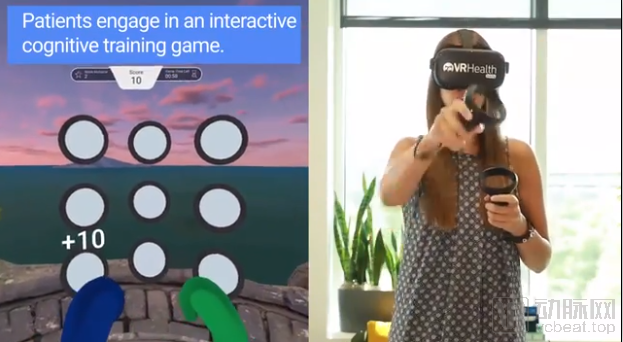
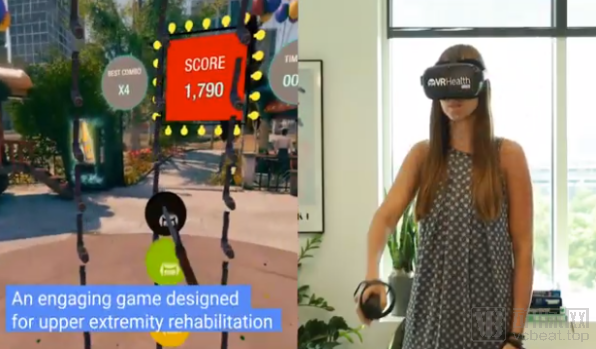
Stress Management: XRHealth offers meditation-based self-pain management, helping patients calm and relax their minds and bodies through guided meditation or breathing techniques. Meanwhile, XRHealth’s VR system enables patients to form groups, with up to 10 participants interacting in sessions hosted by qualified healthcare professionals. By sharing experiences and discussing challenges and fears, this approach helps users cope with and alleviate social isolation.
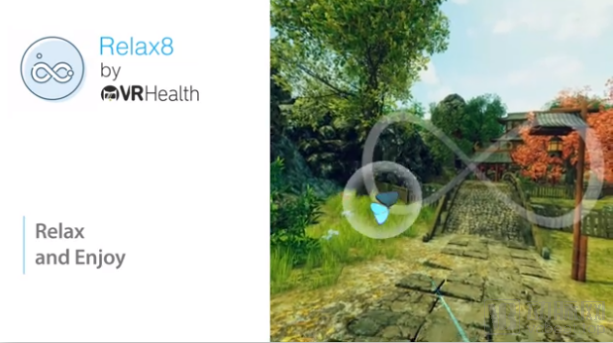
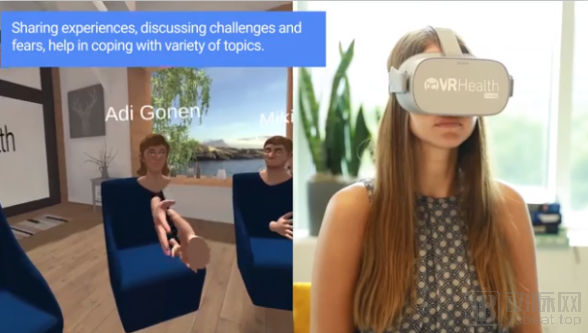
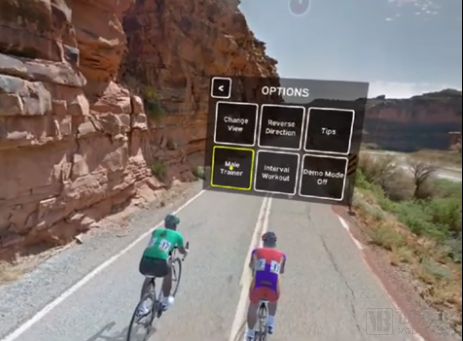
Virtual Workouts, Real Results: XRHealth’s XR virtual scenarios enable users to exercise within an immersive virtual world, free from geographical and spatial constraints. For instance, users can engage in activities such as cycling on a stationary bike in settings like a coastal highway or other environments. The realistic control experience provides both physical and psychological satisfaction. The device’s unique design prevents accidents during workouts, ensuring user safety.
Neck Training Application: XRHealth’s rotational neck exercise application guides users through neck exercises, enabling postoperative recovery and training via real-time interaction with physicians. The program also provides analysis of various measurements and metrics, including range of motion, movement smoothness, and improvement rates. Its precise assessment, assistance, monitoring, and training capabilities ensure the effectiveness of rehabilitation exercises.
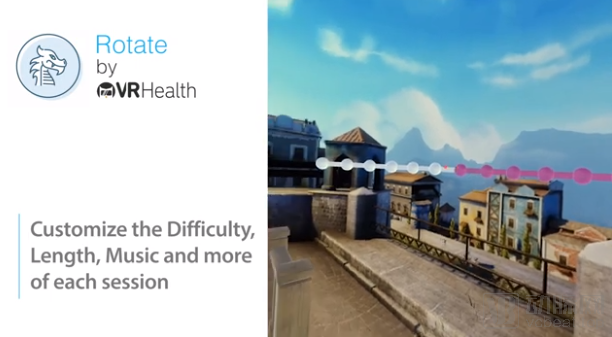
Currently, the medical specialties covered by XRHealth include shoulder, neck, and lower back pain; sports injuries; pain management; stress management; menopause care; stroke rehabilitation; memory training; and traumatic brain injury rehabilitation. In response to the COVID-19 pandemic, XRHealth launched respiratory recovery programs and leveraged its platform’s social features to enable users to join physician-led virtual reality (VR) support groups. The company provides a dedicated portal for healthcare professionals, allowing them to quickly access relevant patient information. All XRHealth training programs can be completed at home, offering significant convenience.

Partial Interface of the XRHealth App
Typically, XRHealth consumers can lease hardware directly from XRHealth to use these applications. During the pandemic, XRHealth waived all leasing fees for consumers and partnered with insurance providers to eliminate copayments, enabling people to access headset-based therapy free of charge.
Currently, the VR devices adopted by XRHealth are all standalone headsets with dual 6DoF tracking, including the Oculus Quest, Vive Focus Plus, and Pico Neo 2. To expand its user base, XRHealth has also opened its software to users of other VR headset brands; they can simply download the corresponding application onto their devices.
XRHealth boasts an impressive roster of major clients. Currently, XRHealth has established technical or platform-based collaborations with multiple companies to jointly promote the application of VR/AR in the healthcare sector.
XRHealth's Customers and Partners
Walter Greenleaf, a behavioral neuroscience scientist at Stanford University, once predicted that healthcare would be the largest market for VR.
According to MarketsandMarkets data, the global market size for AR and VR applications in healthcare was approximately $800 million in 2017 and around $1.56 billion in 2018. The market is projected to reach $6.5 billion by 2025, with a compound annual growth rate (CAGR) of 30.7%. Although the application of AR and VR technologies in the healthcare sector is currently in its early stages, subsequent development is expected to be rapid.
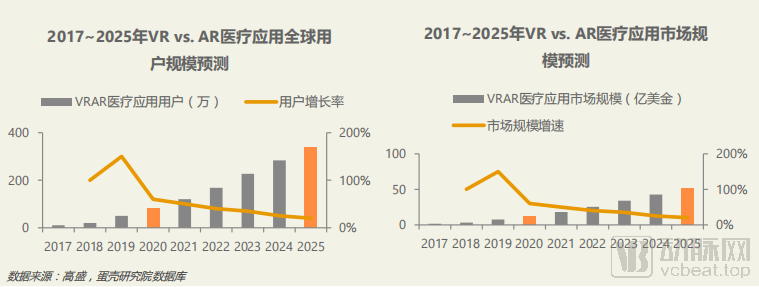
In addition to MarketsandMarkets, research firms such as Zion Market Research and Fortune Business Insights have also released relevant reports, generally agreeing that the market will experience rapid growth in the coming years. The market encompasses various sectors, including hardware (head-mounted displays and tracking systems) and software platforms, with applications in the treatment of mental health disorders, surgical assistance, medical training, and telemedicine.
Major Chinese companies engaged in VR-based medical education and training include Shuili Fang 3D Digital Technology, Yiweixun, and Guangyunda Digital Medical Technology.
Yiweixun is building Surgeek (The Lancet Doctor), an online surgical training platform featuring VR and 3D interaction. The platform primarily consists of two components: 1. Panoramic surgical videos for surgeons’ learning; and 2. 3D interactive simulations. The former allows surgeons to observe procedures, while the latter enables them to perform simulated surgical operations. Shuili Fang 3D Digital Technology focuses mainly on the research, development, and promotion of 3D graphics design, virtualization and simulation, and human-computer interaction technologies in the medical field. Guangyunda Digital Medical Technology integrates digital technology with clinical medicine, possessing independent innovations and core technologies in four areas: medical 3D printers, surgical training simulation using printed human models, VR/AR surgical planning and navigation technologies, and a medical 3D printing cloud platform.
Shenzhen Miaozhi Technology and Beijing Chuhuan Technology perform 3D reconstruction of traditional 2D CT and MRI images, leveraging VR technology for preoperative planning and doctor-patient communication. Companies such as Shenzhen Zhangwang Technology and Shanghai Jiaao Information Technology focus on VR-based clinical assistance systems and have already introduced MR technology for intraoperative guidance.
Regarding the in-depth integration of VR technology and healthcare, several Chinese companies—including Xinjing Technology, MedSci, Yidao VR, Tingsheng Technology, United Imaging Healthcare, and Haoyishu—are actively exploring this field.