

Comprehensive Market Analysis Report on Hand Hygiene Management – Prospectus Filing
Hand hygiene is an umbrella term for handwashing, hygienic hand disinfection, and surgical hand antisepsis. It refers to measures taken to address the risk of cross-infection among healthcare workers during their duties. In an interview, Professor Wu Anhua from Xiangya Hospital of Central South University, who serves as the Chairman of the Hospital Infection Control Branch of the Chinese Preventive Medicine Association, stated that the key to hospital infection prevention and control lies in interrupting transmission routes. In fact, hand hygiene among healthcare personnel is the most important, simplest, most effective, and cost-efficient method for preventing and controlling hospital-acquired infections.
May 5, 2020, marked the 11th World Hand Hygiene Day. In light of this, VCBeat’s article provides an overview of the concept of hand hygiene along with relevant standards and guidelines, while also reviewing the current development status, corresponding strategies, market size, and key participants in the domestic and international hand hygiene markets.
The Origins of Global Hand Hygiene Development
The History of Hand Hygiene Dates Back to the Mid-19th Century.
In 1847, an epidemic of puerperal fever broke out at the Vienna General Hospital. Hungarian obstetrician and gynecologist Ignaz Semmelweis investigated and found that in a hospital where the mortality rate among women with puerperal fever was as high as 10%, staff members were required to perform cadaver dissections for teaching purposes, sometimes proceeding directly from dissecting corpses to assisting in childbirth.
To this end, he proposed that all medical personnel wash their hands with chlorine-based disinfectant before performing any diagnostic or therapeutic procedures. Following this intervention, the maternal mortality rate dropped sharply to below 2%. However, due to limited scientific and technological capabilities, religious beliefs, and other factors, this finding was not accepted by the medical community of the time, and Ignaz Semmelweis ultimately died in despair.
It was not until 1867, when French microbiologist Louis Pasteur (the inventor of pasteurization) discovered streptococci, that Ignaz Semmelweis’s findings began to gain recognition. Subsequently, the medical community identified hemolytic streptococcus as the key pathogen causing puerperal fever, with inadequate hospital disinfection and cross-infection being major routes of transmission. The concept of “hand disinfection” thus entered medical practice.
In recent years, the widespread and extensive use of hormones, immunosuppressants, and broad-spectrum antimicrobial agents has led to the emergence of numerous drug-resistant and mutated bacterial strains. This has necessitated the use of increasingly advanced antibiotics at higher dosages, contributing to a year-on-year rise in global rates of hospital-acquired infections. Drug-resistant bacteria are a significant cause of cross-infections in healthcare settings. The World Health Organization’s “Guidelines on Hand Hygiene in Health Care” identify hand hygiene as a primary measure for reducing healthcare-associated infections and the spread of antimicrobial resistance.
Currently, there are significant variations in the incidence of healthcare-associated infections (HAIs) across different departments in Chinese hospitals. Key departments prioritized for HAI surveillance include intensive care units (ICUs), hematology wards, hemodialysis centers, infectious disease departments, operating rooms, delivery rooms, emergency departments, and sterile supply departments. Among these, ICUs generally exhibit a higher risk of infection compared to other departments. This is primarily attributed to the complexity of infection transmission pathways in ICUs, where healthcare workers’ hands have the highest frequency of contact with critically ill patients during diagnosis, treatment, and nursing care. Consequently, ICUs are subject to more stringent requirements for infection prevention and control, and their hand hygiene facilities must comply with the Regulation for prevention and control of healthcare associated infection in intensive care unit (WS/T 509).
In 1961, the United States began to prioritize hand hygiene, mandating that healthcare personnel wash their hands with soap before and after patient contact, and took the lead globally in formulating and issuing related guidelines.
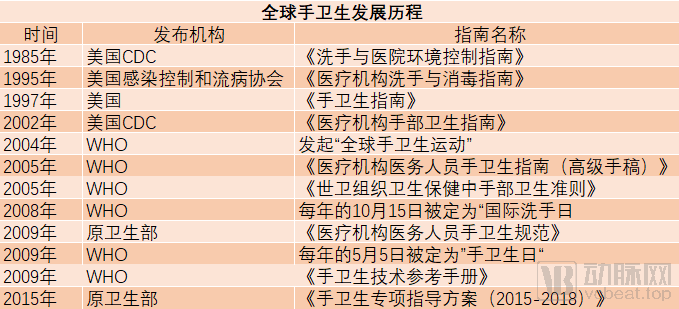
In May 2004, the World Health Organization (WHO) established the World Alliance for Patient Safety, identifying healthcare-associated infections as a primary challenge to patient safety and explicitly recognizing healthcare workers’ hands as a major transmission route for such infections. The goals of global patient safety campaigns in subsequent years have consistently included “preventing healthcare-associated infections through strict adherence to hand hygiene.” Also in that year, spurred by the SARS outbreak, the Department of Medical Administration of the former Ministry of Health initiated the development of the “Guidelines for Hand Hygiene among Healthcare Workers” in collaboration with relevant departments. In the second half of the year, China also established the Chinese Alliance for Patient Safety.
In 2005, to call on the global community to enhance hygiene awareness through the simple yet critical act of handwashing, thereby preventing infectious diseases, the World Health Organization (WHO) designated October 15 each year as “Global Handwashing Day,” urging countries worldwide to promote handwashing with soap. It is important to note that, unlike Global Handwashing Day, which targets the general public, Hand Hygiene Day primarily focuses on hand cleaning and disinfection among healthcare workers in medical institutions, and even patients.
Given the substantial burden and impact of healthcare-associated infections on hundreds of millions of patients worldwide each year, the World Health Organization (WHO) launched the “Global Patient Safety Challenge” with the theme “Clean Care is Safer Care” between 2005 and 2006. As part of this initiative, the WHO also released the WHO Guidelines on Hand Hygiene in Health Care (Advanced Draft) to encourage the prevention of such infections through simple measures.
“The Global Patient Safety Challenge” is a core initiative of the World Alliance for Patient Safety, integrating the WHO Guidelines on Hand Hygiene in Health Care (latest draft) with ongoing efforts in blood safety, injection and immunization safety, safer clinical practices, and safe water, sanitation, and waste management. This campaign addresses issues such as how to improve standards for hand hygiene in health care and how to facilitate successful interventions.
In 2009, the WHO convened a drafting group for the World Hand Hygiene Initiative, which conducted an extensive search of evidence-based literature, compiled, and repeatedly revised the document before promulgating the Technical Reference Manual for Hand Hygiene. Developed using evidence-based medicine methodologies and citing substantial scientific evidence supporting hand hygiene practices, this manual is primarily intended to guide healthcare workers, trainers, and evaluators in performing hand hygiene procedures.
That same year, China’s first “Hand Hygiene Standards for Healthcare Workers” was finally released after five years of development, providing detailed guidelines on how healthcare personnel should “perform hand hygiene properly” in an effort to control the high incidence of nosocomial cross-infections. Globally, the WHO also designated May 5th of each year as “Hand Hygiene Day.”
In 2011, the former Ministry of Health promulgated the Accreditation Standards for Tertiary General Hospitals, in which hospital infection control was established as an independent chapter, and hand hygiene became one of the Ten Patient Safety Goals. In 2013, the Hospital Accreditation Standards issued by the former Ministry of Health also incorporated “hand hygiene facilities, healthcare workers’ knowledge awareness rate of hand hygiene, hand hygiene compliance, and hand hygiene correctness” into key management provisions. In the accreditation standards for secondary hospitals, “3.4.2.1 Healthcare personnel shall strictly adhere to hand hygiene requirements during clinical diagnosis and treatment activities” was designated as a core clause for management.
In 2015, the former National Health and Family Planning Commission promulgated the Quality Control Indicators for Healthcare-Associated Infection Management, incorporating healthcare workers' hand hygiene compliance rate into monitoring.
How to Evaluate the Compliance of Hand Hygiene? The "Standard for Hand Hygiene of Healthcare Workers" issued in China in 2009 clearly stipulates that the effectiveness of hand hygiene disinfection should meet the following requirements: For hygienic hand disinfection, the total bacterial colony count monitored on the surface of healthcare workers' hands should be ≤10 cfu/cm²; for surgical hand disinfection, the total bacterial colony count monitored on the surface of healthcare workers' hands should be ≤5 cfu/cm².
The "Technical Reference Manual on Hand Hygiene" released by the WHO in 2009 introduced the concept of the "Five Moments for Hand Hygiene." These five moments are: before patient contact, before aseptic procedures, after exposure to body fluids, after patient contact, and after contact with the patient's surroundings.
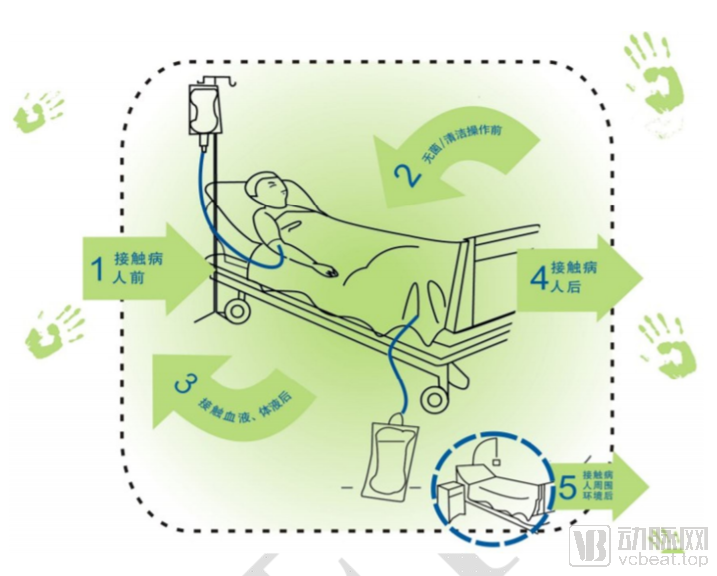
“Five Moments for Hand Hygiene” Diagram. Image source: WHO Technical Reference Manual on Hand Hygiene
To ensure the effective implementation of hand hygiene, healthcare institutions should regularly conduct inspections, monitoring, and feedback on healthcare workers' hand hygiene compliance. The purpose is to assess the level of compliance among healthcare workers, evaluate the types of hand hygiene practices performed, and monitor the quality of hand hygiene procedures.
The WHO’s direct observation method for hand hygiene involves observing healthcare workers’ corresponding hand hygiene practices during the “5 Moments for Hand Hygiene.” This approach employs the most accurate methodology to obtain large-scale data on hand hygiene compliance, thereby enabling comprehensive assessment and the implementation of appropriate interventions, such as hand hygiene promotion, education, and training.
Direct observation is the hand hygiene audit method recommended by the WHO. In brief, direct observation involves appointing a trained observer to randomly select healthcare workers without their prior knowledge during routine medical and nursing activities. The observer monitors and records hand hygiene opportunities and compliance, calculates the hand hygiene compliance rate, and thereby assesses adherence to hand hygiene protocols. However, in practice, this method may give rise to the Hawthorne effect and avoidance behavior, thereby compromising the authenticity and reliability of the data.
The formula for calculating the hand hygiene compliance rate is: Hand Hygiene Compliance Rate = (Number of Hand Hygiene Actions Performed / Number of Indicated Hand Hygiene Opportunities) × 100%. According to Wu Hongman, founder of GanKong Workroom, the global average hand hygiene compliance rate currently ranges between 40% and 50%, while the average compliance rate in China is even lower.
The importance of hand hygiene is self-evident. However, in actual practice, compliance with hand hygiene remains low, primarily due to the following reasons:
Personnel Factors:Healthcare workers have not yet fully recognized the importance of standardized hand hygiene, holding misconceptions such as “handwashing is unnecessary when wearing gloves,” “changing gloves without washing hands,” and “using non-standard handwashing techniques.”
Environmental Factors:Unreasonable distribution of hospital sinks, with excessive distances or frequent malfunctioning;
Facility Factors:The handwashing station is not equipped with soap, liquid hand soap, paper towels for drying hands, or alcohol-based hand rub.
Work Factors:High patient turnover and rapid clinical work cycles in hospitals, coupled with heavy workloads, have directly or indirectly impacted healthcare workers' adherence to hand hygiene protocols;
Institutional Factors:This is related to the lack of attention from hospital management, insufficient relevant training activities, failure of medical staff to develop proper hand hygiene habits, and low enthusiasm for training.
Reason for Increased Funding: As costs for hand hygiene and environmental disinfection cannot be billed, some healthcare institutions have curtailed the purchase and use of hand sanitizers due to cost considerations.
Furthermore, hand sanitizers can denature skin keratin and reduce its water content during hand hygiene practices, leading to skin roughness and cracking, particularly when products of inferior quality are used. Therefore, skin irritation caused by hand sanitizers, which results in dysbiosis of the skin microbiota, is also one of the factors affecting healthcare workers' compliance with hand hygiene.
1. Enhance Healthcare Workers' Awareness of Hand Hygiene
An article titled “Investigation and Analysis of Healthcare Workers’ Awareness of Nosocomial Infections and Protective Behaviors,” published in the Chinese Journal of Nosocomiology, stated that survey analysis revealed 80.0% of healthcare workers performed hand hygiene before and after aseptic procedures and before and after rescuing critically ill patients, and wore masks during resuscitation of critically ill patients; 60.0% adhered to the six-step handwashing technique, wore masks when entering patient rooms, and performed hand hygiene after handling medical records and patient belongings. However, noncompliant practices were observed among physicians, nurses, and medical technologists in actual clinical practice. Therefore, healthcare workers should enhance their self-protection awareness and actively prevent and control nosocomial infections.
Furthermore, community healthcare workers generally have a low awareness of occupational protection and hand hygiene. Although most community hospitals have established organizational structures for hospital infection management, the enforcement of these measures remains insufficient. To further reduce infections in community hospitals, it is essential to strengthen publicity and training on hospital infection control for medical staff and to intensify infection management efforts. Meanwhile, standardizing the submission of specimens for etiological testing is crucial; the results of antimicrobial susceptibility testing can provide a scientific basis for the clinical diagnosis and treatment of infections, and also serve as a foundation for the selection of antimicrobial agents by hospitals.
Furthermore, awareness of healthcare-associated infections (HAIs) generally increases with years of service; healthcare workers with longer tenure demonstrate better mastery of relevant knowledge, indicating that HAI knowledge is primarily acquired through continuing education after employment. Therefore, it is essential for hospitals to conduct regular educational training on HAI prevention and control for all nurses. In particular, HAI education should be incorporated as a core component of pre-service training for newly hired nurses.
In hand hygiene education, scenario-based teaching is a relatively ideal approach, requiring instruction to be grounded in clinical care scenarios and the associated infection risk points. Different roles involve distinct operational touchpoints; however, China’s medical education and clinical training remain insufficient in terms of how to conduct hand hygiene training and foster habitual compliance.
2. Improve Hospital Infrastructure to Create an Optimal Environment for Hand Hygiene
As previously mentioned, hardware facilities such as sinks can influence healthcare workers’ compliance with hand hygiene. In response, Smixin, a high-tech company based in Switzerland, has launched a patented contactless smart handwashing system. This system automatically dispenses precise amounts of soap and water through advanced sensors, not only facilitating handwashing for users but also reducing water consumption by 90%, and soap and paper towel usage by 60%, within the 20–30 seconds recommended by the WHO for effective handwashing.
Meritech, a U.S. leader in automated hand hygiene technology, has also developed a standalone, deep-cylinder automatic cleaning system made of stainless steel. This system performs a fully automated disinfection and rinsing cycle lasting approximately 12 seconds on either bare or gloved hands. Clinically tested, the system has been proven to remove up to 95% of particles (0.3 µm or larger) and most sodium chloride residues.
Improving hardware facilities can also enhance healthcare workers’ compliance with hand hygiene. According to the Code for Architectural Design of General Hospitals, non-hand-operated faucets should be installed in key departments such as operating rooms, delivery rooms, catheterization laboratories, laminar-flow clean wards, neonatal departments, intensive care units (ICUs), infectious disease departments, dental departments, and sterile supply centers. In addition, hospitals may increase the number of waterless hand hygiene dispensers in critical areas, including beside patient beds, outside patient rooms, on treatment carts, and on medical waste carts.
Improving the quality of hand hygiene products (such as alcohol-based hand rubs, liquid soaps, and bar soaps) to alleviate skin sensitivity they may cause can also enhance hand hygiene compliance.
3. Software-Assisted Improvement of Adherence
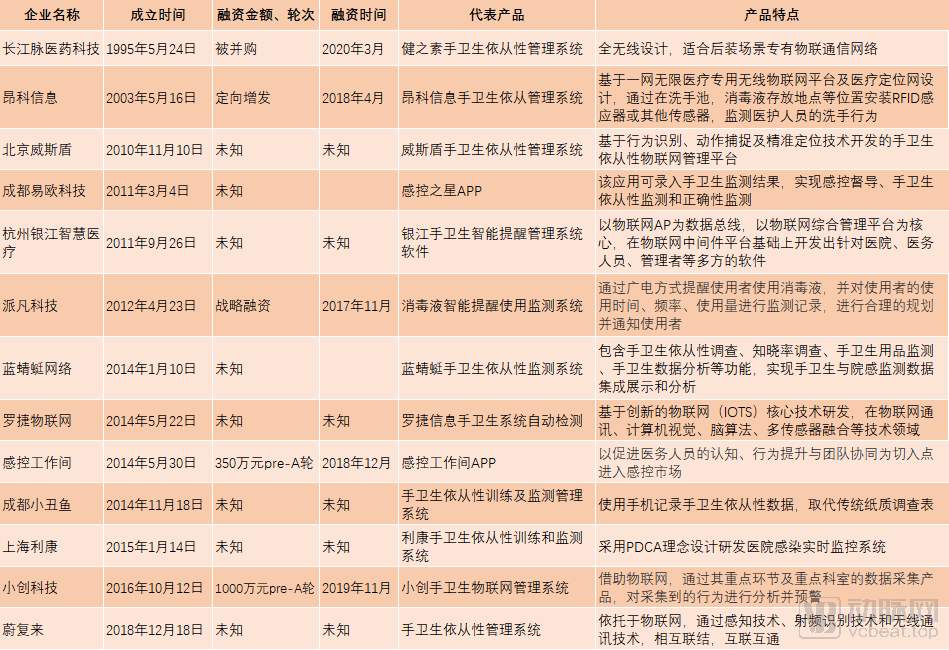
Most hospital hand hygiene standards focus on the results of biological monitoring, while there is no complete specification for monitoring hand hygiene compliance. Based on this, a group of domestic enterprises dedicated to improving hand hygiene compliance through technology has emerged:
3.1 Internet of Things (IoT) Technology:
As shown in the table above, leveraging IoT sensors for hand hygiene compliance management has become the primary entry point for digitalized enterprises. Traditional monitoring of hand hygiene compliance relied on manual spot checks or designated observers, which was inefficient. With the development and rise of the Medical Internet of Things (MIoT), such scenarios requiring strict procedural control have been significantly improved.
IoT sensors can effectively substitute for human environmental perception, enabling more precise and real-time identification of healthcare workers’ hand hygiene status. Consequently, at every moment when hand hygiene procedures are required, the system not only issues alerts to remind healthcare personnel but also automatically saves records in the service backend via the sensor-connected communication network, serving as a basis for performance evaluation.
IoT Solution Implementation Process:
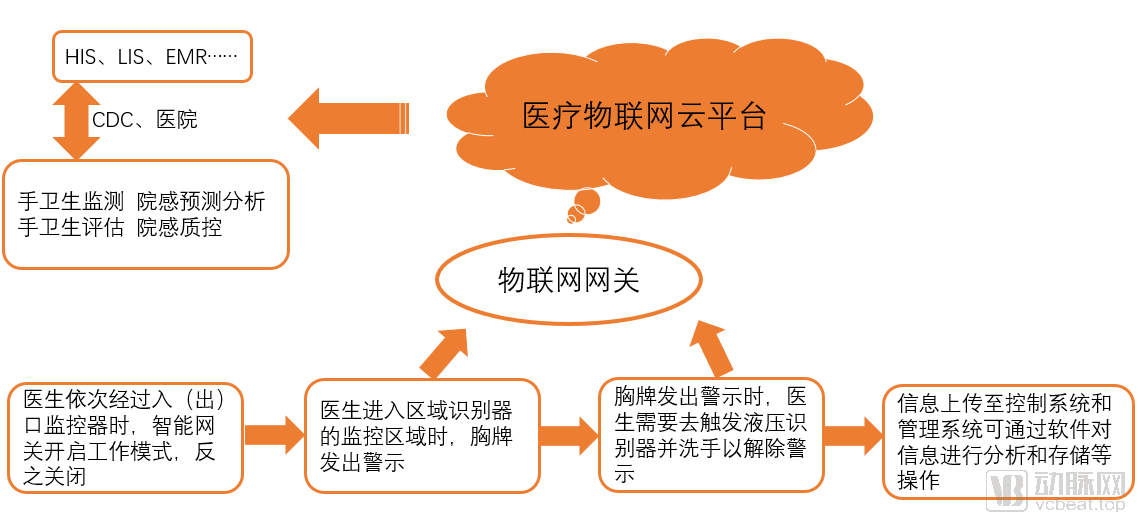
IoT-based solutions mostly consist of smart badges, area identification devices, hydraulic identifiers, IoT gateways, and medical IoT platforms.
Smart badges are linked to medical staff, enabling the identification of key personnel locations. Area recognition devices activate badges within their monitoring range to facilitate access control, dwell time detection, and proximity alerts. Hydraulic dispensers are primarily used for hand hygiene compliance monitoring; they employ infrared sensors for automatic liquid dispensing and transmit a handwashing initiation signal to the smart badge via wireless communication. IoT gateways receive various signals from the smart badge interfaces, process them, and transmit the data to the medical IoT platform for analysis and recording. The IoT platform is utilized for device status management, departmental staff management, and the storage and analysis of hand hygiene data.
3.2: Continuous Improvement of Hand Hygiene Quality and the PDCA Cycle Concept
Hand hygiene in healthcare institutions must be consistently maintained and continuously improved. The PDCA cycle, also known as the Deming Cycle, is a highly suitable quality improvement tool for hand hygiene. Developed by Dr. W. Edwards Deming, an American quality management expert, based on objective principles, it comprises four stages: Plan, Do, Check, and Act. This standardized and scientific cyclical framework is widely used in quality management. The PDCA cycle is also one of the most fundamental and practical management methods endorsed by the Joint Commission International (JCI) standards, which are globally recognized benchmarks for healthcare services.
The most critical aspect of the PDCA cycle is the quantification of implementation details. By effectively implementing the PDCA cycle, hospitals can systematically analyze each factor influencing hand hygiene compliance, formulate corrective measures for each link, refine these measures down to individual departments, and conduct joint inspections across multiple departments, thereby achieving a significant improvement in both hand hygiene compliance and awareness rates.
3.3 Foreign Related Companies
Compared with the development of China's hand hygiene industry, the international hand hygiene industry boasts a much longer history:
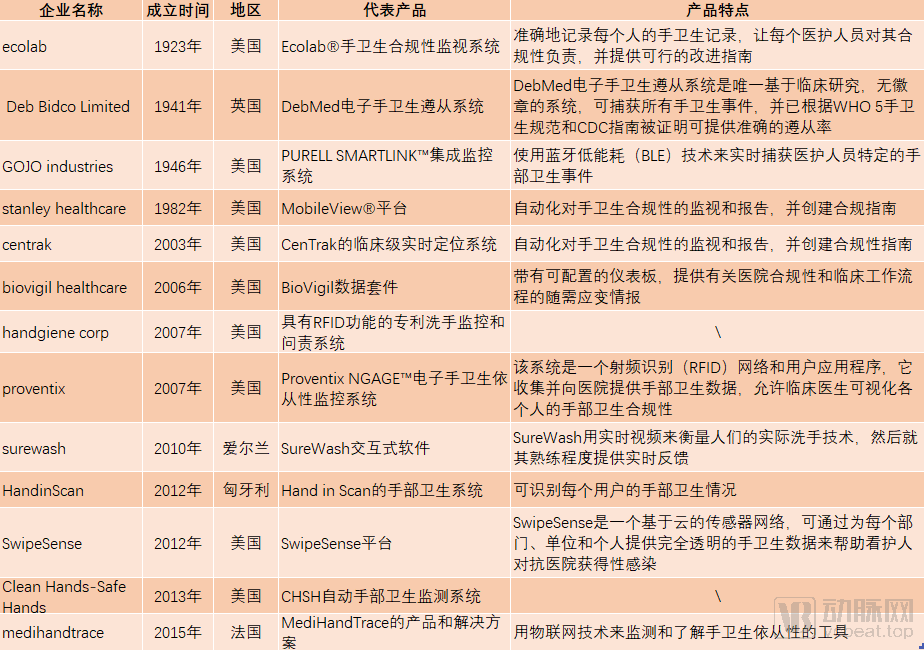
VCBeat listed three of the most representative companies among them:
GOJO industries
GOJO Industries was founded in Ohio in 1946, and its Purell hand sanitizer is the world’s first hand sanitizer to receive EcoLogo certification. In 2015, GOJO launched the web-connected PURELL SMARTLINK Integrated Monitoring System (IMS).
IMS is an electronic hand hygiene monitoring solution that utilizes Bluetooth Low Energy (BLE) technology. The system monitors the usage count and frequency of soap and disinfectant dispensers, as well as the number of entries and exits in handwashing areas. By tracking handwashing facilities and zones, it calculates hand hygiene compliance rates and captures healthcare workers' hand hygiene events in real time. It operates without requiring existing location-tracking infrastructure, while also offering the capability to add location-based features such as nurse call systems and asset tracking.
IMS also provides actionable data, customizable reports, and expert clinical support to help reduce hospital-acquired infections while improving patient safety and outcomes.
Surewash
Headquartered in Ireland, SureWash was founded in 2010 and provides an end-to-end hand hygiene quality management system based on the hand hygiene techniques defined by the WHO or NHS “Clean Your Hands” campaign. SureWash GO is a portable hand hygiene training system that uses real-time cameras to train and assess whether healthcare workers and patients perform hand hygiene procedures correctly, displaying results on a large screen in real time to provide immediate feedback.
This device helps users learn the WHO-recommended six-step handwashing technique and build muscle memory. Additionally, it can detect whether staff members have “bare elbows,” helping them comply with hand hygiene standards, reduce infection risks, and improve patient outcomes. Weighing only 4.5 kg and featuring a custom-molded shell with tailored foam padding, the device is suitable for use beyond hospital settings.
Proventix Systems
Proventix Systems, based in Birmingham, Alabama, USA, is a technology company specializing in hand hygiene compliance monitoring solutions and quality improvement. Proventix’s NGAGE system is a radio-frequency identification (RFID) network and user application.
The system collects and provides hand hygiene data to hospitals, enabling clinicians to visualize individual hand hygiene compliance through dashboards that offer both high-level and granular analytics. On the NGAGE system, staff receive personalized messages in the form of educational content and user identification via active communication displays located above dispensers. RFID tags are used to monitor compliance and generate data, which is transmitted to a central server for review by hospital administrators and executives.
In scenarios involving collaborative medical professional services, hand hygiene stands as the most comprehensive and fundamental indicator of patient safety. However, effective hand hygiene practices cannot be achieved through supervision alone.
New technologies and equipment are among the key drivers sustaining market growth. In the hand hygiene products sector, sales of hand sanitizers and disinfectants experienced exponential growth in the first quarter of 2020 due to the impact of the COVID-19 pandemic. Taking disinfectants as an example, according to the “2020 China Disinfectant Industry Market Prospect Research Report” by China Business Industry Research Institute, the output value growth rate of China’s disinfectant industry is expected to rise significantly in 2020 under the influence of the novel coronavirus outbreak, with preliminary estimates suggesting that the annual output value will exceed RMB 11.5 billion.
An analysis by Frost & Sullivan indicates that the use of automatic and manual dispensers, along with the integration of hand hygiene compliance monitoring technologies, drove the total value of the hand hygiene market to $446.9 million in 2017.
Ultimately, heightened awareness of hand hygiene is the most critical driver propelling the growth of the hand hygiene market. Low awareness, insufficient education and training in hand hygiene, and the absence of standardized hand hygiene protocols are significant impediments to unlocking the growth potential of the hand hygiene market in many countries.
Therefore, the potential market for hand hygiene varies by region. Hand hygiene requires a process of behavioral change; while it may appear simple, it presents significant challenges in practical management. Wu Hongman stated that supporting resources are the foundation of strict management, and medical education is key to implementing continuing education for all staff.
Thanks to Wu Hongman, founder of Infection Control Workspace, for providing the relevant information.
Reference Article:
Chinese Journal of Nosocomiology “Investigation and Analysis of Medical Staff’s Awareness and Protective Behaviors Regarding Healthcare-Associated Infections”
Hangzhou H3C Computing Co., Ltd. “Hand Hygiene Compliance Management Based on IoT Sensors”
"WHO Guidelines on the Implementation of the Multimodal Hand Hygiene Improvement Strategy"
《WHO Technical Reference Manual on Hand Hygiene》