

Hospital Information Systems During the COVID-19 Pandemic: Internet-Based Consultation Accounts for 70% of Digital Health Initiatives
In early 2020, the sudden outbreak of the COVID-19 pandemic instantly disrupted the normal operational order of hospitals. As informatization and network applications became essential supports for hospital operations, hospital information systems (HIS) had to reconstruct their foundational infrastructure to meet the new requirements for clinical services and business operations under the pandemic context. Hospitals across China responded swiftly and urgently to the evolving epidemic situation by expanding and upgrading existing HIS, as well as developing and rapidly deploying new applications. These measures aimed to address critical needs during this special period, including the identification of high-risk patients, strict prevention of nosocomial infections, and ensuring the continuous and normal operation of clinical services.
How did hospitals carry out their information technology (IT) infrastructure upgrades during the fight against the epidemic? How can emerging network and information technology tools be leveraged to enhance medical service capabilities and improve the efficiency of diagnosis and treatment? What experiences have been accumulated, what challenges have been encountered, and how can these beneficial practices be sustained in the post-pandemic normalcy to further advance hospital IT development, foster inter-departmental collaboration, and provide patients with high-quality, convenient, and efficient medical services? The Committee on Hospital Information Management of the Chinese Hospital Association (CHIMA) initiated a study on the implementation of IT initiatives in Chinese hospitals during the pandemic. The study surveyed over 1,000 hospitals regarding their practical applications of IT in epidemic control and clarified the future development needs of hospital IT professionals.
On March 23, CHIMA launched a hospital questionnaire survey. After more than two weeks of data collection, a total of 1,014 questionnaires were collected by April 6, among which 458 hospitals were designated hospitals for the treatment of COVID-19, accounting for 45.17% of the total number of surveys.
During the pandemic response, healthcare information technology (HIT) vendors actively mobilized and voluntarily participated in assisting hospitals with the transformation of their informatization applications. Many vendors even directly donated technical services and products. To facilitate effective matching between supply and demand, CHIMA promptly established a healthcare information supply-and-demand matchmaking platform, collecting technical service and product information from HIT vendors and disseminating it in a timely manner to hospital informatization decision-makers.
To assess the product and service offerings of HIT vendors during the pandemic, CIHMA initiated data collection on its supply-demand matching platform on February 14. As of April 15, a total of 486 products and services from 281 HIT companies had been collected, reflecting vendors’ service capabilities and categories from the supplier perspective.
1. Participate in the survey of basic hospital information
A total of 1,014 hospitals from 30 provincial-level administrative regions across China participated in this survey. The top five regions were Shanxi (94 hospitals), Guangdong (72 hospitals), Shandong (70 hospitals), Yunnan (58 hospitals), and Fujian (56 hospitals), as detailed in Figure 1-1.
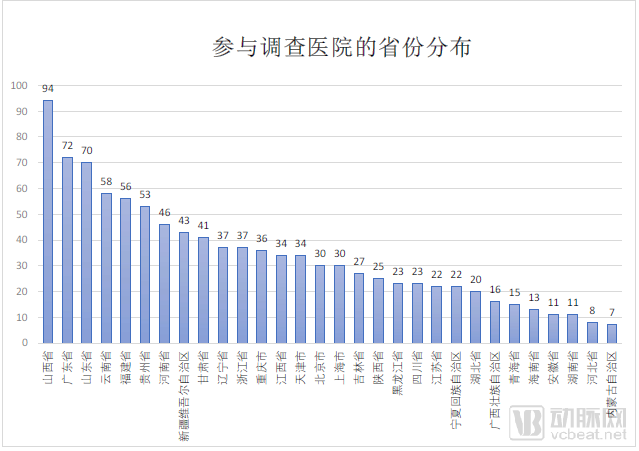
Figure 1-1 Provincial Distribution of Hospitals Participating in the Survey
Among the survey participants, 521 (51.38%) were from Grade A tertiary hospitals, 102 (10.06%) from Grade B tertiary hospitals, 300 (29.57%) from Grade A secondary hospitals, and 91 (8.99%) from Grade B secondary hospitals (see Figure 1-2).
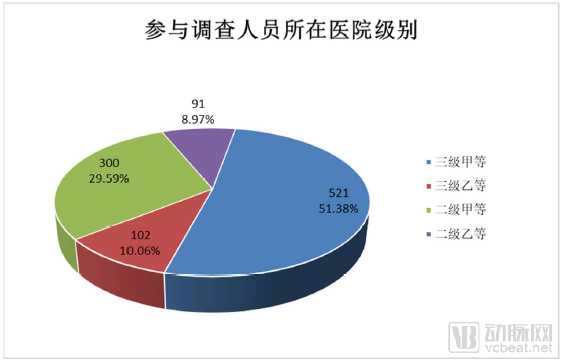
Figure 1-2 Hospital Tiers of Survey Participants
In this survey, the primary respondents were hospital administrators and hospital information technology (IT) professionals. Specifically, there were 881 hospital IT professionals, accounting for 86.88%; 74 hospital administrators, accounting for 7.30%; 42 clinical healthcare workers, accounting for 4.14%; and 17 individuals holding other positions within the hospitals, accounting for 1.68% (see Figure 1-3).
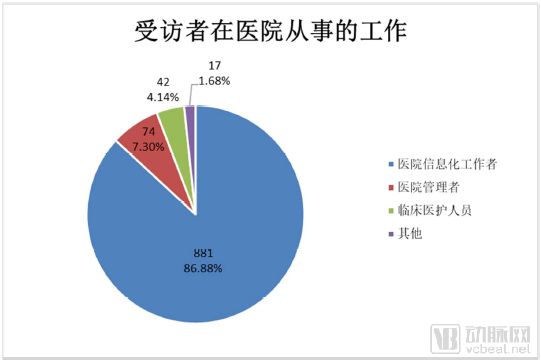
Figure 1-3 Jobs Held by Respondents in Hospitals
To effectively control the spread of the novel coronavirus and strengthen treatment efforts, the National Health Commission designated specific hospitals as designated treatment centers for COVID-19. Among the participants in this survey, 458 individuals were from such designated hospitals, accounting for 45.17% of the total. This proportion reflects the expansion and renovation of information technology infrastructure in these designated hospitals, as shown in Figure 1-4.
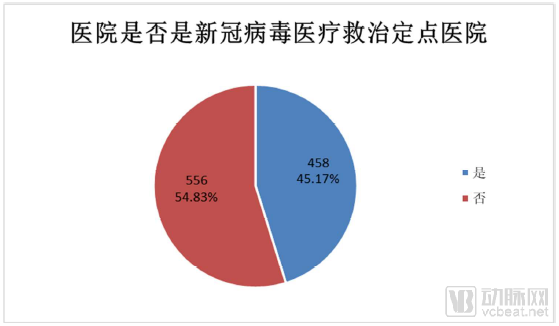
Figure 1-4 Whether the hospital is a designated medical treatment center for novel coronavirus
During the pandemic response, many hospitals renovated their outpatient departments or wards to meet the needs of epidemic prevention and control, and correspondingly expanded or upgraded their information systems. Among the participants in this survey, 743 respondents reported that their hospitals had expanded or upgraded their systems, accounting for 73.27%, as shown in Figure 1-5.
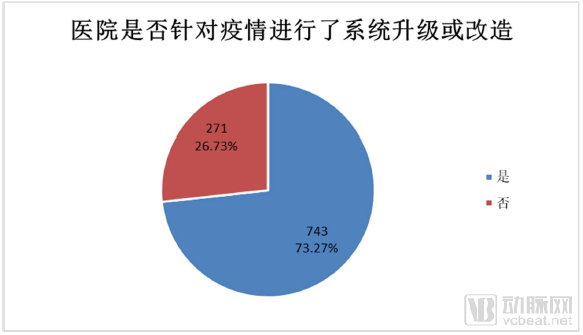
Figure 1-5 Whether Hospitals Have Undergone System Upgrades or Renovations in Response to the Epidemic
2. Measures for Hospital Informatics Construction During the Pandemic
Hospital information technology played a crucial supporting role during the pandemic response, particularly through the application of technologies such as internet-based healthcare, remote diagnosis and treatment, artificial intelligence, and big data. In this survey, 929 respondents answered questions regarding hospital IT initiatives implemented during the pandemic. Statistical data show that the top five most prevalent hospital IT applications during this period were: online consultations (654 responses, 70.40%); pre-screening and triage (601 responses, 64.69%); remote consultations (588 responses, 63.29%); health code passes (532 responses, 57.28%); and remote collaborative work and audio-video conferencing (472 responses, 50.81%), as detailed in Figure 1-6.
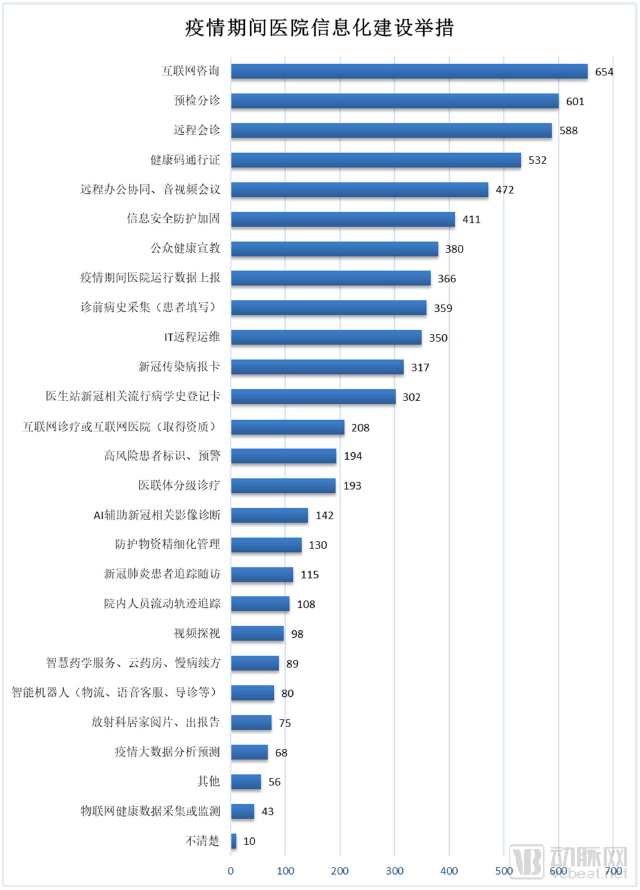
Figure 1-6 Measures for Hospital Information Technology Development During the Pandemic
Furthermore, many hospitals have implemented various informatics initiatives, including epidemiological surveys, fever screening for patients, point-of-care payment, healthcare-associated infection monitoring, medical record mailing services, big data analytics to track high-risk patients, and remote ward rounds within medical consortiums.
Surveys indicate that to cope with the pandemic, information-based measures such as online consultations, remote multidisciplinary consultations, and pre-screening triage have gained greater popularity. Meanwhile, emerging technologies like big data and AI have been widely adopted.
3. Active Online Consultations in Internet Healthcare
During the pandemic, online consultations in internet healthcare experienced rapid growth due to their ability to avoid physical contact between doctors and patients and reduce the risk of infection. Survey results indicate that among hospitals offering internet healthcare services, expert Q&A and general health education accounted for the largest proportion, with 626 hospitals (61.74%); pandemic prevention and control education ranked second, with 564 hospitals (55.62%); pandemic information dissemination ranked third, with 395 hospitals (38.95%); implementation of intelligent pandemic triage and screening applications ranked fourth, with 273 hospitals (29.62%); 166 hospitals (16.37%) did not offer online consultation services; and 55 hospitals (5.42%) provided other services (including psychological counseling, WeChat-based epidemiological surveys, and chronic disease management). See Figure 1-7 for details.
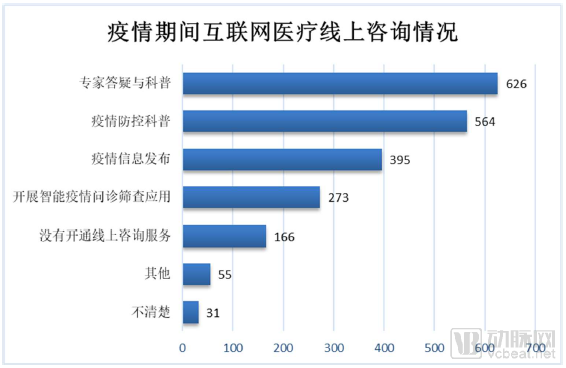
Figure 1-7 Online Consultations in Internet Healthcare During the Pandemic
Internet-based diagnostic and consultation services have facilitated public access to medical and health advice online during isolation periods, effectively alleviating pressure on hospital outpatient and emergency departments, avoiding the risk of disease exacerbation due to the congregation of patients with mild symptoms in hospitals, and reducing the burden on frontline healthcare workers.
4. Rising Popularity of Internet-Based Medical Services
At the critical juncture of the pandemic response, the State Council, the National Health Commission, and the National Healthcare Security Administration successively issued notices (attached below), requiring all regions to leverage internet resources by facilitating online consultations and e-prescribing through internet hospitals, thereby positioning internet-based healthcare as a “second front” in the fight against the epidemic. A survey revealed that among hospitals offering internet-based medical services, 598 (58.97%) provided online appointment registration; 527 (51.97%) offered online text-and-image and video consultations; 257 (25.35%) conducted online follow-up visits for chronic or returning patients; 214 (21.1%) carried out online patient follow-ups; 161 (15.88%) provided e-prescribing and medication delivery services; 214 (21.1%) had not launched any online diagnostic and treatment services; and 42 (4.14%) offered other online diagnostic and treatment services (including home care and online access to test reports, etc.). See Figure 1-8 for details.
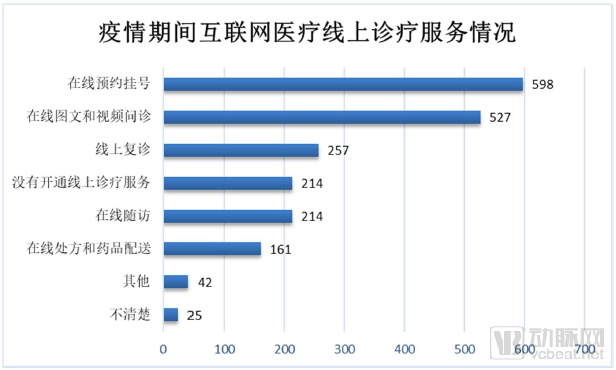
Figure 1-8. Status of Online Medical Consultation Services via the Internet During the Pandemic
Internet healthcare played a significant role during the epidemic prevention and control period, effectively alleviating the pressure on hospital outpatient services and preventing cross-infection. It facilitated online follow-up consultations for patients and made it more convenient for doctors to conduct post-discharge follow-ups, thereby serving as a robust supplement to offline medical care.
5. More Diverse Application Technologies in Internet Healthcare
As platforms for internet-based healthcare, in addition to traditional hospital apps and official WeChat accounts, Enterprise WeChat and Alipay have also become popular choices for many hospitals. According to survey data, among the internet healthcare technologies adopted by hospitals, official WeChat accounts were used by 866 hospitals (85.40%); hospital apps by 335 hospitals (33.04%); Enterprise WeChat by 321 hospitals (31.66%); Alipay by 299 hospitals (29.49%); other internet healthcare technologies (including WeChat Mini Programs, DingTalk, and apps developed by medical insurance departments, etc.) by 77 hospitals (7.59%); and 59 hospitals (5.82%) had no such applications. See Figure 1-9 for details.
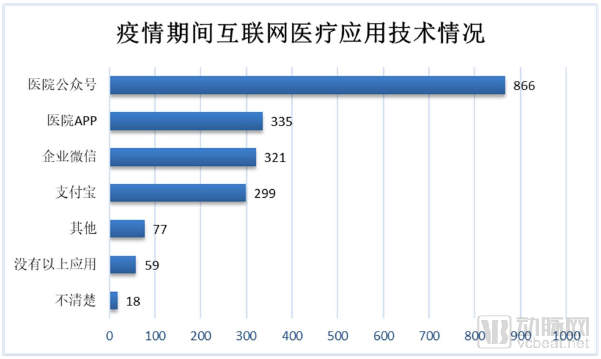
Figure 1-9 Application of Internet Healthcare Technologies During the Pandemic
6. The Importance of Telemedicine Becomes Prominent
To prevent the spread of the epidemic, the most fundamental requirement is to reduce gatherings of people. The importance of remote information systems has become prominent, as they enable diagnosis and treatment while effectively avoiding contact between healthcare providers and between healthcare providers and patients, thereby improving medical efficiency. Feedback from respondents indicated that 762 (75.15%) conducted remote consultations during the epidemic control period; 413 (40.74%) carried out remote training and teaching; 388 (38.26%) engaged in remote collaborative work; 161 (15.88%) performed remote ward rounds; 123 (12.13%) conducted remote referrals; 37 (3.65%) implemented other remote applications (including remote electrocardiography and remote diagnosis); and 126 (12.43%) did not implement any remote applications, as shown in Figure 1-10.
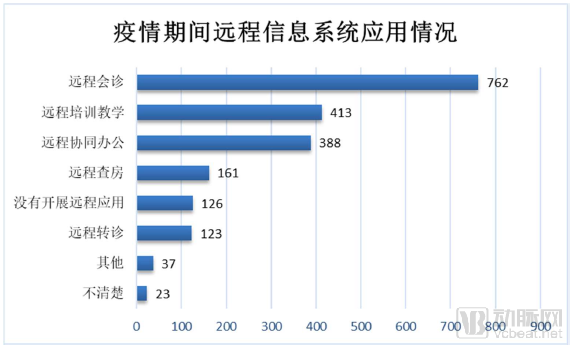
Figure 1-10 Application of Telehealth Information Systems During the Pandemic
The remote information system facilitates expert consultations for patients. Within the hospital, video conferencing enables discussions on case studies and treatment plans, while video monitoring of ICU patients is implemented. It also supports training, consultations, and meetings between the medical teams dispatched to Hubei Province and our hospital. This approach not only provides effective treatment plans for patients but also maximizes the safety of healthcare workers.
7. Upgrading Hospital Visit Information Systems to Meet Epidemic Control Needs
In the face of the epidemic, the existing outpatient and inpatient facilities of many hospitals failed to meet the demand for patient admissions. In response to clinical needs, hospital visit information systems require upgrading.
The survey revealed that among the hospitals where the respondents worked, 646 (63.71%) expanded their fever clinic capacity during the pandemic response; 457 (45.07%) upgraded their patient appointment systems; 372 (36.69%) modified the medical record templates for COVID-19 patients; 286 (28.21%) developed epidemic reporting and statistical systems; 62 (6.61%) implemented other information system modifications (such as health insurance information tagging and outpatient/emergency process redesign); and 163 (16.07%) did not carry out any system modifications. See Figure 1-11 for details.
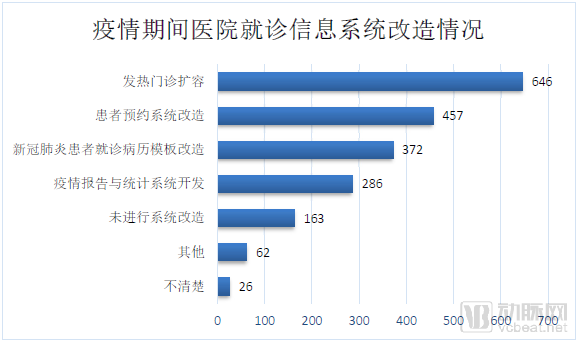
Figure 1-11 Renovation of Hospital Visit Information Systems During the Pandemic
In response to the needs of epidemic prevention and control, the hospital’s information technology department rapidly upgraded its systems to meet these demands, demonstrating the power of digitalization.
8. In-Hospital Mobile Healthcare Applications Reduce the Risk of Cross-Infection
In-hospital mobile healthcare systems include mobile physician rounding systems, mobile infusion information systems, and nursing information systems, facilitating mobile workflows for healthcare professionals, minimizing physical contact, and reducing the risk of cross-infection. During the pandemic response period, some hospitals newly deployed or upgraded their in-hospital mobile healthcare systems to enhance medical staff efficiency while maximizing their safety.
The survey shows that 156 institutions built or upgraded their mobile physician rounding systems, accounting for 15.38%; 143 upgraded or built nursing information systems, accounting for 14.10%; 97 purchased new PDAs, accounting for 9.57%; 69 built or upgraded mobile infusion systems, accounting for 6.81%; 69 carried out other in-hospital mobile healthcare upgrades or renovations (e.g., mobile visitation, mobile DR), accounting for 6.81%; and 629 did not carry out any in-hospital mobile healthcare upgrades or renovations, accounting for 62.03%. See Figure 13 for details.
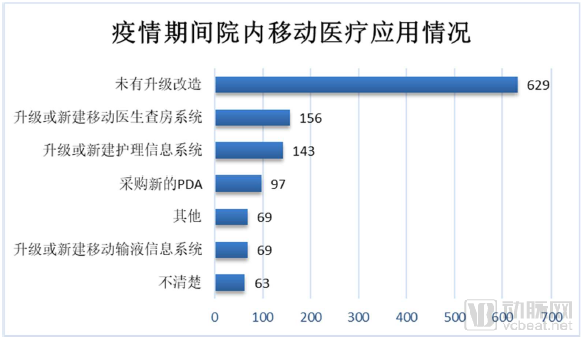
Figure 1-12 In-hospital Mobile Healthcare Applications During the Pandemic
9. Emerging Technologies Gain Favor
During the pandemic response, emerging technologies—including self-service systems, artificial intelligence, and robotics—saw further adoption. These technologies effectively minimized contact between patients and healthcare providers, thereby facilitating care for patients while safeguarding medical staff.
The survey shows that during the current epidemic response, 453 institutions (44.68%) adopted self-service systems; 169 (16.67%) utilized AI-based medical imaging screening; 75 (7.39%) deployed triage robots; and 73 (7.19%) employed mobile logistics robots. Additionally, 54 institutions (5.32%) applied other emerging technologies (including bedside video consultations, 5G remote consultations, and remote hearing monitoring), while 400 (39.45%) did not implement any emerging technologies. See Figure 1-13 for details.
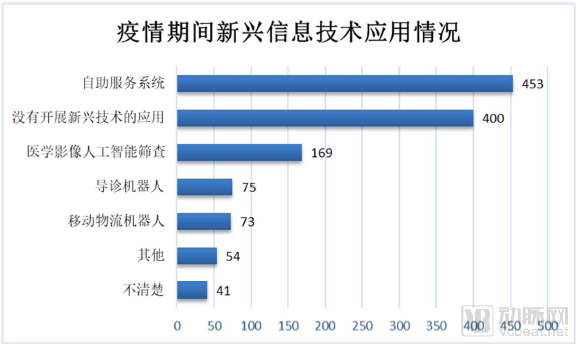
Figure 1-13 Application of Emerging Information Technologies During the Pandemic
During the pandemic response, self-service systems were widely deployed, with artificial intelligence (AI) playing a significant role. AI-based medical imaging screening facilitated rapid detection, triage robots provided intelligent guidance services within hospitals, and mobile logistics robots enabled contactless delivery of supplies. These innovations substantially improved hospital operational efficiency while reducing the risk of infection.
It is worth noting that a significant number of hospitals did not adopt emerging technologies during the pandemic, indicating substantial room for further promotion and application of these technologies within China’s healthcare industry.
10. Challenges Faced by Hospital Information Centers During the Pandemic
The outbreak occurred during the Spring Festival holiday. As the epidemic progressed, the government imposed strict requirements to reduce interpersonal contact and enforce quarantine measures. Consequently, while supporting clinical efforts in combating the epidemic, the Information Center also faced numerous operational challenges.
The survey reveals that information centers are primarily confronted with the following challenges: increased difficulty in ensuring network and information security, reported by 578 respondents (57.00%); impediments to the advancement of informatization construction projects, reported by 563 respondents (55.52%); heightened difficulties in coordination between second-line engineers and on-site engineers, leading to inefficient resolution of on-site issues, reported by 427 respondents (42.11%); difficulty in guaranteeing successful program upgrades under challenging testing conditions, reported by 233 respondents (22.98%); and other issues (mainly reflecting heavy R&D workloads and insufficient staffing), reported by 83 respondents (8.19%). See Figure 1-14 for details.
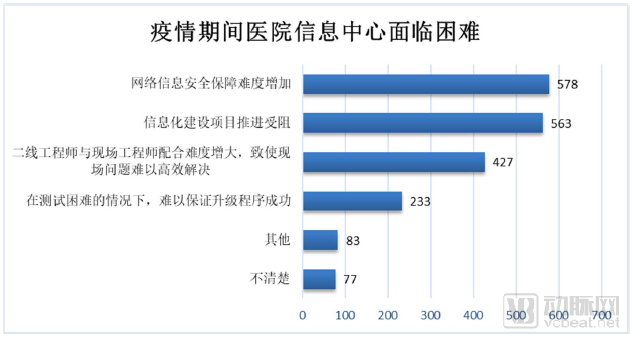
Figure 1-14 Difficulties Faced by Hospital Information Centers During the Epidemic
11. Shortcomings in Hospital Information Technology Infrastructure
As of now, the epidemic situation in China has been basically brought under control, marking a phased victory. At this juncture, hospitals should carefully examine the issues existing in their own informatization construction, accumulate experience, and address their weaknesses.
The survey results indicate that 728 respondents (71.79%) believed it necessary to shorten patient consultation times and optimize clinical workflows after the pandemic; 702 respondents (69.23%) emphasized the need to ensure cybersecurity; 599 respondents (59.07%) advocated for the establishment of online consultation platforms; 537 respondents (52.96%) supported the implementation of remote consultations and telework; 518 respondents (51.08%) called for the creation of an epidemic information platform to conduct statistical analyses of outbreaks such as COVID-19 or other infectious diseases; and 51 respondents (5.03%) identified the need to address other shortcomings, including paperless operations and flexible architectural configurations. See Figure 1-15 for details.
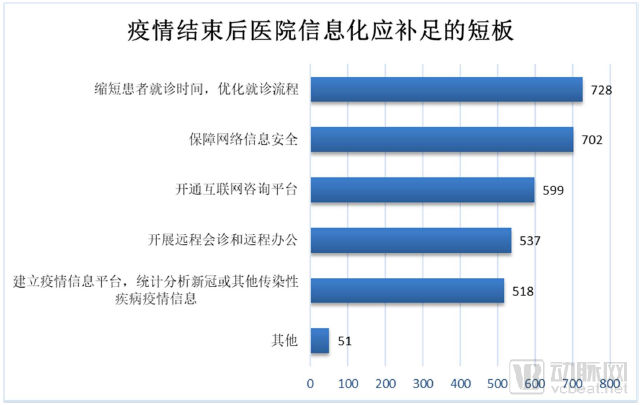
Figure 1-15 Shortcomings in Hospital Informatics to Be Addressed After the Pandemic
In the information age, the importance of hospital informatization has become increasingly prominent. This is especially true during major public health emergencies, where the support and assurance provided by information technology are particularly critical. Hospitals need to further improve their own informatization based on actual conditions, better provide information technology services for clinical practice and hospital management, enhance diagnostic and treatment efficiency, ensure information security, and facilitate patient access to medical care.
12. Hospital Cybersecurity Demands Attention
In the critical battle against the epidemic, to provide robust information support for clinical treatment efforts, it is essential to strengthen hospital network and information security to ensure that patient data is not leaked.
In a survey on cybersecurity incidents during the pandemic, 929 respondents provided answers. The results showed that 43 respondents (4.63%) experienced system disruptions caused by malicious programs such as viruses, worms, or trojans; 42 respondents (4.52%) suffered from denial-of-service attacks, backdoor attacks, vulnerability exploits, or other external attacks; 33 respondents (3.55%) encountered system operational failures due to system launches, upgrades, or modifications during the pandemic; and 14 respondents (1.51%) experienced information breaches, including data leakage, loss, theft, tampering, or other forms of data compromise (see Figure 1-16 for details).
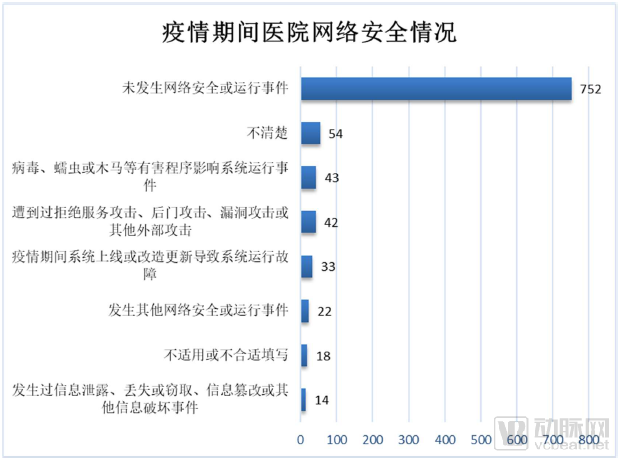
Figure 1-16 Hospital Cybersecurity Status During the Pandemic
No matter is trivial when it comes to hospital information network security; hospitals must strengthen cybersecurity safeguards to prevent hacker attacks and protect medical data from theft.
13. Impact of the Pandemic on Hospital Outpatient, Emergency, and Inpatient Service Volumes
The novel coronavirus is highly contagious. In accordance with relevant regulations, many hospitals have readjusted their outpatient, emergency, and inpatient services. A total of 929 respondents answered the question regarding the impact of the pandemic on hospital outpatient, emergency, and inpatient service volumes. The data show that 750 respondents (80.73%) reported a significant decrease in service volume; 147 respondents (15.82%) reported a slight decrease; 5 respondents (0.54%) each reported an increase or a significant increase; and 3 respondents (0.32%) reported that service volume remained at the usual level. See Figure 1-17 for details.
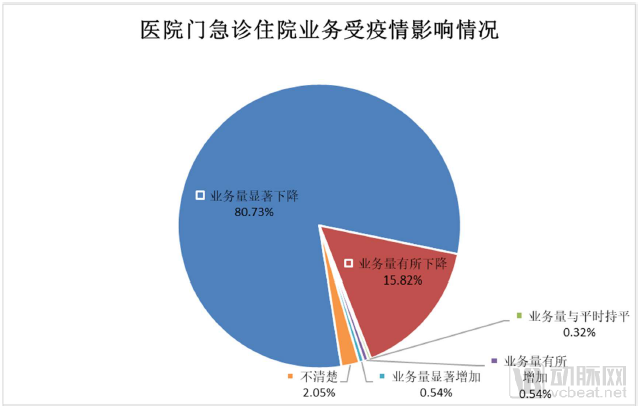
Figure 1-17 Impact of the Pandemic on Hospital Outpatient, Emergency, and Inpatient Services
14. Workload of the Hospital Information Department
During the pandemic response, there were significant variations in the workload of hospital information technology (IT) departments. A total of 929 respondents answered questions regarding the workload of hospital IT departments. The data showed that 230 respondents (24.76%) reported a decrease in workload compared to usual; 226 respondents (24.33%) reported an increase; 161 respondents (17.33%) reported that the workload remained largely unchanged; 145 respondents (15.61%) reported a significant increase; and 145 respondents (15.61%) reported a significant decrease. See Figure 1-18 for details.
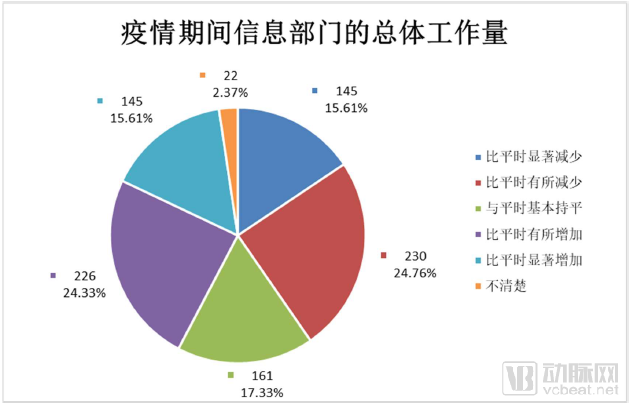
Figure 1-18 Overall Workload of the Information Department During the Epidemic
During the pandemic, to leverage the advantages of healthcare information technology and enable hospitals and healthcare IT enterprises to rapidly establish supply-demand matchmaking in the fight against the epidemic, CHIMA launched a Healthcare Information Supply and Demand Platform. The platform involves 281 healthcare IT enterprises and 486 healthcare information services. The platform link is as follows: https://www.suwen.net/chimavendor/views/chimavendor/EnterpriseDataQuery.jsp. Below is an analysis of the service offerings provided by these enterprises.
1. General Classification of Medical Information Services
The services provided by the surveyed HIT companies include the following categories: optimization of clinical care processes, with 112 items accounting for 23.05%; remote information systems, with 80 items accounting for 16.46%; internet healthcare-related technologies and applications, with 103 items accounting for 21.19%; cybersecurity, with 78 items accounting for 16.05%; epidemic information platforms based on big data and AI applications, with 77 items accounting for 15.84%; and others, with 36 items accounting for 7.41% (see Figure 2-1 for details).
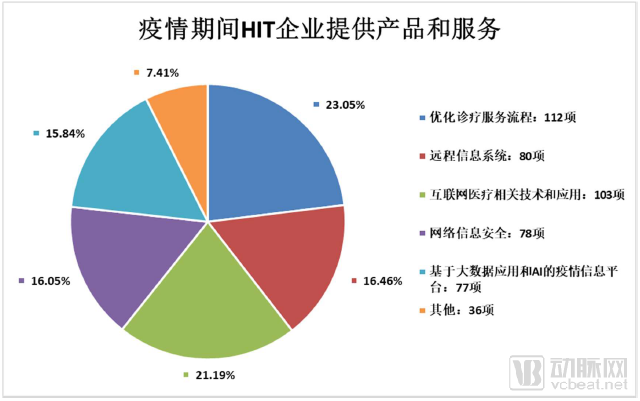
2-1 Products and Services Provided by HIT Companies During the Pandemic
Information systems have optimized clinical diagnosis and treatment workflows, improved efficiency, and facilitated timely patient care. Remote information systems have effectively minimized contact between healthcare providers and patients, ensuring timely treatment while maximizing the safety of medical staff. Internet-based consultations have established a bridge for online communication between doctors and patients, gaining widespread adoption. Cybersecurity measures have ensured the stable operation of these information systems. Furthermore, specialized COVID-19 disease management systems, leveraging big data applications and artificial intelligence technologies, have emerged in response to the pandemic.
2. Optimize the diagnosis and treatment service process
A total of 112 information systems provided by medical information technology enterprises to optimize clinical diagnosis and treatment service processes accounted for 23.05%, mainly covering: 48 in-hospital mobile healthcare systems (42.86%); 56 self-service systems (50%); and 8 information statistics systems (7.14%), as shown in Figure 2-2.
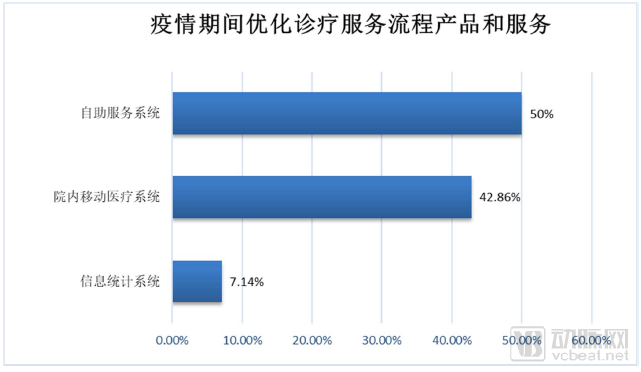
2-2 Optimizing Clinical Service Processes and Product Offerings During the Pandemic
3. Remote Information System
In terms of remote applications, a total of 80 remote information systems and services were identified, accounting for 16.46% of the total. These include remote consultation systems, video interaction systems, and remote operation and maintenance (O&M) services. Among them, there were 35 remote consultation systems (43.75%), 26 video interaction systems (32.50%), and 19 remote O&M services (23.75%), as shown in Figure 2-3.
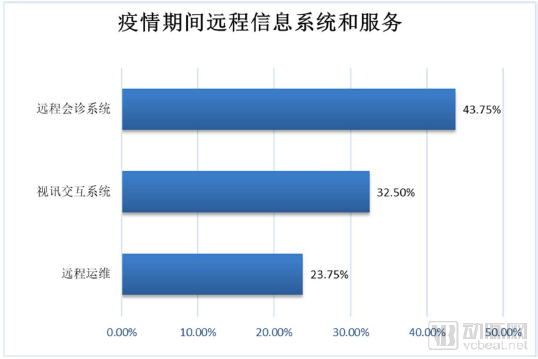
2-3 Remote Information Systems and Services During the Pandemic
4. Network Information Security
In terms of cybersecurity, there were a total of 78 cybersecurity products and services on the market during the pandemic, accounting for 16.05%. These included cloud security, virtualization technology, and IT equipment for security products. Among them, cloud security accounted for 35 items (44.87%), virtualization technology for 30 items (38.46%), and IT equipment for security products for 13 items (16.67%), as shown in Figure 2-4.
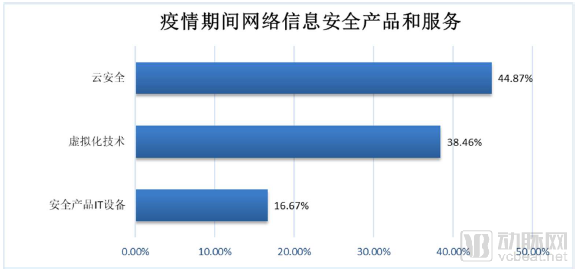
2-4 Remote Information Security Products and Services During the Pandemic
5. Epidemic-Specific Disease Platform
In terms of emerging technologies, a total of 77 specialized disease platforms based on big data applications and artificial intelligence (AI) technologies were deployed during the pandemic, accounting for 15.84%. Among these, 56 platforms utilized big data applications (72.72%), while 21 leveraged AI technologies (27.28%), as shown in Figure 2-5.
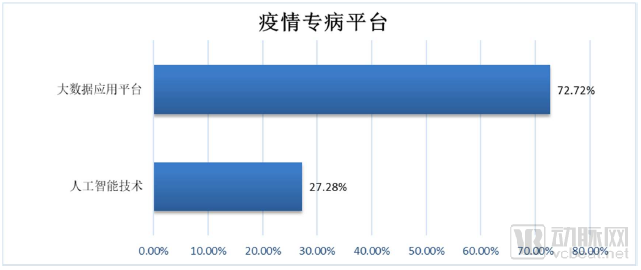
2-5 Epidemic-Specific Disease Platform
6. Internet-based Medical Consultation and Diagnosis/Treatment Platforms
The survey shows that there are currently 103 internet-based medical consultation services available in the healthcare informatics market, accounting for 21.19% of the total. Among these, 56 items (54.37%) are online medical consultations, 35 items (33.98%) are online diagnosis and treatment services, and 12 items (11.65%) involve the application of internet medical technologies. In addition, some platforms offer both online consultation and diagnostic/treatment functions, as shown in Figure 2-6.
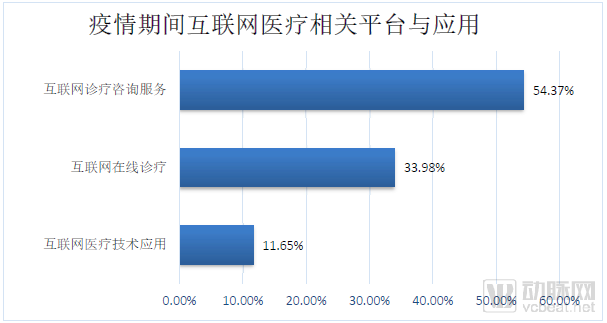
2-6 Internet Healthcare Platforms and Applications During the Pandemic
During the pandemic, the healthcare informatics market also offered 36 other products and solutions, including Hospital Information Systems (HIS), regional health information platforms, barcode scanning devices, all-in-one machines, and uninterruptible power supplies (UPS).
7. The Role of the CHIMA Supply and Demand Platform
CHIMA also conducted a survey among hospital users regarding the role played by the hospital information technology supply-and-demand platform during the pandemic. As shown in Figure 2-7, 799 respondents (76.75%) believed that the platform helped them understand health IT products used in pandemic control; 759 respondents (72.91%) considered it helpful for quickly querying types of medical information services; and 696 respondents (66.86%) felt it facilitated rapid connection between hospitals and health IT companies.
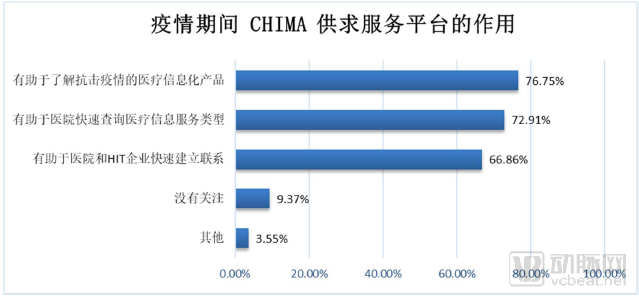
2-7 The Role of the CHIMA Supply and Demand Service Platform During the Pandemic
During the fight against the COVID-19 pandemic, traditional healthcare information technology (HIT) saw broader application, while emerging information technologies continued to emerge. These advancements not only improved efficiency but also strengthened prevention and control capabilities, providing comprehensive IT support for epidemic response. In confronting the novel coronavirus, Chinese hospitals and HIT enterprises collaborated closely, leveraging information technology to deliver all-around IT safeguards that contributed to achieving phased victories in the anti-epidemic effort.
This report was authored by the Information Professional Committee of the Chinese Hospital Association and is published with authorization from VCBeat.
Appendix: Relevant Notices and Opinions on Informatization Issued by the Government During the Pandemic
February 4: Notice on Strengthening Informatics Support for the Prevention and Control of the Novel Coronavirus Pneumonia Epidemic (National Health Commission Office Planning Letter [2020] No. 100)
http://www.nhc.gov.cn/guihuaxxs/gon11/202002/5ea1b9fca8b04225bbaad5978a91f49f.shtml
February 7: Notice on Doing a Good Job in Internet Diagnosis and Treatment Consultation Services During Epidemic Prevention and Control (Guo Wei Ban Yi Han [2020] No. 112)
http://www.nhc.gov.cn/yzygj/s7653p/202002/ec5e345814e744398c2adef17b657fb8.shtml
February 13: Notice on Issuing the ICD Codes Related to Novel Coronavirus Infection (Guo Wei Yi Han [2020] No. 58)
http://www.nhc.gov.cn/yzygj/s7659/202002/dcf3333b740f4fabad5f9f908d1fc5b4.shtml
February 17: Notice on Doing a Good Job in the Follow-up and Tracking of Discharged Patients with Novel Coronavirus Pneumonia (No. 142 [2020] of the General Office of the National Health Commission)
http://www.nhc.gov.cn/yzygj/s7653p/202002/0572eef930d5441c96181c44a1fca878.shtml
February 21: Regarding the Conduct of Novel Coronavirus Pneumonia-Related Activities at the National Telemedicine and Internet Medicine Center
Notice on National-Level Remote Consultation for Patients with Severe and Critical Inflammation (National Health Commission Office Medical Letter [2020] No. 153)
http://www.nhc.gov.cn/yzygj/s7658/202002/69b24672365043eebc379c8bab30c90d.shtml
February 28: Guiding Opinions of the National Healthcare Security Administration and the National Health Commission on Promoting “Internet+” Medical Insurance Services During the Prevention and Control of the COVID-19 Epidemic
http://www.gov.cn/zhengce/zhengceku/2020-03/03/content_5486256.htm
March 5: Opinions of the CPC Central Committee and the State Council on Deepening the Reform of the Medical Security System
http://www.gov.cn/zhengce/2020-03/05/content_5487407.htm
April 10: Notice on Further Consolidating Achievements and Enhancing the Prevention, Control, and Treatment Capabilities of Medical Institutions for COVID-19
http://www.gov.cn/xinwen/2020-04/12/content_5501595.htm