

Jianma Gene Files IPO Prospectus: Pioneering Rapid POCT for Pathogen Detection with Proprietary ASEA Technology
Point-of-Care Testing (POCT), with its unique advantages such as simplicity and ease of operation, has become the fastest-growing and most in-demand segment within the In Vitro Diagnostics (IVD) industry. Its applications span multiple areas, including cardiac markers, blood glucose monitoring, and infectious diseases, enabling the majority of immunoassays and a portion of biochemical analyses to be performed via POCT.
Due to the high technical barriers of molecular diagnostics, integrating them with POCT is not as easily achievable in clinical practice as immunoassays and biochemical analyses. As an IVD company long focused on molecular diagnostics, GenCode has achieved full integration of the entire process from “sample” to “result,” delivering a new POCT experience.
Qingdao Jianma Gene Technology Co., Ltd. (hereinafter referred to as “Jianma Gene”) was established in 2019 as a wholly-owned subsidiary of Qingdao Naide Biotechnology Co., Ltd. (“Naide Biotech”). Naide Biotech primarily focuses on the entire lifecycle of nucleic acid testing, encompassing areas such as agricultural and food testing, as well as animal disease detection. In contrast, Jianma Gene specializes in the detection of pathogenic microorganisms related to human health. Dr. Shi Chao, the founder, stated, “The detection of pathogenic microorganisms is a vast field, and these pathogens are difficult to eradicate throughout the course of human life. Recognizing the significance of this domain, we established Jianma Gene to concentrate our efforts on tackling these challenges.”
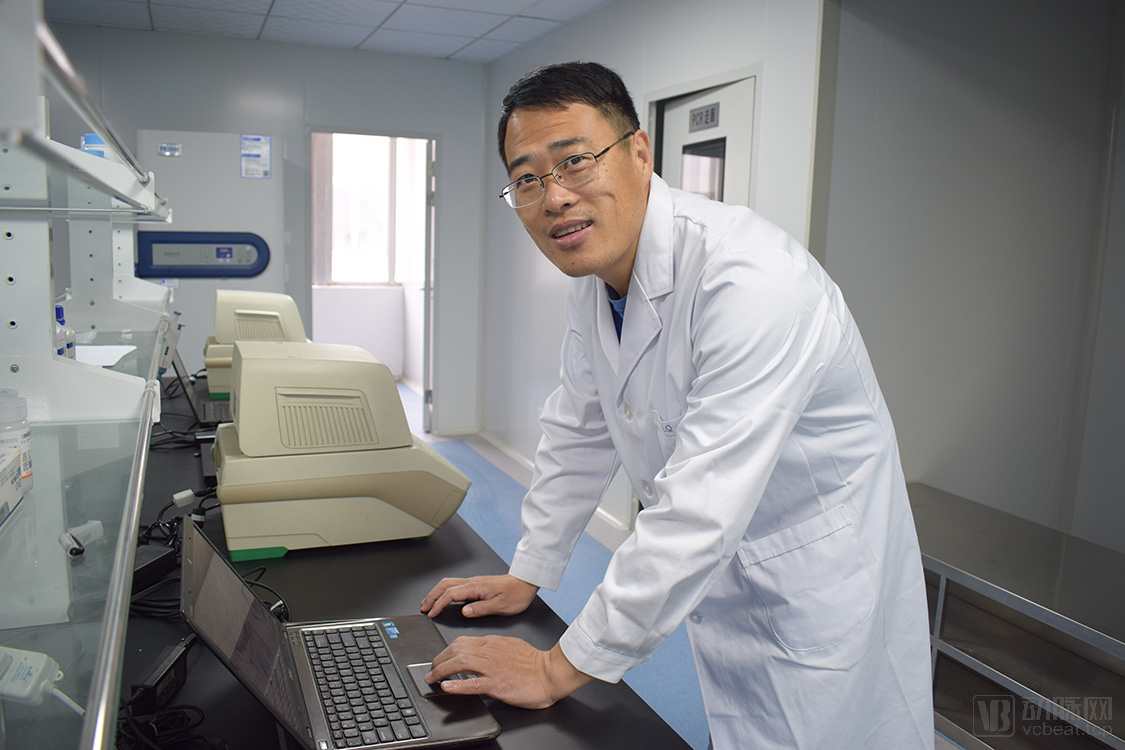
Dr. Shi Chao, Founder of SimpleCode Genetics
“Health, No Longer on Hold”—this is not only the vision behind the founding of Jianma Gene but also its mission. Shi Chao told VCBeat that to integrate nucleic acid testing for pathogenic microorganisms with point-of-care testing (POCT), making it simple, easy to operate, and capable of rapid diagnosis, optimization must be implemented across every step of the testing process. Regarding this optimization, founder Shi Chao highlighted two key areas: optimization of nucleic acid extraction and optimization of nucleic acid detection.
Nucleic acid amplification is an indispensable step in molecular diagnostics. Currently, the predominant nucleic acid amplification technology on the market is polymerase chain reaction (PCR), which involves denaturing double-stranded DNA at high temperatures to allow primers to bind to the resulting single strands and initiate extension-based amplification. Additionally, some methods employ loop-mediated isothermal amplification (LAMP), leveraging the dynamic equilibrium of DNA at approximately 65°C. At this temperature, four specific primers, together with a strand-displacing DNA polymerase, enable continuous self-cycling synthesis of strand-displaced DNA to achieve amplification.
Jianma Gene has adopted a completely novel amplification approach. Building on years of research in nucleic acid amplification testing, Jianma Gene’s technical team innovatively developed the ASEA rapid detection technology platform, which enables simple, fast, and highly sensitive nucleic acid amplification testing, thereby addressing the challenges of point-of-care nucleic acid testing, stated Shi Chao.
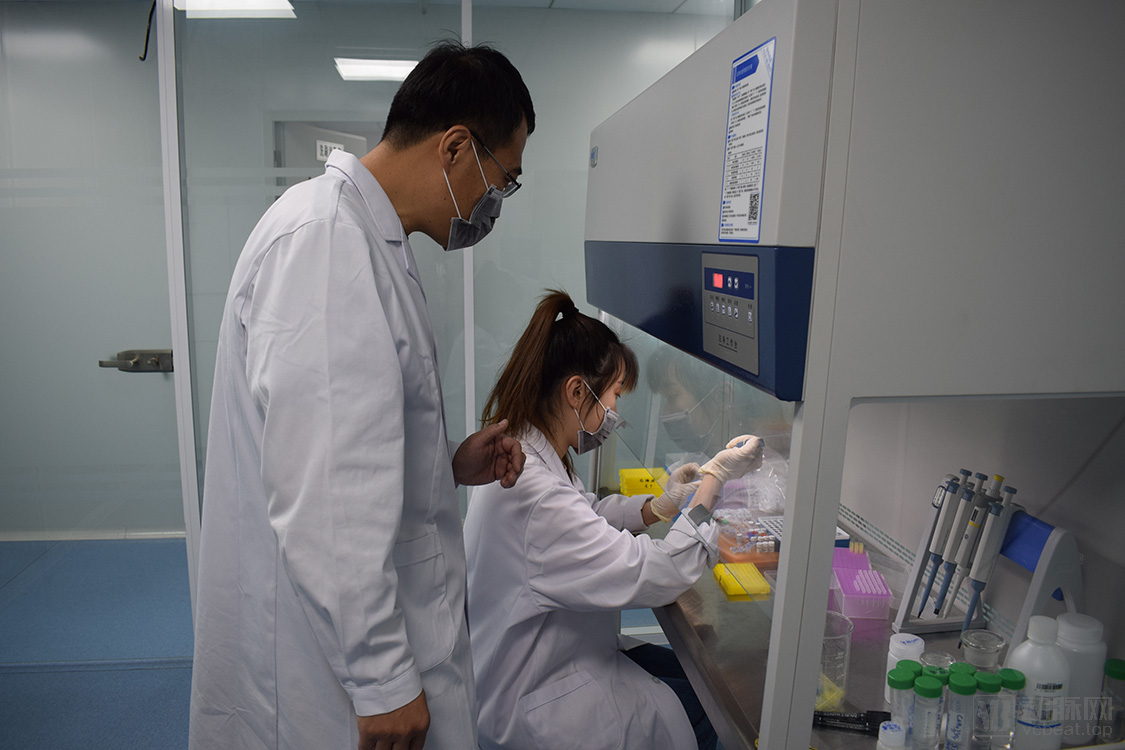
Building on years of accumulated experience in nucleic acid testing, Shi Chao’s team has developed a novel rapid nucleic acid detection technology. The ASEA system is remarkably simple, requiring only a pair of standard primers and a single polymerase. Its greatest advantage lies in enabling one-step simultaneous detection of both DNA and RNA, representing a pioneering achievement in China and placing it at the forefront internationally. In contrast, conventional RNA amplification testing involves two separate steps: reverse transcription and amplification. The one-step approach significantly reduces reaction time, lowers experimental costs, and facilitates monitoring of treatment efficacy.
The integrated rapid nucleic acid testing platform based on ASEA technology offers significant advantages: it eliminates the need for nucleic acid extraction, features simple operation, and allows for direct instrument analysis via one-step sample processing. It enables room-temperature transport and storage of solid-state reagents, thereby reducing logistics and storage costs. The platform delivers high sensitivity and accurate results. Although leveraging novel technology, this product is compatible with existing real-time quantitative PCR instruments or dedicated rapid PCR detectors, facilitating its deployment in medical institutions with molecular diagnostic capabilities as well as at the primary care level.
It is reported that the ASEA rapid detection technology has filed 13 national invention patents and 3 international PCT invention patents, with 5 patents already granted, and more than 30 high-impact SCI papers published.
As a medical enterprise specializing in nucleic acid testing, Jianma Gene has actively leveraged its expertise in the fight against the COVID-19 pandemic.
Currently, Jianma Gene’s independently developed novel coronavirus nucleic acid testing product is among the first in China to obtain EU CE certification, and it is the first nucleic acid testing product from Shandong Province to achieve EU CE certification.
The company collects target samples from users via nasopharyngeal swabs. The collected samples require no extraction or purification; instead, they are directly loaded onto the instrument for testing, with data reports of the results available in approximately 25 to 35 minutes. The test accuracy exceeds 93%. Throughout the entire testing process, samples undergo one-step processing and are directly analyzed by the instrument, achieving an integrated “sample-to-result” workflow. The instrument is portable and compact, which also reduces testing costs. Shi Chao revealed that the current cost of nucleic acid testing by Simple Code Genetics is less than one-fifth of the cost associated with quantitative fluorescence PCR instruments.
In addition to novel coronavirus testing, Jianma Gene’s pathogen detection portfolio also covers a variety of pathogens, including Mycoplasma pneumoniae, influenza A, and influenza B. Multiple respiratory pathogens can be identified from a single sample, significantly improving testing efficiency.
Since the outbreak of the pandemic, nucleic acid testing kits for SARS-CoV-2 have served as the primary method for differential diagnosis, and their significance in epidemic control is self-evident. Automated products that integrate molecular diagnostics with point-of-care testing (POCT) have demonstrated prominent advantages. Notable examples include Cepheid’s GeneXpert from the United States, bioMérieux’s FilmArray from France, Roche’s Liat analyzer, and Abbott’s ID NOW product, which was directly promoted by former U.S. President Donald Trump. These solutions have attracted considerable attention during epidemic prevention and control efforts.
Recently, the Central Leading Group for COVID-19 Response emphasized the need to further concentrate efforts on key breakthroughs and accelerate the enhancement of nucleic acid testing capacity. In particular, it highlighted the importance of expanding production capacity for rapid nucleic acid testing devices that offer short turnaround times and do not require laboratory settings. Greater support in terms of policies and review/approval processes should be provided, and coordination should be strengthened to help key enterprises address difficulties encountered during production scale-up, thereby ensuring that testing is safe, rapid, and reliable. The products developed by Jianma Gene align precisely with these newly articulated requirements. Their extraction-free, integrated testing solutions feature short detection times and eliminate the need for specialized laboratories, thus playing a proactive and significant role in enhancing nucleic acid testing capacity and facilitating the resumption of work and production.
Regarding the future, Shi Chao stated that the company plans to complete CE registration for multiple products in the first half of this year and initiate NMPA registration. The next step will be to launch product registrations for items such as multi-analyte respiratory panels and advance them to clinical trials as soon as possible.
It is reported that Naidi Biology, the parent company of Jianma Gene, has completed its angel round of financing and has currently launched its Pre-A round, aiming to raise RMB 15 million. The funds will be primarily used for the industrialization of diagnostic products for respiratory-related pathogens.