

Peijia Medical, Backed by Hillhouse and Matrix Partners, Debuts on HKEX with 1,183x Oversubscription
Peijia Medical
Developer of Cardiac and Cerebrovascular Interventional Medical Devices
Peijia Medical (09996-HK), an interventional medical device company, listed in Hong Kong today. The stock opened at HK$26.8, surging more than 70%.
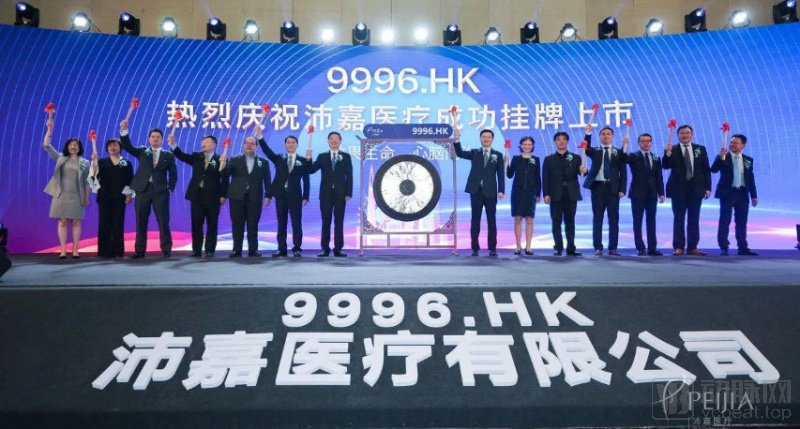
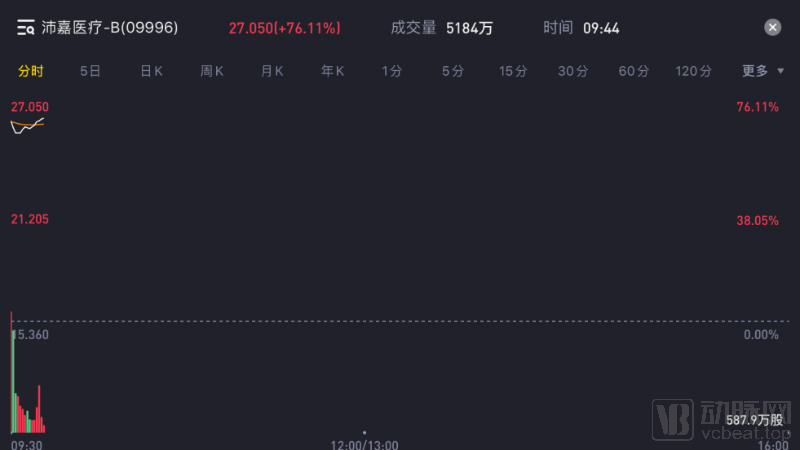
Peijia Medical launched its public offering on May 5, planning to issue 152.511 million shares at HK$15.36 per share. Following the opening of subscription, market demand was robust, with the public tranche (10% of the total offering) oversubscribed by 1,183.4 times, triggering the clawback mechanism and increasing the public allocation to 50%. In grey-market trading on May 14, Peijia Medical opened 63% higher at HK$25. Industry experts noted that Peijia Medical is poised to become the year’s top issuer in terms of frozen funds.
According to the prospectus, Morgan Stanley and Huatai International are the joint sponsors for this Hong Kong stock listing application. Founder and CEO Zhang Yi holds 30.93% of the shares, while Matrix Partners China and Hillhouse Capital hold 10.07% and 9.33% respectively, making them the two largest institutional investors. Yu Zhiyun, Managing Director at Matrix Partners China, serves as a non-executive director. The total amount expected to be raised is $300 million.
The IPO proceeds of Peijia Medical were primarily used for the development and commercialization of its core product, TaurusOne.®to fund clinical trials, prepare for registration and filing, and support the potential commercial launch of other key products under development; to strengthen R&D capabilities; and for potential strategic acquisitions, among other uses.
As a leader in China’s transcatheter valve therapy and neurointerventional surgical device markets, and one of only four domestic participants with transcatheter aortic valve replacement (TAVR) products in clinical trials or later stages, Peijia Medical’s path to listing has consistently attracted significant attention.
Peijia Medical was established in 2012 as a medical device R&D and manufacturing enterprise founded by seasoned R&D and management teams from the U.S. and Chinese medical device industries. The company focuses on the research and development of medical devices for cardiovascular and neurovascular diseases. Its core team comprises top-tier talent in the cardiovascular device industry, including its founder, Dr. Zhang Yi, who boasts over 20 years of industry experience in the cardiovascular field.
According to the prospectus, Dr. Zhang Yi worked at Medtronic from 1996 to 1998; from 1998 to 2002, he served as a Senior Engineer in the R&D department of Guidant Corporation, a company that designs and manufactures artificial cardiac pacemakers; from February 2002 to June 2006, Dr. Zhang Yi served as Chief Executive Officer of MicroPort Medical (Shanghai) Co., Ltd., the predecessor of MicroPort Scientific Corporation.
Peijia Medical has developed a product portfolio that encompasses transcatheter devices for the aortic, mitral, and tricuspid valves. Within its valve business, the first-generation TAVR product, TaurusOne®Confirmatory clinical trials are ongoing, with approval from the National Medical Products Administration expected in the first or second quarter of 2021. Second- and third-generation TAVR products are also under development.
In the neurointerventional business, electrochemical detachment coils, mechanical detachment coils, and access devices have received regulatory approval and are commercially available, while thrombectomy and aspiration products are in the clinical trial phase. Meanwhile, a range of complementary products for hemorrhagic and ischemic stroke are under accelerated development and will be launched soon.
According to Frost & Sullivan, Peijia Medical ranks third in China’s transcatheter valve medical device market in terms of the total number of commercialized products and investigational products in clinical trials. Based on the combined count of commercialized products and investigational products in clinical trials, Peijia Medical ranks first among domestic companies in the Chinese market and is the first domestic company to commercialize embolization coil products in China.
Peijia Medical’s rapid growth has been driven by capital support.
Over the past seven years, Peijia Medical has garnered investment from a globally renowned private equity fund, Hillhouse Capital, Matrix Partners China, and Lilly Asia Ventures, completing four rounds of financing: In June 2016, it closed its Series A round, raising USD 10 million; in February 2019, it completed its Series B round, securing approximately USD 29 million; in September 2019, it finalized its Series C round, raising USD 25 million; and in December 2019, it concluded its Series C-1 round, obtaining USD 45 million.
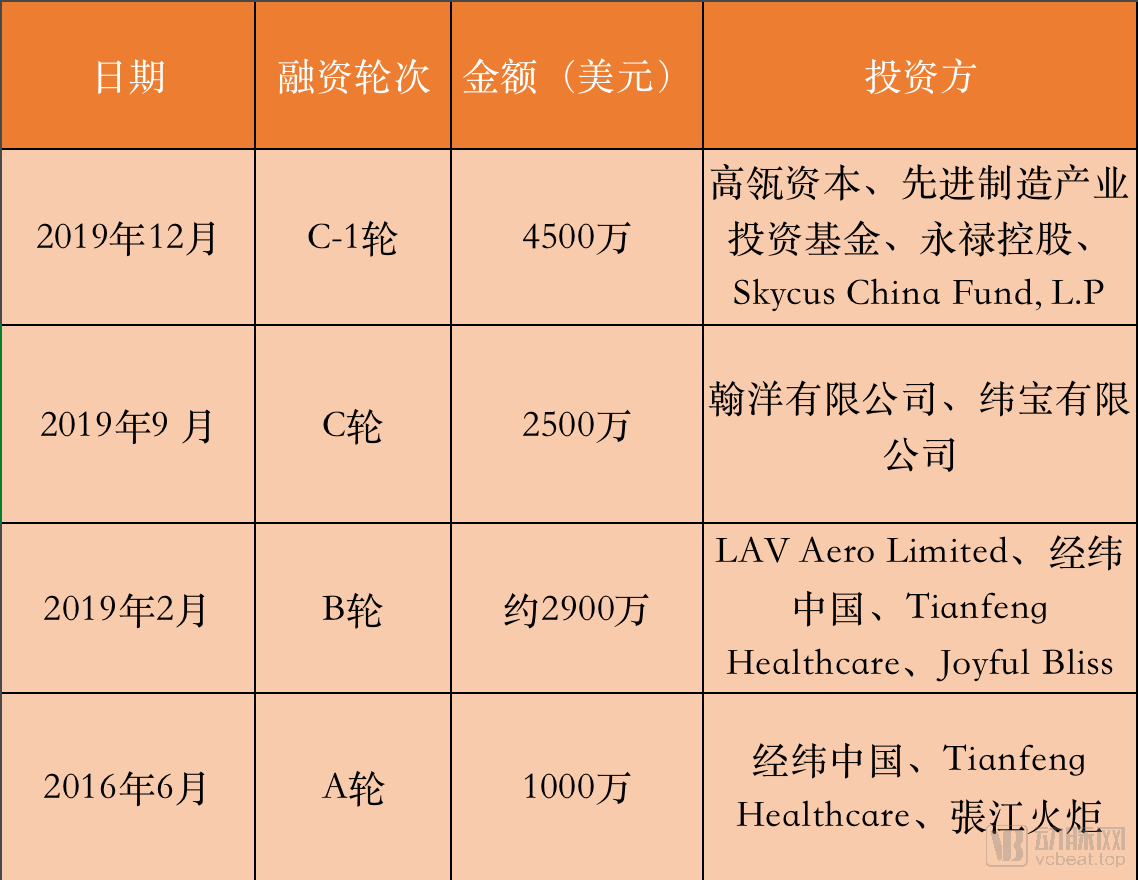
(Peijia Medical’s Financing History, data sourced from the prospectus)
Furthermore, in March 2019, Peijia Medical acquired all equity interests in Jiaqi Medical, a neurointerventional company (another enterprise founded and operated by Zhang Yi, the founder and CEO of Peijia Medical), by reaching a share-swap agreement with Jiaqi Medical’s shareholders, thereby completing the strategic integration with Jiaqi Medical. This integration has strengthened synergies across multiple dimensions, including R&D, clinical operations, quality control, overall operations, and commercial promotion. The therapeutic areas in which the company’s independently developed heart valve and neurointerventional products compete represent one of the fastest-growing segments within the medical device industry, characterized by substantial potential market size.
Following the integration of Jiaqi Medical’s neurointerventional business segment, Peijia Medical currently manufactures and sells a total of five neurointerventional surgical medical devices. To date, all five products have obtained approval from the National Medical Products Administration (NMPA), as well as CE certification and various other approvals or registrations in Brazil, Ecuador, and Indonesia. The Company plans to commence sales of its sixth neurointerventional surgical product, Yibida, in the second and third quarters of 2020.®Guiding catheter.
Notably, in the field of transcatheter valve therapy devices, Peijia Medical was the first company to launch an IPO in Hong Kong following Venus Medtech’s listing on the Hong Kong Stock Exchange in 2019.
Notably, the founders of both Peijia Medical and Venus Medtech previously worked at MicroPort Scientific. Established in 2009, Venus Medtech predates Peijia Medical. Zhenjun Zi, Chairman of Venus Medtech, held a research position at Shanghai MicroPort (the predecessor entity to the listed MicroPort Scientific) from 1998 to 2002, where he participated in the development of China’s first interventional cardiovascular device and contributed to the creation of coronary stents. Meanwhile, Dr. Zhang Yi, Chairman of Peijia Medical, served as Chief Executive Officer (CEO) of Shanghai MicroPort from 2002 to 2006, overseeing the company’s overall operations and strategic expansion.
Since its listing in December 2019, Venus Medtech has demonstrated robust stock performance. As of May 14, 2020, its share price had risen by more than 50%, reflecting investor optimism toward the field of transcatheter valve therapy. A comparison between Venus Medtech and Peijia Medical reveals that the former has already generated sales revenue from its TAVR products. Based on the number of TAVR implantations in 2018, Venus Medtech ranked first in China with a market share of 79.3%, whereas Peijia Medical remains at a relatively early stage of development.
Currently, cardiovascular disease has become a major global public health issue, with extremely high incidence and mortality rates that seriously threaten human life and health. In recent decades, the prevalence and mortality of cardiovascular diseases in China have continued to rise. At present, there are 290 million prevalent cases of cardiovascular disease in China, and cardiovascular deaths account for more than 40% of all disease-related deaths among residents, ranking first among all causes of death. The situation regarding the prevention and control of cardiovascular disease remains severe.
Currently, effective clinical treatment options for cardiovascular diseases remain limited. With the advancement of interventional techniques, interventional therapy is gradually replacing traditional open-heart surgery, owing to advantages such as shorter procedural time, fewer postoperative complications, and faster recovery. Taking the treatment of aortic valve disease as an example, current clinical options include traditional surgical aortic valve replacement (SAVR) via open-heart surgery and transcatheter aortic valve replacement (TAVR). Since its inception in 2002, TAVR has undergone more than a decade of continuous innovation and has undoubtedly emerged as a new therapeutic option for patients with aortic stenosis. It has significantly improved the quality of life for patients with severe aortic stenosis and is increasingly becoming the mainstream approach.
Undoubtedly, driven by heightened patient health awareness, improved affordability, and advances in physicians’ clinical practice, the interventional therapy market for valvular heart disease and neurovascular disorders is exhibiting robust growth momentum. According to Frost & Sullivan, the global TAVR product market is expected to grow from USD 4.1 billion in 2018 to USD 10.4 billion in 2025, representing a compound annual growth rate (CAGR) of 14.3%. Meanwhile, China’s TAVR product market is estimated to surge from RMB 196.6 million in 2018 to RMB 6.3326 billion in 2025, with a CAGR of 64.2%. With only approximately 1,000 TAVR procedures performed in China in 2018, the market holds substantial room for expansion.
Furthermore, China’s transcatheter mitral valve replacement (TMVR) and transcatheter tricuspid valve replacement (TTVR) markets are still in their early stages of development, offering significant growth potential. According to Frost & Sullivan, while transcatheter valve therapy medical devices have already been launched in the Chinese market, no single company has yet emerged as a clear industry leader.
In the field of neurointerventional surgical medical devices in China, the market has maintained rapid growth. The Chinese embolization coil market is estimated to expand to RMB 2.6467 billion by 2025, with a compound annual growth rate (CAGR) of 12.3%; the intracranial aneurysm stent market is estimated to reach RMB 812.2 million by 2025, with a CAGR of 15.0%. Currently, China’s neurointerventional surgical medical device market is dominated by foreign giants, while domestic companies hold a low market share. This presents significant opportunities for import substitution and underscores the market’s substantial potential.
As shown above, Peijia Medical’s strategic focus on transcatheter valve therapy and neurointerventional medical devices reflects its recognition of the significant growth opportunities in these two key sectors.
Dr. Zhang Yi, Founder and CEO of Peijia Medical, stated: “Cardiovascular and cerebrovascular diseases have long been the leading cause of patient mortality. As a high-end medical device platform specializing in structural heart disease and neurointerventional therapies, Peijia has long been committed to addressing critical areas in need of breakthroughs. Driven by independent innovation and integrating the latest global technological advancements, we continuously invest in the development of new products and therapeutic approaches. Amidst the rapidly evolving clinical landscape of structural heart disease, Peijia not only provides Chinese physicians with high-quality, innovative valves tailored to Chinese patients, but also focuses on tackling frontier challenges in global medicine, building a platform for structural heart disease solutions with worldwide reach.”
Given that aortic valve calcification is significantly more severe in Chinese patients than in their foreign counterparts, imported therapeutic devices often yield suboptimal outcomes for the Chinese population. Consequently, the TAVR market in China is predominantly dominated by domestic manufacturers. As the domestic TAVR product market is still in its early stages of development, there are currently only three commercially available, independently manufactured TAVR products. With no single participant holding a substantial market share, the competitive landscape is poised to evolve over the medium to long term.
The market currently has no single dominant player. Peijia Medical’s first-generation TAVR product, TaurusOne®Equipped with a variety of features designed specifically for the needs of Chinese patients and physicians, it is expected to become a competitive product in the market.
Peijia Medical's First-Generation TAVR Device: TaurusOne®Designed for the treatment of aortic valve disease using transcatheter methods. Currently, it holds eight related patents. Its features include a specially designed prosthetic aortic valve frame that applies an appropriate level of radial force, making it particularly suitable for Chinese patients: it provides sufficient radial force to enable the prosthetic aortic valve to overcome aortic valve calcification and remain in the ideal position without migrating upward or downward, while avoiding excessive radial force or pressure on adjacent nerves, thereby reducing the need for surgical intervention or permanent pacemaker implantation.
Furthermore, regarding valve tissue, Peijia Medical has chosen bovine pericardium over porcine pericardium. Bovine pericardium is more durable than porcine pericardium, carries a lower risk of complications, and offers superior hemodynamic performance. Although bovine pericardium is thicker than porcine pericardium, Peijia’s application of advanced heat treatment technology to the self-expanding frame of its TAVR prosthetic aortic valve ensures that its overall performance is comparable to that of similar products.
February 2017, TaurusOne® Recognized as an “Innovative Medical Device” by the National Medical Products Administration (NMPA) and entered into the expedited review pathway. In the same year, Peijia Medical collaborated with Beijing Fuwai Hospital, adhering to the principles outlined in the “Guiding Principles for Clinical Trial Review of Transcatheter Implantable Artificial Aortic Valve (Draft for Comments)” (TAVR Clinical Trial Principles Draft), TaurusOne®A single-center feasibility clinical trial was completed in ten patients. Currently, the protocol for this single-center feasibility clinical trial has been approved by the National Medical Products Administration (NMPA). As a key component of the NMPA-mandated application process, the feasibility trial demonstrated that cardiac function improved significantly in most subjects postoperatively.
In addition, Peijia Medical is collaborating with six hospitals to conduct a confirmatory clinical trial involving 125 patients. After excluding certain trial subjects, the all-cause mortality rate at 12 months post-procedure (the primary safety endpoint of the confirmatory trial) was 6.67%, whereas the maximum acceptable all-cause mortality rate at 12 months post-procedure as stipulated by the National Medical Products Administration under the “Guiding Principles for Clinical Trials of Transcatheter Implanted Artificial Aortic Valves” (TAVR Clinical Trial Guiding Principles) is 30%.
TaurusOne®This product is expected to submit a registration application to the National Medical Products Administration (NMPA) in the third quarter of 2020, and achieve commercialization in the first or second quarter of 2021. Peijia Medical stated in its prospectus that TaurusOne®It is expected to become the fourth commercially available TAVR product in the Chinese market. In addition to TaurusOne®Products: Currently, there are six registered products and 20 pipeline products at various stages of development.
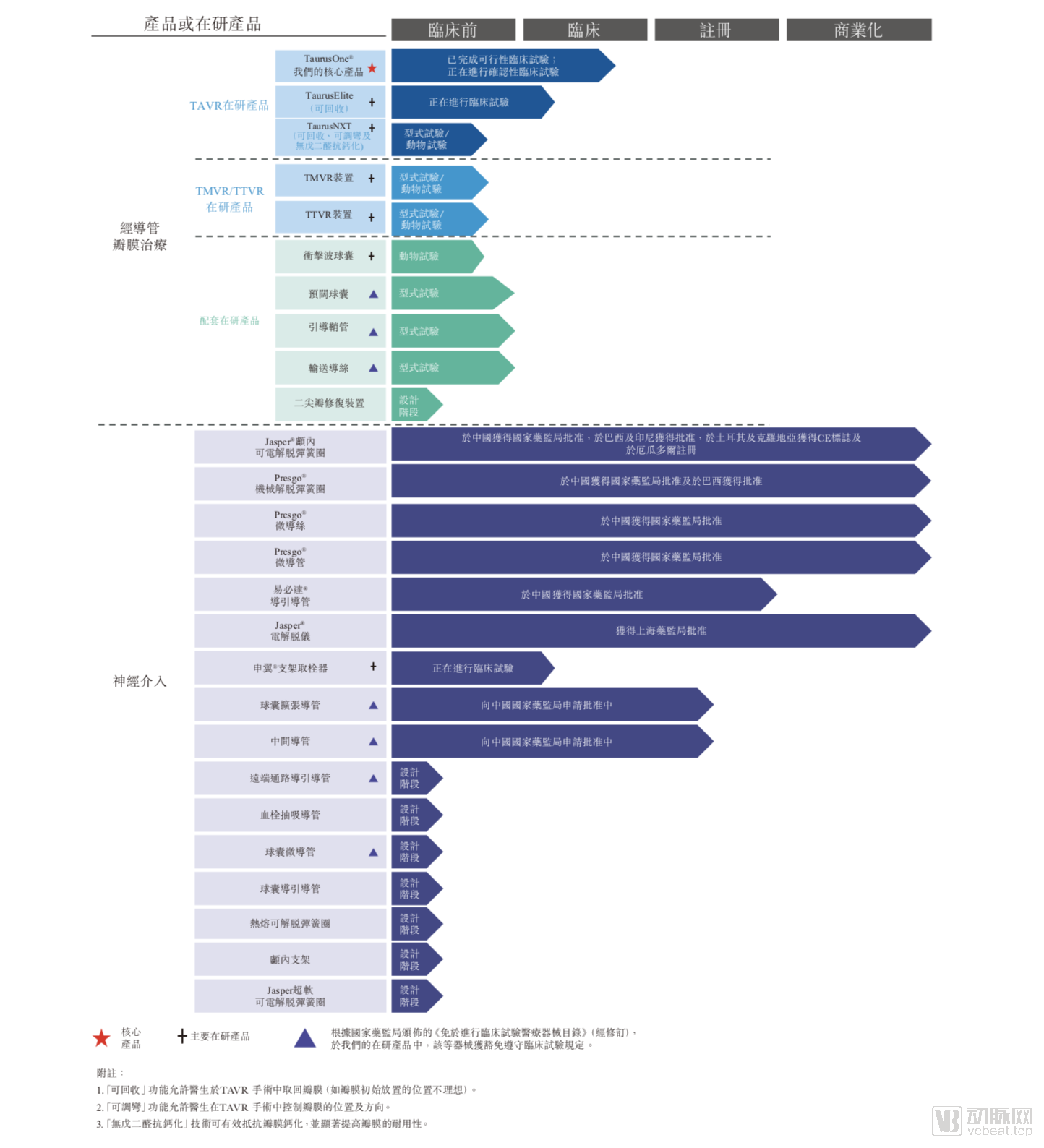
(Product Illustration)
Breaking into the tier of TAVR product manufacturers requires not only a concentration of talent but also substantial financial support for research and development.
As disclosed in the prospectus, Peijia Medical incurred R&D expenses of RMB 27.9 million and RMB 55.1 million in 2018 and 2019, respectively (such R&D expenses exclude Jiaqi’s R&D expenses of RMB 13.5 million for 2018 and RMB 5.2 million for the period from January 1, 2019 to March 29, 2019).
Before Peijia Medical’s initial public offering, despite enthusiastic subscription from investors, the company could not escape the challenge of losses. It is understood that, financially, Peijia Medical only began recognizing revenue and incurring corresponding cost of revenue as well as selling and distribution expenses after its acquisition of Jiaqi in March 2019. The net loss increased significantly from RMB 82.9 million in 2018 to RMB 532 million in 2019, primarily due to a major change in the fair value of financial instruments issued to investors amounting to RMB 308.2 million in 2019, and an increase in administrative expenses by RMB 127.7 million from 2018 to 2019. The actual operating loss in 2019 was RMB 227 million.
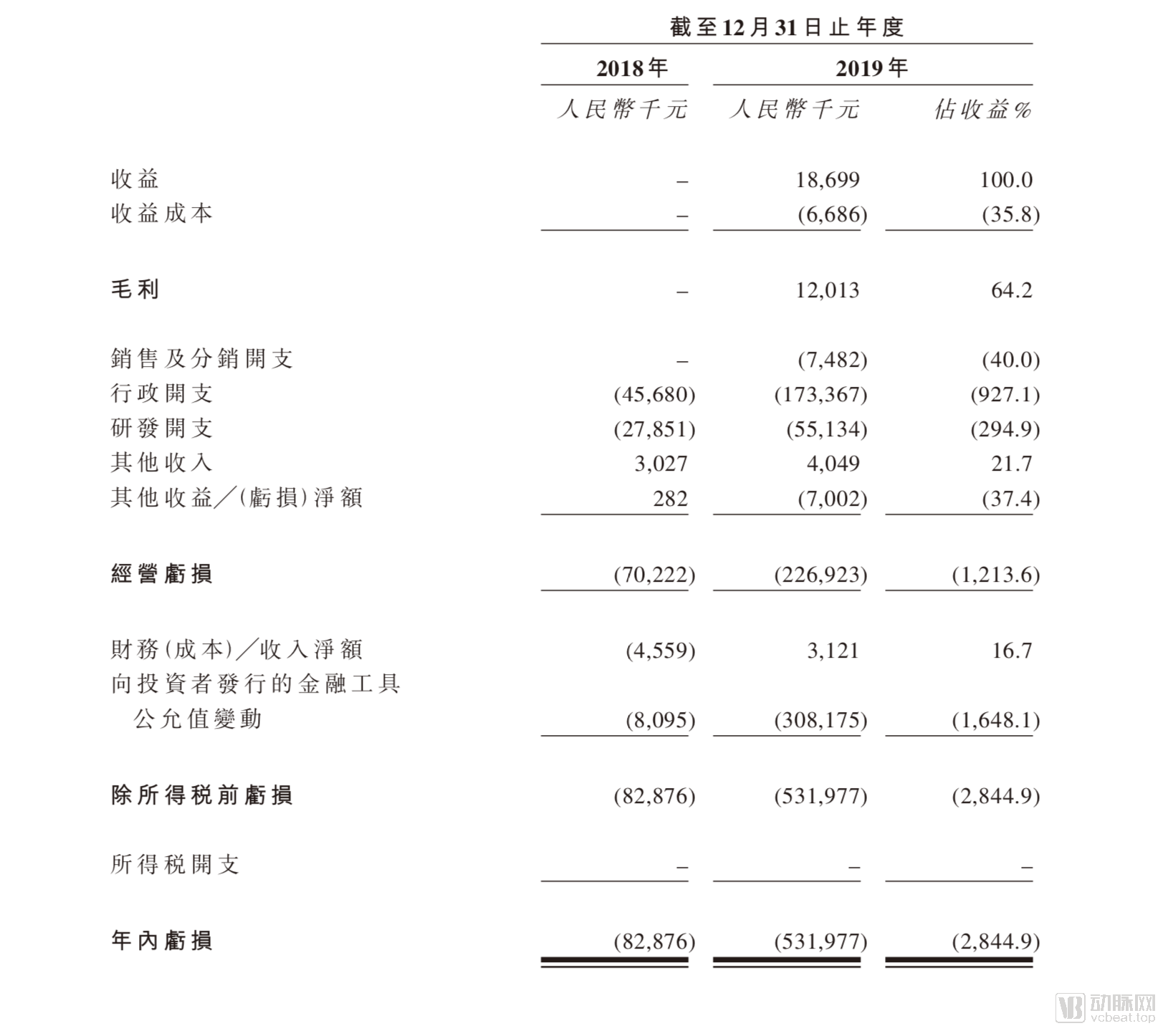
(Financial Statements)
In its prospectus, Peijia Medical stated that it has gained a competitive edge by leveraging the following five advantages: (1) it is a leading domestic company in the high-growth markets for transcatheter valve therapy and neurointerventional surgical medical devices; (2) strong R&D capabilities support the robust development of technologically advanced next-generation products; (3) excellent commercialization capabilities, mature commercial infrastructure, and a robust distribution network; (4) a platform strategy that enhances operational efficiency and supports long-term growth; and (5) a visionary and experienced management team backed by strong shareholder support.
In addition to its TAVR products, Peijia Medical will accelerate the commercialization of various other products. For example, it is currently finalizing the application for Shenyi®clinical trials of the stent retriever, and plans to submit a registration application to the National Medical Products Administration in the second quarter of 2021. It is expected that, by then, Peijia Medical will become the second domestic company to offer commercialized stent retriever products in the Chinese market.
Furthermore, Peijia Medical will further expand and enhance its commercialization infrastructure. We plan to build our sales and marketing team by hiring experienced National Sales Directors, Regional Managers, and Sales Representatives, thereby strengthening relationships with key opinion leaders in target therapeutic areas. Meanwhile, we intend to establish an internal medical affairs team composed of qualified healthcare professionals, dedicated to building and maintaining relationships with leading hospitals and renowned physicians in China, so as to further increase Peijia Medical’s market visibility. We also plan to continue actively participating in academic promotion activities, such as sponsoring industry conferences and providing training for physicians.
Peijia Medical expects to further expand the distribution network for its existing and future commercialized products by partnering with more distributors that have strong sales records in China’s high-growth regions; it plans to coordinate its sales and marketing teams to support these distributors in achieving their sales targets; and it intends to collaborate with additional overseas distributors to market and sell its products on a global scale.
Overall, there remains significant room for market share shifts in the two major segments of transcatheter valve therapy and neurointerventional surgical medical devices. Given the currently low market penetration, Peijia Medical’s performance is worth watching.