

EnsGene Files IPO Prospectus: Pioneering Newborn Gene Preservation Technology Serving Over 150,000 Families Across Nearly 100 Hospitals
Since Watson and Crick discovered the double-helix structure of DNA in 1953, unlocking the door to molecular biology, gene technology has witnessed rapid advancement over the past half-century, with an accelerating pace of technological implementation and commercialization in recent years.
According to data from GenePlanet’s YourMapTM database, a total of 64 domestic genetic companies announced the completion of 70 financing rounds in 2018, with the total financing amount reaching approximately RMB 7.17 billion. As of 2019, there were 1,036 registered genetic enterprises in China, with 60% concentrated in the fields of technological services, oncology, and health management.
At the policy level, on June 25, 2016, the National Science and Technology Management Information System Public Service Platform issued the “Notice on Publicizing the Arrangement of Projects for 2016 under the National Key R&D Program ‘Precision Medicine Research’,” disclosing information on the 2016 projects under the “Precision Medicine Research” key special initiative that were proposed to enter the review stage. This move signaled the launch of China’s major scientific research initiative on precision medicine, thereby providing greater policy support for gene technology in the country.
As a national high-tech enterprise focused on the field of precision medicine, Hangzhou Enshi Gene Technology Co., Ltd. (hereinafter referred to as “Enshi Gene”) is committed to providing users with health backups through the research and development of gene preservation technologies, enabling people to access more precise, cost-effective, and time-efficient medical solutions in the event of future illnesses. Currently, the company has collaborated with nearly 100 hospitals across provincial-level administrative regions such as Sichuan, Guangdong, Shandong, Hubei, and Chongqing, serving over 150,000 families.
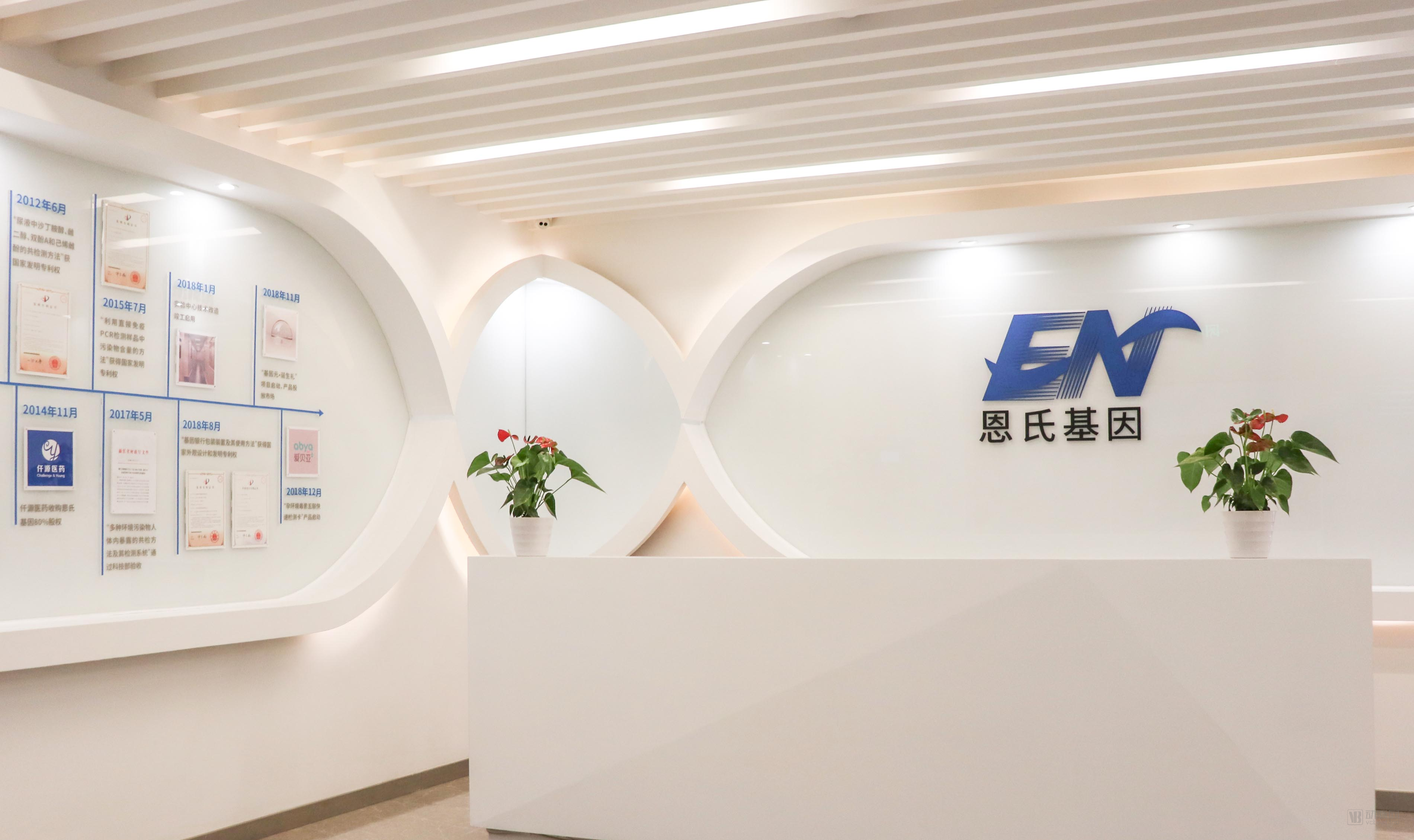
The decision to focus on infant gene preservation as the company’s core business originated from a precision medicine research project on gene technology at Zhejiang University, which served as the predecessor of Enshi Gene.
“This project primarily focuses on antibody-drug conjugates and personalized neoantigen vaccines for tumors. At the time, the project team needed to identify gene mutation sites in cancer patients, but the entire process was extremely challenging, requiring numerous rounds of screening and cross-referencing, which took several months,” Zhao Fu, Partner and Vice President of Enshi Gene, told VCBeat.
How can mutation sites be identified to better serve cancer patients? There are three mainstream approaches: first, comparing the patient’s genes with those of three generations of family members; second, leveraging big genetic data for comparison; and third, comparing against the patient’s own other healthy tissues.
For the first approach, due to differences in living environments and dietary habits across generations, gene comparison has limited reference value. In terms of genetic big data, it is difficult to establish a complete and robust genetic database given the large population size. Therefore, the project team opted for the third approach. However, issues were identified during practical implementation: when using other tissues from the patient as references, although these tissues appear healthy, they may have already undergone genetic mutations and differ significantly from the patient’s original genome. Consequently, this “healthy” tissue used for comparative reference is actually a false-positive sample, which aligns with findings from a study conducted in the United States.
According to a study conducted by Professor Victor Velculescu’s research team at the Johns Hopkins University School of Medicine, after analyzing genomic sequencing data from 815 cancer patients provided by Personal Genome Diagnostics, the team found that false-positive misleading results from reference samples led to nearly half of the treatment plans selected by physicians for their patients being incorrect.
Based on this rationale, Professor Chen Shuqing, the project team leader, posited that original genes constitute the optimal and most valuable genetic blueprint. Consequently, the team pivoted towards gene preservation, developing a technology enabling at-home self-storage of genetic samples. This technology was commercialized within Zhejiang Province in 2006 and, following its acquisition by the publicly listed Shanxi Qianyuan Pharmaceutical Group in 2014, expanded into the national market.
“One of our significant technical advantages is the adoption of the solid-phase adsorption preservation principle, which enables room-temperature storage of genetic material and facilitates self-storage at home,” stated Zhao Fu. This patented technology, acquired by Enshi Gene in 2006, is covered by two patents titled “Preparation Method for Human Genomic DNA Samples” and “Method and Device for Preparation and Sealed Storage of Human Genomic DNA Samples.” The technology involves treating DNA with biotechnological processes and storing it in a nitrogen-filled, airtight environment (isolated from air), protected from ultraviolet light, vibration, and moisture, at temperatures below 35°C. This approach allows for easy home storage with a preservation period of up to 100 years. In contrast, common methods used by current gene storage companies on the market, such as liquid nitrogen storage and electric refrigeration, are costly and inconvenient to use.
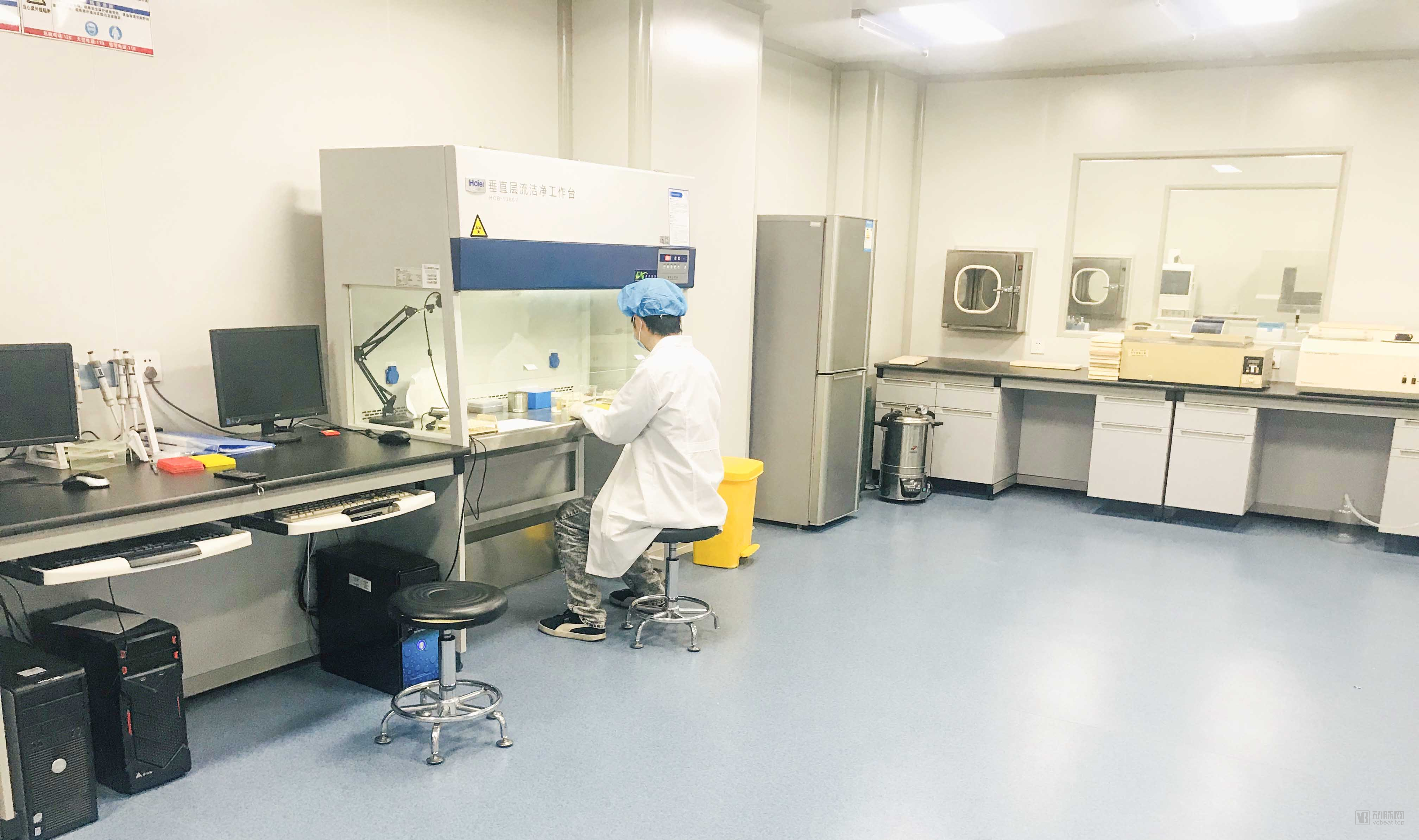
As a high-tech enterprise, Enshi Gene boasts a strong “R&D DNA”: its team currently includes 10 senior engineers, 10 Ph.D. holders in gene technology, and approximately 17 master’s degree holders. General Manager Zhang Zhenbiao, who graduated from the School of Pharmacy at Shanghai Medical University and holds an EMBA from CEIBS (China Europe International Business School), has over 20 years of experience in the research, development, production, sales, and marketing of pharmaceuticals. He has previously founded several pharmaceutical companies, including Yizhou Pharmaceutical and Qianyuan Pharmaceutical, and currently serves as a shareholder and one of the actual controllers of the listed company Qianyuan Pharmaceutical. Chen Shuqing, the company’s founder and genetic technology consultant, completed his postdoctoral fellowship in the Department of Molecular Biology at Cornell University in the United States and currently serves as the Director of the Biotechnological Drug Research Laboratory at the College of Pharmaceutical Sciences, Zhejiang University.
Wang Anxing, the Company’s Deputy General Manager, is a Senior Engineer and a Licensed Pharmacist. He has previously served as Deputy General Manager at Zhejiang State Investment Pharmaceutical Company, Hangzhou Haomai Pharmaceutical Technology Co., Ltd., and Zhejiang Huayang Pharmaceutical Co., Ltd. Zhao Fu, the Company’s Partner and Vice President, has independently founded multiple enterprises and has been deeply engaged in the healthcare industry for many years. She currently also serves as the Chairman of Sichuan Enshi Health Management Co., Ltd.
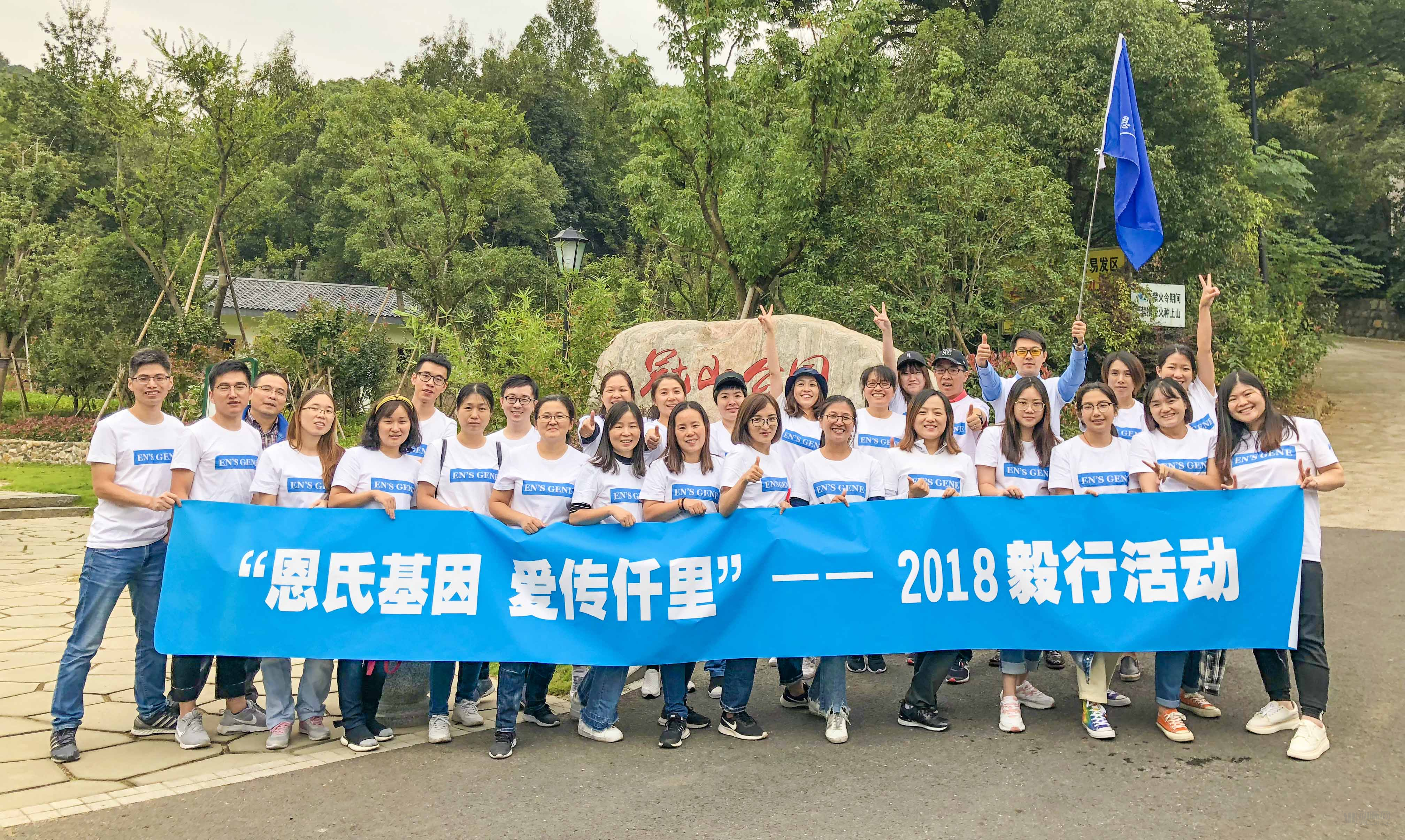
For a startup, in addition to possessing sufficient R&D capabilities, the choice of market entry point determines whether the product can address users’ core needs, thereby enabling mass production and commercial deployment.
From a market-oriented perspective, Enshi Gene has launched three major brands: GeneYuan®, GeneYuan® Birth Gift, and GeneFang®.
GeneYuan® is a newborn gene preservation service launched by Enshi Gene, which collects oral mucosal epithelial cells from infants and uses Enshi’s exclusive patented technology for production and encapsulation to preserve the infant’s genes in their most primitive and pure state. The preserved infant genes serve as the baby’s original life blueprint. In the future, they can act as a reference genome, enabling precise identification of mutation sites in diseased tissues by comparing them with the infant’s baseline genes, thereby facilitating precision treatment for major diseases such as cancer, including neoantigen therapy. Furthermore, the preserved infant genes function as a “life bank” for the baby. As the genes are stored physically as DNA, they represent the optimal material for future gene therapies and offer endless possibilities for emerging genetic applications as gene medicine rapidly advances.
GeneOrigin®. Birth Gift is an upgrade of GeneOrigin®. “As people place increasing emphasis on the sense of ritual in life, a baby’s first birthday upon birth is particularly distinctive. As a gift of life and health for the baby, GeneOrigin® serves not only as their original biological blueprint but also as an emotional keepsake,” stated Zhao Fu.
GeneFang® is a gene preservation service designed for both children and adults. During childhood, the number of gene mutations is minimal; although adults have already accumulated some mutations, their genes still hold significant reference value compared to those at the disease stage. Preserved childhood genes can serve as a "life blueprint" for precision medicine and as a "life bank" for future clinical applications in genomic medicine. Preserved adult genes can be utilized for future research on familial genetic diseases.
Gene banking for infants is a relatively low-frequency service. To foster stronger brand loyalty among users, Enshi Gene’s solution involves offering extended services, such as genetic testing, nutritional assessments, and allergy screenings for children’s health.
In terms of competitors, well-known companies include Vetted International, Securigene, EasyDNA, PG DNA Bank, DDC Medical, and Affiliated Genetics. Additionally, hospitals and non-profit organizations promoting gene preservation include Seattle Children’s Hospital and the Center for Human Genetics.
Looking ahead, Zhao Fu stated that Enshi Gene has plans in three areas. First, the company will continue to complete the development of several product lines this year. Second, it will improve the recruitment of operational talent and establish higher-quality product channels. Third, it will expand its business to other provinces, collaborating with more hospitals to establish precision medicine research centers and co-built laboratories.