

Kaito Pharmaceuticals Debuts on HKEX with Over $1 Billion Market Cap, Novel AR Antagonist Draws Strong Anticipation

Kintor
Innovative Drug Developer

On May 22, clinical-stage new drug developer Kintor Pharmaceutical Limited (“Kintor”; stock code: 09939.HK) officially listed on the Hong Kong Stock Exchange, issuing a total of 92.3475 million shares at an offer price of HK$20.15 per share, raising approximately US$240 million. According to the company’s announced IPO results, the public offering was oversubscribed by more than 550 times, with frozen funds exceeding RMB 100 billion.
At 9:30 a.m. today, Kintor’s opening price matched its IPO pricing at HK$20.15. As of 10:13 a.m., the stock was trading at HK$21.85, up 8.44%, with a total market capitalization reaching HK$8.071 billion.
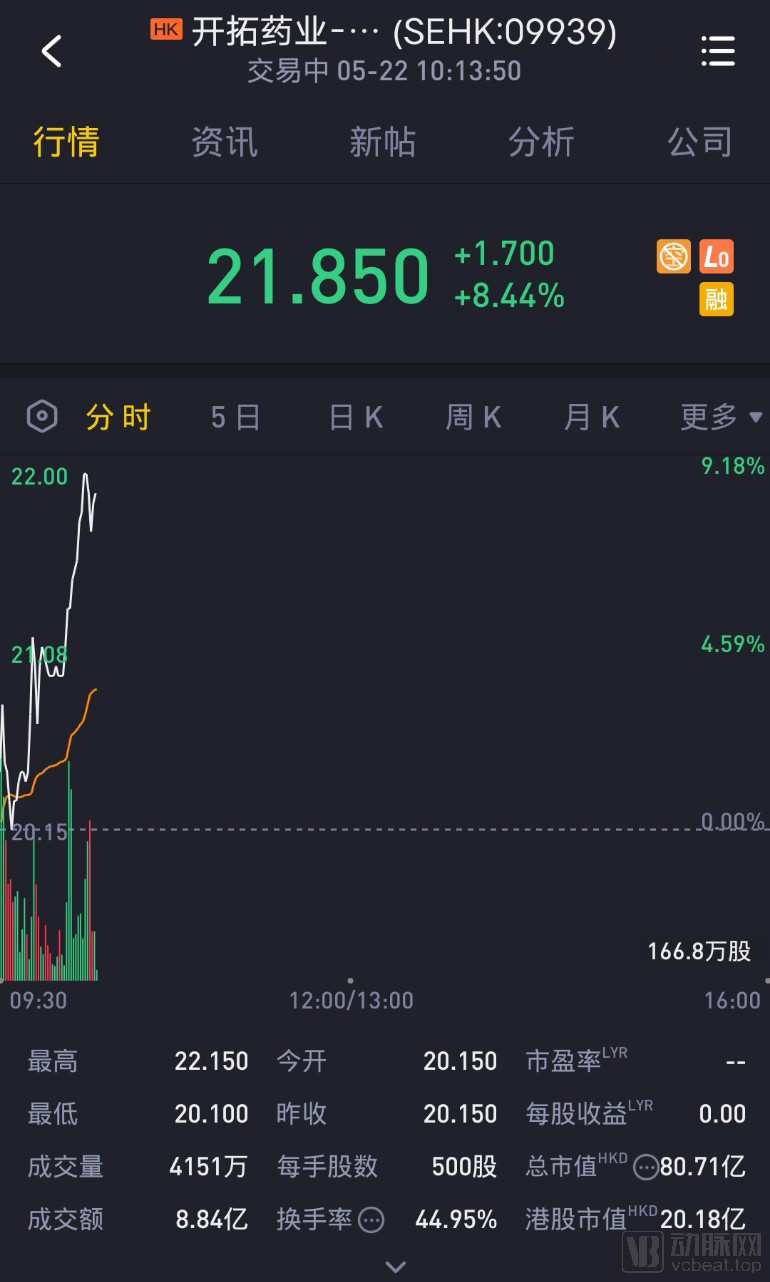
Kintor’s total market capitalization has exceeded $1 billion. Image: Tiger Brokers
Kintor is a novel drug R&D company focused on the development of anti-cancer and androgen receptor (AR)-related therapies. Its core candidate drug, “Proxalutamide,” is a potential best-in-class small-molecule AR antagonist primarily indicated for the treatment of metastatic castration-resistant prostate cancer (mCRPC) and metastatic breast cancer. The company is currently conducting Phase III clinical trials in China and Phase II clinical trials in the United States for mCRPC, as well as clinical trials for breast cancer. Kintor expects to submit this year a new drug application for Proxalutamide as a monotherapy for mCRPC.
To date, Kintor has not generated any revenue from its drugs under development, and its future financial prospects will largely depend on whether the company can generate revenue from sales of new drugs currently in development.
Against this backdrop, Kintor has consistently attracted strong investor interest. From the angel round backed by Legend Star and Origin Capital, to multiple subsequent rounds of aggressive follow-on investments by Honghui Capital, and the entry of prominent institutional investors such as New Jianyuan Venture Capital and Sinopharm Capital, how did Kintor successfully access the capital markets? VCBeat (WeChat ID: vcbeat) offers insights into Kintor’s “core competitiveness” by examining its IPO prospectus.
Star Investment Firms/Cornerstone Investors Vie to Enter, Completing Five Rounds of Financing Before IPO
On March 24, 2009, Kintor was established in Suzhou Industrial Park, co-founded by Dr. Youzhi Tong and Dr. Chuangxin Guo.
Dr. Tong Youzhi holds bachelor’s and master’s degrees in Chemistry from Peking University, and earned his Ph.D. in Pharmacology from Cornell University in 1997. Recognized as a national-level talent, he has over 17 years of experience in biomedical research and development (R&D) and management. He has been awarded multiple dedicated grants from the U.S. National Institutes of Health (NIH) and the Chinese government, received numerous research awards, and led teams in advancing several major national and provincial R&D projects.
Under the leadership of Dr. Tong Youzhi, the company is further bolstered by nine scientists who returned to China after studying abroad. R&D personnel account for more than 60% of the workforce, with the majority holding master’s or doctoral degrees.
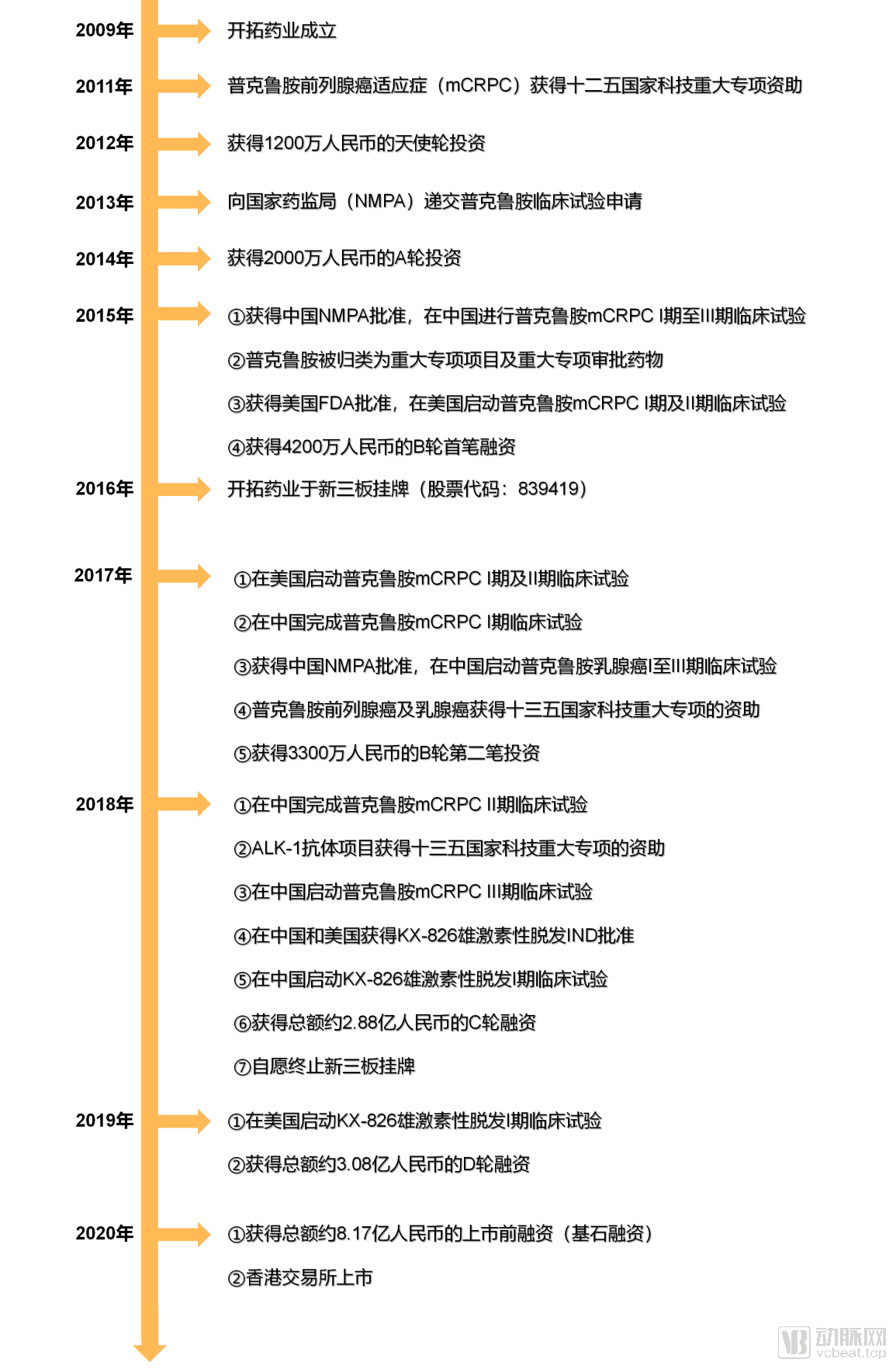
Kintor’s Development Milestones (Data source: Prospectus; Graphic by VCBeat)
Previously, on December 12, 2016, Kintor listed on the National Equities Exchange and Quotations (NEEQ) through a negotiated share transfer (stock code: 839419). Later, considering its strategic direction and other factors, the company delisted from the NEEQ on May 25, 2018.
According to Kintor’s prospectus, the company has completed five rounds of financing since its establishment.

Kintor’s Historical Financing (Source: Prospectus)
The company completed its angel round, or Series A financing, in 2012, with participation from investment firms such as Legend Star and Origin Capital. As one of the earliest investors in Kintor, Lu Gang, a partner at Legend Star, recalled: “Kintor’s project portfolio is extensive and promising, with a high degree of R&D innovation. Its core team possesses not only rich experience in clinical development but also strong commercial capabilities.”
“In 2012, China’s new drug R&D market was still sluggish. Kintor precisely positioned itself to develop potential ‘me-better’ drugs, a choice that allowed Legend Star to see the pragmatic and down-to-earth side of Kintor’s business,” Lu Gang told VCBeat.
As a cornerstone supporting the growth of startups, behind Kintor’s journey lies the quiet backing of another investment firm: Hui Capital. According to publicly available information, Hui Capital has continuously supported Kintor’s development since its Series B financing round in 2015. As of the period prior to Kintor’s initial public offering (IPO), Hui Capital held the largest equity stake among institutional investors. Reportedly, Hui Capital is also an investor in companies such as Mindray Medical, Pharmaron, WuXi AppTec, and Borui Medicine.
In addition to the first five rounds of financing, according to the latest publicly available market data, Kintor has introduced three cornerstone investors, including Gree Financial Holdings, HighLight Capital, and Ruiyuan Fund, which collectively subscribed to shares equivalent to US$115 million.
Five Drug Pipelines in Development: Potential Best-in-Class AR Antagonist to Unlock Significant Market Potential for Kintor
Although Kintor has not yet generated any revenue from its drugs under development, the capital market fully recognizes and affirms the company’s future market prospects and value, driven by its core strengths in the field of androgen receptor (AR) research and its robust product pipeline.
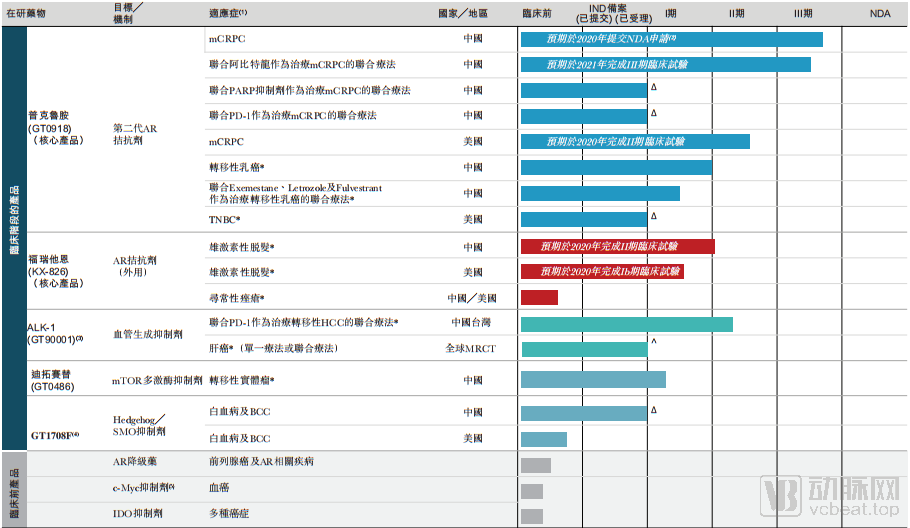
Kintor's Drug Pipeline
Kintor’s five clinical-stage drug candidates are: the second-generation androgen receptor (AR) antagonist pyrilutamide (GT0918), the topical AR antagonist fluridil (KX-826), the fully human monoclonal antibody targeting ALK-1, an angiogenesis inhibitor (GT90001), the mTOR kinase inhibitor detorasertib (GT0486), and the Hedgehog/SMO inhibitor (GT1708F). This article will focus on Kintor’s most advanced program, pyrilutamide, and analyze the market potential for AR-related therapies.
Among the clinical pipeline drugs of Kintor, Proxalutamide has garnered significant attention. As an innovative second-generation androgen receptor (AR) antagonist, its unique dual mechanism of action not only effectively inhibits the binding of androgens to AR but also reduces the biological effects mediated by AR expression.
Clinical study results from China and the United States indicate that proktandil (KX-826) demonstrates potential efficacy in patients who have failed treatment with enzalutamide or abiraterone. According to existing clinical data from Kintor, none of the more than 600 participants treated with proktandil in clinical trials experienced seizures, suggesting that proktandil may offer a superior safety profile. Given its unique dual mechanism of action that downregulates AR protein expression, proktandil is a potential best-in-class therapeutic candidate for the treatment of metastatic castration-resistant prostate cancer (mCRPC). The preclinical and clinical studies of proktandil were respectively recognized as part of China’s National Major Science and Technology Project for Significant New Drug Development in 2011 and 2017.
Currently, Kintor is conducting two Phase III clinical trials of proxalutamide for metastatic castration-resistant prostate cancer (mCRPC) in China, with plans to submit a marketing application for proxalutamide monotherapy this year. Meanwhile, a Phase II clinical trial of proxalutamide for mCRPC is also underway in the United States.
In addition to conducting clinical trials for mCRPC, Kintor is also carrying out Phase Ic clinical trials in China to evaluate the combination therapy of protilutamide with exemestane, letrozole, and fulvestrant for metastatic breast cancer. Kintor expects that subsequent clinical trials will focus primarily on patients with AR-positive metastatic breast cancer.
In terms of commercialization, following the approval of the New Drug Application (NDA) for proctolamide in the treatment of mCRPC in China, Kintor is expected to commence GMP manufacturing in Suzhou in the third quarter of 2020, and subsequently gradually transition the production of proctolamide from contract manufacturing organizations (CMOs) to its own production facilities.
Kintor has appointed Mr. Yan Mingming, an experienced professional in prostate cancer drug marketing, as Vice President of Sales, and has begun recruiting a sales and marketing team expected to comprise more than 100 members to fully prepare for the commercialization of its products.
The first indication for Proxalutamide is prostate cancer., this is one of the most common types of cancer in the male population, with over 1.2 million new cases annually worldwide, ranking second among new cancer cases in men globally; in China, there are over 100,000 new cases each year, ranking sixth among new cancer cases in Chinese men.
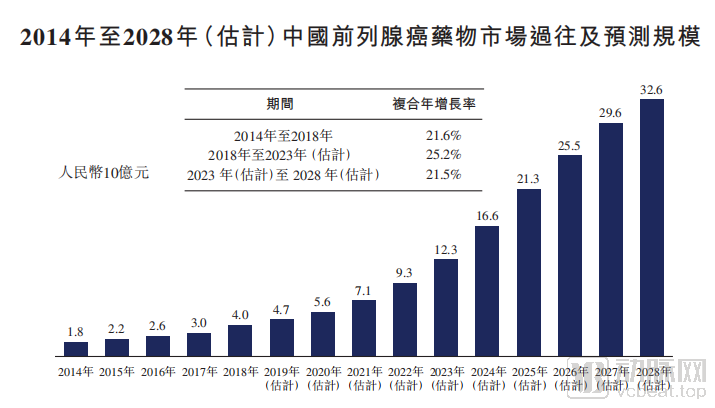
(Source: Frost & Sullivan Report)
According to a Frost & Sullivan report, China’s prostate cancer drug market grew from RMB 1.8 billion in 2014 to RMB 4.0 billion in 2018, representing a compound annual growth rate (CAGR) of 21.6%. During this period, the growth of China’s prostate cancer drug market exceeded the CAGR of the overall oncology drug market, a trend that is expected to continue.
In 2018, the Chinese prostate cancer drug market was projected to grow at a compound annual growth rate (CAGR) of 25.2%, reaching RMB 12.3 billion in 2023, and further expand at a CAGR of 21.5% from 2023 to RMB 32.6 billion in 2028. The expected CAGRs for the Chinese prostate cancer drug market during the periods of 2018–2023 and 2023–2028 were both higher than those of the broader Chinese oncology drug market over the same periods.
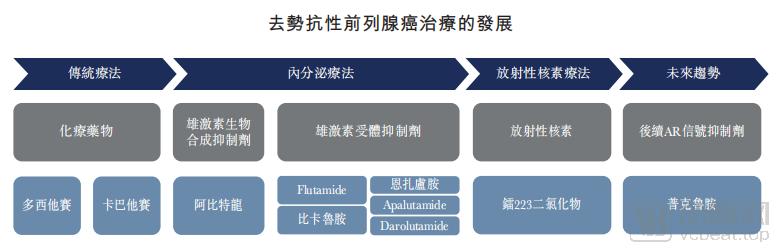
Evolution of Treatment Modalities for Prostate Cancer (Source: Frost & Sullivan Report)
In terms of therapeutic drugs for prostate cancer, the top six drugs in China’s prostate cancer drug market are abiraterone, bicalutamide, docetaxel, leuprorelin, goserelin, and triptorelin. Among these, abiraterone is currently the largest generic drug, generating RMB 837 million in revenue in 2018 and accounting for 20.9% of the total value of China’s prostate cancer drug market.
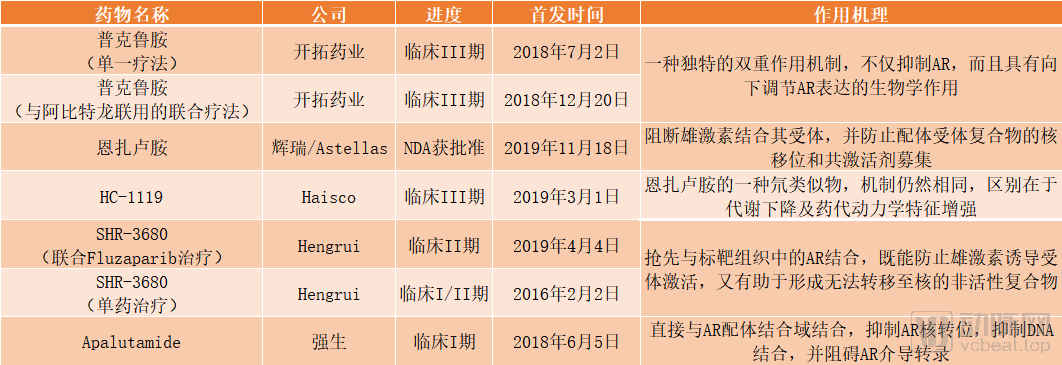
Comparison of Pyrotinib with Other AR Antagonists in China
Among prostate cancer drugs targeting the androgen receptor (AR), enzalutamide is currently the only second-generation AR antagonist approved in the United States for the treatment of metastatic castration-resistant prostate cancer (mCRPC), having received New Drug Application (NDA) approval in the U.S. in August 2012. Notably, this drug also obtained NDA approval in China in November 2019 for the treatment of mCRPC.
Pyrotinib's Second Indication: Breast Cancer, this is one of the most common cancers in the female population, often occurring in women aged 50 and above. Clinical symptoms include breast lumps, changes in breast shape, and skin dimpling.
Breast cancer can be classified into four major categories: ① estrogen receptor/progesterone receptor-positive and HER2-positive; ② estrogen receptor/progesterone receptor-positive and HER2-negative; ③ estrogen receptor/progesterone receptor-negative and HER2-positive; ④ estrogen receptor/progesterone receptor-negative and HER2-negative.
Moreover, the expression rates of AR in the treatment regimens for these four types of breast cancer patients also vary:
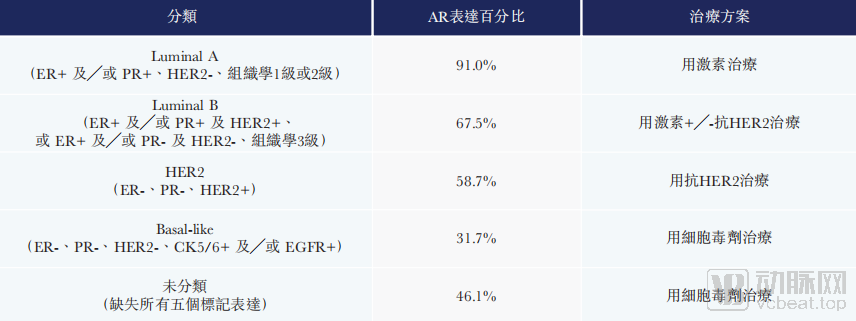
The total number of patients with AR+ metastatic breast cancer in China increased from 611,900 in 2014 to 1.356 million in 2018, at a compound annual growth rate (CAGR) of 22%. This trend is expected to continue, with the number of AR+ breast cancer patients in China projected to grow at a CAGR of 11.6% from 2018 to reach 2.3484 million in 2023, and further increase at a CAGR of 7.7% from 2023 to reach 3.4063 million in 2028.
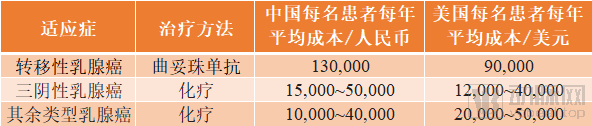
In terms of treatment, trastuzumab is primarily used for patients with HER2-positive breast cancer, while chemotherapy is administered to patients who have failed trastuzumab therapy. Currently, there are no specific treatment guidelines for triple-negative breast cancer; chemotherapy remains the mainstream option, but it is associated with low tolerance and compliance rates among patients.
Although more than 50% of breast cancer patients are AR-positive, no AR antagonists have yet been approved for the treatment of metastatic breast cancer. According to research by Kintor, proxtalutamide, as a second-generation AR antagonist, has a dual mechanism of action that can reduce AR expression and holds promise for effectively inhibiting the progression of advanced AR-positive breast cancer in clinical settings.
Fortaliren is an AR antagonist designed specifically for topical use. Kintor is developing it for the treatment of androgenetic alopecia, with Phase II clinical trials currently underway in China and Phase Ib clinical trials in the United States.
In China, over 92.8 million men suffer from androgenetic alopecia of varying severity. The total number of patients with androgenetic alopecia is projected to increase from 2018 at a compound annual growth rate (CAGR) of 0.8% to 96.3 million in 2023, and then to grow at a CAGR of 0.3% from 2023 to reach 97.8 million in 2028.
Currently, the primary treatments for androgenetic alopecia are minoxidil and finasteride; however, both therapies have limitations, resulting in significant unmet medical needs in the management of this condition. According to a Frost & Sullivan report, topical minoxidil lacks clear evidence elucidating its mechanism of action, while the sexual side effects associated with finasteride remain a major concern for many patients.
Compared with existing drugs on the market, fluridilone offers superior advantages and safety, acting directly on the targeted scalp area, and has not demonstrated any adverse side effects in clinical practice.
The ALK-1 antibody is a fully human monoclonal antibody for the treatment of solid tumors, representing a potential first-in-class antibody exclusively licensed globally by Kintor from Pfizer. Previously, Pfizer completed two Phase I clinical trials of ALK-1 monotherapy for advanced solid tumors in the United States, Italy, South Korea, and Japan.
Currently, Kintor has initiated a Phase II clinical trial in Taiwan, China, evaluating the combination of ALK-1 and nivolumab (a PD-1 inhibitor) for the treatment of metastatic liver cancer.
Ditociclib is a second-generation dual mTOR inhibitor, offering greater therapeutic advantages compared to first-generation mTOR inhibitors that solely inhibit mTORC1. To date, no dual mTORC1/mTORC2 inhibitor has been approved for marketing worldwide. Therefore, Ditociclib is poised to become the first-in-class dual mTORC1/mTORC2 inhibitor, addressing unmet medical needs.
Dituxetide, developed by Kintor, is indicated for the treatment of metastatic solid tumors such as breast cancer, prostate cancer, and liver cancer. The company obtained Investigational New Drug (IND) approval from the National Medical Products Administration (NMPA) in August 2019 and is currently conducting Phase I clinical trials in China for metastatic solid tumors.
SMO inhibitors are Hedgehog signaling pathway inhibitors. Kintor is primarily developing them for the treatment of hematologic malignancies and basal cell carcinoma. The company obtained IND approval from the NMPA in February 2020 and expects to begin patient enrollment in the third quarter of 2020.
In addition to these five clinical-stage investigational drugs, Kintor has multiple projects in the discovery stage, including AR degraders, c-Myc inhibitors, and IDO inhibitors.
Looking Ahead: Focusing on the AR-Related Field, Committed to Becoming a Global Leader in Innovative Therapies
In its prospectus, Kintor outlined its near-term plans following the listing. The company is committed to becoming a global leader in the research, development, and commercialization of innovative therapies, focusing on disease areas with unmet clinical needs, particularly those related to the androgen receptor (AR).
Kintor will accelerate the clinical development, regulatory approval, and commercialization of prochlorperazine in China; strategically advance the clinical development of flutamide in China and the United States; promote the clinical development of ALK-1 antibodies as both monotherapy and combination therapy; and increase its focus on biologics research and development.
In the future, Kintor will enhance its proprietary R&D capabilities, focus on developing potential first-in-class and best-in-class drugs, and explore potential strategic collaboration opportunities with global pharmaceutical companies.