

GOJO Industries Inc. Files for IPO: Global Leader in Hand Hygiene with Over $1 Billion in Annual Revenue

GOJO
Provider of Skin Health and Hygiene Solutions
Amid the global COVID-19 pandemic, many people have developed the habit of frequent handwashing, making hygiene products such as antibacterial hand sanitizers, disinfectants, cleansing soaps, and sterilizing sprays highly sought-after commodities.
Professor Philip Tierno, a microbiologist and bacteriologist at NYU School of Medicine, states that approximately 80% of infectious diseases are transmitted through direct and indirect contact. We can directly contract pathogens when people cough, sneeze, or talk in our vicinity. Indirect exposure occurs when an infected person touches surfaces such as door handles, remote controls, or elevator buttons; if we subsequently touch these contaminated surfaces and then touch our mouth, eyes, nose, or open wounds, we may become infected.
Professor Philip Tierno stated, “The dirtiest part of the human body is the ten fingers. The best way to protect yourself from the direct and indirect transmission of germs is to wash your hands frequently.”
In March this year, the World Health Organization released the monthly requirements for personal protective equipment for frontline emergency medical personnel worldwide, which included 2.9 million liters of hand sanitizer.
As the world’s largest and most historic privately held hand hygiene care company, GOJO Industries boasts a nearly 80-year history, a workforce of 2,500 employees, and annual revenues reaching $1 billion. The recent outbreak has thrust it into the spotlight.
More than 70 years ago, during World War II, Goldie served as a supervisor at a rubber factory in Akron, Ohio.
Goldie and her colleagues observed that rubber factory workers’ hands were heavily soiled with graphite and carbon black after a day’s work, making them extremely difficult to clean. At the end of each shift, the workers used kerosene and benzene to remove these stubborn chemical residues; however, these substances, along with conventional detergents, severely compromised their health. Consequently, Goldie and her husband, Jerry Lippman, set out to find a better solution.
To address this issue, Jerry Lippman consulted with chemistry experts at Kent State University, hoping to develop a hand sanitizer that could effectively remove chemical residues without compromising skin health. With this goal in mind, he approached Professor Clarence Cook, and together they invented the first-ever GOJO® waterless hand sanitizer.
In 1946, Goldie and Jerry Lippman co-founded GOJO Industries, jointly managing the growing company. Goldie possessed shrewd financial and business acumen, primarily overseeing the company’s “internal” operations, such as managing documentation, procuring raw materials, and formulating pricing strategies. Jerry Lippman, a natural innovator with insatiable curiosity, a conscientious work ethic, and a warm demeanor, was responsible for customer communications.
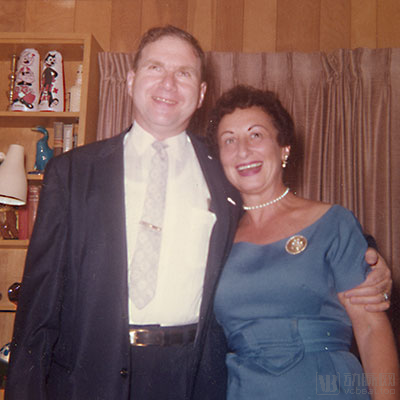
Goldie and Jerry Lippman co-founded GOJO
In the early days of the company, when customer orders were few, Goldie managed internal affairs while Jerry promoted GOJO® hand sanitizer outside the company. At that time, the hand sanitizer was packaged in repurposed storage bottles collected from local restaurants.
After speaking with the client, Jerry Lippman learned that the cleaning agents used by workers were centrally stored at the factory, with some workers even scooping them out of storage tanks and taking them home in buckets for evening use. This practice has led to increased spending on cleaning products for the business owner. If this issue is not addressed, it will hinder the growth of Goldie and Jerry Lippman’s business.
Undaunted by challenges, Jerry Lippman invented the first handheld soap dispenser in history and obtained a patent for it in 1952. This portion-control dispenser released only a small amount of soap with each use, significantly reducing waste, lowering business expenses, and thereby boosting GOJO’s product sales. This innovative solution laid the foundation for GOJO Industries, Inc. to become a leading consumer goods company. Nearly every handheld soap dispenser sold anywhere in the world today is a “descendant” of Jerry’s patented invention.
In the following decades, GOJO expanded its business into a broader range of sectors. From food service establishments to healthcare facilities, and from cruise ships to schools, “Made by GOJO” products can be seen everywhere.
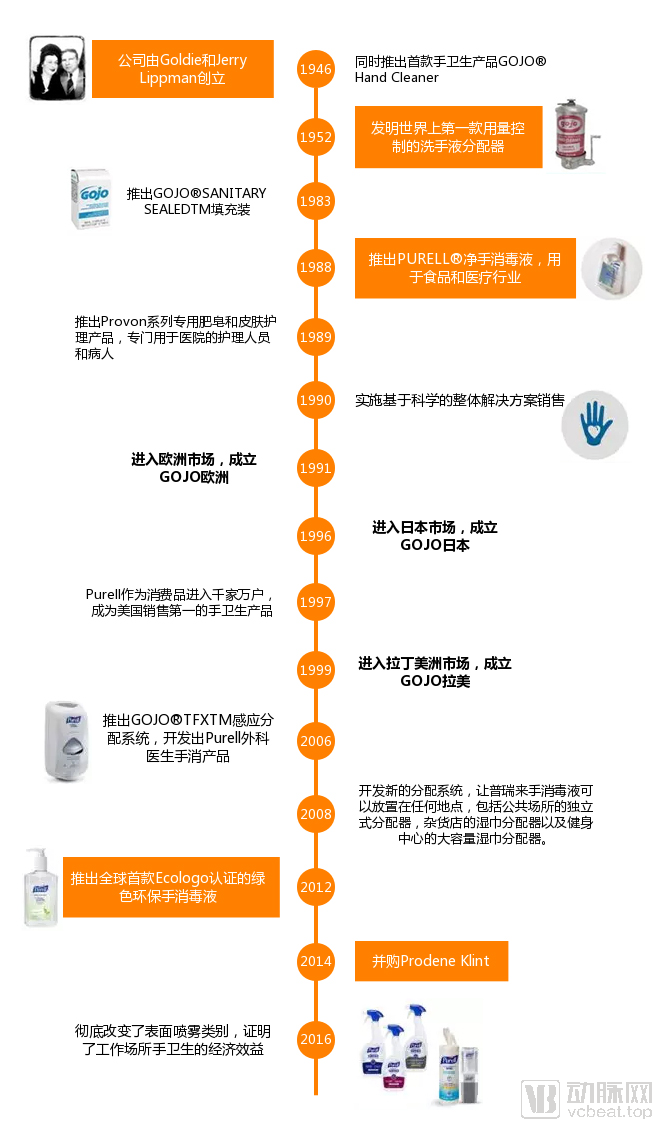
GOJO’s Historical Milestones Timeline
Today, GOJO Industries has become a global leader in the hand hygiene and care industry. The company developed the first waterless hand cleanser in the United States, pioneering the concept of “sustained hand cleanliness.” Its products are sold in 62 countries, under brands such as GOJO, PURELL, and PROVON, with more than 100 product formulations. GOJO has expanded the PURELL brand through a comprehensive suite of solutions, offering breakthrough liquid soap and surface disinfectant formulations, as well as “disruptive” dispenser technologies.
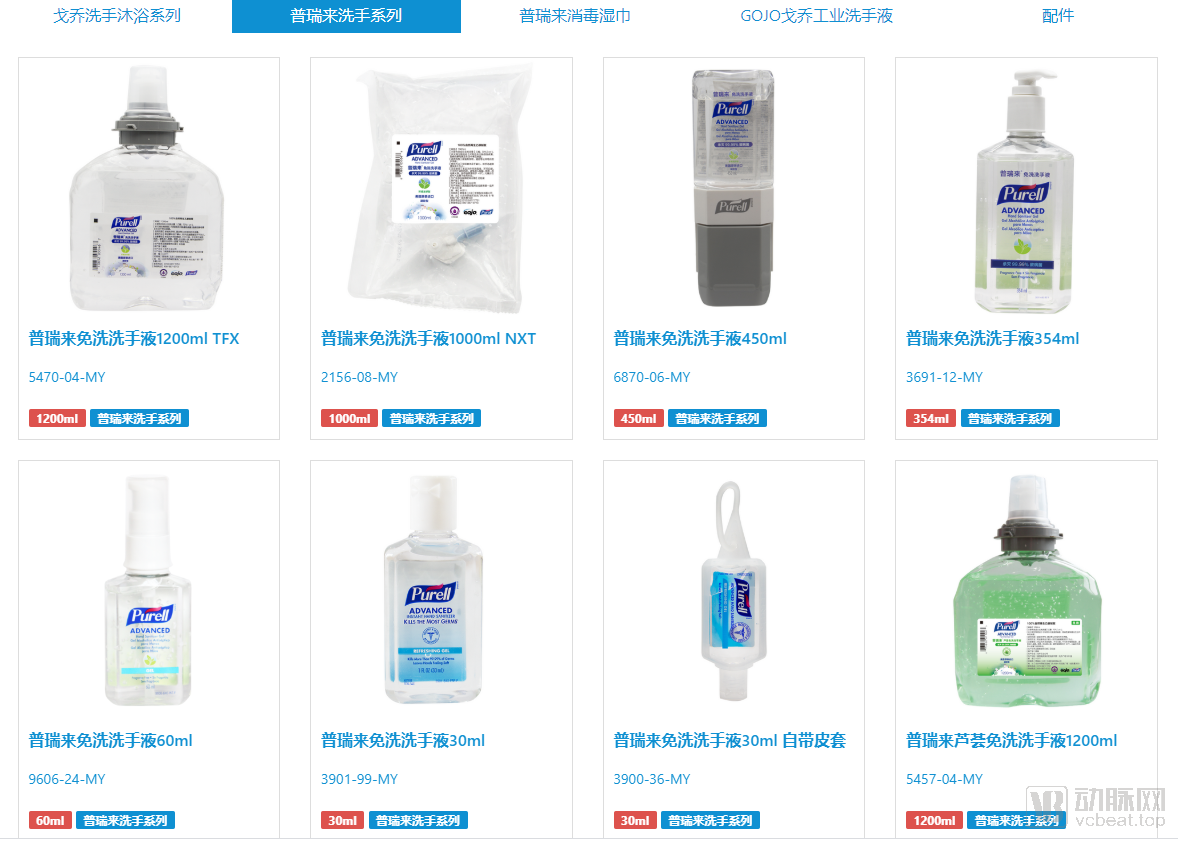
GOJO's Partial Product Line
In November 2019, GOJO appointed Carey Jaros as President and Chief Executive Officer, effective January 1. Former President Mark Lerner will assume the roles of Senior Executive and President Emeritus at GOJO, while continuing to serve as a senior advisor.
Carey Jaros joined GOJO as Chief Strategy Officer in 2016 and transitioned to the role of Chief Operating Officer in July 2018. Prior to joining GOJO, she served as President of Walnut Ridge Strategic Management and as Vice President at Dealer Tire. She also spent more than a decade as a management consultant at Bain & Company in Boston.
Marcella Kanfer Rolnick is currently the Executive Chairman of GOJO. She has a strong working partnership with Carey Jaros.
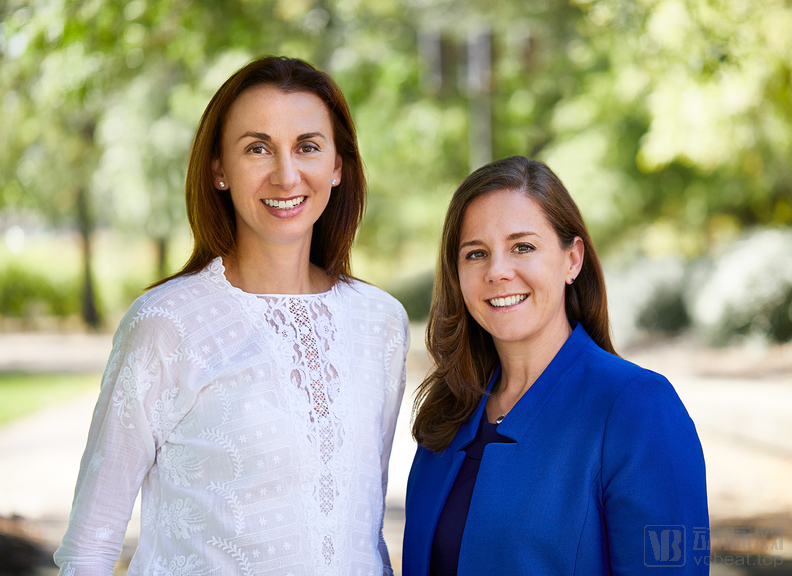
GOJO Executive Chair Marcella Kanfer Rolnick (left) and President and CEO Carey Jaros (right)
Marcella Kanfer Rolnick’s father, Joe Kanfer, once said, “These two form a powerful team.” He took over GOJO in the 1970s and built it into the hygiene empire it is today.
Last year, Joe Kanfer stepped down as CEO to mentor the existing management team and lead GOJO’s investment operations.
As the novel coronavirus spreads globally, manufacturers of disinfection and sterilization products have accelerated production to meet surging demand.
GOJO Industries' flagship brand is PURELL hand sanitizer, which ranks among the top in the industry.Hailed as the No. 1 hand sanitizer brand in the United States, it holds a 70% market share in North America and a 55% market share in the United Kingdom.
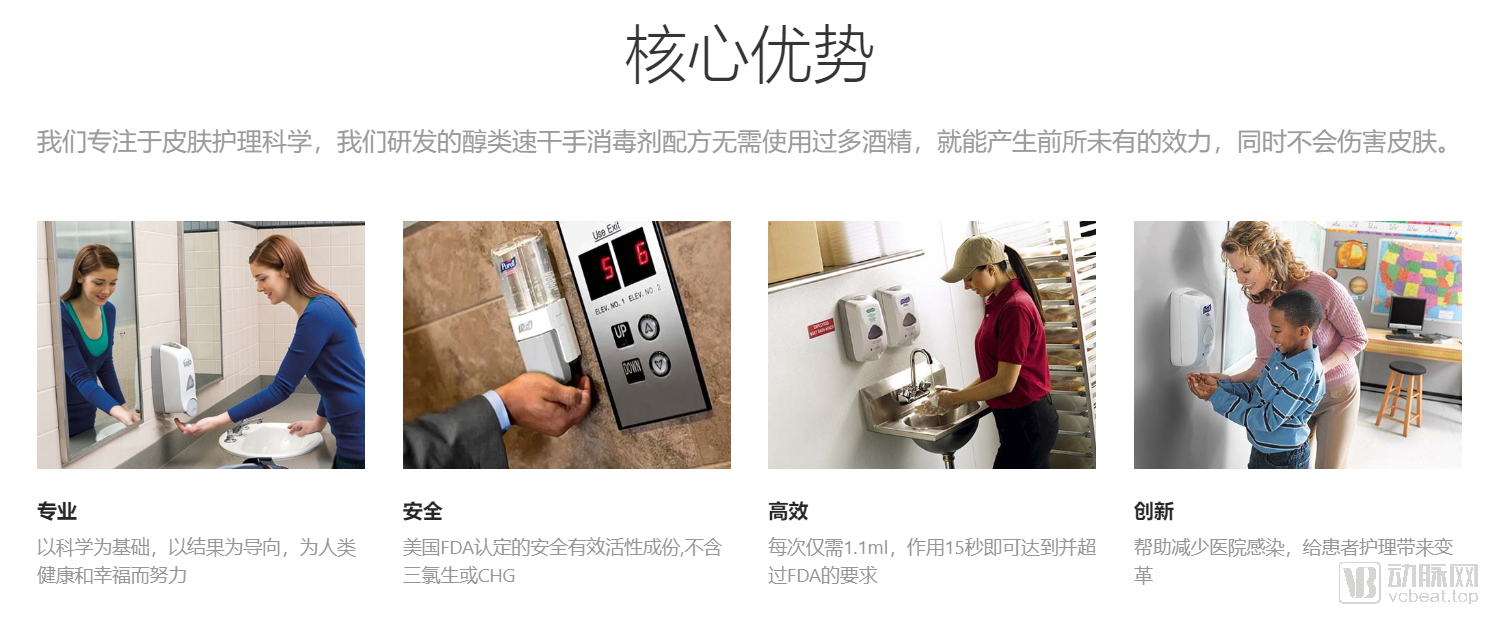
The company stated that its products offer the following advantages:
· Superior antimicrobial efficacy, gentle on the skin
The formulation of Purell Hand Sanitizer has been proven to protect skin health, maintain skin moisture, and enhance overall skin feel.
· High-Tech Solutions for Superior Products and Enhanced Adherence
GOJO is committed to developing products that help improve hand hygiene compliance and enhance patient treatment outcomes.
· Verified Performance
In vitro testing by third-party institutions has demonstrated that Purell hand sanitizer can achieve a 5-log reduction in most hospital pathogens, including Gram-positive and Gram-negative bacteria.
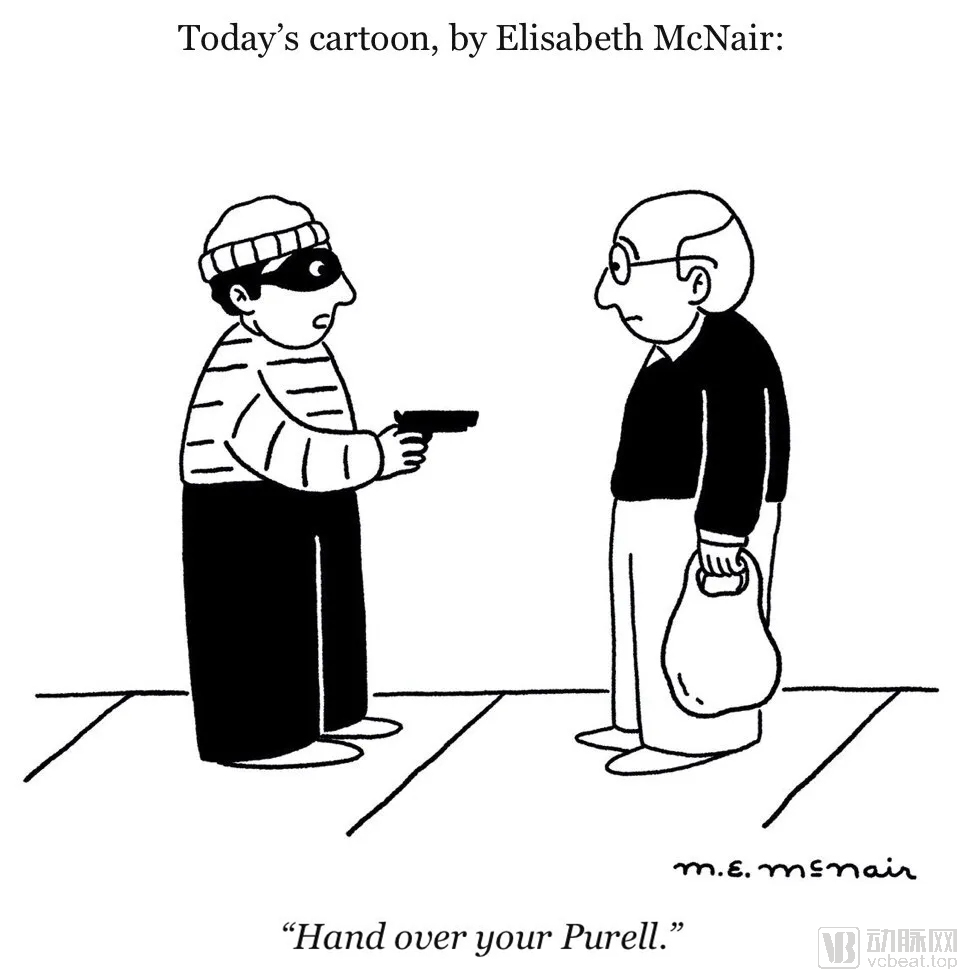
Following the outbreak of the epidemic, order volumes at GOJO Industries surged. The company’s PURELL hand sanitizer was snapped up by consumers, experienced price hikes, and was jokingly referred to as “liquid gold.” A cartoon published in *The New Yorker* illustrates the current high demand for PURELL hand sanitizer:
GOJO stated, “Consumer demand for Purell disinfection products has surged, particularly for hand sanitizers, disinfectant wipes, and cleaning sprays. As retailers and healthcare institutions gradually increase their orders, the company has added shifts and implemented overtime work to significantly boost production capacity to meet order demands.”
Purell Hand Sanitizer was developed in 1988 by GOJO Industries, Inc. in the United States to reduce bacterial transmission in the healthcare and food service industries. In the absence of soap and water, healthcare workers need to eliminate bacteria and viruses remaining on their hands. The food service industry also requires additional antimicrobial protection to reduce the risk of food contamination.
In 1997, Purell hand sanitizer began to be sold to ordinary consumers, forever changing the way the world cleans its hands. It quickly became the number one waterless hand sanitizer in the United States and an important part of popular culture.
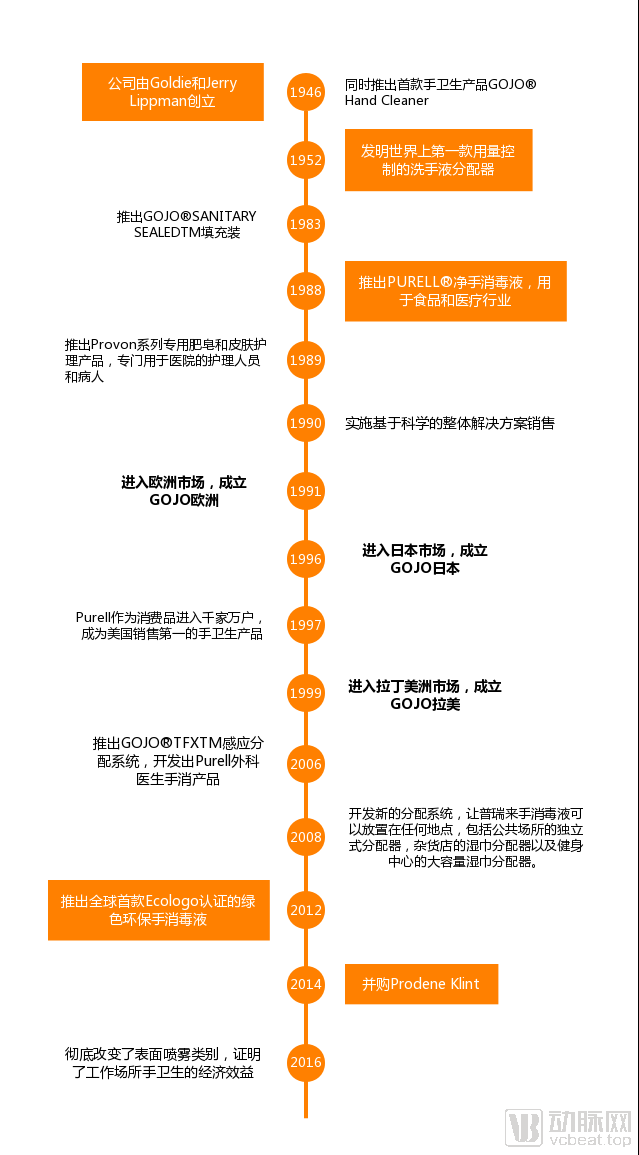
Timeline of Major Milestones in the History of PURELL Hand Sanitizer
Purell Hand Sanitizer has been a tremendous success, not only because it effectively kills 99.99% of common bacteria, but also because it is easy to use, gentle, and pleasant. Dispensers and bottles can be placed anywhere, so hand hygiene is no longer confined to the sink.
People prefer Purell hand sanitizer because it leaves skin feeling fresher and gentler. Purell products have quickly gained popularity among a growing number of consumers.
To this day, Purell hand sanitizer remains the most renowned brand worldwide. Furthermore, U.S. President Donald Trump, known as the “Purell President,” has long been a devoted user of Purell products.
PURELL® HEALTHY SOAP™ products feature CLEAN RELEASE™ technology soap formulations that are free from harsh preservatives, antimicrobial agents, parabens, and phthalates. The new eco-conscious soap formula contains 90% bio-based content, significantly exceeding the 64% bio-based standard for hand soaps. They rinse off faster and more thoroughly, saving approximately 6 gallons of water per bottle compared to conventional liquid soaps.
Dr. Matthew Zirwas states that potent preservatives and antimicrobial agents are the primary causes of severe skin allergies. “I see patients every week with significant skin damage caused by these irritants. For soap formulations free from these ingredients, this represents a true breakthrough, while still delivering high performance in critical settings.”
Purell hand sanitizer has also been honored as a REX (Retail Excellence Award) winner, named the “Market Leader in Cleaning and Personal Hygiene” by the pharmaceutical retail industry, recognized by USA Today as one of the 25 greatest inventions that have changed the world since 1982, and listed by Forbes as one of the “Top 100 Best Buys.”
In 2015, GOJO once again innovated by launching the web-connected PURELL SMARTLINK Integrated Monitoring System (IMS).
IMS is an electronic hand hygiene monitoring system that utilizes Bluetooth Low Energy (BLE) technology. The system monitors the number of soap and disinfectant dispenser activations, frequency of use, and entries/exits in handwashing areas. By tracking hand hygiene facilities and zones, it calculates hand hygiene compliance rates, captures healthcare workers' hand hygiene events in real time, operates without requiring existing location-tracking infrastructure, and offers additional functionalities such as nurse call integration and asset tracking.
IMS also provides actionable data, customizable reports, and expert clinical support to help reduce hospital-acquired infections while improving patient safety and outcomes.
According to IBISWorld data, GOJO holds approximately 25% of the U.S. hand sanitizer market, with revenues exceeding $370 million in 2018. Forbes reviewed the history of GOJO Industries, noting that its Purell brand is valued at no less than $1 billion.
The quality of hand hygiene among nursing staff is closely correlated with the incidence of hospital-acquired infections.
Prior to 2003, insufficient attention was paid to hand hygiene in China. The outbreak and epidemic of SARS also exposed the weaknesses in hand hygiene practices within hospital infection control in China.
Subsequently, relevant personnel recognized the critical importance of hand hygiene for both patient safety and the occupational safety of healthcare workers, leading to increased attention toward hand hygiene practices. In April 2009, the Ministry of Health issued the People's Republic of China health industry standard WS/T 313-2009, "Standard for Hand Hygiene in Healthcare Settings."
Although the hand hygiene industry in China has a shorter history than that abroad, there are many well-known enterprises and brands of the same type in China, such as Blue Moon, Dettol, Safeguard, Liby, Walch (whose product portfolio has expanded to over 100 categories and more than 600 individual items; with brand awareness exceeding 80% in Guangzhou and Shenzhen, it holds a 50% share of the Guangdong disinfectant market), Anzeel, and Jia’an (which owns numerous brands including Jia’an, Maxam, Liushen, Shuxin, Qingfei, Herborist, Gf, and COCOOL).
Due to the impact of the COVID-19 pandemic, hand hygiene care companies have increased their visibility to varying degrees, with sales of products such as hand sanitizers and disinfectants experiencing exponential growth in the first quarter of 2020. According to preliminary estimates from the “2020 China Disinfectant Industry Market Prospect Research Report” by the China Business Industry Research Institute, the output value of disinfectants in China is expected to exceed RMB 11.5 billion in 2020.