

Zhengda Stem Cell Bank Enters the Billion-Dollar Stem Cell Therapy Market: From Cell Storage to Hair Regeneration Technology
Stem cells are an emerging field in biomedicine that has received sustained policy attention in recent years.
In October 2019, the Ministry of Science and Technology released the “Public List of Proposed Projects for the 2019 Key Special Program on ‘Stem Cell and Translational Research,’” showing that a total of 22 related projects received central government financial support amounting to over RMB 367 million. In fact, as early as the early 1990s, the government had formulated a series of regulatory documents, including the “Key Points for Quality Control in Clinical Research of Human Somatic Cell Therapy and Gene Therapy,” to promote the development of stem cell research and the clinical industry. Particularly since 2015, the state has introduced a series of supportive policies, propelling the stem cell industry into a fast-track development phase.
What Are Stem Cells? They are undifferentiated, immature cells with the capacity for self-renewal and multipotent differentiation potential; therefore, the medical community refers to them as “universal cells.” Clinical studies have confirmed that stem cells hold significant medical value in the treatment of various conditions, including stroke, cerebral palsy, Alzheimer’s disease, spinal cord injury, Parkinson’s disease, multiple sclerosis, diabetic complications, liver diseases, systemic lupus erythematosus, and tumors.
Behind this lies immense commercial potential. According to statistical data from the “Report on Market Prospects and Investment Potential of China’s Stem Cell Therapy Technology Industry” published by the Qianzhan Industry Research Institute, the global stem cell therapy market size exceeded USD 50 billion by 2017, reaching USD 51.26 billion. It is projected that the global stem cell therapy market will surpass USD 100 billion in 2021 and approach USD 200 billion by 2024.
The entire industrial chain primarily comprises upstream collection, preparation, and storage; midstream technology and drug R&D; and downstream clinical applications. The industry is dominated by upstream storage services, with growth driven by the research demands of the midstream and downstream sectors.
VCBeat recently engaged with Henan Zhengda Stem Cell Bank Technology Co., Ltd. (hereinafter referred to as “Zhengda Stem Cell Bank”), a high-tech enterprise initiated by Zhengzhou University that integrates stem cell storage, research and development, and clinical applications. Its core business includes neonatal stem cell banking, adult immune cell storage, customized cellular wellness services, as well as technology development, technology transfer, and product customization solutions for organizations and enterprises.
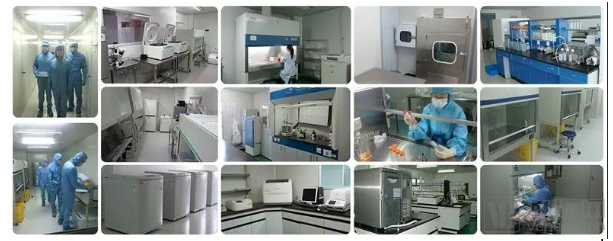
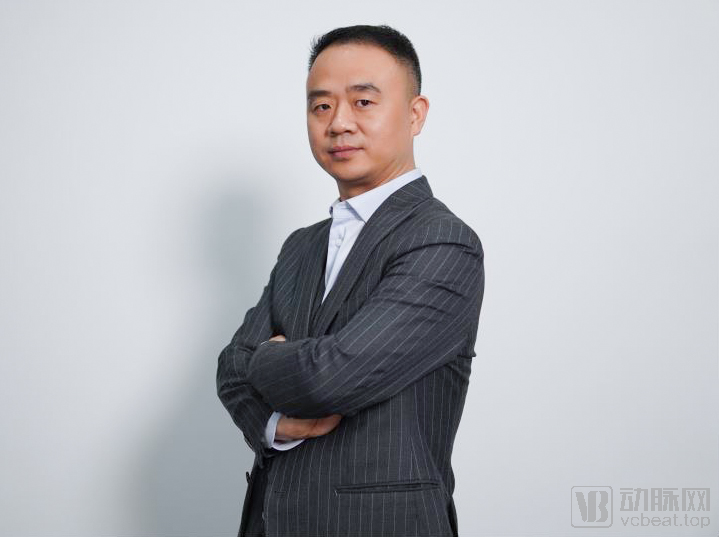
“The significance of stem cell storage lies in the ability to revive and administer these cells to patients in accordance with medical protocols and standards when future clinical needs arise, thereby achieving therapeutic outcomes.” Gao Yuan, Chairman of Zhengda Stem Cell Bank, told VCBeat that the company receives technical and expert support from Zhengzhou University, and facilitates the sharing of project-related technological achievements and product patents.
Specifically, cell storage involves preserving one’s own healthy cells via cryopreservation in liquid nitrogen at -196°C for a defined period, ensuring that cellular function and viability are not significantly compromised. These cells can be activated when the viability of one’s own or relatives’ cells declines or when disease occurs, thereby serving to delay aging and treat diseases.
In response to this, the Zhengzhou University Stem Cell Bank primarily focuses on neonatal stem cell storage and adult immune cell storage. “The umbilical cord and placenta of newborns contain abundant stem cells, such as hematopoietic stem cells, mesenchymal stem cells, neural stem cells, muscle stem cells, and adipose-derived stem cells. These stem cells are plentiful and pure, possessing robust proliferative and differentiation capacities, and can be used to treat hematologic diseases and various other chronic conditions,” stated Gao Yuan.
Adult Immune Cell Storage involves collecting blood from healthy individuals, extracting immune cells involved in immune responses, and storing them under controlled conditions for future thawing, culture, and expansion as needed. This approach effectively counters physiological aging, helps prevent major diseases, and provides anti-aging and cancer prevention and therapeutic benefits.
Currently, stem cell collection and storage represent the most mature commercialized sector within the stem cell industry. According to data from Zhiyan Consulting, the global scale of stem cell storage reached $18.16 billion in 2018. However, China’s overall stem cell storage rate remains below 1%, significantly lagging behind the 10%–15% rates observed in developed countries. This indicates substantial growth potential for the domestic storage market. Based on an annual cohort of 15 million newborns in China, if the storage rate were to reach the minimum level of 10% seen in developed nations, and considering the domestic umbilical cord blood bank storage fee of approximately RMB 20,000 per case (RMB 1,000/year over 20 years), the corresponding market size would amount to RMB 30 billion.
Technological innovation is the core driver of development for stem cell companies, making the composition of talent teams a critical factor.
The Zhengzhou University Stem Cell Bank team currently comprises nearly 30 members, with over 40% dedicated to research and development. Professor Zhang Shoutao, Deputy Dean of the School of Life Sciences at Zhengzhou University, serves as the Chief Scientist for the project. Professor Zhang is an Outstanding Expert of Henan Province, an Academic and Technical Leader in Henan Province, a recipient of the Henan Province Distinguished Young Scientists Fund, Deputy Director of the Henan Provincial Engineering Laboratory for Stem Cells and Medical Research, and the Discipline Leader for “Biopharmaceuticals” within the Emerging and Fundamental Disciplines at Zhengzhou University. As the Chief Scientist for the commercialization of achievements from the Zhengzhou University Stem Cell Bank, he oversees and addresses technical challenges arising during the project’s development.
Distinguished Expert Professor Zhang Yi is the Director of the Center for Biological Cell Therapy and Deputy Director of the Scientific Research Department at the First Affiliated Hospital of Zhengzhou University, Director of the Henan Provincial Engineering Laboratory for Cell Therapy, and Director of both the Henan Provincial Key Laboratory of Tumor Immunology and Biotherapy and the Henan Provincial Engineering Research Center for Tumor Immunotherapy.
Dr. Wang Zhimin is a Distinguished Professor at Zhengzhou University and the Director of the Center for GMP Virus and Cell Preparation at Zhengzhou University. His research primarily focuses on the side effects of radiotherapy for esophageal cancer and head and neck cancers, as well as cell and gene therapies for monogenic genetic disorders. He has published 15 SCI-indexed articles, including in the Journal of Cell Biology.
Chairman Gao Yuan graduated with a master’s degree from the School of Business Administration at Hong Kong College of Finance and Economics. With twenty years of experience in the big health industry, he possesses management expertise in both foreign-invested enterprises and state-owned listed companies.
Leveraging its talent and technological advantages, Zhengda Stem Cell Bank is accelerating its strategic expansion into the mid- and downstream segments of the stem cell industry, promoting research on stem cell technologies and the development of stem cell-based products, with multiple technologies and projects currently under R&D.
First is the hair follicle stem cell regeneration technology. “Hair follicle stem cells possess multipotent differentiation potential; they can differentiate into epidermis, hair follicles, and sebaceous glands, participating in skin wound healing and the regeneration of skin and hair,” stated Gao Yuan. Research has found that under the influence of the in vivo environment, hair follicle stem cells exhibit remarkable proliferative capacity. They can differentiate into epidermis, hair follicles, and sebaceous glands, thereby participating in the process of skin wound healing. To this end, Zhengzhou University Stem Cell Bank has developed a hair regeneration product. This involves extracting approximately 20 hair follicles from the affected area, expanding them through laboratory culture, and performing local intradermal injections while ensuring cell viability. This procedure implants and activates local hair follicle cells, achieving effects comparable to natural human hair growth, with a typical hair growth cycle of three months.
Second, immune cell health management technology. “Immune cells help the body resist bacterial and viral invasions and eliminate senescent, mutated, and cancerous cells.” Scientific data indicate that immune cell activity declines with age. In modern society, environmental factors, life stress, and unhealthy lifestyle habits contribute to diminished immune function, thereby increasing susceptibility to viral and bacterial infections and leading to serious diseases such as cancer. “Storing immune cells essentially adds a protective shield for life, providing a reserve for unforeseen needs and potentially saving lives.”
Third, novel stem cell research projects. These include induced pluripotent stem cell (iPSC) therapy, currently in the R&D stage, which is produced by introducing specific pluripotency-associated genes into somatic cells such as skin cells. iPSCs have the capacity to differentiate into all cell types and, in theory, can cure all diseases (excluding those related to embryos). Additionally, there is research on CAR-T immunotherapy for cervical cancer. “Building on prior work, this study aims to employ gene-editing technologies to modify T cells, generating HPV-specific stem-like memory TCR-T cells capable of killing HPV-infected and malignant cells.”
Fourth, using T lymphocytes as expression vectors for coagulation factor VIII to treat hemophilia.
Based on this, the Zhengzhou University Stem Cell Bank is building a commercial closed loop of storage–R&D–application.
Looking ahead, Gao Yuan stated that the company expects to extend its coverage to all 18 prefecture-level cities in Henan Province by the end of this year. It will continue to intensify its R&D efforts, leverage its technological and brand advantages to deliver high-quality products, and strive to become the most trusted platform for stem cell storage, research and development, and application in the Central Plains region.