

What Can We Do for Urological Cancer Patients During the Pandemic? The 'Renxin Jie Mi' Initiative Team Speaks Out
Gloriousmed
Provider of Comprehensive Genetic Testing Solutions
Gazing at the expectant look on the face of the patient’s family member sitting across from him, Dr. Dong Baijun, a urologist at Renji Hospital, felt deeply anxious.
This 46-year-old prostate cancer patient represents a very young case, with metastatic disease identified at initial diagnosis. His treatment journey has been highly complex; over the past two years, he has undergone endocrine therapy, chemotherapy, radiotherapy, cryoablation, targeted therapy, immunotherapy, and various combination drug regimens. Although the patient achieved clinical benefit from treatment plans continuously adjusted based on genetic testing results, he has also experienced recurrent drug resistance and disease progression. How should Dr. Dong help him formulate the most suitable treatment plan this time?
Immunotherapy + PARPi? Immunotherapy + abiraterone/enzalutamide/apalutamide? Immunotherapy + lumbar radiotherapy? Re-188 radionuclide therapy? Lu-177 PSMA-targeted radioligand therapy? Or other options?
As an associate chief physician in the Department of Urology at Renji Hospital, Shanghai Jiao Tong University School of Medicine—one of the leading institutions in genitourinary oncology in China—Dr. Dong Baijun is managing not only this single complex case requiring urgent determination of the next steps in treatment.
Dr. Dong Bojun stated, “Under the impact of the pandemic, many cancer patients have faced significant barriers in seeking medical care. Conversely, we have also observed that the pandemic has accelerated the improvement of various online meeting platforms, enabling doctors across China to convene in the cloud, jointly discuss academic research, and engage in mutual learning and exchange. However, I have noticed that among these online meeting formats, there is a lack of the most beneficial communication model for patients: online Multidisciplinary Team (MDT) consultations. In this model, multidisciplinary experts collaborate on the same real-world clinical case to provide the optimal treatment plan for the patient. Meanwhile, I hope that such discussions can be live-streamed, allowing the broader patient community to understand the available cancer treatment options and how we physicians tailor treatment plans based on individual patient conditions. I need such a platform, and my patients need it even more.”

Under such circumstances,Gloriousmed in Collaboration with the Patient Education Expert Committee of the Chinese Society of Clinical Oncology(abbreviated as the CSCO Patient Education Committee) launched [【Gloriousmed Urology】- Discussion Forum on Challenging CasesPublic-Interest Online Series. The original intention behind the establishment of the CSCO Patient Education Committee was to enhance patients’ understanding of their diseases through patient education initiatives, thereby helping to alleviate their physical and psychological discomfort. At the inaugural meeting of the committee, Professor Zhu Bo from Xinqiao Hospital of Army Medical University, elected as the Chairman, solemnly pledged on behalf of the Patient Education Expert Committee that the committee would adhere to CSCO’s guiding principles and policies. It is committed to providing patients with the most professional disease-related education, ensuring they receive standardized treatment, addressing both their physical and mental well-being, and improving their quality of life while extending survival.
The joint initiative launched by the CSCO Patient Education Committee and Gloriousmed【Benevolent Urology】This online public welfare initiative not only provides a digital platform for multidisciplinary collaboration, diagnosis, treatment, and academic exchange among clinical experts in the field of urologic oncology. Clinical specialists from surgery, internal medicine, pathology, radiology, radiation oncology, and other disciplines engage in online discussions to determine optimal treatment strategies for complex cases under review. Additionally, they address questions from patients in the live broadcast, enhancing patient understanding of urologic cancer treatments. Meanwhile, experts from various hospitals and specialties across China convene to offer diagnostic and therapeutic recommendations grounded in their respective clinical experiences. This effort not only benefits patients but also fosters interdisciplinary communication and experience sharing, while providing physicians at municipal-level hospitals with broader diagnostic and therapeutic perspectives and directions.
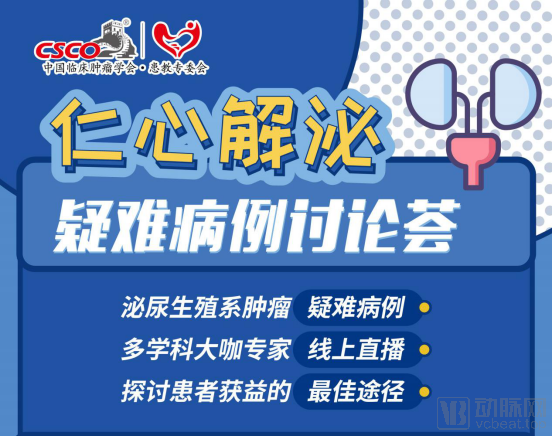
What Are Difficult Cases?
Why Are There So Many Complex Cases Among Cancer Patients?
Why Should We Focus on Challenging Cases of Urogenital Tumors?
"Difficult cases" is a common term in China's medical community. As the name suggests, it refers to cases where diagnosis or treatment presents uncertainties and challenges. The professional development of every physician can be described as a continuous process of learning, advancement, and tackling such difficult cases.
Why do difficult cases appear to be particularly prevalent among oncology patients? This can be attributed to the inherent refractoriness of tumors, their heterogeneity, and the frequent diagnosis at advanced stages. It is well established that tumor cells arise from genetic mutations in the body’s own normal cells. However, these genetic mutations are not static; under the influence of internal and external environmental factors—such as drug exposure, immune system responses, and intratumoral competition—additional random mutations continue to emerge. In other words, tumors undergo continuous evolution, leading to the development of drug resistance. This necessitates that clinicians closely monitor disease progression and adjust therapeutic strategies accordingly over time. Furthermore, tumors evolve in a branching manner, wherein a single tumor cell diverges into multiple distinct cancer cell subclones. This process is the underlying cause of tumor heterogeneity.
Consequently, a treatment regimen that is effective for one patient often proves ineffective or rapidly leads to drug resistance when applied to another. Furthermore, in China, most patients with malignant tumors are diagnosed and treated at the intermediate or advanced stages of the disease, missing the optimal window for intervention, which contributes to a high prevalence of complex and refractory cases in oncology. In managing such challenging cases, physicians strive not only to prolong survival but also to enhance the quality of life during the surviving period. However, achieving both objectives simultaneously remains a significant challenge.
As the number of patients continues to rise, genitourinary tumors have garnered increasing attention in recent years. Prostate cancer, which ranks as the most prevalent malignancy among men in Europe and the United States, has seen a rapid year-on-year increase in incidence in China, driven by factors such as the widespread adoption of PSA screening. Although the overall survival rate for prostate cancer is high, clinical management faces significant challenges, including heterogeneous clinical presentations, diagnosis at advanced stages, and limited options for drugs and treatment regimens in heavily pretreated patients. Leveraging its leading technological advantages, extensive data accumulation, and resource integration capabilities in the field of precision diagnosis and treatment of urological tumors, Gloriousmed, in collaboration with the CSCO Patient Education Committee, has launched the “Renxin Jiebi” initiative—Call for Cases: Genitourinary Tumors, starting from one challenging case after another, integrating multi-disciplinary resources to help urologic oncology experts efficiently and rapidly select clinical treatment plans, thereby maximizing clinical benefits for patients.
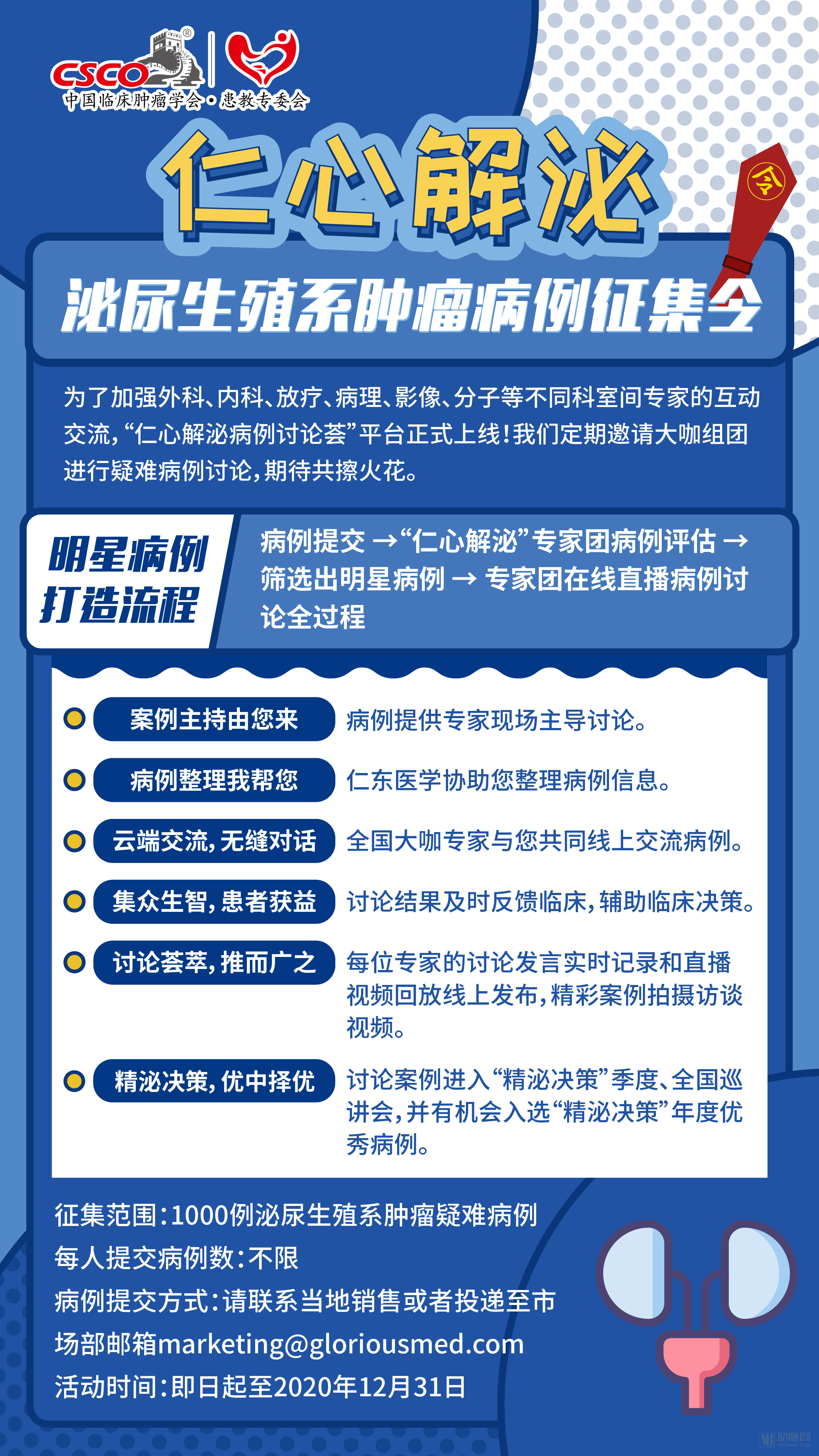
Cancer is a complex disease. The entire process of diagnosis and treatment involves multiple departments, including surgery, internal medicine, radiology, pathology, ultrasound, radiation oncology, and nuclear medicine. However, our current traditional diagnostic and treatment model, in which a single physician from one department makes the diagnosis and formulates the entire treatment plan, has limitations for cancer patients. This approach can hinder precise diagnosis to some extent, potentially leading to missed opportunities for optimal treatment.
At this juncture, a proven model from abroad—“Multidisciplinary Team (MDT) Consultation for Oncology”—offers valuable insights and has been widely adopted by many top-tier hospitals in China. MDT brings together oncology specialists, breaking down inter-departmental barriers within hospitals, and convenes experts and physicians from multiple disciplines related to cancer care to collaboratively develop individualized treatment plans for each patient. Built upon the MDT framework, [Benevolent Heart Urology] – Complex Case Discussion Forum is an initiative led by Gloriousmed. It solicits complex cases requiring urgent treatment strategies from across China, invites the case-submitting experts as well as specialists in urology, medical oncology, pathology, radiology, and nuclear medicine from leading hospitals nationwide to participate in timely online case discussions. By synthesizing multidisciplinary expert opinions, the forum formulates subsequent treatment plans, thereby providing patients with more optimized, personalized therapeutic strategies.
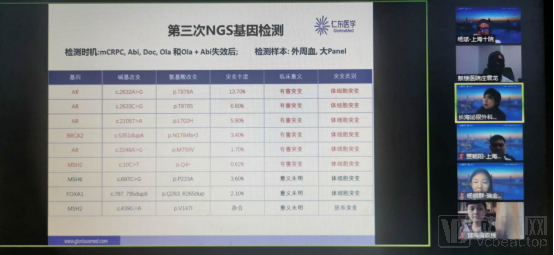
As a consultation expert for the "Benevolent Hearts in Urology: Complex Case Discussion Forum," Dr. Yang Bin from the Prostate Cancer Team at Shanghai Tenth People’s Hospital stated, “During the pandemic, ‘Benevolent Hearts in Urology’ provided a platform for comprehensive diagnostic and therapeutic consultations for patients, serving professionals across various specialties in urologic oncology. This is a highly meaningful public welfare initiative.” As a clinical expert dedicated to precision diagnosis and treatment of prostate cancer, Dr. Yang believes that “in the exploration of precision medicine, precise diagnosis and treatment of prostate cancer rely on a strong foundational knowledge base, integration of multidisciplinary expertise, combination of theory with practice, alignment of cutting-edge research advancements with patients’ real-world conditions, and integration of big data insights with personalized therapy.” Judging by the practical outcomes of the Complex Case Discussion Forum, this consultation model “not only establishes a bridge for real-time communication among specialists from different disciplines but also breaks down barriers related to infrastructure and resources between hospitals, enabling collaborative efforts and leveraging the collective strengths of multiple institutions.” Dr. Yang is convinced that “only through mutual validation under such diverse modes of thinking can we offer the greatest hope to patients with complex and challenging cases.”
Assisting physicians in making clinical decisions to maximize patient benefits is the original intention behind the establishment of [Renxin Jiebi]. As of press time, [Renxin Jiebi] has successfully held nine sessions, providing next-step treatment plans based on the rich clinical experience of multidisciplinary experts for 18 patients with complex and difficult cases. Each session attracted over 5,000 online viewers, with a cumulative viewership exceeding 35,000.
Unlike traditional MDT, [Renxin Jiebi] adopts a live-streaming format to present the entire expert case discussion process more directly to all viewers. Patients or their families can learn about the latest technological advances in cancer treatment, newly launched/approved anticancer drugs, and the nation’s most recent medical insurance policies while watching the live stream.
Xiao Lin (a pseudonym) is a devoted “fan” of [Renxin Jie Mi], having attended virtually every session of its discussion series. Through our conversations, we learned that Xiao Lin is a family caregiver for a patient with neuroendocrine prostate cancer. “I watch every episode and take detailed notes; my notebook is nearly full. A staff member from the [Renxin Jie Mi] backend team noticed my consistent attendance and expressed admiration for my dedication to learning. But I had no choice—there is a neuroendocrine prostate cancer patient in my family, and I wanted to learn more about neuroendocrine cases and treatment options. [Renxin Jie Mi] is truly excellent; I have gained substantial knowledge. The direct case-based explanations are also very accessible and easy for us to understand.”
Dr. Wu Kaijie is an Associate Chief Physician in the Department of Urology at the First Affiliated Hospital of Xi’an Jiaotong University and serves as the Chief Convener of the hospital’s Prostate Cancer Multidisciplinary Team (MDT) Regular Outpatient Clinic. Dr. Wu treated a prostate cancer patient who presented with extensive lymph node metastasis but no bone metastasis. Through multidisciplinary consultations conducted by the hospital’s MDT Regular Outpatient Clinic team, preliminary recommendations for subsequent treatment were provided. Given the unique nature of this case and out of a strong sense of responsibility toward the patient, Dr. Wu applied to submit the case to the “Renxin Jiebi” platform for further discussion upon learning about it, seeking opinions from experts across China to help finalize the treatment plan.
Dr. Wu Kaijie stated, “After nearly two years of integration and collaboration, our hospital’s multidisciplinary team (MDT) regular outpatient clinic has evolved from initially emulating outstanding teams such as those at West China Hospital to gaining recognition within the medical community for our own MDT model. The coordination among physicians has become increasingly seamless. From the accumulation of case materials to the promotion of new medical technologies, seeds of scientific research and innovation have sprouted, resulting in the publication of multiple articles based on MDT case discussions in journals such as Modern Journal of Urology and Medicine. We are delighted to see the emergence of ‘Renxin Jie Mi,’ an online live-streaming MDT platform that invites renowned young and middle-aged experts from across China. This platform fully demonstrates the significant value of precision diagnosis and treatment based on genetic testing and deserves nationwide promotion.”
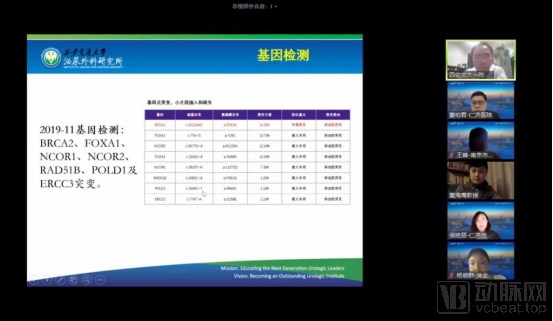
【Benevolent Care in Urology】- Symposium on Challenging Case DiscussionsBorn out of the needs of clinicians and patients, it gained immediate recognition and approval from clinicians upon its launch, while also earning widespread support and encouragement from patients. Since the premiere of the first episode of [Benevolent Hearts in Urology] on March 12, 2020, numerous experts highly acclaimed by patients have frequently appeared on the [Benevolent Hearts in Urology] platform, becoming the star expert team of [Benevolent Hearts in Urology] in the hearts of patients.Dr. Baijun Dong from Renji Hospital, Dr. Bin Yang from Shanghai Tenth People’s Hospital, Dr. Zhongquan Sun from Huadong Hospital, Dr. Jing Li from Changhai Hospital, and Dr. Haiying Dong from Zhejiang Provincial People’s HospitalUrology experts offer diagnostic and treatment recommendations from a professional perspective, drawing on their extensive clinical experience at their respective hospitals, furthermoreDr. Wang Feng, Department of Nuclear Medicine, Nanjing First Hospital; Dr. He Liru, Department of Radiation Oncology, Sun Yat-sen University Cancer Center; and Dr. Lu Yuanzhi, Department of Pathology, The First Affiliated Hospital of Jinan UniversityRenowned experts offer multidisciplinary insights and recommendations to optimize treatment plans.
Online MDT aggregates diagnostic and treatment opinions from multidisciplinary experts across major hospitals in China, leveraging diverse perspectives and clinical experience to identify the most suitable individualized care plan for patients with urologic tumors, thereby maximizing clinical benefits.
The significance of online MDT (Multidisciplinary Team) activities extends beyond the direct benefits to patients. By watching the live broadcasts, patients and their families can gain insight into physicians’ professional clinical reasoning and the approaches used to tackle complex cases. This helps them understand why specific tests are ordered and why various indicators require repeated monitoring, thereby fostering greater understanding and trust in their doctors. Such enhanced mutual trust is a significant contributor to improving doctor-patient relationships in contemporary China.
Humanity’s war against cancer has lasted a century, if not longer. We have progressed from initial confusion and helplessness, through an era of treatments that inflicted severe collateral damage alongside therapeutic benefits, to the present day, where gene sequencing technologies and novel therapies such as targeted and immunotherapies are widely accepted. Today, we strive to identify the most effective yet gentlest treatment regimens to maximize patient survival time and enhance quality of life. In the fight against cancer, humanity has never been an absolute victor; however, through the collaborative efforts of patients and healthcare providers, empowered by technological advancements, cancer is no longer synonymous with death. It is believed that in the near future, we will gradually transform all cancers into manageable “chronic diseases,” and the pervasive fear surrounding cancer will become a thing of the past.
【Renxin Jiebi】 is committed to assisting physicians in clinical decision-making to maximize patient benefits!