

Shanghai ShineCross Medical Secures NMPA Approval for Drug-Coated Balloon and Partners with MicroPort for Rapid Market Expansion
“Everything fell into place naturally,” said Dai Zhihao, founder of Shenqi Medical.
In 1993, he graduated from the School of Public Health at Shanghai Medical University (now Fudan University). He subsequently joined companies such as Medtronic, Boston Scientific, Shanghai MicroPort, and Vico Medical, holding various positions including Marketing Specialist, Sales Manager for East China, Marketing Director, and General Manager. After 2006, Dai Zhihao embarked on his first entrepreneurial venture, working as a product distributor in the cardiovascular field.
After two decades of industry accumulation, Dai Zhihao embarked on his second entrepreneurial venture in 2014 by establishing Shenqi Medical to focus exclusively on developing proprietary products, having identified niche market opportunities in devices such as balloons and occluders.
In recent years, the incidence of coronary atherosclerosis and lower extremity arterial ischemic disease has risen year by year, becoming major diseases threatening the health of the Chinese population. The advent of drug-coated balloons embodies the new concept of “intervention without implantation,” which can reduce stent usage and improve long-term prognostic benefits for patients.
According to Dai Zhihao, after five years of dedicated research and development, Shenqi Medical’s independently developed core product—the drug-coated balloon—successfully obtained the second domestic registration certificate in December 2019. Meanwhile, its left atrial appendage occluder has entered the clinical trial stage, and more than a dozen cardiovascular products are currently under development.
“Shenqi Medical’s core strategy is to innovate and develop cardiac and vascular interventional and implantable medical devices that target the forefront of clinical applications, thereby meeting clinical needs,” introduced Dai Zhihao.
The "Report on Cardiovascular Diseases in China 2018" pointed out that the number of prevalent cases of cardiovascular diseases in China reached 290 million in 2018, hitting a new high. Due to the high mortality rate of cardiovascular diseases, while the incidence remains high, treatments for such conditions have been increasing year by year. In addition to pharmacological therapy, the number of patients undergoing percutaneous coronary intervention (PCI) has also been rising annually, with coronary stenting being the primary approach for PCI procedures.
Data on percutaneous coronary intervention (PCI) for coronary heart disease in mainland China in 2018 showed that the total number of PCI procedures performed throughout the year was 915,256, with an average of 1.46 stents implanted per patient.
In fact, with the intensifying aging of China’s population and the rising number of patients, the use of coronary stents is currently experiencing rapid growth. Meanwhile, driven by the growing clinical enthusiasm in recent years for the new concept of “intervention without implantation,” and given that drug-coated balloons can address issues such as in-stent restenosis, small vessel disease, and bifurcation lesions, drug-coated balloons are emerging as the preferred novel therapy for coronary stenotic diseases.
“The concept of ‘intervention without implantation’ has long been an ideal sought after by both physicians and patients, aiming to treat coronary stenosis and achieve revascularization without stent implantation,” pointed out Dai Zhihao. Drug-coated balloons can inhibit neointimal hyperplasia by locally releasing antiproliferative drugs into the arterial wall. As a novel approach in percutaneous coronary intervention, drug-coated balloons offer advantages such as rapid drug release, proven efficacy, no foreign body implantation, shorter postoperative treatment duration, simplified procedural workflow, and broad patient applicability. They can be used either as a standalone therapy or in conjunction with stents as a complementary strategy.
“An increasing body of clinical data demonstrates that drug-coated balloons can achieve therapeutic outcomes in scenarios where drug-eluting stents often fall short,” said Dai Zhihao.
As the mainstream therapeutic approach, coronary stents have undoubtedly become a fiercely contested arena for industry giants. In contrast, the drug-coated balloon (DCB) market is still in its early stages and remains relatively niche. He noted that in the field of percutaneous coronary intervention (PCI), the overall utilization rate of drug-coated balloons accounted for only 4% compared to that of stents last year, significantly lagging behind the 15% rate observed abroad. This indicates substantial growth potential for drug-coated balloons.
“This is also why Shenqi focused its R&D efforts on drug-coated balloons from the very beginning,” said Dai Zhihao.
In September 2014, Shenqi Medical was established in the Zhangjiang Hi-Tech Park in Shanghai. Its core team comprises top-tier talent from the cardiovascular field both domestically and internationally, including experts in polymer science and mechanical engineering from the United States, as well as former R&D specialists from renowned Chinese medical device companies.
According to Dai Zhihao, multiple companies abroad have obtained approval for their drug-coated balloon products, such as B. Braun, Biotronik, and Eurocor from Germany, all of whose drug-coated balloon products have received CE certification. In the domestic market for drug-coated balloon products, Shenqi Medical is the second company, following Dalian Yinyi, to obtain NMPA certification for its drug-coated balloon products.
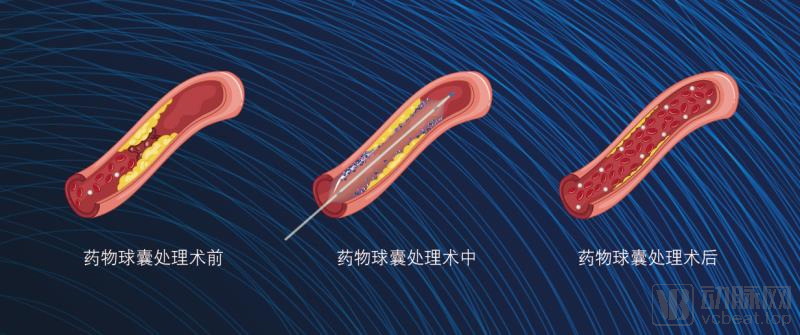
He introduced that the drug-coated balloon from Shenqi Medical is characterized by: first, the adoption of a specialized coating technology with excellent density; second, outstanding performance in drug loading with a very low drug elution rate; and finally, effective binding to vascular endothelial cells, allowing it to remain at the lesion site for up to 28 days.
“In summary, our product’s manufacturing process ensures that it can be ‘applied effectively, removed cleanly, and retained securely,’” said Dai Zhihao. He explained that the successful regulatory approval was the result of five years of continuous innovation and breakthroughs. In the early stages, the company collaborated with 11 top-tier hospitals in China, including Shanghai Ruijin Hospital, Shanghai Zhongshan Hospital, and Beijing Anzhen Hospital, conducting over 200 clinical trials. With the product now approved for market launch, Shenqi Medical is currently engaging in channel cooperation with MicroPort, a well-known domestic medical device company, leveraging MicroPort’s distribution advantages to rapidly expand its market presence.

(Product Image)
In addition to drug-coated balloons, Shenqi Medical has also made strategic moves in the field of structural heart disease treatment, such as launching a left atrial appendage occluder system.
Atrial fibrillation (AF) is a common arrhythmia, with multinational clinical studies indicating an overall prevalence of approximately 1%. AF accounts for 15–20% of all stroke cases, corresponding to around 120,000 cases annually. In AF-related strokes, 90% of emboli originate from the left atrial appendage. According to data from the Chinese Medical Association, there are over 10 million patients with atrial fibrillation in China.
The left atrial appendage occluder system can prevent thrombus formation in the left atrial appendage during atrial fibrillation, thereby reducing the risk of stroke-related long-term disability or death caused by thromboembolism, and holds broad market prospects.
Dai Zhihao introduced that the company’s independently developed left atrial appendage (LAA) occluder has been finalized and is currently undergoing clinical trials, with an expected market launch in 2022. In addition, a pipeline of products under development will be rolled out sequentially.
Regarding future plans, he pointed out that the past five years have merely been the first step for Shenqi Medical. In the future, Shenqi Medical will closely focus on the development of high-value medical device consumables, researching and exploring more advanced technologies and products. “We aim to become a leading player in the second tier of the interventional implant industry, establishing ourselves as a competitive enterprise in fields such as vascular intervention and structural heart disease treatment,” Dai Zhihao told VCBeat.