

China's Cell Immunotherapy Landscape: Over RMB 7 Billion Raised, Featuring 80 Domestic Enterprises and Diverse Therapeutic Platforms
Cellular immunotherapy has attracted significant capital interest in recent years, with Nanjing Legend Biotech successfully listing on the Nasdaq on June 5. Since Rosenberg first proposed genetically engineered T-cell technology in 1986, cellular immunotherapy products have undergone more than 30 years of development, witnessing a flourishing landscape of cell therapies including CAR-T, TCR-T, TIL, CAR-NK, NK, and DC.
VCBeat has compiled a list of 80 domestic cell immunotherapy companies and analyzed the industry’s current financing landscape from an investment and funding perspective. As of April 2020, there had been a total of 95 financing events among cell therapy companies in China, with cumulative funding reaching RMB 7.35 billion. On June 5, Legend Biotech, China’s first CAR-T company, successfully listed on the NASDAQ.
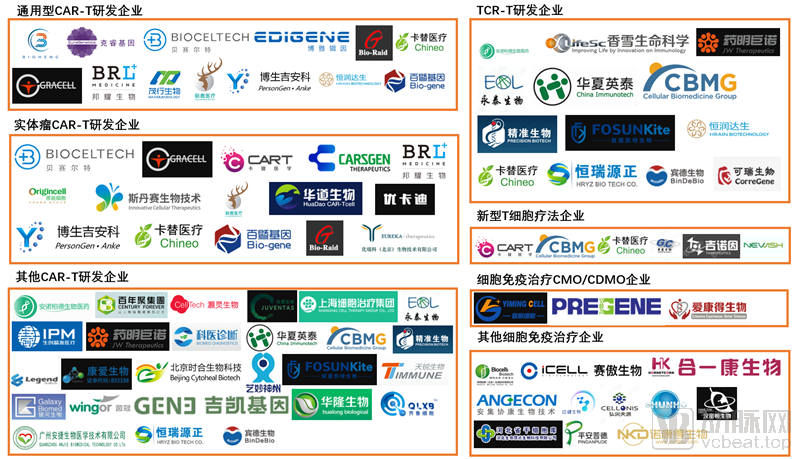
Cellular Immunotherapy Company Landscape
As a crucial component of immunotherapy, cellular immunotherapy generally refers to the administration of immune cell preparations into the body to activate or enhance specific immune responses, thereby achieving the goal of tumor treatment. Compared with conventional therapies such as surgery, radiotherapy, and chemotherapy, cellular immunotherapy has demonstrated favorable efficacy and safety in certain difficult-to-treat cancer cases, and can inhibit tumor recurrence and metastasis.
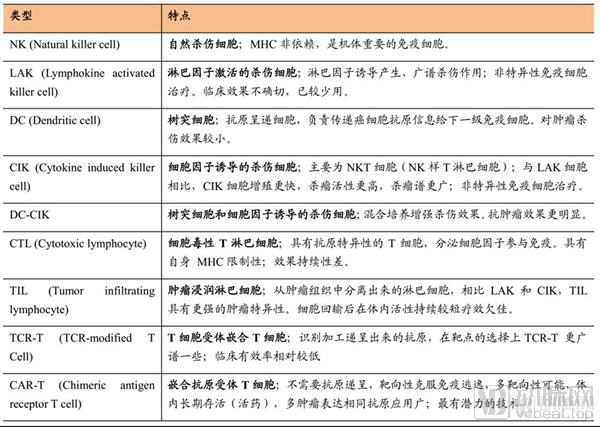
After decades of development, cellular immunotherapy has evolved from relatively simple approaches involving the culture, expansion, and reinfusion of cells such as dendritic cells (DCs), natural killer (NK) cells, cytokine-induced killer (CIK) cells, and DC-CIK cells, to more complex genetically engineered cell therapies such as chimeric antigen receptor T-cell (CAR-T) therapy and T-cell receptor-engineered T-cell (TCR-T) therapy. The therapeutic efficacy of these various modalities varies across different types of tumors and within the field of immunology.
Introduction to Certain Cellular Immunotherapies
Analysis of Investment and Financing in Domestic Cellular Immunotherapy
A review of the financing history of domestic cell therapy companies reveals that fundraising in the cell therapy sector began around 2014, with only two financing events recorded in 2014 and prior years. Between 2014 and 2017, both the number of financing deals and the total amount raised grew steadily. Starting in 2018, financing amounts for domestic cell therapy companies surged dramatically, with a year-on-year increase of 706.8% in 2018.
Distribution of Total Financing Amount and Number of Deals in Domestic Cellular Immunotherapy from 2014 to 2019
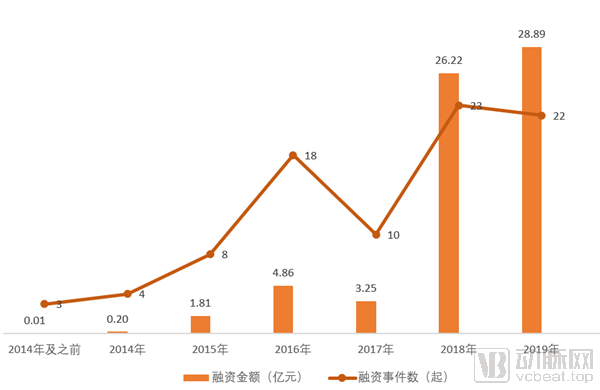
Data Sources: VCBeat Orange Database, Tianyancha, Corporate Official Websites
We believe that the sharp increase in total financing in 2018 was due to the following reasons:
1. In 2017, the FDA approved two cellular immunotherapy drugs: Kymriah, developed by Novartis, and Yescarta, developed by Kite Pharma, a subsidiary of Gilead Sciences. This marked the first validation of the commercial viability of cellular immunotherapy.
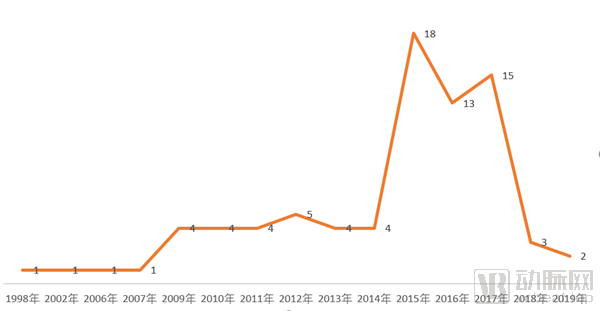
2. Since 2015, the number of cell therapy companies has surged dramatically. Companies established in or before 2017 account for 93.2% of all cellular immunotherapy enterprises. Emerging cell therapy firms such as ImmuneOnco, Xiangxue Life Sciences, and WuXi Juno Therapeutics were mostly founded around 2015. After several years of development, some of these companies have refined their R&D technology platforms, achieved milestone outcomes including clinical trial approvals, and secured substantial financing.
Distribution of Founding Years of Cellular Immunotherapy Companies
3. Since 2016, regulatory policies in the field of cell therapy have been successively issued by institutions such as the former China Food and Drug Administration (CFDA) and the National Health and Family Planning Commission (NHFPC). In particular, in December 2017, the National Medical Products Administration (NMPA) released the “Technical Guidelines for Research and Evaluation of Cell Therapy Products (Trial),” which clarified the pathway for research, development, and regulatory submission for CAR-T companies. The raising of technical entry barriers and industry management standards will serve as an “accelerator” for the rapid development of China’s cell therapy industry.
Distribution of Average Financing Amounts and Events in Cellular Immunotherapy, 2014–2019
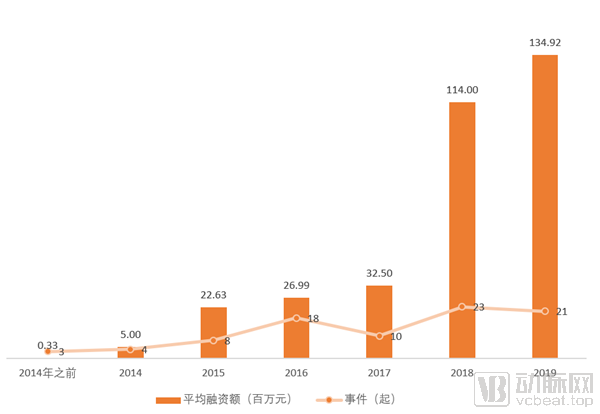
In terms of the average amount per financing round across different years, the average financing amount for projects showed an upward trend from 2014 to 2020. Except for a slight decline in the average financing amount in 2016, the amount per financing round increased substantially starting in 2014. The number of financing events in 2019 was largely on par with that in 2018, while the total financing amount in 2019 reached a historical high.
Distribution of the Number and Amount of Domestic Financing Projects
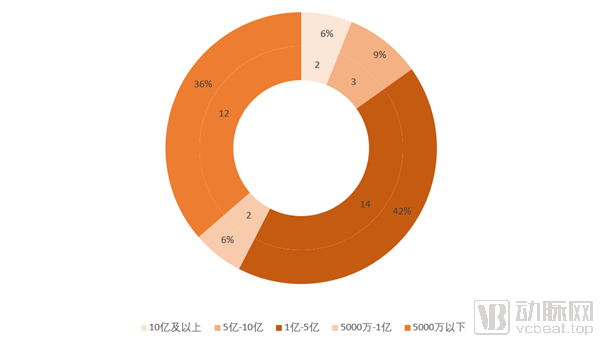
In terms of the distribution of financing amounts, among the 34 companies that have disclosed their financing figures, 42% have raised a cumulative total exceeding RMB 100 million. Five companies have raised more than RMB 500 million, namely Shanghai Cell Therapy Group, Nanjing Legend Biotech, Gracell Biotechnologies, JW Therapeutics, and Geneseeq Technology.
Top 5 Cell Therapy Companies by Total Financing Amount
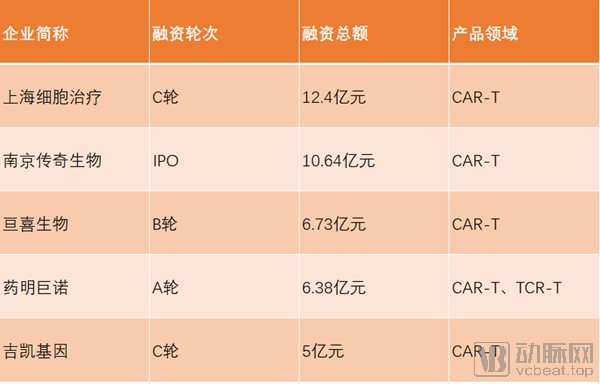
Note: Legend Biotech is already listed; the table presents data from its last financing round.
Shanghai Cell Therapy Group was established in November 2013. Its business scope includes cell therapy, cell cryopreservation, genetic testing, and medical big data, with a commitment to building an international cell therapy center integrating production, treatment, and research and development. The company is the first in China to conduct CAR-T clinical trials using a non-viral vector—the PB transposon. In December 2018, Shanghai Cell Therapy Group completed a C-round financing of RMB 925 million, jointly led by CPIC Life Insurance, Haier Capital, and Industrial International Trust & Asset Management, with participation from Anting Industrial, Legend Capital, and other investors.
Nanjing Legend Biotech is a CAR-T tumor cell immunotherapy R&D company under the listed company GenScript. Its CAR-T product was the first in China to receive approval for an Investigational New Drug (IND) application for CAR-T therapy, and it was also the first innovative Chinese cell therapy drug approved by the U.S. FDA for clinical trials in the United States. In March 2020, Nanjing Legend Biotech completed a $150 million Pre-IPO financing round, led by Hudson Capital, Johnson & Johnson, and Lilly Asia Ventures. On June 5, Nanjing Legend Biotech was listed on the NASDAQ in the United States.
Gracell Biotechnologies was founded in May 2017, focusing on the development of high-quality, low-cost CAR-T cell therapies to address challenges in the field of cell and gene therapy, such as complex manufacturing processes, lack of off-the-shelf products, and short duration of efficacy. Its Fast CAR-T platform requires only one day for CAR-T production, compared to approximately two weeks for conventional CAR-T therapies, thereby reducing the treatment wait time by nearly 12 days for patients with rapidly progressing diseases. In February 2019, Gracell Biotechnologies completed an $85 million Series B financing round, led by Temasek, with participation from Lilly Asia Ventures, Wingtech Capital, King Star Capital, and Chengdu Miaoji.
JW Therapeutics was established in March 2018 as a CAR-T cell immunotherapy technology R&D company founded in China by Juno Therapeutics and WuXi AppTec. As a global leader in oncology cell immunotherapy, Juno Therapeutics, according to an Evaluate report, holds the majority of core CAR-T technology patents together with Novartis. In March 2018, JW Therapeutics completed a USD 90 million Series A financing round, led by Temasek, Sequoia Capital China, and Yuanming Capital. Other investors included Yuanhe Origin, Yipu Capital, AVIC Capital, as well as existing shareholders such as WuXi AppTec Group and Juno Therapeutics (US).
GeneChem was established in 2002, with business areas covering the R&D of new antibody and cell therapy drugs, various scientific research services, CRO and CDMO, molecular diagnostics, and more. As a leading comprehensive provider of disease key gene research services in China, GeneChem has built a domestically leading lentiviral library comprising nearly 150,000 independent clones that cover almost all human genes. This has enabled the formation of an integrated full-industry-chain development model encompassing disease gene research services, early-stage genetic diagnosis of diseases, and cellular immunotherapy for diseases. In April 2020, GeneChem completed its Series C financing round, raising nearly RMB 400 million. Participants in this round included five institutions: Renfu Biomedical Industry Investment Fund Center, Shanghai Zhangjiang Technology Venture Capital, Shanghai Yuhan Equity Investment, Zhejiang Zhuji Lianchuang Yongjun Investment, and Shanghai Free Trade Zone Fund; funds managed by Shanghai Purun Equity Investment Management Co., Ltd.; and Chuanyuan InnoSpring.
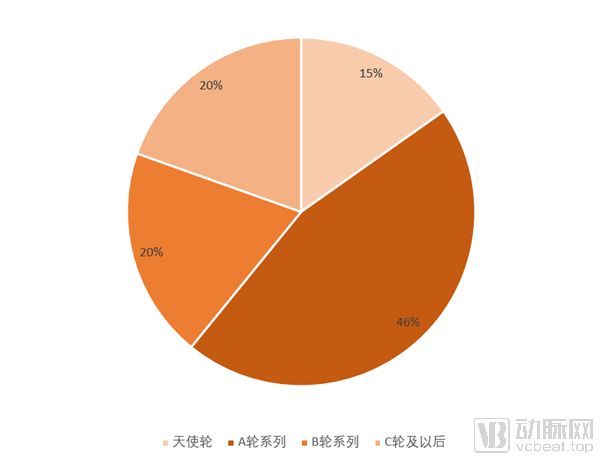
Based on the current financing rounds, among the 40 companies that have disclosed their financing information, 85% are at Series A or later stages. Specifically, 21 companies are at Series A, accounting for 46%. This to some extent indicates that the majority of domestic cell immunotherapy companies in China have passed their initial growth phase and are now experiencing rapid growth, entering a mature stage.
Distribution of Current Financing Rounds for Domestic Cellular Immunotherapy Companies
In China, there is already one publicly listed company in the field of cellular immunotherapy, while several others are in the late stages of fundraising.
In September 2019, Yongtai Biopharma submitted its initial application for a main board listing on the Hong Kong Stock Exchange. In March 2020, the company filed its prospectus with the Hong Kong Stock Exchange again to pursue the listing. Established in 2006, Yongtai Biopharma is one of the early cellular immunotherapy companies founded in China.
In March 2020, Nanjing Legend Biotech filed a draft F-1 registration statement with the U.S. SEC, planning to list in the United States, and successfully listed on the Nasdaq on June 5.
In May 2020, IFR, a Reuters service, reported that JW Therapeutics was planning an initial public offering in Hong Kong, aiming to raise $200 million to $300 million, and had appointed Goldman Sachs and UBS as lead underwriters for the listing.
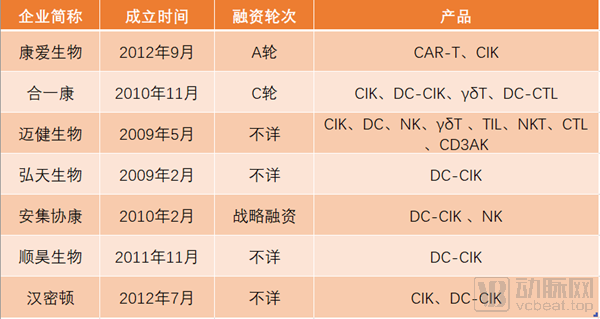
Currently, there are seven companies listed on the National Equities Exchange and Quotations (NEEQ), including Kangai Biotech, Heyikang, Maijian Biotech, Hongtian Biotech, Anji Xiekang, Shunhao Biotech, and Hamilton. These companies’ core businesses involve technical services related to DC-CIK or CIK immune cell preparation or therapy. In addition, Yinguan Biotech secured RMB 55.278 million in strategic financing from Mei Rui Health International Industrial Group, a company listed on the Hong Kong Stock Exchange, which acquired a 34% equity stake in Yinguan Biotech.
Cellular Immunotherapy Companies Listed on the NEEQ
Data Sources: VBInsight Database, Transfer Prospectus, etc.
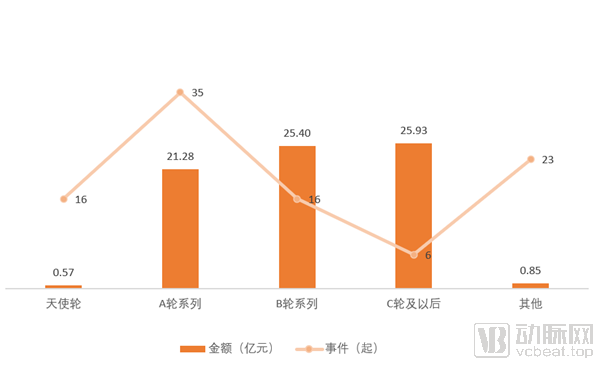
In terms of funding rounds, Series A financing events ranked first with 35 deals. Series C recorded the highest single-deal financing amount at RMB 430 million. There were 16 Series B financing events, with a total funding amount of RMB 2.54 billion. Although the number of financing events in Series B and Series C was lower than that in Series A, the average single-deal financing amount was higher. Compared to the average single-deal financing amount of RMB 60 million for Series A, the averages for Series B and Series C were RMB 160 million and RMB 430 million, respectively.
Funding Rounds and Amounts
Data Source: VCBeat Orange Database, corporate official websites, and compiled public information
Analysis of Active Investment Institutions
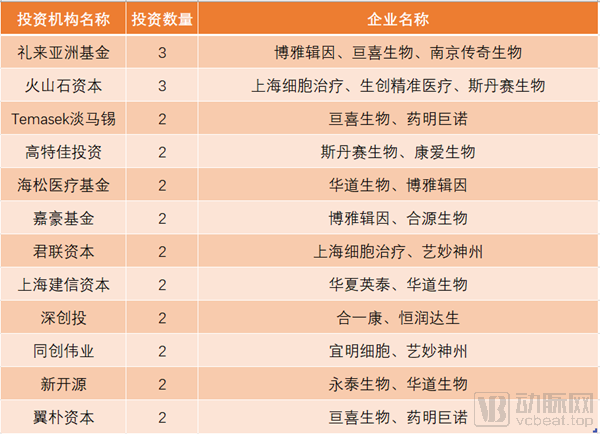
A total of 173 investment firms are involved in cellular immunotherapy. Among them, Lilly Asia Ventures and Volcanic Stone Capital are the most active investors, each having invested in three domestic cell therapy companies. Additionally, ten investment firms have each invested in two cell therapy companies: Temasek, GTJA Investment, Haisong Healthcare Fund, Jiahao Fund, Legend Capital, CCB International Capital (Shanghai), Shenzhen Capital Group, Cowin Capital, New Open Source, and Yipu Capital. The remaining 146 investment firms have each invested in only one cell therapy company.
Active Investment Institutions
Pharmaceutical giant Eli Lilly established Lilly Asia Ventures (LAV) in 2007 to invest in life sciences companies across Asia, particularly in China. Since its inception, the fund has made 40 investments in Chinese startups, spanning biopharmaceuticals, medical technology, medical devices, and diagnostics.
Volcanic Stone Capital, established in May 2016, is dedicated to identifying, investing in, and serving high-growth-potential startups in the fields of Chinese internet innovation, pan-intelligent technologies, and new healthcare. The firm currently manages a total fund size exceeding RMB 2.2 billion, with its investment portfolio spanning internet innovation, pan-intelligent technologies, and new healthcare.
Financing Analysis of Different Cellular Immunotherapy Products
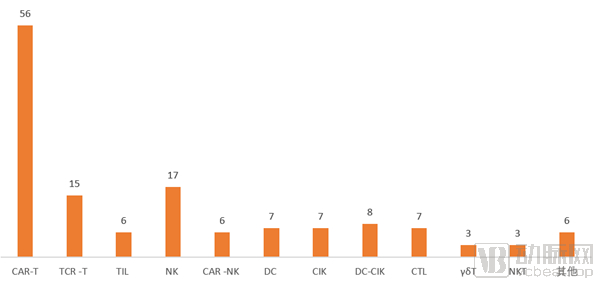
From the perspective of product types, most cell-based immunotherapy companies are engaged in the research and development (R&D) of multiple cell therapies. Among the top 10 most-funded cell-based immunotherapy companies, half have pursued two or more types of cell-based immunotherapies. CAR-T, TCR-T, and NK cell therapies are popular R&D directions. Among 80 cell-based immunotherapy companies, 56 (75%) are engaged in CAR-T R&D, 15 (20%) in TCR-T R&D, and 15 (20%) in CAR-NK R&D. In addition, companies focusing on TIL, CAR-NK, and DC cell therapies also rank among the leaders.
Number of Cell Therapy Companies by Category
As a hot investment area for cellular immunotherapy, over 95% of financing in the field of cellular immunity is related to CAR-T. Within the vast camp of CAR-T R&D, we have observed some new trends. For instance, among the top 10 companies in CAR-T financing, besides Nanjing Legend Biotech and WuXi Jienuo which have obtained clinical trial approvals, UCAR-T and solid tumor CAR-T R&D enterprises are also highly favored by investors, with three companies each engaged in related research. Among the 56 CAR-T R&D enterprises, 13 are involved in UCAR-T development, and 15 are focused on solid tumor CAR-T research.
Top 10 Most Funded Companies in the CAR-T Sector
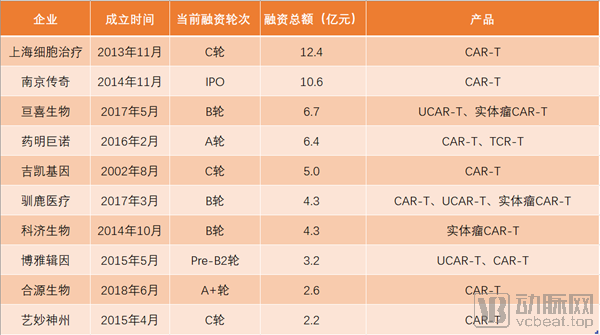
Note: Legend Biotech is already publicly listed; the data presented here are from its last round of private financing.
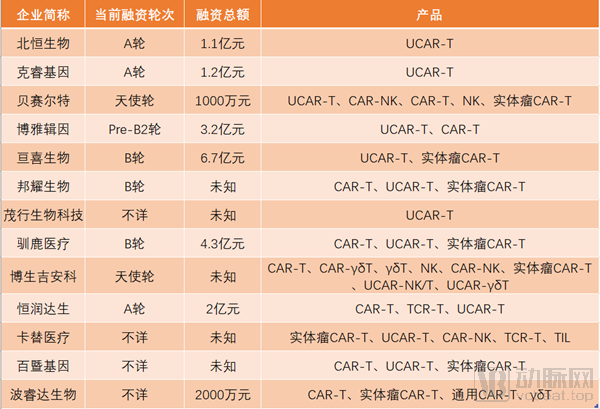
Universal CAR-T
UCAR-T, also known as universal CAR-T therapy, is essentially an allogeneic CAR-T cell therapy. This approach does not require isolating T cells from the patient; instead, it utilizes T cells donated by healthy volunteers. Through gene-editing technologies, genes such as the T-cell receptor (TCR) are knocked out, thereby preventing both host immune rejection of the infused CAR-T cells and graft-versus-host disease (GVHD), where allogeneic T cells attack the host’s organs. Compared with autologous CAR-T therapy, UCAR-T offers lower drug costs, consistent quality, and higher manufacturing success rates, enabling standardized mass production, timely supply, and reduced costs.
Domestic UCAR-T R&D Companies
CAR-T for Solid Tumors
In fact, whether CAR-T therapy can be applied to solid tumors has long been a focal point of discussion in the field of cellular immunotherapy. For an extended period, significant barriers hindered the breakthrough of CAR-T therapy for solid tumors. Professor Phil Greenberg, a leading authority in tumor immunology, once stated, “In the treatment of solid tumors, TCRs may offer advantages over CARs, and the path to success for TCR-T therapy is likely shorter than that for CAR-T therapy.” We have summarized some of the existing challenges in the CAR-T industry as follows:
1. CAR-T cells can only recognize cell surface membrane proteins, of which there are only a few hundred, accounting for less than 20% of the total cellular antigens.
2. When CAR-T cells reach the tumor periphery, T cells are activated and eliminate tumor cells through co-stimulatory effects of immune cells. Consequently, they struggle to infiltrate solid tumors for expansion and cytotoxic activity, instead undergoing gradual exhaustion in the bloodstream.
3. There are numerous CAR-T R&D companies in China, but their targets are relatively homogeneous, with most focusing on CD19, NKG2D ligands, and others, which may lead to patent disputes with international giants such as Juno.
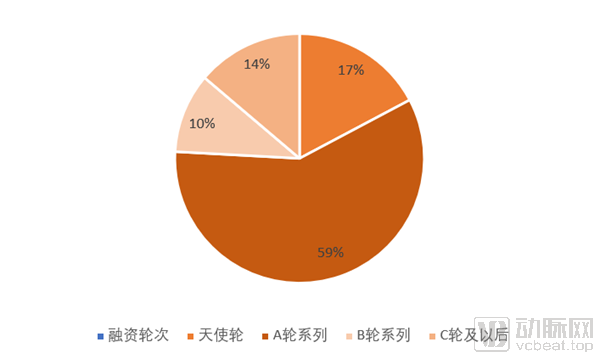
Nevertheless, R&D and investment in the field of CAR-T therapy for solid tumors remain a hot topic in the industry. Among the 29 companies that have disclosed their current financing rounds, Series A companies account for the largest proportion at 59%, while angel-round companies make up 17%. This indicates that most CAR-T R&D enterprises have moved past the initial development phase and are entering a more mature stage, significantly reducing the risk of project failure.
Distribution of Current Financing Rounds for CAR-T R&D Companies
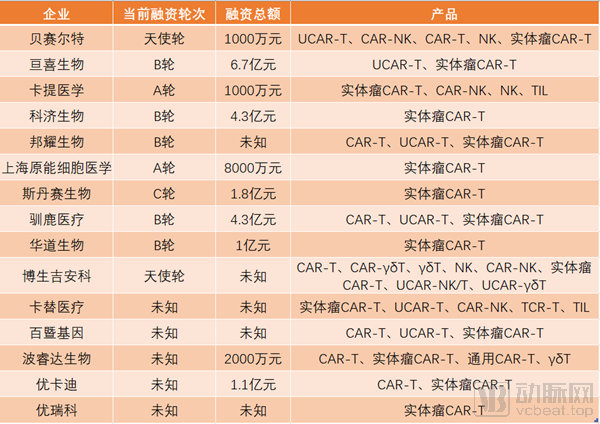
Domestic CAR-T R&D companies, including St. Science Biotech, Huaxia Yingtai, IASO Biotherapeutics, Huadao Biopharma, Carsgen Therapeutics, Gracell Biotechnologies, Urocare Biologics, and UCAR-T, are at the forefront of the industry in the development of solid tumor CAR-T therapies:
1. Standcell Biosciences also announced at the annual meeting of the American Society of Gene & Cell Therapy (ASGCT) that its CoupledCART™ technology demonstrated favorable safety and efficacy in the treatment of solid tumors, with two patients with thyroid cancer and two patients with colorectal cancer all achieving partial response (PR) after CART cell infusion.
2. Huaxia Yingtai’s innovative STAR-T is a therapy positioned between CAR-T and TCR-T; its patented dual-target design facilitates deeper infiltration into solid tumors.
3. Xunlu Medical is developing distinctive TCR-like CAR-T cell therapy products in the field of solid tumor treatment, for indications such as gastric cancer and nasopharyngeal carcinoma caused by viral infections.
4. Huadao Bio is exploring the application of CAR-T therapy in solid tumors, including primary hepatocellular carcinoma, mesothelioma, pancreatic cancer, gastric cancer, colorectal cancer, and glioma. These projects are currently undergoing preclinical studies for Investigational New Drug (IND) applications.
5. In January 2019, the clinical trial application for GPC3-targeted CAR-T cells developed by Carsgen Therapeutics for the treatment of GPC3-positive solid tumors received implicit approval from the Center for Drug Evaluation (CDE), making it the first company in China to obtain clinical trial approval for CAR-T cell therapy for solid tumors.
6. Eureka Therapeutics’ IND Application for AFP CAR-T Therapy in the Treatment of Advanced Liver Cancer Accepted by the FDA.
7. Youkadi is developing CAR-T products targeting liver cancer, pancreatic cancer, and other indications; among these, the CAR-T product targeting GPC3 for the treatment of liver cancer is currently undergoing animal studies.
Chinese CAR-T R&D Companies for Solid Tumors
TCR-T
Beyond the CAR-T space, TCR and TIL therapies have also become hot investment targets, with financing in the TCR and TIL sectors accounting for 20% and 9%, respectively, of total funding in cellular immunotherapy. A key similarity between T cell receptor-engineered T cell technology (TCR-T) and chimeric antigen receptor T cell technology (CAR-T) is that both employ genetic engineering to enhance T cells’ ability to recognize and attack specific cancer cell antigens.
A key challenge of TCR-T therapy is that TCR-recognized antigens must be presented by MHC molecules. Given the extensive polymorphism of MHC in humans and inter-individual variations in antigen expression, this presents significant hurdles. Moreover, the availability of clinically viable TCR sequences is limited; consequently, traditional TCR-T developers often opt for a single TCR targeting a fixed, single antigen. The drawback of this approach is that tumor cells may evade immune surveillance by downregulating antigen or MHC expression. Therefore, for TCR-T therapy to succeed, it is essential to establish a comprehensive TCR library or to screen for patient-specific TCRs tailored to individual patients.
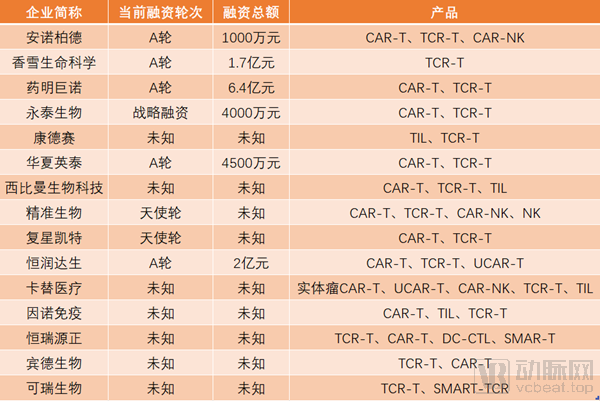
Among the domestic TCR-T R&D companies that have disclosed their funding status, most are at the Series A or angel investment stage. No company has yet reached Series B or later stages of financing. Only Yongtai Biopharma has submitted an IPO application to the Hong Kong Stock Exchange, indicating that while domestic TCR-T technology is maturing, it still faces certain challenges in clinical translation, thereby hindering further fundraising efforts.
Encouragingly, certain players have made notable progress in overcoming industry barriers associated with TCR-T therapy. Huaxia Yingtai has established an industrial-scale platform for the batch acquisition of TCRs. By building a TCR library comprising multiple HLA types with defined functionalities, the company requires only HLA typing upon patient enrollment; the corresponding TCR sequences can then be selected from the library for therapeutic use. In contrast, Xiangxue Life Sciences adopts a personalized TCR-T approach. This method involves isolating anti-tumor T cells from patients, generating a tumor antigen-specific TCR gene library through cloning, transducing these specific TCR genes into the patient’s T cells, and finally expanding and reinfusing the modified cells back into the patient.
Domestic TCR-T R&D Companies
Other Novel T-Cell Therapies
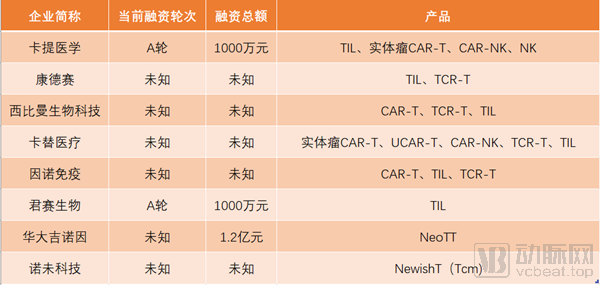
Novel T-cell therapies have also garnered significant attention, including tumor neoantigen-based cellular immunotherapies and tumor-infiltrating lymphocyte (TIL) therapies. However, most companies in this field are still at the angel investment or early-stage R&D phase. Representative enterprises include BGI Genomics, Junsei Bio, Kangdesai, and Karti Medical.
BGI Genoin, a subsidiary of BGI Genomics, independently developed NeoTT, a cellular immunotherapy platform based on tumor neoantigens. In March 2019, the company secured RMB 120 million in Series A financing. In January 2020, its investigational product targeting neoantigen-specific autologous immune T cells (NeoT) received implicit approval for clinical trials from the National Medical Products Administration (NMPA), becoming the first tumor neoantigen-based cell therapy drug approved in China to initiate registration-enabling clinical trials.
Kati Medicine is dedicated to the research and development of neoantigen-based cellular immunotherapy technologies. By organically integrating TIL technology, CAR-T technology, and gene editing technology, the company has developed anti-cancer drugs targeting solid tumors. Its R&D portfolio covers solid tumor-focused CAR-T, UCAR-T, CAR-NK, TCR-T, and TIL therapies. In December 2015, the company completed its Series A financing round.
Junsai Bio is dedicated to the research and development of novel Tumor-Infiltrating Lymphocyte (TIL) cell therapies. TIL therapy involves isolating tumor-infiltrating lymphocytes from tumor tissues, expanding them extensively in vitro, and reinfusing them into patients. Compared with CAR-T cell therapy and PD-1/PD-L1 antibodies, TIL therapy offers advantages such as multi-target recognition, strong tumor tropism and infiltration capacity, and fewer side effects. Iovance’s TIL cell therapy has demonstrated promising efficacy in the treatment of advanced cervical cancer and has received Breakthrough Therapy Designation from the U.S. Food and Drug Administration (FDA). Junsai Bio, a domestic TIL R&D enterprise, secured tens of millions of yuan in Series A financing in February 2020.
Domestic Novel T-Cell Therapy Companies
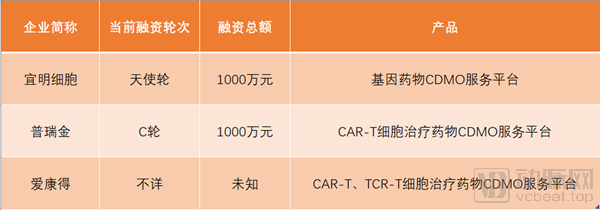
Furthermore, amid the R&D surge in the field of cellular immunotherapy, CDMO enterprises specializing in cell therapy drugs, led by CAR-T and TCR-T developers, have gradually emerged. Representative companies include Puruijin, Yiming Cell, and Aikangde. Among them, Puruijin has completed its Series C financing, with its business scope covering cell and genetic engineering, animal studies, large-scale production of viruses and cells, nanobody screening, as well as CMO/CDMO services such as plasmid and recombinant lentivirus manufacturing, CAR-T production, and quality research and management systems. As more companies join the R&D of novel cellular immunotherapies, it is predictable that specialized CMOs/CDMOs in the cell therapy sector will also secure a significant position in the future landscape of cellular immunotherapy.
Cellular Immunotherapy CMO/CDMO Companies
Summary
An analysis of investment and financing data in China’s cellular immunotherapy industry indicates that enthusiasm for funding in this sector will continue to rise. Although competition in the domestic CAR-T field is intense, some companies have already reached mid-to-late stage financing rounds or are preparing for initial public offerings (IPOs). The future development of CAR-T technology will integrate cell therapy, gene therapy, and gene editing technologies; consequently, universal CAR-T and solid tumor CAR-T therapies hold broad market prospects.
The limitations of traditional single-target CAR-T and TCR-T therapies in treating solid tumors have become increasingly apparent. The future direction of cancer cellular immunotherapy will focus on multi-target, personalized approaches with shortened manufacturing cycles. Investors are expected to prioritize therapies such as multi-target CAR-T and TCR-T cell immunotherapies, off-the-shelf CAR-T with rapid production timelines, and personalized treatments including tumor antigen-specific or neoantigen-specific TCRs, tumor-infiltrating lymphocytes (TILs), and tumor neoantigen immunotherapies.