

Two Biopharmaceutical Companies File for STAR Market IPO: Beijing SinoGen and Hangzhou Alltest Biotech
VCBeat learned that on May 28, 2020, Beijing Shenogen Pharma Group Ltd. and Hangzhou AllTest Biotech filed for IPOs on the STAR Market.
In an era that vigorously promotes the development of Traditional Chinese Medicine (TCM) and encourages innovation within the field, can companies like Beijing Shenogen Pharma Group Ltd., which derive materials from traditional TCM to extract core active compounds for more rigorous scientific research, also gain favor in the secondary market? Furthermore, is Hangzhou AllTest Biotech, which achieved exports of COVID-19 test kits during the recent pandemic, a worthwhile investment?
Beijing Shenogen Pharma Group Ltd. is a pharmaceutical R&D enterprise that integrates the modernization of traditional Chinese medicine (TCM) with biotechnology. Focusing on multiple malignant tumors with urgent clinical needs and strong market prospects, such as hepatocellular carcinoma, breast cancer, non-small cell lung cancer, and lymphoma, the company prioritizes innovative TCM drugs while also extending its portfolio to include innovative chemical drugs and innovative biological macromolecules.
As of December 31, 2019, Beijing Shenogen Pharma Group Ltd. had obtained 57 granted invention patents, including 26 domestic grants and 31 overseas grants. Among these, Icotinib has secured 26 patents covering indications, crystal forms, dosage forms, and other aspects. Meanwhile, the Company has also filed patent applications for the compound structures, therapeutic uses, manufacturing processes, crystal forms, and formulations of its other products under development, thereby establishing significant technical barriers and extending the lifecycle of its core technologies and pipeline products.
In terms of R&D, Beijing Shenogen Pharma Group Ltd. has established independent scientific research capabilities for innovative drug development and mature R&D technologies. The company’s core technical personnel all possess strong educational backgrounds as well as professional R&D and management experience. As of March 31, 2020, the company employed 90 R&D staff, including 26 individuals with doctoral degrees. Some core technical personnel have over 20 years of experience in new drug development, with a track record of leading or participating in the successful market launch of multiple new drugs.
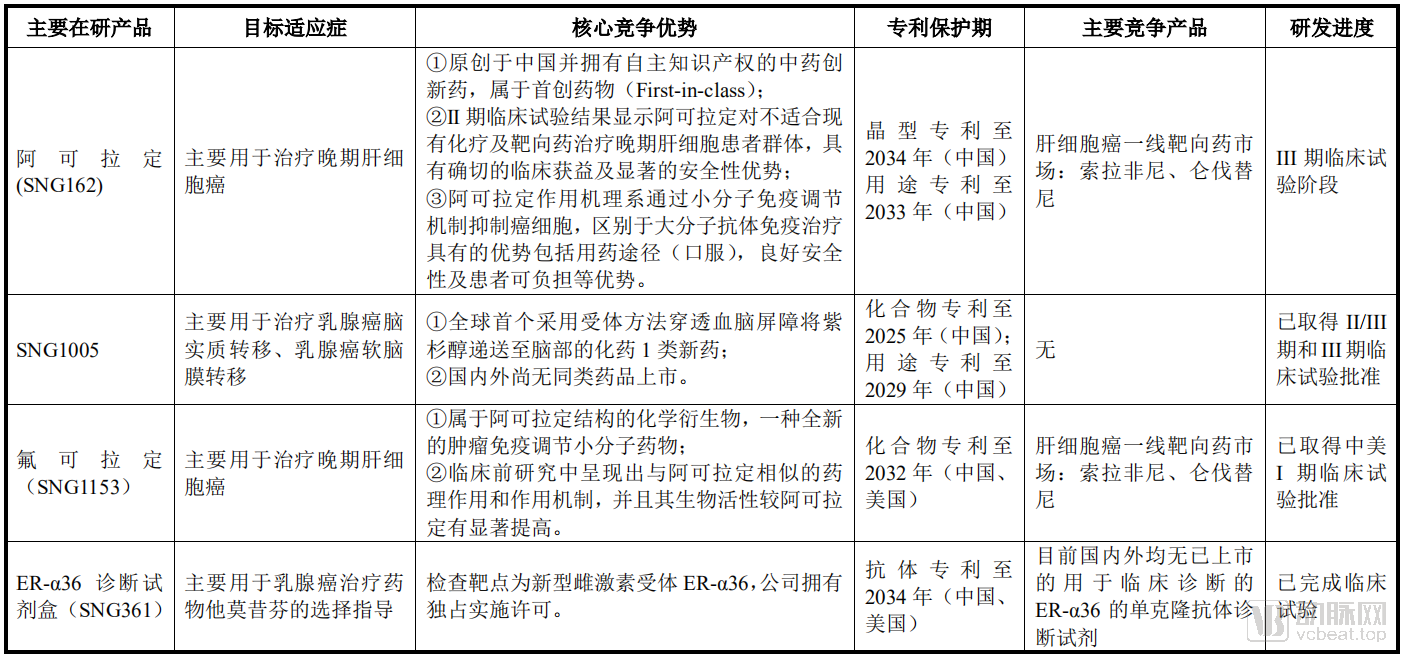
Shenogen Pharma’s core product, Acoladin, is a first-in-class small-molecule immunomodulatory innovative drug developed using modern biotechnology from the traditional Chinese medicinal herb Epimedium. It has demonstrated significant safety and definitive efficacy in treating advanced hepatocellular carcinoma in patients who are unsuitable for existing chemotherapy and targeted therapies. The drug has entered Phase III clinical trials, with plans to submit a New Drug Application (NDA) in March 2021.
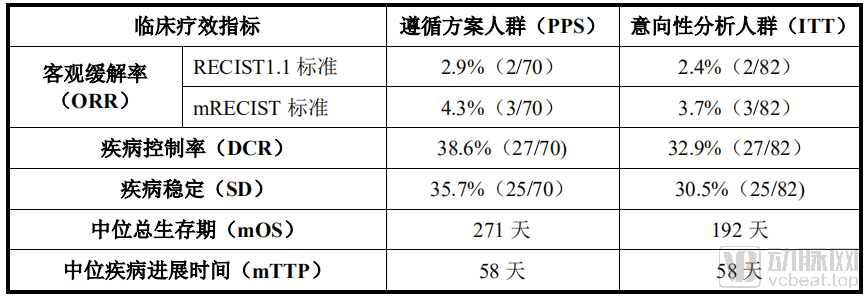
Compared with the Chinese cohort enrolled in the Phase III Oriental trial of sorafenib, patients enrolled in the Phase II clinical trial of Acoltadine had poorer baseline characteristics, mostly consisting of those with advanced progressive disease and exhibiting significant prognostic bias. In the intention-to-treat (ITT) population, the median overall survival (mOS) was 192 days, while in the per-protocol set (PPS) population, the mOS reached 271 days. This is longer than the mOS reported in the Chinese subgroup of the contemporaneous sorafenib Oriental trial and in the historical data from the Chinese cohort of the Phase III Each trial evaluating the FOLFOX4 chemotherapy regimen, which were 175 days and 171 days, respectively. Survival benefits were also observed in patients who achieved stable disease (SD) and in those who received treatment after disease progression (PD). Among them, the mOS was 310 days for the 25 patients with SD, and 292 days for the 6 patients who received treatment after PD.
Based on the safety profile and immunomodulatory mechanism demonstrated in clinical trials of Icaritin, the Company also plans to advance the development of its clinical pipeline for Icaritin-based combination immunotherapies, primarily including: (1) sequential combination therapy of Icaritin with oncolytic viruses for the treatment of advanced hepatocellular carcinoma that is refractory or resistant to PD-1 inhibitors; (2) combination therapy of Icaritin with anti-PD-L1 antibodies for the treatment of tumors; (3) combination immunotherapy of Icaritin with anti-CD137 antibodies for the treatment of tumors; and (4) combination immunotherapy of a novel formulation of Icaritin with anti-PD-1 antibodies for the treatment of tumors.
Furthermore, Beijing Shenogen Pharma Group Ltd. has developed the second-generation product of Acolametinib, namely Fluclametinib, and plans to conduct Phase I clinical trials in the United States, as well as clinical trials evaluating the combination therapy of Fluclametinib with anti-CD137 antibodies.
Shenogen also holds the development rights in China for SNG1005, a Class 1 novel drug that is the world’s first to successfully utilize a receptor-mediated approach to deliver paclitaxel to the brain. Two clinical trials of SNG1005 in China, namely the Phase II/III and Phase III studies, were approved in 2019. Preclinical studies are planned to evaluate the combination of SNG1005 with anti-PD-1 antibodies for the treatment of brain metastases from triple-negative breast cancer and non-small cell lung cancer.
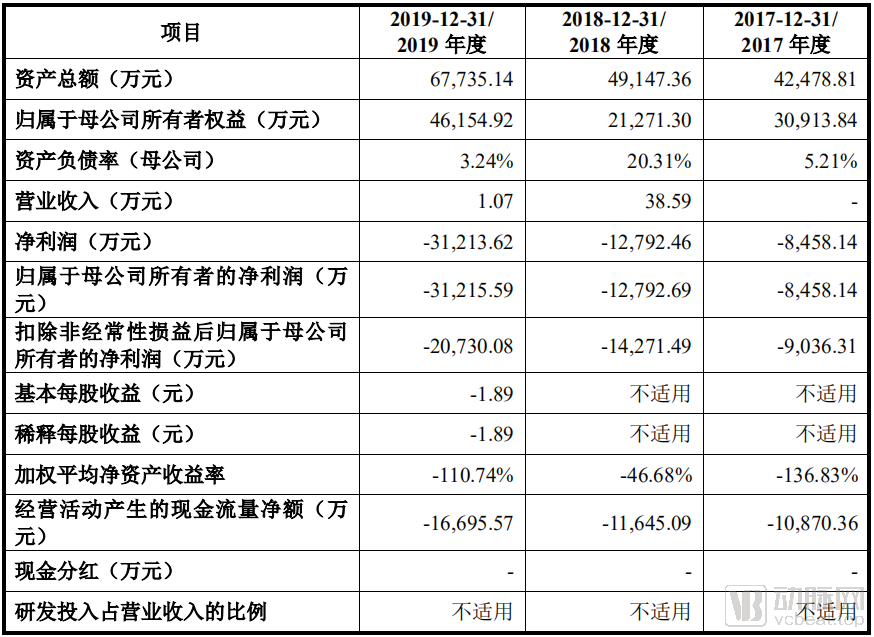

Due to the long R&D cycle characteristic of the innovative drug industry, Beijing Shenogen Pharma Group Ltd. remains unprofitable. Its R&D expenditure has continued to grow in recent years, albeit at a modest pace, reaching nearly RMB 160 million in 2019. Although the company’s debt-to-asset ratio is not high, its current assets amounted to only approximately RMB 154 million by the end of 2019. The funds raised from this IPO will help Beijing Shenogen Pharma Group Ltd. pursue further development in the coming years.
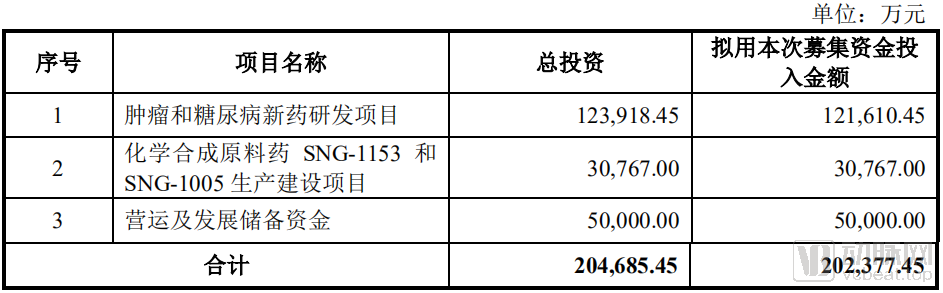
Beijing Shenogen Pharma Group Ltd.’s IPO proceeds will be primarily allocated to the R&D of novel drugs for oncology and diabetes, with a portion designated for the production and construction projects of the active pharmaceutical ingredients (APIs) SNG-1153 and SNG-1105.
Aotai Biotechnology focuses on the point-of-care testing (POCT) segment within the in vitro diagnostics (IVD) industry. Its core business involves the research and development, manufacturing, and sales of IVD reagents. The company currently has over 700 marketed products, which are widely used in clinical testing, on-site detection, and personal health management. Aotai’s products demonstrate strong market competitiveness, particularly in the detection of novel psychoactive substances (such as flunitrazepam ["blue elves"], bath salts, and cathinones), SARS-CoV-2, tropical infectious diseases (including chikungunya fever, Chagas disease, and leptospirosis), multiplex respiratory panels (influenza, respiratory syncytial virus, adenovirus, and Mycoplasma pneumoniae), multiplex pediatric diarrhea panels (rotavirus, adenovirus, norovirus, and astrovirus), and multiplex fecal occult blood tests (transferrin/hemoglobin and haptoglobin/hemoglobin complexes).
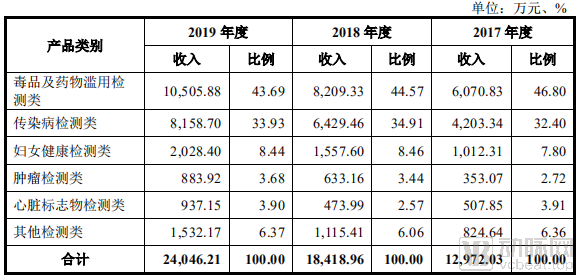
Among Aotai Biotech’s product portfolio, drug and substance abuse testing products and infectious disease monitoring products constitute its primary revenue sources, collectively accounting for approximately 77.5% of its total revenue.
During the COVID-19 pandemic, leveraging its existing technology platforms, Aotai Biotech successfully developed a novel coronavirus (2019-nCoV IgG/IgM) antibody test kit on February 10, 2020. Clinical evaluation results demonstrated that the detection rate of IgG in convalescent patients reached 100%, while the detection rate of IgM in clinical patients exceeded 75%. The negative concordance rate was over 98%, with an overall accuracy of 97%.
AutoBio’s novel coronavirus (COVID-19) IgG/IgM antibody test kit has completed all clinical phases in China and is currently undergoing registration with the National Medical Products Administration (NMPA). The product has obtained EU CE certification and has completed product registration in countries and regions including Australia, Brazil, the Philippines, India, and Ukraine. The R&D achievements of this product have been industrialized, featuring mature production processes, and the product has been exported to more than 60 countries, including Iraq, Italy, the United States, Germany, Kuwait, and Switzerland.
Aotai Biotech’s sales are divided into overseas and domestic segments, with the vast majority of its products sold to international markets. Overseas sales primarily follow an ODM (Original Design Manufacturer) model, supplemented by sales under its own brand. The company has sporadic domestic sales, which also adopt the ODM model, with the end-use markets located abroad. Its customers are mainly medical device companies overseas that possess their own brands and distribution channels. These customers purchase the company’s products and sell them in international markets under their own brands or as distributors. The products are exported to more than 100 countries and regions across Europe, Africa, the Middle East, South America, and beyond.
Aotai Biotechnology has established a dedicated in-house brand department within its marketing division, specifically responsible for the promotion and sales of its proprietary brands. While striving to expand the market scale of its ODM products, the company is gradually strengthening the promotion of its proprietary brands in overseas markets through participation in domestic and international exhibitions and online promotions on domestic and foreign websites, actively cultivating the market for its own brands. After years of development, the company has gained certain advantages in product sales channels, with its proprietary brand products exported to the United Kingdom, Italy, Thailand, Indonesia, Sudan, and other regions, achieving a certain level of market recognition.
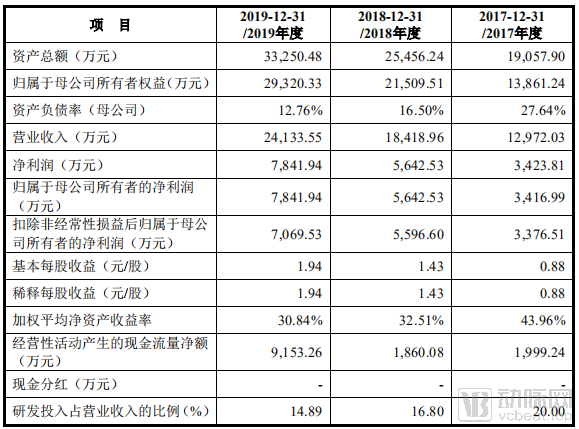
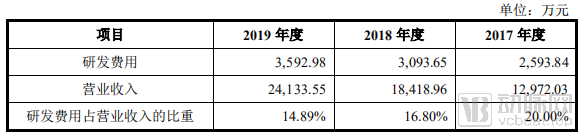
Aotai Biotech has already achieved profitability, with its profits growing year by year. In 2019, Aotai Biotech’s revenue reached RMB 240 million, net profit attributable to shareholders exceeded RMB 78 million, and the net profit margin surpassed 30%. Although the proportion of R&D expenditure declined annually, the actual R&D investment increased year on year. Both the overall asset structure and the asset-liability ratio remain healthy, indicating sound overall corporate development.
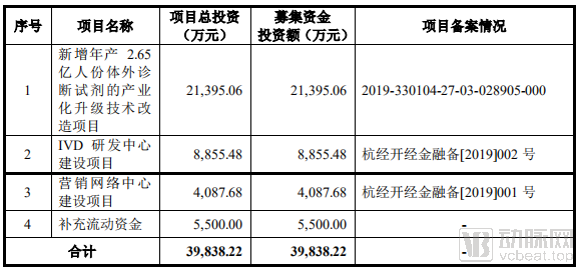
The funds raised by Aotai Biotech in this IPO will be primarily used for its industrial upgrading and technological transformation projects, with a portion allocated to the construction of its IVD R&D center and marketing network center.