

China's Innovative Medical Device Approval Landscape: 262 Approved, with High-Value Consumables Dominating
The medical device industry is a knowledge-intensive, capital-intensive, and multidisciplinary high-tech sector that integrates expertise from various fields. Consequently, the medical device industry, particularly the high-end segment, features exceptionally high barriers to entry.
China's medical device industry started late, and its investment scale lags significantly behind that of global giants. Consequently, the industry is characterized as "large but not strong." For instance, China is still unable to manufacture ECMO (Extracorporeal Membrane Oxygenation) systems, which were regarded as life-saving devices for critically ill patients during the COVID-19 pandemic.
To break free from this situation, China has increasingly prioritized innovation in the medical device industry in recent years. Particularly in the high-end medical device sector, China has proposed “domestic substitution” and introduced an approval pathway for innovative medical devices.
This procedure is a significant measure introduced by the State Administration to promote the innovative development of medical devices, playing a positive role in encouraging research and innovation in medical devices, facilitating the promotion and application of new technologies, and driving the development of the medical device industry.
The Basic Healthcare and Health Promotion Law of the People’s Republic of China, which came into effect on June 1, 2020, also includes specific optimizations for the approval of innovative medical devices.
Article 8 states that “the State shall strengthen basic medical scientific research, encourage innovation in medical science and technology, support the development of clinical medicine, promote the translation and application of medical scientific and technological achievements, advance the integrated development of healthcare and information technology, disseminate appropriate healthcare technologies, and improve the quality of healthcare services.””
Article 65 further states that “the State shall strengthen the administration of medical devices, improve standards and specifications for medical devices, and enhance the safety and effectiveness of medical devices,” and emphasizes that “the health administrative department of the State Council and the health administrative departments of the people’s governments of provinces, autonomous regions, and municipalities directly under the Central Government shall formulate allocation plans for large-scale medical equipment based on technological advancement, appropriateness, and accessibility, so as to promote rational allocation and full sharing of medical equipment within their respective regions.”
This all indicates that China has elevated medical device innovation to an unprecedented height.
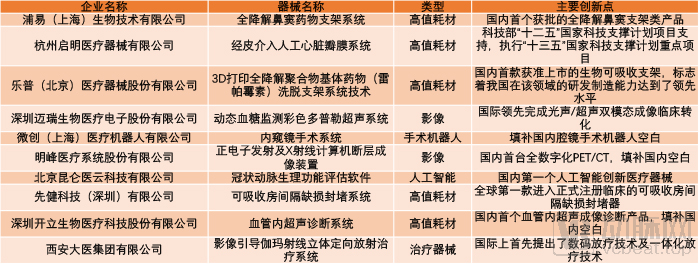
Representative Innovative Medical Devices
After several years of development, the Green Channel for innovative medical devices has yielded substantial results. VCBeat (WeChat ID: Vcbeat) has also compiled statistics on the innovative medical devices that have entered the Green Channel for approval over the years.
This program is China’s first approval pathway specifically designed for innovative medical devices, accelerating the review process while ensuring the safety and efficacy of marketed products.
The trial innovative procedure explicitly stipulates that medical devices must meet three conditions to apply for the special approval of innovative medical devices.
First is the patent. The applicant must legally hold the invention patent right for the product's core technology in China, or have legally acquired the invention patent right or its usage rights in China through assignment; alternatively, the application for the invention patent of the core technology must have been published by the patent administration department under the State Council.
Second is performance. The product’s core working principle or mechanism of action is a first-of-its-kind innovation in China, representing an internationally leading technological advancement. It demonstrates fundamental improvements in performance or safety compared to similar products and offers significant clinical value.
3. Product Finalization. The applicant should have completed preliminary product research and possess a basically finalized product. The research process must be authentic and controlled, with complete and traceable research data.
In addition to completing and submitting the standard “Application Form for Special Approval of Innovative Medical Devices,” applicants are also required to submit a series of documents, including proof of corporate legal person status, documentation of product intellectual property rights, a summary of the product’s research and development process and outcomes, product technical documentation (such as intended use, working principles, and key technical specifications), and evidence of product innovation (such as academic publications, clinical applications, and industry comparisons).
The Center for Medical Device Evaluation of the China Food and Drug Administration has established a dedicated Office for the Review of Innovative Medical Devices to organize relevant experts in reviewing applications for special approval of innovative medical devices and in determining the regulatory classification of medical devices.
Since the implementation of the pilot innovative procedure, enterprises have submitted applications enthusiastically, yet only a few have been approved. As of December 1, 2018, a total of 198 products had passed through the pilot innovative procedure. In comparison, during the same period, approximately 40,000 medical devices were registered.
Three months after the trial implementation of the innovative approval procedure, Shandong Saikesaisi Pharmaceutical Technology Co., Ltd. became the first medical device company to venture into this new pathway—its absorbable dural sealant medical adhesive became the first product to enter the Special Examination and Approval Procedure for Innovative Medical Devices.
Overall, there are two main reasons for the low approval rate of innovative medical devices submitted by enterprises: first, the products themselves lack sufficient innovation; second, the submission materials provided by the enterprises are insufficient to demonstrate compliance with the requirements of the review pathway.
On November 5, 2018, in light of the practical experience gained during several years of trial implementation, the National Medical Products Administration (NMPA) revised the trial procedures and issued the Special Examination Procedures for Innovative Medical Devices (hereinafter referred to as the “Innovation Procedures”), which officially came into effect on December 1, 2018, replacing the original trial innovation procedures.
The revised innovation procedure has focused on supplementing the requirements for the patent component of innovative medical devices. It adds a requirement that the time between the examination application and the patent authorization announcement date shall not exceed five years. Furthermore, the patent must be accompanied by a search report issued by the Patent Search and Consultation Center of the China National Intellectual Property Administration (CNIPA), which explicitly states that the product’s core technical solution possesses novelty and inventiveness, among other more concrete requirements.
In addition, there are no changes to the requirements regarding product performance and finalization for innovative medical devices, which remain consistent with the trial innovation procedure.
Relatively speaking, the new regulations impose stricter requirements on the “innovation” of innovative medical devices, specifying not only the exact timeline for patents but also requiring companies to demonstrate the “innovative” nature of their products through evaluation by patent agencies.
Benefits of the Approval Process for Innovative Medical Devices
In addition to enhancing corporate visibility and reputation, the innovative medical device approval process can significantly accelerate the review timeline, effectively creating a "green channel" alongside the standard registration queue. With approximately 8,000 medical devices requiring registration annually in China, the prolonged wait times for conventional approval make this expedited pathway of substantial significance to enterprises.
Upon entry into this pathway, relevant authorities primarily adopt an approach featuring early intervention, dedicated personnel, and end-to-end guidance, granting priority review and approval without lowering standards or reducing procedural requirements.
Taking the application for innovative medical device products in China as an example, the new regulations stipulate that provincial drug administrations must complete the preliminary review within 20 working days; subsequently, the National Medical Products Administration (NMPA) is required to issue its review opinion within 40 working days. This means that from submission of the application to approval by the NMPA, it takes no more than 60 working days to enter the minimum 10-working-day public notification period.
Overall, the process from submission to completion of registration may take approximately 15 weeks. According to statistics,Since the implementation of this measure, the average time required for product registration through this channel has been reduced by 83 days compared to that for similar products.
Differences from the Priority Review Program
In addition to the green channel for innovative medical devices, the then China Food and Drug Administration (CFDA) established another green channel in 2017—the “Procedures for Priority Review of Medical Devices” (hereinafter referred to as the Priority Review Procedures), which came into effect on January 1, 2017.
andThe Innovative Procedure focuses on innovation, whereas the Priority Procedure places greater emphasis on facilitating devices intended for emergency response and major scientific research purposes. It specifies three categories of situations in which the Priority Procedure may be applied.
First, a priority review procedure may be applied to medical devices for rare diseases, malignant tumors, geriatric conditions, pediatric conditions, and other clinical areas with urgent needs that demonstrate significant clinical advantages and have no domestically registered competing products.
Secondly, medical devices included in the National Science and Technology Major Projects or the National Key R&D Programs.
Finally, there are other medical devices that should be given priority approval.
Compared with the innovation pathway, the priority review pathway is faster. The Center for Devices and Radiological Health (CDRH) must complete its review within 10 working days, followed by a public comment period of only 5 days.
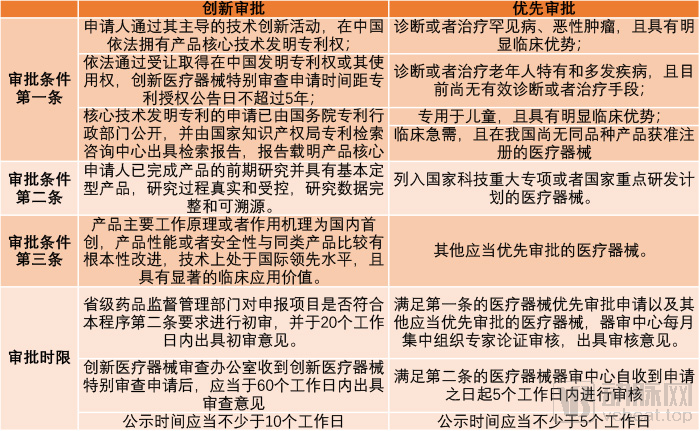
There are several other distinctions between the two. For instance, under the Innovative Procedure, samples may be produced by a contracted manufacturer, and applicants may reapply if their initial application is rejected. In contrast, under the Priority Procedure, samples cannot be produced by a contracted manufacturer, and any disapproved application is automatically transferred to the Standard Procedure.
As of May 26, 2020, a total of 262 medical devices had entered the innovative medical device approval process. VCBeat compiled and analyzed the relevant data.
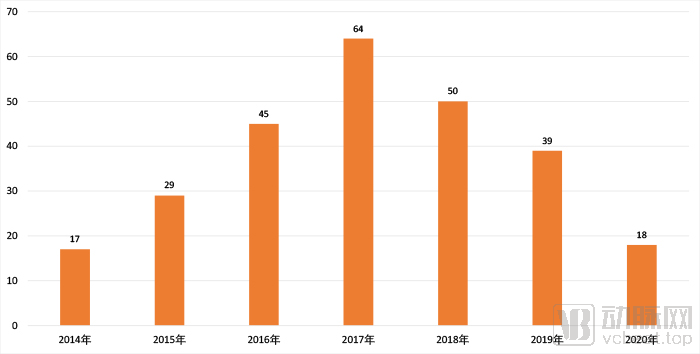
Number of Approvals for Innovative Medical Devices Entering the Approval Process by Year
Since 2014, the number of innovative medical devices entering the approval pathway has gradually increased, peaking in 2017, before declining year by year thereafter. In 2019, only 39 innovative medical devices entered the pathway, with 18 in the first half of 2020. The pace was not significantly affected by the pandemic, and the total number for the full year is expected to be roughly equivalent to that of 2019.
2019 marked the first year of implementation for the revised regulations, yet the number of approved innovative medical devices continued to decline. This trend is clearly attributable to the stricter innovation criteria imposed by the new rules. However, this outcome aligns with the original intent of the regulations: to incentivize companies to invest greater effort in innovation through more rigorous requirements.
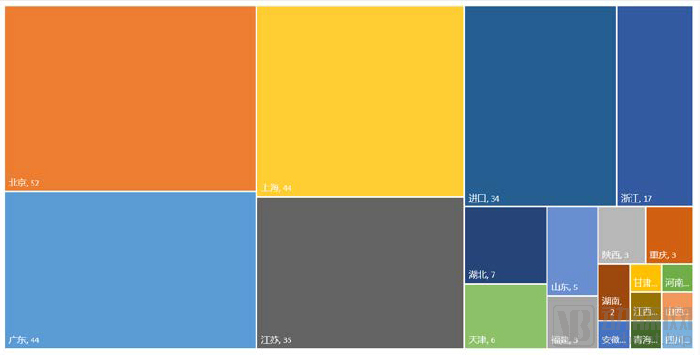
Regional Distribution of Innovative Medical Devices Over the Years
In terms of regional distribution, Beijing-based companies led in the number of innovative medical devices approved, with a total of 52 products. Shanghai and Guangdong tied for second place, each with 44 approvals. Jiangsu ranked third, with 35 medical devices entering the innovative approval pathway. These regions also represent areas with relatively advanced development in China’s medical device industry.
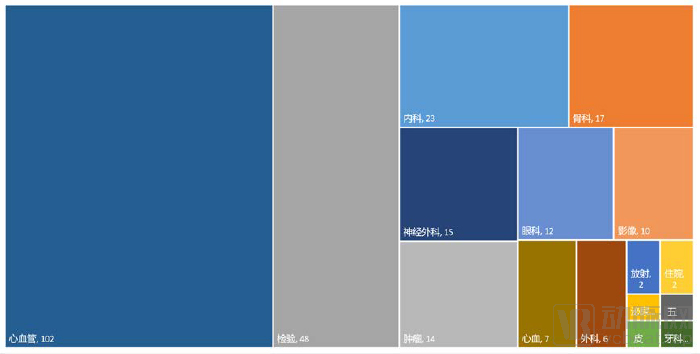
Statistics on Departments Utilizing Innovative Medical Devices by Year
From the perspective of application departments, cardiovascular medicine holds an absolute advantage, with more than one-third of innovative medical devices being applied in the cardiovascular field. This has also made high-value consumables in the cardiovascular sector one of the areas where domestic substitution in China has been relatively successful.
Taking drug-eluting stents as an example, Johnson & Johnson’s Cypher became the first drug-eluting stent to receive FDA approval in 2003 and captured more than 60% of the global market share by 2006. Within just a few years, domestically produced cardiovascular stents reversed this trend, with foreign and Chinese brands accounting for 20% and 80% of the domestic market share, respectively. In 2011, Johnson & Johnson announced its exit from the cardiac stent market.
Since IVD devices are primarily used in clinical laboratories, the clinical laboratory is the second-largest department for medical device applications. Internal medicine ranks third, with 23 innovative medical devices applied in this field.
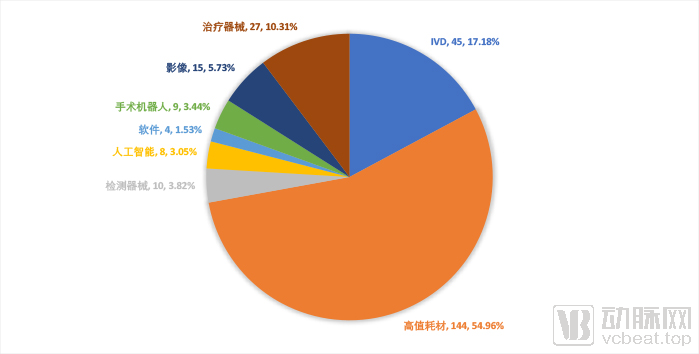
Statistical Breakdown of Innovative Medical Device Classifications by Year
Based on the classification of approved innovative medical devices, high-value consumables account for more than half. This is precisely because increased investment in research and development within China’s high-value consumables industry in recent years has led to significant changes in the domestic market landscape compared to previous years. The market share of domestically produced high-value consumables has risen rapidly, and the process of import substitution is advancing steadily.
IVD represents the second-largest category, accounting for 17.2% of the total. This sector has also witnessed rapid growth in China over the past two years. During the COVID-19 pandemic, Chinese IVD companies delivered outstanding performance, developing various test kits for the novel coronavirus within a very short timeframe.
Therapeutic devices include radiotherapy equipment such as particle accelerators, as well as electrical stimulation-based therapeutic devices. This category ranks third in terms of proportion. Notably, imaging devices, which also fall under the broader category of radiological equipment, rank fourth among innovative medical devices. In recent years, Chinese medical device manufacturers have achieved breakthroughs in this field. Leveraging these technological advancements, their market share has continued to rise.
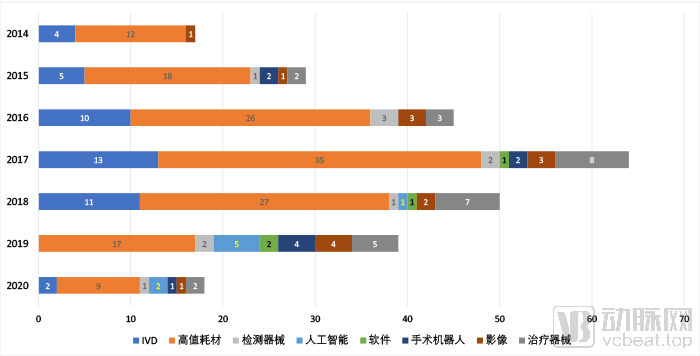
Statistics on the Classification of Innovative Medical Devices by Year
An analysis of medical device approvals by category over the years reveals that the majority of high-value consumables and in vitro diagnostics (IVD) were approved prior to 2019, with a peak in 2017. In that year, 35 high-value consumables and 13 IVD products were approved through the pilot innovative approval pathway.
This situation highlights the characteristic focus of early-stage medical device innovation on these two domains. On the other hand, given the lengthy research and development cycles and the need for substantial accumulation of expertise in the medical device industry, it is reasonable that breakthroughs were difficult to achieve in the early stages.
Over time, a wider variety of medical devices have entered the innovation pathway. Since 2018, there has been a gradual increase in the number of artificial intelligence (AI) technologies, software solutions, and surgical robots.
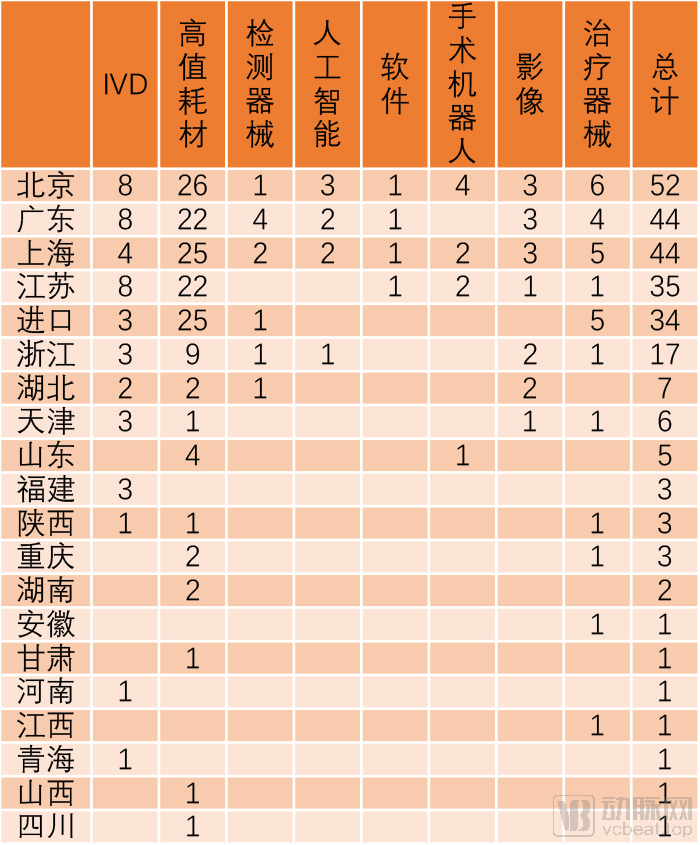
Distribution of Innovative Medical Device Types by Region
From the perspective of medical device classification across various regions, Beijing and Shanghai have the most comprehensive categories, covering all eight types of innovative medical devices. In contrast, Guangdong has a gap in the field of surgical robots.
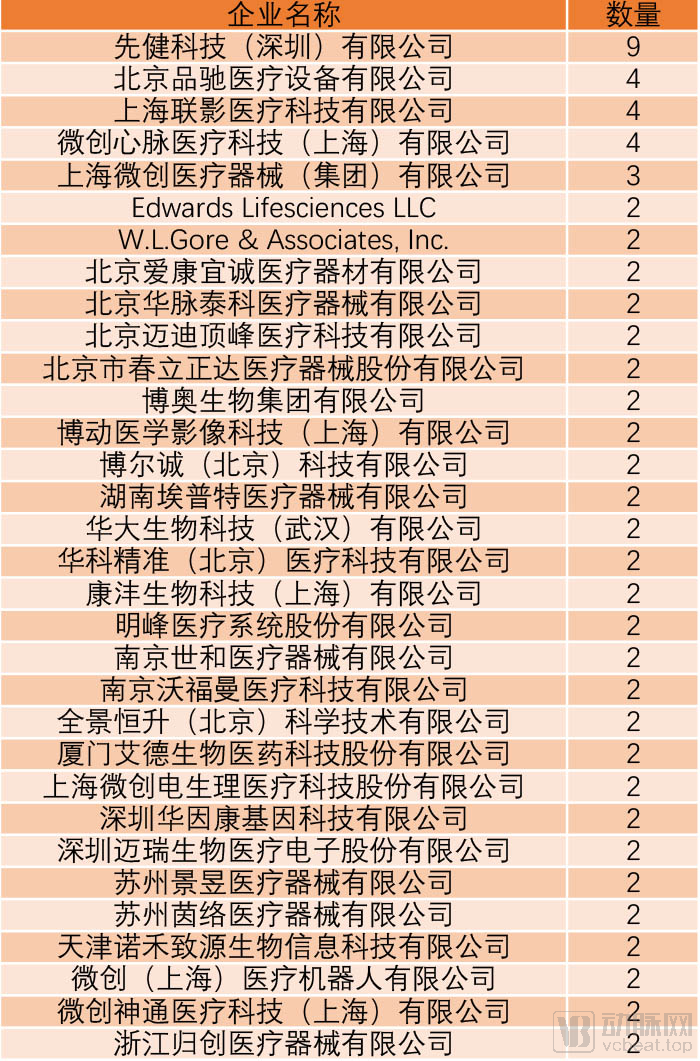
Statistics on Companies with More Than One Innovative Medical Device Approval
A total of 262 innovative medical devices from 217 medical device companies. Among them, as many as 32 companies have more than one innovative medical device entering the channel.
The top five are LifeTech Scientific (Shenzhen) Co., Ltd., Beijing PINS Medical Equipment Co., Ltd., Shanghai United Imaging Healthcare Co., Ltd., MicroPort Endovastec Medical Technology (Shanghai) Co., Ltd., and MicroPort Scientific Corporation.
Among them, LifeTech Scientific (Shenzhen) Co., Ltd. has had as many as nine approvals through the innovative device review pathway, all for high-value consumables. However, if affiliated companies are taken into account, Shanghai MicroPort Medical (Group) Co., Ltd. is the undisputed industry giant, according to MicroPort Group’s officialThe press release mentioned that MicroPort already has 19 innovative medical devices approved to enter the special review procedure for innovative medical devices.
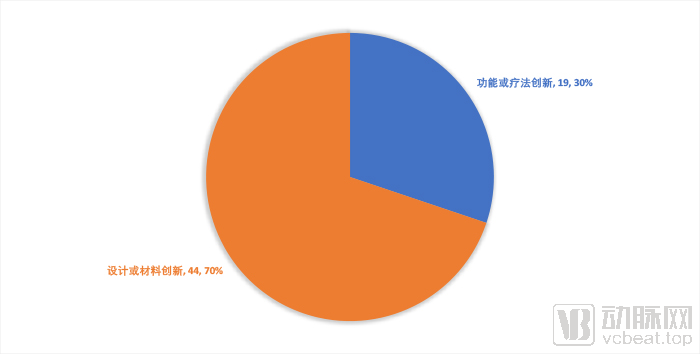
Statistics on Innovation Points of Innovative Medical Devices After December 1, 2018
We have also compiled statistics on innovative medical devices approved under the new regulations after December 1, 2018. Based on their key innovations, these devices are primarily categorized into two groups: design or material innovations, and functional or therapeutic innovations. It should be noted that due to product diversity and limitations in our analysis, this classification may not be exhaustive and is provided for reference only.
From a statistical perspective, there are 44 medical devices featuring design or material innovations, representing the most significant area of innovation. Among these, high-value consumables account for 32 models, making them the primary contributing factor.
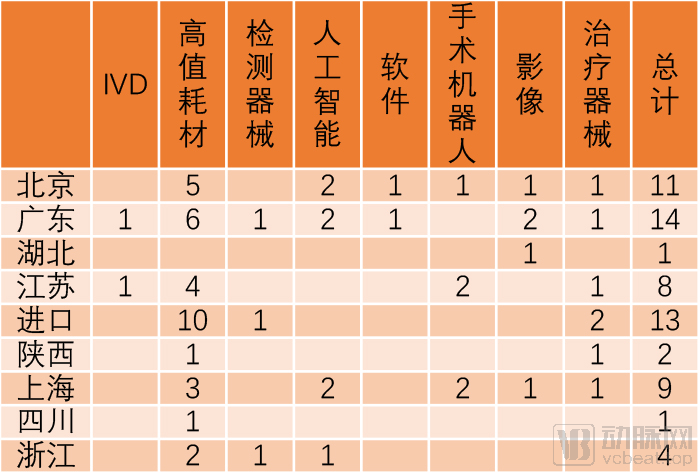
Regional and Type Distribution of Innovative Medical Devices After December 1, 2018
In terms of regional distribution, Guangdong has emerged as a standout over the past two years, with 14 innovative medical devices approved after the implementation of the new regulations—the highest number among all regions—and offering a relatively comprehensive range of product types. Beijing and Shanghai ranked second and third, with 11 and 9 approved devices, respectively.
Interestingly, in the nearly one-and-a-half years since the new regulations were implemented, imported innovative medical devices accounted for a significant proportion; with 13 products, they ranked second, only slightly behind the number registered in Guangdong.
Among these, 10 are high-value consumables, with one diagnostic device and two therapeutic devices.
Following the implementation of the new regulations, importers of innovative medical devices are relatively dispersed, spanning 13 companies. However, historical data on companies entering the innovation pathway shows that the Medtronic group is undoubtedly the dominant player, with five approvals. It leads the field among a total of 34 approvals for imported innovative medical devices, underscoring the robust innovation capabilities of this established medical device giant.
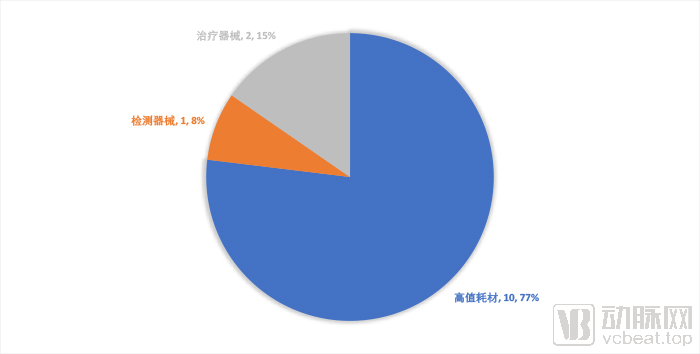
Distribution of Imported Innovative Medical Device Types After December 1, 2018
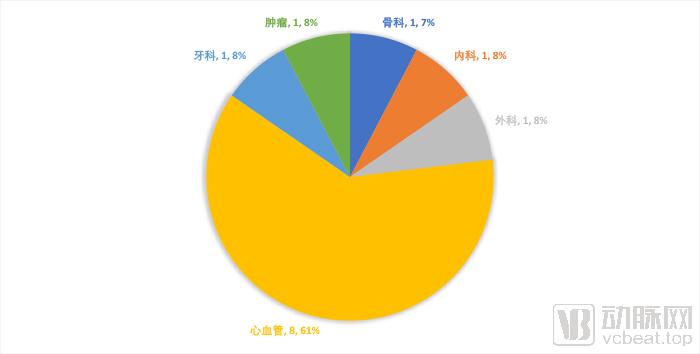
Distribution of Departments Using Imported Innovative Medical Devices After December 1, 2018
A breakdown by clinical department reveals that eight of these imported innovative medical devices are related to cardiovascular care. This indicates that there is still significant room for the domestic medical device industry to expand its presence and further advance import substitution with Chinese-made products.
For instance, cardiac pacemakers represent a weak link in China’s current biomaterials industry, with a domestic production rate of less than 10%. Meanwhile, although domestically produced biomaterials account for 70% of the trauma care market share, these products are predominantly low-priced, while the high-end segment is almost entirely dominated by foreign companies. These areas present significant market opportunities for import substitution with domestic alternatives.
The medical device industry is one of the fastest-growing sectors worldwide and a significant driver of economic development. In developed countries, the medical device industry accounts for approximately 10% of GDP, with the figure reaching 15% in the United States. By comparison, China’s current share stands at only around 5%.
Meanwhile, China’s medical device market accounts for only 30% of the country’s total pharmaceutical market, a significant gap compared to the global average where medical devices represent 50% of the total pharmaceutical market. This also indicates that China’s medical device industry has substantial room for future growth.
Currently, China’s medical device industry has made significant progress. In the 2019 Global Top 100 Medical Device Companies list released by QMED, Chinese companies are already visible—Mindray Medical (34), Xinhua Medical (47), Lepu Medical (49), MicroPort Medical (63), Yuwell Medical (68), and Tofflon (87) are all prominently featured.
Innovation is the only path for China’s medical device industry to catch up with international advanced standards. With the gradual improvement of the approval process for innovative medical devices, and their integration with artificial intelligence, mobile internet, the Internet of Things, and big data, we believe that the path of innovation in China’s medical device industry will become increasingly broad. VCBeat will continue to closely monitor this field.