

Securing Early Cancer Screening and Cost Control: Key Strategies Among China's 50+ Liquid Biopsy Companies
In 2019, the National Cancer Center released the National Cancer Statistics Report. The report indicated that in 2015, there were approximately 3.929 million new cases of malignant tumors and about 2.338 million cancer-related deaths nationwide. This translates to an average of more than 10,000 new diagnoses per day, or 7.5 people every minute. With the continuous rise in cancer incidence and mortality rates, timely and effective diagnosis and treatment of tumors have become a key focus for the precision medicine industry.
Conventional cancer diagnostic and therapeutic approaches often result in late-stage diagnosis, missing the optimal treatment window, or the development of resistance to radiotherapy and chemotherapy drugs due to low sensitivity of diagnostic markers, tumor heterogeneity, and significant inter-individual variability. Consequently, patients are difficult to cure and have shorter survival times.
Liquid biopsy is one of the core technologies in precision medicine. By collecting only 5–10 mL of a patient’s blood and quantifying circulating tumor cells (CTCs), circulating tumor DNA (ctDNA), and tumor-derived exosomes, it can cover the entire process of cancer diagnosis and treatment.
Since being named one of the Top 10 Breakthrough Technologies of 2015 by MIT Technology Review, liquid biopsy technology has attracted increasing attention from the corporate capital market due to its broad application prospects in cancer diagnosis and treatment. Its popularity has continued to rise, and it has become a breakthrough point for precision oncology diagnosis and therapy.
Liquid biopsy technology holds immense potential in early cancer screening, early diagnosis, treatment, and prognosis, offering promising solutions to diagnostic and therapeutic challenges across the entire cancer care continuum. In the realm of early screening and diagnosis, liquid biopsy enables the early detection of tumor cells before specific symptoms manifest, providing a critical tool for early discovery and intervention. During treatment, it facilitates monitoring of tumor progression and clinical efficacy, thereby supporting physicians in devising personalized medication regimens and evidence-based treatment strategies. In the prognostic phase, liquid biopsy can predict the risk of disease recurrence in patients.
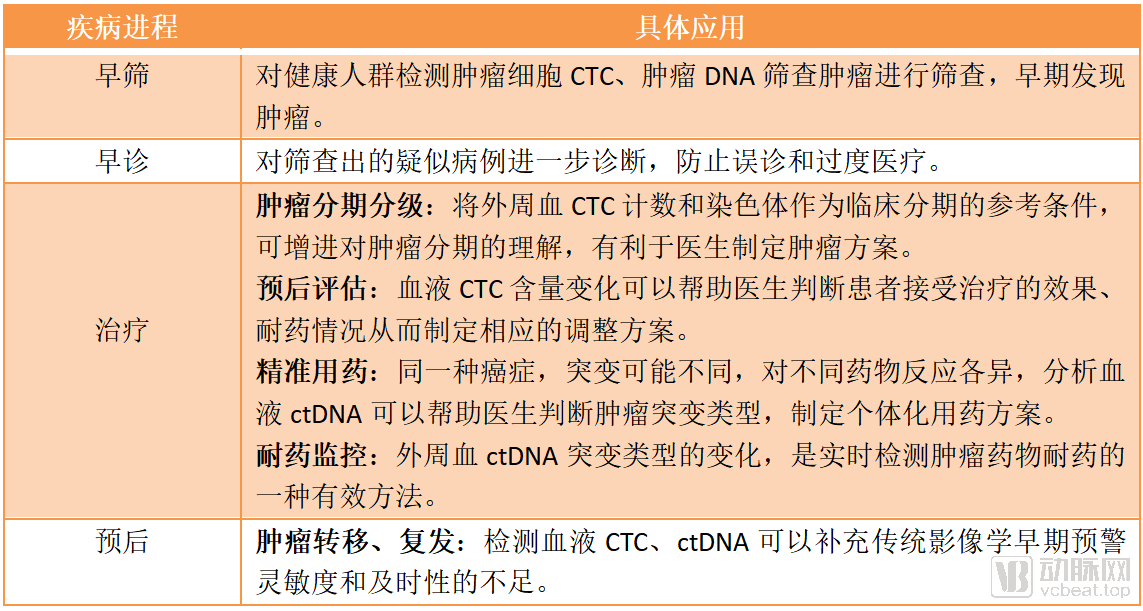
Specific Applications of Liquid Biopsy Technology in the Full-Cycle Diagnosis of Tumors
According to Piper Jaffray, the global market size for liquid biopsy is projected to reach $28.6 billion in 2026. This includes $15 billion for early screening, $1.7 billion for guiding treatment decisions, $5 billion for treatment monitoring, and $6.9 billion for recurrence monitoring.
In January 2016, the China Food and Drug Administration (CFDA) approved the first circulating tumor cell (CTC) detection kit, marking the formal clinical application of liquid biopsy technology. To date, what is the current status of liquid biopsy in early cancer screening, early diagnosis, treatment, and prognosis? What market opportunities and technical challenges remain? This article provides a detailed analysis of the application of liquid biopsy technology throughout the entire cancer care continuum and reviews relevant domestic companies.
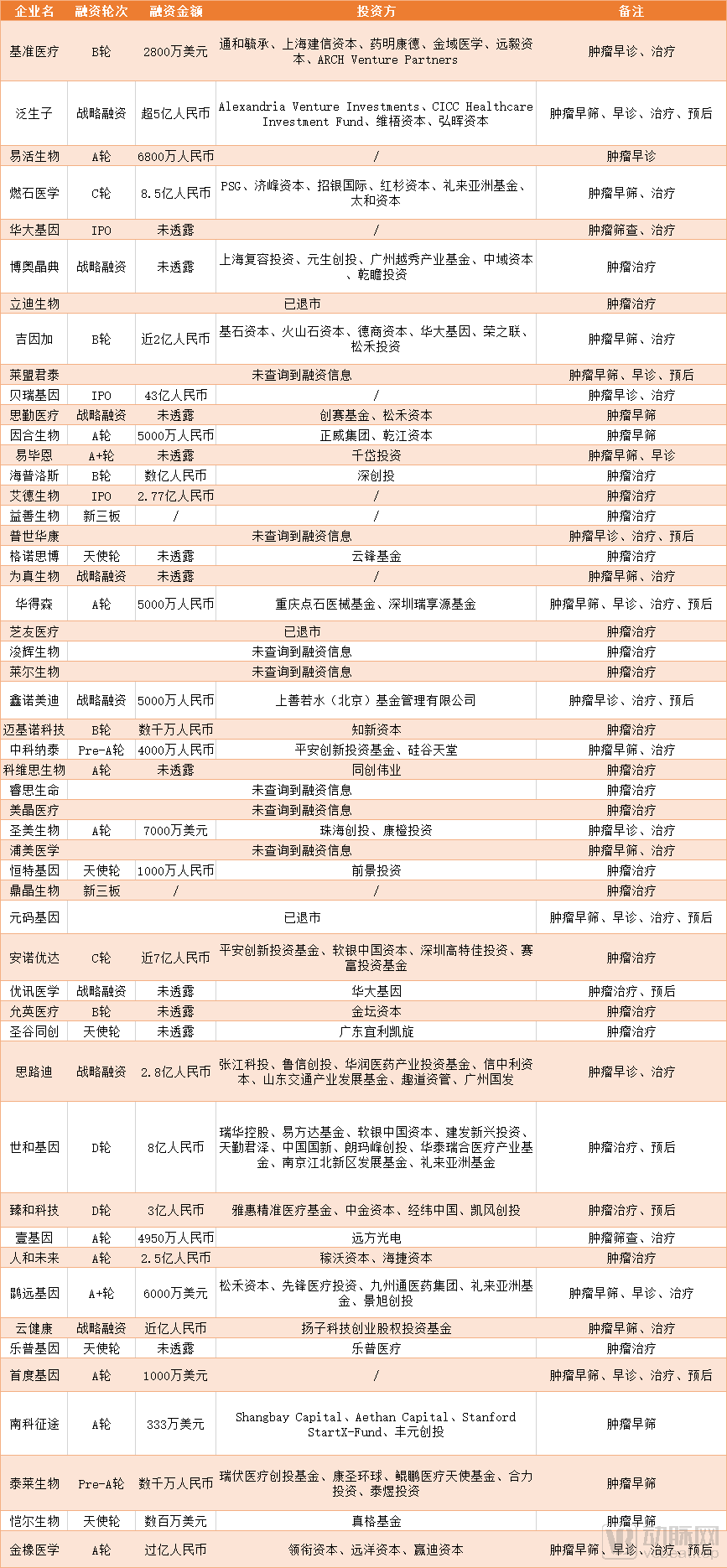
VCBeat has compiled information on more than 50 liquid biopsy companies based on publicly available data (this is an incomplete compilation, primarily covering companies in the mid-to-downstream segments of the industry chain). The information dimensions include companies’ financing status and the coverage of their products/technologies across the tumor diagnosis and treatment cycle.
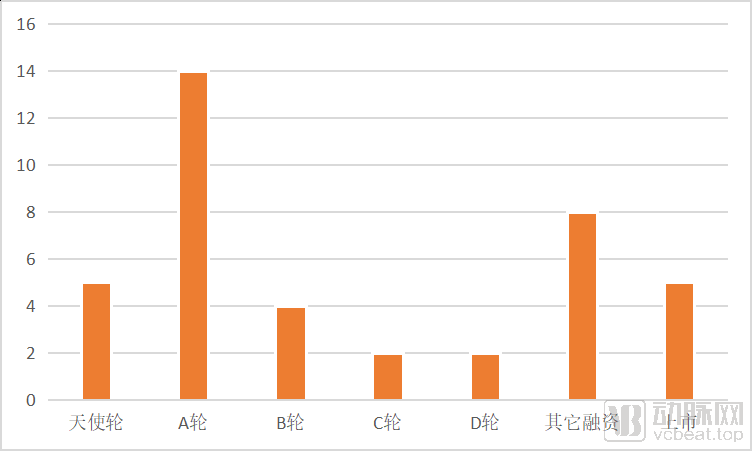
From the perspective of financing rounds, among 51 companies, 40 have identifiable financing stages. These include both emerging startups and publicly listed companies that have made late-stage entries into the liquid biopsy sector. It is evident that most companies are in the early stages of financing: 14 are in Series A, while 5 and 4 are in angel and Series B rounds, respectively. This indicates substantial growth potential for this market in the future.
We have identified a total of five listed companies operating in the field of oncology liquid biopsy: BGI Genomics, Berry Genomics, AmoyDx, Yishan Biotechnology, and Dingjing Biotechnology. These companies have largely entered the oncology liquid biopsy sector through business expansion, acquisitions, and investments.
In terms of financing amounts, most companies raised funds in the tens of millions of yuan range. Twelve companies secured over RMB 100 million in financing, with Burning Rock Biotech topping the list with a single-round raise of RMB 850 million. Jinxiang Medicine also achieved over RMB 100 million in its Series A round, underscoring strong investor confidence in the cancer liquid biopsy market.
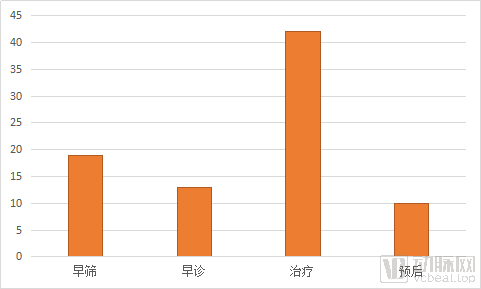
VCBeat has compiled data on the product portfolios of various liquid biopsy companies in the oncology diagnosis and treatment market through public reports, official websites, and other sources. In terms of the stages of the oncology care cycle covered by their products and technologies, the majority of liquid biopsy companies—totaling 43—are focused on the tumor treatment phase, reflecting the relatively mature development of the current oncology treatment market.
In addition, the market for early cancer screening and diagnosis is also a key focus for liquid biopsy companies. Statistics show that 20 and 14 companies have laid out strategies in early screening and early diagnosis, respectively. Some companies have already developed corresponding solutions for early cancer screening and diagnosis, while others are still actively engaged in research and development. In the future, this market is expected to remain highly dynamic.
Liquid biopsy technology detects the presence of tumor cells in the human body by analyzing biomarkers such as circulating tumor cells (CTCs), circulating tumor DNA (ctDNA), and exosomes, thereby providing insights into tumor progression and drug resistance to support cancer diagnosis and treatment.
CTCs refer to tumor cells that originate from primary or metastatic tumors, acquire the ability to detach from the basement membrane, and invade through the tissue matrix into the bloodstream. The detectable levels of CTCs in the blood vary among patients with different types of cancer; for instance, CTCs are detected in 50%–70% of patients with colorectal, ovarian, or breast cancer, whereas the detection rate is as low as 30% in non-small cell lung cancer.
Furthermore, after entering the peripheral blood, the majority of circulating tumor cells (CTCs) undergo apoptosis or are phagocytosed, while a small subset evades immune surveillance or pharmacological therapy, seeding and proliferating in distant organs or primary tissues, thereby leading to tumor metastasis or recurrence.
CTCs hold significant clinical potential. They can be used for early cancer screening by quantifying CTCs in the blood; for developing personalized treatment plans through isolation, culture, sequencing, and pharmacological testing of CTCs; for real-time monitoring of tumor recurrence by assessing CTC levels in the blood; and for analyzing drug resistance and adjusting treatment regimens after recurrence.
ctDNA refers to single-stranded or double-stranded DNA released by tumor cells into the bloodstream. After tumor cells become inactive, their intracellular DNA is released into the circulatory system and exists freely in the blood. By detecting genetic mutations in ctDNA, information on mutations within tumor tissues can be obtained, providing a basis for clinical diagnosis and treatment.
The application potential of ctDNA includes real-time monitoring of tumor progression and treatment response, investigation of drug resistance mechanisms, prognostic assessment, and evaluation of therapeutic efficacy.
Exosomes are membrane-bound vesicles, approximately 30–120 nm in diameter, that are released into the extracellular matrix following the fusion of multivesicular bodies with the plasma membrane. Overexpressed protein biomarkers can be detected in exosomes derived from tumor cells, underscoring their significant potential application value in tumor diagnosis. Additionally, exosomes contain abundant amounts of mRNA, miRNA, lncRNA, and circRNA.
Currently, the role and mechanisms of exosomes in tumorigenesis and tumor progression have garnered increasing attention from industry professionals, with applications in early cancer diagnosis and monitoring of tumor metastasis.
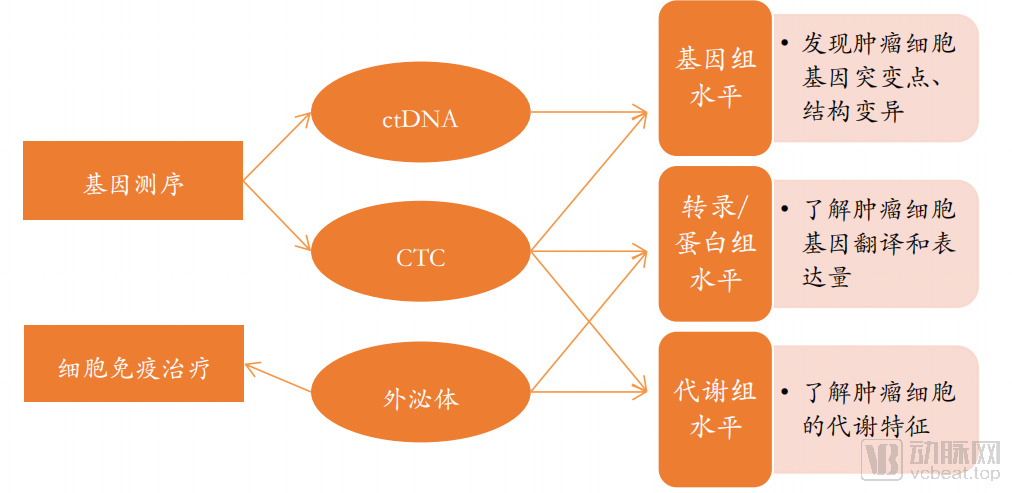
Specific Applications of ctDNA, CTCs, and Exosomes in Tumor Cell Research (Image Source: Guangzheng Hengsheng)
Currently, there is more research on CTCs and ctDNA in the market. Due to the difficulty in isolation and acquisition, the clinical application of exosomes is less mature and widespread than that of CTCs and ctDNA, but their development prospects are promising.
Although all three biomarkers can play a role throughout the entire cycle of tumor diagnosis and treatment, each has its own advantages and focuses.
CTC testing not only provides a comprehensive assessment of copy number variations and structural variations in tumor cells at the genomic level, but also offers opportunities for in-depth characterization of individual tumor cells at the proteomic and metabolomic levels, holding significant potential for guiding personalized oncology medication and monitoring treatment response.
ctDNA is DNA released by tumor cells into the circulatory system, focusing on the genetic level to obtain mutation information. It is suitable for early screening, personalized medication guidance, and drug resistance monitoring.
Exosomes are rich in information, including proteins and RNA, and can be used for clinical diagnosis and disease treatment.
In summary, CTCs, ctDNA, and exosomes each have their own advantages and complement one another, providing solutions that cover the entire process of early cancer screening, early diagnosis, treatment, and prognosis.
Early Screening: Vast Market Potential, Yet Immature Application
Tumor cell growth relies on nutrient delivery via the bloodstream. Before specific symptoms manifest, or even before imaging can detect minute lesions, tumor cells, DNA, or exosomes are already present in the blood. By measuring levels of tumor-specific markers such as circulating tumor DNA (ctDNA) and circulating tumor cells (CTCs) in the blood using techniques like polymerase chain reaction (PCR) and high-throughput sequencing, early-stage tumors that are undetectable by imaging can be identified. Early detection and intervention can reduce tumor incidence and mortality rates.
Currently, most cancer types lack suitable early screening methods, and liquid biopsy is poised to unlock a vast blue-ocean market in the field of early tumor detection. According to Piper Jaffray’s estimates, early tumor screening accounts for the largest share of the liquid biopsy market, reaching $15 billion out of a global market size of $28.6 billion, representing more than half of the total. Companies in China that have entered the early tumor screening market include Siqin Medical, Genetron Health, Laimeng Junta, Yinhe Biology, and Epigenomics.
Cancer early screening is categorized into single-cancer early screening and pan-cancer early screening. Liquid biopsy targeting multiple cancer types is more efficient than tests focused on a single cancer type; however, this also implies that pan-cancer early screening requires the simultaneous detection of a larger number of biomarkers, necessitating higher throughput and greater sensitivity.
Sikangning, developed by Siqin Medical, is a pan-cancer early screening product that centers on the analysis of cancer gene mutations in cell-free DNA fragments from peripheral blood. It employs multivariate algorithms combined with big data and artificial intelligence to detect cancer and trace the affected organs. Meanwhile, Laimeng Juntai utilizes non-invasive DNA methylation tumor detection technology to provide earlier and more precise detection of the onset and progression of seven high-incidence, high-mortality cancers: liver cancer, colorectal cancer, gastric cancer, breast cancer, lung cancer, cholangiocarcinoma, and pancreatic cancer.
Ideals are often idealized, while reality is stark. Although there is high anticipation for the application of liquid biopsy technology in early cancer screening, significant challenges remain in implementing it clinically.
First, the technology is immature, with low sensitivity and specificity for screening. Circulating tumor DNA (ctDNA) is the primary biomarker for early cancer screening tests. While ctDNA levels are high in advanced or metastatic tumors, they are low in early-stage or localized tumors, imposing extremely high demands on detection sensitivity and specificity.
Secondly, the high cost is a significant barrier. It is understood that the price for liquid biopsy testing is approximately $500, and it is not covered by medical insurance. In contrast, mature early screening technologies are already available for high-incidence cancers such as lung cancer, cervical cancer, colorectal cancer, and breast cancer. These established methods offer low screening costs while maintaining high levels of sensitivity and specificity. Taking lung cancer early screening as an example, low-dose spiral CT is currently globally recognized as an effective screening tool. It costs around RMB 200 and boasts a sensitivity exceeding 90%. Studies have shown that screening with low-dose spiral CT can reduce lung cancer-related mortality by 20%. Under these circumstances, it is extremely difficult for liquid biopsy technology to replace existing lung cancer screening methods.
Industry experts also told VCBeat that liquid biopsy technology must significantly reduce costs while achieving high sensitivity and high specificity before it can make significant inroads in the field of early cancer screening. Another industry insider stated that early cancer screening will undoubtedly become the largest market segment within the liquid biopsy sector; however, its applicability is closely tied to the technological advancements of liquid biopsies, and this market will require a prolonged period of development to reach maturity.
Early Diagnosis: Further assess the benign or malignant nature of lesions to avoid overtreatment
“Early screening” and “early diagnosis” are terms that frequently appear together, leading many people to conflate early cancer screening with early diagnosis. It is therefore necessary to clarify the distinction between the two: early screening refers to the process of screening healthy populations to identify individuals suspected of having the disease; early diagnosis involves further diagnostic evaluation of these suspected cases or patients who have already developed symptoms, with the aim of improving patient survival rates through early detection and timely treatment.
Significant challenges remain in the clinical early diagnosis of tumors in China. Taking lung cancer as an example, a major clinical difficulty lies in determining the benign or malignant nature of pulmonary nodules detected through low-dose spiral CT screening. According to industry experts, over 90% of pulmonary nodules are benign. Previously, physicians relied solely on imaging assessments to differentiate between benign and malignant nodules, which made it particularly difficult to accurately characterize nodules smaller than 1 centimeter. This often led to misdiagnosis and subsequent overtreatment. Studies have shown that approximately 38% and 20% of patients with benign nodules underwent unnecessary invasive biopsies and surgical interventions, respectively. In layman’s terms, these patients “endured surgery in vain.”
Liquid biopsy technology offers new opportunities for the early diagnosis of tumors. By detecting circulating tumor cells (CTCs) and circulating tumor DNA (ctDNA) in the blood, liquid biopsy can facilitate the early determination of whether lesions are benign or malignant. For example, PulmoSeek, a non-invasive genetic test for lung nodules developed by Burning Rock Dx as an auxiliary diagnostic product for early-stage lung cancer, is based on cell-free DNA (cfDNA) methylation sequencing data from peripheral blood samples of over one thousand Chinese patients with pulmonary nodules. Through bioinformatic analysis, a diagnostic model was constructed to characterize the nature of these nodules. Validation using an independent sample set demonstrated that PulmoSeek™ achieved a sensitivity of 95.0% and a negative predictive value (NPV) of 80.0% (at a prevalence of 70%) for the qualitative diagnosis of pulmonary nodules, thereby preventing overtreatment in 50% of patients with benign nodules.
Treatment: Achieving Dynamic Monitoring and Personalized Medicine
Traditional cancer treatment protocols involve surgical resection of lesion tissues and pathological section analysis to determine tumor cell subtypes, thereby guiding the selection of targeted chemotherapy agents. A critical limitation of this approach is the inability to monitor tumor genetic mutations in real time during treatment; consequently, when tumor cells develop drug resistance, medications cannot be promptly adjusted based on the patient’s individual condition.
The application of liquid biopsy technology in cancer treatment includes guiding clinical medication by detecting circulating tumor cells (CTCs), circulating tumor DNA (ctDNA), and exosomes to obtain tumor-related information for selecting appropriate targeted therapies; companion diagnostics for targeted drugs, where liquid biopsy is used to assess tumor progression and select corresponding targeted therapeutic agents; and dynamic monitoring of treatment efficacy, as liquid biopsy allows for repeated sampling to track tumor development, evaluate the effectiveness of targeted therapies, and guide subsequent treatment strategies.
Among them, BGI Genomics has developed Huofeiran™—a targeted drug gene test for lung cancer tissue—and Huofei Yue™—a non-invasive ctDNA targeted drug gene test for lung cancer. Based on tumor tissue samples and peripheral blood samples, these tests detect 20 and 12 genes, respectively, that are clearly associated with lung cancer, interpret 33 and 28 types of targeted drugs, analyze the relationship between genetic variants in lung cancer patients and drug efficacy, and assist doctors and patients in selecting effective and safe medications. Meanwhile, Lanke, under Burning Rock Biotech, provides personalized targeted therapy guidance for lung cancer patients by detecting genes related to the treatment of non-small cell lung cancer.
VCBeat conducted research on multiple liquid biopsy companies involved in cancer treatment and found that lung cancer, colorectal cancer, and breast cancer are the primary focus of most enterprises. This is closely related to the cancer incidence patterns in China, as lung cancer, colorectal cancer, and breast cancer are all high-incidence cancers in the country. In particular, lung cancer ranks first among all cancers in China, with an incidence rate of 20.03% in 2015. Furthermore, medical research on these cancer types is relatively mature. For instance, the NCCN Guidelines have clearly identified eight genes associated with the treatment of non-small cell lung cancer (NSCLC), which facilitates the development of relevant liquid biopsy products by these companies.
Prognosis: Early Detection of Recurrence Risk Prior to Imaging
Many tumors are prone to postoperative recurrence, with the peak incidence occurring within the first three years after surgery. Timely warning of recurrence risk and prompt intervention can effectively prolong patient survival. Previously, clinical practice relied on regular imaging examinations; however, due to limited sensitivity and specificity, early detection of recurrence risk was challenging. Liquid biopsy technology offers significant advantages in monitoring minimal residual disease and tumor recurrence, holding promise for the early identification of recurrence risk and improved patient prognosis.
Levels of circulating tumor DNA (ctDNA) and circulating tumor cells (CTCs) in the blood vary across different cancer types, as does the timeframe during which they can be detected. Currently, postoperative recurrence monitoring strategies involve designing gene panels specifically tailored to the most relevant genes for each cancer type. Patient tissue and blood samples are collected before surgery or at diagnosis to serve as references. Postoperative blood samples are then collected for real-time monitoring, followed by large-scale clinical validation.
Currently, companies involved in tumor prognosis include Yuxun Medical and Genetron Health. Yuxun Medical’s Youxu® circulating tumor DNA (ctDNA) assay is based on a next-generation high-throughput sequencing platform and employs its proprietary ESRiT technology to detect ctDNA variant information in the blood of cancer patients. With a sequencing coverage depth of up to 10,000X, it enables recurrence monitoring. Genetron Health’s Lung Cancer 180-Gene Panel (tissue/blood version) leverages advanced targeted capture technology and an NGS sequencing platform to provide high-quality detection of 180 lung cancer-related genes, offering robust reference information for clinical prognosis assessment and recurrence monitoring.
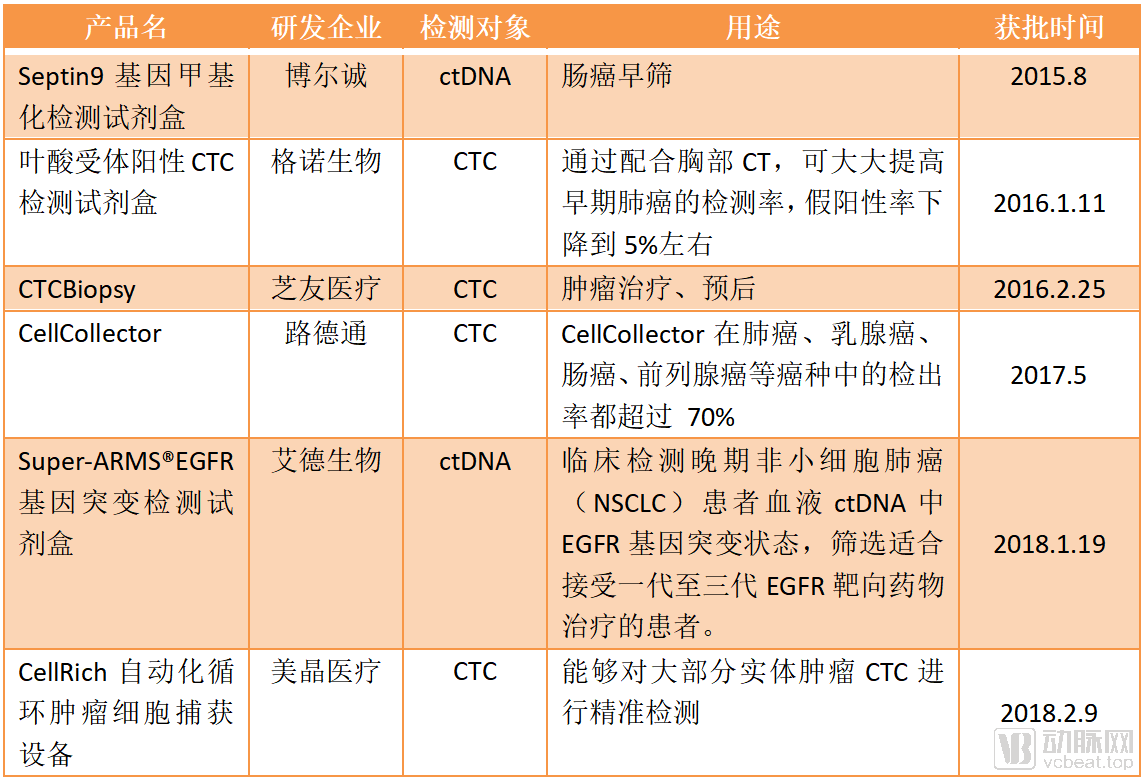
VCBeat has compiled an incomplete list of domestically produced liquid biopsy products approved by the China Food and Drug Administration (CFDA), focusing primarily on those in the midstream segment of the industry chain. As shown in the table, the analytes targeted by approved liquid biopsy products are mainly circulating tumor cells (CTCs) and circulating tumor DNA (ctDNA). VCBeat has not yet identified any approved liquid biopsy products that target exosomes. In recent years, research on exosomes has gained increasing momentum, and their potential applications in cancer diagnosis and treatment are being progressively explored. It is foreseeable that liquid biopsy products targeting exosomes are likely to receive approval in the coming years.
Regulatory approval policies for tumor liquid biopsy products can be categorized into two types. The first type pertains to product-based approvals, which follow the regulatory framework for Class III in vitro diagnostic (IVD) reagents, with products sold to hospitals and medical institutions. The National Medical Products Administration (NMPA) imposes stringent standards on the safety and efficacy of Class III medical devices, making the approval process highly challenging. Notably, China has achieved several groundbreaking milestones in the regulatory approval of liquid biopsy products. For instance, Genobio’s Folate Receptor-Positive Circulating Tumor Cell (CTC) Detection Kit is the world’s first CTC detection kit for lung cancer. Additionally, AmoyDx’s Super-ARMS® EGFR Gene Mutation Detection Kit is the first ctDNA detection kit approved for market launch in China under the standards for companion diagnostic reagents.
Another category is service-oriented companies, which adhere to the qualification approval rules of the Clinical Laboratory Center. Liquid biopsy companies can extend their value chain downstream by establishing third-party laboratories independently or through partnerships, thereby providing testing services after obtaining the necessary qualifications.
It is understood that most enterprises currently adopt a hybrid model: on one hand, they actively seek approval from the China Food and Drug Administration (CFDA) to sell their products to hospitals and medical institutions; on the other hand, they establish third-party independent clinical laboratories to provide personalized medicine-related diagnostic testing services to cancer patients.
Liquid biopsy technology holds broad application prospects throughout the entire cycle of tumor diagnosis and treatment. However, this technology remains in its early stages of research, development, and clinical application in China. It has not yet successfully replaced traditional oncology diagnostic and therapeutic techniques and currently serves only as an important complementary diagnostic tool in the management of common cancers such as non-small cell lung cancer, breast cancer, and colorectal cancer.
VCBeat believes that liquid biopsy technology holds the greatest market potential for early cancer screening. However, current applications are predominantly concentrated in the mid-to-late stages of the oncology market—namely, cancer treatment and prognosis—while its use in early screening and diagnosis remains insufficiently mature.
Furthermore, hindered by factors such as technological limitations and low cost-effectiveness, liquid biopsy technology has not yet been widely adopted in tumor diagnosis and treatment, necessitating further development.
From a technical perspective, the technologies employed in liquid biopsy primarily include immunocapture, next-generation sequencing (NGS), and microfluidics. These techniques still have certain limitations and require further improvements in sensitivity, specificity, stability, and accuracy. In addition, single-cell sequencing and cell culture-based identification methods need to be refined to facilitate the clinical application of liquid biopsy.
From an economic perspective, the high cost of testing—driven by patent protection and deep sequencing—has currently limited the clinical adoption of liquid biopsy. In the future, prices are expected to decline further as sequencing costs decrease and reagents and consumables become domestically produced in China.
To address the issue of high costs, experts propose three solutions: first, identifying more precise molecular targets; second, large-scale application of automated platforms; and third, domestic production of core raw materials. Regarding technological limitations, the industry should be given sufficient time to mature.
We have reason to believe that, with decreasing costs and advancements in technologies such as tumor cell capture, liquid biopsy will shine brightly in the field of oncology diagnosis and treatment.
Special thanks to Fan Jianbing, CEO of BGI Genomics, and Cao Shanbai, founder of Jinxiang Medicine, for their support of this article.
References:
Applications and Challenges of Liquid Biopsy in Clinical Oncology Diagnosis and Treatment
Guangzheng Hengsheng, “Opening a New Era of Early Cancer Screening: Liquid Biopsy Poised for Takeoff”
Regulatory Policies, Business Models, and Industry Chain of Liquid Biopsy
Applications of Liquid Biopsy in Clinical Precision Diagnosis and Prognostic Assessment of Tumors
Clinical Application Advances in Liquid Biopsy: Detection of CTCs, ctDNA, and Exosomes